Rivers in Vietnam shape the country’s most memorable travel experiences, from the floating markets of the Mekong Delta to the emerald water of Nho Que River and the lantern-lit scenery of Hoi An. These waterways connect mountains, deltas, ancient towns, imperial sites, caves, and modern cities across the country.
In this guide, Your Vietnam Travel introduces 12 of the most famous rivers in Vietnam, including where they are, why they matter, and the best ways to experience them during your journey.
The Mekong River is one of the most important rivers in Southeast Asia and the most famous river associated with southern Vietnam. Originating from the Tibetan Plateau, the Mekong flows through China, Myanmar, Laos, Thailand, Cambodia, and Vietnam before reaching the East Sea through the Mekong Delta.
In Vietnam, the Mekong is known as Cuu Long River, meaning “Nine Dragons,” referring to the river’s multiple branches across the delta. This vast river system supports rice fields, fruit gardens, floating markets, fish farms, traditional craft villages, and river communities.
For travelers, the Mekong Delta offers one of the most authentic river experiences in Vietnam. Can Tho, Ben Tre, My Tho, Cai Be, Vinh Long, Chau Doc, and Tra Vinh are popular destinations for exploring the region. Cai Rang Floating Market in Can Tho is one of the most famous floating markets in Vietnam, where boats gather early in the morning to trade fruit, vegetables, coffee, noodles, and local produce.
Best things to do along the Mekong River:
The Mekong River is best for travelers interested in local life, food culture, river cruises, floating markets, agriculture, and slow-paced countryside experiences.
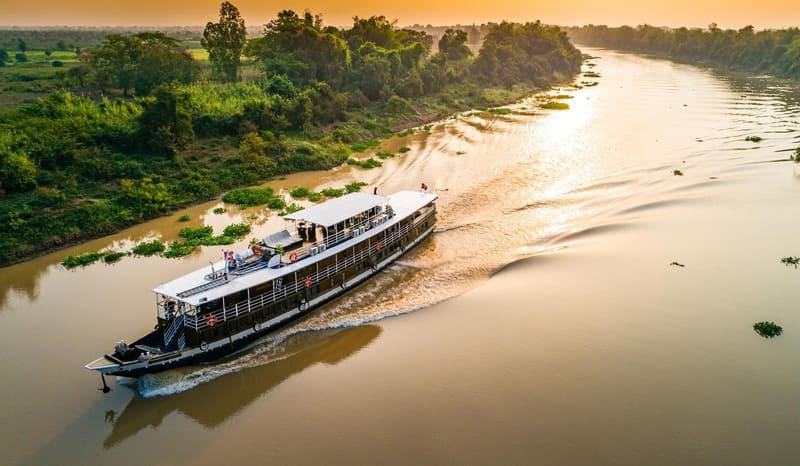
A river cruise is one of the best ways to experience the Mekong (Source: Collected)
The Red River, known in Vietnamese as Song Hong, is the most important river in northern Vietnam. It originates in China, flows through the northern mountains, passes Hanoi, and empties into the Gulf of Tonkin. The river gets its name from the reddish-brown alluvial silt carried downstream, especially during the rainy season.
The Red River has played a major role in Vietnamese history, agriculture, and settlement. Its fertile delta supported early wet-rice farming and the development of ancient villages, temples, pagodas, craft communities, and trading networks. Today, the Red River Delta remains one of Vietnam’s most important agricultural and cultural regions.
In Hanoi, the Red River is closely linked with Long Bien Bridge, one of the city’s most iconic historical structures. Built during the French colonial period, the bridge crosses the Red River and remains a memorable place to see local life, trains, motorbikes, banana plantations, and riverside scenery.
Near Hanoi, the Red River also connects with traditional craft villages such as Bat Trang Ceramic Village, where visitors can learn about pottery-making, shop for ceramics, and explore a long-standing craft culture.
Best things to do along the Red River:
The Red River is best for travelers interested in Hanoi, history, traditional villages, local culture, and northern Vietnam’s agricultural heritage.
To learn more about the river’s history, geography, cultural importance, and impact on northern Vietnam, explore our guide to the Red River Vietnam.
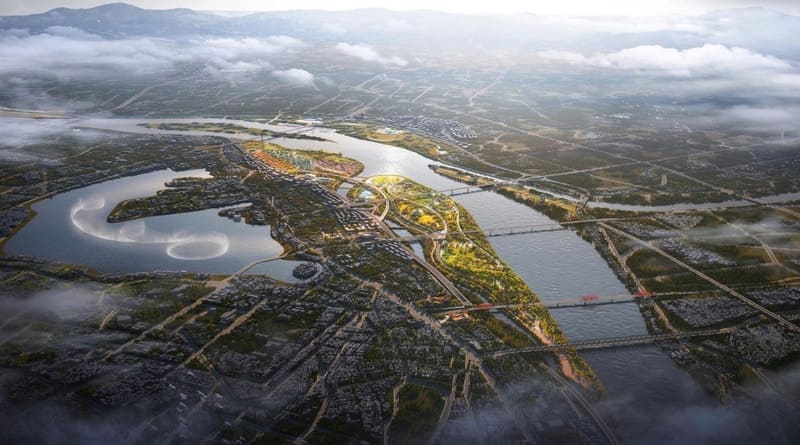
The Red River is closely tied to Hanoi’s history (Source: Collected)
Nho Que River is one of the most beautiful rivers in northern Vietnam. Located in Ha Giang Province, it flows through the Dong Van Karst Plateau and passes beneath Ma Pi Leng Pass, one of the most dramatic mountain passes in Vietnam.
The river is famous for its emerald-green water, steep limestone cliffs, and the spectacular Tu San Canyon. The view from Ma Pi Leng Pass down to Nho Que River is one of the most iconic landscapes in Ha Giang. From above, the river appears as a narrow green ribbon winding through a deep canyon surrounded by rugged mountains.
A boat trip on Nho Que River is now one of the top experiences for travelers doing the Ha Giang Loop. Boats usually depart near the river area below Ma Pi Leng Pass, taking visitors through the canyon for close-up views of the cliffs and water. Kayaking is also available in some areas, depending on local conditions and tour arrangements.
Best things to do along Nho Que River:
Nho Que River is best for adventure travelers, photographers, motorbike riders, nature lovers, and those looking for Vietnam’s most dramatic mountain scenery.
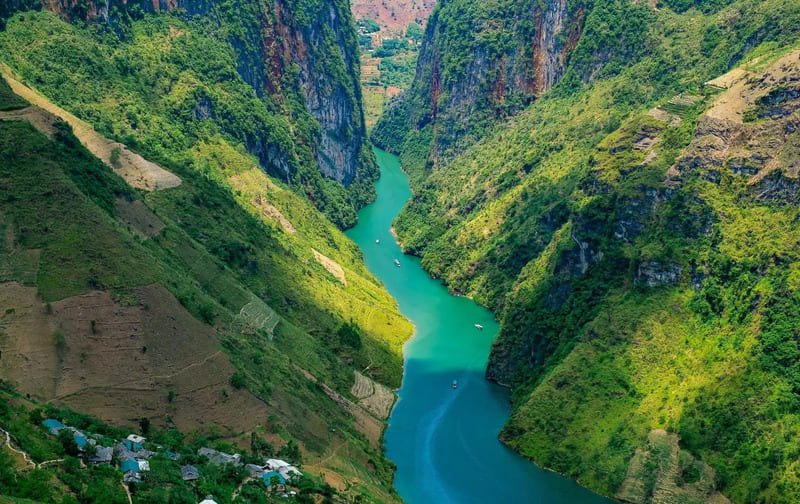
Nho Que River winds through Ha Giang’s limestone mountains (Source: Collected)
Ngo Dong River is a small but famous river in Ninh Binh Province. It flows through Tam Coc, a scenic area known for limestone karsts, rice fields, caves, and traditional sampan boat rides. The name Tam Coc means “three caves,” referring to Hang Ca, Hang Hai, and Hang Ba, which boats pass through during the journey.
Ngo Dong River is one of the main reasons Ninh Binh is often called “Halong Bay on land.” Instead of cruising among limestone islands in the sea, visitors travel by sampan through rice paddies and karst mountains. Local rowers often use their feet to paddle, a unique rowing technique that has become one of Tam Coc’s signature images.
The river is especially beautiful during the rice season, when the fields along both sides turn green or golden depending on the time of year. Late May to early June is often considered one of the most photogenic periods, as golden rice fields create a striking contrast with the limestone cliffs.
Best things to do along Ngo Dong River:
Ngo Dong River is best for scenic boat rides, photography, countryside views, limestone landscapes, and peaceful travel experiences in northern Vietnam.
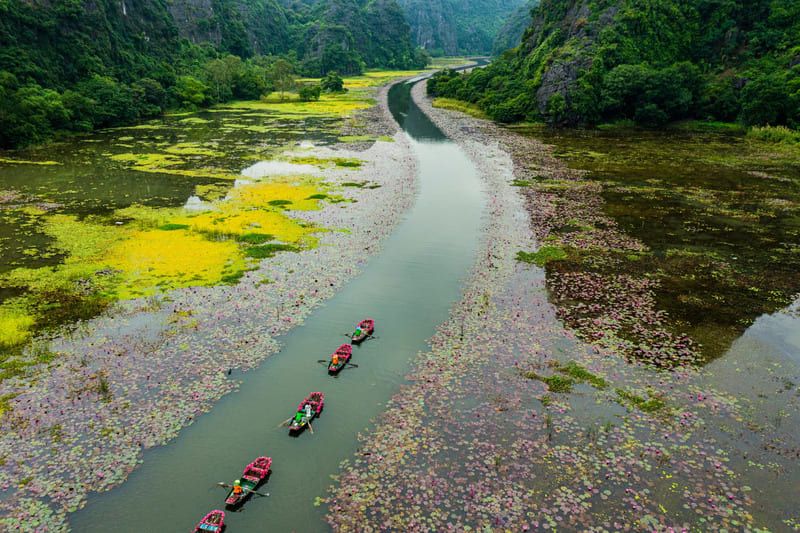
A peaceful sampan ride along Ngo Dong River (Source: Collected)
Perfume River, also known as Huong River, flows through Hue in central Vietnam. It is one of the most poetic and culturally important rivers in the country. The river is closely connected with Hue’s identity as Vietnam’s former imperial capital under the Nguyen Dynasty.
Perfume River runs past some of Hue’s most important heritage sites, including Thien Mu Pagoda, the Imperial City area, and several royal tombs located along or near the riverbanks. A dragon boat ride on the river is one of the classic experiences in Hue, often combined with visits to pagodas, temples, garden houses, and imperial monuments.
The river is calm, elegant, and atmospheric, especially at sunrise or sunset. In the evening, visitors can take a boat trip with traditional Hue folk music, known as ca Hue, performed on the river. This gives travelers a deeper sense of Hue’s refined culture and slow rhythm.
Best things to do along Perfume River:
Perfume River is best for culture, history, heritage, romantic scenery, slow travel, and visitors interested in Vietnam’s imperial past.
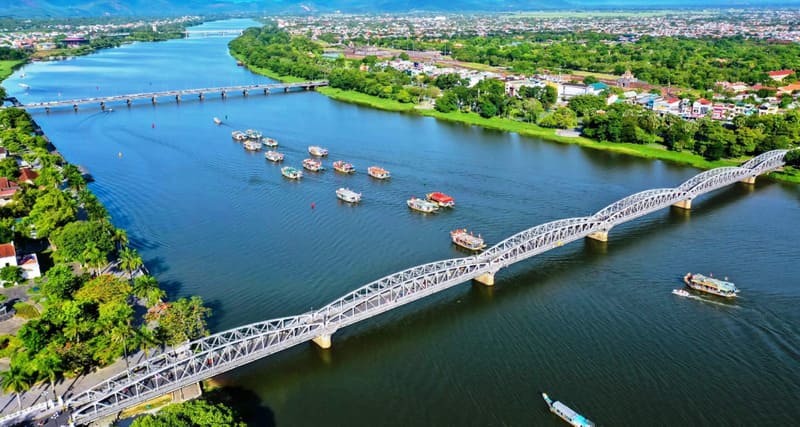
Perfume River flows through the heart of Hue (Source: Collected)
Thu Bon River is one of the most important rivers in central Vietnam and a key part of Hoi An’s history. Flowing through Quang Nam Province, the river helped Hoi An develop into a busy international trading port from the 15th to 19th centuries. Merchants from Japan, China, Europe, and Southeast Asia once arrived by river and sea, contributing to the town’s multicultural architecture and heritage.
Today, Thu Bon River remains central to Hoi An’s charm. The river connects the ancient town with fishing villages, craft communities, coconut forests, rural islands, and nearby coastal areas. A boat trip on Thu Bon River gives visitors a wider view of Hoi An beyond the old streets.
The river is also closely linked with Cam Thanh Coconut Village, Thanh Ha Pottery Village, Kim Bong Carpentry Village, and riverside communities where fishing, farming, and traditional crafts continue to shape local life.
Best things to do along Thu Bon River:
Thu Bon River is best for cultural tours, sunset boat rides, village visits, craft experiences, and travelers who want to understand Hoi An’s trading-port history.
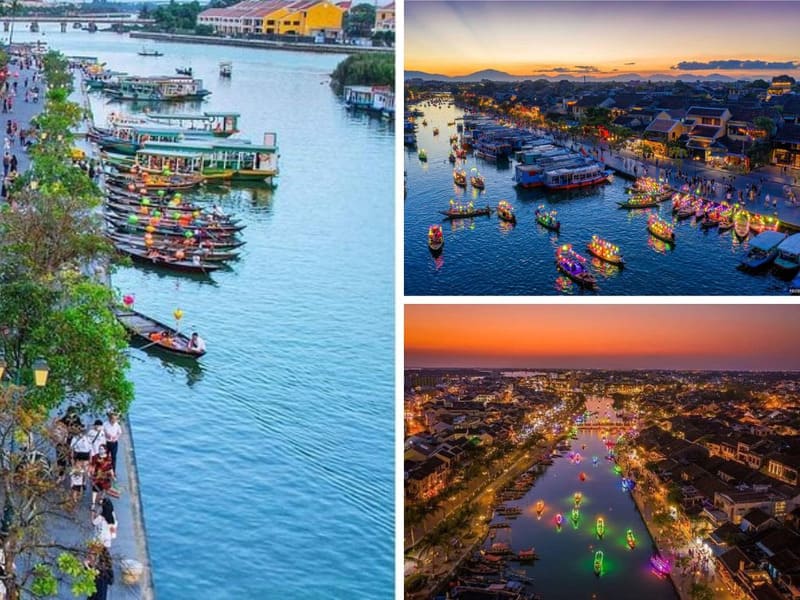
Thu Bon River reflects Hoi An’s trading-port heritage (Source: Collected)
Hoai River is a small branch of the Thu Bon River flowing through the heart of Hoi An Ancient Town. Although it is much smaller than the Thu Bon River, Hoai River is one of the most recognizable rivers in Vietnam because of its lantern-lit scenery.
During the day, Hoai River reflects the yellow walls, tiled roofs, wooden boats, and old houses of Hoi An. At night, the river becomes more atmospheric as lanterns glow along the waterfront and small boats carry visitors across the water. Many travelers release floating lanterns as a symbolic gesture for luck, peace, or happiness.
The most beautiful time to visit Hoai River is in the evening, especially around the full moon period when Hoi An Lantern Festival takes place. The streets near the river become pedestrian-friendly, electric lights are reduced in some areas, and lanterns create a warm, nostalgic setting.
Best things to do along Hoai River:
Hoai River is best for romantic experiences, evening walks, photography, cultural atmosphere, and first-time visitors to Hoi An.
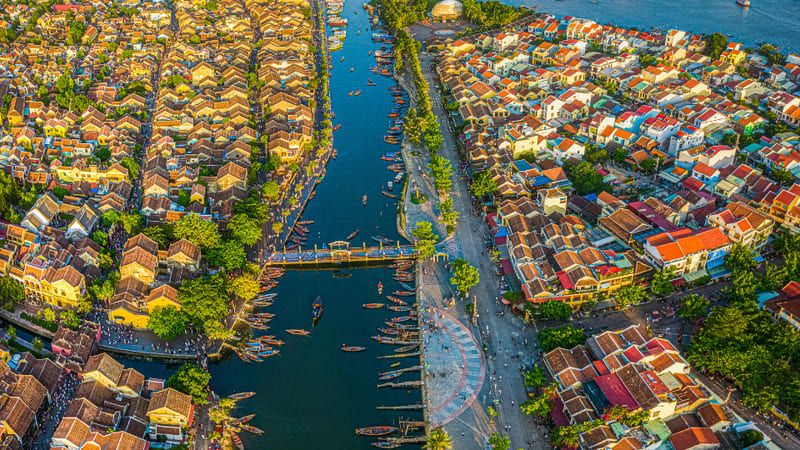
Lantern-lit boats make Hoai River magical at night (Source: Collected)
Han River flows through the center of Da Nang and plays a major role in the city’s modern identity. Unlike the quiet rivers of Ninh Binh or Hue, Han River is known for urban scenery, bridges, nightlife, riverside parks, and city lights.
Several famous bridges cross the Han River, including Dragon Bridge, Han River Bridge, Tran Thi Ly Bridge, Thuan Phuoc Bridge, and Nguyen Van Troi Bridge. Dragon Bridge is the most iconic, designed in the shape of a dragon and known for its fire and water show on weekend evenings and special occasions.
The riverfront is one of the best places to experience Da Nang at night. Locals and travelers gather along the promenade to walk, take photos, join river cruises, visit cafes, and enjoy the skyline. A Han River cruise is a relaxing way to see the illuminated bridges and the modern side of Da Nang.
Best things to do along Han River:
Han River is best for nightlife, city views, bridge photography, evening cruises, and travelers staying in Da Nang.
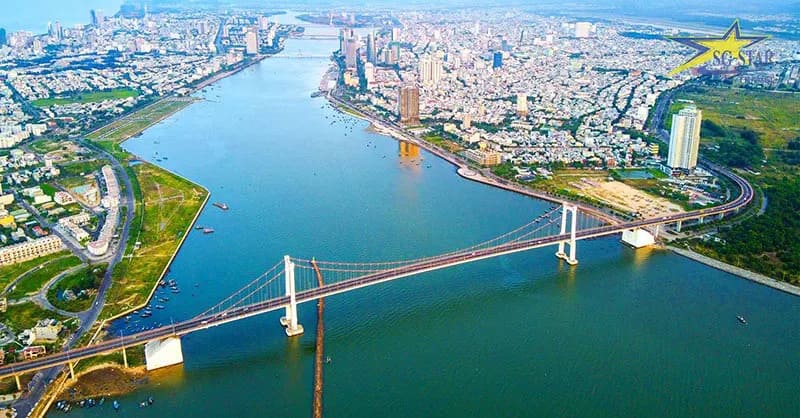
Han River shows the modern side of Da Nang (Source: Collected)
Saigon River flows through Ho Chi Minh City and has shaped the city’s development as a trading hub, port city, and modern urban center. The river runs past many of the city’s most recognizable areas, including District 1, Thu Thiem, Bach Dang Wharf, and riverside neighborhoods with new hotels, restaurants, and high-rise buildings.
For visitors, Saigon River offers a different view of Ho Chi Minh City. From the water, travelers can see the contrast between colonial landmarks, modern towers, river ports, local boats, and the rapidly developing Thu Thiem area. Evening dinner cruises and sunset river trips are popular options for those who want to enjoy the city skyline from a calmer perspective.
The riverside area around Bach Dang Wharf has become a popular place for walking, sightseeing, and joining boat tours. Speedboat tours also use the Saigon River route to reach the Cu Chi Tunnels, creating a convenient alternative to traveling by road.
Best things to do along Saigon River:
Saigon River is best for urban views, evening cruises, skyline photography, city sightseeing, and travelers visiting Ho Chi Minh City.
If you plan to spend more time along the waterfront, our Saigon River in Ho Chi Minh City guide covers the best cruises, viewpoints, and riverside experiences.
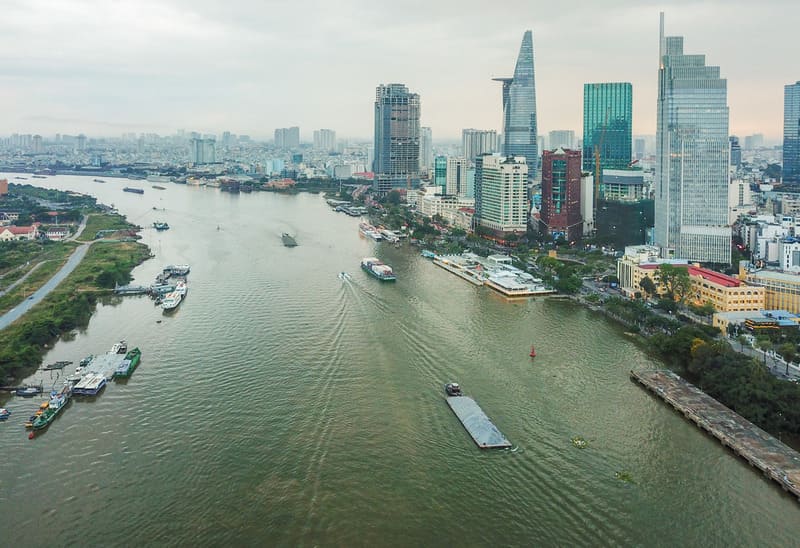
Saigon River offers a different view of Ho Chi Minh City (Source: Collected)
Ben Hai River is one of the most historically significant rivers in Vietnam. Located in Quang Tri Province, it became famous as the temporary demarcation line between North and South Vietnam after the 1954 Geneva Accords. The river and the nearby 17th parallel formed part of the Demilitarized Zone, known as the DMZ, during the Vietnam War.
Hien Luong Bridge, which crosses Ben Hai River, is the most important landmark in the area. The bridge and river now stand as symbols of division, resilience, peace, and reunification. Today, visitors can explore the Hien Luong - Ben Hai historical site to learn more about Vietnam’s modern history.
The area is often included in DMZ tours from Hue, Dong Ha, or Quang Tri. These tours may also visit Vinh Moc Tunnels, Truong Son National Cemetery, Khe Sanh Combat Base, and other war-related sites in central Vietnam.
Best things to do along Ben Hai River:
Ben Hai River is best for history lovers, war history tours, educational travel, and visitors interested in Vietnam’s reunification story.
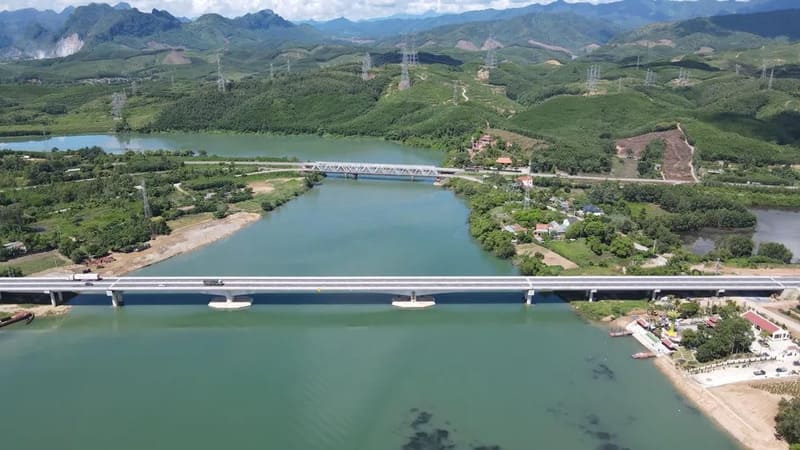
Ben Hai River marks an important chapter in Vietnam’s history (Source: Collected)
Son River flows through Quang Binh Province and is closely associated with Phong Nha - Ke Bang National Park, a UNESCO World Heritage Site known for its limestone karsts, underground rivers, and cave systems. The river leads visitors to the entrance of Phong Nha Cave, one of the most famous caves in Vietnam.
A boat trip on Son River is part of the classic Phong Nha Cave experience. Visitors board local boats from the Phong Nha tourism pier, travel along the peaceful river, and enter the cave by boat. The journey offers views of limestone mountains, riverside villages, cornfields, buffaloes, and daily life in the countryside.
The river’s green-blue water and mountain backdrop create a peaceful setting that contrasts with the dramatic cave interior. For many travelers, the Son River boat ride is as memorable as the cave itself.
Best things to do along Son River:
Son River is best for cave exploration, nature photography, peaceful boat rides, and travelers visiting Phong Nha - Ke Bang National Park.
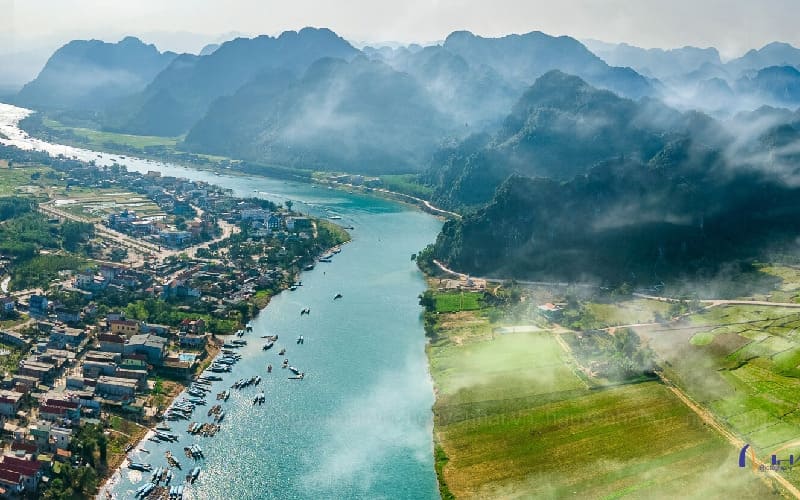
Son River leads travelers into Phong Nha’s cave country (Source: Collected)
Serepok River flows through Vietnam’s Central Highlands and is one of the most important tributaries of the Mekong River system. It is closely connected with Dak Lak Province, Yok Don National Park, ethnic minority communities, waterfalls, forests, and highland landscapes.
Unlike the calm rivers of Hoi An or Hue, Serepok River has a wilder character. It is known for powerful waterfalls such as Dray Nur, Dray Sap, and Gia Long, which are among the most impressive natural attractions in the Central Highlands. The river area is also linked with Ede, M’nong, and other ethnic communities whose cultures are shaped by forests, rivers, farming, and traditional village life.
Serepok River is a good destination for travelers who want to go beyond Vietnam’s classic coastal and city routes. The surrounding region offers waterfalls, coffee plantations, national parks, longhouse architecture, and cultural experiences in Buon Ma Thuot and nearby areas.
Best things to do along Serepok River:
Serepok River is best for waterfalls, adventure, Central Highlands culture, nature travel, and travelers looking for lesser-known destinations in Vietnam.
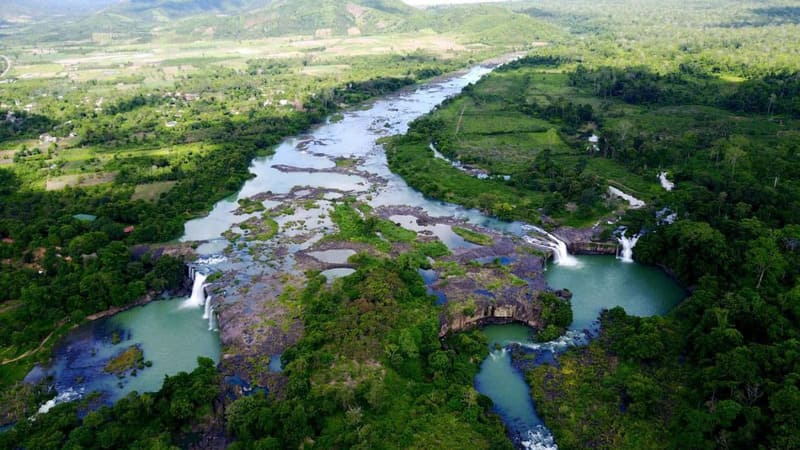
Serepok River brings wild scenery to the Central Highlands (Source: Collected)
The Mekong River is the best choice for multi-day river cruises in Vietnam. Travelers can join Mekong Delta cruises within southern Vietnam or longer Vietnam-Cambodia cruises connecting Ho Chi Minh City, the Mekong Delta, Phnom Penh, and Siem Reap.
Saigon River is ideal for short dinner cruises and sunset cruises in Ho Chi Minh City. Han River offers evening cruises in Da Nang with views of illuminated bridges. Perfume River in Hue is perfect for cultural dragon boat trips, especially when combined with Thien Mu Pagoda and royal tombs.
Best rivers for cruises:
For floating markets, the Mekong Delta is the top destination. Cai Rang Floating Market in Can Tho is the most famous, especially in the early morning. Smaller canal tours in Ben Tre, Cai Be, and Vinh Long offer a quieter look at local life.
For scenic boat tours, Ngo Dong River in Tam Coc and Son River in Phong Nha are two of the most rewarding options. Ngo Dong River is known for limestone mountains and rice fields, while Son River leads travelers to Phong Nha Cave.
Best rivers for boat tours and floating markets:
Nho Que River is one of the best rivers in Vietnam for dramatic kayaking scenery, especially through Tu San Canyon when conditions allow. Serepok River offers a more rugged adventure setting in the Central Highlands, with waterfalls, forests, and nature-based activities nearby.
Phong Nha also offers adventure experiences around rivers, caves, and springs, including kayaking or water activities in selected areas such as Dark Cave and Chay River, which can be combined with a visit to Son River.
Best rivers and river areas for adventure:
Nho Que River is the most dramatic river for mountain photography. Ngo Dong River is ideal for rice fields, limestone karsts, and sampan boats. Perfume River offers soft cultural scenery in Hue, especially at sunset. Hoai River is excellent for night photography with lanterns in Hoi An. Han River and Saigon River are best for urban skyline shots.
Best rivers for photography:
Many of Vietnam’s most memorable destinations are closely connected with rivers. Hanoi grew along the Red River. Hue is defined by the Perfume River. Hoi An’s atmosphere comes from the Thu Bon and Hoai rivers. Da Nang’s modern identity is shaped by the Han River. Ho Chi Minh City continues to expand along the Saigon River. Can Tho and Ben Tre reveal the local rhythm of the Mekong Delta.
Best riverside destinations in Vietnam:
A little planning can help you enjoy Vietnam’s rivers more safely and make the most of your experience.
The Mekong River is often considered the most famous river in Vietnam, especially for international travelers. In southern Vietnam, it forms the Mekong Delta, a vast region known for floating markets, canals, fruit orchards, rice fields, river villages, and multi-day cruises. Other famous rivers include the Red River, Perfume River, Nho Que River, Ngo Dong River, Thu Bon River, Han River, and Saigon River.
The Mekong River is the longest river system associated with Vietnam, with a total length of about 4,350 kilometers across Asia before reaching the sea through the Mekong Delta. Within Vietnam, the Red River and Mekong River are among the most important major river systems, but their total lengths depend on whether the full international course or only the Vietnamese section is counted.
The Mekong River is the best river in Vietnam for multi-day cruises, especially in the Mekong Delta and on Vietnam-Cambodia cruise routes. For shorter boat trips, Perfume River in Hue, Han River in Da Nang, Saigon River in Ho Chi Minh City, Ngo Dong River in Ninh Binh, and Hoai River in Hoi An are excellent choices.
The most beautiful rivers in northern Vietnam include Nho Que River in Ha Giang, Ngo Dong River in Ninh Binh, Red River in Hanoi and the northern delta, and Son River in Phong Nha, which is often included in north-central Vietnam travel routes. Nho Que is best for mountain scenery, while Ngo Dong is famous for limestone karsts and rice fields.
Nho Que River is ideal for dramatic mountain landscapes, Ngo Dong River is perfect for limestone scenery and rice fields, Son River is best for cave and national park landscapes, and Serepok River is excellent for waterfalls and Central Highlands nature. The Mekong River is also a strong choice for travelers interested in wetlands, orchards, canals, and river ecosystems.
Thu Bon River and Hoai River are closely connected with Hoi An. Thu Bon River shaped Hoi An’s history as a trading port, while Hoai River flows through the ancient town and is famous for lantern boat rides. In Da Nang, Han River flows through the city center and is known for Dragon Bridge, Han River Bridge, night cruises, and riverside nightlife.
The Mekong River is the famous river of the Mekong Delta. In Vietnam, the river spreads into a network of branches, canals, and waterways across provinces such as Can Tho, Ben Tre, Vinh Long, Tien Giang, An Giang, Dong Thap, and Tra Vinh. Cai Rang Floating Market in Can Tho is one of the best-known river experiences in the delta.
River tours in Vietnam are generally safe when booked through reputable operators and when travelers follow basic safety rules. Choose boats with life jackets, listen to the guide’s instructions, avoid unsafe weather conditions, and take extra care with children, cameras, and personal belongings. For adventure activities such as kayaking, rafting, or waterfall trips, safety standards and guide quality are especially important.
The best time depends on the region. The Mekong Delta is pleasant from November to April, when the weather is generally drier. Ninh Binh’s Ngo Dong River is especially scenic during the rice season, often around late May to early June. Hue, Hoi An, and Da Nang are usually best from February to August for clearer weather. Ha Giang’s Nho Que River can be visited for much of the year, with cooler mountain weather from October to April and greener scenery during the rainy months.
Vietnam’s rivers offer some of the country’s most memorable travel experiences, from Mekong Delta floating markets and Hoi An lantern boats to Ha Giang’s Nho Que River and Hue’s Perfume River. Each river reveals a different side of Vietnam through scenery, history, culture, local life, and outdoor adventure.
For the best trip, choose the river that matches your travel style, plan around the season, and allow enough time to enjoy the landscapes and communities shaped by these waterways.


 Vietnam Tours
 Cambodia Tours
 Laos Tours
 Thailand Tours
 Multi-Country Tours