Cham Island, located off the coast of Hoi An, is a popular day trip destination known for its clear waters, coral reefs, and natural beauty. Visitors can enjoy water sports like swimming and snorkeling, explore traditional fishing villages, and visit the Cham Museum on the largest island, Hòn Lao. Transportation from Hoi An to the island is available via daily ferries or speedboats departing from Cua Dai port.
This guide covers everything you need for your first trip to Cham Island, how to get there, what to see, and how to make the most of your time on one of Vietnam’s most peaceful island escapes.
Cham Islands, or Cu Lao Cham, form a small archipelago of eight islands in the East Sea, about 15 kilometers off the coast of Cua Dai Beach. You can reach the main island, Hon Lao, in around 30 minutes by speedboat or 1 hour by wooden ferry.
The islands belong to Quang Nam Province and are part of the Cham Islands–Hoi An UNESCO Biosphere Reserve. The reserve protects both the marine ecosystem and the traditional fishing communities that live here. Coral reefs, seaweed forests, and long stretches of clean beach make it one of the most natural destinations near Hoi An.
The dry season from March to September is the best time to visit, with calm sea conditions and clear visibility for diving. From October to February, the sea can be rough, and boat services are often suspended.
Entrance fees usually include both the island entry ticket and the marine park fee, totaling around 70,000 to 100,000 VND (~$3-4) per person.
Visitors can explore the island by motorbike, bicycle, or on foot. Villages like Bai Lang and Bai Huong are small enough to walk through in less than an hour, offering a glimpse of quiet daily life surrounded by sea and mountains.
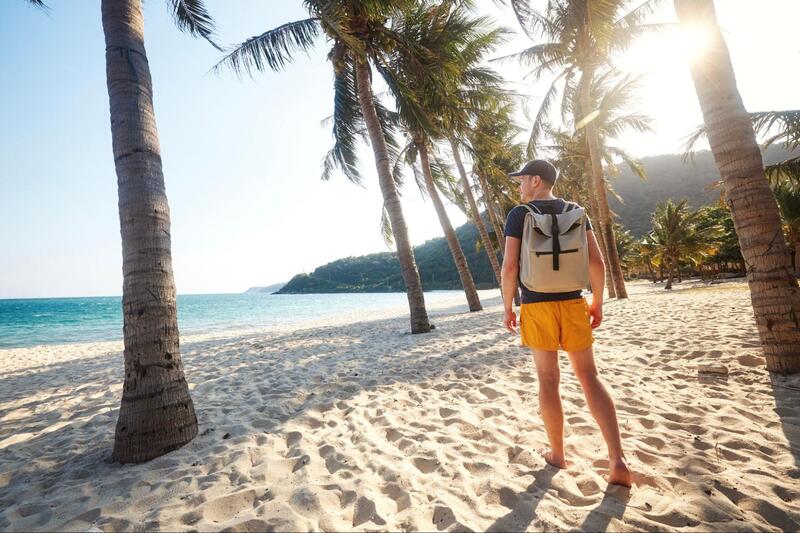 |
|
The Cham Islands belong to Quang Nam Province |
Yes. Cham Island is one of the best short getaways from Hoi An for travelers who want nature and local life in one place. The island group is part of the Cham Islands–Hoi An UNESCO Biosphere Reserve, recognized for its clean environment and rich marine ecosystem.
Unlike many beach destinations in Vietnam, Cham Island has no large resorts or heavy traffic. Life here stays simple, with fishing boats, small markets, and locals who depend on the sea. Visitors often describe the experience as quiet and genuine.
The island’s main appeal lies in its balance of nature and culture. You can snorkel over coral reefs, trek through forest trails, or visit pagodas and old wells that reflect centuries of Cham and Vietnamese influence. Seafood is freshly caught each day, and beaches remain clean thanks to strict conservation rules.
Cham Island is worth visiting whether you come for a day or stay overnight. Day trips are easy from Cua Dai Port, while spending the night lets you see the quieter side after boats return to the mainland.
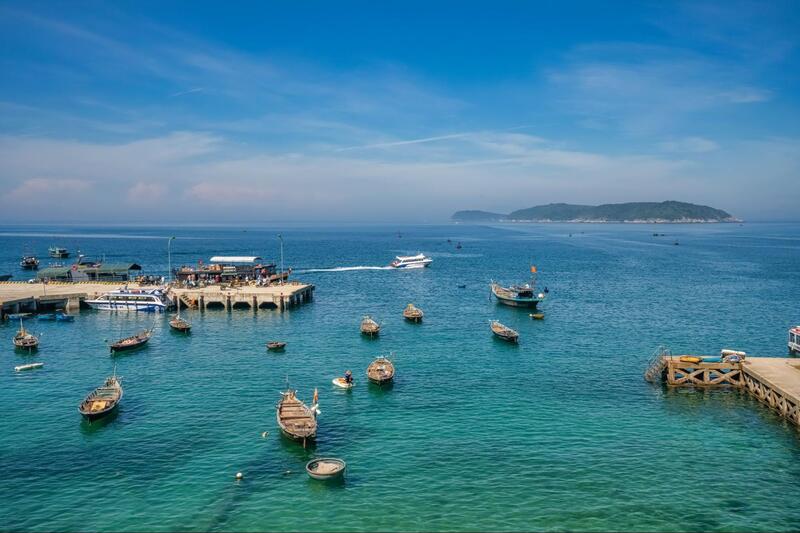 |
|
Famous destination for travelers to relax by the sea |
If you prefer a convenient day trip with boat transfer, snorkeling spots, and lunch included, you can also join our Cham Island Snorkeling Tour from Hoi An | 1 Day Trip.
Cham Island may be small, but it holds a mix of nature, culture, and history worth exploring. Most sites are located around Bai Lang and Bai Huong, two main villages on Hon Lao, the largest island in the group. Travelers can walk or ride a motorbike to visit old pagodas, ancient wells, fishing docks, and quiet viewpoints overlooking the sea.
Below are some of the most notable spots to see on your visit:
Built in the mid-18th century, Hai Tang Pagoda sits at the base of a mountain facing the sea. It remains the main spiritual site for locals and fishermen who come to pray before sailing. The pagoda’s architecture reflects traditional Vietnamese design, with red-tiled roofs, dragon carvings, and an altar honoring Buddha and sea deities.
The setting is peaceful, surrounded by forest and the sea breeze. Even if you are not religious, it’s worth visiting for its calm atmosphere and cultural value.
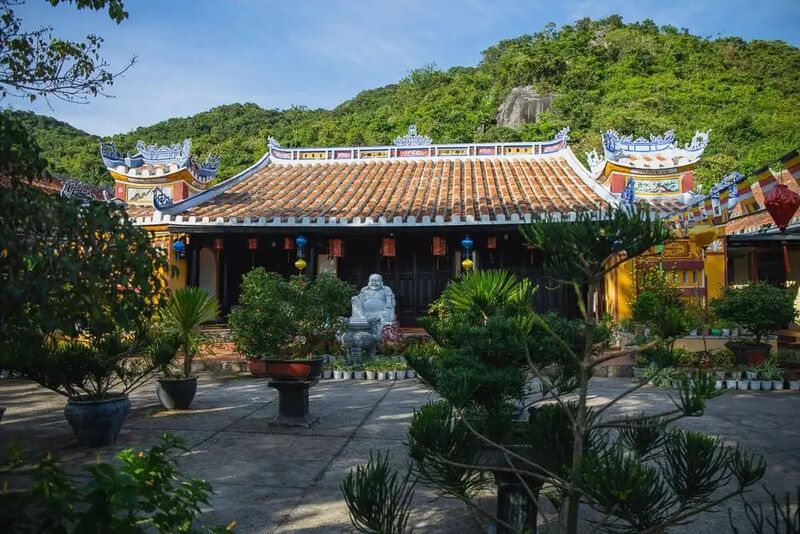 |
|
Place where fisherman come praying |
Tan Hiep Market is the small local market located near Bai Lang Pier, where much of the island’s daily life unfolds each morning. Fishermen bring in their fresh catch at sunrise, while local vendors sell seafood, vegetables, dried goods, and simple household items.
For visitors, the market offers a quick but authentic glimpse into the island’s routine. Walking through the narrow stalls, you can see how residents trade seafood straight from the boats and prepare ingredients for the day’s meals. It’s also a good place to observe local life before continuing to other attractions around Bai Lang village.
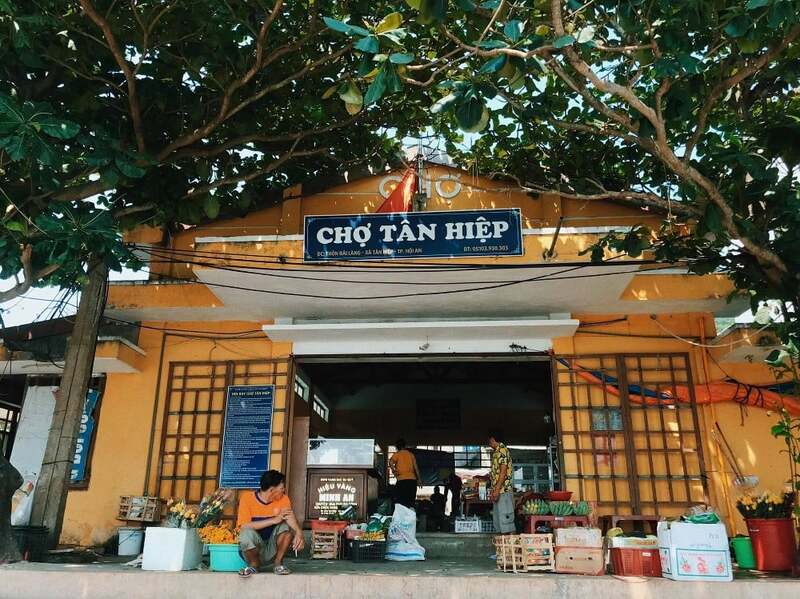 |
|
Tan Hiep Market |
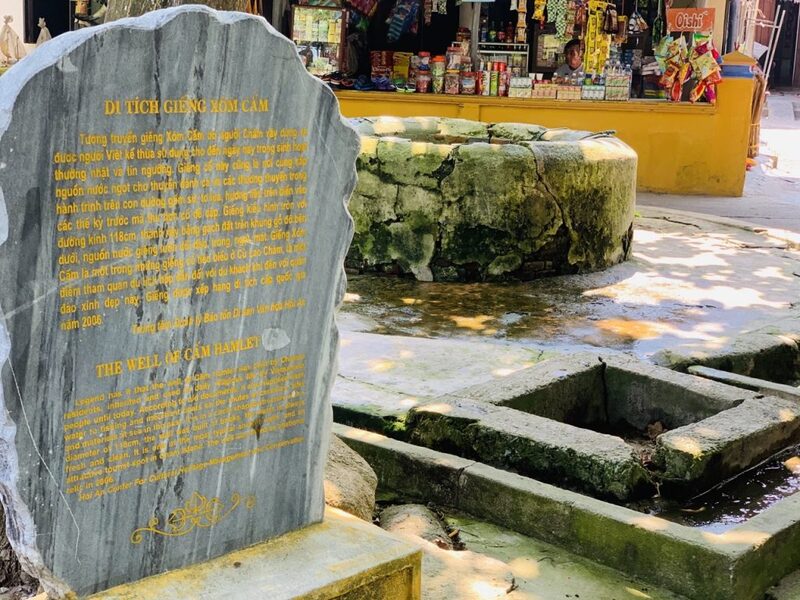
The Ancient Cham Well, known locally as Gieng Xom Cam, is one of the island’s oldest historical landmarks. Built centuries ago by the Cham people, the well has long provided a reliable source of fresh water for the island community.
Constructed from laterite stone, the well is admired for its simple yet durable design. According to local belief, its water never runs dry and is said to bring good luck to travelers and couples seeking happiness. Even today, many residents still use the well, making it both a cultural relic and a living part of Cham Island’s daily life.
 |
|
Ancient Cham Well |
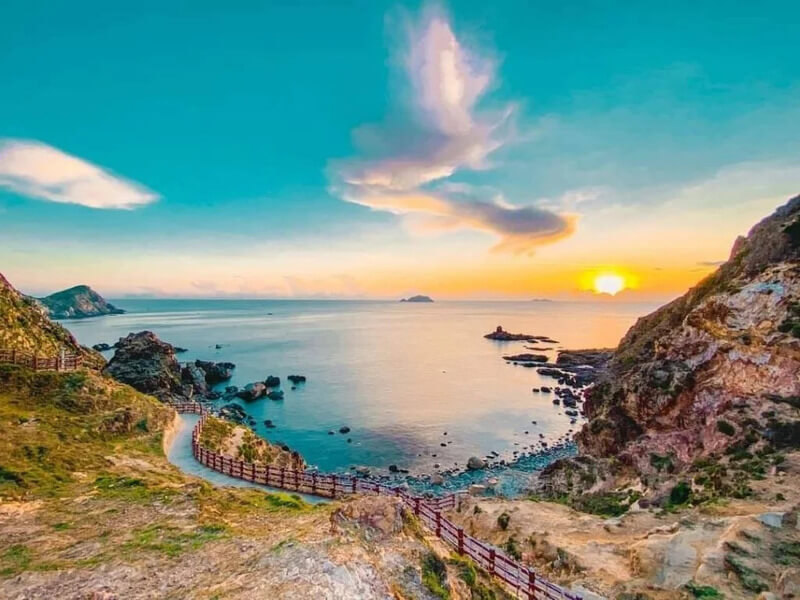
Eo Gio sits on the eastern side of Hon Lao Island, where steep cliffs drop into deep blue water. The path leading there winds through quiet hills and small patches of forest, opening to one of the island’s best viewpoints.
From the top, you can see fishing boats anchored below and the coastline stretching toward Cua Dai. The spot is popular with photographers at sunrise, when the sky turns pink over the sea. Bring water and good shoes, as the slope can be slippery after rain.
 |
|
The infamous Windy Strait |
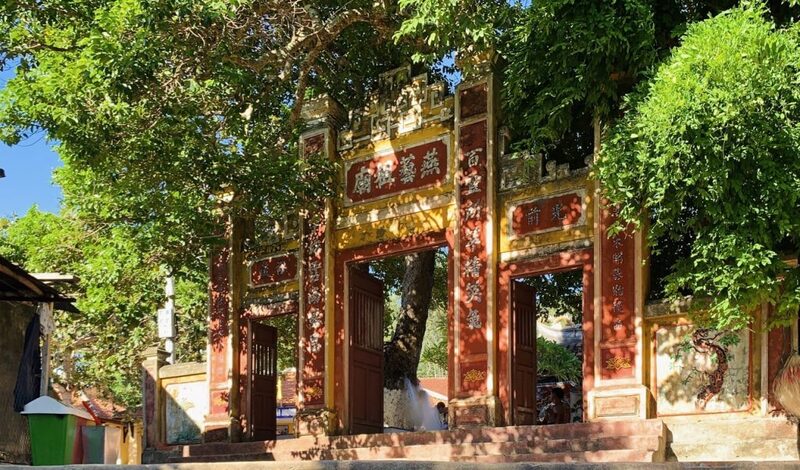
High above Bai Huong Village stands a small temple honoring the islanders who collect bird’s nests from the cliffs each season. The climb takes a few minutes, but the view of the sea and nearby islets makes it worth it.
Locals visit before heading out to harvest, asking for calm weather and safety. The temple may seem simple, yet it captures a tradition that still shapes life on Cham Island today.
 |
|
The entrance of Bird Nest Ancestors Temple |
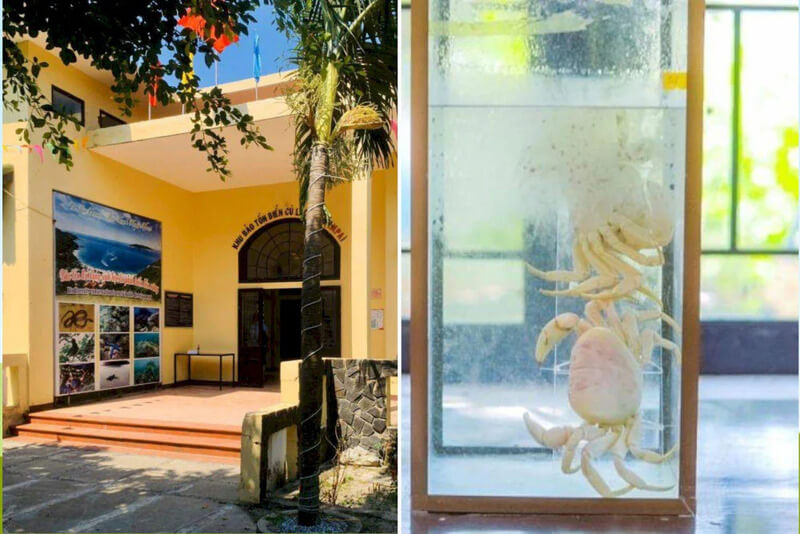
Right near the port, this small museum gives context before you start exploring. Inside are photos, maps, and preserved artifacts that explain the island’s history, marine biodiversity, and its role in the Cham civilization.
It won’t take more than 15 minutes to walk through, but it’s useful for understanding how the local community balances tourism with conservation. The museum is free and usually open during daytime hours.
 |
|
Cham island marine museum |
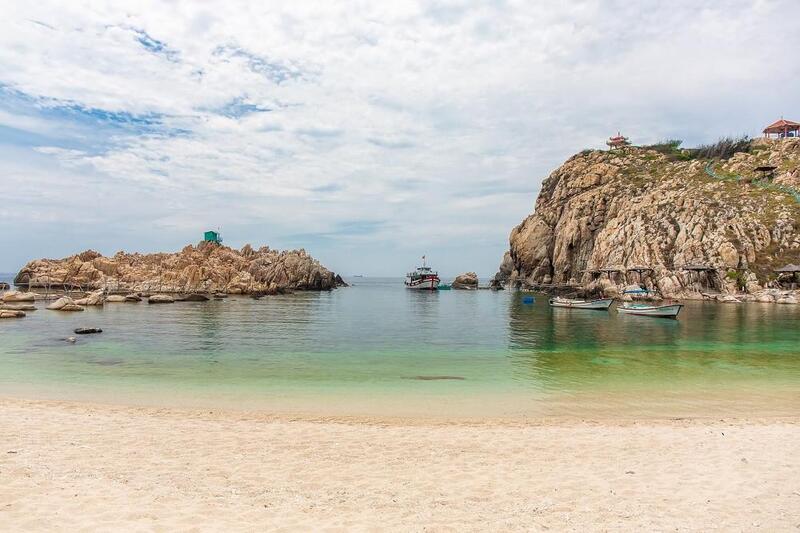
Yen Island lies just off the coast of Hon Lao and is home to hundreds of swiftlets whose nests are harvested for the prized bird’s nest delicacy. The cliffs here are steep and dramatic, with deep blue water below and white seabirds circling overhead.
Access to the island is limited for conservation, but you can see it clearly from the southern side of Cham Island or from boats heading toward Bai Huong. The view is best in the early morning when sunlight hits the rock face and the sea turns bright turquoise.
 |
|
Scenery of Yen island |
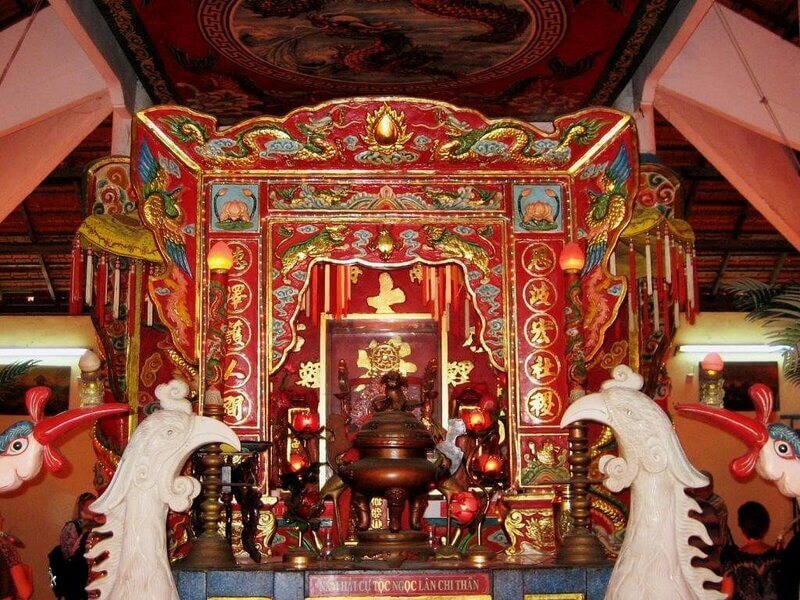
The Whale Temple, or Lang Ong, is a small shrine near Bai Lang Pier that honors the whale as a protector of fishermen. Inside, you’ll find a wooden altar, whale skeletons, and offerings made by local families before sailing.
For islanders, whales are considered sacred, believed to guide boats safely through storms. The temple stands quietly near the water, open to visitors who want to learn about the island’s fishing traditions and beliefs.
 |
|
Inside of Whale Temple |
Beyond its temples, museums, and village landmarks, Cham Island is also loved for its small beaches and clear water.
Cham Island is known for its clear water, soft sand, and quiet atmosphere, making it a rewarding nature and beach getaway for travelers staying in Hoi An. Most beaches are small and easy to reach from Bai Lang Village, each with its own feel, some lively with cafés and kayak rentals, others almost empty with only fishing boats nearby. Below are the most popular beaches to visit.
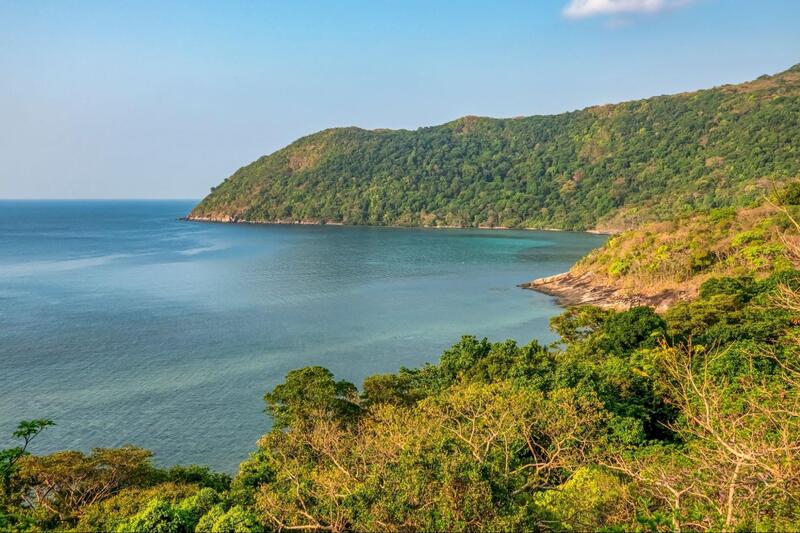
Bai Ong sits closest to the pier and is often the first stop for day-trip visitors. The beach has smooth white sand, shallow water, and small restaurants serving fresh seafood right on the shore. It’s also the main departure point for snorkeling tours and island boat rides.
Because it’s easy to access, Bai Ong can get busy in the middle of the day. Early mornings and late afternoons are quieter, perfect for swimming or watching boats come and go.
 |
|
View from road around the beach |
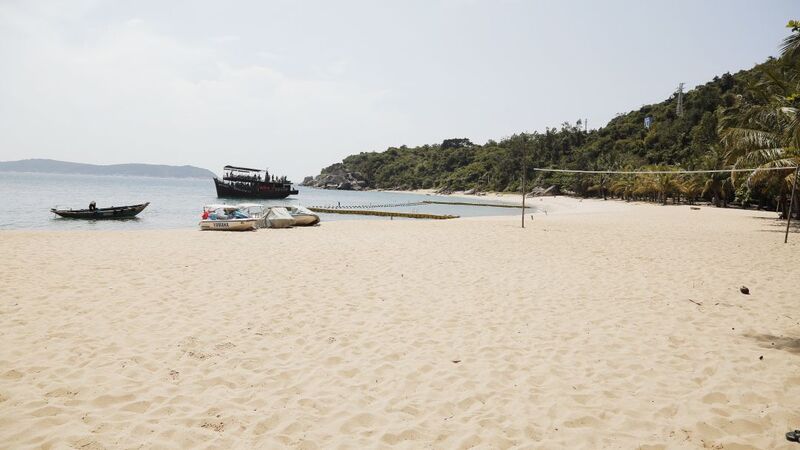
A few minutes by motorbike from Bai Ong, Bai Chong is wider, quieter, and surrounded by green hills. The beach belongs to the Cham Island Marine Protected Area, so it stays clean and well-kept. Several small cafés rent loungers and kayaks, but the atmosphere remains relaxed.
 |
|
Bai Chong Beach |
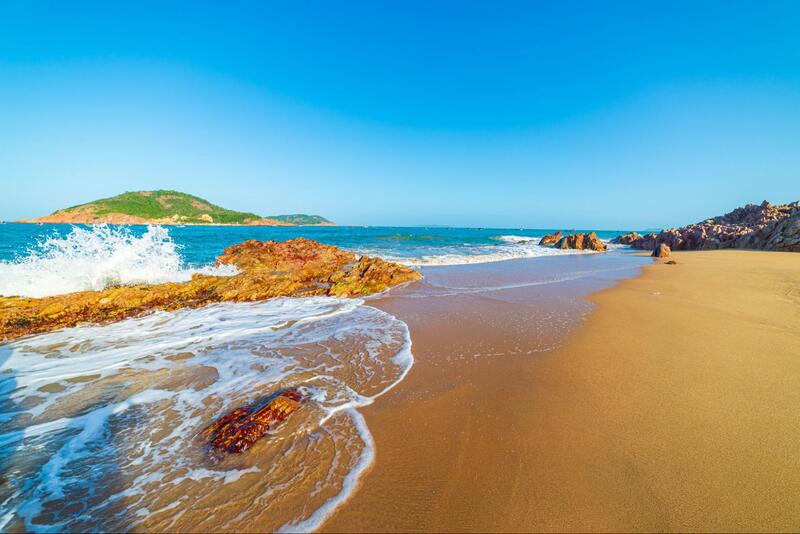
Tucked further along the coast, Bai Xep feels more hidden and natural. The sand is soft, and there are no big facilities, only a few shade huts built by local fishermen. It’s ideal for travelers who want quiet and simple surroundings.
You can reach Bai Xep by walking or taking a short boat ride from Bai Lang. Bring water and snacks, as there are no shops nearby.
 |
|
Bai Xep gorgeous tropical beach |
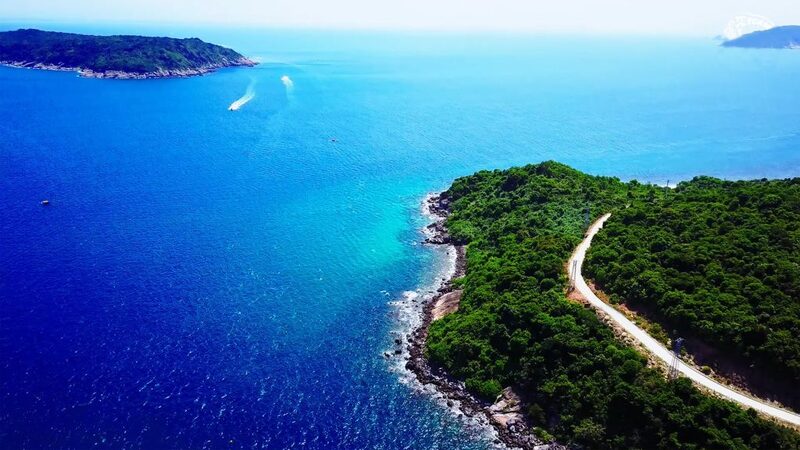
Bai Huong Beach lies near the southern tip of the island, beside the small fishing village of the same name. The water here is calm, and the beach has a more local feel, with fishing boats anchored close to shore and children playing along the sand.
Homestays line the edge of the beach, offering simple seafood lunches and hammocks to rest in. Visitors who stay overnight often choose Bai Huong for its peaceful evenings and easy access to coral snorkeling spots nearby.
 |
|
Bai Huong Village Beach |
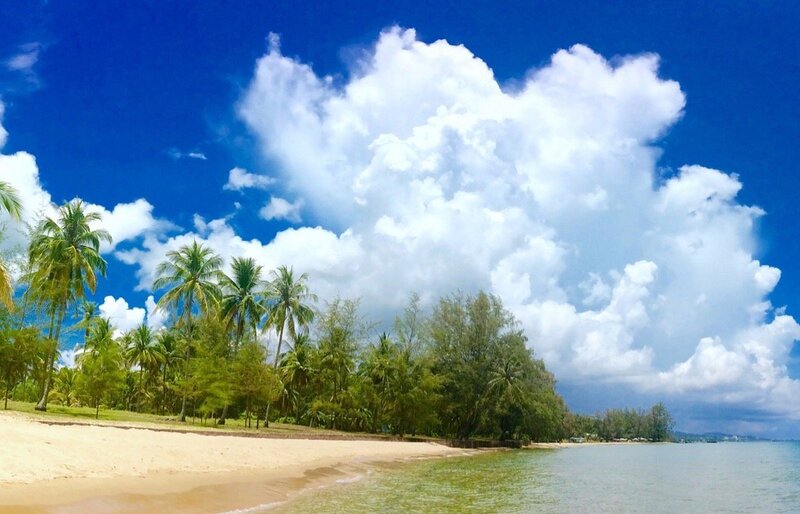
Bai Lang is the island’s main pier area and also has a small beach right next to the harbor. It’s not the best place for swimming, but it’s good for short walks or catching a glimpse of local life. Early in the morning, fishermen return with fresh catch while the market comes alive nearby.
A few cafes and seafood stalls sit by the water, making it a nice stop before taking the boat back to Hoi An. It’s the most accessible part of the island, perfect for those with limited time.
 |
|
Bai Lang Beach still remains pristine |
Cham Island brings you seafood at its freshest, this is because local fishermen unload their catch each morning, and island eateries serve dishes almost as soon as they arrive. Below are top-recommended eating spots and local specialties to try. Some notable spots we want to recommend:
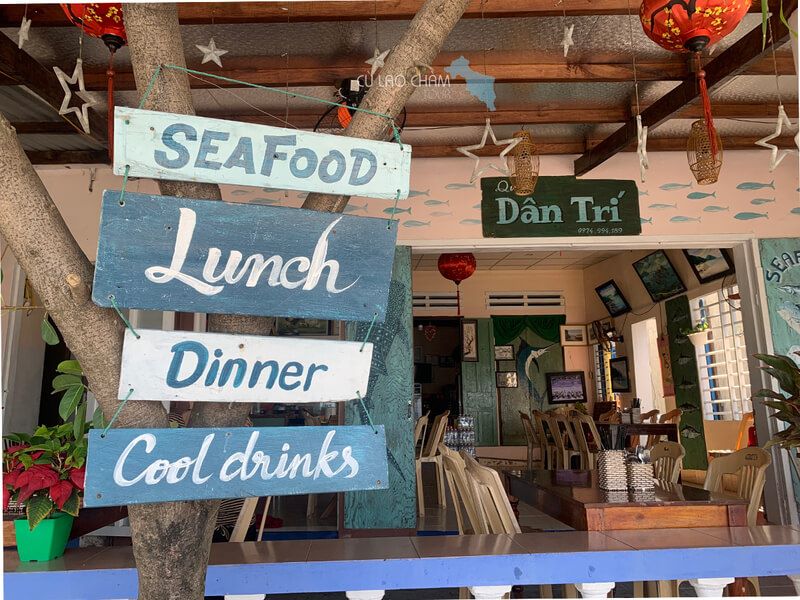
Top-rated seafood spot near the pier with a direct sea view and a strong local reputation. Guests highlight the freshness of seafood and friendly service by the owner-chef couple.
 |
|
Front of a Dan Tri restaurant |
Rather than a specific restaurant this is a whole area cluster of marine-food stalls around the Tan Hiep market by the pier. It offers variety, fresh fish and seafood that you can select and have cooked on-site.
 |
|
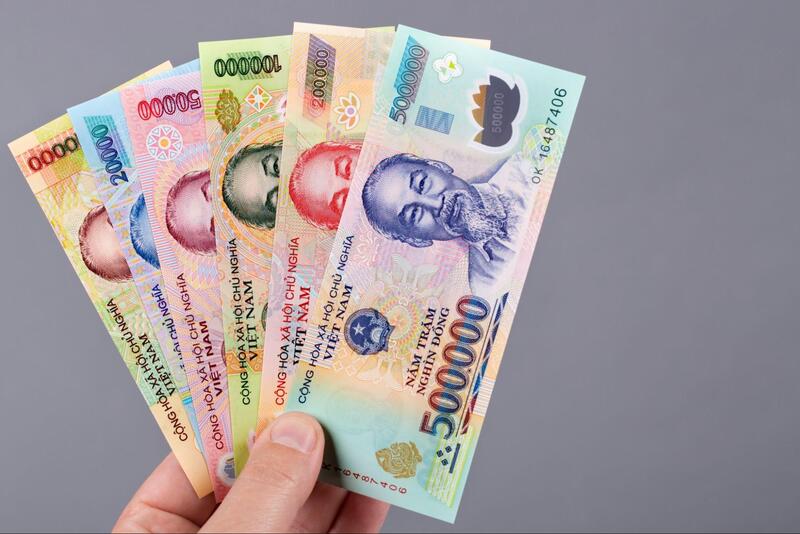
Bring cash with you when visit Cham Island |
You can take a speedboat from Cua Dai Port. The trip takes about 30 minutes and costs around 250,000–350,000 VND per person for a round trip, depending on the season. Boats usually depart between 08:00 and 09:00 in the morning and return by 15:00.
The public wooden ferry costs about 100,000 VND per person each way, taking roughly 1 hour. Speedboats are faster but cost 250,000–350,000 VND round trip, depending on season and operator.
A day trip is enough for most visitors, covering snorkeling and a seafood lunch. If you want to experience the island after day-trippers leave, an overnight stay in Bai Lang or Bai Huong offers a quiet local experience.
You can travel from Da Nang to Hoi An by car or taxi in about 45 minutes, then continue to Cua Dai Port for the speedboat to Cham Island. Most travel agencies in Da Nang offer combined transfer and island tour packages.
Yes. The coral reefs around Hon Dai and Bai Xep are part of the Marine Protected Area, with clear visibility and colorful marine life. Snorkeling tours cost around 400,000–600,000 VND per person, including gear and guide.
Cham Island is one of the best short trips from Hoi An, offering clear beaches, fresh seafood, and a glimpse of island life that still feels peaceful and authentic. Whether you visit for a few hours or stay overnight, the islands provide a refreshing escape from the busy streets of the mainland.
If you are planning a stay in Hoi An or building a wider Central Vietnam itinerary, Cham Island makes an easy and rewarding addition. Travelers who want to explore the coral reefs and beaches without worrying about transportation can join a Cham Island snorkeling tour from Hoi An, a convenient one-day trip that includes boat transfer, snorkeling spots, and time to relax on the island.
Your Vietnam Travel can also help you combine Cham Island with destinations like Hoi An, Da Nang, or Hue in a tailor-made journey that matches your pace and travel interests.


 Vietnam Tours
 Cambodia Tours
 Laos Tours
 Thailand Tours
 Multi-Country Tours