The War Remnants Museum is one of the most important historical landmarks in Ho Chi Minh City and a must-visit destination for travelers seeking a deeper understanding of Vietnam’s modern history. Rather than presenting the Vietnam War through timelines alone, the museum offers a powerful, human-centered perspective shaped by real stories, photographs, and preserved artifacts.
In this guide, Your Vietnam Travel shares practical and up-to-date information on the War Remnants Museum, including its location, entrance fees, opening hours, and exhibition highlights. You will also find helpful tips on how to get there, what to expect during your visit, and how to include the museum in a well-planned Ho Chi Minh City itinerary.
For most first-time visitors to Vietnam, the War Remnants Museum is worth visiting if you want to understand the human impact of the Vietnam War beyond textbooks and headlines.
This is not a light or entertaining attraction. Some exhibitions contain graphic images and emotionally heavy content, so travelers seeking relaxed sightseeing or visiting with young children may prefer to skip it.
Many of our guests ask whether this museum is worth their limited time in Ho Chi Minh City. Based on feedback from hundreds of visitors, those interested in history, social issues, and real-life stories almost always describe it as one of the most meaningful experiences of their trip.
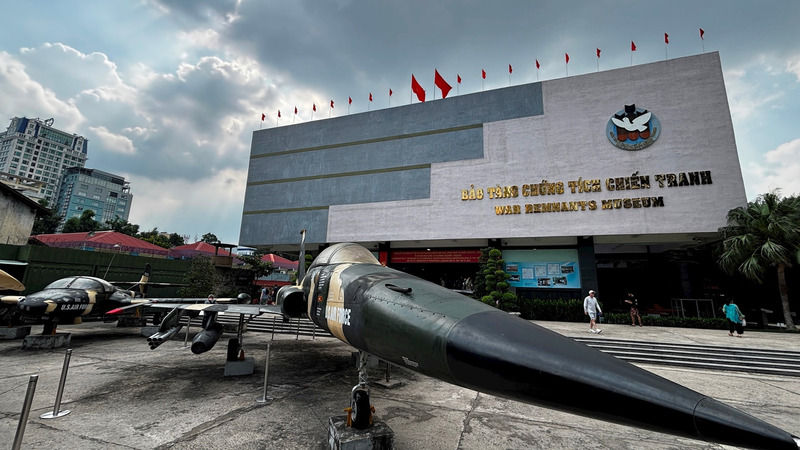
The War Remnants Museum, Ho Chi Minh City (Source: Collected)
The War Remnants Museum is located at 28 Vo Van Tan Street, District 3, close to the city center. It is easy to reach from District 1 and fits well into a walking itinerary.
The museum is within walking distance of major landmarks such as Reunification Palace and Tao Dan Park. Many visitors combine these stops in one morning or afternoon.
Opening hours and ticket prices may change during public holidays or special events. It is a good idea to check official sources before your visit, especially during peak travel seasons.
The War Remnants Museum was established in September 1975, shortly after the Vietnam War ended.
It was created during a period when Vietnam was rebuilding and documenting its recent history. From the beginning, the museum aimed to present the war from a Vietnamese perspective while preserving evidence of its long-term impact on the country.
In its early years, the museum was known as the Exhibition House for U.S. and Puppet Crimes. At that time, its purpose was direct and documentary in nature, focusing on recording wartime events and their consequences. As Vietnam’s international relations evolved, particularly after the normalization of diplomatic ties with the United States in 1995, the museum adopted its current name and expanded its educational approach to reach a broader international audience.
Today, the War Remnants Museum functions as a significant historical archive of the Second Indochina War, while also providing context on earlier periods of foreign involvement in Vietnam. Its permanent exhibitions feature documentary photographs, official records, and visual materials from both Vietnamese and international sources, allowing visitors to understand the conflict from multiple perspectives.
A defining characteristic of the museum is its emphasis on human experience rather than military strategy alone. The exhibitions highlight civilian life, long-term environmental damage, and the lasting health effects of chemical warfare, offering insight into how the war continues to affect families and communities decades later.
By preserving these narratives, the War Remnants Museum plays a vital role in historical memory and education. It encourages reflection and informed discussion about the long-term consequences of war, making it an important cultural and historical institution in Ho Chi Minh City.
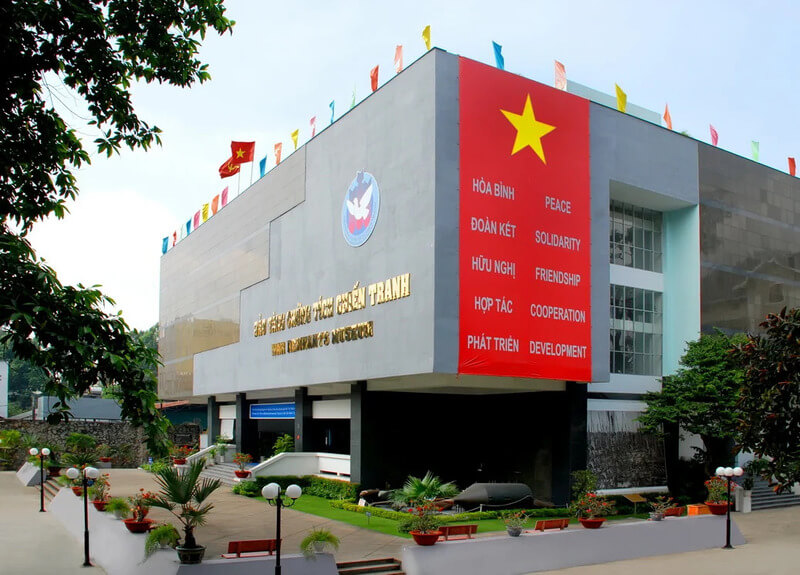
The War Remnants Museum was established in 1975 to share Vietnam War history locally (Source: Collected)
The War Remnants Museum is organized into clearly defined exhibition areas, each focusing on a specific theme related to the Vietnam War and its long-term consequences. The layout guides visitors from large-scale military displays to more personal and reflective exhibitions, creating a structured and easy-to-follow experience.
The outdoor exhibition is the first area visitors encounter upon entering the museum and immediately sets a serious tone for the visit.
Displayed in the open courtyard are large military vehicles and weapons used during the Vietnam War, including helicopters, fighter jets, tanks, and heavy artillery. Seeing these machines at close range helps visitors grasp the scale of the conflict and the technology involved.
Despite the size of the equipment, the outdoor space is often quiet, which many visitors find striking. This contrast encourages reflection before moving into the indoor galleries.
At the rear of the courtyard are replicas of the Tiger Cages from Con Dao Prison. The reconstructed cells, combined with historical photographs and prison artifacts, provide context on wartime detention practices and serve as a powerful introduction to the exhibitions inside.
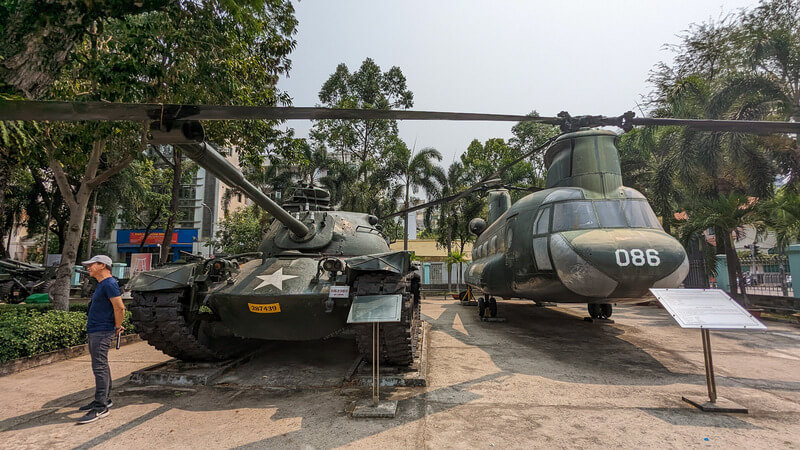
Outdoor military exhibits at the War Remnants Museum (Source: Collected)
The ground floor focuses on the international response to the Vietnam War. Titled “The World Supports Vietnam’s Resistance Against the U.S.”, this exhibition presents the conflict from a global perspective.
Through more than 100 photographs and over 140 artifacts, the displays show how individuals and movements across Europe, Asia, and the Americas reacted to the war. Protest posters, newspaper articles, letters, and anti-war publications document large-scale demonstrations and peace movements worldwide.
A notable part of this exhibition is the collection of personal items donated by former U.S. soldiers. These objects reflect themes of reflection, remorse, and reconciliation, helping visitors understand the war’s impact beyond national borders.
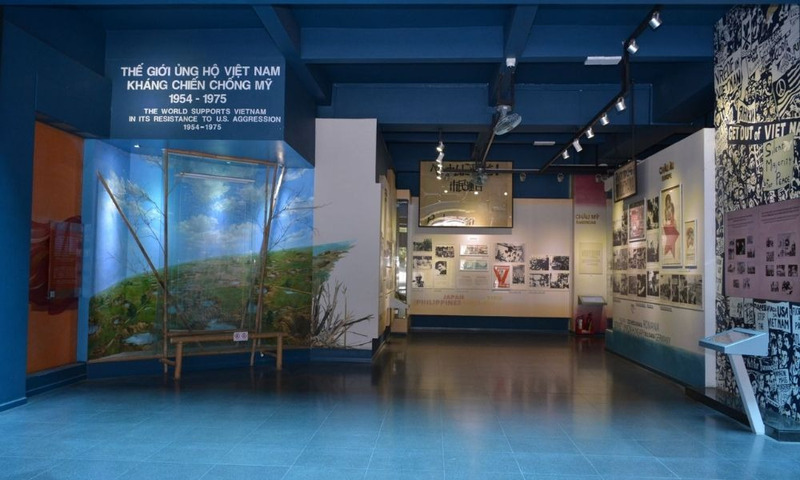
Ground floor gallery at the War Remnants Museum (Source: Collected)
The first floor is widely regarded as the most intense part of the museum. It features two major exhibitions: “Aggressive War Crimes” and “Aftermath of Agent Orange in the Devastating War in Vietnam.”
The war crimes exhibition documents violence against civilians using photographs, official records, and survivor testimonies. The focus is on historical events and their consequences rather than military strategy, highlighting the human cost of the conflict.
The second exhibition examines the long-term effects of Agent Orange. Between 1961 and 1971, large areas of Vietnam were sprayed with herbicides containing dioxin, exposing millions of people. The displays include medical records, photographs, and personal stories that illustrate ongoing health issues, birth defects, and environmental damage that persist today.
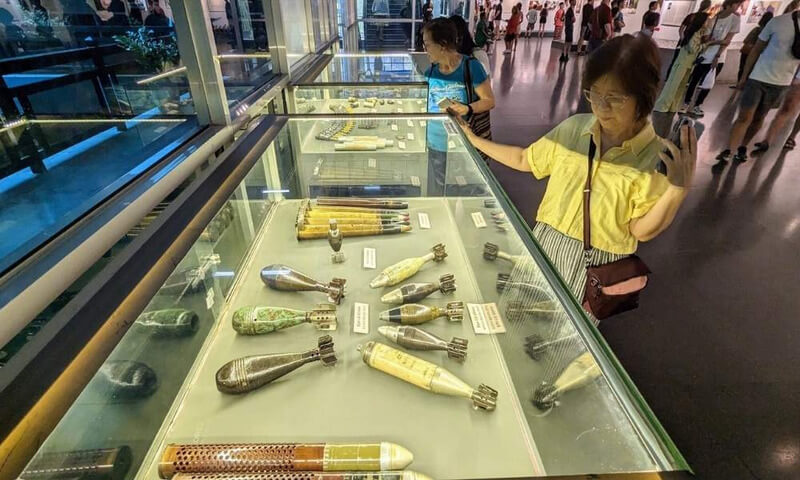
First floor gallery at the War Remnants Museum (Source: Collected)
The second floor offers a quieter and more reflective conclusion to the museum visit. Exhibitions such as “Vietnam War and Peace” and “Historical Truth” explore the aftermath of the war and its long-term impact on Vietnamese society and the environment.
Photographs and personal accounts document damaged landscapes, continued health challenges faced by civilians, and the intergenerational effects of chemical exposure. Displays of remaining weapons and military fragments reinforce the idea that the consequences of war extend far beyond the battlefield.
This final section encourages visitors to slow down and reflect on how the effects of war continue long after armed conflict ends, shaping lives and communities for generations.
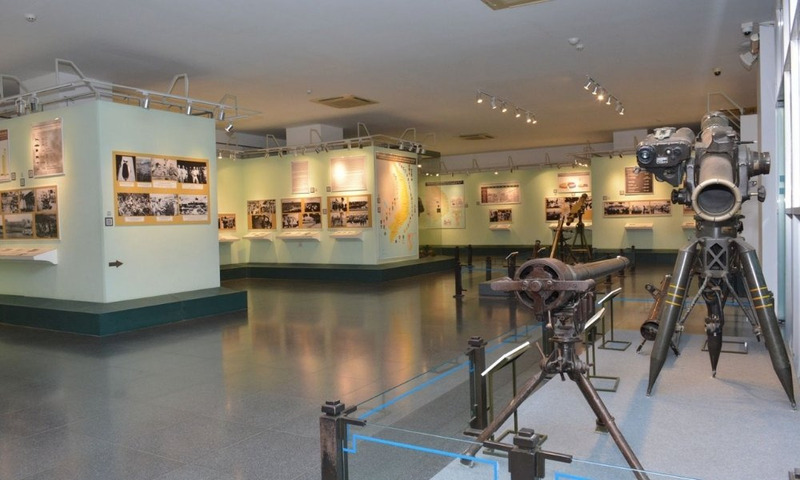
Second floor gallery at the War Remnants Museum (Source: Collected)
Most visitors spend around 1.5 to 2 hours at the War Remnants Museum. This allows enough time to explore the outdoor exhibits, main galleries, and read key information panels.
Travelers with a strong interest in history or those visiting with a guide may spend up to 3 hours. If you are short on time, a focused visit of about 60 minutes is still possible by prioritizing the main exhibitions.
Located in District 3, the War Remnants Museum is easy to reach from most central areas of Ho Chi Minh City. Its proximity to major landmarks makes it a convenient stop in both half-day and full-day city itineraries, especially for first-time visitors.
Taxis and ride-hailing services such as Grab are the most convenient and time-efficient way to reach the museum. From popular areas like Ben Thanh Market, Pham Ngu Lao, or Reunification Palace, the journey usually takes 5-10 minutes, depending on traffic conditions. Fares from the city center are generally affordable and typically remain under 50,000 VND.
From our experience guiding international visitors, ride-hailing apps are often the easiest option for travelers unfamiliar with local streets or Vietnamese addresses.
Public buses provide a budget-friendly option for travelers who want to experience local transportation. Several routes stop within walking distance of the museum, including bus numbers 14, 28, 109, and 152. While buses are inexpensive, travel time may vary due to traffic and stops along the way, so this option is best for visitors with flexible schedules.
For visitors staying in District 1, walking to the museum is a pleasant and practical choice. The route passes lively streets and historical landmarks, offering a glimpse into daily life in the city. Walking from Reunification Palace typically takes around 10-15 minutes, making it an easy addition to a self-guided city walk.
Many Ho Chi Minh City sightseeing tours include the War Remnants Museum as part of a half-day or full-day program. This option is ideal for travelers who want deeper historical context while efficiently combining nearby attractions. Guided tours are especially recommended for visitors interested in Vietnam War history, as professional guides provide valuable background and local perspectives.
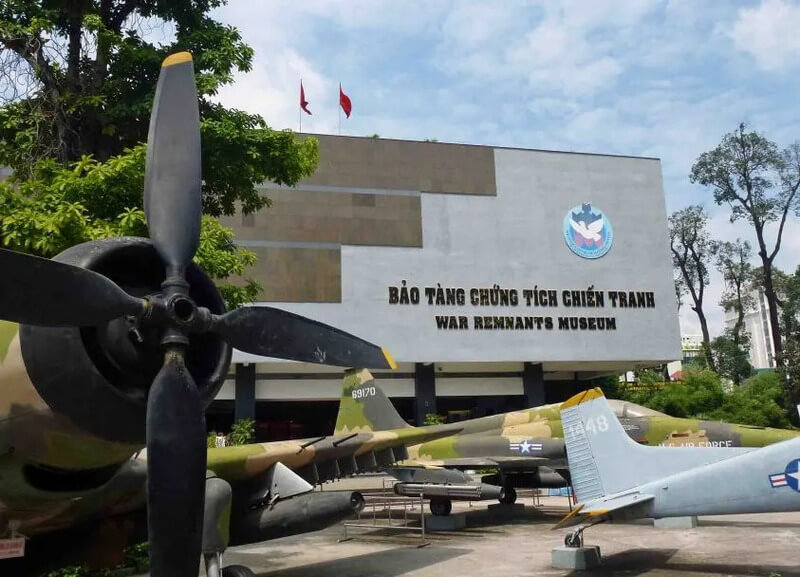
The War Remnants Museum is easy to reach from central Saigon (Source: Collected)
After visiting the War Remnants Museum, many travelers choose to continue exploring nearby landmarks to gain a broader perspective on Ho Chi Minh City’s history, culture, and daily life. Thanks to the museum’s central location, several key attractions can be comfortably combined into a half-day itinerary without rushing.
Together, these nearby attractions allow travelers to balance historical insight with cultural exploration, making it easy to design a well-rounded day in central Ho Chi Minh City.
A visit to the War Remnants Museum can be emotionally powerful and highly informative. A bit of preparation helps ensure a meaningful and comfortable experience.
The best time to visit is early in the morning, shortly after opening. Visiting earlier helps avoid large tour groups and allows for a quieter, more reflective experience, especially in the indoor exhibition areas.
Some exhibitions contain strong and confronting content, including war photography and documentation of civilian suffering. While the experience can be emotionally challenging, many visitors consider it an essential and educational part of their visit to Vietnam.
Many families traveling with children ask us about this in advance. From our experience, the museum is generally more suitable for older teenagers rather than young children, as some exhibitions can be visually graphic and emotionally intense. Parents often choose to skip certain sections or shorten the visit when traveling with kids.
Photography is allowed in most areas of the museum. However, flash photography, tripods, and commercial photography may be restricted in certain exhibitions. Visitors should follow posted signage and staff instructions at all times.
Guided tours are available through local tour operators and private guides and are recommended for visitors seeking deeper historical context. Audio guides may be available on-site, depending on availability on the day of your visit.
Yes. Most exhibitions feature English and Vietnamese information panels, making the museum accessible to international visitors. Some displays may also include additional languages, depending on the exhibition.
The War Remnants Museum stands as one of the most meaningful and impactful places to visit in Ho Chi Minh City. Through carefully curated exhibitions and authentic historical records, the museum provides a clear and honest look at the Vietnam War and its long-lasting effects on people, society, and the natural environment.
As local travel specialists, we regularly include the War Remnants Museum in carefully balanced city itineraries. Based on years of guiding international travelers, we believe this museum is best visited with enough time and emotional space, rather than rushed between multiple attractions.
If you are planning a trip to Vietnam and would like to explore historical landmarks with meaningful local insight, Your Vietnam Travel can help you design a balanced and well-informed itinerary. From Ho Chi Minh City tours to tailor-made journeys across the country, our travel specialists are ready to help you experience Vietnam in a more authentic and insightful way.


 Vietnam Tours
 Cambodia Tours
 Laos Tours
 Thailand Tours
 Multi-Country Tours