Ho Chi Minh City (Saigon) is loud, busy, and full of life - and that constant movement is part of what defines the city. From street food stalls and crowded sidewalks to modern buildings standing alongside historical landmarks, Saigon reflects the contrast between Vietnam’s past and present.
Beyond the well-known attractions, the city is best experienced through everyday life: street-side meals, local cafés, narrow alleys, and interactions with locals. In this guide, Your Vietnam Travel shares 25 of the best things to do in Ho Chi Minh City, focusing on experiences that offer a deeper understanding of the city rather than just a standard sightseeing list.
Eating pho in Ho Chi Minh City is a must for first-time visitors. Saigon-style pho is lighter and slightly sweeter than northern versions, served with a clear broth, rice noodles, thinly sliced beef or chicken, and a plate of fresh herbs. Most local shops simmer the broth overnight, which gives it depth without being heavy.
Pho is mainly eaten for breakfast in Saigon, usually between 6:00 and 9:00 a.m., when the broth is freshest. The best bowls are often found at small, family-run eateries that locals return to daily. To eat pho like a local, add lime and chili gradually and avoid overloading the bowl with sauces.
Local tips:
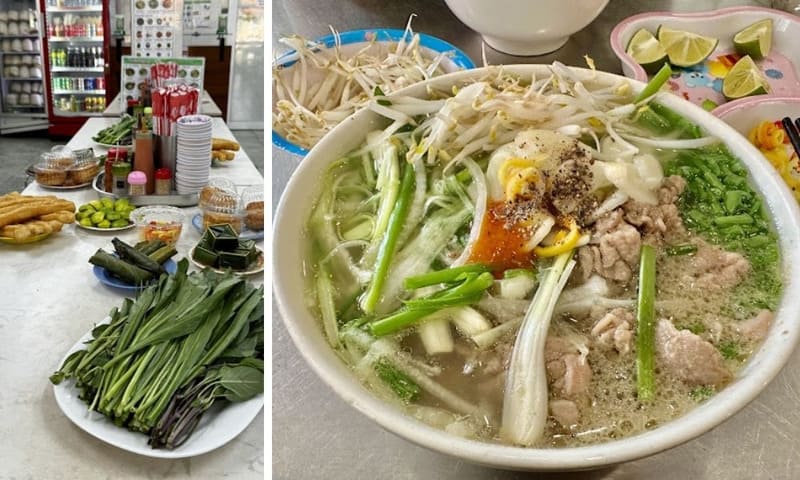
Enjoy traditional Vietnamese pho (Source: Collected)
Vietnamese coffee is famous for its strong, bold flavor, made primarily from Robusta beans that contain more caffeine and bitterness than Arabica. In Ho Chi Minh City, coffee is most commonly served iced with sweetened condensed milk, creating a rich and balanced taste that locals drink throughout the day. The slow-drip metal filter (phin) is still widely used, giving the coffee a deeper and more intense flavor.
For something unique, try egg coffee (cà phê trứng), a creamy combination of egg yolk, condensed milk, and hot coffee. While it originated in Hanoi, several cafés in Ho Chi Minh City now serve excellent versions. Sitting at a small sidewalk café or a hidden coffee shop is one of the easiest ways to observe daily life in the city.
Local tips:
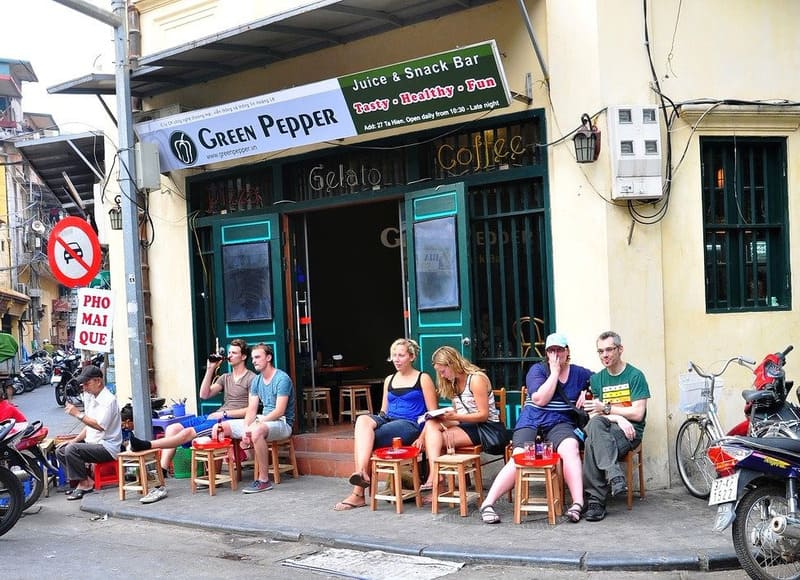
Enjoy traditional Vietnamese coffee at a local cafe (Source: Collected)
Bui Vien Walking Street is the center of Ho Chi Minh City’s backpacker nightlife. After sunset, the street fills with bars, music, street performers, and crowds looking for cheap drinks and a lively atmosphere. The energy is loud, chaotic, and constant, making it popular with young travelers and night owls rather than those seeking a relaxed evening.
Alongside the bars, Bui Vien also offers late-night street food such as banh mi, grilled seafood, and fried snacks. The mix of locals, expats, and tourists makes it one of the best places in the city for people-watching. While it’s not for everyone, visiting Bui Vien once gives a clear glimpse into Saigon’s more playful and unfiltered nightlife scene.
Local tips:
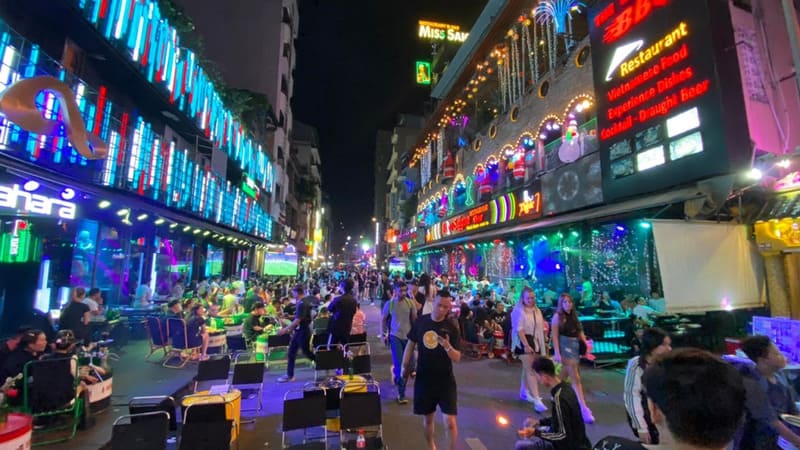
Bui Vien Walking Street (Source: Collected)
The War Remnants Museum is one of the most important places to understand Vietnam’s modern history. The museum presents powerful exhibitions focused on the Vietnam War, including historical photographs, military vehicles, weapons, and personal accounts that show the human impact of the conflict. Many displays are graphic and emotionally heavy, offering an unfiltered look at the realities of war rather than a purely academic overview.
Beyond the wartime exhibits, the museum highlights Vietnam’s recovery and the resilience of its people after decades of conflict. A visit here provides essential historical context for travelers and helps explain how the war continues to shape Vietnam today. It is not a light attraction, but it is one of the most meaningful stops in Ho Chi Minh City.
Local tips:
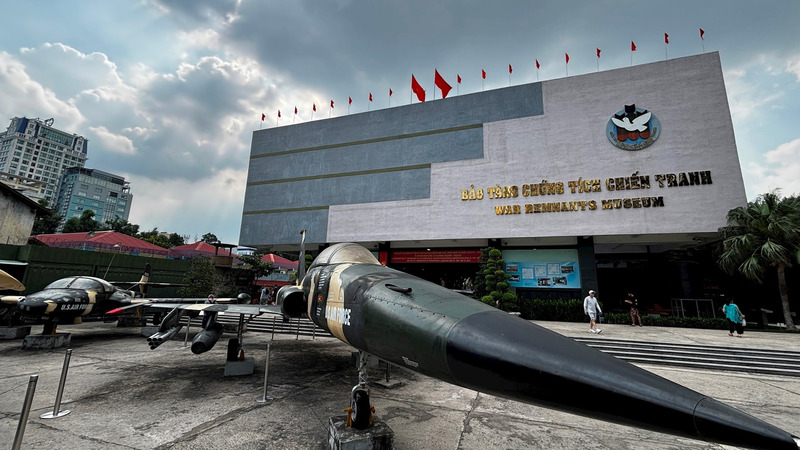
War Remnants Museum (Source: Collected)
The Reunification Palace is one of Ho Chi Minh City’s most important historical sites and a key symbol of modern Vietnamese history. Formerly the presidential palace of South Vietnam, it became internationally known in 1975 when a tank entered its gates, marking the end of the Vietnam War. Today, the palace remains largely preserved, offering an authentic look into that pivotal moment.
Inside, visitors can walk through meeting rooms, reception halls, and underground bunkers that were once used as command centers. The original 1970s furniture, maps, and communication equipment add to the historical atmosphere. The surrounding gardens and rooftop helipad also provide interesting photo opportunities while offering a quiet break from the busy city streets.
Local tips:
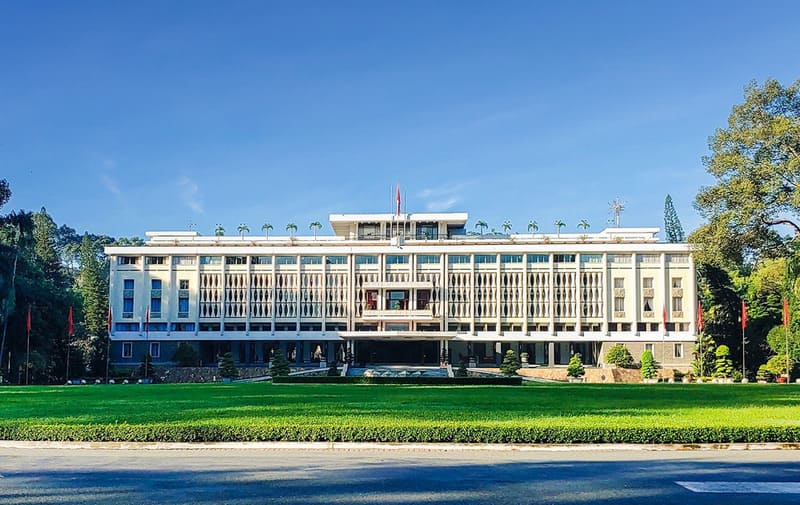
Independence Palace (Source: Collected)
The Cu Chi Tunnels are one of Vietnam’s most important historical sites, located about 30 kilometers from Ho Chi Minh City. This extensive underground network was used by Vietnamese soldiers during the Vietnam War for shelter, communication, and military strategy. Visitors can crawl through a short section of the tunnels to understand the harsh conditions and confined spaces people lived in during wartime.
Guided tours explain how the tunnels functioned as living areas, kitchens, storage spaces, and escape routes. You’ll also see wartime artifacts, hidden trap designs, and preserved sections of the original tunnel system. Visiting Cu Chi offers valuable insight into the resilience, ingenuity, and survival tactics that played a crucial role in Vietnam’s history.
Local tips:
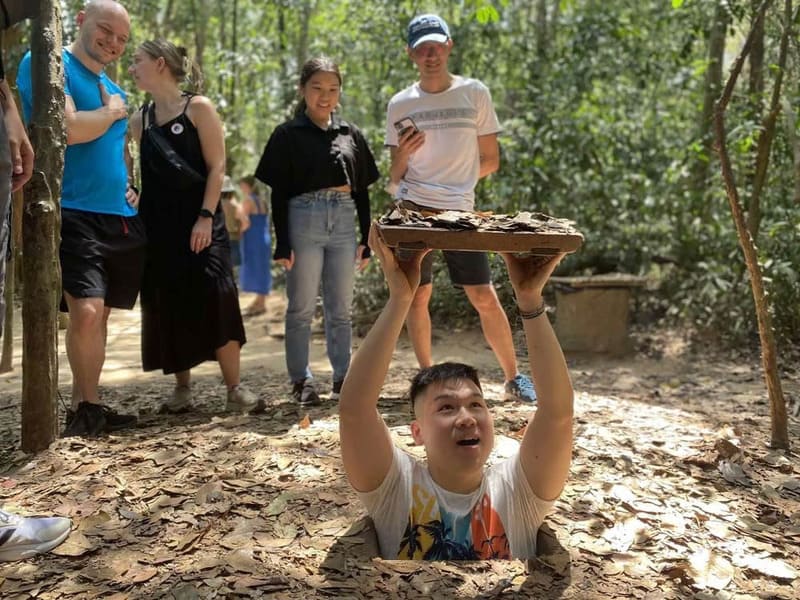
Cu Chi Tunnels (Source: Collected)
Notre Dame Cathedral of Saigon is one of Ho Chi Minh City’s most iconic landmarks from the French colonial period. Construction began in 1863 and was completed in 1880, using red bricks and materials imported from France. Its neo-Romanesque design, twin bell towers, and central location make it a striking contrast to the modern city around it.
Beyond its architectural value, the cathedral remains an active place of worship and an important religious symbol for local Catholics. While interior access may be limited due to long-term restoration, the exterior and surrounding square are still popular spots for photography and quiet walks. The cathedral represents a key chapter in the city’s colonial history and cultural identity.
Local tips:
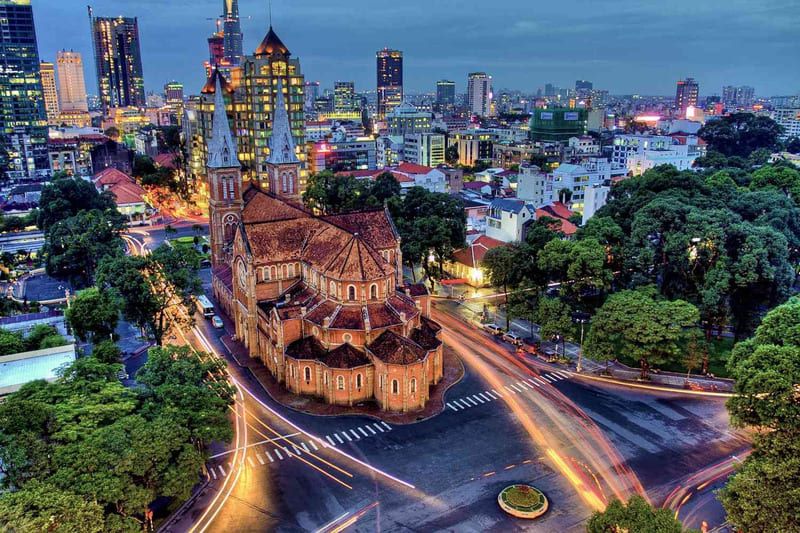
The Notre-Dame Cathedral of Saigon (Source: Collected)
Nguyen Hue Walking Street is a pedestrian-only boulevard in the center of Ho Chi Minh City and a popular gathering place for locals. During the day, it’s a relaxed area to walk, sit by the fountains, and watch city life pass by. In the evening, the street becomes much livelier, with street performers, families, and young people filling the space.
The street is surrounded by cafés, restaurants, and major landmarks such as the People’s Committee Building and the Saigon Opera House. It often hosts public events, live performances, and holiday celebrations, making it a good place to experience the city’s social energy. Nguyen Hue is also a convenient starting point for exploring nearby attractions in District 1.
Local tips:
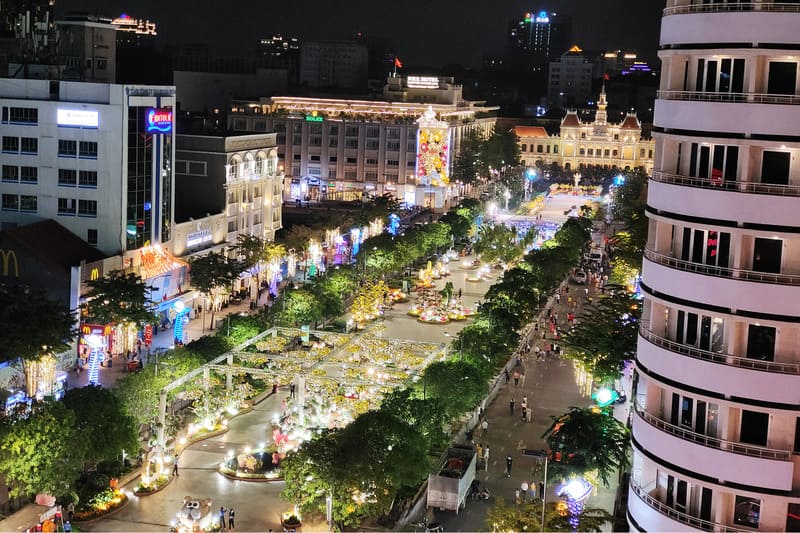
Nguyen Hue Walking Street (Source: Collected)
The Jade Emperor Pagoda is one of Ho Chi Minh City’s most important Taoist temples, built in the early 20th century and dedicated to the Jade Emperor. The temple is known for its thick incense smoke, low lighting, and highly detailed wooden carvings and statues depicting deities and mythological figures. This creates a solemn, almost mystical atmosphere that immediately sets it apart from other attractions in the city.
Although located in a busy urban area, the pagoda remains a quiet place of worship. Locals regularly visit to pray for health, children, and good fortune, especially during religious festivals. Visiting the Jade Emperor Pagoda offers a rare glimpse into everyday spiritual life and traditional beliefs that continue to shape Vietnamese culture today.
Local tips:
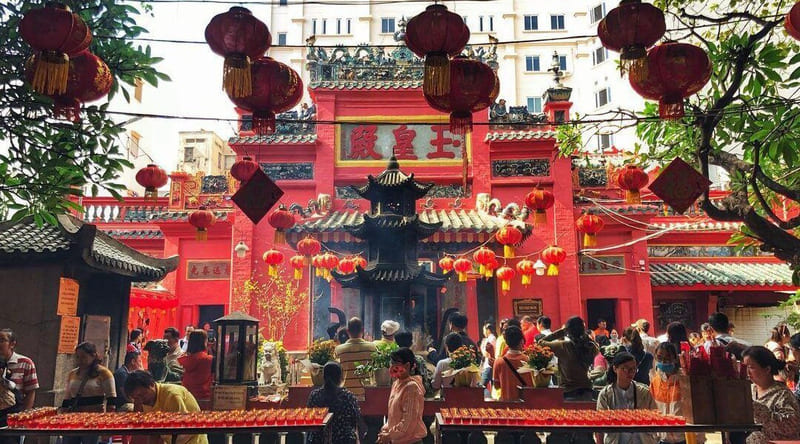
Ngoc Hoang Pagoda (Source: Collected)
The French Colonial Quarter offers a clear glimpse into Ho Chi Minh City’s past through its wide boulevards and well-preserved colonial architecture. This area is home to major landmarks such as City Hall, the Saigon Central Post Office, and the Opera House, all showcasing classic French design with ornate façades, balconies, and detailed interiors. Walking here feels noticeably calmer compared to the surrounding districts.
The quarter is also a popular spot for cafés and boutique shops, making it ideal for a slow afternoon walk. Sitting at a sidewalk café and watching daily life unfold against a colonial backdrop is a simple but rewarding experience. The area blends history with modern city life, showing how colonial-era architecture still shapes the city today.
Local tips:
The Saigon Opera House is one of the finest examples of French colonial architecture in Ho Chi Minh City. Built in 1898, the building stands out with its elegant façade, ornate details, and beautifully restored interior. Today, it hosts a variety of performances, including ballet, classical concerts, and Vietnamese cultural shows, offering a refined cultural experience in the heart of the city.
Watching a performance here is not only about entertainment but also about appreciating Saigon’s colonial heritage and modern arts scene. The venue is relatively small, which creates an intimate atmosphere and allows audiences to fully enjoy the performance. It’s an ideal evening activity for travelers looking for something more cultural and relaxed.
Local tips:
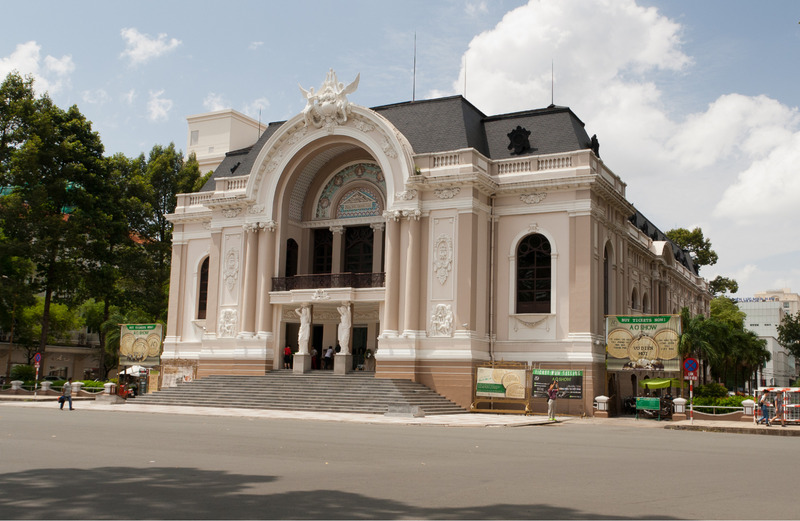
Saigon Opera House (Source: Wikipedia)
Ben Thanh Market is one of the most iconic landmarks in Ho Chi Minh City and a convenient place to experience local market culture in the city center. The market sells a wide range of goods, including dried foods, spices, clothing, handicrafts, and souvenirs. It’s lively, crowded, and colorful, giving first-time visitors a quick snapshot of everyday trading life in Saigon.
Inside the market, you’ll also find a compact food court serving popular Vietnamese dishes such as pho, banh mi, spring rolls, and fresh fruit. While prices are higher than street stalls, the food area is clean, easy to navigate, and suitable for travelers who want to try local flavors in one stop. Ben Thanh Market works best as a short visit rather than a long shopping session.
Local tips:
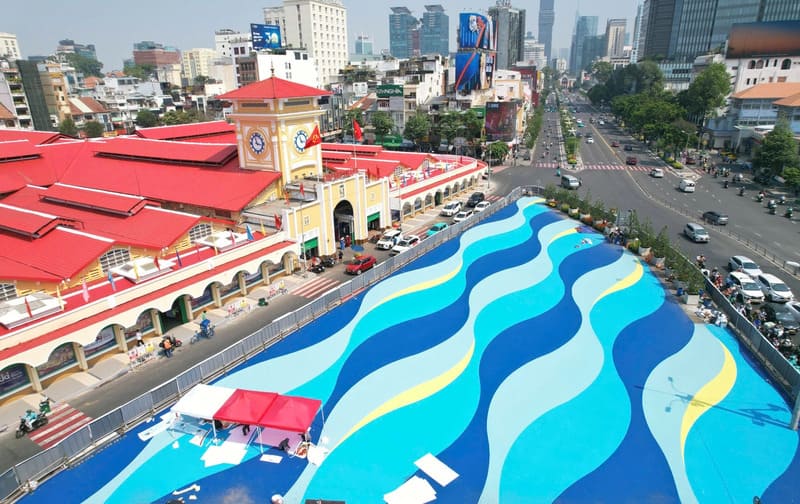
Ben Thanh Market (Source: Collected)
Cho Lon, Ho Chi Minh City’s Chinatown, offers a very different atmosphere compared to District 1. Located mainly in District 5, this area is known for its busy markets, narrow streets, and strong Chinese cultural influence. As you walk through Cho Lon, you’ll see traditional medicine shops, gold stores, fabric markets, and old shophouses that reflect generations of Chinese-Vietnamese life.
The area is also home to several historic temples and markets, including Binh Tay Market, which remains an important trading hub for locals. Cho Lon is especially famous for its Chinese-Vietnamese cuisine, with many long-standing restaurants serving dim sum, roasted duck, and herbal soups. Visiting this neighborhood gives you a deeper understanding of the cultural diversity that shapes Ho Chi Minh City.
Local tips:
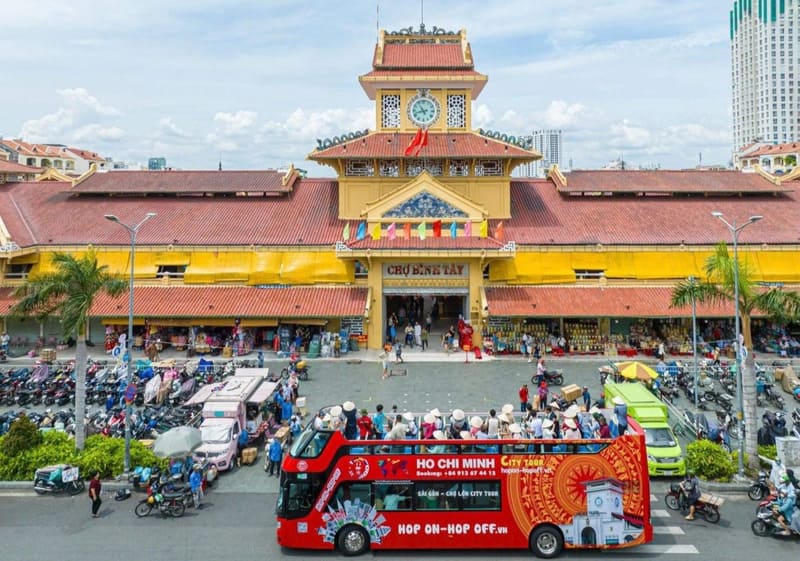
Saigon Cho Lon market (Source: Collected)
The Ho Chi Minh City Museum of Fine Arts is one of the best places to explore Vietnam’s artistic heritage. Located in a well-preserved French colonial building, the museum features paintings, sculptures, and ceramics that highlight traditional Vietnamese art alongside modern works. Walking through its galleries offers a clear look at how Vietnamese art has evolved across different historical periods.
Beyond the permanent collection, the museum regularly hosts temporary exhibitions and cultural events, which adds variety for repeat visitors. The building itself is a highlight, with elegant staircases, balconies, and natural light that make it popular for photography. This museum is especially rewarding for travelers who want a quieter, more cultural experience away from crowded attractions.
Local tips:
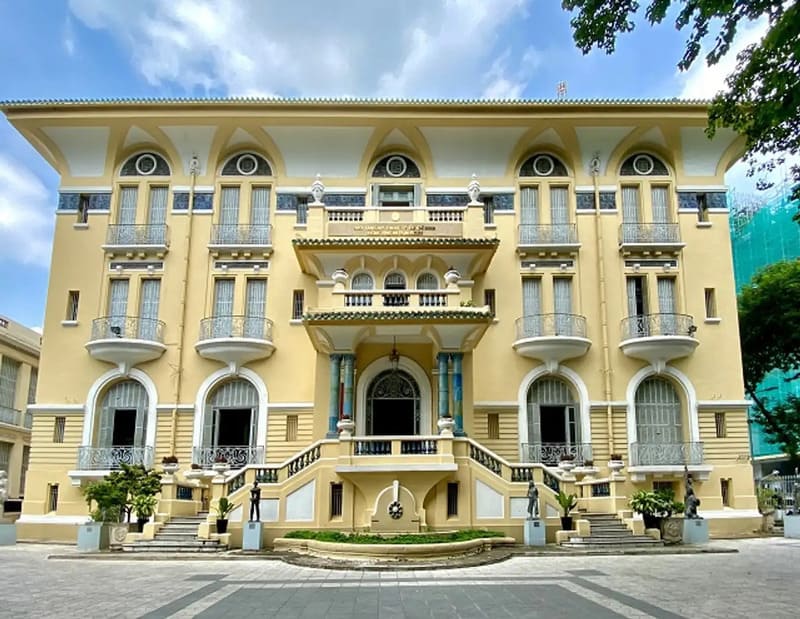
The Ho Chi Minh City Museum of Fine Arts (Source: Collected)
Ho Chi Minh City Book Street, located on Nguyen Van Binh Street near the city center, is a quiet cultural space away from the busy traffic. This pedestrian-only street is lined with bookstores selling Vietnamese and foreign-language books, from novels and travel guides to art and design titles. It’s a pleasant place to browse, even if you’re not planning to buy, and offers a different pace compared to the surrounding streets.
Along the street, you’ll also find small cafés and souvenir shops, making it a good spot to sit, read, or people-watch. The area occasionally hosts book launches and literary events, especially on weekends. For travelers who enjoy calm environments, Ho Chi Minh City Book Street provides a relaxing break from the city’s usual energy.
Local tips:
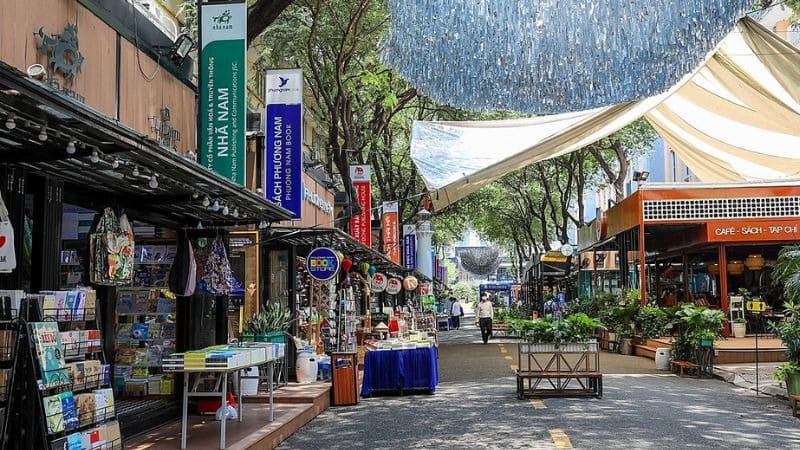
Strolling through the book streets of Ho Chi Minh City (Source: Collected)
A cruise along the Saigon River offers a slower, more relaxed way to see Ho Chi Minh City. From the water, you’ll get clear views of the skyline, major bridges, and riverside neighborhoods that are easy to miss from the streets. Daytime cruises highlight the city’s layout, while evening cruises are popular for city lights and a cooler atmosphere. Some boats also serve meals, turning the ride into a casual dining experience.
The river also shows the contrast between modern high-rise buildings and traditional riverside life. Along the way, you may pass cargo boats, small fishing vessels, and local communities that still rely on the river for daily activities. This experience is ideal for travelers who want a calm break without leaving the city.
Local tips:
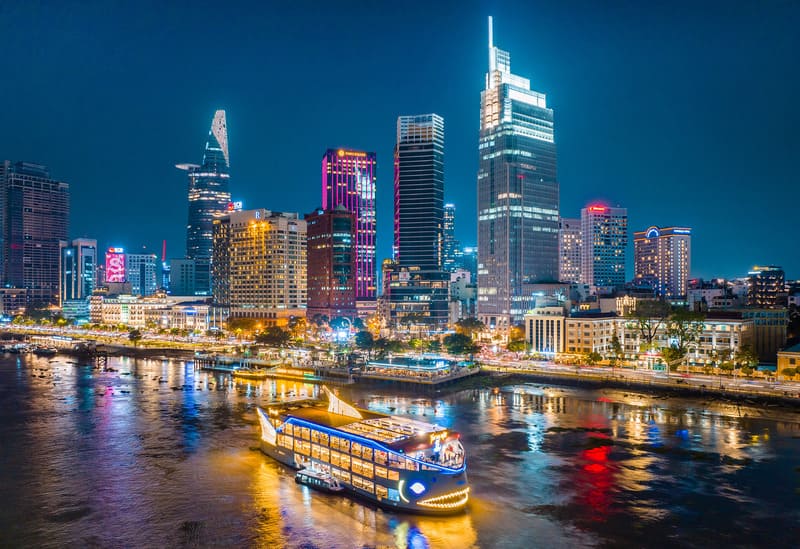
Cruise on the Saigon River (Source: Collected)
The Bitexco Financial Tower offers one of the best panoramic views in Ho Chi Minh City. From the Skydeck, you can see the city’s dense skyline, the Saigon River, and surrounding districts, especially on clear days. It’s a quick way to understand the city’s scale and rapid urban growth from above.
The tower itself is a symbol of modern Ho Chi Minh City, standing in contrast to the older colonial buildings nearby. After visiting the observation deck, many travelers choose to stay for a drink or light meal at one of the tower’s high-rise venues. It’s a convenient stop if you want city views without committing much time.
Local tips:
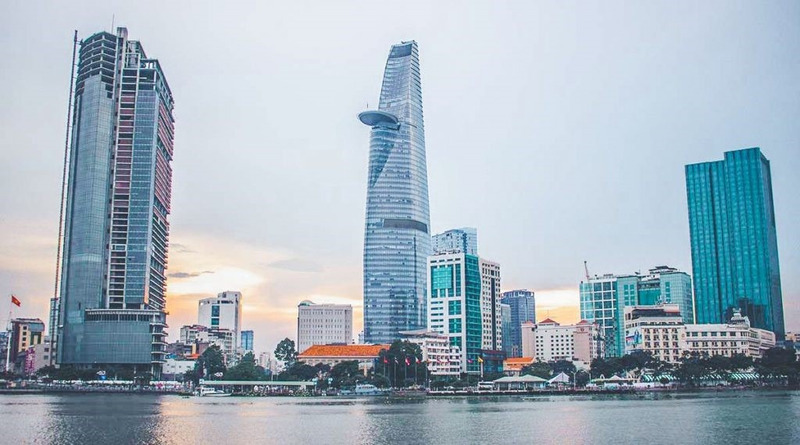
Bitexco Financial Tower (Source: Collected)
Landmark 81 is Vietnam’s tallest building and a major highlight of Ho Chi Minh City’s modern skyline. From its observation deck, you can enjoy wide views of the Saigon River and the city’s eastern districts, which feel more open and spacious than the central business area. This spot gives a clear sense of how fast the city is expanding beyond District 1.
Surrounding Landmark 81, Vinhomes Central Park offers a calmer atmosphere with green spaces, walking paths, and riverfront views. The park is popular with locals for evening walks, picnics, and jogging, making it a good place to experience everyday city life. Together, Landmark 81 and the park combine modern architecture with a relaxed outdoor setting.
Local tips:
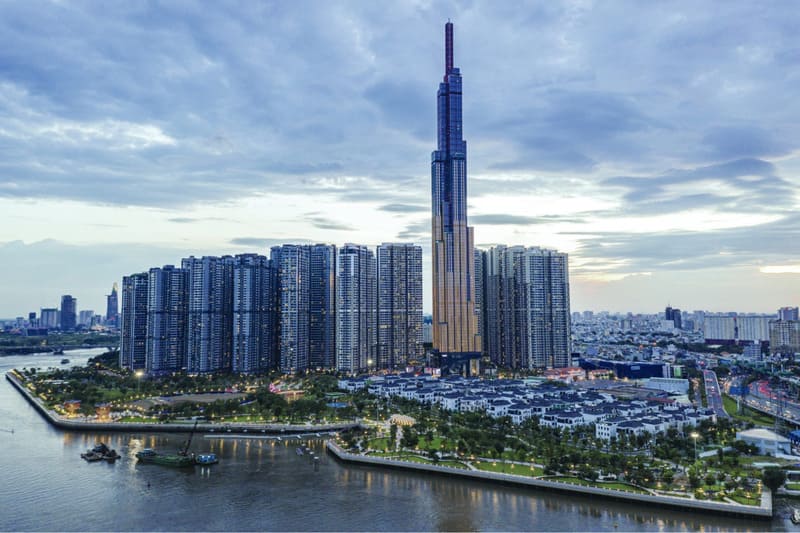
Landmark 81 (Source: Collected)
The Ho Chi Minh Statue, located in front of the People’s Committee Building, is one of the city’s most recognizable landmarks. It honors Ho Chi Minh, the founder of modern Vietnam, and represents the country’s path to independence. The French colonial–style People’s Committee Building behind it adds historical contrast and is one of the most photographed buildings in the city center.
This area is best experienced as part of a casual walk, especially along Nguyen Hue Walking Street. In the evening, the open square becomes lively with locals, street performers, and visitors taking photos. It’s a simple stop, but an important one for understanding Ho Chi Minh City’s political and historical identity.
Local tips:
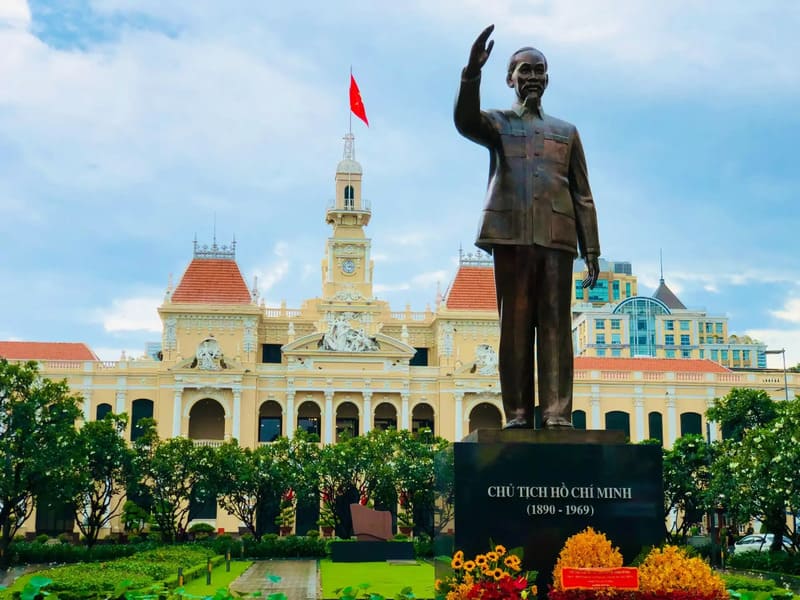
Take a look at the statue of Ho Chi Minh and the People's Committee building (Source: Collected)
A traditional Vietnamese hair wash and foot massage is a simple but deeply relaxing experience in Ho Chi Minh City. The hair wash usually includes a gentle scalp massage, warm water rinse, and light neck and shoulder massage, making it a popular choice after a long day of walking. It’s less about luxury and more about routine local self-care.
Foot massages often begin with a warm soak, followed by focused pressure on the feet and lower legs to relieve tension. These services are widely available across the city, from small local shops to full-service spas. Prices are affordable, and sessions are easy to fit into a busy sightseeing schedule.
Local tips:
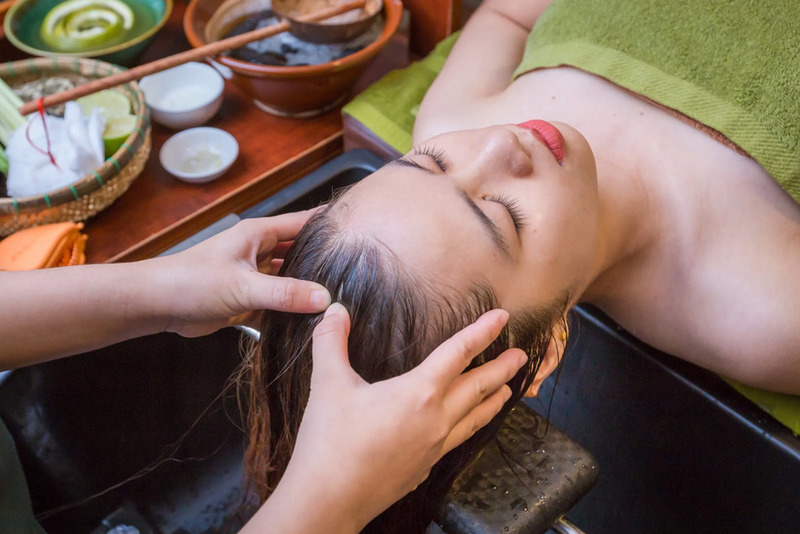
Enjoy a traditional hair wash and foot massage (Source: Collected)
Renting a motorbike is one of the most common ways locals get around Ho Chi Minh City. It allows you to move easily through busy streets, small alleys, and neighborhoods that are hard to reach by car. This gives you a closer look at daily life, from street food stalls to local markets and residential areas.
That said, traffic in the city can be intense, especially for first-time visitors. Riding a motorbike requires confidence, awareness, and patience. For experienced riders, it offers flexibility and freedom, but it’s not the best option for everyone.
Local tips:
A water puppet show is a traditional Vietnamese performance that offers insight into the country’s rural culture and folklore. Originating in northern Vietnam, the show features wooden puppets performing on a water stage, accompanied by live traditional music. The stories are simple and visual, making the performance easy to follow even if you don’t understand Vietnamese.
In Ho Chi Minh City, the Saigon Water Puppet Theatre is the most convenient place to see this art form. Shows usually last about an hour and are well-suited for both adults and families. It’s an enjoyable way to experience Vietnamese culture in a short amount of time without feeling overwhelmed.
Local tips:
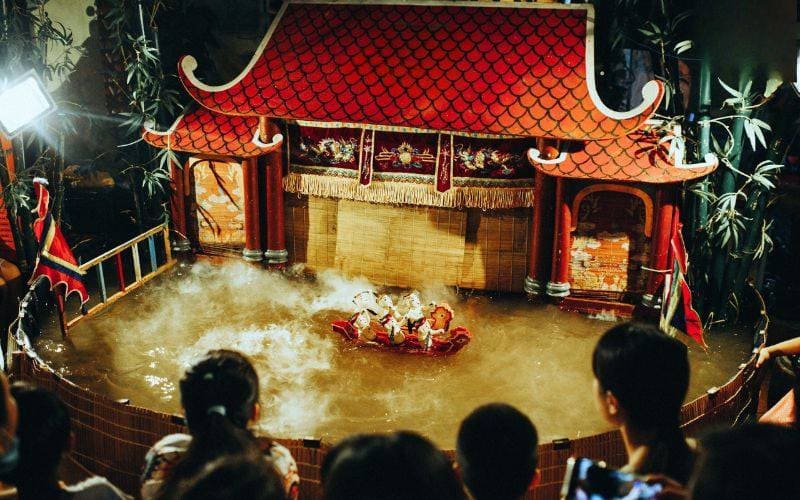
Enjoy a water puppet show in Saigon (Source: Collected)
Joining a street food tour is one of the easiest ways to experience Ho Chi Minh City’s food culture. These tours take you through local neighborhoods, small food stalls, and busy markets where you can sample dishes like pho, banh mi, spring rolls, and grilled meats. A good guide also explains how each dish is prepared and why certain ingredients are used, adding useful context beyond just tasting the food.
Street food tours are especially helpful for first-time visitors who may feel unsure about where or what to eat. They allow you to try authentic flavors that are often missed when dining only at restaurants, while also learning how locals eat on a daily basis.
Local tips:
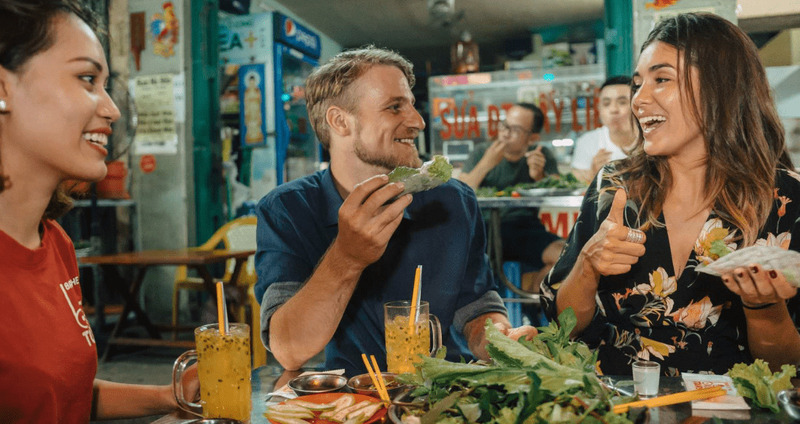
Join a guided food tour in Saigon (Source: Collected)
Rooftop bars are a popular way to unwind in Ho Chi Minh City, especially after sunset. From above, you can enjoy wide views of the skyline while the city cools down and lights up. These venues are ideal for a relaxed drink rather than a late-night party, and many attract a mix of locals, expats, and travelers.
If you prefer something quieter, hidden speakeasies offer a more intimate atmosphere. Often tucked away behind unmarked doors or small alleys, these bars focus on well-crafted cocktails and a calm setting. They’re a good choice if you want to escape busy streets and enjoy a slower-paced evening.
Local tips:
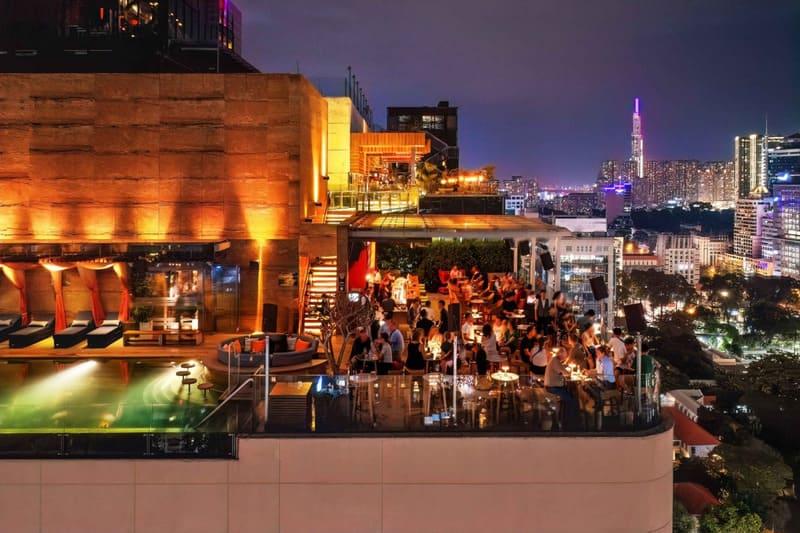
Relax at a rooftop bar in Saigon (Source: Collected)
A general city tour is an efficient way to see Ho Chi Minh City’s main landmarks in a short time. Options like guided bus tours, walking tours, or hop-on-hop-off services usually cover highlights such as the War Remnants Museum, Notre-Dame Cathedral, and the Reunification Palace. These tours are ideal for first-time visitors who want a broad introduction to the city’s history and layout.
For a deeper and more personal experience, local experience tours are a better choice. Led by local guides, these tours focus on everyday life rather than famous sights, often including markets, street food, or residential neighborhoods. They offer practical insights and stories you’re unlikely to get on standard tours.
Local tips:
For first-time visitors, the must-do activities in Ho Chi Minh City include visiting the War Remnants Museum, exploring the Reunification Palace, walking along Nguyen Hue Walking Street, tasting Vietnamese street food, and taking a day trip to the Cu Chi Tunnels. These experiences provide a well-rounded introduction to the city’s history, culture, and daily life.
At night, Ho Chi Minh City comes alive with vibrant nightlife and entertainment. Popular evening activities include exploring Bui Vien Walking Street, enjoying city views from a rooftop bar, attending a water puppet show, taking a Saigon River dinner cruise, or relaxing at a hidden speakeasy. Nguyen Hue Walking Street is also a great spot for evening strolls and people-watching.
Yes, Ho Chi Minh City is absolutely worth visiting. It offers a unique blend of historical landmarks, modern city life, rich street food culture, and diverse local experiences. Whether you are interested in history, food, nightlife, or cultural exploration, the city has something for every type of traveler.
Most travelers spend 3 to 4 days in Ho Chi Minh City. This allows enough time to explore major attractions such as museums, historical sites, markets, and food streets, while also enjoying local experiences like coffee culture, river cruises, or day trips to the Cu Chi Tunnels or the Mekong Delta.
Some of the best free things to do in Ho Chi Minh City include walking around Nguyen Hue Walking Street, visiting Notre-Dame Cathedral (exterior), exploring local markets, strolling through Book Street, and admiring French colonial architecture in the city center. These activities allow visitors to experience the city without spending much money.
Ho Chi Minh City is a paradise for food lovers. Must-try experiences include eating authentic pho, banh mi, and broken rice (com tam), joining a guided street food tour, drinking Vietnamese iced coffee, and exploring local markets like Ben Thanh or Cho Lon. Street food is affordable and widely considered the best way to taste local flavors.
Ho Chi Minh City is generally safe for solo travelers, including solo female travelers. Common safety tips include keeping valuables secure, avoiding poorly lit streets late at night, and being cautious in crowded areas. Using ride-hailing apps like Grab is a safe and convenient way to get around the city.
Yes, Ho Chi Minh City is easy to explore independently. Many attractions are centrally located, and transportation options such as taxis, Grab, and walking streets make navigation simple. However, guided tours can add value when visiting historical sites or trying local street food, as guides provide cultural context and local insights.
The best time to visit Ho Chi Minh City is during the dry season, from December to April, when the weather is warm and rainfall is minimal. The rainy season (May to November) still offers enjoyable travel experiences, but visitors should expect short, heavy showers in the afternoon.
Yes, Ho Chi Minh City offers many family-friendly activities such as water puppet shows, parks, river cruises, Book Street, and walking streets like Nguyen Hue. Attractions like the Saigon Zoo and Botanical Gardens also make great options for families traveling with children.
Ho Chi Minh City is a vibrant blend of history, culture, and everyday local life. Beyond its well-known landmarks, the city reveals itself through street food, small cafés, quiet alleys, and the rhythm of daily life. These simple moments often leave a stronger impression than traditional sightseeing.
This guide is created by Your Vietnam Travel, based on years of local experience and real feedback from travelers exploring Ho Chi Minh City. If you want to experience the city in a more authentic and comfortable way, with local insight and flexible planning, we’re here to help.
Get in touch with Your Vietnam Travel to plan your Ho Chi Minh City trip, ask for local advice, or explore travel options that match your interests and schedule.

 Vietnam Tours
 Cambodia Tours
 Laos Tours
 Thailand Tours
 Multi-Country Tours