The Cu Chi Tunnels, a remarkable historical site located just outside Ho Chi Minh City, offer a glimpse into the resilience and ingenuity of the Vietnamese people during the Vietnam War. This extensive underground network served as a base for soldiers and civilians alike, allowing them to survive in the midst of conflict. Today, it stands as a must-visit destination for history enthusiasts, offering a fascinating and educational experience.
In this article, Your Vietnam Travel will guide you through everything you need to know about the Cu Chi Tunnels. We’ll cover their history, what to do when you visit, and provide tips to make the most of your trip. Let’s explore this iconic site together!
The Cu Chi Tunnels, famously known as “The Land of Steel,” are a testament to Vietnam's resilience and creativity during wartime. This historical site was awarded the title of Hero of Labor in 2015 and designated a special national historical landmark in 2016. As one of the most visited attractions in Vietnam, it offers an immersive experience into the life of Vietnamese soldiers and civilians during the war.
Located near Ho Chi Minh City, the Cu Chi Tunnels provide an extraordinary look into Vietnam’s turbulent past. The complex underground network is a must-see for history enthusiasts, showcasing the ingenuity of the Vietnamese people in creating a vast, hidden system for survival and resistance.
Cu Chi Tunnels are a symbol of Vietnam's wartime resilience and history (Source: Collected)
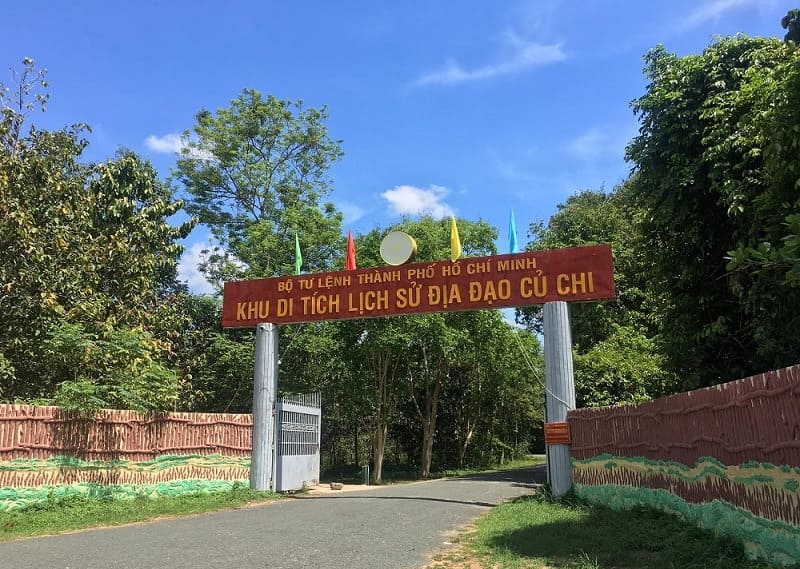
The Cu Chi Tunnels are situated about 70 kilometers northwest of Ho Chi Minh City, in Cu Chi District. The tunnels are spread across two primary locations: the Ben Dinh Tunnels, located in Ben Dinh Hamlet, and the Ben Duoc Tunnels in Phu Hiep Hamlet. These sites offer visitors the opportunity to explore the underground network and gain insight into the wartime experiences of those who lived there.
The Cu Chi Tunnels are open daily from 7:00 AM to 5:00 PM, giving visitors plenty of time to explore the site and learn about its historical significance.
Updated Entrance Fees (as of 2026):
Please note that entrance fees are subject to change, so it is advisable to check the official website for the most up-to-date information before planning your visit.
The best time to visit the Cu Chi Tunnels is during the dry season, which lasts from November to April. The tropical climate in Cu Chi features two distinct seasons: the rainy season (May to October) and the dry season. During the dry season, the weather is more comfortable for exploration, allowing visitors to fully experience the tunnels and surrounding areas without the interruptions of heavy rain.
Traveling from Ho Chi Minh City to the Cu Chi Tunnels offers several transportation options, each with varying levels of convenience and cost.
Taking a taxi or private car is the most direct and convenient way to reach the Cu Chi Tunnels. The journey typically takes around 1.5 to 2 hours, depending on traffic. However, it is also the most expensive option. For an eco-friendly ride, consider using Xanh SM Taxi, Vietnam’s first electric taxi service. Xanh SM operates with VinFast electric cars, providing a comfortable and sustainable journey. Taxis can be easily booked via phone or app.
For a budget-friendly option, you can take a public bus. Buses 4, 122, and 70 from Ho Chi Minh City head towards Cu Chi, but the trip can take up to 3.5 hours due to multiple transfers. A cheaper alternative is taking bus No. 13 or No. 94 from Ben Thanh or Cho Lon, followed by bus No. 79 to reach the Ben Duoc Tunnels. While this option is affordable, it requires a longer travel time of about 2.5 to 3 hours.
If you prefer more flexibility, consider renting a motorbike or car in Ho Chi Minh City. The distance is approximately 70 kilometers, and using your own or a rented vehicle allows you to explore the route at your own pace. GPS navigation and checking the weather beforehand are recommended, especially for first-time travelers.
For a unique experience, you can opt for a speedboat ride. Departing from Tan Cang Pier along the Saigon River, this scenic journey takes around 75 minutes. The first boat leaves at 7:30 AM, providing a refreshing and picturesque alternative to road travel.
To make the most of your visit, many tourists choose to leave in the morning, ensuring a relaxed exploration of the Cu Chi Tunnels before returning to Ho Chi Minh City by midday. This approach also avoids traveling back in the evening, when it can get darker and less convenient.
Traveling from Ho Chi Minh City to Cu Chi Tunnels offers options (Source: Collected)
The Cu Chi Tunnels are one of Vietnam's most iconic historical sites. Originally built in 1948 during the fight against French colonial rule, this underground network began as a simple system for storing documents and providing shelter. Over time, it expanded significantly, playing a crucial role in Vietnam’s resistance efforts, especially during the Vietnam War.
By the mid-1960s, the Cu Chi Tunnels had grown into a massive underground complex, stretching over 200 kilometers. These tunnels connected key areas like Ben Duoc, Ben Dinh, and Tan Phu Trung, becoming a strategic stronghold for the Viet Cong forces. The tunnels were used for covert transportation, surprise attacks, and as hiding spots from enemy forces, offering protection from aerial bombardment and ground troops.
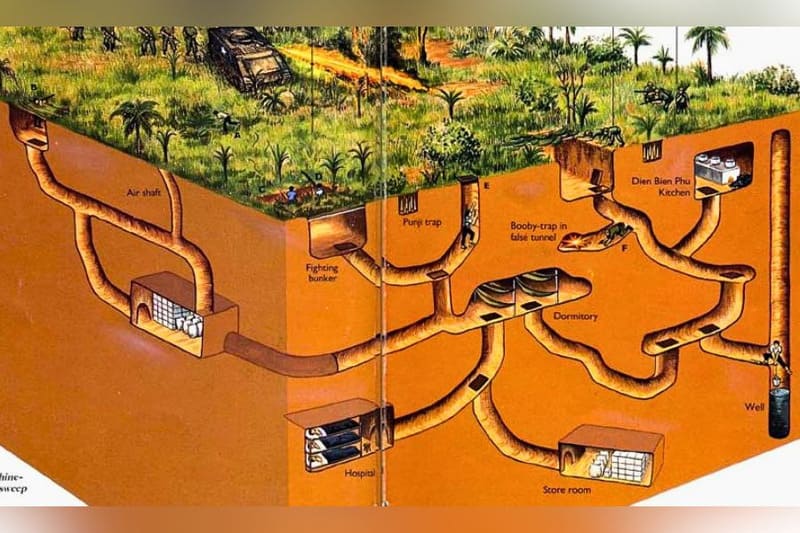
The Cu Chi Tunnels weren’t just military headquarters. They also served as living quarters, storage, hospitals, and kitchens for soldiers and civilians. Cleverly designed traps and punji stakes were placed to defend against enemy tanks and infantry, making the tunnels nearly impenetrable.
During the Vietnam War, the tunnels were pivotal in key military campaigns, including the Tết Offensive of 1968. Cu Chi forces fought in over 4,200 battles, contributing to the elimination of more than 25,000 enemy soldiers and the destruction of thousands of military assets. This underground network was a testament to the resilience and creativity of the Vietnamese people.
Today, around 120 kilometers of the tunnels are preserved as a tourist attraction. Visitors can explore these historic tunnels and learn about their role in the war. As one of Southeast Asia's must-visit destinations, the Cu Chi Tunnels offer a fascinating insight into Vietnam’s wartime history, making them a top attraction for history enthusiasts and travelers alike.
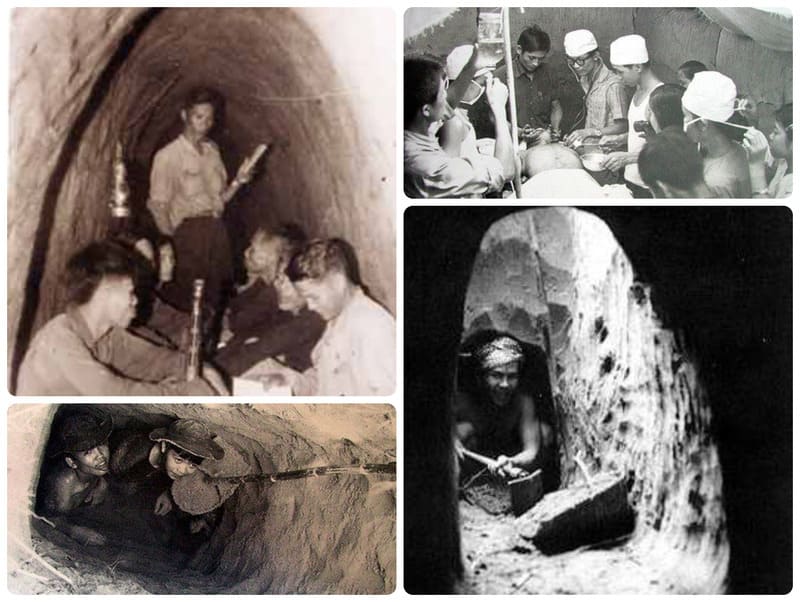
The Cu Chi Tunnels, built in 1948, were vital for shelter and storage (Source: Collected)
The Cu Chi Tunnels system, stretching over 120 kilometers (75 miles) of the original 200 kilometers, is a remarkable underground network that showcases the ingenuity and resilience of the Vietnamese people during the Vietnam War. Located near Ho Chi Minh City (formerly Saigon), these tunnels were designed as a strategic refuge and operational hub for soldiers, providing a complex series of passageways and hidden chambers that played a crucial role in the war efforts.
The tunnels feature three primary levels, each built to serve specific functions while ensuring protection from enemy attacks.
The entrances to the tunnels were cleverly camouflaged, with narrow, concealed hatches and manhole covers blending seamlessly with the surroundings. This design prevented detection and ensured safe passage for those familiar with the area. Vertical vents and underground wells supplied ventilation and water, maintaining a livable environment within the tunnels.
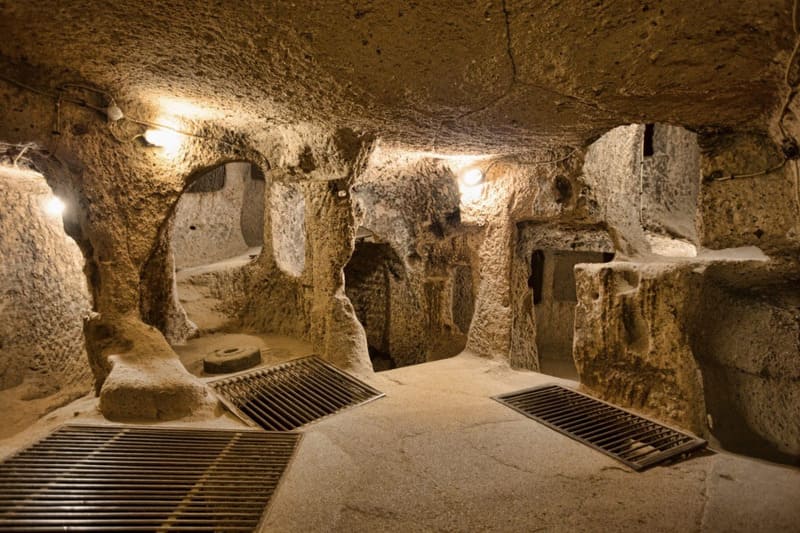
Cu Chi Tunnels are a 120 km underground network (Source: Collected)
The passageways, ranging from 1 to 1.2 meters in height and 0.6 to 0.8 meters in width, were deliberately small to accommodate the average stature of Vietnamese soldiers. These narrow dimensions made it difficult for larger individuals to navigate, offering further protection against enemy intrusion.
The Cu Chi Tunnels were an extraordinary feat of engineering, built entirely by hand with primitive tools. Their vast network of interconnected passageways, bunkers, and chambers supported a complete underground city capable of housing and sustaining hundreds, if not thousands, of soldiers and civilians. It is a testament to the determination and resourcefulness of the Vietnamese people, whose ingenuity enabled them to survive and thrive in the face of adversity.
Walking through the Cu Chi Tunnels offers a unique opportunity to experience one of the most significant underground systems ever created for warfare. Explore the labyrinth of tunnels and uncover how Vietnamese soldiers used this extensive network to outsmart their enemies during the Vietnam War.
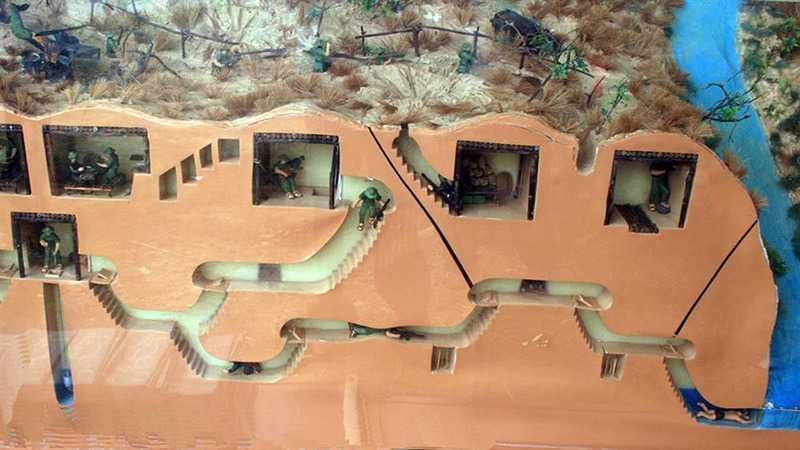
Explore the Cu Chi Tunnels, a key underground system in warfare (Source: Collected)
Delve into the daily life of soldiers who lived and fought within these tunnels. Discover the hidden chambers, kitchens, hospitals, and even theaters that formed part of this underground city. Gain insight into the hardships they faced and the ingenuity that allowed them to survive beneath the ground for years.
One of the most fascinating features of the Cu Chi Tunnels is their entrances. Camouflaged and cleverly hidden, these secret entry points were designed to protect the soldiers from enemy detection. Visitors can observe the ingenious "breathing mounds"-small, hidden vent systems designed to allow airflow while keeping the tunnels concealed.
The tunnels' defense mechanisms, including a wide range of booby traps, provide a glimpse into the resourcefulness of those defending their land. Learn about the various traps used to protect the tunnels from enemy forces, such as punji sticks and concealed explosives. These traps were key in deterring invaders from reaching the tunnels.
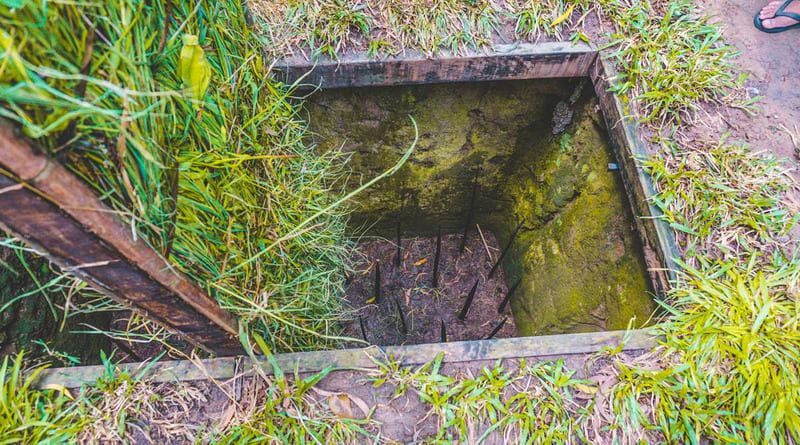
Wartime defensive traps in the Cu Chi tunnels (Source: Collected)
Enhance your visit by watching documentary films that recount the story of the Vietnam War and the Cu Chi Tunnels' role in the conflict. These films offer historical context and help visitors better understand the strategic significance of the tunnels and the perseverance of the Vietnamese people.
For those looking for a more immersive experience, the 100 to 150-meter tunnel crawl gives visitors the chance to navigate through a small section of the tunnel system. Crawl through the narrow passageways, experiencing firsthand the cramped and challenging conditions that soldiers endured.
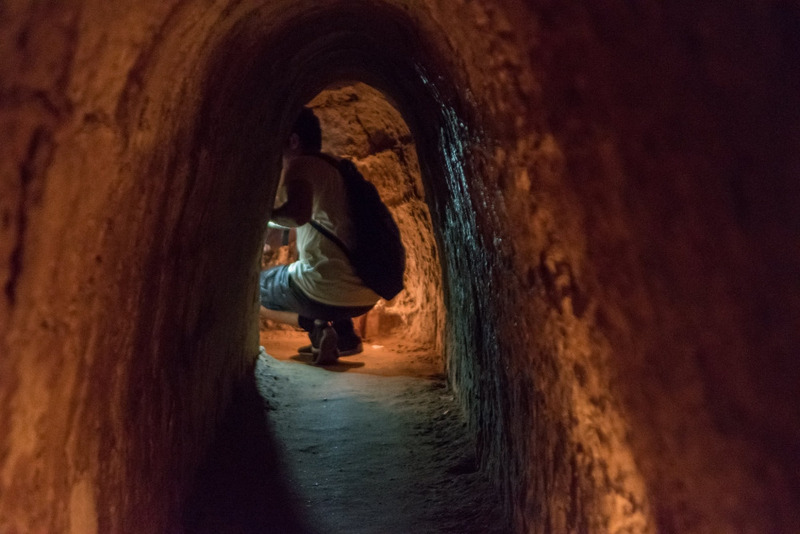
Experience the 100-150 meter tunnel crawl for an immersive tour (Source: Collected)
The Ben Duoc Memorial Temple is a poignant site to visit near the Cu Chi Tunnels. Dedicated to the soldiers and civilians who sacrificed their lives during the war, this temple offers a solemn space for reflection and a deeper understanding of the human cost of the conflict.
For an adventurous twist, visitors can try paintball at the Cu Chi Tunnels site. This activity provides a fun and engaging way to simulate the guerrilla warfare tactics that were used in the area, offering a hands-on experience of how combatants might have interacted in the dense jungle surrounding the tunnels.
For a truly immersive experience, visitors can test their shooting skills at the shooting range, where you can fire real weapons that were used during the Vietnam War. It's an adrenaline-pumping activity that allows you to experience the sounds and sights of wartime combat, adding another layer to the history of the Cu Chi Tunnels.

Experience real shooting at the shooting range in the Cu Chi Tunnels (Source: Tripadvisor)
A visit to the Cu Chi Tunnels wouldn't be complete without experiencing the local cuisine, which, while simple, is rich in history and tradition. The dishes here are deeply rooted in the past, offering a taste of the sustenance that kept soldiers going during the Vietnam War.
One of the most iconic dishes to try when visiting Cu Chi is steamed cassava roots. Once a vital part of soldiers' rations during the war, this dish now serves as a popular snack. The cassava roots are steamed to a chewy, starchy consistency, similar to potatoes but with a unique aroma. It is traditionally served with peanut salt and sugar in a decorative porcelain bowl, shared among diners.
Cassava is a key agricultural product in Cu Chi, and the cassava grown here is particularly prized. The roots, which appear ivory-white and become yellowish and slightly translucent when cooked, have a mild sweetness and a satisfying texture. For an extra indulgence, some vendors add a spoonful of fatty coconut milk, enhancing the flavor even further. Cassava is also the base for several desserts, making it a versatile and beloved ingredient in the region.
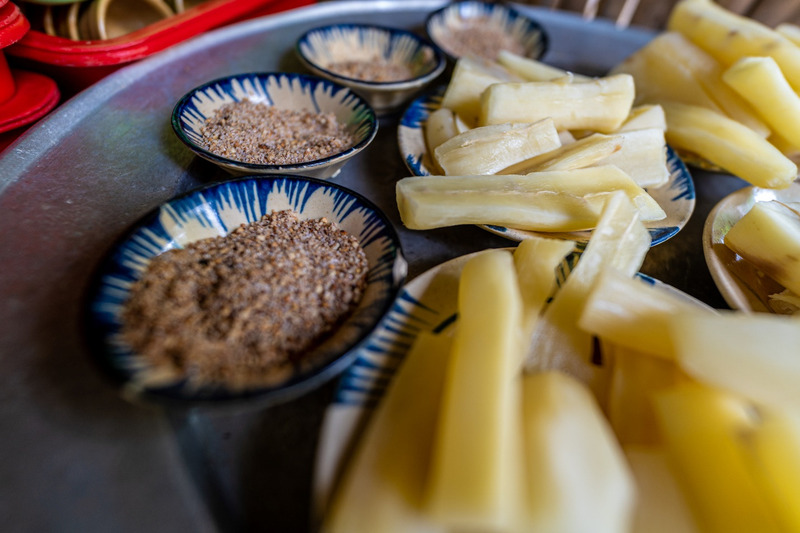
Try steamed cassava roots, a historic snack with peanut salt (Source: Collected)
Another must-try dish is the beef spring rolls (Bo Cu Chi Cuon Banh Trang), where the tender and flavorful beef of Cu Chi takes center stage. The cows in Cu Chi are traditionally grazed, resulting in beef that is especially tender and full of taste. Wrapped in fresh rice paper with herbs and vegetables, these spring rolls are a delightful combination of textures and flavors.
For an authentic dining experience, head to the nearby Ben Duoc Restaurant, which serves a variety of local dishes, perfect for refueling after a day of exploring the tunnels. The restaurant’s menu offers a great opportunity to taste the rich, traditional flavors of Cu Chi, allowing you to enjoy the culinary delights while reflecting on the history of the area.
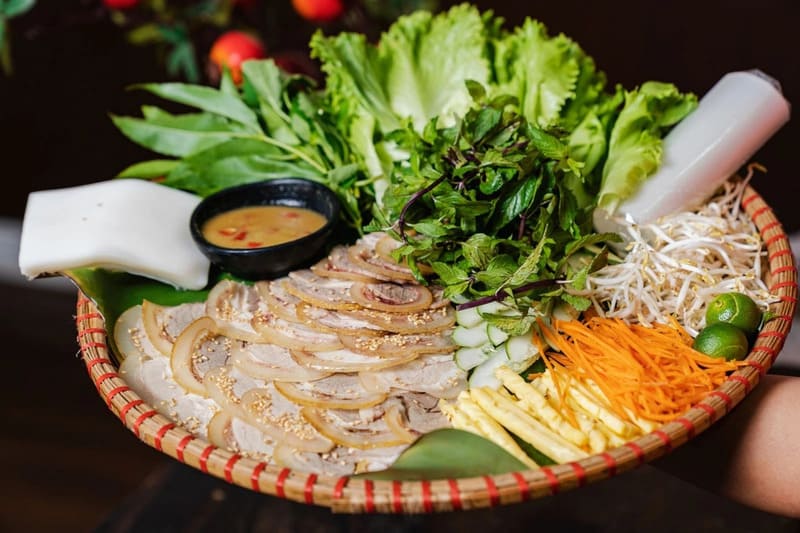
Try beef spring rolls (Bo Cu Chi Cuon) for tender, flavorful beef (Source: Collected)
Learn more: 25 Best Things to Do in Ho Chi Minh City (Saigon)
To ensure an enjoyable and stress-free experience at the Cu Chi Tunnels, it's essential to plan ahead. Here are some practical tips to help you make the most out of your visit:
A visit to the Cu Chi Tunnels typically takes around 4 to 6 hours. This includes travel time from Ho Chi Minh City and the time spent exploring the tunnels and surrounding attractions. Most guided tours are around 6 hours long, which allows ample time to experience the site and learn about its historical significance.
Yes, it is generally safe to crawl through the Cu Chi Tunnels, as long as you follow the instructions provided by the tour guides. The tunnels have been expanded to accommodate visitors, and the sections open to the public are carefully maintained. However, visitors should be cautious if they have mobility issues or suffer from claustrophobia, as the tunnels can be cramped and narrow.
Wear lightweight, breathable clothing to stay comfortable in the hot and humid climate. It’s recommended to wear long pants and sturdy shoes with ankle support for protection, especially if you plan to crawl through the tunnels. Don't forget to bring insect repellent to avoid mosquito bites, particularly in the rainy season.
Yes, it’s possible to visit the Cu Chi Tunnels without a guided tour, though a tour will enhance your experience. While you can explore the tunnels independently, having a guide provides deeper insights into the history and significance of the site, and ensures you don’t miss key features like hidden entrances and wartime defense systems.
Yes, there are restrooms available at the Cu Chi Tunnels site. Food and drink facilities, including local snacks, are also available, though you may want to bring your own water and snacks to stay hydrated during your visit. Many visitors choose to dine at nearby restaurants such as Ben Duoc Restaurant for a full experience after exploring the tunnels.
The Cu Chi Tunnels provide an unparalleled insight into Vietnam's wartime history, showcasing the remarkable resilience and resourcefulness of its people. Exploring the tunnels, understanding the daily lives of soldiers, and engaging with the interactive exhibits will leave you with a deep appreciation for the ingenuity that sustained the Vietnamese during their struggle for independence.
Ready to explore more of Vietnam’s captivating history? Your Vietnam Travel offers expertly curated tours to the Cu Chi Tunnels and other must-see destinations across the country. Contact us today to book your tour and experience Vietnam like never before!


 Vietnam Tours
 Cambodia Tours
 Laos Tours
 Thailand Tours
 Multi-Country Tours