The best things to do in Sapa range from iconic highlights like Fansipan and Muong Hoa Valley to quieter experiences such as village walks, herbal baths, and mountain-view cafés. Whether you’re visiting for the first time or returning for a slower trip, Sapa offers a mix of scenery, culture, and outdoor activities that can be tailored to different travel styles and seasons.
In this guide, Your Vietnam Travel shares 17 of the best things to do in Sapa, along with practical tips on time, cost, and how to choose the right experiences based on your interests and itinerary.
Fansipan, at 3,147 meters (10,326 ft), is the highest mountain in Indochina and one of the most iconic experiences in Sapa. Most visitors reach the summit by taking the Sun World funicular and cable car, followed by a short climb or an additional funicular ride to the top. For clearer views and a more comfortable experience, it is best to go early in the day. Temperatures at the summit are often much cooler than in Sapa town, so a windproof jacket is highly recommended.
For active travelers, Fansipan can also be explored on a guided trek. Depending on your fitness level and route, trekking options range from a challenging full-day hike to a 2-day Sapa trekking trip or a longer multi-day itinerary.
Travel tips: Check the weather before buying tickets, as cloud cover can limit visibility. Steps near the summit may be slippery in misty conditions, so wear proper shoes and bring warm layers, especially in winter.
 |
|
Sun World Cable Car to Fansipan Mountain in Sapa (Source: Tripadvisor) |
 |
|
Guests visiting Fansipan, the rooftop of Indochina, in Sapa (Source: Unsplash) |
Located just 2 to 3 km from Sapa town, Cat Cat Village is one of the easiest and most popular places to visit for a first glimpse of local culture and mountain scenery. Set in a valley below town, the village is known for its waterfalls, terraced surroundings, traditional H’Mong crafts, and photo spots. Although it is one of the more commercial attractions in Sapa, it still offers scenic views and a convenient half-day outing for first-time visitors.
To enjoy a quieter experience, it is best to arrive early and spend some time beyond the busiest central paths. The walk back up to town can be steep, so many travelers choose to return by motorbike taxi.
Travel tips: Wear shoes with good grip, especially after rain. Bring small cash for tickets and small purchases, and always ask before taking photos of local people.
For entrance fees, how to get there, and what to expect, see our full guide to Cat Cat Village in Sapa.
 |
|
Cat Cat Village in Sapa with water stream (Source: Tripadvisor) |
Love Waterfall is one of the most beautiful natural attractions near Sapa and a good choice for travelers who want an easy walk in nature. Reached by a forest trail of around 30 minutes, the waterfall is located within Hoang Lien National Park and is surrounded by cool, shaded scenery. It is especially pleasant on warmer days and can be combined with Silver Waterfall for a convenient half-day trip from Sapa.
The walk is fairly manageable for most visitors, but the path can become muddy or slippery in wet weather. If you plan to get close to the water, sandals or quick-dry footwear may be useful.
Travel tips: Stay on marked paths and be careful on wet rocks near the water. Card payment may not always be available, so bringing cash is recommended.
You can also read our full guide to Love Waterfall in Sapa for location, entrance fees, and travel tips.
Located along Highway QL4D on the way to O Quy Ho Pass, Silver Waterfall is one of the most accessible natural sights near Sapa. The waterfall cascades down multiple rocky tiers and is especially impressive after rainfall, when the water flow is stronger. A short staircase leads up to a small viewing bridge, offering a closer look at the falls.
This is a quick and convenient stop that can be easily combined with Love Waterfall or a scenic drive toward O Quy Ho Pass.
Travel tips: Steps can be wet and slippery, so wear proper shoes. While there are guard rails, visitors should still be cautious, especially with children. Avoid visiting during heavy rain or thunderstorms.
For visiting tips and what to combine nearby, read our guide to Silver Waterfall in Sapa.
 |
|
Thac Bac (Silver Waterfall) in Sapa (Source: Tripadvisor) |
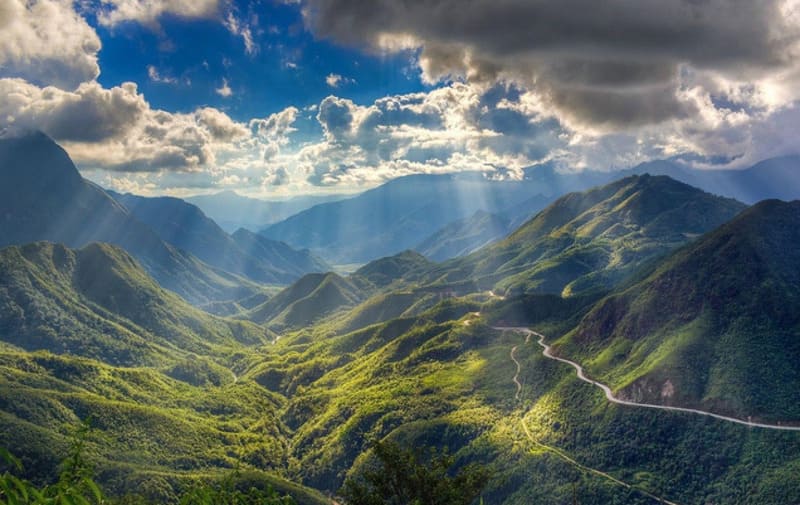
O Quy Ho Pass is one of the most scenic mountain roads in northern Vietnam, stretching across the Hoang Lien Son range. Known for its sweeping views, layered mountain ridges, and frequent cloud formations, it is a highlight for travelers who enjoy landscapes and photography.
This route is often combined with visits to Silver Waterfall and Love Waterfall, or included as part of a half-day trip from Sapa. Early morning and late afternoon are generally the best times for clearer views and softer light.
Travel tips: Weather conditions can change quickly, with fog, wind, or rain common at higher elevations. If you are not experienced with mountain roads, hiring a driver is recommended. Be cautious of sharp bends, gravel, and large vehicles along the route.
 |
|
A part of O Quy Ho pass in Sapa (Source: Tripadvisor) |
Located just behind Sapa Stone Church, Ham Rong Mountain Park offers an easy and accessible way to enjoy panoramic views over Sapa town and the surrounding valleys. The area features landscaped gardens, rock formations, and several viewpoints connected by walking paths and stairs.
It is a good option for travelers who prefer a lighter activity instead of trekking, and it works well as a short visit in the morning or late afternoon.
Travel tips: Expect some steep sections and steps, so wear comfortable shoes. Visibility can change quickly due to fog, so visiting on a clear morning offers the best views.
Trekking is one of the most rewarding experiences in Sapa, offering a closer look at rice terraces and daily life in ethnic minority communities. Popular routes include Lao Chai, Ta Van, Y Linh Ho, and Ta Phin, where you can visit Black H’Mong and Red Dao villages.
Routes vary from relatively easy walks along valley paths to more challenging trails, especially after rain when conditions can become muddy. For first-time visitors, hiring a local guide is highly recommended, as they can help navigate routes, provide cultural context, and introduce you to local families.
Travel tips: Wear sturdy shoes and bring water, especially in warmer months. Trails can be slippery after rain, so prepare accordingly. Respect local communities by asking before taking photos and avoiding walking on rice fields. Bringing small cash is helpful if you wish to support local artisans.
If you want to plan this area in more detail, read our full guide to Muong Hoa Valley in Sapa.
 |
|
View of a local village in Sapa (Source: Pexels) |
The terraced rice fields are the defining landscape of Sapa, and their appearance changes significantly throughout the year. From late April to May, the fields are filled with water, creating reflective “mirror” effects. Between June and August, they turn lush green, while early to mid-September is the harvest season, when the terraces become golden.
You can explore the terraces on foot during a village trek, or visit scenic viewpoints by car or motorbike for a broader perspective. For photography, early morning and late afternoon usually offer the best light and clearer views.
Travel tips: Rice fields are working agricultural areas, so avoid stepping on terraces or entering fields without permission. Trails can be slippery after rain, so proper footwear is important. Drone use may be restricted in some areas - always check before flying.
To choose the right season, read our guide to the best time to see Sapa rice terraces.
 |
|
Rice Terraces in Sapa ready to harvest in September (Source: Unsplash) |
A Red Dao herbal bath is one of the most unique cultural experiences in Sapa, especially after a long day of trekking. Traditionally found in Ta Phin village, these baths use a blend of forest herbs prepared in hot wooden tubs, known for their relaxing and therapeutic properties.
Today, herbal baths are also available in local houses and small spas around Sapa, often combined with foot soaks or simple massages.
Travel tips: Water temperature can be quite high, so adjust it to your comfort. This activity may not be suitable for pregnant travelers or those with certain health conditions. Bring appropriate clothing (such as swimwear or quick-dry items), and note that most places prefer cash payment.
 |
|
Red Dao herbal bath in Sapa (Source: Tripadvisor) |
The Sapa Culture Museum offers a concise introduction to the region’s ethnic groups, including the H’Mong, Dao, Tay, and others. Exhibits cover traditional clothing, tools, musical instruments, and models of local houses, helping visitors better understand the cultural context before visiting nearby villages.
Located within walking distance of the town center, it is a convenient stop on a rainy day or as part of a relaxed half-day itinerary.
Travel tips: Exhibits are relatively small but informative, with captions in both Vietnamese and English. Photography is generally allowed without flash. You can easily combine this visit with the nearby Stone Church and Cau May walking street.
 |
|
Sapa Culture Museum view from outside (Source: Tripadvisor) |
 |
|
Exhibition inside of Sapa Culture Museum (Source: Tripadvisor) |
Bac Ha Market is one of the most vibrant ethnic markets in northern Vietnam, held every Sunday morning. It brings together Flower H’Mong, Tay, Nung, and other communities who come to trade livestock, textiles, food, and household goods. The market is especially lively in the early hours, particularly around the animal trading area.
Although it is located about 2.5 to 3 hours from Sapa, it is a rewarding cultural experience and can be combined with nearby villages such as Ban Pho if time allows.
Travel tips: Arrive early for the most authentic atmosphere. Bring small cash for purchases, and always ask before taking photos of local people. The ground can be uneven or muddy in livestock areas, so wear suitable footwear.
You can also read our full guide to Bac Ha Market before planning a Sunday visit.
 |
|
Bac Ha Market selling local food, spices, etc. in Sapa (Source: Tripadvisor) |
Located in the center of Sapa town, the Stone Church is one of the most recognizable landmarks in the area. Built during the French colonial period, it features simple Gothic architecture and sits in the main square, making it a natural meeting point and a popular photo spot.
It is easy to combine with a walk along Cau May street or an evening visit to the town center, especially around sunset or early evening when the atmosphere is more lively.
Travel tips: Dress modestly if entering the church and be respectful during religious services. The square can be busy in the evening, so keep an eye on personal belongings.
You can learn more in our full Sapa Stone Church travel guide.
 |
|
Sapa Stone Church in the middle of central square (Source: Tripadvisor) |
Sapa is known for its cafés with scenic views, especially those overlooking Muong Hoa Valley or located along hillside roads toward O Quy Ho Pass. Starting the day with coffee or breakfast in these locations is a simple way to enjoy the landscape without a long hike.
Morning usually offers the clearest views, while misty days create a different atmosphere as clouds move across the valley.
Travel tips: It can be cool and breezy on balconies, so bring a light jacket. Card payment is not always available, so cash is recommended. Popular cafés can get busy, especially on weekends, so arriving early helps secure better seating.
Sapa’s cool climate makes it a great place to enjoy warm and hearty dishes. Popular local specialties include black chicken hotpot, salmon or sturgeon hotpot, grilled stream fish, smoked buffalo, and traditional dishes such as “thắng cố” for more adventurous travelers.
Local restaurants and street grills are most active in the evening, while markets offer fresh seasonal fruits such as peaches and plums.
Travel tips: Choose busy and well-reviewed places for better food quality. Ask about ingredients if you are not familiar with certain dishes, and confirm prices in advance for hotpot add-ons.
To explore local specialties in more detail, see our guide to Sapa food and must-try dishes.
One of the most meaningful experiences in Sapa is spending time in ethnic minority villages such as Lao Chai, Ta Van, or Ta Phin. Visitors can join guided walks, observe traditional crafts, and learn about daily life among Black H’Mong and Red Dao communities.
For a deeper experience, consider staying overnight in a homestay, where you can share meals and interact more closely with local families. Conditions are usually simple but comfortable, with a strong focus on hospitality.
Travel tips: Respect local customs by dressing modestly and asking before taking photos. Stay on marked paths and avoid walking on rice terraces. Supporting local artisans by purchasing handmade products directly is encouraged.
 |
|
A lady making handcrafted gifts in an ethnic village in Sapa (Source: Unsplash) |
 |
|
An artisan making traditional clothes in Sapa (Source: Unsplash) |
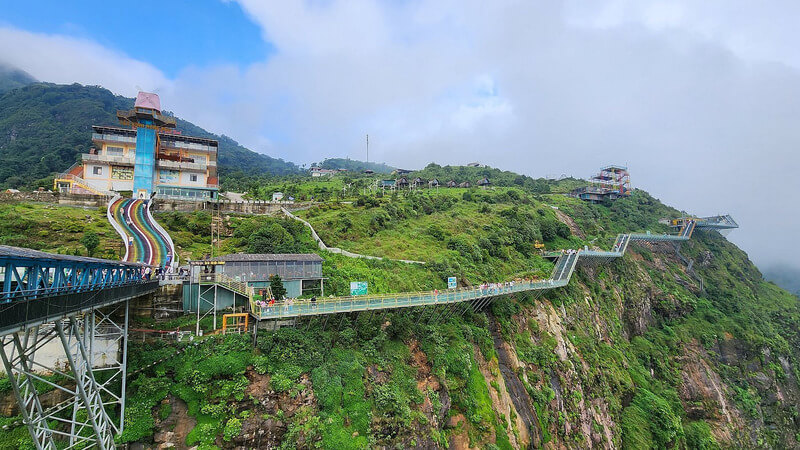
Located near O Quy Ho Pass, around 17–20 km from Sapa town, Rong May Glass Bridge is a modern attraction offering panoramic views over the Red River Valley. The glass skywalk extends out from a cliff, creating a unique viewpoint for visitors who want a different perspective of Sapa’s mountain landscape.
Access to the bridge is usually via a high-speed elevator that takes visitors up the mountainside. Some additional activities, such as ziplining or adventure experiences, may be available depending on the season.
Travel tips: This experience may not be suitable for travelers with a strong fear of heights. Weather conditions such as fog, wind, or rain can affect visibility or temporarily close the bridge, so it is best to check conditions in advance. Secure your belongings, especially phones and cameras, while on the glass platform.
 |
|
View of The Glass Bridge in Sapa (Source: Tripadvisor) |
Sapa’s town center is compact and easy to explore on foot, making it ideal for a relaxed walk between activities. The main area connects Sapa Stone Church, Cau May walking street, and Sapa Lake, with plenty of cafés, small shops, and local food options along the way.
In the evening, the atmosphere becomes more lively with street performers and food stalls. On weekends, some streets are pedestrian-only, creating a more comfortable space for walking and exploring. A simple loop around the lake followed by time in the central square is a good way to experience the town at a slower pace.
Travel tips: Evenings can be cool, so bring a light jacket. Cash is useful for small vendors, as card payment is not always available. Be mindful of your belongings in crowded areas and take care when walking on wet or uneven surfaces.
 |
|
The central town of Sapa (Source: Unsplash) |
Yes. Sapa is one of the most unique destinations in northern Vietnam, known for its rice terraces, mountain landscapes, and ethnic minority culture. It is especially suitable for travelers who enjoy nature, trekking, and cultural experiences rather than busy cities.
Most travelers spend 2 to 4 days in Sapa, while others include it in a longer northern Vietnam itinerary that combines Hanoi, Halong Bay, and mountain experiences.
If it’s your first time, 3 days is usually the most comfortable option.
For a well-rounded first trip, focus on:
This combination gives you both scenery and local insight without rushing.
Only if you are confident riding on steep, winding mountain roads. Weather conditions such as fog and rain can make driving more challenging.
For most travelers, especially first-time visitors, hiring a private driver is a safer and more comfortable option, particularly for routes like O Quy Ho Pass.
The most common options are:
If you plan to explore multiple locations in one day, a private car with driver is usually the most efficient choice.
The best time depends on what you want to see:
September to October is generally considered the most scenic season.
Snowfall in Sapa is rare but possible during cold winter periods, usually between December and January. However, it is not predictable, so it should not be the main reason for planning your trip.
Yes. Sapa works well for both. Families often prefer shorter walks and private transport, while couples may enjoy scenic stays, cafés, and a romantic northern Vietnam escape.
For comfort, families often choose private transport and shorter walking routes.
Weather in Sapa can change quickly, so it’s best to prepare:
Yes, most hotels, cafés, and town areas have stable internet and mobile coverage. However, signal may be weaker in remote villages or deep valleys.
Some of the best viewpoints include:
For the best experience, check weather conditions in advance, as visibility depends heavily on cloud cover.
Sapa is at its best when your trip balances scenery, local culture, and a realistic pace. For most travelers, 2 to 4 days is enough to combine Fansipan, a village trek, a few viewpoints, and some quiet time in the valley or town.
If you are planning a trip to Sapa and want an itinerary that matches your travel style, Your Vietnam Travel can help you design a private journey with the right mix of nature, culture, and comfort.



 Vietnam Tours
 Cambodia Tours
 Laos Tours
 Thailand Tours
 Multi-Country Tours