Hoi An is worth visiting due to its unique blend of historical charm, cultural fusion, and natural beauty, which includes its well-preserved Ancient Town, vibrant lantern-lit evenings, delicious cuisine, and surrounding craft villages and beaches. While some find it crowded, especially during peak times, its many attractions and activities, like tailors, cooking classes, and lantern making, make it a compelling destination for many travelers.
This guide explains why Hoi An is famous, what you should expect, and how to plan the right amount of time here. It gives you a clear view of the town so you can decide whether it fits your trip.
Hoi An stands out because it blends history, culture, food, and nature in a compact and easy to explore town. Each part of the city offers a different experience, from heritage buildings to beaches and night markets. Below are the elements that define Hoi An.
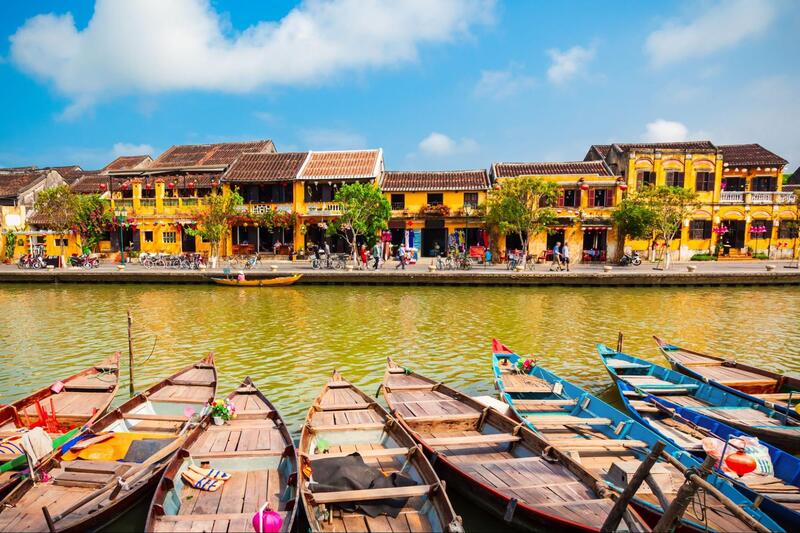
Hoi An’s Ancient Town preserves yellow shop houses, old temples, and wooden merchant homes built during the trading era. Streets stay quiet in the morning, giving you space to walk and see details of the architecture. Many buildings still follow their original layout, which helps you understand how merchants lived and worked. The area remains well protected under UNESCO status, so its core structure stays intact.
 |
|
Yellow shop houses stay preserves throughout the year |
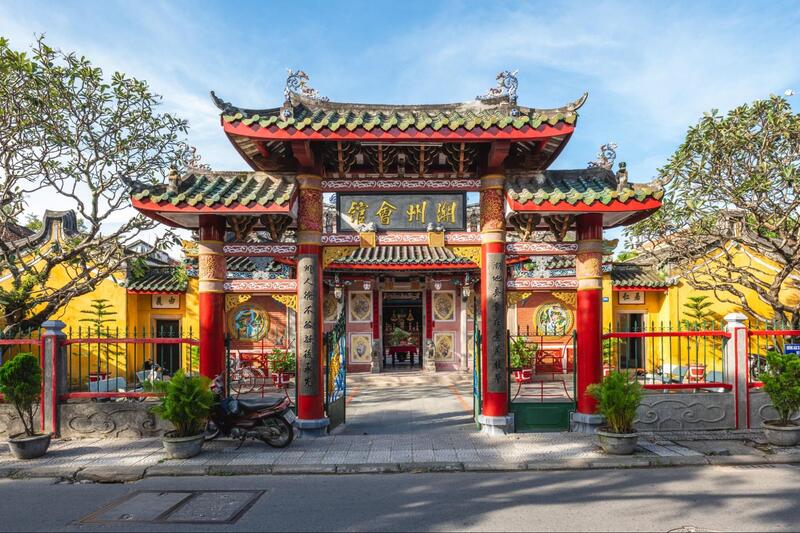
Japanese, Chinese, and Vietnamese influences appear in bridges, houses, assembly halls, and family altars. This mix reflects the centuries when Hoi An served as a key trading port. You see it most clearly around the Japanese Bridge and in the Chinese assembly halls spread across the Old Town. The combination of styles creates a distinct atmosphere that differs from other cities in Vietnam.
 |
|
Chinese Assembly Hall remains one of the famous destination in Hoi An |
Hoi An sits between rivers, rice fields, and long beaches. You cycle a short distance from the Ancient Town to reach open countryside with coconut palms and quiet villages. An Bang and Cua Dai beaches offer space for swimming and relaxed mornings. The scenery changes quickly within a few kilometers, so you have many outdoor options without long travel time.
 |
|
Stunning An Bang Beach |
Hoi An offers a wide range of activities within a compact area, from heritage walks and riverside evenings to cooking classes and village experiences that reveal a more local side of the destination. Visitors can stroll through the Ancient Town, explore historic houses and museums, or take a relaxing boat ride along the Hoai River. In the evening, the lantern-lit streets and lively night markets create one of the most memorable atmospheres in Hoi An.
Although the town can feel lively, it remains easy to navigate on foot or by bicycle. This makes it simple for travelers to explore different attractions and plan their days without long transfers.
 |
|
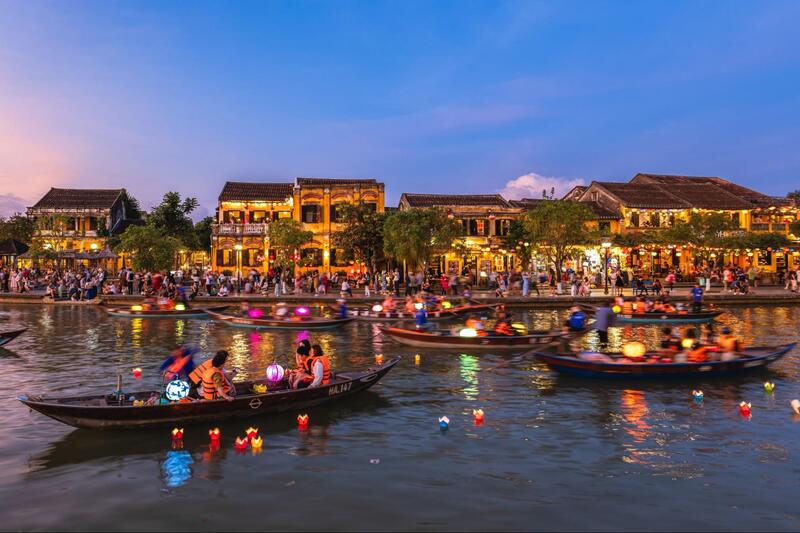
Tourist came to Hoi An to releases lanterns at Hoai River |
Hoi An has hotels for every budget. Boutique stays sit near the Old Town, while larger resorts line round the beaches. Homestays in the countryside offer quiet surroundings and easy access to cycling paths (if you want to cycle around the town).
Most places include helpful staff and simple services that work well for first-time travelers. Therefore, you can choose a location based on what you value, either convenience or space.
 |
|
Sunrise at the beach in Hoi An resort |
Some of the hotels/homestay we recommend:
Bel Marina Hoi An Resort
La Siesta Hoi An Resort & Spa
Dechiu
Learn more: Where to Stay in Hoi An: Best Areas & Accommodations
Lantern-lit evenings are one of the most recognizable experiences in Hoi An. After sunset, the Old Town glows with warm colors as lanterns light up the streets and riverside cafés. Shops remain open late, and small boats drift along the river carrying floating candles. The peaceful atmosphere makes it ideal for slow evening walks and photography, which is why many travelers choose to spend at least one night in Hoi An.
For travelers with limited time, staying one night in town often works well as part of a short Da Nang and Hoi An itinerary, allowing you to experience the lantern atmosphere before continuing to other destinations in Central Vietnam.
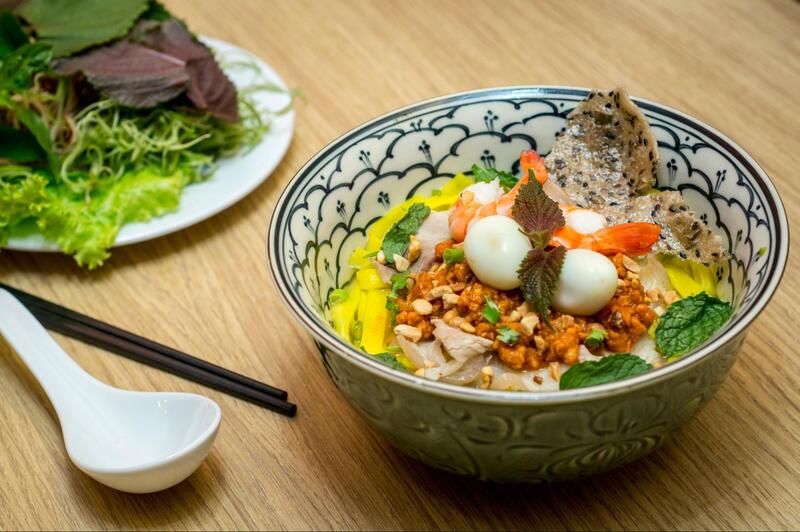
Food is one of the main reasons travelers fall in love with Hoi An. Within just a few streets of the Old Town, you can easily find famous local specialties such as cao lau, mi quang, banh mi, and chicken rice. Portions are usually small and affordable, making it easy to sample several dishes in one evening while exploring the lantern-lit streets.
This variety also makes Hoi An an excellent destination for travelers interested in Vietnamese culinary experiences. From casual street stalls to long-standing local eateries, the town offers a simple and enjoyable way to discover the flavors of central Vietnam.
 |
|
Hoi an famous noodle Mi Quang |
Some of the local food spots we recommend you give a try:
Madam Khanh Banh Mi Queen
Cao Lau Thanh
Mot Tea
Learn more: 20+ Best Restaurants in Hoi An Vietnam Worth Visiting
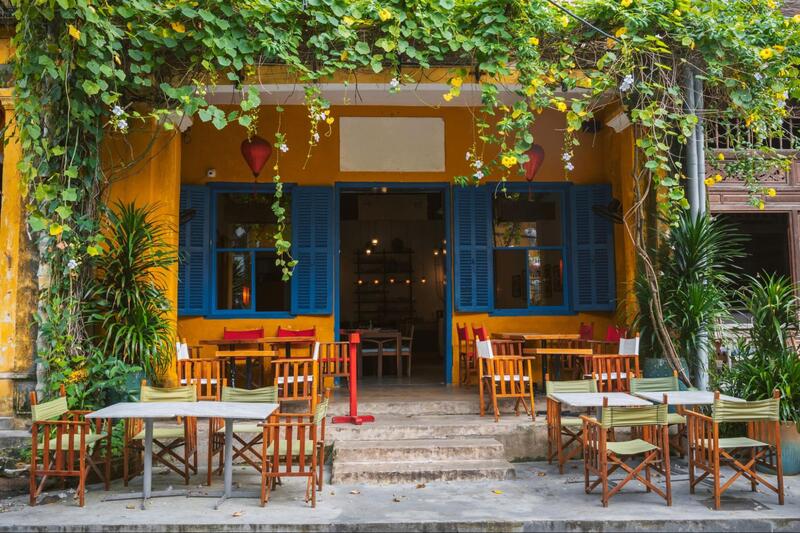
Hoi An has cafés on every corner, from quiet riverside spots to small shops inside old houses. Most places open early, which makes morning walks more pleasant. You can sit with a cold brew or coconut coffee and watch the streets start to fill. The atmosphere is slow and comfortable, so many travelers return to the same café more than once.
 |
|
A cozy coffee shop |
Some of the coffee spots we recommend you give a try:
Several traditional villages lie just outside Hoi An, each offering a different glimpse of local life. Thanh Ha is known for its long-standing ceramic craft, Tra Que is famous for its herb gardens grown with traditional methods, and Cam Thanh features water coconut forests where visitors can ride basket boats. These villages are easy to reach by bicycle or a short taxi ride and are often included in half-day or full-day local experiences from Hoi An, giving travelers a closer look at daily life beyond the Ancient Town.
Most visitors mention how friendly and patient the locals are. Shop owners greet you without pressure, and homestay hosts often help with small details like directions or simple travel plans. This makes the town feel comfortable even during busy seasons. The relaxed attitude adds to the overall experience and keeps many travelers coming back.
The best time to visit Hoi An is from February to April when the weather stays dry, temperatures stay mild, and the town feels comfortable for walking. This period also keeps humidity lower than the summer months, which helps you enjoy both the Ancient Town and nearby beaches.
May to August works if you want longer beach days, although the heat rises and afternoons feel heavier.
From September to December, rainfall increases and occasional floods appear, especially near the river. Several travel blogs from your reference list, including LillaGreen and Global Gallivanting, note that this season can affect trip plans, so checking forecasts helps.
 |
|
Hoi An floods in November |
Learn more: When is the Best Time to Visit Hoi An in Vietnam?
Two to three days are enough for most travelers to experience the highlights of Hoi An. This amount of time allows you to explore the Ancient Town, try local food, visit nearby craft villages, and spend some relaxing hours at the beach. You can also include short trips to places like Tra Que Vegetable Village, Cam Thanh Coconut Village, or Cham Island.
If you prefer a slower pace, adding a fourth day gives you more time to enjoy cycling through the countryside, joining a cooking class, or simply relaxing in one of Hoi An’s cafés or riverside areas. Because the town is compact and easy to navigate, many travel guides recommend a 2–3 day stay to comfortably see the main attractions without long transfers.
Yes, Hoi An suits both families and couples. The town is calm, easy to walk, and offers activities that fit different travel styles. Families enjoy cycling and beaches, while couples prefer cafés, lantern nights, and slow evenings by the river.
Two to three days are enough for most trips. This gives you time to see the Ancient Town, visit nearby villages, and spend a relaxed morning at the beach. Adding an extra day works well if you prefer a slower schedule.
Yes, Hoi An works for most budgets. Street food, local markets, and homestays keep costs manageable. You still have options for boutique hotels and higher end restaurants if you want more comfort.
Yes, Hoi An is generally safe for solo travelers. The town is walkable, people are friendly, and most areas stay active until late evening. Basic precautions are enough for a smooth trip.
A day trip is possible, but it feels rushed. You can see the Ancient Town, try a few dishes, and walk along the river. If you want a more structured experience, a guided Hoi An day tour that includes local villages or cooking activities can make a short visit more worthwhile. Staying overnight still gives you the best experience, especially during lantern evenings.
Hoi An offers a steady mix of history, food, beaches, and calm neighborhoods that work well for most travelers. The town is easy to explore, and each area adds a different experience without long travel times.
If you need help planning your trip, our team at Your Vietnam Travel can help you design an itinerary that fits your pace and interests, whether you are looking for a short Hoi An getaway, a Central Vietnam route, or a longer Vietnam journey.




 Vietnam Tours
 Cambodia Tours
 Laos Tours
 Thailand Tours
 Multi-Country Tours