Vietnam is one of Southeast Asia’s most appealing beach destinations. The country is known for its long coastline, diverse scenery and easy travel connections. Stretching more than 3,000 kilometres from north to south, Vietnam offers everything from lively resort towns and city beaches to quiet islands, sheltered bays and untouched coastal areas.
In this guide, Your Vietnam Travel shares 20 of the best beaches in Vietnam, chosen for their natural beauty, accessibility and overall beach experience. Whether you are planning a family holiday, a romantic getaway, an active coastal trip or a peaceful seaside escape, this list will help you find a beach destination that suits your travel style.
Vietnam’s beaches stand out for their diversity, year-round appeal and excellent value for money.
Along the coastline, travellers can discover a wide range of landscapes. These include long white-sand beaches, clear turquoise waters, rocky headlands, fishing villages and hidden lagoons. This variety makes Vietnam suitable for many travel styles, from relaxed beach stays to more active coastal adventures.
Vietnam’s regional climate is another advantage. Northern beaches are cooler during winter, while central and southern coasts remain warm for most of the year. This makes it possible to plan a beach holiday in almost any season.
Vietnam also offers a strong balance between comfort and affordability. Beachfront resorts, fresh seafood, local restaurants and modern facilities are widely available at reasonable prices. Many beach destinations also provide easy access to nearby cities and historic towns, adding cultural depth to a seaside trip.
Together, these factors make Vietnam an ideal choice for travellers who want beautiful beaches, comfortable stays and meaningful travel experiences, without paying premium prices.
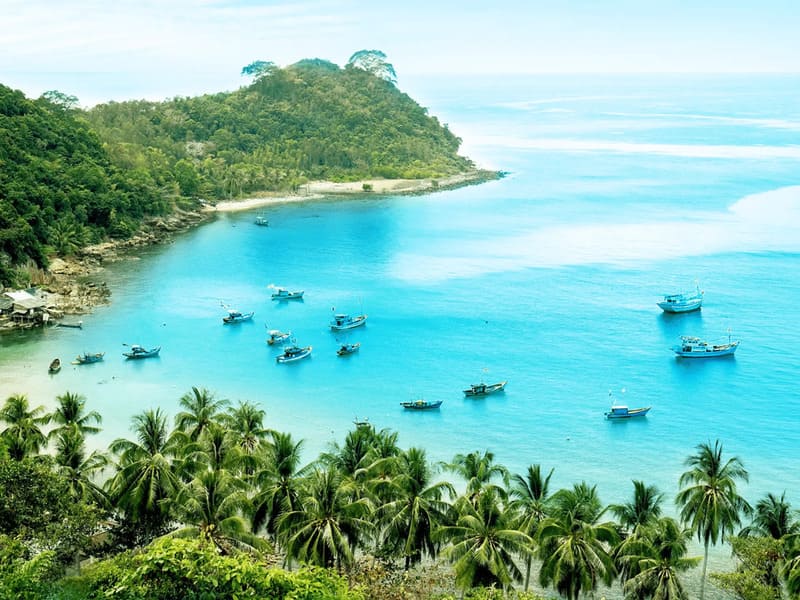
Vietnam’s beaches are diverse, accessible and great value (Source: Collected)
Cat Ba Island is one of northern Vietnam’s most appealing beach destinations, located close to Lan Ha Bay and surrounded by calm, emerald waters. The island stands out for its balance of scenic coastlines and rich natural landscapes, making it ideal for travellers seeking both relaxation and exploration.
The most popular beaches on the island are Cat Co 1, Cat Co 2, and Cat Co 3. These small yet beautiful beaches feature golden sand, clear turquoise water, and sheltered conditions that are perfect for swimming. Their convenient location near Cat Ba town allows easy access while still offering impressive sea views.
Beyond the main beaches, Lan Ha Bay adds significant value to the Cat Ba Island beach experience. The bay is quieter than Ha Long Bay and known for its hidden coves, limestone karsts, and floating fishing villages. Activities such as kayaking and swimming allow visitors to enjoy the area’s unspoiled beauty at a slower pace.
The ideal time to visit Cat Ba Island beaches is from April to November, when weather and sea conditions are most favourable. The warmest months, June and July, are best for water activities, while the shoulder season offers fewer crowds and comfortable temperatures.
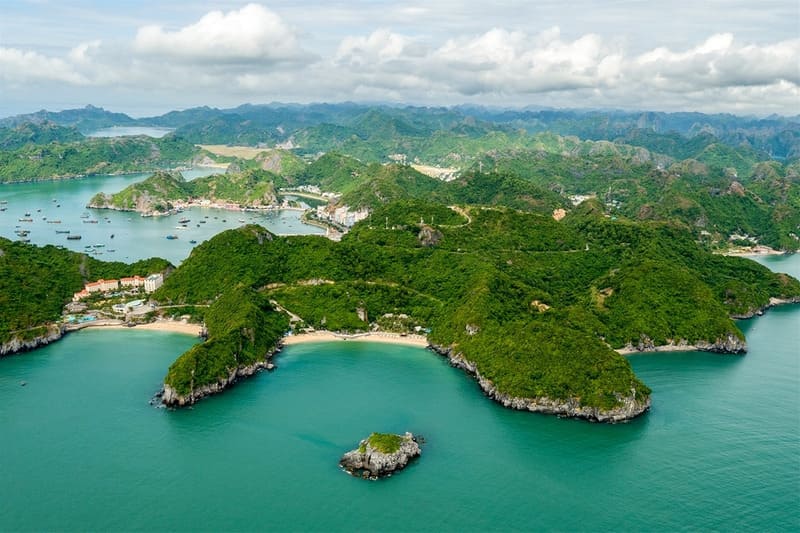
Cat Ba Island Beaches is a scenic escape with calm waters and sandy shores (Source: Collected)
Lang Co Beach is located on the central coast of Vietnam, between Da Nang and Hue. The beach sits between the Truong Son mountain range and a coastal lagoon, creating a distinctive landscape that combines sea, mountains, and calm inland waters. The area is part of a UNESCO-recognised biosphere reserve, reflecting its ecological importance and relatively low level of urban development.
Lang Co Beach is less developed than nearby coastal destinations, resulting in a quieter environment and lower visitor density. Its location makes it a practical stop for travellers moving between Hue and Hoi An, especially for those seeking a short coastal break without detouring far from the main route.
Nearby attractions include Lap An Lagoon, which is known for seafood restaurants and clear reflections during late afternoon, and Hai Van Pass, a major scenic viewpoint frequently included in road itineraries. Common activities at Lang Co Beach include photography, lagoon visits, and casual beach picnics rather than organised water sports, aligning with the area’s low-key character.
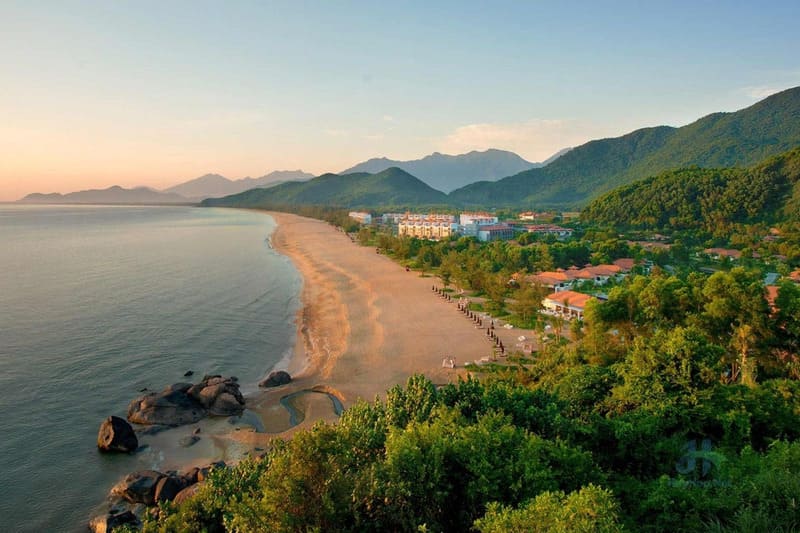
Lang Co Beach is a quiet stop between Hue and Da Nang (Source: Collected)
My Khe Beach is located in Son Tra District, approximately 10-15 minutes from Da Nang city centre and Da Nang International Airport. The beach stretches for more than 10 kilometres along the coastline and is known for its wide sandy shore, gentle slope, and generally calm sea conditions, making it suitable for swimming and a range of water activities.
My Khe Beach is one of the most developed beaches in Vietnam, supported by a dense cluster of high-rise hotels, resorts, beachfront restaurants, and public facilities. The beach is regularly maintained, has lifeguard services, and features a seafront promenade lined with palm trees, cafés, and recreational areas. These factors make it a practical choice for families, couples, and solo travellers seeking convenience and infrastructure.
The beach is also a major hub for water sports, including surfing, paddleboarding, jet skiing, and parasailing. Surf conditions are considered among the most consistent in Vietnam, particularly during early mornings. The best time to visit My Khe Beach is from April to September, when weather conditions are dry and suitable for beach activities. Nearby attractions include the Marble Mountains, the Lady Buddha statue on Son Tra Peninsula, and Dragon Bridge in central Da Nang.
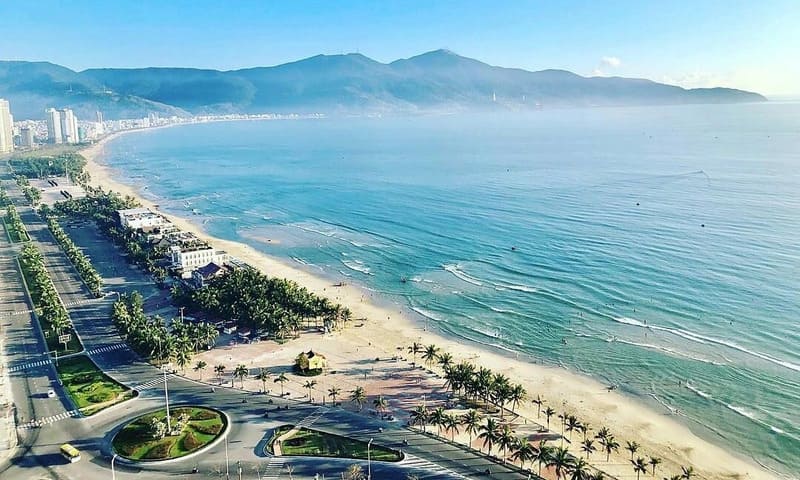
My Khe Beach is a wide, calm, well-equipped beach in Da Nang (Source: VnExpress)
An Bang Beach is located around 4 kilometres from Hoi An Ancient Town, making it one of the closest beaches to the UNESCO-listed heritage site. The beach forms part of the long coastal stretch between Hoi An and Da Nang, but An Bang stands out for its lower density development and quieter setting.
Compared to urban beaches, An Bang Beach is characterised by calm waves, a clean shoreline, and a relaxed layout of low-rise accommodations, beach bars, and cafés. It is particularly popular with visitors looking for a slower pace, as well as long-stay travellers and food-focused visitors. The area has a notable concentration of independent restaurants, cafés, and casual beachfront dining options, including vegetarian and international cuisine.
An Bang Beach is best visited between March and August, when sea conditions are stable and rainfall is limited. Common activities include swimming, sunbathing, casual beach dining, yoga sessions, and short day trips back to Hoi An. While water sports are limited compared to My Khe Beach, An Bang appeals to travellers prioritising tranquillity, dining, and proximity to cultural attractions.
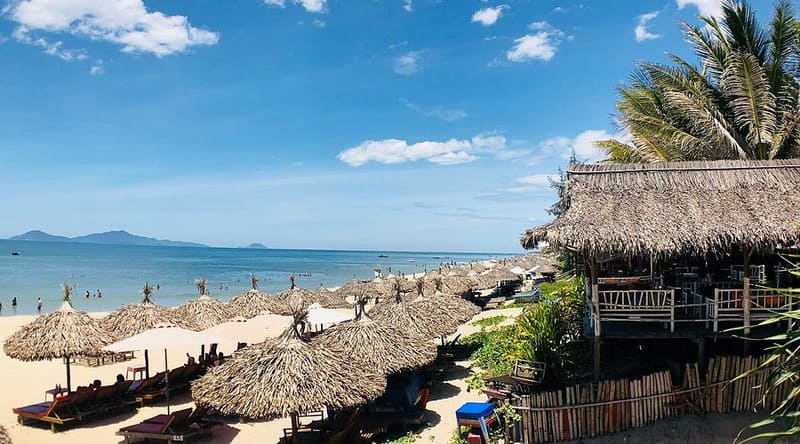
An Bang Beach is a relaxed, food-focused beach near Hoi An (Source: Tripadvisor)
Ky Co Beach is located on the central coast of Vietnam, around 25 kilometres from Quy Nhon. The beach is set between two rocky headlands that naturally enclose the bay, creating calm sea conditions and clear water. Ky Co forms part of a relatively undeveloped coastal area and has gained visibility in recent years due to improved access and increased domestic tourism.
Previously accessible only by boat, Ky Co Beach can now be reached by a steep coastal road that runs along the clifftops before descending directly to the shoreline. Visitors can also arrive by speedboat from Quy Nhon, often combined with nearby stops such as Bai Dua. The road and sea routes both make Ky Co suitable for half-day trips from the city.
The beach features soft white sand, shallow water near the shore, and good visibility for swimming and snorkelling. The central area near the pier is the busiest section, with boat traffic, food services, and jet ski rentals. Quieter conditions can be found toward the southern end of the beach, where small coves, rocky formations, and sea caves are located. Basic facilities such as showers, changing rooms, and shaded huts are available, and a no outside food policy is enforced to manage waste.
The best time to visit Ky Co Beach is from March to September, when sea conditions are stable and rainfall is limited. Peak visitor numbers usually occur late in the morning, while early afternoon tends to be less crowded. Accommodation options are limited near the beach itself, with most visitors staying in Quy Nhon or nearby guesthouses and resorts.
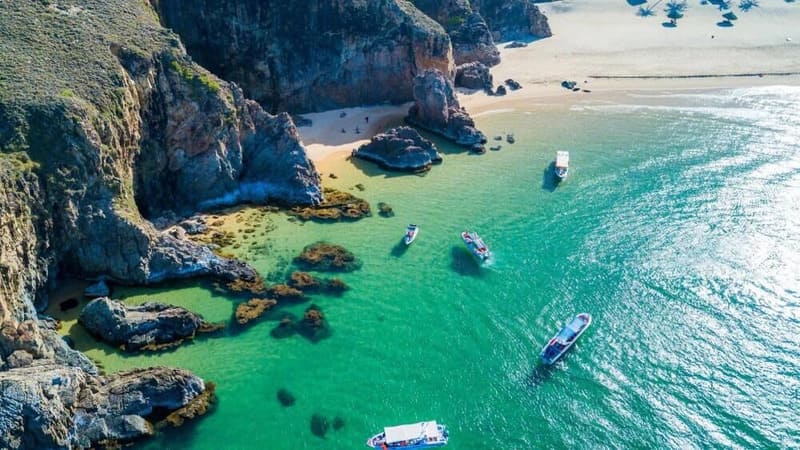
Ky Co Beach is a bay near Quy Nhon, reachable by road or boat (Source: Collected)
Tuy Hoa Beach is located in Tuy Hoa City, which is now administratively part of Dak Lak Province following the merger and name change from the former Phu Yen Province. The city is not a conventional resort destination and has limited tourism-focused development, with an urban layout that reflects its functional, local character rather than leisure-oriented planning.
Tuy Hoa Beach stretches along a wide and open coastline with low visitor density throughout most of the year. The shoreline is long, relatively undeveloped, and largely used by local residents rather than tourists. This makes it suitable for travellers seeking a quieter coastal stop that is not shaped by large-scale tourism infrastructure. Tuy Hoa remains well connected despite its low profile, as it lies on Vietnam’s main North-South railway line, with regular services on the Reunification Express.
Beyond the beach, Tuy Hoa is known for its local food scene rather than attractions or nightlife. In the evenings, areas near the city centre and train station become active with street food stalls serving regional dishes such as banh mi, noodle soups, and banh xeo. Tuy Hoa Beach appeals primarily to independent travellers interested in everyday local life, accessible transport links, and a non-touristy coastal environment.
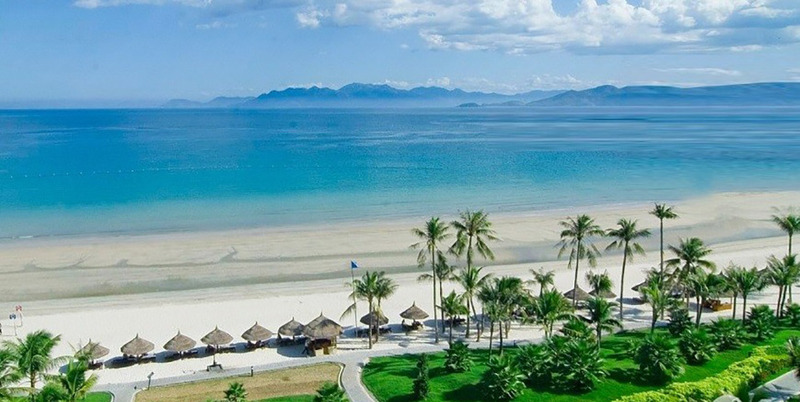
Tuy Hoa Beach is a low-key local coast with little tourism (Source: Collected)
Bai Mon Beach is located on the south-central coast, just north of Vung Ro Bay. The beach sits in a naturally sheltered V-shaped inlet, protected by rugged headlands and forested hills that reduce exposure to wind and rough sea conditions. This geography helps maintain clear water and a wide stretch of golden sand, with minimal permanent development along the shoreline.
Bai Mon Beach is accessible via the coastal road connecting Tuy Hoa and Dai Lanh, with the nearest transport hubs located in Tuy Hoa. Visitor numbers remain low outside weekends and public holidays, as there are no large resorts or commercial beach facilities on site. Accommodation options are limited to camping directly on the beach or staying in hotels in Tuy Hoa and travelling by motorbike or car.
Sea conditions at Bai Mon vary by season. During calm periods, the beach is suitable for swimming, while stronger waves can create body-surfing conditions. Travellers should be aware that currents can be strong at certain times of the year. The best period to visit is from March to September, when weather conditions are generally more stable. Nearby landmarks include Nui Da Bia, a prominent rock formation overlooking Vung Ro Bay, reinforcing the area’s appeal for travellers interested in coastal scenery rather than resort-style tourism.
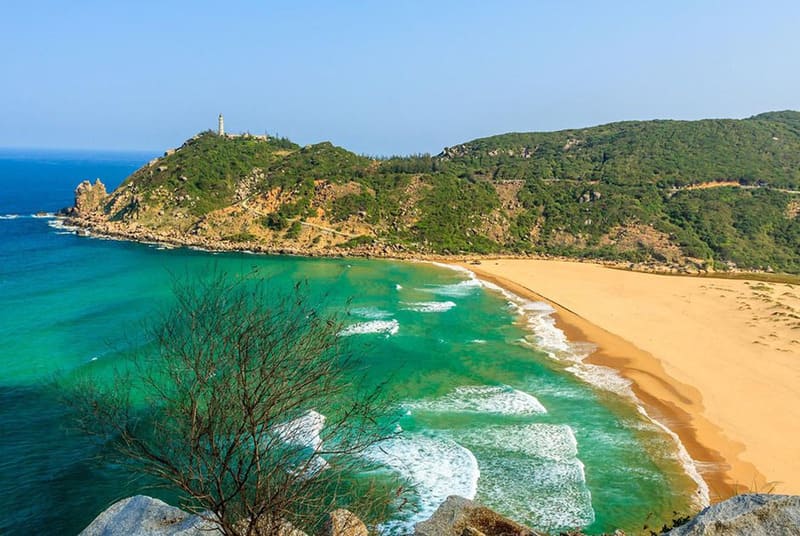
Bai Mon Beach is a sheltered, undeveloped bay with clear water (Source: Collected)
Nha Trang Beach is located in the centre of Nha Trang City, one of Vietnam’s largest and most established coastal cities. The beach runs for approximately 8 kilometres along the urban waterfront and features a wide stretch of white sand, clear turquoise water, and a palm-lined promenade. Its central location places it within walking distance of hotels, restaurants, cafés, and nightlife venues.
Nha Trang Beach is one of the most developed beaches in Vietnam, particularly in the southern and central sections of the city where commercial beach services dominate. These areas are characterised by organised sunbed zones, beach clubs, water sports operators, and tour services. As a result, the beach can become crowded during peak season, especially near the main tourist districts. Travellers looking for a quieter environment often walk further south beyond the commercial zones, where the beach becomes less busy and more open.
The beach supports a wide range of activities, including swimming, sunbathing, jet skiing, parasailing, scuba diving, and sailing. Offshore, views of nearby islands contribute to the area’s popularity for boat tours and marine excursions. Nha Trang’s appeal extends beyond the beach itself, with additional attractions such as waterfalls, religious sites, and surrounding coastal destinations accessible as day trips. Combined with its active nightlife and strong tourism infrastructure, Nha Trang Beach is best suited to travellers seeking a city-based beach destination with extensive amenities and services.
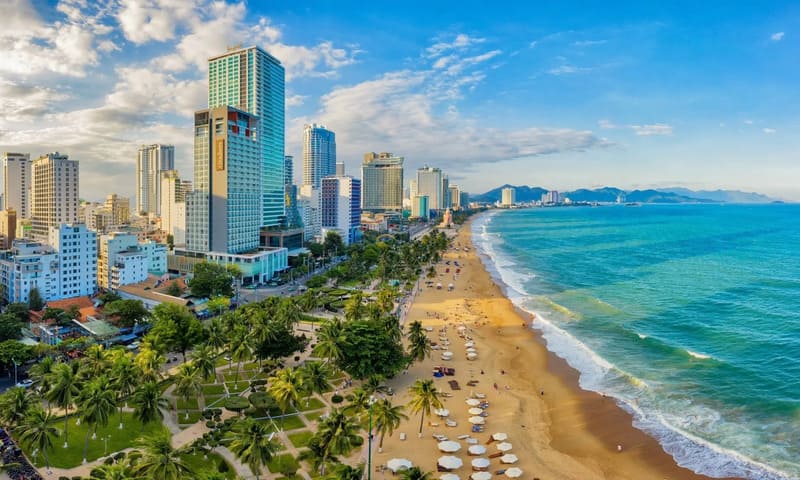
Nha Trang Beach is a central urban beach with full services (Source: Collected)
Hon Chong Beach is located on the northern side of Nha Trang, approximately 10 minutes from the city centre. The beach is known for its distinctive granite rock formations, commonly referred to as Hon Chong, which extend from the shoreline into the sea and create a recognisable coastal landmark.
Compared to the main beaches in central Nha Trang, Hon Chong Beach has fewer visitors and a more local atmosphere. The coastline here offers clear views of the mountains meeting the sea, with a shorter sandy stretch interspersed with rocky sections. This setting makes the area suitable for sightseeing and short coastal stops rather than large-scale beach recreation.
Visitors often combine Hon Chong Beach with nearby attractions such as the Po Nagar Cham Towers, located a short drive away. The area around the beach also has small seafood eateries and cafés serving local dishes and drinks. The best time to visit Hon Chong Beach is from February to September, when sea conditions are calmer and visibility is generally better.
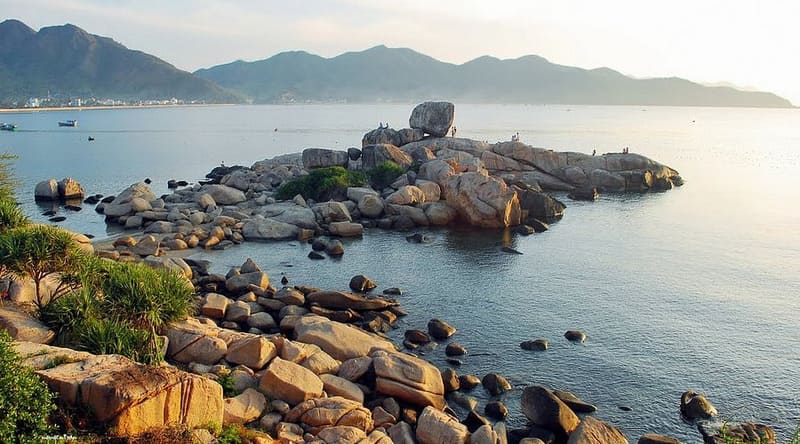
Hon Chong Beach is a rocky coastal landmark north of Nha Trang (Source: Tripadvisor)
Doc Let Beach is located around 50 kilometres north of Nha Trang, along the calm waters of Van Phong Bay on Vietnam’s south-central coast. The beach is characterised by a long stretch of fine white sand and shallow, gentle waters, making it suitable for swimming and family-friendly beach visits. Compared to Nha Trang, Doc Let remains lightly developed, with a local atmosphere shaped by nearby fishing villages and salt fields.
The area is accessible from Nha Trang and Ninh Hoa and is best visited between March and September, when weather conditions are most stable. Travellers typically stay in small beach bungalows or guesthouses near the shore, while high-end resorts are located further along the peninsula in Ninh Van and are accessible only by boat. Common activities include swimming, coastal motorbike rides, and visits to the Hon Khoi salt fields, making Doc Let Beach suitable for travellers seeking a quiet, off-the-beaten-path coastal stop.
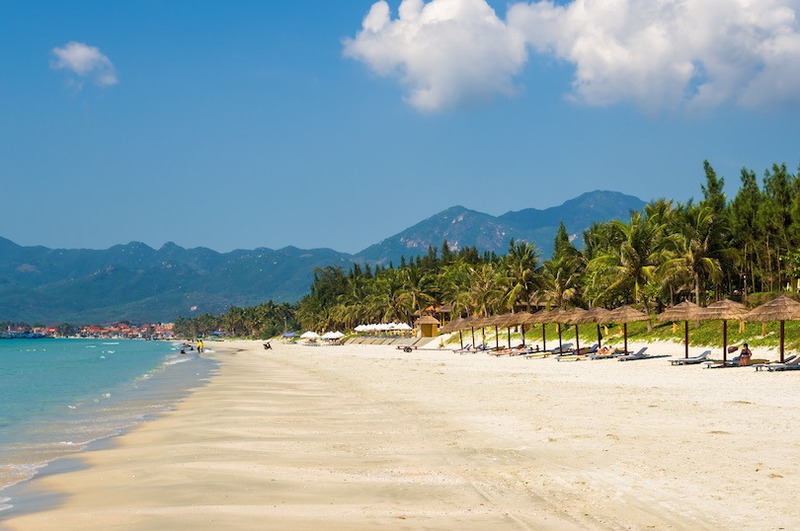
Doc Let Beach is a calm, family-friendly sandy coast (Source: Collected)
Cam Ranh Bay is a broad coastal area rather than a single beach, stretching between Nha Trang and Cam Ranh International Airport. The coastline features a series of sandy beaches, small bays, and open sea views, many of which remain lightly visited compared to central Nha Trang. A modern coastal highway runs parallel to the shoreline, providing easy access while maintaining relatively low traffic levels outside airport transfers.
The beaches around Cam Ranh Bay are characterised by long, open stretches of sand and clear water, with limited public infrastructure. Several beachfront resorts operate in the area, but shops, restaurants, and local services are sparse, meaning most visitors rely on hotel facilities or travel back toward Nha Trang or Cam Ranh town for meals and supplies. This layout suits travellers who prioritise quiet surroundings over convenience.
Cam Ranh Bay can be visited as a day trip from Nha Trang by scooter, car, or airport bus services that run along the coastal route. Accommodation options range from high-end beachfront resorts, including properties such as Fusion Resort Cam Ranh, to city-based stays in Nha Trang with short excursions to the bay. The area is best suited for travellers looking for uncrowded beaches, coastal scenery, and straightforward access without heavy tourist activity.
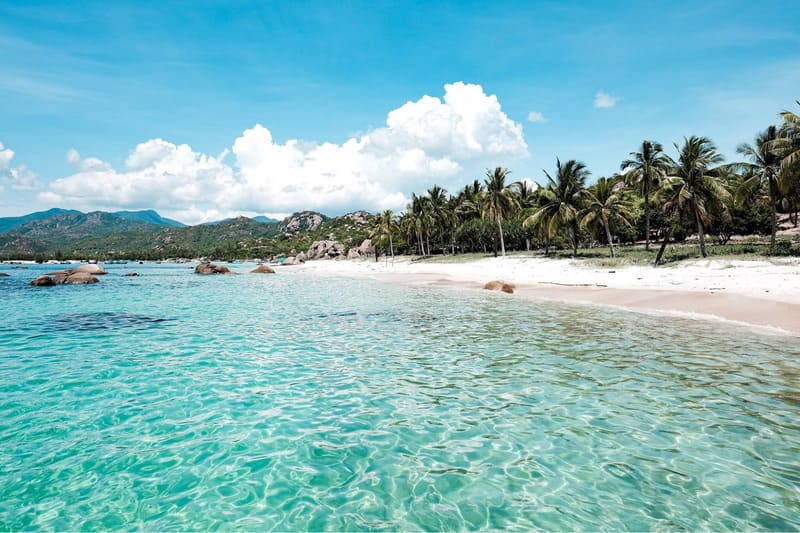
Cam Ranh Bay is a spacious coastline with resort-focused beaches (Source: Collected)
Mui Ne Beach is a long coastal stretch located near the fishing city of Phan Thiet and is one of the most established beach destinations in southern Vietnam. The area is well known for its consistent coastal winds, which have positioned Mui Ne as a major hub for kitesurfing and windsurfing in Asia. As a result, the beachfront is lined with surf schools, equipment rental shops, resorts, cafés, and restaurants catering to both international and domestic visitors.
The central resort area of Mui Ne Beach is active but generally less intense than larger coastal cities such as Nha Trang. Moving further north toward the Mui Ne fishing village, the atmosphere becomes noticeably quieter, with fewer resorts and more open beach space. This northern section is commonly used for sunset viewing, particularly around the fishing harbour where boats line the shore.
Mui Ne’s appeal extends beyond the beach itself. The region borders a semi-arid landscape featuring the well-known White Sand Dunes and Red Sand Dunes, located around 20-30 minutes from the main beach area. Another nearby attraction is the Fairy Stream, a shallow waterway suitable for short walks through sandstone formations. The best time to visit Mui Ne Beach is from November to April, when weather conditions are dry and wind patterns are most reliable for water sports.
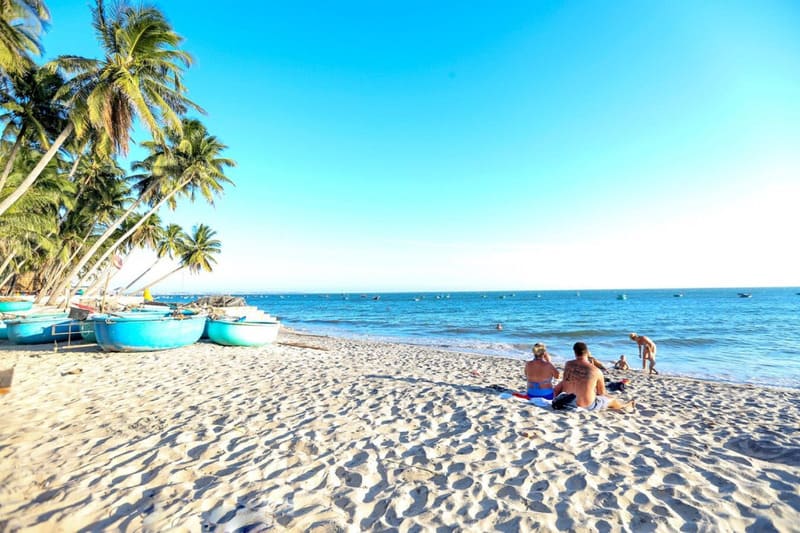
Mui Ne Beach is Vietnam’s kitesurfing beach hub (Source: Collected)
Ho Tram Beach is located on Vietnam’s south coast, around 30 kilometres east of Vung Tau and within easy driving distance of Ho Chi Minh City. The beach extends for more than 10 kilometres and is backed by casuarina trees, with sections of open sand and limited public facilities.
Ho Tram Beach has developed primarily as a resort-focused destination, catering to visitors from Ho Chi Minh City seeking short coastal breaks. Several upscale resorts operate along the shoreline, offering private beach access and on-site services. Public infrastructure remains limited, and water conditions vary by season, with strong currents occurring at times. A notable geographical feature is the sandbar formed by the Ray River at the western end of the beach, where the sea, river, and mangrove forest meet.
The best time to visit Ho Tram Beach is from November to May, during the dry season. Access is straightforward by bus, taxi, or private vehicle from both Vung Tau and Ho Chi Minh City, making Ho Tram a convenient option for weekend travel rather than extended stays.
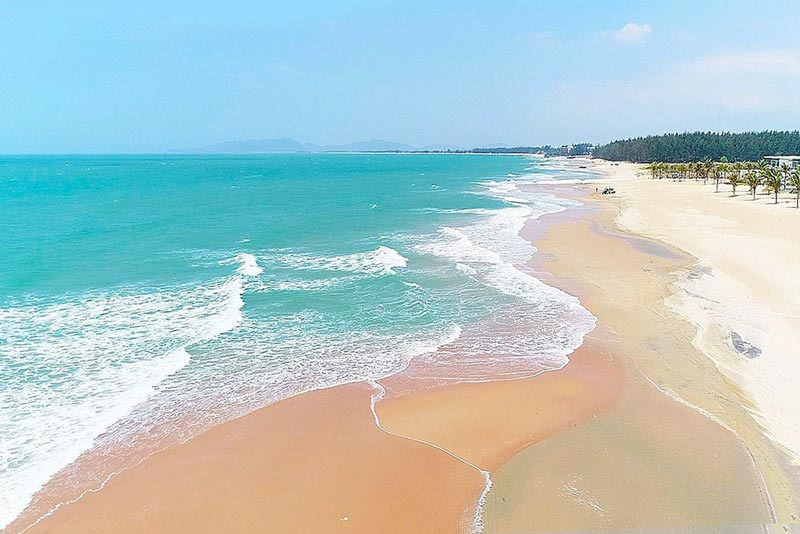
Ho Tram Beach is a resort-focused coast near HCMC (Source: Collected)
Ho Coc Beach is located directly east of Ho Tram Beach and shares the same coastal corridor. The beach forms a curved bay of light-coloured sand backed by densely vegetated hills, giving it a more natural setting compared to Ho Tram’s resort-dominated shoreline.
Ho Coc Beach is less developed and generally quieter, with fewer large resorts and a wider range of budget and mid-range accommodation options. Swimming conditions are slightly better than at Ho Tram, although seasonal currents can still be strong and water quality varies throughout the year. Camping is possible in certain areas, contributing to its appeal for independent travellers and small groups.
Ho Coc Beach is best visited between November and May and is accessible via the same transport routes as Ho Tram, including private vehicles and buses from Ho Chi Minh City and Vung Tau. Its combination of proximity, lower costs, and a more natural landscape makes Ho Coc suitable for travellers looking for a simple beach escape close to Vietnam’s main southern urban centre.
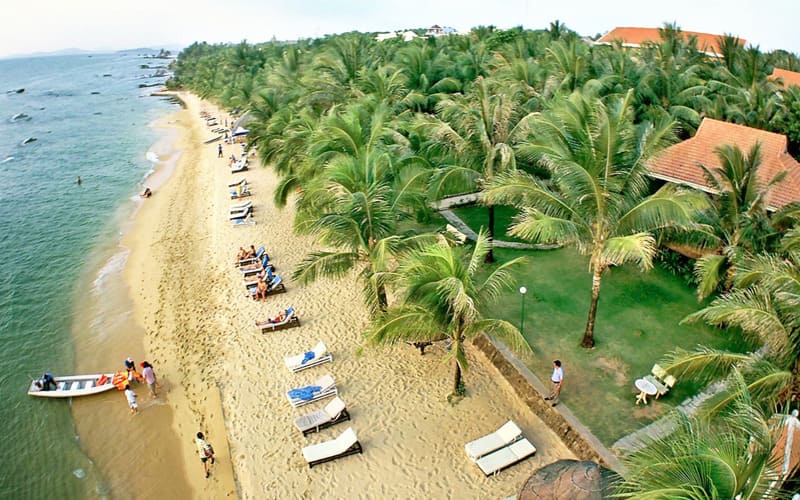
Ho Coc Beach is a natural bay with few resorts (Source: Collected)
Long Beach, also known as Bai Truong, is the longest and most accessible beach on Phu Quoc Island, stretching for more than 20 kilometres along the island’s west coast. Its location places it just 10 minutes from Phu Quoc International Airport, making it the primary beach area for first-time visitors and short stays.
Long Beach is the most developed beach on the island, with a continuous line of resorts, villas, beachfront hotels, rooftop bars, and restaurants. The wide sandy shoreline and gentle sea conditions support swimming and casual beach activities, while the western orientation delivers consistent sunset views, which are a major draw for couples and honeymoon travellers.
Activities at Long Beach focus on leisure rather than seclusion. Popular options include sunset drinks at beachfront bars, snorkelling and island-hopping tours to nearby islets such as Fingernail Island, and staying in beachfront villas with direct sea access. Due to its popularity, Long Beach is busier than other beaches on Phu Quoc, but it remains the most convenient base for combining beach time with dining, nightlife, and transport access.
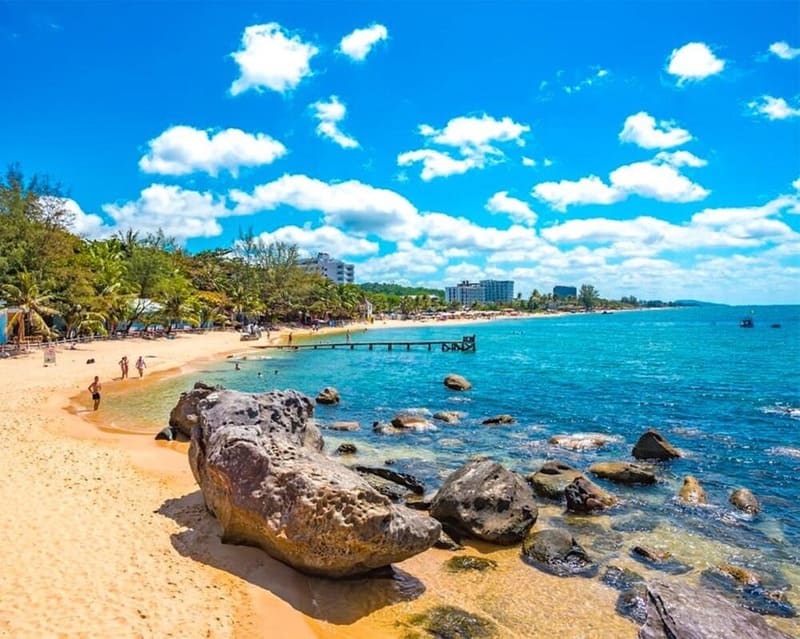
Long Beach is Phu Quoc’s main developed beach with sunset views (Source: Collected)
Sao Beach, also known as Bai Sao, is located on the southern coast of Phu Quoc Island. The beach is widely recognised for its fine white sand, shallow shoreline, and calm turquoise water, which together create one of the most visually distinctive beach settings in Vietnam. Sea conditions are generally gentle, making Sao Beach suitable for swimming and light water activities.
Compared to Long Beach on the west coast, Sao Beach offers a more enclosed bay and a quieter environment, although it is no longer a low-traffic destination. As one of the most popular beaches on Phu Quoc, it attracts a high number of visitors, particularly during peak travel seasons. Tourism infrastructure has expanded in recent years, with beachfront restaurants, day-use facilities, and nearby resorts serving both domestic and international travellers.
Environmental conditions at Sao Beach can vary depending on weather patterns. After storms, sea debris may wash ashore, although this is not constant throughout the year. The best time to visit is during the dry season, when visibility, water clarity, and beach conditions are most stable. Sao Beach is typically accessed by road from Duong Dong town or Phu Quoc International Airport, making it a standard stop on island itineraries focused on beach and leisure travel.
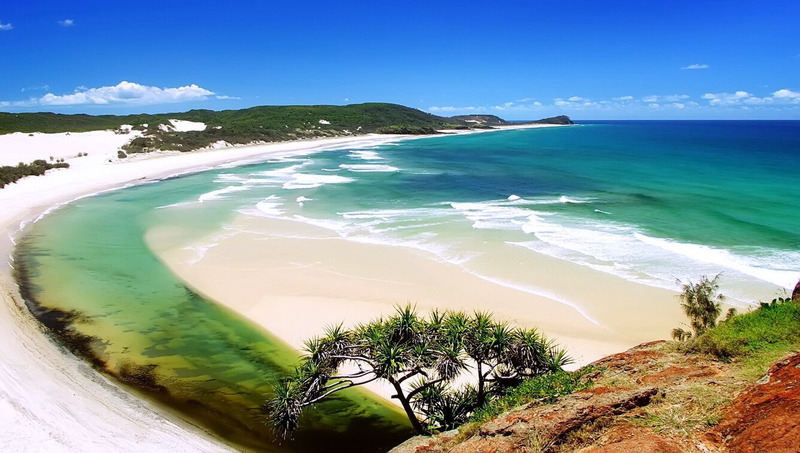
Sao Beach is a white-sand bay with calm water on Phu Quoc (Source: Collected)
Ong Lang Beach is located on the central northwest coast of Phu Quoc Island, facing the Gulf of Thailand. The beach consists of a series of connected sandy bays rather than a single continuous shoreline, with sections of black volcanic rock separating the coves. This layout contributes to generally calm water conditions and sheltered swimming areas.
Ong Lang Beach is less busy than Long Beach while offering a comparable level of amenities. The area is lined with low-rise resorts, boutique hotels, and beachfront restaurants, many of which are open to non-guests for dining or drinks. Development along the beach has remained relatively low-impact, helping preserve a quieter atmosphere compared to more urbanised parts of the island.
The beach is suitable for swimming for much of the year, and light snorkelling is possible close to shore in calm conditions. Being on the west coast, Ong Lang Beach is known for sunset views, with several beachfront properties providing shaded seating and hammocks. The best time to visit is from October to May, during the dry season. Access to Phu Quoc is available via daily flights to Phu Quoc International Airport or ferry services to Bai Vong Port, followed by a short road transfer to the beach area.
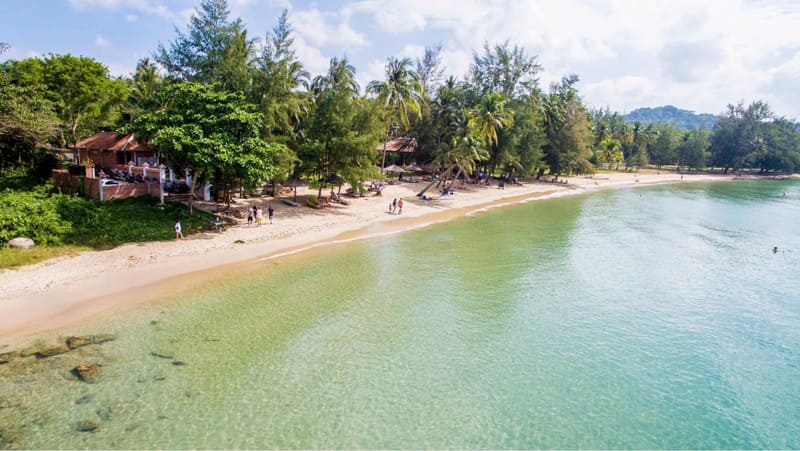
Ong Lang Beach is a relaxed Phu Quoc coast with small coves (Source: Collected)
Nhat Beach is located near the southern end of Con Son Island, on the west coast of the Con Dao Islands. The beach is reached via a coastal road looping around the island’s southern headland and remains largely undeveloped, with no resorts, restaurants, or permanent facilities directly on the shoreline.
Nhat Beach is a long stretch of pale sand backed by rocky slopes and open terrain. Sea conditions are generally calm during the morning, making this the best time for swimming, especially when the tide is lower and more of the beach is exposed. The water is typically clear, and visitor numbers are low due to the beach’s distance from Con Son town and limited access by foot or scooter only.
There is minimal shade at Nhat Beach, and no services are available on site, so visitors need to bring water, sun protection, and supplies. Accommodation is concentrated in Con Son town, which serves as the main base for exploring the island. The best time to visit is from March to August, when sea conditions are most stable. Access to Con Dao is available via daily flights from Ho Chi Minh City and Can Tho, as well as ferry connections from Vung Tau, Can Tho, and Soc Trang.
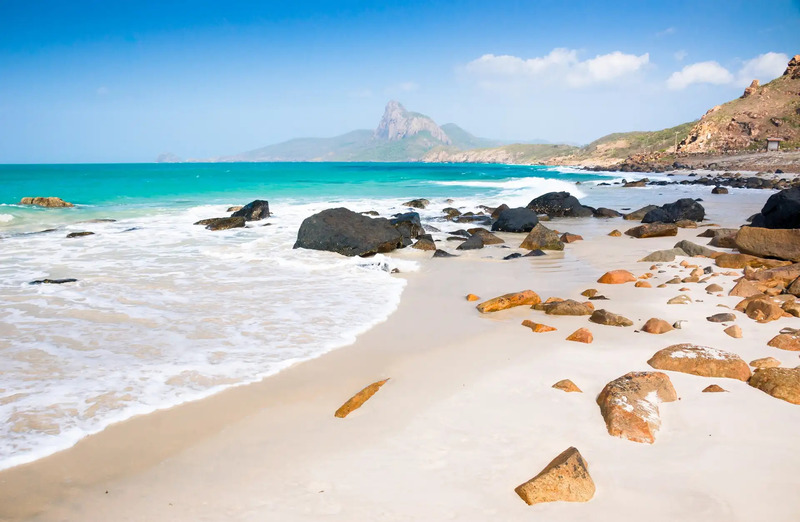
Nhat Beach is an undeveloped, low-traffic beach on Con Son (Source: Collected)
Dam Trau Beach, also known as Airport Beach, is located on Con Dao Island, close to Con Son Airport. The beach features fine golden sand, clear turquoise water, and a shallow shoreline suitable for swimming. Dense vegetation and low hills behind the beach provide natural shelter and limit large-scale development.
Dam Trau Beach remains lightly developed, with only a small number of casual beachfront cafés offering food, drinks, and basic services. There are no large resorts or commercial beach clubs directly on the sand, which helps maintain a low-density environment. Visitors can use sun loungers, hammocks, or open beach space without crowding, even during peak travel periods.
The beach’s proximity to Con Son Airport gives it the informal name “Airport Beach,” as the runway begins just behind the shoreline. Air traffic is limited to a small number of daily flights, so aircraft noise is minimal and does not significantly affect beach use. Dam Trau Beach is typically accessed by motorbike or taxi from Con Dao town and is well suited for travellers seeking a quiet, natural beach with basic amenities rather than resort infrastructure.
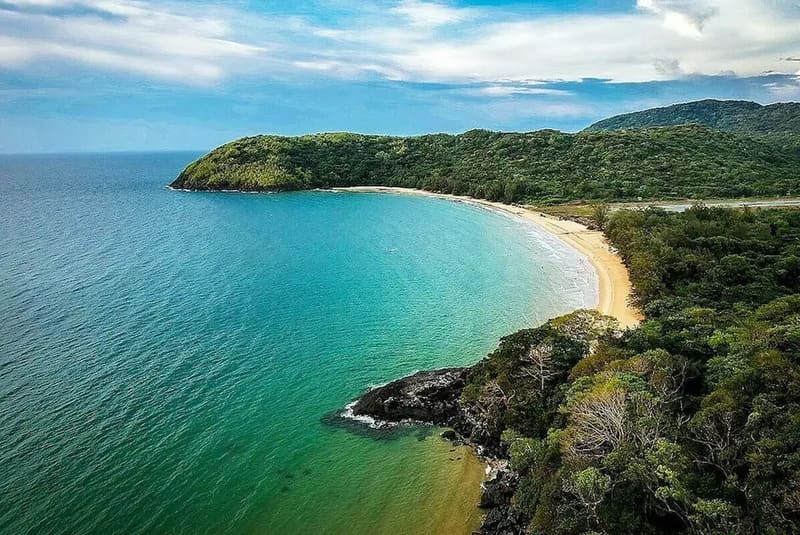
Dam Trau Beach is a scenic beach with clear water and light development (Source: Collected)
Coconut Beach is a small, remote beach located on the western coast of Phu Quoc Island. The area is lightly developed and primarily known for a limited number of beachfront bungalows rather than a wider resort zone. Coconut Beach appeals to travellers seeking a quiet environment with minimal surrounding infrastructure.
Accommodation and services at Coconut Beach are centred around small-scale resorts, most notably Kiki Coconut Beach Resort. Facilities are basic but functional, focusing on direct beach access, hammocks, and simple dining rather than entertainment or nightlife. The location supports activities such as snorkelling in calm conditions, coastal exploration by scooter, and guided excursions including hiking and fishing arranged locally.
Due to its exposed position, Coconut Beach has experienced coastal erosion in recent years. Protective measures, including a low sea wall in some areas, have altered the original beachfront layout. Travellers considering a stay are advised to review recent photos and updates to understand current beach conditions. Coconut Beach is best suited for visitors prioritising seclusion and nature over swimming beaches or resort-style amenities.
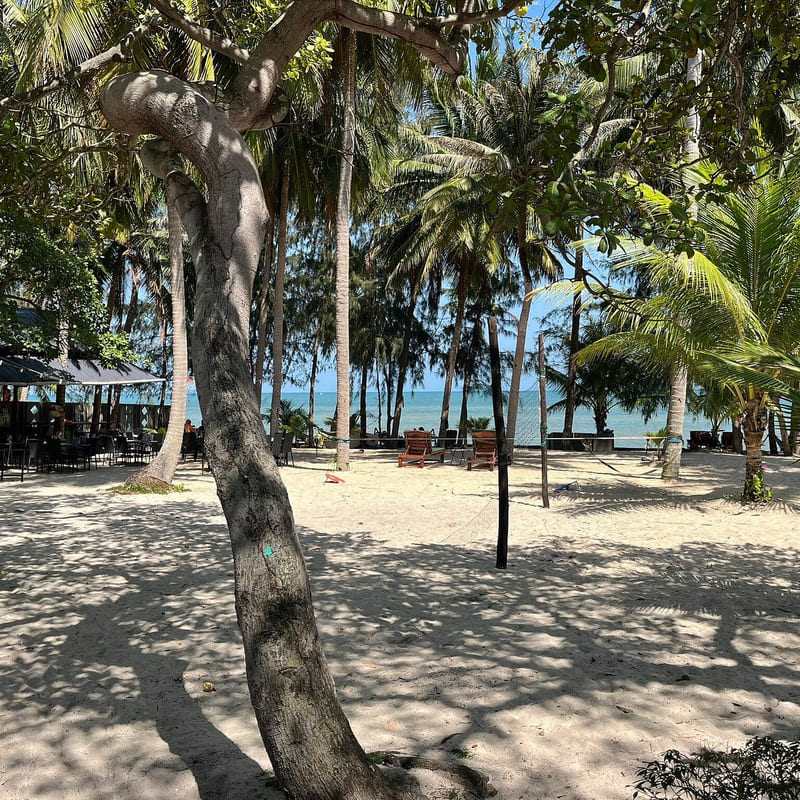
Coconut Beach is a remote Phu Quoc beach with simple bungalows (Source: Tripadvisor)
Learn more: 22 Best Places to Visit in Vietnam: From North to South
The best time to visit beaches in Vietnam depends on the region, as the country stretches across three distinct climate zones. Planning by location ensures sunny skies, calm seas and the best water conditions.
Periods to limit travel:
For travelers seeking consistent beach weather throughout the year, southern Vietnam stands out as the most dependable choice, especially islands like Phu Quoc and Con Dao.
A little preparation goes a long way in making your beach trip in Vietnam safe, enjoyable and environmentally responsible. Follow these practical tips to protect yourself and help preserve Vietnam’s coastal ecosystems.
Family-friendly beaches in Vietnam typically offer calm waters, clean shorelines, and good infrastructure. My Khe Beach in Da Nang is a strong choice due to lifeguard services, gentle waves, and nearby attractions. Doc Let Beach is also suitable for families, thanks to its shallow water and relaxed atmosphere. On islands, Long Beach (Phu Quoc) provides convenient access to resorts, restaurants, and medical services.
Vietnam’s best snorkeling and diving spots are generally found offshore and around islands. Sao Beach and Ong Lang Beach in Phu Quoc offer light snorkeling in calm conditions, while Con Dao, particularly around Dam Trau Beach, is known for clearer water and marine biodiversity. For more advanced diving, offshore tours from Nha Trang and Phu Quoc provide access to coral reefs and deeper sites.
Most beaches in Vietnam are safe for swimming during the appropriate season, especially in the south and central regions. However, currents can be strong at certain beaches, particularly during the monsoon season. Visitors should always observe warning flags, follow lifeguard instructions where available, and avoid swimming during storms or rough sea conditions.
Couples and honeymoon travellers often prefer beaches with scenic settings, sunset views, and resort-style accommodation. Long Beach (Phu Quoc), Ong Lang Beach, and parts of Cam Ranh Bay are popular for romantic stays. Con Dao, including Dam Trau Beach, also appeals to couples seeking privacy, natural surroundings, and low-density tourism.
Vietnam is well known for wind and water sports. Mui Ne Beach is the country’s leading destination for kitesurfing and windsurfing due to consistent wind conditions. My Khe Beach supports a wide range of activities, including surfing, jet skiing, and paddleboarding. In calmer conditions, beaches such as Ky Co Beach also allow for swimming and light water sports.
Vietnam’s beaches deliver a wide spectrum of coastal experiences, including urban waterfronts, resort-focused shorelines, island beaches, and quiet bays with minimal development. Strong seasonal variety, good transport access, and competitive pricing continue to position Vietnam as a leading beach destination in Southeast Asia for both short holidays and extended stays.
For travellers planning a beach vacation in Vietnam, Your Vietnam Travel offers tailored itineraries designed around travel dates, preferred regions, and individual expectations. Get in touch with Your Vietnam Travel today to receive expert advice, destination insights, and a personalized beach holiday plan that maximises time, comfort, and overall travel value.




 Vietnam Tours
 Cambodia Tours
 Laos Tours
 Thailand Tours
 Multi-Country Tours