Vietnam is one of Southeast Asia’s most appealing travel destinations, known for its varied landscapes, long history, lively cities, and well-loved local cuisine. From the cool mountain regions in the north to sunny beaches and islands in the south, Vietnam offers a wide range of experiences for different travel styles and interests.
This guide by Your Vietnam Travel introduces the 22 best places to visit in Vietnam, arranged by region to help you plan a smooth, well-balanced, and enjoyable trip from north to south.
Northern Vietnam is the starting point for many journeys, offering a mix of historic cities, mountain landscapes, and iconic natural wonders. This region stands out for its cultural depth and dramatic scenery, making it ideal for travelers who enjoy history, nature, and authentic local experiences.
Hanoi is Vietnam’s capital and one of the country’s most engaging cities to explore. It is not the largest city, but it offers a strong sense of character, shaped by centuries of history and everyday local life. The Old Quarter is the heart of the city, known for its narrow streets, French colonial buildings, small shops, and constant street activity. Walking here without a fixed plan is one of the best ways to experience Hanoi.
Food plays a central role in the Hanoi experience. The city is famous for its street food culture, with local dishes such as pho, banh mi, and bun cha available almost everywhere. Hanoi is also known for its café scene, especially egg coffee and coconut coffee, which are local specialties worth trying. Small cafés tucked inside old buildings provide a quiet break from the busy streets.
Beyond the Old Quarter, visitors can enjoy more relaxed areas like Hoan Kiem Lake and West Lake, which are popular for walking, especially in the early morning or evening. Cultural attractions such as pagodas, museums, and traditional water puppet shows offer insight into Vietnamese history and traditions.
Hanoi works well as both a main destination and a travel base. Spending two to four days allows enough time to explore the city itself while also taking day trips to nearby highlights like Ninh Binh or Ha Long Bay. With its mix of culture, food, and daily life, Hanoi is often the first place where travelers truly connect with Vietnam.
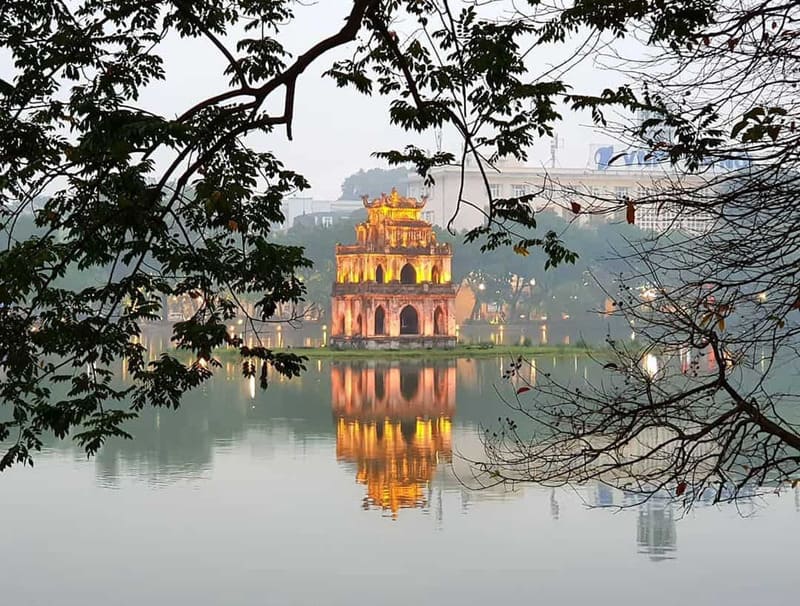
Hanoi (Source: Collected)
Learn more: When is the Best Time to Visit Hanoi, Vietnam?
Ha Giang is one of the most striking destinations in northern Vietnam, known for its remote location, dramatic mountain scenery, and strong sense of local culture. Located near the border with China, this region is less developed for mass tourism, which makes it especially appealing to travelers looking for authentic and adventurous experiences.
Ha Giang is best known for the Ha Giang Loop, a scenic route that winds through high mountain passes, deep valleys, rivers, and terraced rice fields. The journey usually starts and ends in Ha Giang City and can be completed in three to five days, depending on your pace. Along the way, travelers pass through small towns and ethnic minority villages, where homestays offer insight into daily life and local traditions.
Motorbike travel is the most popular way to explore Ha Giang, allowing full access to the landscapes and viewpoints that define the region. For those without riding experience, hiring a local driver or joining a guided tour is a practical and safe alternative. The focus here is not on rushing between attractions but on enjoying the journey itself.
Ha Giang rewards travelers who take their time. With fewer crowds, impressive scenery, and rich cultural encounters, it is often considered one of the most memorable places to visit in Vietnam.
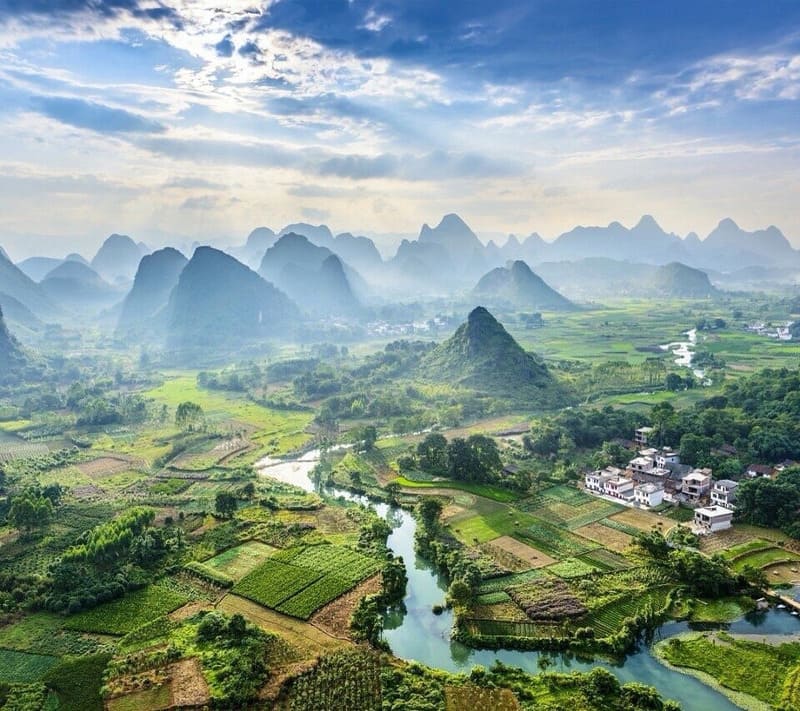
Ha Giang (Source: Tripadvisor)
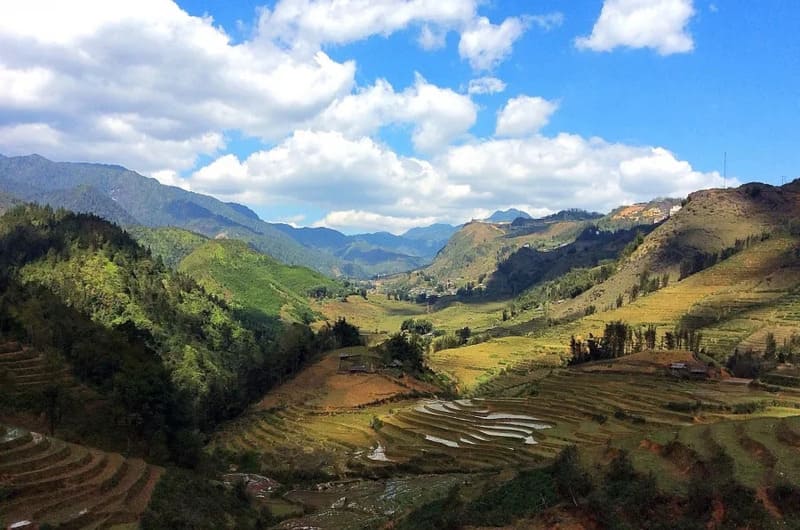
Sapa is one of the most popular mountain destinations in northern Vietnam, best known for its terraced rice fields, misty valleys, and cool highland climate. Located southwest of Ha Giang, Sapa offers a softer, more accessible introduction to Vietnam’s mountain landscapes.
The area is especially famous for trekking. Guided walks through the Muong Hoa Valley lead travelers across rice terraces and through villages of ethnic minority groups such as the Hmong and Red Dao. Staying in a local homestay adds depth to the experience, offering insight into traditional lifestyles and daily routines in the highlands.
Sapa town itself is well developed, with hotels, cafés, and local markets. It can feel busy during peak seasons, but the surrounding countryside remains peaceful and scenic. Renting a motorbike or hiking beyond the town center allows visitors to explore remote villages, waterfalls, and quiet viewpoints at their own pace.
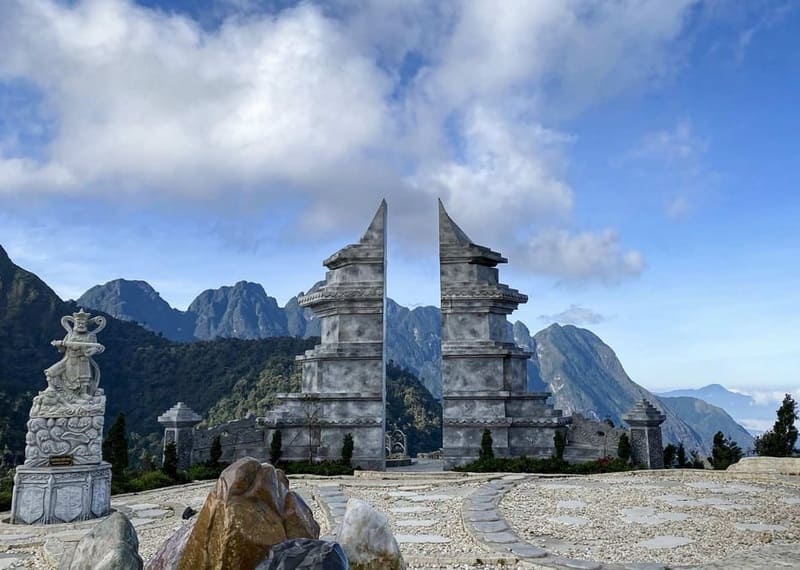
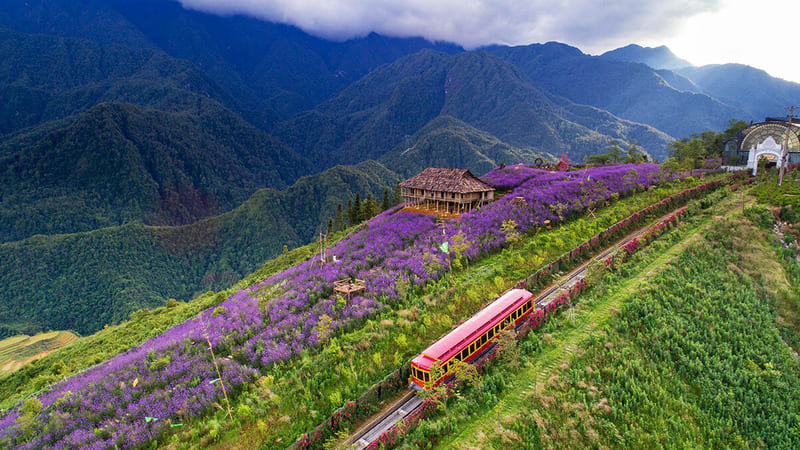
Key attractions include Love Waterfall, Silver Waterfall, and Mount Fansipan, the highest peak in Indochina, which can be reached by cable car. Spending three to four days in Sapa provides enough time for trekking, cultural visits, and relaxed exploration of one of Vietnam’s most beautiful natural regions.
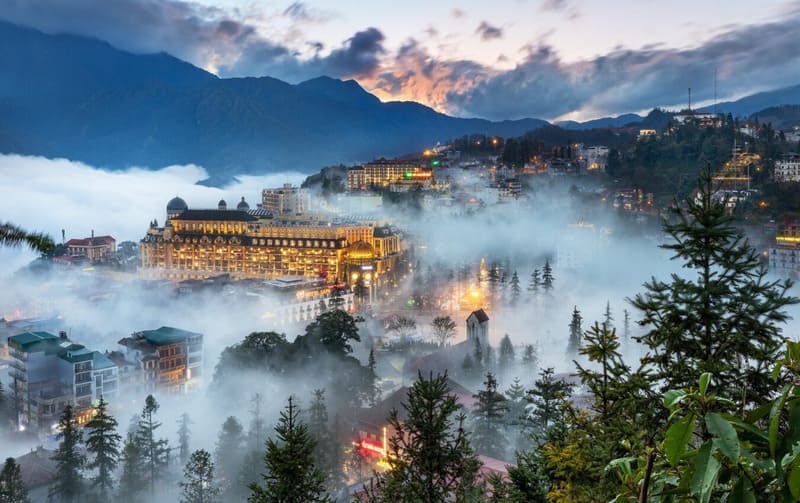
Sapa (Source: Collected)
Ban Gioc Waterfall is widely considered one of the most beautiful waterfalls in Vietnam. Located in the far north of the country in Cao Bang Province, it sits directly on the border between Vietnam and China, creating a dramatic and unique natural setting.
The waterfall features multiple cascading tiers with a total height of around 30 meters, surrounded by green karst mountains and rice fields. During the rainy season, the volume of water increases significantly, making the scenery even more impressive. Visitors can enjoy panoramic viewpoints from the shore or take a short boat ride to get closer to the falls.
Ban Gioc Waterfall is accessible from Hanoi via Cao Bang, making it a rewarding destination for travelers exploring northern Vietnam beyond the usual routes. Swimming is not permitted due to strong currents, but the area is ideal for sightseeing, photography, and enjoying one of Vietnam’s most striking natural landmarks.
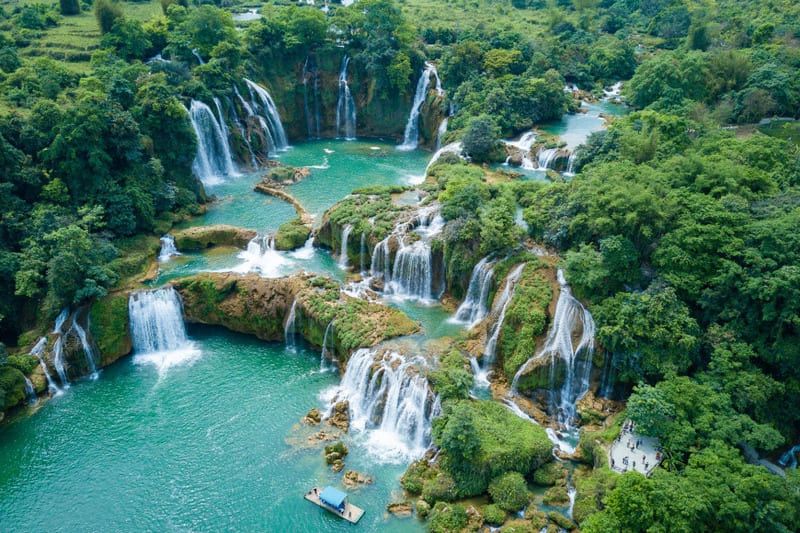
Ban Gioc Waterfall (Source: Collected)
Ninh Binh is best known for its unique landscape of limestone karsts rising from rice fields and winding rivers. Located around two hours from Hanoi, this area offers a peaceful countryside setting that feels far removed from the capital’s busy streets.
The most popular areas to explore are Tam Coc and Trang An, where boat trips take visitors through caves and along calm waterways surrounded by dramatic cliffs. These river journeys are a signature experience in Ninh Binh and provide a close connection to the region’s natural environment. Cycling through nearby villages and rice paddies is another relaxed way to explore the area.
One of the top viewpoints in Ninh Binh is Hang Mua, reached by climbing around 500 stone steps. From the top, visitors are rewarded with sweeping views over the Tam Coc valley. Other highlights include Bich Dong Pagoda, an ancient temple built into the mountainside, blending history and nature.
Ninh Binh works well as a day trip from Hanoi, but an overnight stay allows more time to enjoy the scenery at a slower pace. It is an excellent choice for travelers looking to experience Vietnam’s countryside and natural landscapes in a calm, accessible setting.

Ninh Binh (Source: Collected)
Ha Long Bay is Vietnam’s most iconic natural attraction and a UNESCO World Heritage Site. The bay is famous for thousands of limestone islands rising dramatically from emerald-green waters, creating a seascape unlike anywhere else in the country.
The most popular way to experience Ha Long Bay is by cruise, with options ranging from day trips to multi-day journeys. Activities typically include sightseeing, cave exploration, kayaking, and visiting floating villages. Due to its popularity, Ha Long Bay can be busy, especially on standard day routes. Choosing a one- or two-night cruise helps slow the pace and offers a more complete experience of the landscape.
Despite growing tourism, Ha Long Bay remains a must-visit destination for first-time travelers to Vietnam thanks to its scale, scenery, and accessibility from Hanoi.
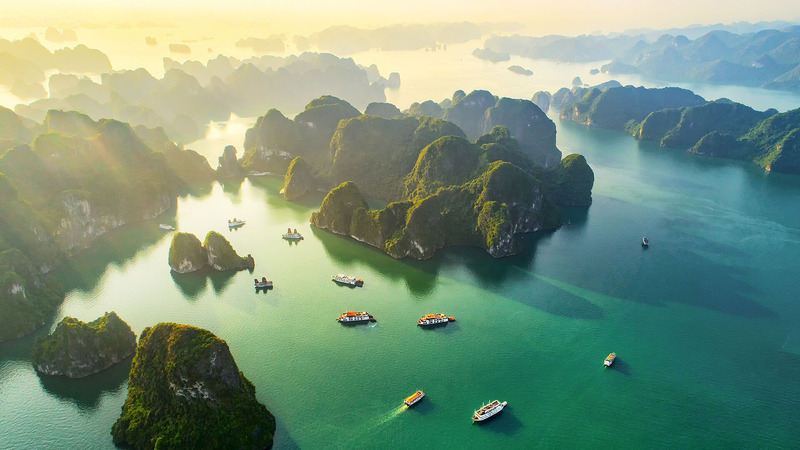
Ha Long Bay (Source: Collected)
Lan Ha Bay lies just south of Ha Long Bay and offers equally impressive limestone scenery with a calmer atmosphere. This bay is less crowded and is known for its peaceful waters, hidden beaches, and floating fishing villages.
Lan Ha Bay is often included in overnight cruises departing from Cat Ba Island. Kayaking, swimming, and cycling on nearby islands are popular activities here. For travelers who want the beauty of Ha Long Bay without the heavy crowds, Lan Ha Bay is one of the best alternatives.
Its quieter setting makes it ideal for travelers seeking relaxation, nature-focused experiences, and a slower travel pace.
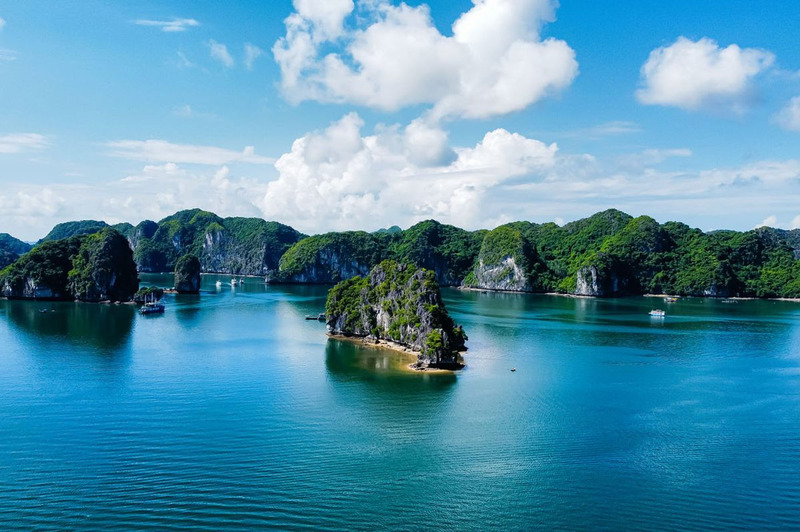
Lan Ha Bay (Source: Collected)
Cat Ba Island is the largest island in the Ha Long Bay area and a destination in its own right. While Cat Ba Town offers hotels, restaurants, and transport connections, much of the island is covered by protected jungle and national parkland.
Visitors can relax on Cat Ba’s beaches, explore hiking trails in Cat Ba National Park, or join boat trips to Lan Ha Bay. The island also offers opportunities for kayaking, snorkeling, and rock climbing along its limestone cliffs.
Cat Ba Island works well for travelers who want a balance between nature and comfort. It is also a popular base for exploring both Ha Long Bay and Lan Ha Bay at a more flexible pace.
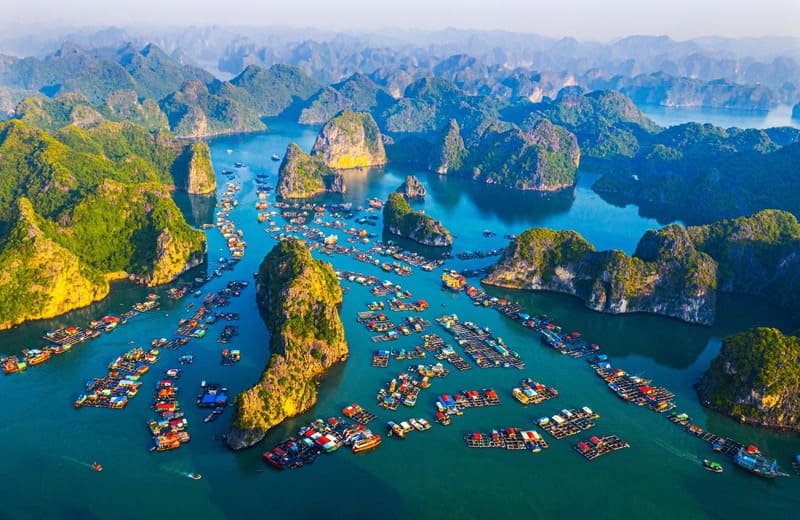
Cat Ba Islands (Source: Collected)
Central Vietnam connects the country’s past and present, featuring imperial heritage sites, charming old towns, coastal cities, and diverse landscapes. It is a balanced region for culture, relaxation, and outdoor activities.
Phong Nha - Ke Bang National Park is one of the top adventure destinations in central Vietnam and a UNESCO-listed natural area. The region is best known for its vast limestone karst landscape, underground rivers, and some of the largest cave systems in the world.
The park is home to hundreds of caves, including Son Doong Cave, the largest cave on Earth, and Hang En, one of the world’s largest river caves. Exploring Son Doong requires a multi-day expedition and advanced booking, making it a once-in-a-lifetime experience for serious adventure travelers. For most visitors, more accessible caves such as Paradise Cave and Phong Nha Cave offer impressive stalactites, wide chambers, and guided boat or walking tours.
Beyond caving, Phong Nha also offers hiking, cycling, kayaking, and river-based activities, all set against a backdrop of rice fields and quiet rural villages. The town of Phong Nha has a relaxed, low-key atmosphere, making it a comfortable base for exploration after a day outdoors.
Easily reachable by train or domestic flights, Phong Nha fits well into a central Vietnam itinerary. It is an excellent choice for travelers who want to combine nature, adventure, and a slower pace of travel.
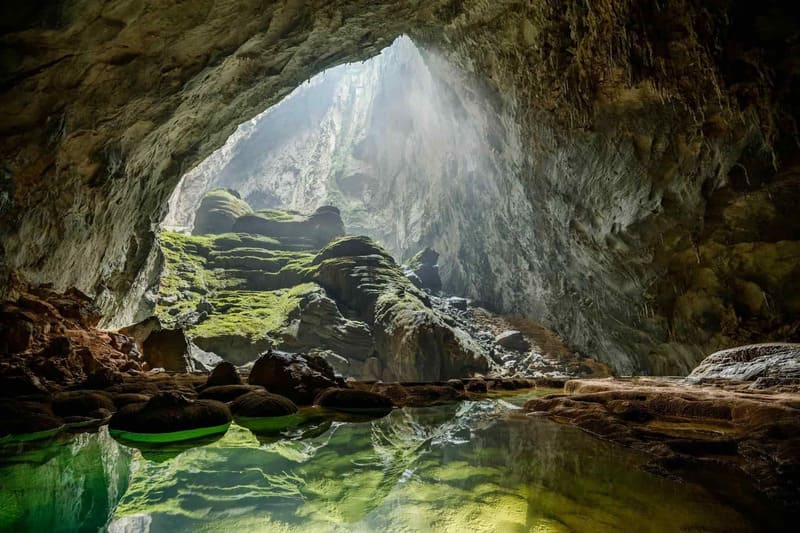
Phong Nha - Ke Bang National Park (Source: Collected)
Hue is a historic city in central Vietnam and was once the imperial capital of the country. Today, Hue is best known for its well-preserved monuments that reflect Vietnam’s royal past, making it an essential stop for travelers interested in history and culture.
The city’s main attraction is the Imperial City, a large walled complex that once housed the Nguyen Dynasty. Walking through its gates, palaces, and courtyards offers a clear look into Vietnam’s former royal life. Beyond the citadel, Hue is surrounded by impressive imperial tombs, including those of Minh Mang, Tu Duc, and Khai Dinh, each set within landscaped grounds that resemble quiet parklands.
Hue is also widely regarded as one of Vietnam’s culinary centers. The city is known for refined local dishes and unique coffee variations, including the popular salt coffee. Food tours and local eateries provide a great way to experience this side of Hue.
With its calm atmosphere, riverside setting, and concentration of historical sites, Hue is well suited for a two- to three-day visit. It offers a deeper, more reflective travel experience compared to Vietnam’s larger, busier cities.
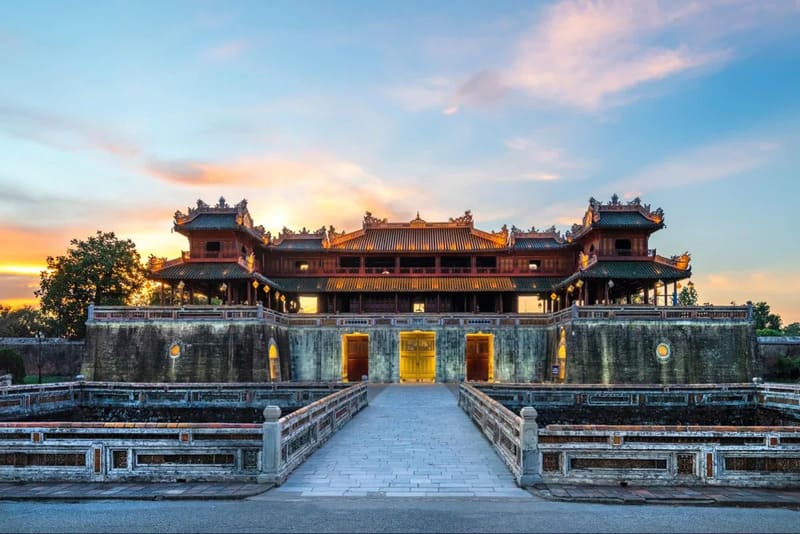
Hue (Source: Collected)
Da Nang is one of the most livable and well-rounded cities in Vietnam, combining modern urban life with beaches, mountains, and easy access to nearby attractions. Located between Hue and Hoi An, Da Nang works perfectly as both a destination and a central base for exploring the region.
The city is best known for My Khe Beach, a long stretch of clean sand ideal for swimming, walking, and relaxing. On the other side of the Han River, the city center offers local markets, street food, cafés, and a more everyday Vietnamese atmosphere. Crossing between the beachside and cityside gives visitors a good balance between comfort and local life.
Da Nang is also home to several standout landmarks. The Dragon Bridge, which breathes fire and water on weekend evenings, has become a city symbol. The Marble Mountains offer caves, pagodas, and panoramic views, while the Son Tra Peninsula provides forested roads, coastal viewpoints, and the chance to see rare wildlife such as the red-shanked douc langur.
Just outside the city, Ba Na Hills is a popular day trip, famous for the Golden Bridge and its scenic cable car ride. With good infrastructure, a relaxed pace, and a wide range of activities, Da Nang appeals to beach lovers, families, and travelers looking for a comfortable stop in central Vietnam.
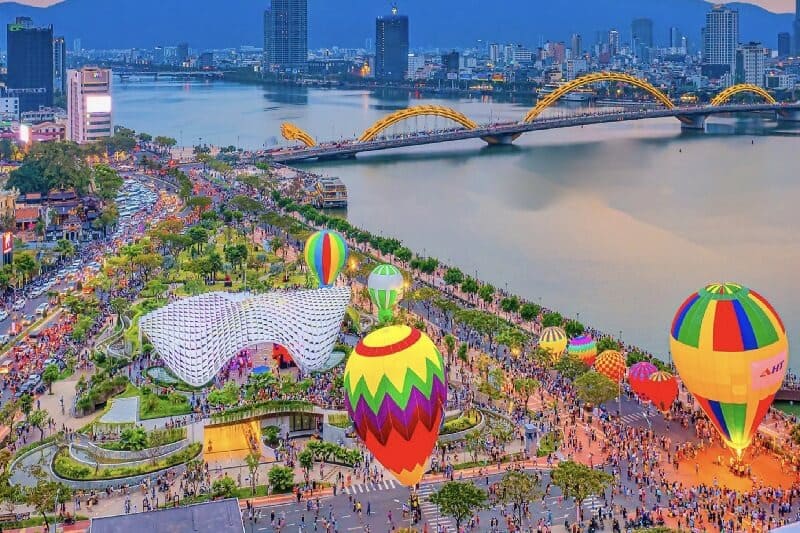
Da Nang (Source: Collected)
Hoi An is one of the most charming and well-preserved towns in Vietnam, known for its lantern-lit streets, historic architecture, and relaxed pace of life. Once an important trading port, Hoi An’s Old Town reflects a blend of Vietnamese, Chinese, and Japanese influences that have been carefully maintained over time.
The heart of Hoi An is the Ancient Town, where traffic is limited and rows of yellow-painted buildings line narrow streets and canals. In the evening, colorful lanterns light up the area, creating a lively yet atmospheric setting. Walking along the river, browsing small shops, and sitting at a riverside café are some of the simplest and most enjoyable ways to experience the town.
Hoi An is also well known for its food and local crafts. Signature dishes such as cao lau and white rose dumplings are best enjoyed in small local restaurants, while tailor shops offer custom-made clothing in just a few days. For a change of scenery, An Bang Beach is only a short ride away and provides a relaxed coastal escape.
With its walkable streets, cultural character, and scenic beauty, Hoi An is an easy highlight of any central Vietnam itinerary and pairs perfectly with nearby Da Nang.
See more: 30+ Best Things to Do in Hoi An, Vietnam

Hoi An (Source: Collected)
Quy Nhon is a quiet coastal destination in central Vietnam that remains largely under the radar compared to places like Da Nang or Nha Trang. With its mix of sandy beaches, rocky headlands, and relaxed local atmosphere, Quy Nhon is well suited for travelers looking to slow down and explore a less touristy side of Vietnam.
The city is surrounded by scenic coastal roads, hidden coves, and calm beaches that are ideal for swimming and short day trips. Beyond the coastline, the surrounding area features green hills, river valleys, and small fishing villages that still follow a traditional way of life. Historic Cham towers and seaside temples add cultural interest to the landscape.
Quy Nhon is easy to combine with rail travel along Vietnam’s central coast, making the journey part of the experience. Accommodation ranges from simple beachfront stays to high-end resorts tucked into secluded bays, offering plenty of choice depending on travel style.
For those seeking natural beauty, peaceful beaches, and fewer crowds, Quy Nhon stands out as one of central Vietnam’s most appealing hidden gems.

Quy Nhon (Source: Collected)
Nha Trang is one of Vietnam’s best-known beach destinations, offering long sandy shores, reliable sunshine, and a wide range of resorts and leisure activities. It is a popular stop for travelers who want to take a break from sightseeing and enjoy a more relaxed, seaside atmosphere.
The city’s main beach stretches along the waterfront and is lined with hotels, cafés, and restaurants. Nha Trang is also well known for its spa culture, particularly its mud baths and thermal pools, which provide a unique way to unwind after traveling. Offshore islands and nearby coral reefs make boat trips, snorkeling, and diving popular activities.
While beach time is the main draw, Nha Trang also offers cultural and family-friendly attractions. Highlights include Long Son Pagoda, Po Nagar Cham Towers, and the Vinpearl amusement park, located on a nearby island and accessed by cable car. For a nature escape, Ba Ho Waterfalls offer swimming and short hikes.
Easily reached by train or domestic flights, Nha Trang fits well into a central or southern Vietnam itinerary. It is a good choice for travelers looking for sun, comfort, and easy-going beach experiences.
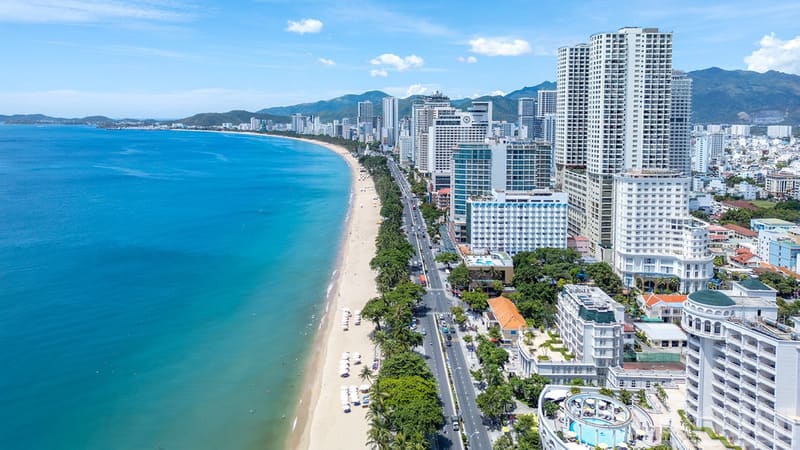
Nha Trang (Source: Collected)
Dalat is a highland city known for its cooler climate, green landscapes, and relaxed atmosphere. Located in Vietnam’s Central Highlands, Dalat offers a refreshing contrast to the country’s coastal and lowland destinations.
The surrounding area is rich in natural scenery, with pine forests, lakes, and waterfalls spread across rolling hills. Dalat is also famous for its flower gardens and agricultural farms, earning it the nickname “the City of Flowers.” These features make it a popular destination for nature lovers and couples seeking a quieter setting.
In addition to outdoor attractions, Dalat has several cultural and spiritual sites. Truc Lam Zen Monastery, set above Tuyen Lam Lake, is one of the most notable and offers both scenic views and a peaceful atmosphere. French colonial architecture can still be seen throughout the city, reflecting Dalat’s history as a former hill station.
With its mild weather and slower pace, Dalat is ideal for a short retreat in central Vietnam, especially for travelers looking to relax, explore nature, and escape the heat of larger cities.
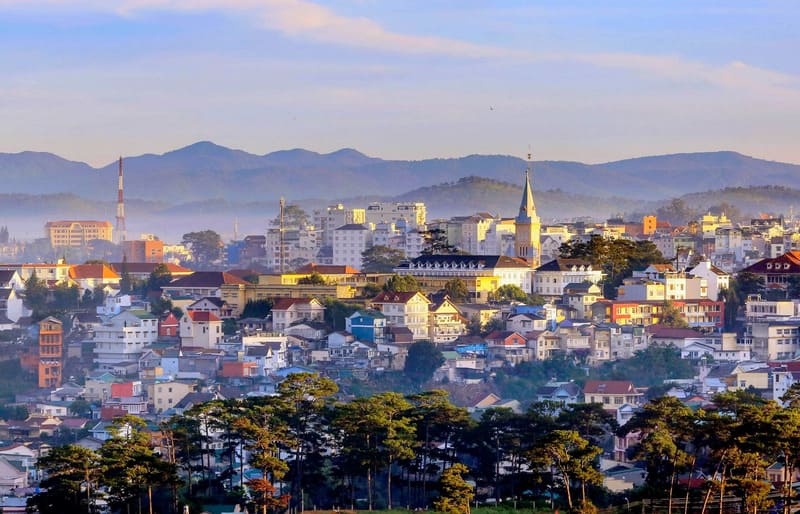
Dalat (Source: Collected)
Mui Ne is a laid-back coastal town best known for its unique sand dunes and outdoor activities rather than traditional beach lounging. Located along Vietnam’s southeastern coast, Mui Ne offers landscapes that feel very different from most other destinations in the country.
The area’s main highlights are the Red Sand Dunes and White Sand Dunes, where visitors can enjoy sunrise views, sandboarding, or quad biking. These wide, open dunes create a striking contrast to Vietnam’s usual green scenery and are one of Mui Ne’s most distinctive features. Nearby, the Fairy Stream offers a short, barefoot walk through shallow water between sand formations and greenery.
Mui Ne is also popular for water sports, especially kitesurfing, thanks to its steady coastal winds. While the beach itself is narrower than in other resort towns, the relaxed atmosphere, seaside resorts, and fresh seafood make it an enjoyable place to slow down for a few days.
With affordable accommodation and easy access from Ho Chi Minh City, Mui Ne is a good addition to a central or southern Vietnam itinerary, particularly for travelers looking for something a little different from classic beach destinations.
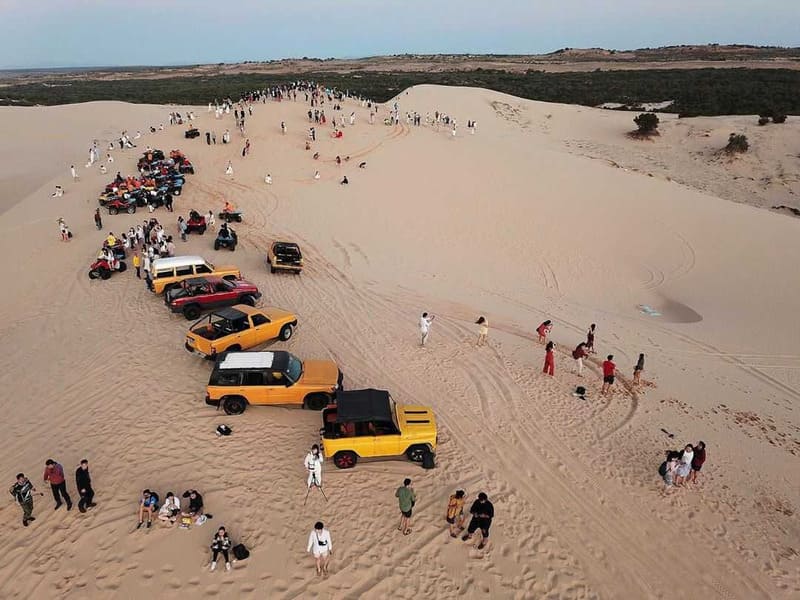
White Sand Dunes, Mui Ne (Source: Collected)
Southern Vietnam is known for its vibrant urban life, river-based culture, tropical islands, and warm climate. This region is ideal for travelers seeking a relaxed pace, beach destinations, and insight into everyday local life.
Ho Chi Minh City, still widely known as Saigon, is Vietnam’s largest and most dynamic city. As the country’s economic hub, it offers a fast-paced urban experience shaped by modern development, colonial history, and everyday local life.
The city is divided into districts, each with its own character. District 1 is the most convenient area for visitors, home to major landmarks such as Notre Dame Cathedral, the Central Post Office, and the Reunification Palace, along with cafés, restaurants, and nightlife. Exploring on foot here reveals a mix of historic buildings and contemporary city life, often with cafés and shops hidden inside old apartment blocks.
Ho Chi Minh City also plays an important role in understanding Vietnam’s recent history. The War Remnants Museum and nearby Cu Chi Tunnels provide powerful insight into the Vietnam War and its lasting impact. These sites are often emotionally intense but essential for gaining context about the country.
Beyond history, the city is known for its street food, coffee culture, rooftop bars, and constant energy. From local markets and sidewalk eateries to modern malls and skyline views, Ho Chi Minh City is a place that rewards curiosity and time. For many travelers, it serves as both a strong introduction to southern Vietnam and a memorable destination in its own right.
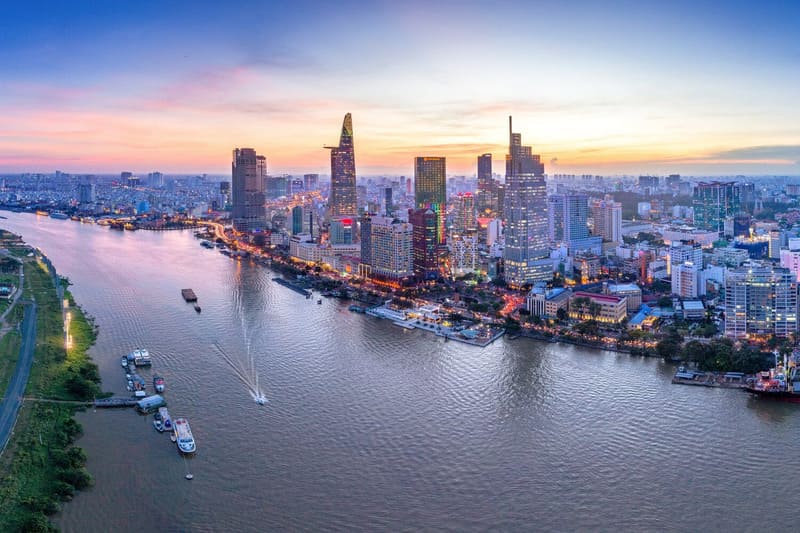
Ho Chi Minh City (Source: Collected)
Cat Tien National Park is one of the largest remaining areas of lowland tropical forest in southern Vietnam and a key destination for nature and wildlife lovers. Located a few hours from Ho Chi Minh City, the park offers a complete change of pace from urban travel.
Cat Tien is known for its dense jungle, ancient trees, rivers, and wetlands. Popular activities include guided jungle treks, cycling along forest trails, and boat trips to crocodile lakes, especially in the early morning or late afternoon. One of the highlights is the gibbon-watching trek, where visitors can observe wild gibbons calling and moving through the forest canopy.
The park is also an important conservation area, home to diverse bird species, reptiles, and rare mammals. Accommodation inside and around the park ranges from simple lodges to eco-friendly stays, allowing visitors to fully immerse themselves in nature.
Cat Tien National Park is ideal for travelers looking to add wildlife, outdoor adventure, and ecological experiences to their southern Vietnam itinerary.
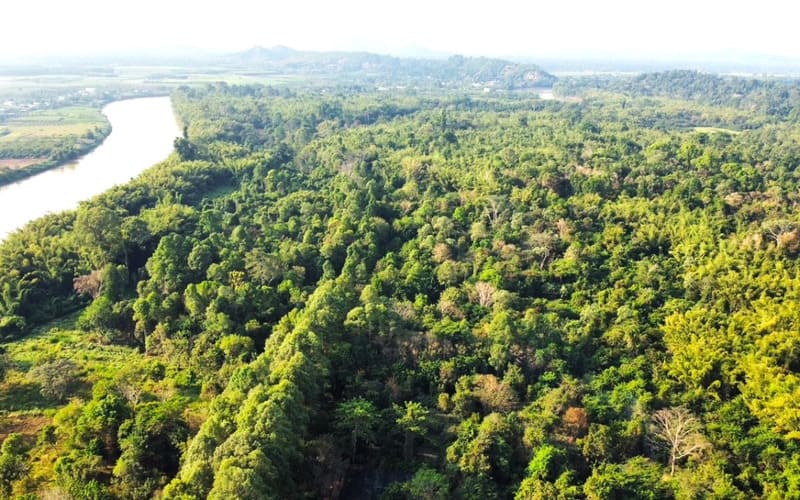
Cat Tien National Park (Source: Collected)
Mekong Delta is a vast low-lying region in southern Vietnam where the Mekong River divides into a dense network of waterways before reaching the sea. Known as the country’s agricultural heartland, the delta is defined by rice fields, fruit orchards, canals, and river-based communities.
Life in the Mekong Delta revolves around the water. Boat trips along narrow canals reveal floating markets, riverside villages, and daily trading activities that have changed little over generations. Cities such as Can Tho serve as gateways to the region, but the most rewarding experiences are often found in smaller towns and rural areas away from the main roads.
Exploring by boat, bicycle, or motorbike allows travelers to see the region at a slower pace and gain insight into local life. Visits to temples, family-run workshops, and traditional homes add cultural depth to the journey.
Easily accessible from Ho Chi Minh City, the Mekong Delta makes an ideal short escape or multi-day trip for travelers who want to experience Vietnam’s countryside, river culture, and agricultural traditions.
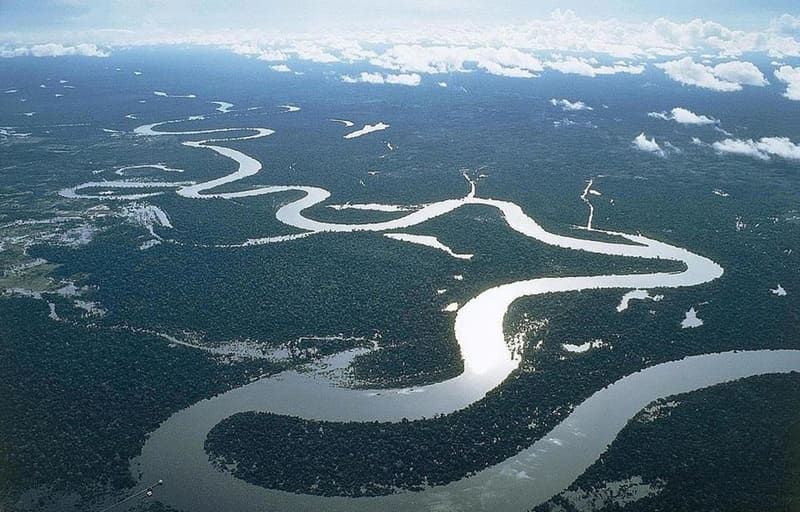
Mekong Delta (Source: Collected)
Ben Tre is a peaceful riverside destination in the Mekong Delta, best known for its coconut plantations and rural landscapes. Located just a few hours from Ho Chi Minh City, Ben Tre makes an easy and rewarding day trip or overnight stop in southern Vietnam.
The area is often called the “land of coconuts,” with vast groves lining canals and riverbanks. Boat trips are a popular way to explore Ben Tre, offering views of daily life along the water and stops at small workshops producing coconut candy, handicrafts, and local products. Visits to fruit orchards and honey farms provide a closer look at the region’s agricultural traditions.
Compared to larger Mekong Delta cities, Ben Tre feels quieter and more laid-back, focusing more on countryside experiences than urban attractions. Cycling along narrow village roads or cruising through palm-lined waterways highlights the slow pace of life here.
For travelers seeking an authentic Mekong Delta experience without traveling far from Ho Chi Minh City, Ben Tre is a well-balanced and accessible choice.
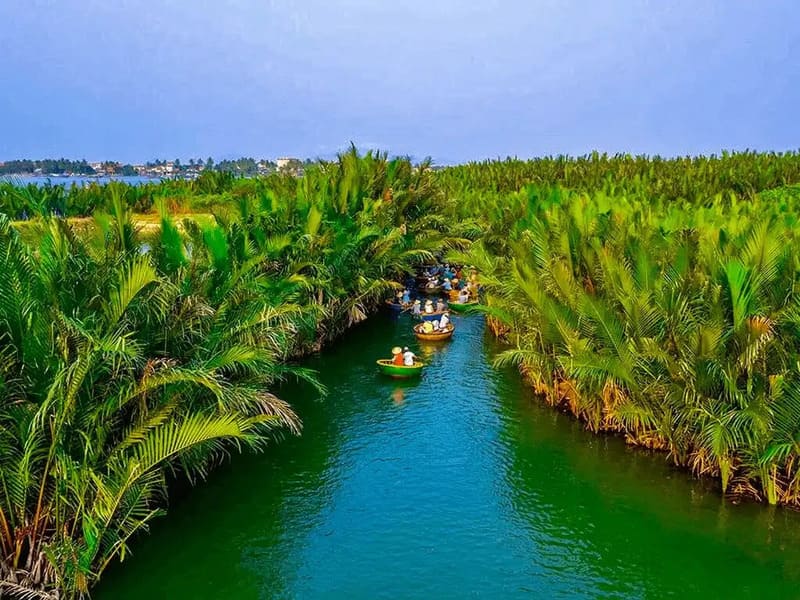
Ben Tre (Source: Collected)
Con Dao Islands are a remote archipelago off Vietnam’s southeastern coast, known for their pristine beaches, clear waters, and protected natural environment. Consisting of several small islands, Con Dao remains far less developed than other island destinations, making it ideal for travelers seeking tranquility and unspoiled scenery.
Much of the archipelago is protected as part of Con Dao National Park, which covers both land and marine areas. The islands are among the best places in Vietnam for snorkeling and diving, thanks to healthy coral reefs and excellent water visibility. White-sand beaches, forested hills, and quiet coastal roads define the landscape.
Con Dao also has a significant historical side. During the French colonial period, the islands were used as a prison complex, and sites such as the Con Dao Prison and Hang Duong Cemetery offer insight into this difficult chapter of Vietnam’s history.
Accessible by short flights or long ferry journeys, Con Dao appeals to travelers who value nature, history, and a slower pace of travel. It is one of Vietnam’s most distinctive island destinations for those willing to venture off the main tourist path.
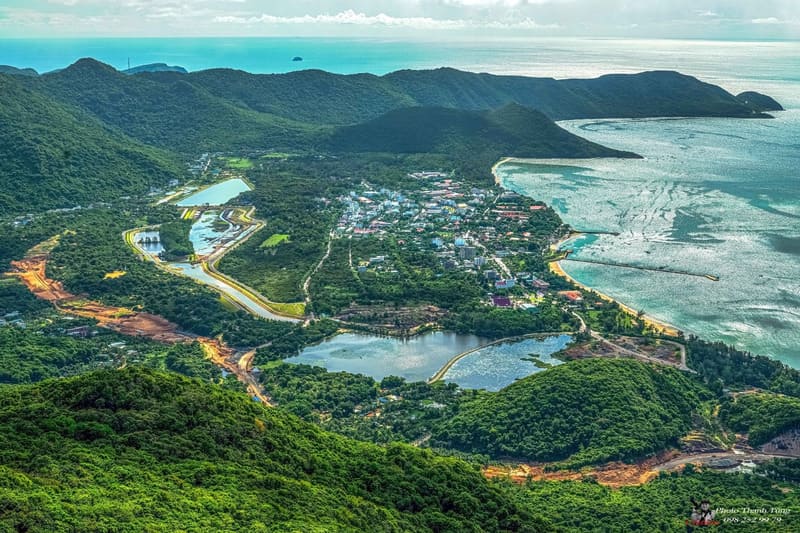
Con Dao Islands (Source: Collected)
Phu Quoc Island is Vietnam’s most popular island destination, known for its white-sand beaches, clear waters, and relaxed tropical atmosphere. Located off the country’s southwestern coast, Phu Quoc is easily reached by direct flights and is a common choice for beach holidays and resort stays.
The island offers a mix of well-developed resort areas and quieter natural landscapes. Long Beach and Sao Beach are among the most visited spots, ideal for swimming, snorkeling, and sunset views. Beyond the coastline, Phu Quoc National Park covers a large part of the island and features forest trails, waterfalls, and scenic viewpoints.
Phu Quoc is also known for its local food culture. Night markets in Duong Dong town are a highlight, offering fresh seafood and regional specialties. Traditional industries such as fish sauce production and pepper farming can still be visited, adding cultural interest to a beach-focused trip.
With a wide range of accommodation options, from luxury resorts to budget hotels, Phu Quoc suits families, couples, and first-time visitors to Vietnam. It is an ideal destination to relax and unwind after traveling through the mainland.
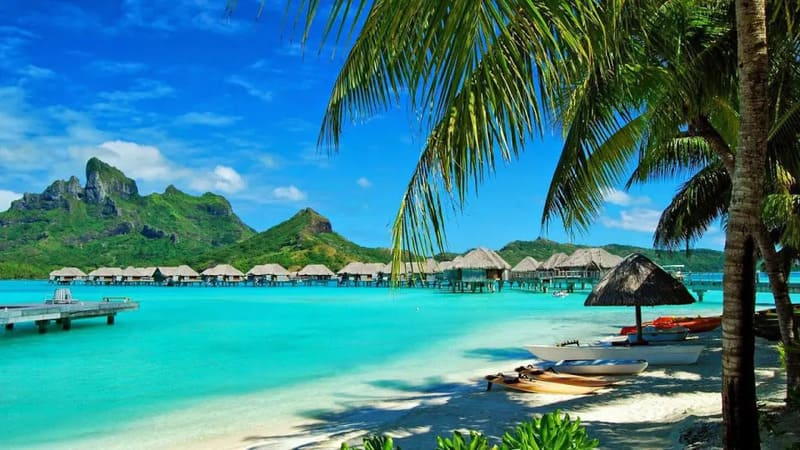
Phu Quoc Island (Source: Collected)
Vietnam can be visited year-round, but the most popular time is from November to April, when the weather is generally drier and cooler. Northern Vietnam is best from October to April, central Vietnam from February to August, and southern Vietnam is ideal during the dry season from December to April.
A minimum of 10-14 days is recommended to cover key highlights across different regions. If you have 3 weeks or more, you can travel at a slower pace and explore Vietnam in greater depth, including remote areas and islands.
Yes, Vietnam is very suitable for first-time travelers. The country offers good tourist infrastructure, affordable prices, friendly locals, and a wide range of guided tours, making it easy to navigate even without prior travel experience in Southeast Asia.
Some of the most popular must-visit destinations include Hanoi, Ha Long Bay, Hoi An, Ho Chi Minh City, Phong Nha, and Phu Quoc Island. The ideal list depends on your interests, such as culture, nature, beaches, or food.
Vietnam is considered a safe destination for travelers. Violent crime is rare, but visitors should take normal precautions, especially in busy cities, such as watching personal belongings and being cautious in traffic.
Visa requirements depend on nationality. Many travelers can apply for an e-visa online before arrival, while some nationalities are eligible for visa-free entry for a limited number of days. It is best to check current regulations before planning your trip.
Vietnam is one of the more affordable destinations in Asia. Costs for accommodation, food, transportation, and activities are generally low, making it suitable for budget travelers as well as those seeking luxury experiences.
For long distances, domestic flights save time and are reasonably priced. Trains and buses are good options for regional travel, while taxis, ride-hailing apps, and motorbikes are commonly used within cities.
Must-try Vietnamese dishes include pho, banh mi, bun cha, cao lau, fresh spring rolls, and regional seafood. Each region has its own specialties, making food one of the highlights of traveling in Vietnam.
Yes, Vietnam is family-friendly and suitable for traveling with children. Many destinations offer family-oriented activities, safe accommodation options, and flexible itineraries, especially in cities, beach resorts, and cultural towns.
Vietnam offers an impressive variety of destinations, from northern highlands and cultural cities to central heritage sites and southern islands. Traveling from north to south allows you to fully experience the country’s landscapes, traditions, cuisine, and local life in a well-rounded and meaningful way.
If you’re ready to plan your trip, contact Your Vietnam Travel for personalized itineraries, local expertise, and reliable support from start to finish. Let our team help you design a Vietnam journey that fits your schedule, interests, and travel goals perfectly.

 Vietnam Tours
 Cambodia Tours
 Laos Tours
 Thailand Tours
 Multi-Country Tours