Shopping in Vietnam gives travelers an easy way to experience the country’s culture through its markets, craft villages, local food products, and handmade souvenirs. From Vietnamese coffee, silk, lacquerware, ceramics, Hoi An lanterns, and tailor-made clothing to spices, fish sauce, ethnic textiles, and local snacks, there are many meaningful items to bring home after your trip.
In this guide, Your Vietnam Travel shares the best things to buy in Vietnam, where to shop, and practical tips on bargaining, payment, product quality, and customs rules so you can shop with confidence.
Vietnamese coffee is one of the best things to buy in Vietnam because it is affordable, easy to pack, and deeply connected to local culture. Vietnam is famous for strong Robusta coffee, which has a bold, nutty, slightly bitter flavor and higher caffeine content than many Arabica varieties. The classic way to enjoy it is with a small metal drip filter called a phin, often served with condensed milk as ca phe sua da or hot as ca phe sua nong.
Travelers can buy whole beans, ground coffee, instant coffee, or gift sets that include a phin filter. Popular choices include Robusta beans, Arabica from Da Lat, blended coffee, coconut coffee mixes, and 3-in-1 instant coffee packs. A phin filter is compact, inexpensive, and makes the souvenir feel more complete.
Good places to buy Vietnamese coffee include supermarkets, local markets, coffee chains, specialty coffee shops, and roasters in Hanoi, Ho Chi Minh City, Da Lat, Hoi An, and Da Nang. Trung Nguyen, G7, Highlands Coffee, Phuc Long, La Viet Coffee, and local roasters are common options. For better quality, check the roast date, buy sealed packaging, and choose whole beans if you have a grinder at home.
Approximate price ranges:
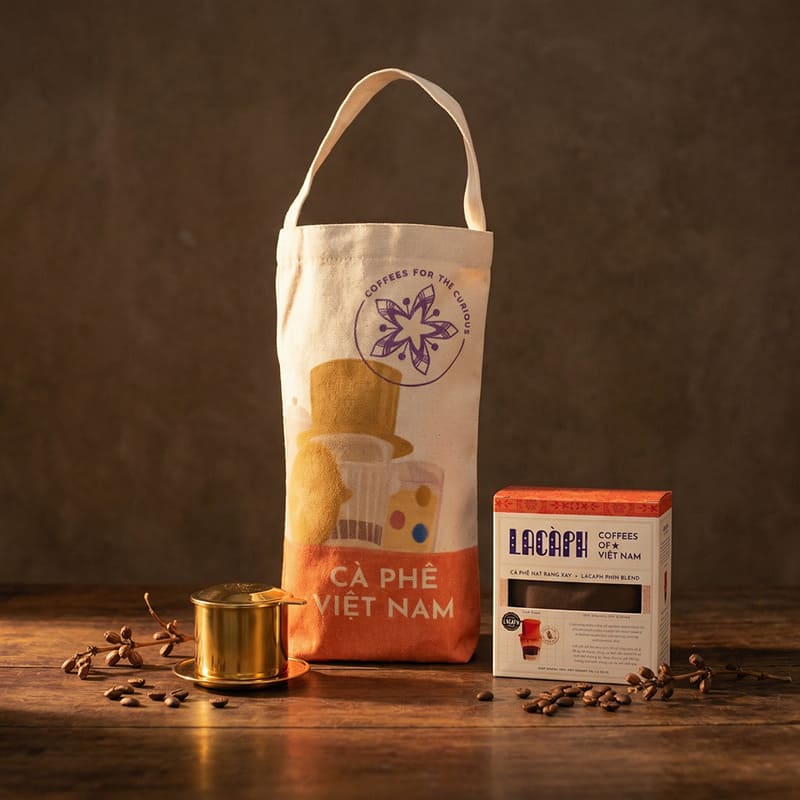
Vietnamese coffee makes a classic gift from Vietnam (Source: Collected)
Vietnamese tea is another practical souvenir, especially for travelers who prefer light, fragrant, and easy-to-carry gifts. Green tea, lotus tea, jasmine tea, artichoke tea, ginger tea, cinnamon tea, and herbal blends are widely available. Lotus tea from Hanoi, green tea from Thai Nguyen, and artichoke tea from Da Lat are among the most popular choices.
Spices are also excellent gifts for food lovers. Vietnam’s markets sell star anise, cinnamon, black pepper, turmeric, dried lemongrass, chili, five-spice blends, and spice mixes for cooking Vietnamese dishes at home. These items are lightweight and usually inexpensive, but it is better to buy sealed packages instead of loose spices if you plan to take them abroad.
Good places to buy tea, herbs, and spices include Dong Xuan Market in Hanoi, Ben Thanh Market in Ho Chi Minh City, Hoi An Central Market, Han Market in Da Nang, supermarkets, specialty tea shops, and regional stores in Da Lat or Thai Nguyen.
Buying tips:
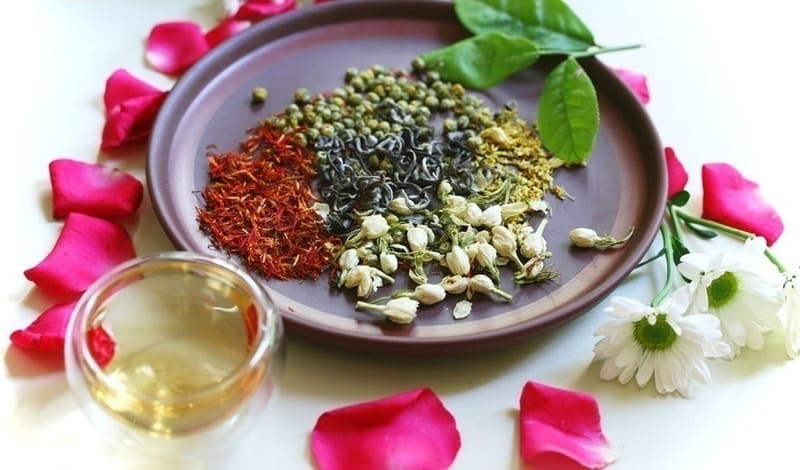
Tea and spices are easy souvenirs to bring home (Source: Collected)
Vietnamese snacks are easy gifts because they are affordable, colorful, and simple to share. Popular choices include dried mango, dried jackfruit, coconut chips, lotus seeds, roasted cashews, sesame candy, coconut candy, mung bean cakes, green rice cakes, rice crackers, and preserved fruits known as o mai.
O mai is especially popular in Hanoi. It is made from fruits such as apricot, plum, kumquat, tamarind, or peach, often mixed with sugar, salt, ginger, chili, or licorice. The flavor can be sweet, sour, salty, and spicy at the same time, making it a distinctive Vietnamese treat.
In southern Vietnam, coconut candy from Ben Tre and cashew nuts are common food souvenirs. In central Vietnam, travelers may find sesame candy, peanut candy, rice crackers, and regional cakes. Supermarkets are often the safest choice for packaged snacks, while local markets offer more variety and a lively buying experience.
Buying tips:
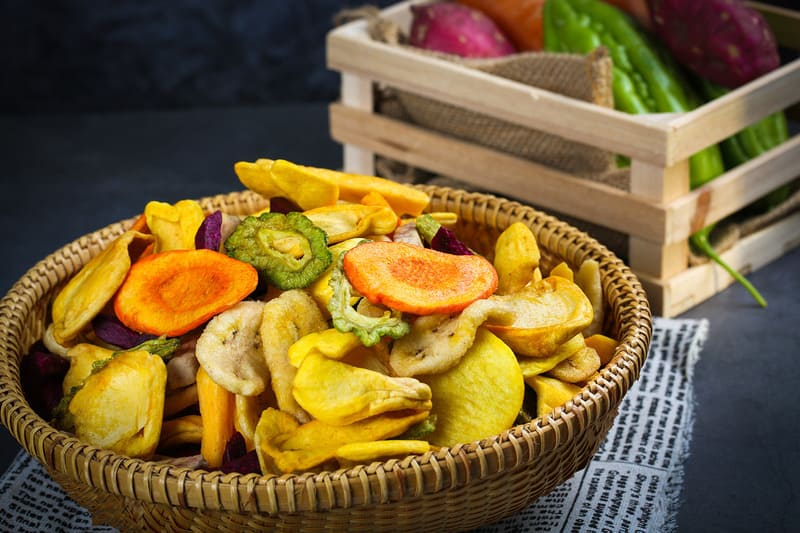
Vietnamese snacks are simple gifts to share after your trip (Source: Collected)
Fish sauce, or nuoc mam, is one of Vietnam’s most important cooking ingredients. It is made from fermented fish and salt, creating a deep umami flavor used in dipping sauces, marinades, soups, stir-fries, and many Vietnamese dishes. Phu Quoc fish sauce and Phan Thiet fish sauce are among the most famous varieties.
Travelers can also buy nuoc cham ingredients, rice paper, dried rice noodles, vermicelli, chili sauce, shrimp salt, dipping sauce mixes, and ready-made cooking kits. These items are useful for anyone who wants to recreate Vietnamese food at home.
Fish sauce can be tricky to pack because it is liquid and has a strong smell if the bottle leaks. Choose small, well-sealed bottles from supermarkets or specialty stores. Wrap the bottle in plastic bags and place it in checked luggage. Some airlines and countries may have restrictions on liquids or fermented products, so check the rules before buying large quantities.
Buying tips:
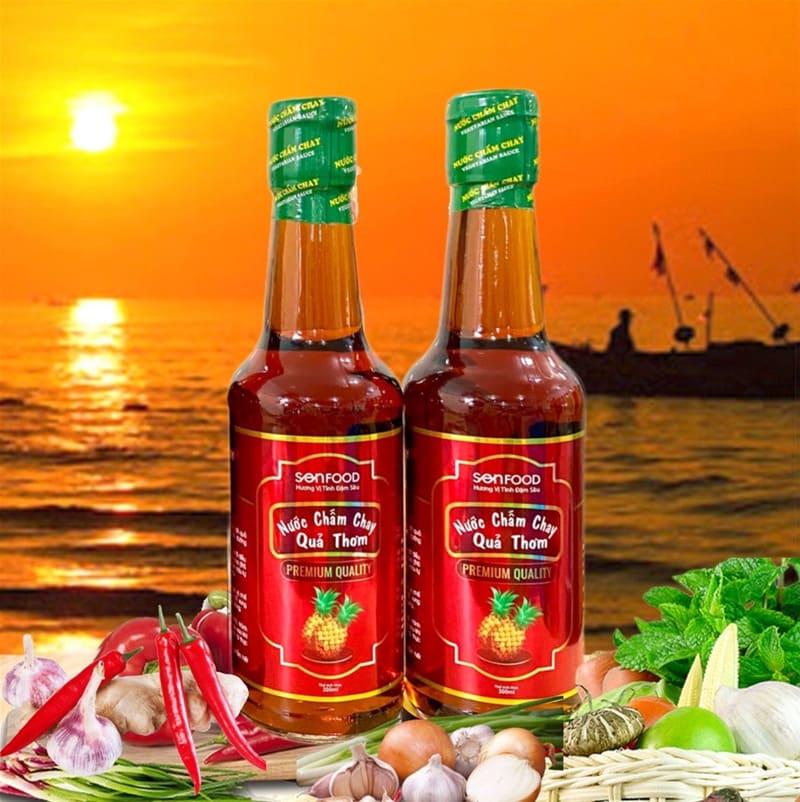
Fish sauce is one of Vietnam’s signature flavors (Source: Collected)
Phu Quoc pepper is a popular Vietnamese food souvenir. It is known for its strong aroma, sharp heat, and clean flavor. Travelers can buy black pepper, white pepper, red pepper, or pepper mixed with salt and chili. Pepper is compact, easy to pack, and suitable for many types of cooking.
Other regional food products worth considering include cashew nuts from southern Vietnam, coconut candy from Ben Tre, artichoke tea from Da Lat, dried seafood from coastal cities, lotus tea from Hanoi, cinnamon from northern provinces, and rice paper from Tay Ninh. These products help travelers bring home a specific flavor of each region.
Where to buy:
Buying tips:
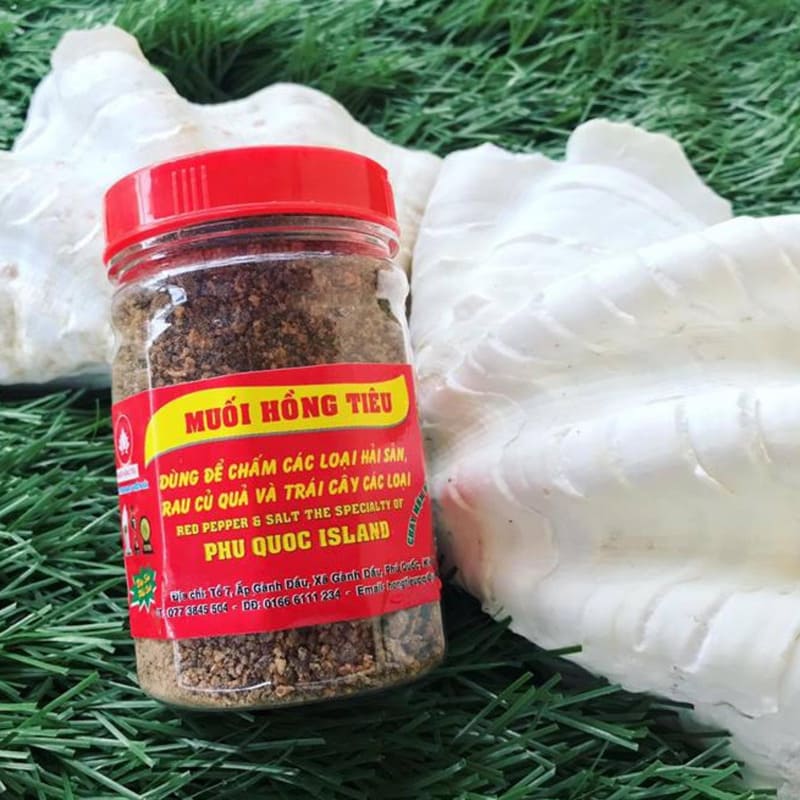
Phu Quoc pepper is a compact food souvenir (Source: Collected)
Snake wine is one of the most unusual products travelers may see in Vietnam. It is a rice wine infused with a snake, herbs, or other ingredients. In local belief, it is associated with strength, vitality, and traditional medicine. It is often sold in markets, specialty liquor shops, and tourist areas.
Although snake wine may look like a memorable souvenir, it is not suitable for every traveler. Many countries have strict customs rules on alcohol, animal products, wildlife-related items, and traditional medicine. A bottle containing a snake may be confiscated at the airport or banned from entry into your home country. For this reason, it is better to treat snake wine as something to observe or try locally rather than an easy souvenir to bring home.
Other unique products in Vietnam include herbal balms, medicated oils, traditional teas, handmade incense, wood carvings, and folk-style decorative items. As with snake wine, check customs restrictions before buying products made from animal parts, untreated wood, seeds, plants, or medicinal ingredients.
Vietnamese lacquerware is one of the country’s most elegant traditional crafts. It is made by applying multiple layers of lacquer to wood, bamboo, or other surfaces, then polishing and decorating the item with paint, eggshell, mother-of-pearl, or gold details. The result is a glossy, durable, and decorative product.
Popular lacquerware souvenirs include trays, bowls, plates, vases, jewelry boxes, coasters, wall panels, picture frames, and decorative paintings. Small lacquerware items are easy to pack, while larger pieces may need careful wrapping or shipping.
Good places to buy lacquerware include Hanoi’s Old Quarter, Hoi An craft shops, Ben Thanh Market, boutique souvenir stores, art galleries, and traditional craft villages around northern Vietnam. Higher-quality lacquerware is usually heavier, smoother, and more carefully finished than cheap imitation products.
Buying tips:

Vietnamese lacquerware adds elegance to home decor (Source: Collected)
The non la, or Vietnamese conical hat, is one of the most recognizable symbols of Vietnam. Traditionally made from palm leaves and bamboo, it protects people from sun and rain and is still used by farmers, street vendors, and market sellers.
For travelers, a non la is an affordable souvenir and a useful photo prop. Some hats are plain and practical, while others are painted, embroidered, lacquered, or decorated with poems and images. Hue is especially known for poetic conical hats, while Hanoi, Hoi An, and many local markets sell different styles.
The main challenge is packing. Traditional conical hats can be bulky, so travelers may prefer foldable versions or decorative flat designs. If you plan to wear it during the trip, you can buy one early and use it while sightseeing.
Buying tips:
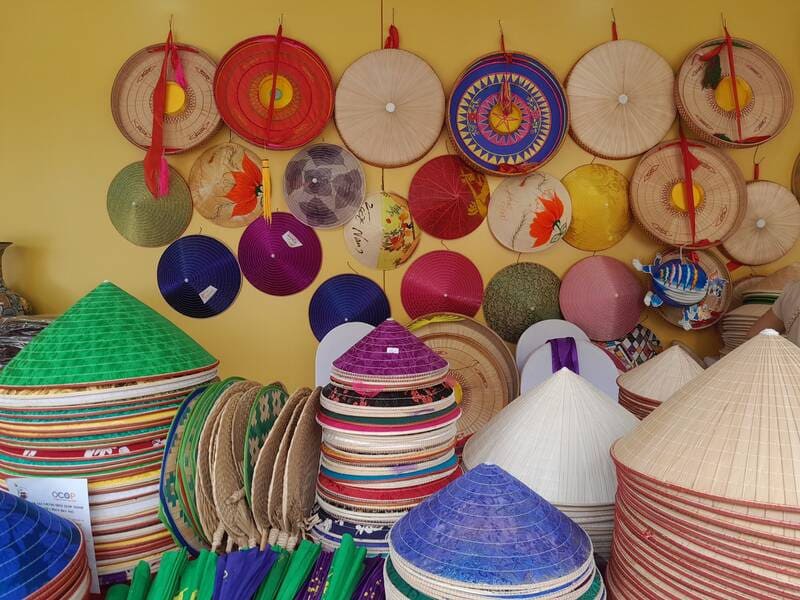
A conical hat is one of Vietnam’s most iconic souvenirs (Source: Collected)
Hoi An lanterns are among the most beautiful souvenirs in Vietnam. They are strongly associated with Hoi An Ancient Town, where colorful lanterns light up streets, shops, restaurants, and riverside areas at night. Traditional lanterns are made with bamboo frames and silk or fabric covers. Many are foldable, which makes them easier to pack.
Travelers can buy round, diamond-shaped, garlic-shaped, or hexagonal lanterns in different colors and sizes. Small lanterns are suitable as gifts, while larger lanterns can be used for home decoration. Hoi An Night Market, Nguyen Hoang Street, Tran Phu Street, and local lantern workshops are popular places to shop.
Lantern-making workshops are also a good option for travelers who want a hands-on experience. In these classes, visitors learn how to make a lantern and take it home as a personalized souvenir.
Buying tips:
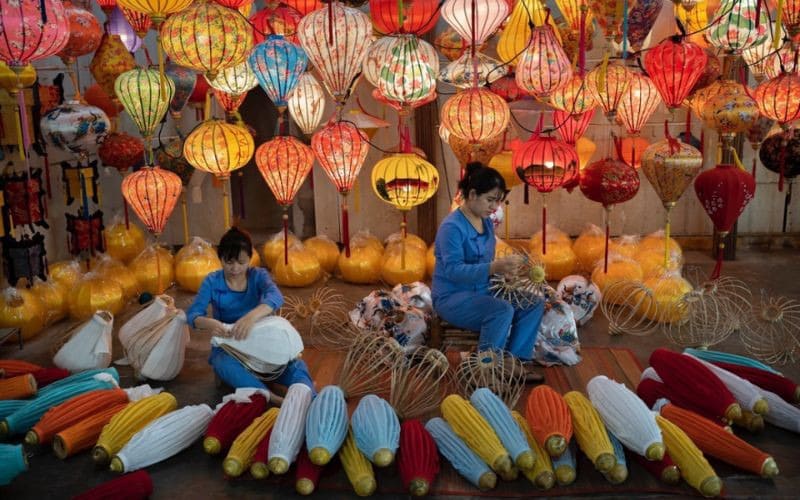
Hoi An lanterns brighten homes with Vietnamese charm (Source: Collected)
Water puppetry, or mua roi nuoc, is a traditional Vietnamese performance art that originated in the Red River Delta. Wooden puppets are controlled over water and used to tell stories about rural life, legends, festivals, dragons, farmers, and village culture.
Miniature water puppets make distinctive souvenirs for travelers interested in Vietnamese folk art. They are often carved from wood, painted in bright colors, and lacquered for protection. Common designs include farmers, buffalo boys, dragons, phoenixes, dancers, and traditional characters.
Good places to buy water puppets include gift shops near water puppet theaters in Hanoi and Ho Chi Minh City, craft shops, cultural souvenir stores, and some markets. These items are more fragile than they look, so proper packing is important.
Buying tips:
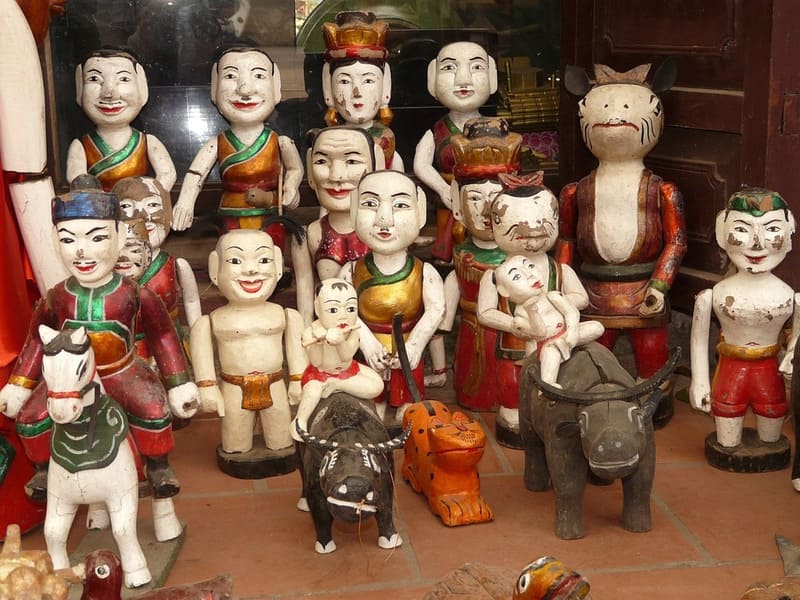
Water puppets reflect Vietnam’s traditional folk art (Source: Collected)
Bamboo and rattan products are practical, eco-friendly, and widely available in Vietnam. Local artisans turn these materials into baskets, trays, bowls, lamps, placemats, chopsticks, fans, bags, boxes, and decorative items. The natural texture suits both modern and traditional home decor.
These products are usually lightweight, but some can be bulky. Smaller items such as bamboo chopsticks, coasters, small baskets, or rattan bags are easier to carry home. Larger baskets and lamps may be better shipped from the shop if available.
Where to buy:
Buying tips:
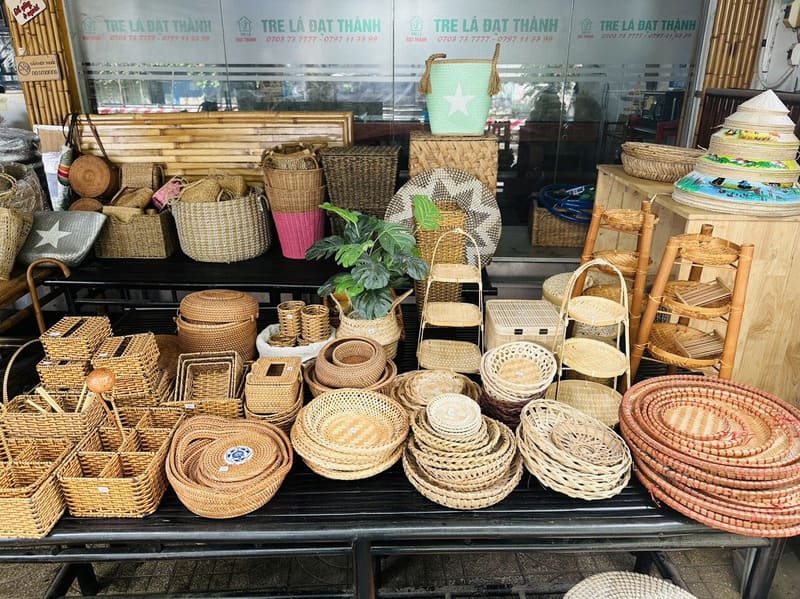
Bamboo and rattan crafts are light and practical souvenirs (Source: Collected)
Vietnamese art prints and paintings are meaningful souvenirs for travelers who want something more personal than mass-produced gifts. Common styles include silk paintings, lacquer paintings, watercolor prints, Dong Ho folk paintings, rice paper prints, calligraphy, oil paintings, and contemporary artwork.
Hanoi, Hoi An, and Ho Chi Minh City have many galleries and small studios where travelers can buy original art or printed works. Hoi An is especially good for small galleries, photography, watercolor prints, and decorative paintings. Hanoi offers traditional folk art, calligraphy, and silk paintings. Ho Chi Minh City has a wider range of contemporary galleries and modern design stores.
Buying tips:
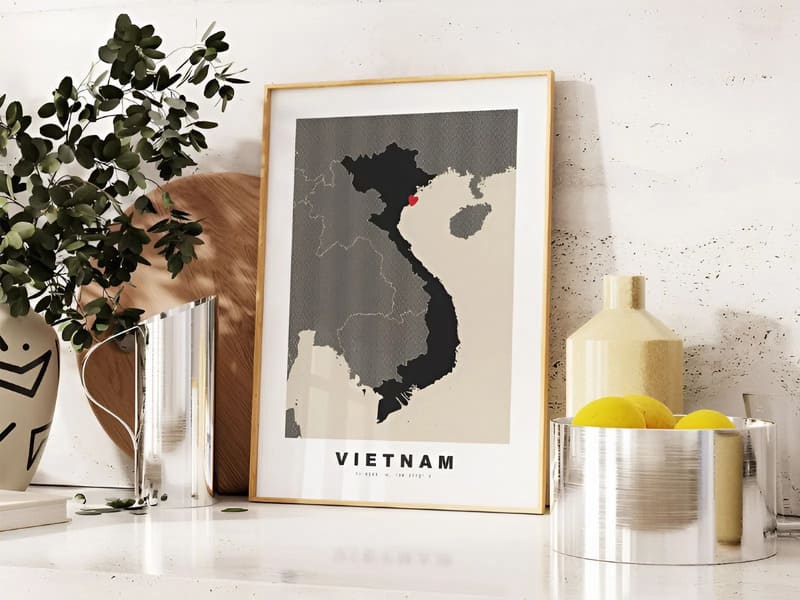
Vietnamese art prints make meaningful travel keepsakes (Source: Collected)
Vietnam has a long tradition of ceramics and pottery. Bat Trang Pottery Village near Hanoi is one of the most famous places to buy handmade ceramics, with products ranging from bowls, cups, plates, vases, tea sets, tiles, and decorative figurines to large statement pieces. Thanh Ha Pottery Village near Hoi An and Phuoc Tich Village near Hue are also known for ceramic traditions.
Ceramics are beautiful but fragile, so travelers should choose carefully based on luggage space and packing ability. Small cups, plates, chopstick rests, mini vases, and tea cups are easier to bring home than large vases or heavy sets.
Buying tips:
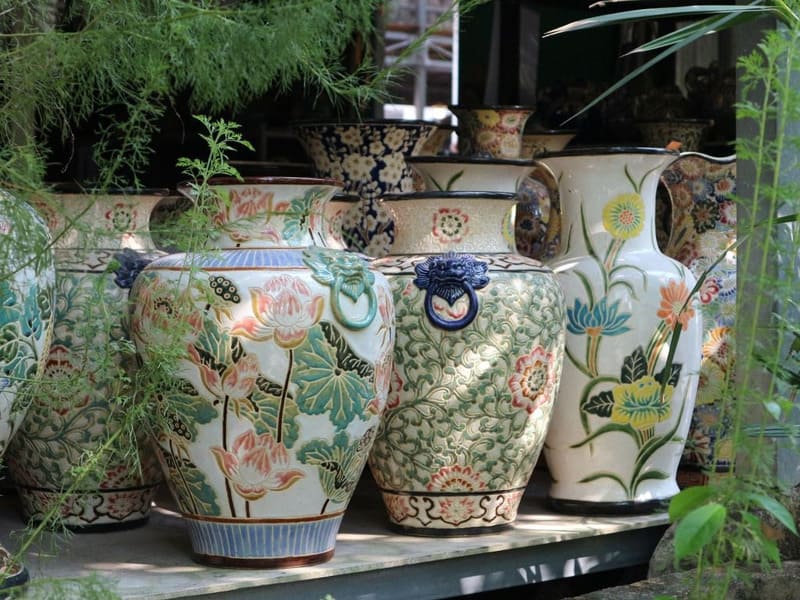
Handmade ceramics are popular gifts from Vietnam (Source: Collected)
Northern Vietnam is home to many ethnic minority communities, including Hmong, Dao, Tay, Thai, and Giay groups. Their textiles are known for bold colors, embroidery, batik patterns, indigo dye, hemp fabric, and symbolic motifs. These products are among the most culturally rich souvenirs in Vietnam.
Popular items include embroidered bags, scarves, cushion covers, wall hangings, jackets, skirts, table runners, wallets, and fabric panels. Sapa, Bac Ha, Ha Giang, Mai Chau, and local markets in mountainous areas are good places to find ethnic textiles. Hanoi also has shops that sell curated products from northern communities.
Buying tips:
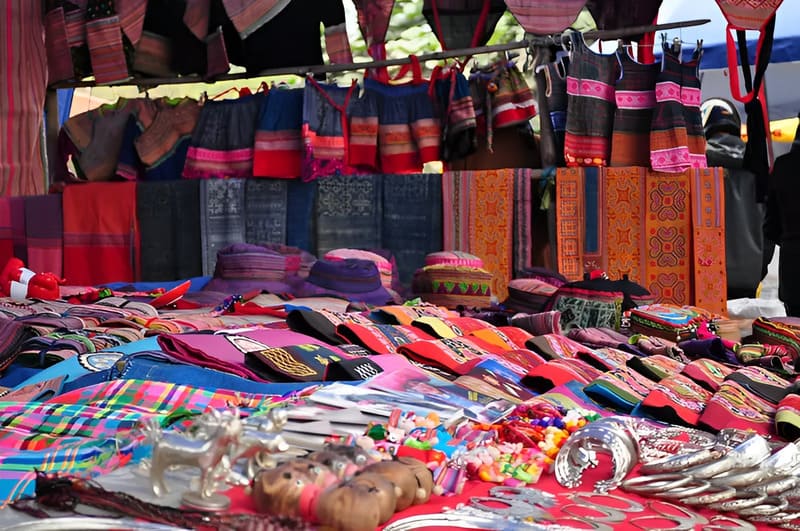
Ethnic textiles show the colors of northern Vietnam (Source: Collected)
Small handmade gifts are perfect for travelers with limited luggage space. Vietnamese calligraphy, 3D pop-up cards, postcards, bookmarks, handmade notebooks, paper crafts, keychains, magnets, embroidered pouches, and mini paintings are easy to carry and affordable.
Calligraphy, or thu phap, is often seen during Tet, Vietnam’s Lunar New Year. Artists write meaningful words such as happiness, peace, success, longevity, or luck on red paper, silk, or decorative scrolls. These pieces make thoughtful gifts if you understand the meaning behind the characters.
Vietnamese pop-up cards are also popular. They often feature bicycles, lotus flowers, lanterns, ao dai, temples, dragons, or famous landmarks. They are inexpensive, light, and easy to buy in bulk.
Buying tips:
Looking for more gift ideas? Explore our guide to the best Vietnam souvenirs to discover traditional handicrafts, local specialties, and unique keepsakes to bring home from your trip.
Hoi An is the most famous destination in Vietnam for tailor-made clothing. The town has hundreds of tailor shops offering custom suits, dresses, shirts, skirts, jumpsuits, ao dai, linen sets, and evening wear. Many shops can complete simple items within 24–48 hours, but better results usually require more time and at least one fitting.
Tailoring in Hoi An is popular because travelers can choose fabric, style, measurements, lining, buttons, length, collar, sleeves, and other details. However, quality varies widely. A good tailor will ask detailed questions, check measurements carefully, explain fabric options, and schedule fittings. Avoid ordering too many complicated items if you only have one day.
Tips for tailoring in Hoi An:
Hoi An is also good for custom leather bags and shoes, but the same rule applies: allow enough time, be realistic about design complexity, and check the finished product carefully.
If you're interested in custom-made outfits, check out our detailed guide to tailoring in Hoi An for tips on choosing a reputable shop, selecting fabrics, and getting the best results.
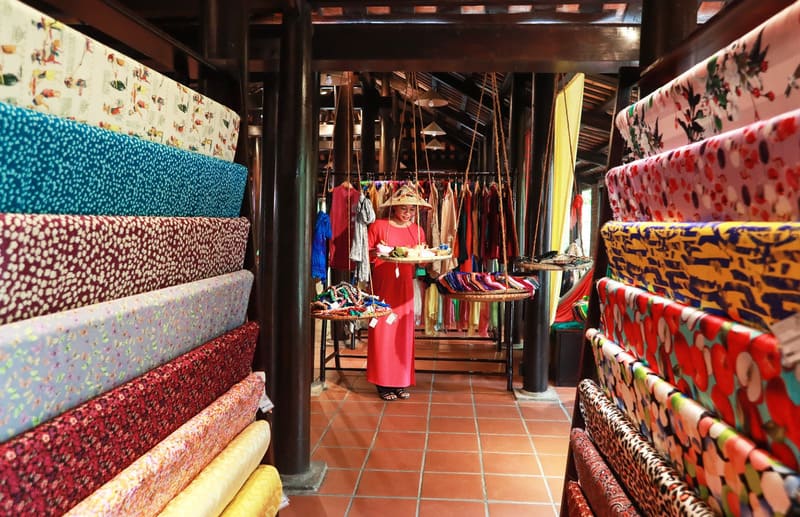
Hoi An is famous for tailor-made clothing (Source: Collected)
Vietnamese silk is a premium souvenir for travelers who like fashion, accessories, or home decor. Silk products include scarves, shawls, dresses, shirts, robes, pillowcases, ties, fabric by the meter, cushion covers, and wall art. Vietnamese silk is often associated with softness, shine, and elegant patterns.
Good places to buy silk include Hang Gai Street in Hanoi, Hoi An Silk Village, tailor shops in Hoi An, boutique stores in Ho Chi Minh City, and selected markets such as Ben Thanh and Dong Xuan. For higher quality, shop at established boutiques rather than random stalls selling very cheap “silk” products.
Buying tips:
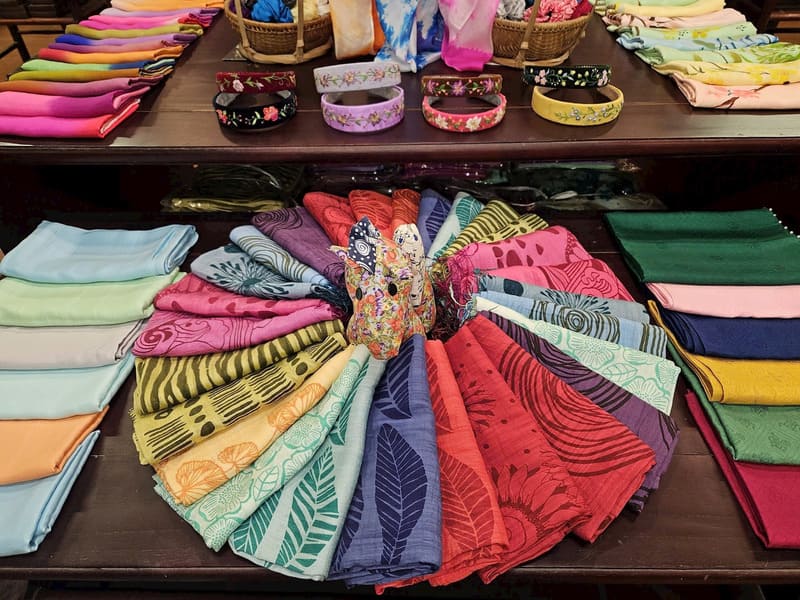
Vietnamese silk is a soft and elegant souvenir (Source: Collected)
The ao dai is Vietnam’s traditional dress and one of the most meaningful fashion items travelers can buy. It features a long tunic with side slits, usually worn over trousers. Modern versions come in many colors, fabrics, cuts, and patterns. Men’s ao dai is also available, often in more structured designs and darker tones.
Travelers can buy ready-to-wear ao dai in markets and boutiques or order a custom-made version from a tailor. Hoi An, Hanoi, Hue, and Ho Chi Minh City are good places for ao dai shopping. A custom ao dai is best if you want proper fit, better fabric, and personalized details.
Buying tips:
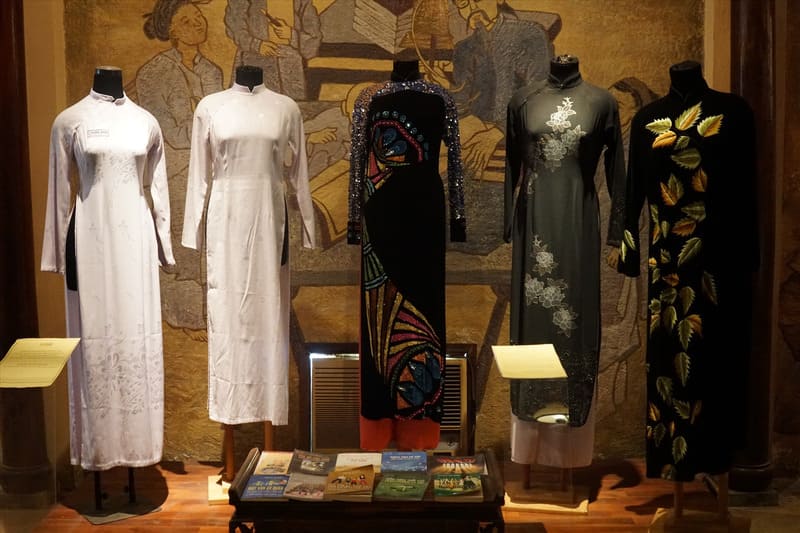
An ao dai is a meaningful traditional Vietnamese outfit (Source: Collected)
Vietnam has many shops selling leather bags, wallets, belts, sandals, shoes, and custom leather accessories. Hoi An is especially popular for custom leather goods, while Hanoi and Ho Chi Minh City have more modern boutiques and local accessory brands.
Leather shopping can be rewarding, but quality varies. Some products are genuine leather, some are bonded leather, and some are synthetic. If you want a long-lasting item, inspect the stitching, lining, zipper, hardware, leather smell, and edge finishing. Custom leather goods require clear design references and enough time for corrections.
Buying tips:
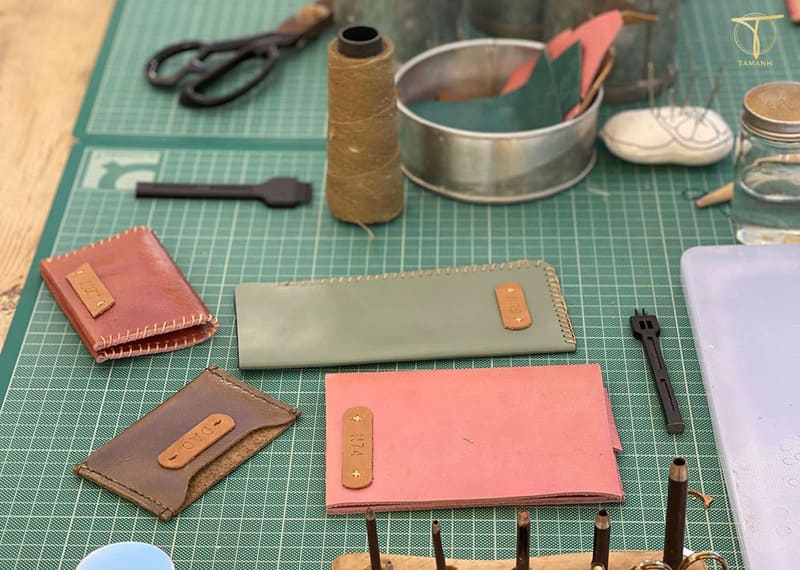
Leather goods are popular in Hoi An and big cities (Source: Collected)
Pearl jewelry is popular in coastal destinations such as Phu Quoc, Nha Trang, and Ha Long, where visitors may find pearl farms and jewelry stores. Products include pearl earrings, rings, bracelets, pendants, and necklaces. Prices vary widely depending on pearl quality, size, shape, color, and setting.
Silver accessories are common in Sapa, Hanoi’s Hang Bac Street, and artisan markets. Ethnic minority silver jewelry often has bold designs inspired by local traditions. Stone bracelets, lacquer bangles, handmade earrings, and engraved accessories are also easy to find.
Buying tips:
Vietnam’s fashion scene has grown quickly, especially in Hanoi and Ho Chi Minh City. Travelers can find local brands offering linen clothing, resort wear, silk pieces, minimalist fashion, handmade accessories, sustainable products, and contemporary Vietnamese designs. Hoi An also has many boutique stores selling silk, home goods, and artisan fashion.
Boutique shopping is usually more expensive than market shopping, but it offers better quality control, fixed prices, cleaner fitting rooms, and more distinctive designs. It is a good option for travelers who want stylish items without bargaining.
Good shopping areas include:
Buying tips:
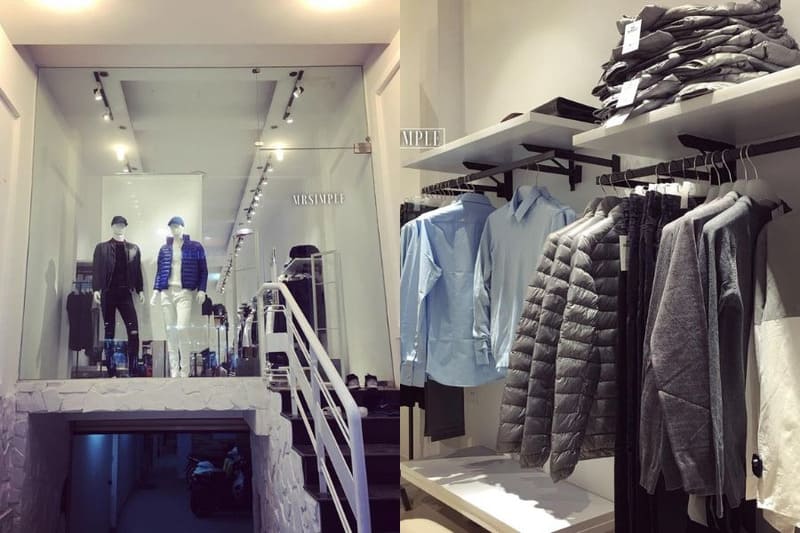
Local boutiques offer modern Vietnamese fashion finds (Source: Collected)
A few practical tips can help you shop confidently and avoid common mistakes while traveling in Vietnam.
Yes. Vietnam is affordable for coffee, tea, spices, snacks, conical hats, small handicrafts, and market souvenirs. Prices are higher in tourist areas and boutiques, but many items still offer good value.
Hanoi is good for silk, coffee, tea, lacquerware, and Old Quarter markets. Ho Chi Minh City is best for variety, malls, fashion, and Ben Thanh Market. Hoi An is ideal for tailoring, lanterns, leather goods, and artisan shops. Sapa is best for ethnic textiles.
Yes. Bargaining is common in markets and small souvenir shops. Start below the quoted price, negotiate politely, and avoid haggling too hard over handmade goods or very small amounts.
Yes, if you buy from official stores or reputable retailers. Avoid unknown market stalls for expensive devices, and always check warranty, plug type, return policy, and authenticity.
Cards are accepted in malls, hotels, restaurants, and many boutiques. Local markets, street vendors, and small shops usually prefer cash, so carry Vietnamese Dong in small notes.
Avoid wildlife products, animal parts, rare woods, counterfeit branded goods, illegal copies, and items restricted by customs. Be careful with snake wine, herbal medicine, fresh food, untreated wood, and very cheap “silk,” “silver,” or “pearls.”
Hoi An is best for tailoring and lanterns. Ho Chi Minh City is best for variety and modern shopping. Hanoi is strong for traditional crafts and silk. Da Nang is convenient for local markets, while Sapa is best for ethnic textiles.
Yes. Hoi An is one of Vietnam’s best shopping towns, especially for custom clothing, silk lanterns, leather goods, art, and handicrafts. Stay at least two nights if you plan to order tailor-made clothing.
Usually yes, if they are sealed, labeled, and commercially packed. Customs rules vary by country, so check before buying large quantities and avoid fresh herbs, seeds, meat products, or unlabeled food.
Shopping in Vietnam is a rewarding way to bring home the country’s flavors, crafts, and culture. Coffee, tea, silk, ao dai, lanterns, lacquerware, ceramics, ethnic textiles, spices, and local snacks are among the best items to buy.
For a smoother experience, combine markets, boutiques, craft villages, and malls. Bargain politely, carry cash, check product quality, keep receipts for valuable purchases, and review customs rules before packing food, liquids, wood, or unusual items.
2026-06-12



 Vietnam Tours
 Cambodia Tours
 Laos Tours
 Thailand Tours
 Multi-Country Tours