Shopping for souvenirs in Vietnam gives travelers an easy way to bring home the country’s flavors, colors, and craftsmanship. From Vietnamese coffee, Hoi An lanterns, silk scarves, and lacquerware to local snacks, spices, ceramics, and tailor-made clothing, there are plenty of meaningful gifts for every budget and travel style. This guide helps you choose the best Vietnam souvenirs, where to buy them, and what to check before packing them for your flight home.
| Souvenir | Best for | Where to buy |
|---|---|---|
| Vietnamese coffee and phin filter | Food lovers, easy gifts | Hanoi, Ho Chi Minh City, Da Lat, supermarkets |
| Hoi An lanterns | Home decoration | Hoi An Ancient Town, Hoi An Night Market |
| Vietnamese silk | Scarves, clothing, premium gifts | Hanoi, Hoi An, Ho Chi Minh City |
| Áo Dài | Cultural fashion souvenir | Hoi An, Hanoi, Ho Chi Minh City |
| Nón Lá | Iconic Vietnamese souvenir | Local markets, Hue, Hoi An, Hanoi |
| Lacquerware | Home decor, elegant gifts | Hanoi, Ho Chi Minh City, Hoi An |
| Bat Trang ceramics | Tableware, decorative pieces | Bat Trang Village, Hanoi shops |
| Tribal textiles | Handmade ethnic crafts | Sapa, Ha Giang, Northern Vietnam |
| Phu Quoc pepper | Food souvenirs | Phu Quoc, supermarkets, specialty stores |
| Vietnamese fish sauce | Cooking ingredient | Phu Quoc, Phan Thiet, supermarkets |
| Dried fruits and local snacks | Affordable gifts | Markets, supermarkets, specialty food shops |
| Vietnamese chocolate | Premium sweet treats | Ho Chi Minh City, Hanoi, Da Nang |
| Bamboo and rattan products | Eco-friendly homeware | Craft shops, local markets |
| Dong Ho paintings | Folk art souvenir | Hanoi, Dong Ho Village, art shops |
| Tailor-made clothing | Practical fashion | Hoi An, Hanoi, Ho Chi Minh City |
For first-time visitors, the most practical souvenirs are Vietnamese coffee, phin filters, tea, spices, dried snacks, silk scarves, small lacquerware, foldable lanterns, and locally made chocolate. These are easy to pack, widely available, and suitable for many types of travelers.
Vietnamese coffee is one of the most popular souvenirs from Vietnam because it is affordable, easy to pack, and strongly connected to daily life. Vietnam is especially known for Robusta coffee, which has a bold, strong, slightly bitter flavor and works very well with condensed milk.
A classic Vietnamese coffee gift set can include:
Popular types of Vietnamese coffee include Robusta beans, Arabica from Da Lat and Lam Dong, blended coffee, instant 3-in-1 coffee, and specialty coffee from local roasters. Trung Nguyen, Highlands Coffee, G7, La Viet Coffee and many independent roasters are commonly found in Vietnam.
A phin filter is a small metal drip filter used to make traditional Vietnamese coffee. It is lightweight, cheap, and easy to carry, making it one of the best small souvenirs from Vietnam. You can buy a basic phin for around 30,000 to 100,000 VND, while packaged coffee usually starts from around 100,000 to 300,000 VND depending on the brand, roast, and weight.
Where to buy: supermarkets, coffee shops, specialty roasters, local markets, Da Lat coffee shops, Hanoi Old Quarter, Ho Chi Minh City.
Buying tips:
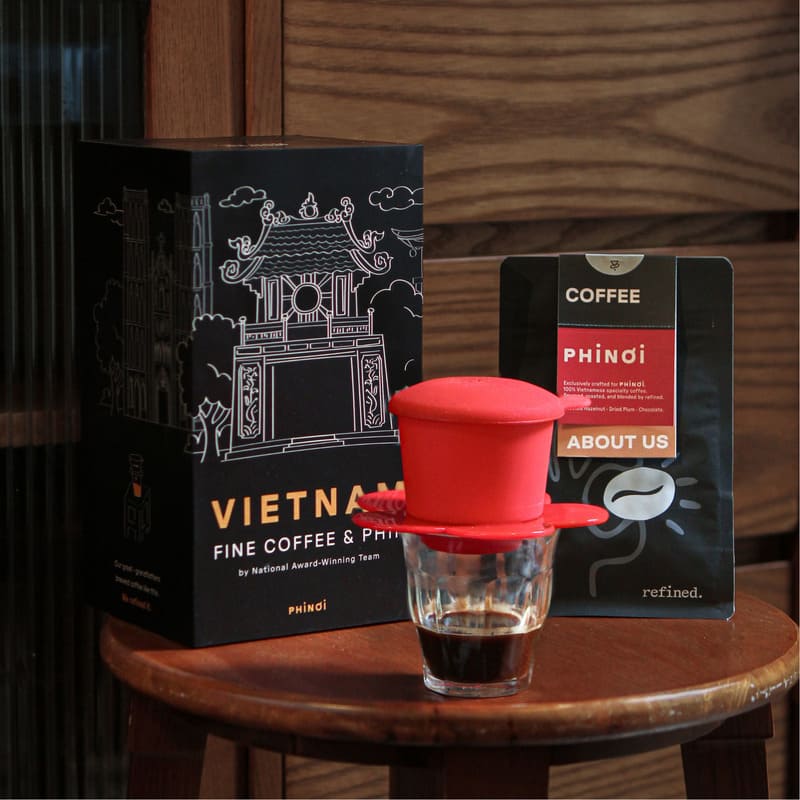
Vietnamese coffee is a classic gift from Vietnam (Source: Collected)
Vietnamese tea is a meaningful souvenir for travelers who enjoy calm, traditional gifts. Tea has a long history in Vietnam and is often served during family gatherings, festivals, business meetings, and temple visits.
Popular Vietnamese teas and herbal products include:
Lotus tea is one of the most elegant tea souvenirs from Vietnam. Premium lotus tea is traditionally scented with lotus flowers, giving it a delicate floral aroma. It is especially associated with Hanoi and makes a refined gift.
Artichoke tea from Da Lat is also popular, especially for travelers looking for a light, herbal drink. It is commonly sold in tea bags, boxes, or dried form.
Where to buy: Hanoi specialty tea shops, Thai Nguyen tea stores, Da Lat markets, supermarkets, Ben Thanh Market, Dong Xuan Market.
Buying tips:
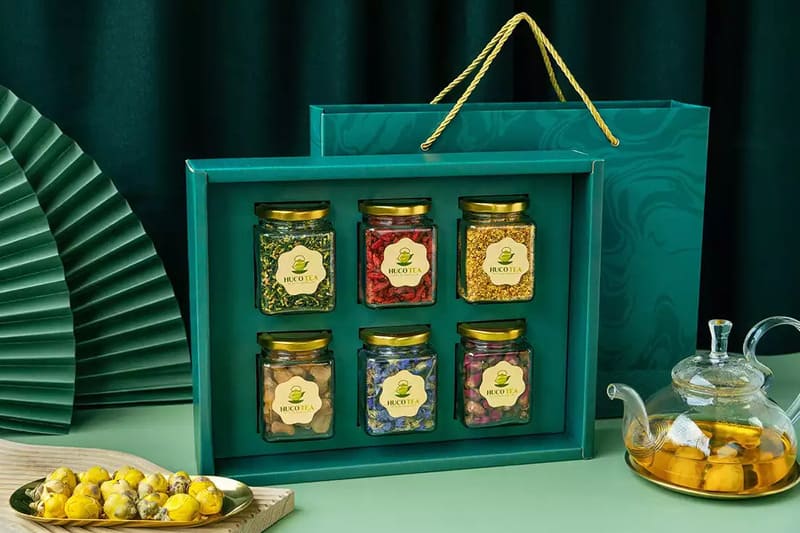
Vietnamese tea makes a calm and thoughtful souvenir (Source: Collected)
Áo Dài is one of the most iconic traditional souvenirs from Vietnam. It is a long tunic worn over trousers and is often associated with elegance, femininity, school uniforms, weddings, Tet holiday, and formal occasions.
Visitors can buy ready-made Áo Dài or have one custom-made. Hoi An is one of the most popular places for tailoring, but Hanoi and Ho Chi Minh City also have many boutiques and tailor shops.
Common types of Áo Dài include:
Ready-made Áo Dài can start from around 500,000 VND, while custom-made versions can range from about 1,200,000 VND to several million VND depending on fabric, tailoring quality, embroidery, and design complexity.
Where to buy: Hoi An tailor shops, Hanoi boutiques, Ho Chi Minh City fashion stores, local markets for budget options.
Buying tips:
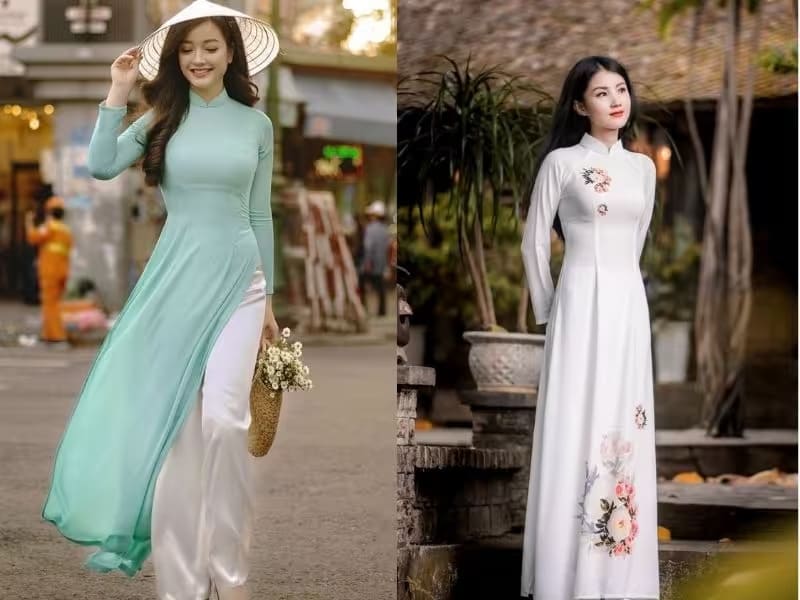
Áo Dài is one of Vietnam’s most elegant souvenirs (Source: Collected)
Nón Lá, the Vietnamese conical hat, is one of the most recognizable symbols of Vietnam. It is traditionally made from palm leaves and bamboo and is used to protect people from sun and rain.
You will see Nón Lá in markets, rice fields, fishing villages, street food stalls, and cultural performances. It is both practical and symbolic, making it one of the best cheap souvenirs to buy in Vietnam.
There are different types of Nón Lá:
Prices can be very affordable, often from around 30,000 to 100,000 VND for simple versions. Decorative or handmade pieces may cost more.
Where to buy: Hue, Hoi An, Hanoi Old Quarter, local markets, souvenir shops, craft villages.
Buying tips:
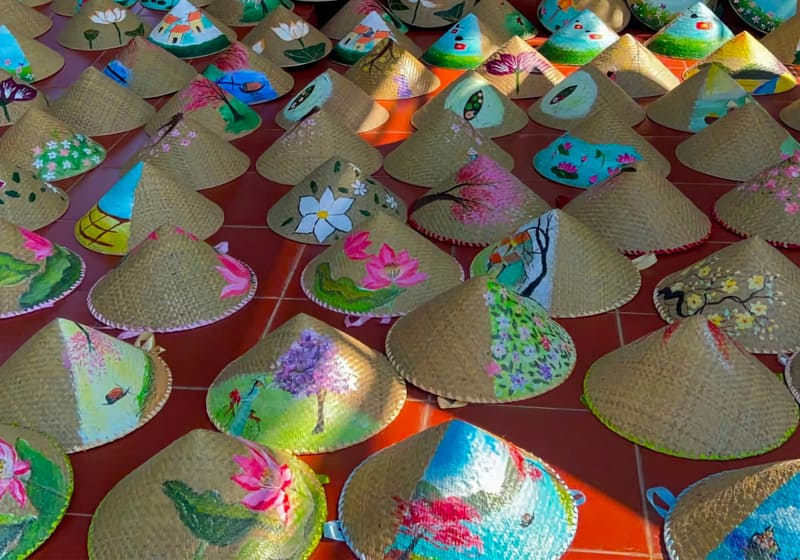
Nón Lá is a timeless symbol of Vietnamese culture (Source: Collected)
Vietnamese silk products are elegant, lightweight, and easy to bring home. Silk has long been used in clothing, scarves, home decor, paintings, and traditional costumes in Vietnam.
Popular silk souvenirs include:
Hanoi’s Hang Gai Street, often called Silk Street, is one of the best-known places to buy silk products. Hoi An is also popular for silk tailoring and silk accessories. Van Phuc Silk Village near Hanoi is another important silk craft destination.
Prices vary depending on quality. A simple silk scarf may start from around 150,000 VND, while higher-quality silk items and tailored clothing can cost much more.
Where to buy: Hang Gai Street in Hanoi, Van Phuc Silk Village, Hoi An Silk Village, boutique stores, tailor shops.
Buying tips:
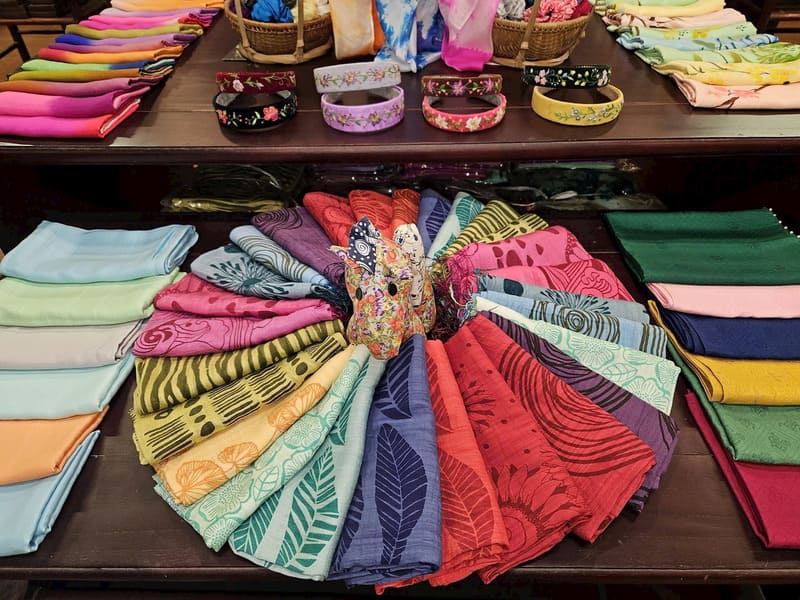
Vietnamese silk is light, elegant, and easy to pack (Source: Collected)
Tribal textiles from Northern Vietnam are among the most meaningful handmade souvenirs in the country. These textiles are often made by ethnic minority communities such as the Hmong, Dao, Tay and Thai in mountainous regions.
Common textile souvenirs include:
Sapa, Ha Giang, Mai Chau and Bac Ha are popular places to find these products. Many patterns reflect local identity, family tradition, nature, and ethnic symbolism.
Where to buy: Sapa Market, Bac Ha Market, Ha Giang villages, Mai Chau, fair-trade shops in Hanoi.
Buying tips:
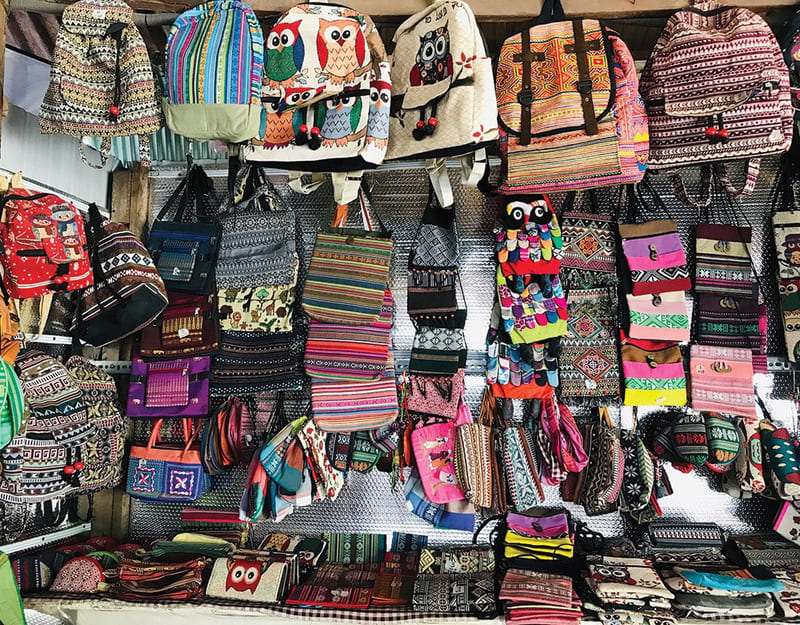
Handmade textiles reflect Northern Vietnam’s culture (Source: Collected)
Vietnamese embroidery is known for its delicate detail, soft colors, and scenes inspired by flowers, landscapes, animals, rural life, and traditional culture. Embroidered products are excellent souvenirs because they are light, beautiful, and suitable for both personal use and home decoration.
Popular embroidered souvenirs include:
Quilted products, especially from social enterprises and community-based workshops, are also worth considering. These can include bed quilts, quilted jackets, bags, and home accessories. They are often handmade and support local communities, especially women in rural areas.
Where to buy: Hanoi, Hoi An, Sapa, Da Lat, craft shops, fair-trade stores.
Buying tips:
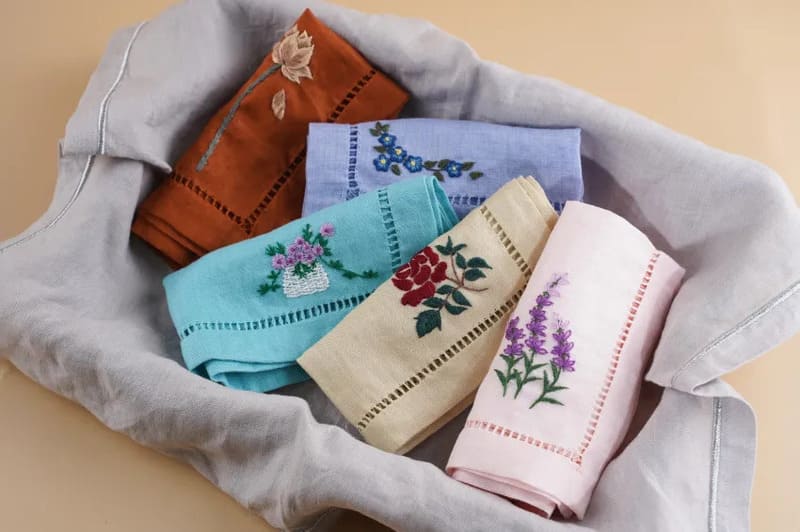
Vietnamese embroidery adds charm to home gifts (Source: Collected)
Vietnamese lacquerware is one of the country’s most refined handicrafts. It is made by applying multiple layers of lacquer, polishing the surface, and adding decorative details such as eggshell, mother-of-pearl, gold leaf, or hand-painted motifs.
Popular lacquerware souvenirs include:
Good lacquerware feels smooth, solid, and carefully finished. Designs often feature lotus flowers, bamboo, village scenes, birds, landscapes, and abstract patterns.
Small lacquerware items can start from around 100,000 to 300,000 VND, while larger or more detailed pieces can cost over 1,000,000 VND.
Where to buy: Hanoi Old Quarter, Ho Chi Minh City, Hoi An galleries, craft shops, artisan workshops.
Buying tips:
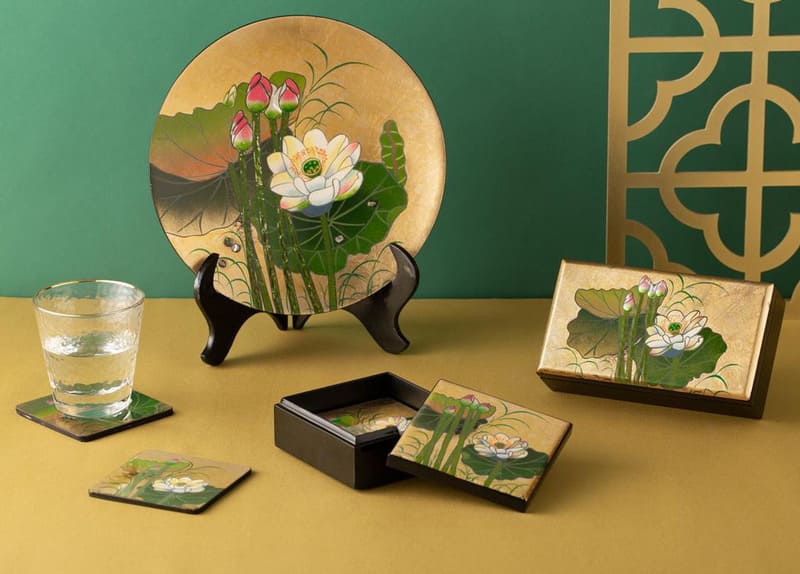
Lacquerware shows Vietnam’s refined craftsmanship (Source: Collected)
Hoi An lanterns are among the most famous souvenirs in Vietnam. These colorful lanterns are closely associated with Hoi An Ancient Town, where lantern-lit streets create one of the most memorable night scenes in the country.
Traditional Hoi An lanterns are made from bamboo frames and silk or fabric covers. They come in many shapes, including round, diamond, garlic-shaped, and lotus-style designs.
Hoi An lanterns are popular because they are:
Prices can start from around 30,000 VND for small lanterns and increase depending on size, fabric, and design.
Where to buy: Hoi An Night Market, Tran Phu Street, Nguyen Thai Hoc Street, lantern workshops, Hoi An craft classes.
Buying tips:
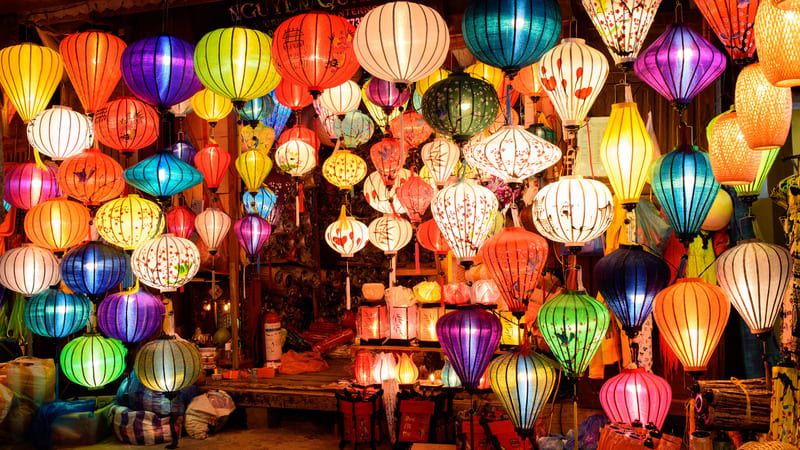
Hoi An lanterns bring color from the ancient town (Source: Collected)
Vietnam has a long pottery tradition, and ceramics are excellent souvenirs for travelers who appreciate handmade homeware. Bat Trang Ceramic Village near Hanoi is the most famous ceramic destination in Vietnam, known for bowls, plates, teapots, vases, cups, tiles, and decorative items.
Other pottery destinations include Thanh Ha Pottery Village in Hoi An and Phuoc Tich Village near Hue.
Popular ceramic souvenirs include:
Small ceramic items can be very affordable, while large vases or hand-painted sets can be expensive.
Where to buy: Bat Trang Village, Hanoi shops, Hoi An, Hue, local markets, art galleries.
Buying tips:

Vietnamese ceramics make beautiful handmade gifts (Source: Collected)
Bamboo and rattan products are practical, eco-friendly, and strongly connected to Vietnamese daily life. Bamboo is widely used in Vietnam for household tools, baskets, chopsticks, furniture, decorations, and kitchenware.
Popular bamboo and rattan souvenirs include:
These products are usually lightweight and affordable, making them useful souvenirs for travelers who prefer natural materials.
Where to buy: local markets, craft villages, Hoi An shops, Hanoi boutiques, Ho Chi Minh City markets.
Buying tips:
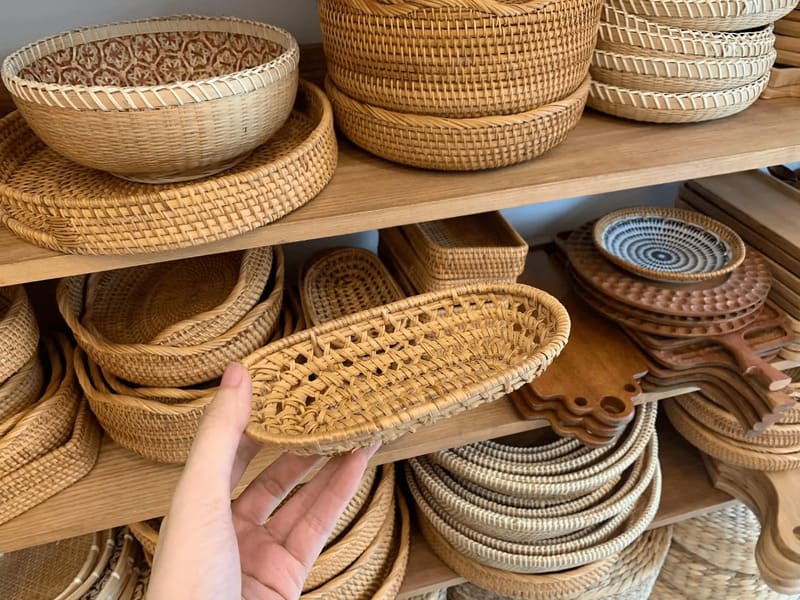
Bamboo and rattan gifts are simple and eco-friendly (Source: Collected)
Water puppetry is a traditional Vietnamese performance art that originated in the Red River Delta. Miniature water puppets, masks, and folk toys make interesting souvenirs for travelers who enjoy cultural items with storytelling value.
Popular items include:
These souvenirs are colorful, playful, and closely connected to Vietnamese folklore and village festivals.
Where to buy: Thang Long Water Puppet Theatre gift shop in Hanoi, Hanoi Old Quarter, Hoi An craft shops, museum stores.
Buying tips:
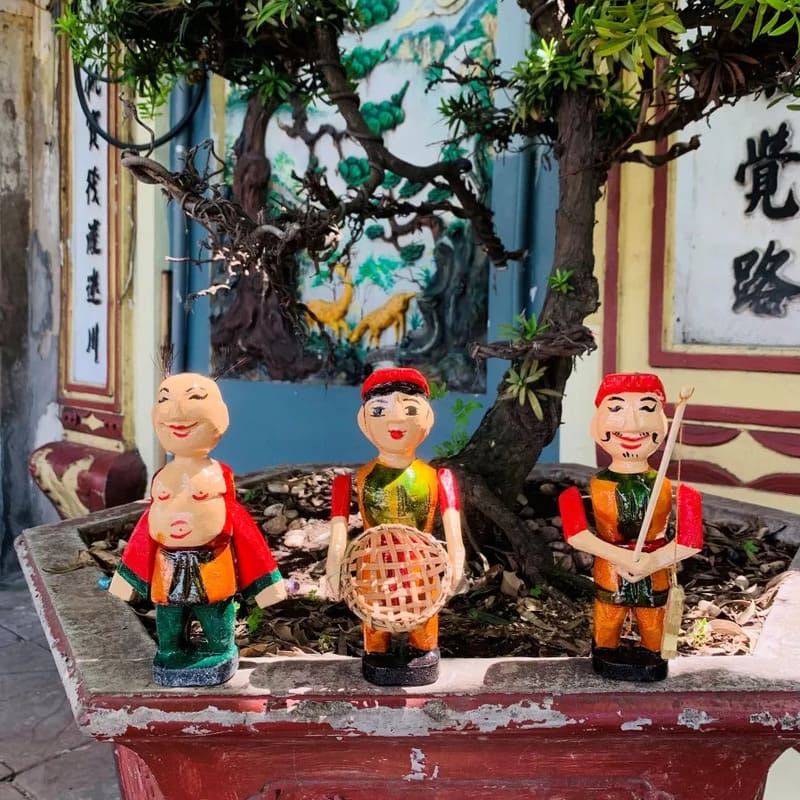
Folk toys capture Vietnam’s playful traditions (Source: Collected)
Vietnamese art prints are meaningful souvenirs for travelers who want something cultural but easy to pack. Dong Ho paintings are traditional folk woodblock prints from Dong Ho Village in Bac Ninh. They often depict village life, animals, folk tales, good luck symbols, and traditional values.
Dó paper is a handmade paper traditionally used for folk paintings and calligraphy. It has a natural texture and is valued for its durability.
Popular art souvenirs include:
Where to buy: Hanoi Old Quarter, Temple of Literature area, Dong Ho Village, art galleries, museum shops, Hoi An art stores.
Buying tips:
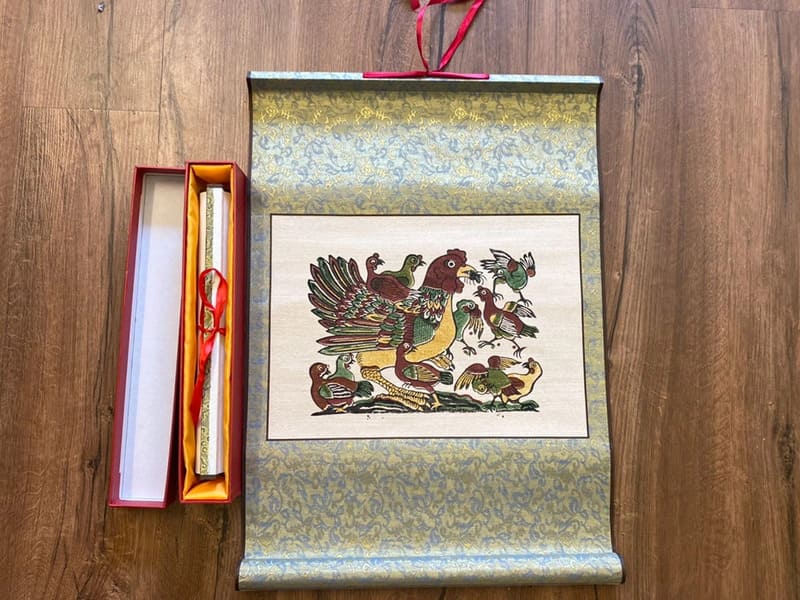
Dong Ho paintings tell stories of Vietnamese folk life (Source: Collected)
Vietnamese spices and seasonings are excellent souvenirs for food lovers. They are light, affordable, easy to pack, and useful for recreating Vietnamese flavors at home.
Popular spices and seasonings include:
Phu Quoc pepper is especially famous for its aroma and strong flavor. Star anise and cinnamon are also important in Vietnamese cooking, especially for pho broth.
Where to buy: Phu Quoc pepper farms, supermarkets, Ben Thanh Market, Dong Xuan Market, spice shops, local food stores.
Buying tips:
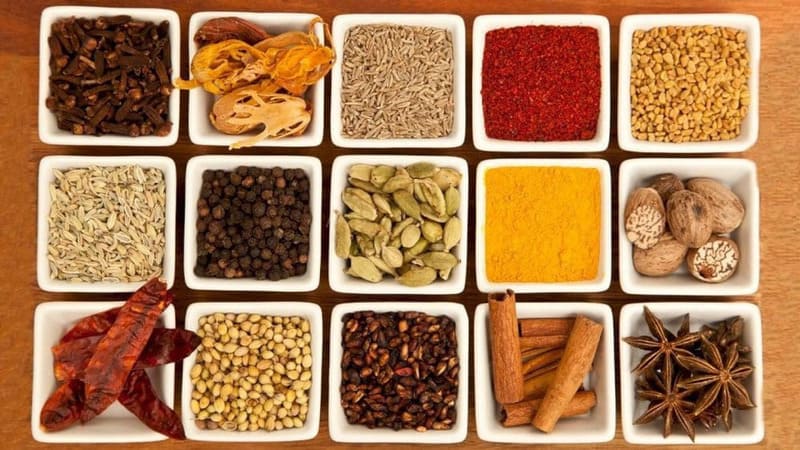
Vietnamese spices bring local flavors home (Source: Collected)
Vietnamese fish sauce, or nước mắm, is one of the most important ingredients in Vietnamese cuisine. It is made from fermented fish and salt and is used in dipping sauces, marinades, soups, stir-fries, and many traditional dishes.
The most famous fish sauce regions include Phu Quoc, Phan Thiet, and Nha Trang. Phu Quoc fish sauce is especially well known for its rich flavor and amber color.
When buying fish sauce, look for:
A small bottle is easier to pack than a large one. Some travelers avoid bringing fish sauce because it can leak or may be restricted by airlines or customs.
Where to buy: Phu Quoc, supermarkets, specialty food stores, local markets.
Buying tips:
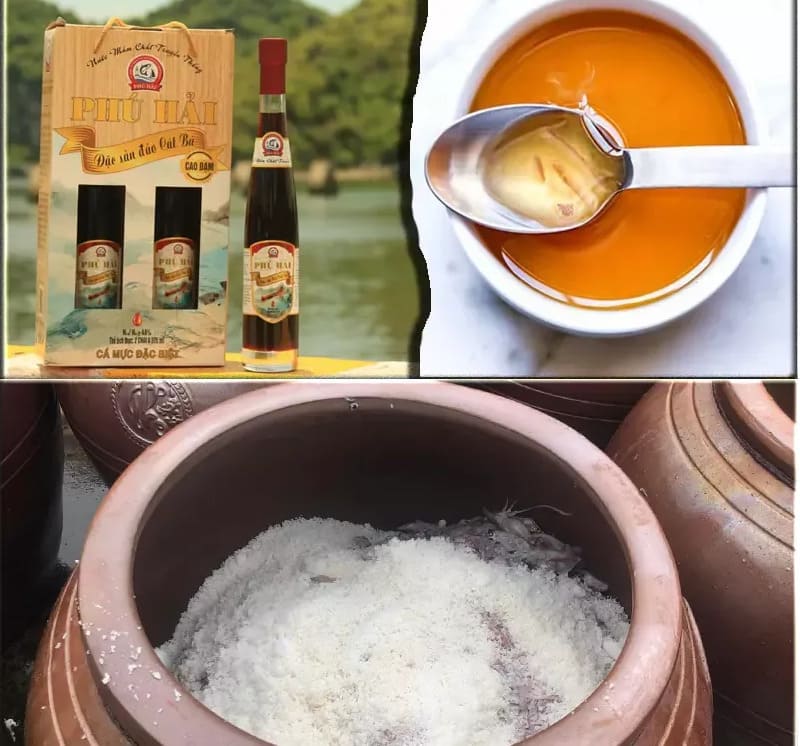
Fish sauce is a bold taste of Vietnamese cuisine (Source: Collected)
Dried fruits and local snacks are among the easiest Vietnam souvenirs to buy. They are affordable, widely available, and suitable for friends, coworkers, and family gifts.
Popular choices include:
O Mai is especially popular in Hanoi. It is made from preserved fruits such as apricot, plum, kumquat, peach, or tamarind, often mixed with sugar, salt, chili, and ginger.
Where to buy: Hanoi specialty shops, Ben Thanh Market, Dong Xuan Market, supermarkets, airport shops, Mekong Delta stores.
Buying tips:
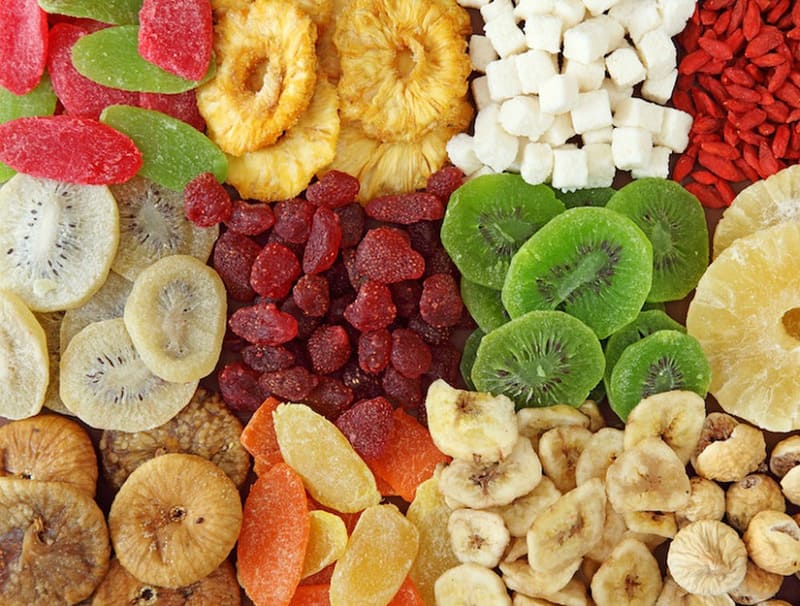
Local snacks are easy gifts for friends and family (Source: Collected)
Vietnamese chocolate has become a popular modern souvenir thanks to the growth of local cacao production and bean-to-bar chocolate brands. Vietnam-grown cacao is used to make high-quality chocolate with unique regional flavors.
Popular sweet souvenirs include:
Marou Chocolate is one of the best-known Vietnamese chocolate brands, but travelers can also find other local chocolate makers in Ho Chi Minh City, Hanoi, Da Nang, and tourist destinations.
Where to buy: chocolate boutiques, supermarkets, airport shops, Ho Chi Minh City, Hanoi, Da Nang.
Buying tips:
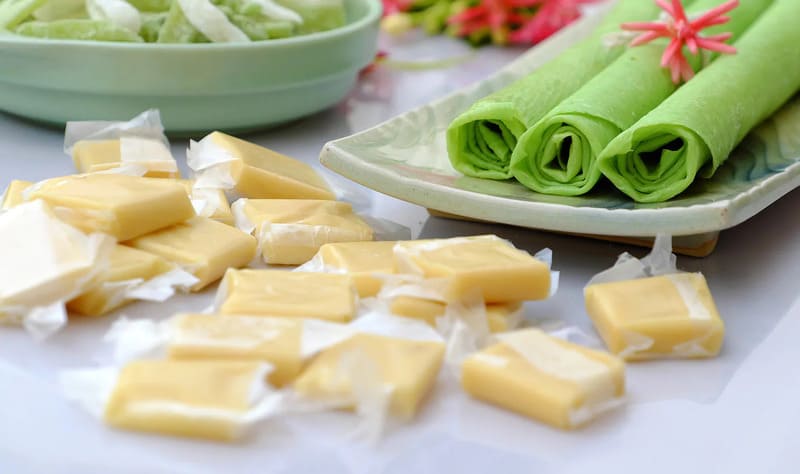
Coconut candy is a sweet taste of southern Vietnam (Source: Collected)
Rice paper and cooking ingredients are useful souvenirs for travelers who want to recreate Vietnamese dishes at home. Rice paper is commonly used for fresh spring rolls and fried spring rolls.
Popular cooking souvenirs include:
Rice paper is lightweight and has a long shelf life when stored properly. It also pairs well with a small recipe card as a thoughtful food gift.
Where to buy: supermarkets, local markets, specialty food shops, Mekong Delta, Ho Chi Minh City.
Buying tips:
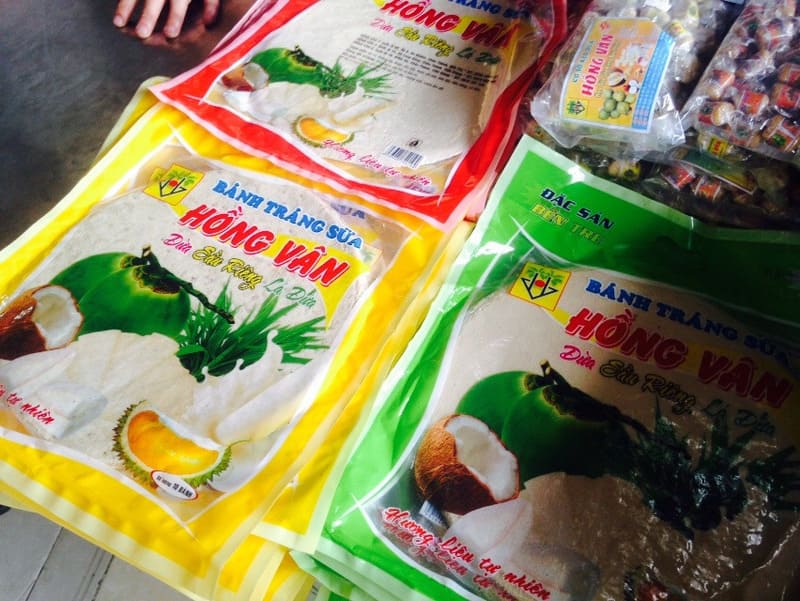
Vietnamese rice paper is easy to pack and bring home (Source: Collected)
Hoi An is widely known as Vietnam’s tailoring capital. Travelers can have suits, dresses, shirts, jackets, skirts, trousers, and Áo Dài made within 24 to 48 hours, depending on the shop and design complexity.
Tailor-made clothing is one of the most practical souvenirs from Vietnam because it is customized, wearable, and often more affordable than in many Western countries.
Popular tailor-made items include:
Where to buy: Hoi An tailor shops, Hanoi tailors, Ho Chi Minh City boutiques.
Buying tips:
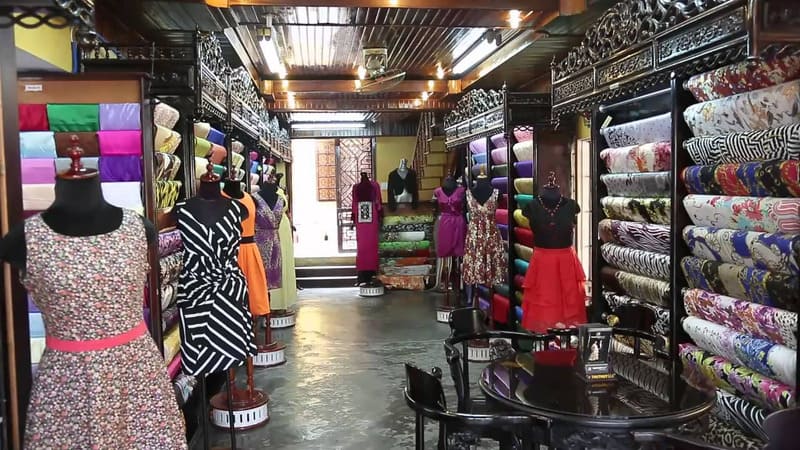
Tailor-made clothes are a practical Vietnam souvenir (Source: Collected)
Handmade leather goods are popular in Vietnam, especially in big cities and tourist towns. You can find wallets, belts, bags, sandals, passport holders, and custom leather accessories.
Popular leather souvenirs include:
Hoi An is especially popular for custom leather sandals and bags. Hanoi and Ho Chi Minh City have more boutique-style leather stores.
Where to buy: Hoi An, Hanoi Old Quarter, Ho Chi Minh City, craft boutiques, local markets.
Buying tips:
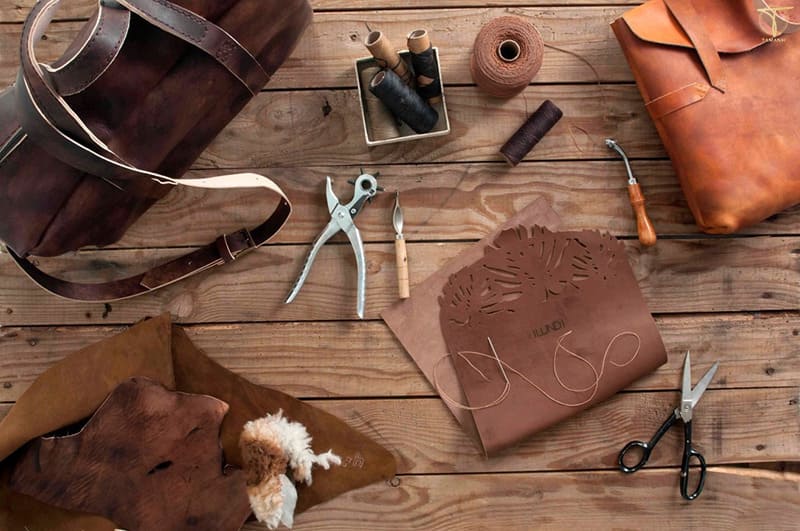
Handmade leather goods are stylish and useful gifts (Source: Collected)
Vietnamese jewelry and handmade accessories are small, easy to pack, and suitable for personal gifts. They range from simple costume jewelry to silverwork, gemstone bracelets, lacquer earrings, and ethnic minority accessories.
Popular choices include:
Hang Bac Street in Hanoi is historically associated with silver. Sapa and Northern Vietnam are good places to find ethnic-style jewelry, while Hoi An and Ho Chi Minh City have many modern handmade accessory boutiques.
Where to buy: Hanoi, Sapa, Hoi An, Ho Chi Minh City, artisan markets.
Buying tips:
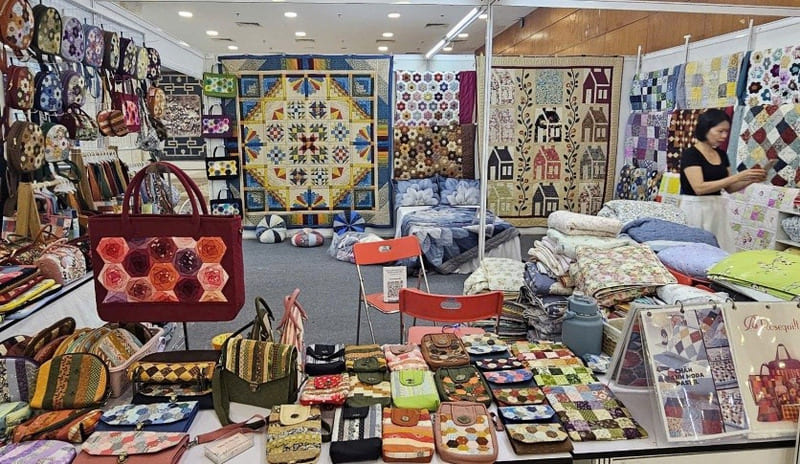
Small accessories make easy Vietnam travel gifts (Source: Collected)
Hand fans and small decorative accessories are affordable Vietnam souvenirs that are easy to pack and suitable for many recipients. They are especially useful if you need multiple gifts without taking up much luggage space.
Popular small accessories include:
These souvenirs may not be as premium as silk or lacquerware, but they are practical for casual gifts.
Where to buy: souvenir shops, night markets, Hoi An, Hanoi Old Quarter, Ho Chi Minh City, airport shops.
Buying tips:
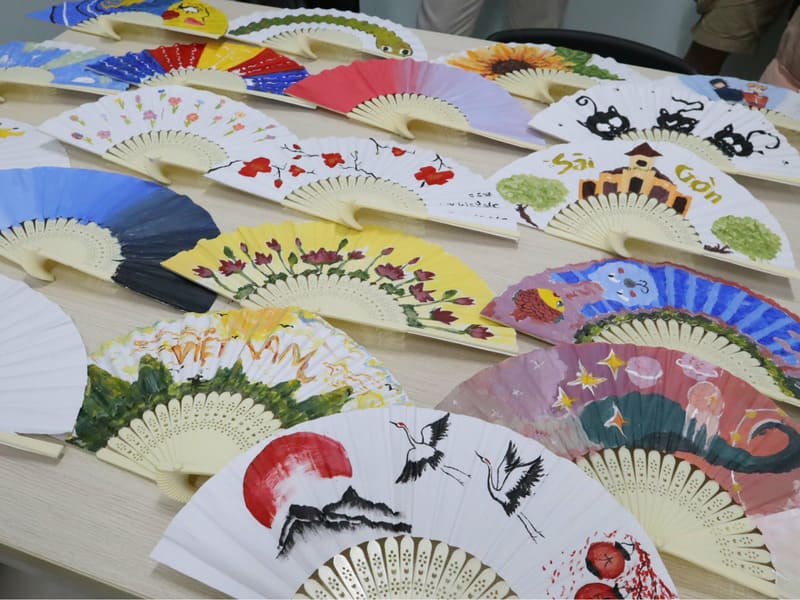
Hand fans are light, affordable, and easy to pack (Source: Collected)
Hanoi is one of the best places to buy traditional Vietnamese souvenirs because it has old craft streets, markets, boutique shops, art stores, and nearby craft villages.
Best souvenirs to buy in Hanoi:
Good shopping areas in Hanoi include Hanoi Old Quarter, Dong Xuan Market, Hang Gai Street, Hang Bac Street, Trang Tien area, Temple of Literature surroundings, and Bat Trang Ceramic Village.
Hanoi is especially strong for cultural souvenirs, traditional art, silk, tea, and craft-based products.
Hoi An is one of the best shopping destinations in Vietnam, especially for lanterns, tailoring, silk, leather goods, and handmade crafts.
Best souvenirs to buy in Hoi An:
Hoi An Night Market is good for lanterns and casual souvenirs, while tailor shops and boutiques around the Ancient Town are better for clothing, silk, and leather goods. Thanh Ha Pottery Village is a good side trip for ceramics.
Hoi An is ideal if you want souvenirs with strong visual appeal and a personal travel memory.
Ho Chi Minh City is a good place for modern souvenirs, food products, coffee, chocolate, fashion, and shopping in both local markets and upscale boutiques.
Best souvenirs to buy in Ho Chi Minh City:
Popular shopping areas include Ben Thanh Market, Binh Tay Market, Dong Khoi Street, Saigon Square, local boutiques, specialty food shops, and shopping malls.
Ho Chi Minh City is especially convenient for last-minute shopping because it has many supermarkets, premium boutiques, and airport gift shops.
Sapa and Northern Vietnam are best for ethnic minority textiles, handmade embroidery, silver jewelry, and mountain specialties.
Best souvenirs to buy in Sapa and Northern Vietnam:
Sapa Market, Bac Ha Market, ethnic villages, Ha Giang, Mai Chau, and community-based craft shops are good places to buy these items.
The best souvenirs from this region are handmade and culturally distinctive. When buying directly from artisans, bargain respectfully and remember that handmade textiles take time and skill.
Phu Quoc is famous for food souvenirs, especially pepper and fish sauce. It is also known for pearls, seafood products, and island-style gifts.
Best souvenirs to buy in Phu Quoc:
Phu Quoc pepper farms and fish sauce factories are good places to learn about local production and buy directly from producers. Supermarkets and specialty stores also sell packaged products.
Before buying fish sauce or alcohol, check airline and customs rules carefully.
Da Lat and the Central Highlands are excellent places to buy coffee, tea, dried fruits, jams, flowers, and agricultural products.
Best souvenirs to buy in Da Lat and Central Highlands:
Da Lat Market, coffee farms, tea shops, local specialty stores, and supermarkets are good places to buy these products.
This region is especially suitable for travelers who want food souvenirs and agricultural products with strong local identity.
Local markets are some of the best places to buy affordable Vietnam souvenirs. They offer a wide range of products, from coffee and spices to clothing, snacks, handicrafts, and small gifts.
Popular markets include:
Markets are good for variety and price comparison, but quality can vary. Bargaining is common in tourist markets, especially for clothing, accessories, and handicrafts.
Market shopping tips:
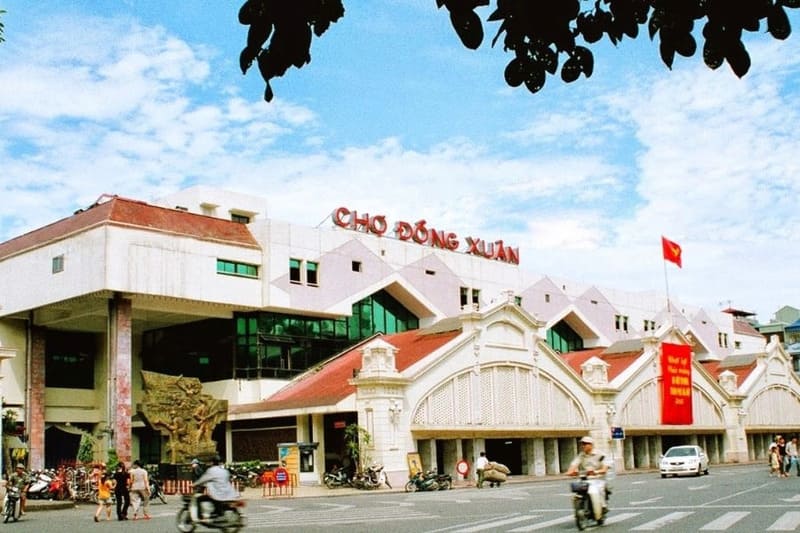
Dong Xuan Market is a lively stop for Hanoi souvenirs (Source: Collected)
Craft villages and workshops are ideal if you want authentic souvenirs with cultural depth. They also give you a chance to see how products are made.
Popular craft destinations include:
Buying from craft villages often supports local artisans more directly than buying from tourist souvenir stalls. It also gives you a stronger story behind the item.
Craft shopping tips:
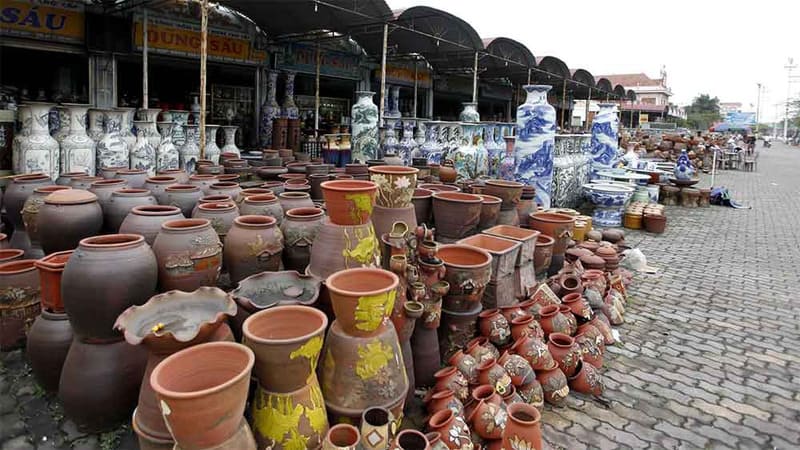
Bat Trang is famous for handmade Vietnamese ceramics (Source: Collected)
Supermarkets and specialty stores are best for packaged food souvenirs. They are clean, convenient, and usually have fixed prices.
Good items to buy from supermarkets include:
Specialty stores are better for premium coffee, tea, chocolate, fish sauce, pepper, and gift boxes.
Supermarket shopping tips:
Boutiques and fair-trade shops are good choices if you want higher-quality, more ethical, or more design-focused souvenirs. Prices are usually higher than markets, but the products are often better curated.
Good items to buy from boutiques and fair-trade shops include:
These shops are suitable for travelers who want meaningful souvenirs and prefer not to bargain.
Boutique shopping tips:
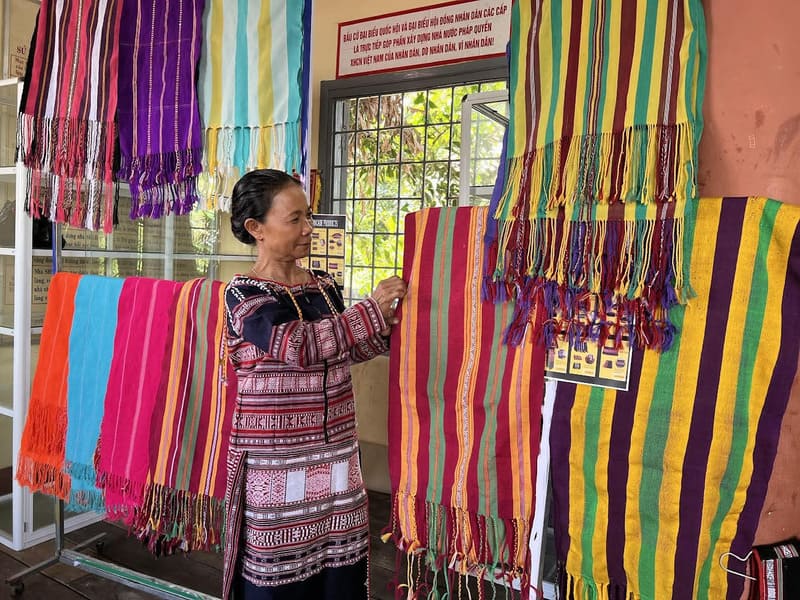
Fair-trade shops are ideal for meaningful handmade gifts (Source: Collected)
Shopping for souvenirs in Vietnam is enjoyable, but a few practical tips can help you avoid low-quality products and travel problems.
The best souvenirs to buy in Vietnam include Vietnamese coffee, phin filters, tea, Hoi An lanterns, silk scarves, Áo Dài, Nón Lá, lacquerware, Bat Trang ceramics, tribal textiles, embroidery, Dong Ho paintings, Phu Quoc pepper, fish sauce, dried fruits, local snacks, chocolate, and tailor-made clothing.
For first-time travelers, the most practical choices are coffee, tea, spices, dried snacks, silk scarves, foldable lanterns, and small lacquerware because they are easy to pack and useful as gifts.
Cheap souvenirs in Vietnam include phin coffee filters, chopsticks, keychains, magnets, postcards, pop-up cards, small fans, Nón Lá, dried snacks, instant coffee, tea bags, spice packets, small bamboo items, mini lanterns, and small embroidered pouches.
Many of these items can cost from around 20,000 to 150,000 VND, depending on quality and location. Local markets usually have lower prices than tourist boutiques, but quality can vary.
Common food souvenirs from Vietnam include packaged coffee, tea, dried fruits, O Mai, coconut candy, mung bean cakes, sesame candy, dried noodles, rice paper, spices, pepper, chocolate, nuts, and sealed snack packs.
Choose sealed, labeled, and commercially packaged products for easier travel. Avoid fresh fruits, fresh herbs, unpackaged meat products, or unsealed liquids if you are unsure about customs rules in your destination country.
Yes, Vietnamese coffee is usually easy to bring on a plane, especially if it is packaged, sealed, and dry. Ground coffee, whole beans, and instant coffee packs are common travel souvenirs.
For the best result, pack coffee in sealed bags or boxes. Whole beans may preserve freshness better than ground coffee. A phin filter can be packed in either checked luggage or carry-on luggage.
You may be able to bring Vietnamese fish sauce on a plane, but it depends on airline rules, liquid limits, packaging, and customs regulations in your destination country. Fish sauce should not be placed in carry-on luggage if it exceeds liquid restrictions.
If you buy fish sauce, choose a small sealed bottle, wrap it carefully in plastic bags, and place it in checked luggage. Because fish sauce can leak and has a strong smell, many travelers prefer buying it only when they are sure it is allowed.
The best place depends on what you want to buy. Hanoi is excellent for silk, tea, art prints, lacquerware, and ceramics. Hoi An is best for lanterns, tailor-made clothes, silk, and leather goods. Ho Chi Minh City is convenient for coffee, chocolate, snacks, modern gifts, and markets. Sapa and Northern Vietnam are best for tribal textiles. Phu Quoc is best for pepper and fish sauce. Da Lat and the Central Highlands are good for coffee, tea, dried fruits, and agricultural products.
For authentic handmade goods, craft villages and artisan workshops are often better than tourist markets.
Tailor-made clothes in Vietnam can be worth it, especially in Hoi An, where tailoring is fast, popular, and relatively affordable. It is a good option if you want suits, dresses, shirts, jackets, trousers, or Áo Dài made to your measurements.
To get better results, choose a reputable tailor, bring reference photos, allow enough time for fittings, and check the final product carefully before paying the full balance.
To avoid fake silk or low-quality souvenirs, buy from reputable shops, craft villages, or boutiques rather than random tourist stalls. For silk, check the feel, weave, shine, and product label. Real silk usually feels cool and smooth, while synthetic fabric may feel slippery or overly shiny.
For lacquerware, check the surface for bubbles, cracks, and plastic-like weight. For ceramics, inspect the glaze and listen for a clear sound when tapped gently. For coffee, tea, and food, choose sealed packaging from reliable brands or specialty stores.
The best handmade souvenirs from Vietnam include Hoi An lanterns, lacquerware, Bat Trang ceramics, tribal textiles, hand embroidery, quilted products, bamboo and rattan items, Dong Ho paintings, Dó paper art, water puppets, handmade jewelry, leather goods, and tailor-made clothing.
These souvenirs are meaningful because they reflect Vietnamese craftsmanship, regional culture, and local artisan traditions.
The best Vietnam souvenirs are the ones that feel useful, authentic, and connected to the places you visited. A bag of coffee from Da Lat, a lantern from Hoi An, silk from Hanoi, pepper from Phu Quoc, or handmade textiles from Northern Vietnam can all turn into thoughtful reminders of your trip. Choose reliable shops, check quality carefully, and prioritize items that are easy to pack, legal to bring home, and meaningful to the people receiving them.




 Vietnam Tours
 Cambodia Tours
 Laos Tours
 Thailand Tours
 Multi-Country Tours