Vietnam is an ideal year-round travel destination, offering a rich and diverse climate across its regions. Each season brings its own unique experiences, tailored to the preferences and needs of different travelers. If you're an adventure seeker, the spring and autumn months in the North provide the perfect conditions for trekking and exploring historical landmarks. For those looking to relax on beautiful beaches, Central and Southern Vietnam offer an excellent atmosphere during the dry season.
In this guide, Your Vietnam Travel will provide you with a detailed overview of Vietnam's weather (by month, region, and activities), highlight key events throughout the year, and suggest the best times to visit Vietnam based on your travel preferences.
Vietnam is a year-round destination, offering diverse weather patterns across its regions. Here's a detailed breakdown of Vietnam's weather by month:
| NO. | MONTH | WEATHER & CONDITIONS | BEST ACTIVITIES |
|---|---|---|---|
| 1 | January | Dry in the north and south, cooler in the north (as low as 5°C). Tet Nguyen Dan may cause business closures. | Trekking in the north, visiting Hanoi and Halong Bay, cultural sightseeing. |
| 2 | February | Warm and dry nationwide. Tet Nguyen Dan may lead to full hotels and closed businesses. | Trekking, cycling, beach resorts in Hoi An and Danang. |
| 3 | March | Dry and warm; start of peak season. The south becomes hot toward the end of the month. | Halong Bay cruises, trekking, cycling. |
| 4 | April | Rising temperatures, especially in the south. Occasional showers appear. | Family vacations, beach trips, trekking in northern mountains. |
| 5 | May | Hot and humid in the south; afternoon showers become common. | Hiking and cycling in northern and central Vietnam, fewer crowds. |
| 6 | June | Monsoon starts in the south. Central Vietnam remains mostly dry. | Relaxing on beaches in Hoi An and Da Nang. |
| 7 | July | Heavy rain in the north and south; central coast stays sunny. | Beach holidays in central Vietnam. |
| 8 | August | Hot with showers in the south; peak rainfall in the north. Central coast remains dry. | Central coast beach trips; avoid remote trekking. |
| 9 | September | Showers continue; weather improves late in the month. Typhoon risk in central Vietnam. | Cultural travel, Mid-Autumn Festival, north and south visits late month. |
| 10 | October | Comfortable weather in north and south; central Vietnam remains wet. | Trekking, cycling, rice harvest experiences. |
| 11 | November | Dry and clear across the country; ideal travel conditions. | Halong Bay cruises, trekking, southern beaches. |
| 12 | December | Warm and dry; cooler in the north. Busy holiday season in the south. | Southern beach holidays, exploring cooler northern regions. |
Vietnam's diverse geography means that the best time to visit can vary depending on the region you're planning to explore. From the cool mountains in the north to the tropical beaches in the south, each part of Vietnam offers something unique. Here’s a breakdown of the best times to visit each region.
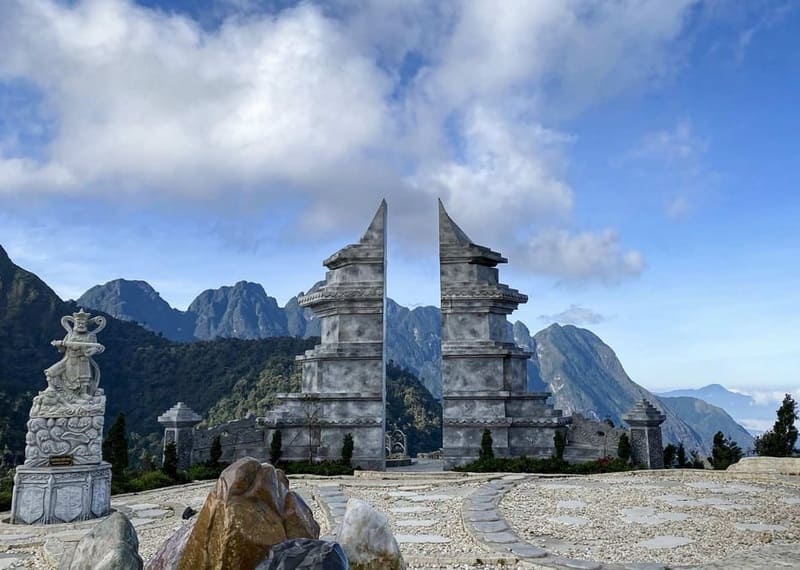
The best time to visit northern Vietnam is during the fall (September to November) and spring (March to May). During these months, the weather is pleasant with mild temperatures and minimal rainfall, making it ideal for sightseeing and outdoor activities like trekking in Sapa or cruising in Halong Bay.
Avoid visiting in winter (December to February), as it can get quite chilly, especially in mountainous areas, with temperatures sometimes dropping below 10°C.
To discover the region's highlights beyond the weather, explore our Northern Vietnam travel guide for the best places to visit and things to do.
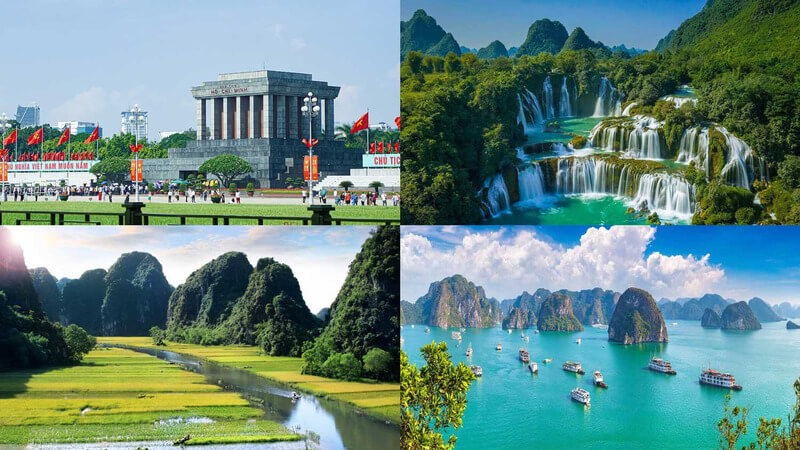
The best time to visit northern Vietnam is fall and spring (Source: Collected)
Central Vietnam experiences more consistent weather, with the best time to visit being from February to May. This period offers warm, dry weather with plenty of sunshine, ideal for enjoying the beaches and historical sites.
The rainy season typically lasts from September to January, with typhoons hitting the region, making this time less ideal for outdoor activities and beach trips.
To explore the region in more detail, read our Central Vietnam travel guide for the best destinations, itineraries, and practical travel tips.
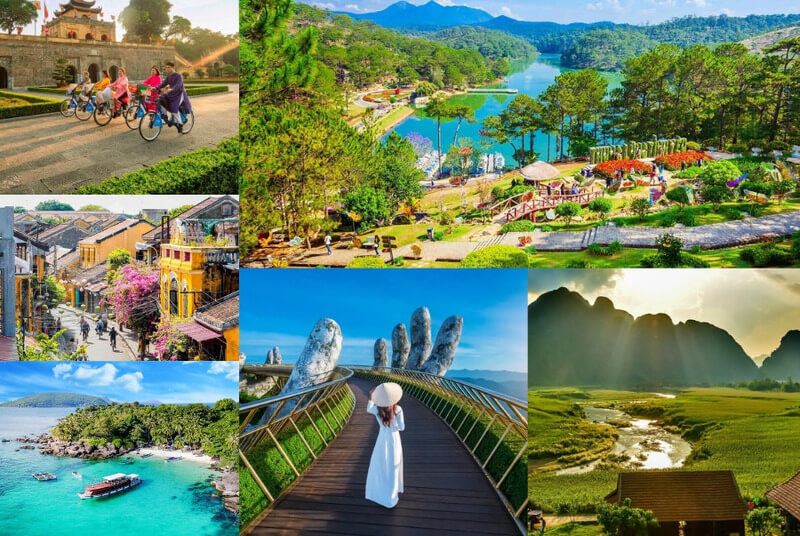
The best time to visit Central Vietnam is from February to May (Source: Collected)
Southern Vietnam has a tropical climate with two distinct seasons: the dry season (December to April) and the wet season (May to November). The best time to visit is during the dry season, which ensures pleasant weather and ideal conditions for sightseeing, beach trips, and exploring the Mekong Delta.
In general, the dry season is the most popular time to visit the south, especially for enjoying the beaches and vibrant city life.
For more destination ideas and itinerary suggestions, check out our Southern Vietnam guide.
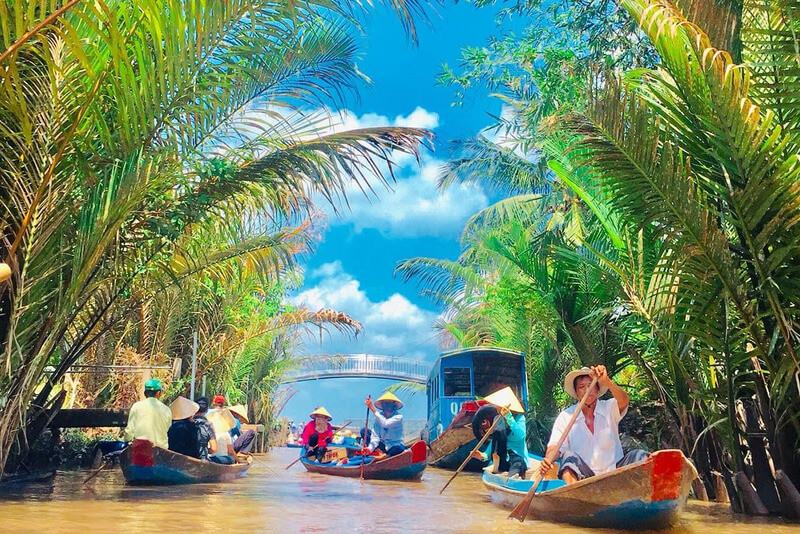
Southern Vietnam has a dry season (Dec-April) ideal for travel (Source: Collected)
The best time to visit depends not only on the region but also on the type of travel experience you’re seeking. Here’s a breakdown of the best times to visit Vietnam based on different travel styles.
For beach lovers and those seeking island escapes, the dry season (December to April) is the best time to visit. During these months, you’ll enjoy warm, sunny weather and calm seas, ideal for lounging on the beach or exploring the islands.
Avoid visiting during the wet season (May to November), especially in the southern and central regions, where rain and storms can disrupt beach activities and water travel.
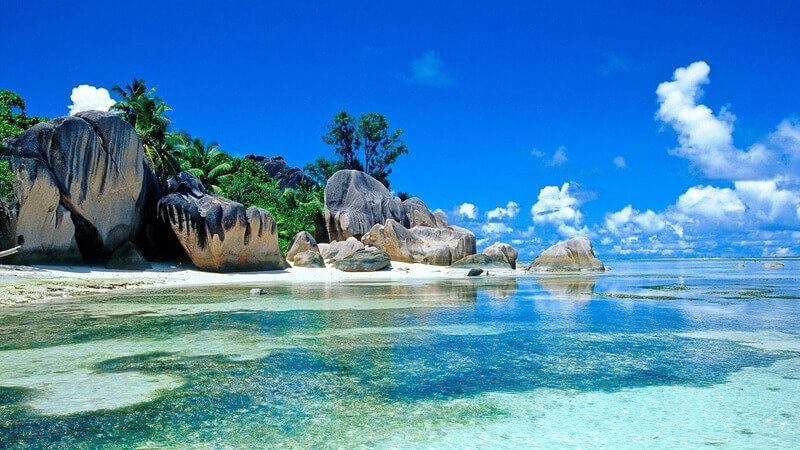
The dry season (Dec-April) is perfect for beach and island escapes (Source: Collected)
For trekking and outdoor adventures, the best months to visit Vietnam are during the cool, dry periods of September to November and March to May. These months offer comfortable temperatures, minimal rainfall, and ideal conditions for hiking, cycling, and exploring the country's natural beauty.
However, be cautious about trekking from June to August, as the rainy season brings heavy showers, creating muddy paths and increasing the risk of landslides in mountainous areas. The wet conditions can make trekking difficult and dangerous, particularly in remote regions.
Additionally, winter months (December to February) can bring chilly temperatures in the northern highlands, with temperatures dipping below freezing in areas like Sapa. While trekking is still possible, it may be uncomfortable due to the cold, particularly for those not accustomed to lower temperatures in the mountains.

Best trekking months in Vietnam: March-May, September-November (Source: Collected)
For those interested in cultural discovery and heritage exploration, Vietnam is a great destination year-round. However, the dry season from February to April is often considered the best time for cultural experiences. This period offers pleasant weather, with minimal rain, making it easier to explore historic cities and cultural sites.
Avoid visiting during the rainy season (May to October) when heavy rainfall can disrupt visits to outdoor cultural sites, especially in central Vietnam.
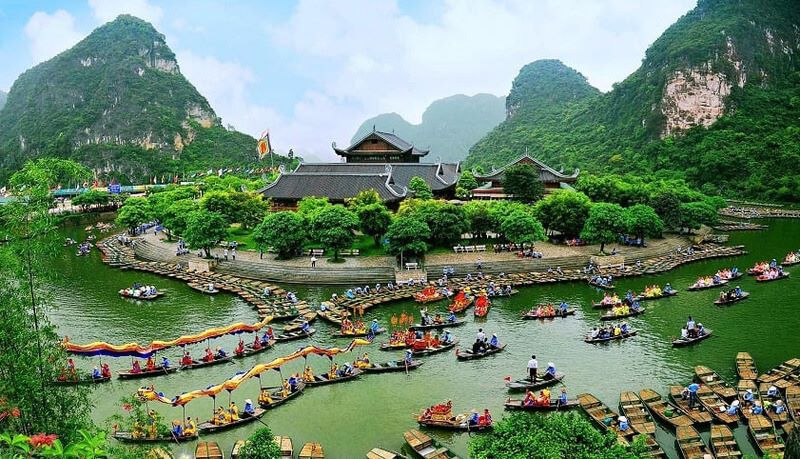
Vietnam is ideal for cultural exploration from February to April (Source: Collected)
If you’re looking to explore Vietnam’s rivers, floating markets, and local life, the dry season (December to April) is the best time for river cruises and Mekong Delta visits. During this period, the weather is ideal for cruising and visiting the region’s vibrant floating markets.
In the rainy season (May to November), although travel is still possible, heavy rains can affect river conditions and make some routes impassable, impacting river cruises.
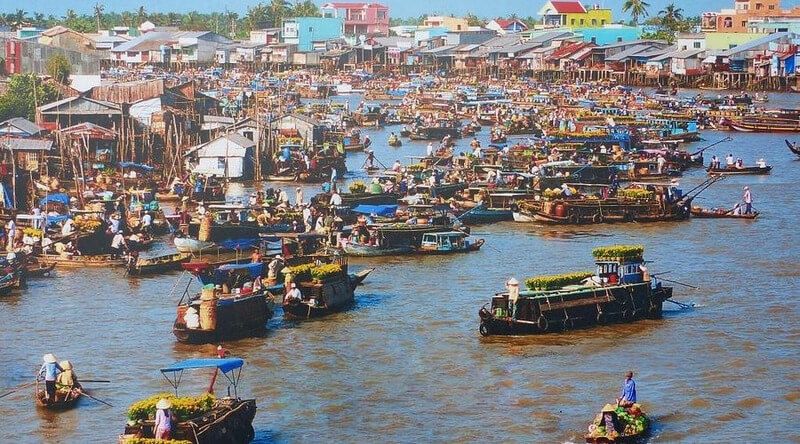
Cai Rang floating market (Source: Tripadvisor)
See more: 22 Best Places to Visit in Vietnam: From North to South
Vietnam experiences four distinct seasons: Spring, Summer, Autumn, and Winter, each offering unique opportunities for travelers. Here’s a look at the seasonal highlights and major events throughout the year in Vietnam, so you can plan your visit around the most exciting times.
Spring in Vietnam is one of the most pleasant times to visit. The weather is cool and dry, making it perfect for outdoor activities and cultural exploration. Spring is also a time for festivals and celebrations, particularly the Lunar New Year (Tết).
Summer in Vietnam brings higher temperatures and humidity, especially in the south. The weather can be hot and rainy, particularly in the southern and central regions, but it’s also the peak season for beach holidays and summer festivals.
Autumn in Vietnam is a fantastic time to visit, with cooler temperatures, clearer skies, and fewer crowds. The fall season is also marked by cultural festivities, including the Mid-Autumn Festival, which is a key celebration in Vietnam.
Winter in Vietnam is cooler, especially in the northern regions, but southern Vietnam remains warm and pleasant. The festive atmosphere during the holiday season makes winter an exciting time to visit.
Learn more: Vietnam Rainy Season: Weather, Best Time & Travel Tips

Winter in Vietnam is cool in the north, warm in the south, festive (Source: Collected)
Vietnam's diverse climate and regional variations mean that the best time to visit depends on several factors, including your travel preferences, activities, and the specific regions you plan to explore. To help you make the most of your trip, here are some key tips for choosing the best time to visit Vietnam:
For more practical advice on planning a smooth and memorable trip, explore our Vietnam travel tips covering transportation, money, local customs, safety, and more.
The rainy season in Vietnam typically lasts from May to October/November with heavy rainfall especially in the southern and central regions. During this period, the weather is hot and humid, and short, intense downpours are common, especially in the afternoons. Central Vietnam can also experience typhoons, making it less ideal for outdoor activities and beach vacations. The northern region, particularly in the mountains, sees less rain but can experience heavy mist.
The hottest month in Vietnam is typically June, July, and August especially in the southern and central regions. Temperatures can soar above 40°C in Ho Chi Minh City and other southern cities, with the heat being felt most intensely in the afternoon. If you’re planning to visit during this time, be sure to stay hydrated and take necessary precautions to avoid heat exhaustion.
The best time to visit Vietnam on a budget is during the off-peak seasons, which fall between May to September (the rainy season) or during October and November. While the weather may not always be ideal, you’ll benefit from fewer tourists, lower hotel rates, and cheaper flights. However, be prepared for occasional rain in some regions, especially in central and southern Vietnam.
The best time to visit Vietnam with children is during the dry season, from December to April. The weather is warm but not too hot, and there is little to no rain, making it ideal for family-friendly activities like beach holidays, cultural tours, and exploring Vietnam's cities. Avoid the peak holiday seasons like Tet (Lunar New Year), when attractions can be crowded and many businesses close.
Yes, weather can affect domestic flights and transportation in Vietnam, particularly during the rainy season (May to October). Heavy rainfall and storms can lead to flight delays, cancellations, and disruptions in travel plans. In the mountainous northern regions, landslides can occasionally block roads and trails. It’s advisable to check weather forecasts before traveling and allow for extra time when planning trips during the rainy months.
Yes, prices are generally higher during the peak season (December to April), especially around Tet (Lunar New Year). This is when most tourists visit Vietnam, and both domestic and international flights, accommodations, and tours can be more expensive. If you're looking to save money, consider visiting during the shoulder or off-peak seasons, where prices for flights and hotels can be significantly lower.
The best time to visit Vietnam depends on your preferred activities and the regions you plan to explore. For ideal weather, the dry season from November to April is perfect for most activities, including beach holidays and cultural exploration. If you're looking for fewer crowds and budget-friendly options, consider the rainy season or shoulder months. With its diverse climate and rich experiences year-round, Vietnam offers something for every traveler, no matter when you visit.
Ready to plan your unforgettable Vietnam adventure? Contact Your Vietnam Travel today for expert advice, personalized itineraries, and exclusive deals. Let us help you make the most of your trip with a seamless travel experience tailored just for you. Get in touch now and start your journey!
Learn more: Is It Safe to Travel to Vietnam? Tourist Safety Guide

 Vietnam Tours
 Cambodia Tours
 Laos Tours
 Thailand Tours
 Multi-Country Tours