Vietnamese New Year is Vietnam’s most important traditional festival, marking the start of the lunar new year. It is a time for family reunions, ancestor worship, festive meals, lucky money, flower markets, and wishes for a prosperous year.
Vietnamese New Year, or Tet Nguyen Dan, is Vietnam’s Lunar New Year celebration. The word “Tet” is commonly used to refer to the first and most important festival of the lunar calendar. It celebrates the arrival of spring, the start of a new year, and the hope for peace, health, prosperity, and good fortune.
Tet is more than a public holiday. It is a deeply emotional and spiritual time for Vietnamese people. Families return to their hometowns, clean and decorate their houses, prepare offerings for ancestors, cook traditional dishes, visit relatives, give lucky money, and send good wishes for the year ahead.
Although Tet shares similarities with Lunar New Year celebrations in other Asian cultures, Vietnamese Tet has its own identity. It is shaped by Vietnamese family values, ancestor worship, wet-rice agricultural traditions, regional foods, symbolic flowers, local festivals, and customs such as xong dat, li xi, mam ngu qua, banh chung, and banh tet.
To discover more cultural celebrations throughout the year, explore our guide to Vietnamese festivals and learn about the country's most important traditions and events.
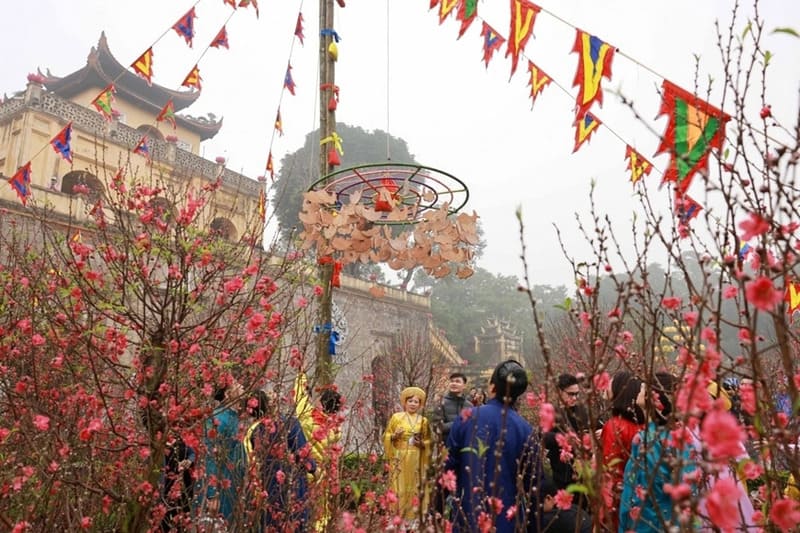
Tet is Vietnam’s most important traditional holiday (Source: Collected)
Tet follows the Vietnamese lunar calendar, so the date changes each year and usually falls between late January and mid-February.
In 2026, Tet begins on February 17, 2026, marking the Year of the Horse, while Lunar New Year's Eve falls on February 16, 2026. Tet is Vietnam’s longest public holiday, typically lasting about one week.
Here are upcoming Tet dates:
| Year | Zodiac Animal | First Day of Tet |
|---|---|---|
| 2026 | Horse | February 17, 2026 |
| 2027 | Goat | February 6, 2027 |
| 2028 | Monkey | January 26, 2028 |
| 2029 | Rooster | February 13, 2029 |
| 2030 | Dog | February 3, 2030 |
While the official holiday lasts around 7 - 9 days, Tet celebrations often begin weeks before New Year’s Eve and continue throughout the first lunar month with family gatherings, temple visits, and spring festivals.
Tet originated from Vietnam’s agricultural traditions and the lunar calendar. For centuries, farmers celebrated the arrival of spring by giving thanks for past harvests and praying for favorable weather, prosperity, and a successful new year.
Tet is also associated with the legend of Banh Chung and Banh Day from the era of the Hung Kings. According to the story, Prince Lang Lieu created these rice cakes to symbolize the earth and sky, establishing traditions that remain an important part of Tet celebrations today.
Although Tet is celebrated at the same time as Lunar New Year in several Asian countries, Vietnam has developed its own distinct customs, foods, rituals, flower traditions, and zodiac system. One well-known difference is that the Vietnamese zodiac features the Cat instead of the Rabbit.
Today, Tet has adapted to modern lifestyles, but its core values remain unchanged: family reunions, honoring ancestors, expressing gratitude, and welcoming the new year with hope and good fortune.
Tet is important because it brings together the most essential values in Vietnamese culture: family, ancestry, gratitude, respect, renewal, and hope. It is the one time of year when many people pause work, return home, and focus on their loved ones.
Tet is the most important family reunion of the year. Many Vietnamese people work or study far from their hometowns, so Tet is often the only time when all generations gather in one place.
Before Tet, transport routes from big cities such as Ho Chi Minh City, Hanoi, Da Nang, and Binh Duong become extremely busy as people return to their provinces. Families clean the house, prepare meals, decorate the ancestral altar, and welcome relatives who may not have been home for many months.
The family meal is central to Tet. It is not only about eating traditional food but also about sharing stories, reviewing the past year, expressing gratitude, and reconnecting with parents, grandparents, siblings, cousins, and neighbors.
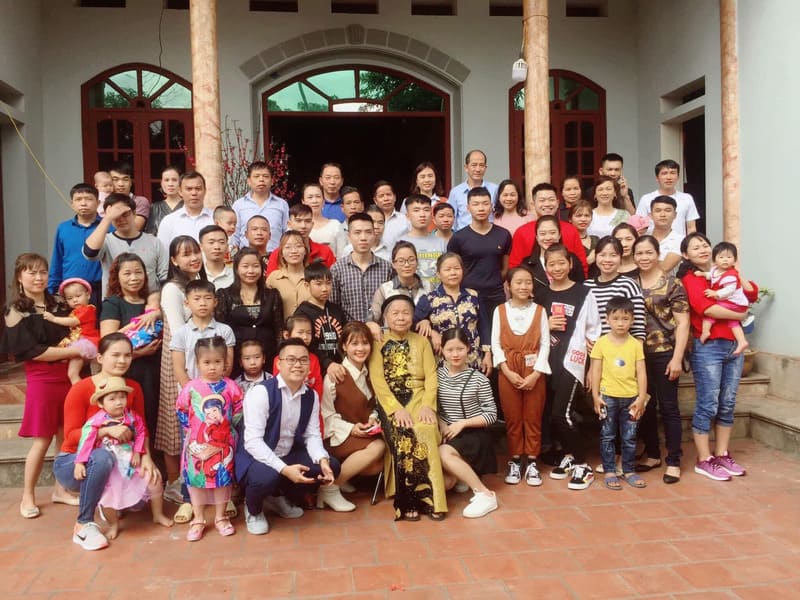
Tet is when families reunite across Vietnam (Source: Collected)
Ancestor worship is one of the most meaningful parts of Tet. Vietnamese families believe that ancestors remain connected to the family and should be invited home to celebrate the new year with their descendants.
Before and during Tet, families clean the ancestral altar, prepare offerings, arrange flowers and fruit, burn incense, and pray for protection, health, and peace. The altar often includes fruits, flowers, candles, incense, tea, wine, traditional dishes, and sometimes paper offerings.
This tradition reflects the Vietnamese value of “remembering one’s roots.” Tet is a reminder that each family is part of a long generational line, and that respect for parents, grandparents, and ancestors is central to personal identity.
Tet marks a fresh start. Many customs are based on the belief that the first moments of the new year can influence the months ahead. This is why Vietnamese people try to avoid arguments, negative words, broken items, unpaid debts, and unlucky behavior during the first days of Tet.
Families clean their homes to remove old misfortune, decorate with lucky colors, buy new clothes, prepare fresh flowers, and give good wishes to others. The act of welcoming the new year is both practical and symbolic: it means leaving behind difficulties and opening the door to luck, success, health, and happiness.
Tet is also a rare period of rest. After a full year of work, study, and daily responsibilities, people pause to spend time with family, visit pagodas, enjoy festive meals, and prepare mentally for the year ahead.
For many Vietnamese people, Tet is not only a celebration but also a time to reflect. It is a moment to appreciate what has passed, forgive old disagreements, strengthen relationships, and set positive intentions for the future.
Tet is best understood as a season rather than a single day. For both locals and travelers, it usually unfolds in three phases: before Tet, during Tet, and after Tet.
The weeks before Tet are the most colorful and energetic part of the season. Families begin cleaning and decorating their homes, shopping for food and gifts, buying flowers, preparing lucky money envelopes, and cooking traditional dishes.
Markets become crowded with shoppers buying fruits, flowers, sweets, decorations, clothing, and offerings. Flower markets are especially lively, with peach blossoms in the North, yellow apricot blossoms in the South, kumquat trees, chrysanthemums, marigolds, orchids, and many seasonal plants.
For travelers, this is one of the best times to experience Tet atmosphere. Streets are still active, restaurants and shops remain open, and the festive mood is visible everywhere.
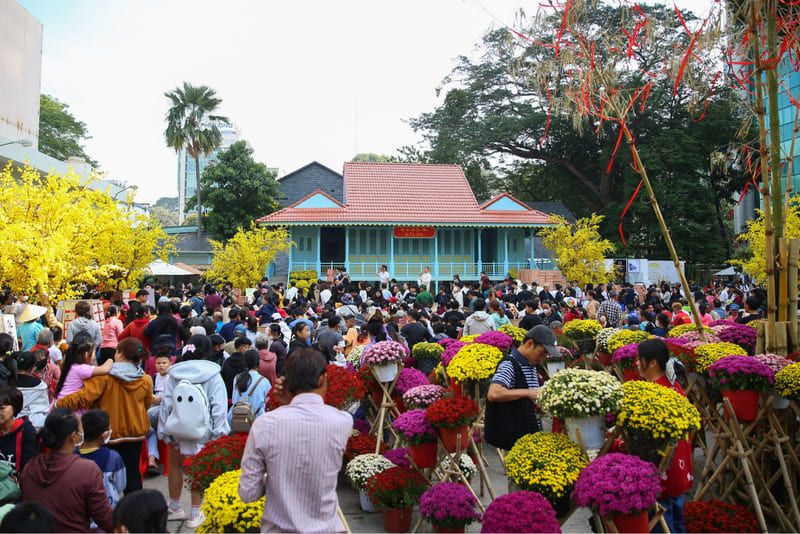
Vietnam comes alive in the days before Tet (Source: Collected)
The main Tet period begins on New Year’s Eve and continues through the first three days of the lunar new year. This is when family life becomes the focus.
On New Year’s Eve, families prepare offerings, burn incense, and welcome the new year. During the first days of Tet, people visit relatives, give lucky money to children and elders, exchange New Year wishes, go to pagodas, and enjoy special meals.
Major cities such as Hanoi and Ho Chi Minh City often become quieter because many residents have returned to their hometowns. This can be surprising for travelers who are used to Vietnam’s busy streets, but it also creates a rare chance to see the cities in a calmer atmosphere.
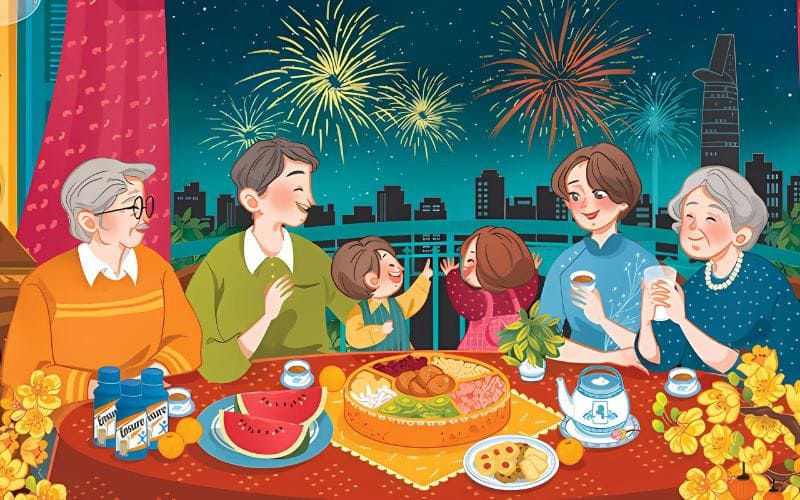
Families gather to celebrate Tet and welcome the new year (Source: Collected)
After the first few days, Vietnam slowly returns to normal. Shops, restaurants, offices, museums, and attractions begin reopening, although schedules may vary by location.
The festive spirit continues throughout the first lunar month. Many spring festivals take place at temples, pagodas, villages, and heritage sites. This period is excellent for travelers who want to enjoy cultural activities while avoiding the most intense transport rush before and immediately after Tet.
Tet preparations are an important part of the holiday. They show the desire to begin the new year with a clean home, a peaceful mind, a respectful family altar, and a welcoming atmosphere.
Before Tet, Vietnamese families clean their homes thoroughly. Floors are swept, furniture is polished, old items are removed, walls may be repainted, and household objects are arranged neatly.
This is not only about hygiene. Cleaning the house before Tet symbolizes removing the bad luck, sadness, and difficulties of the old year. Once Tet begins, many families avoid sweeping the floor on the first day because they believe it may sweep away good fortune.
After cleaning, homes are decorated with flowers, plants, red ornaments, calligraphy, lucky couplets, lanterns, and New Year banners. The most common greeting displayed in homes, shops, and streets is “Chuc Mung Nam Moi,” meaning “Happy New Year.”
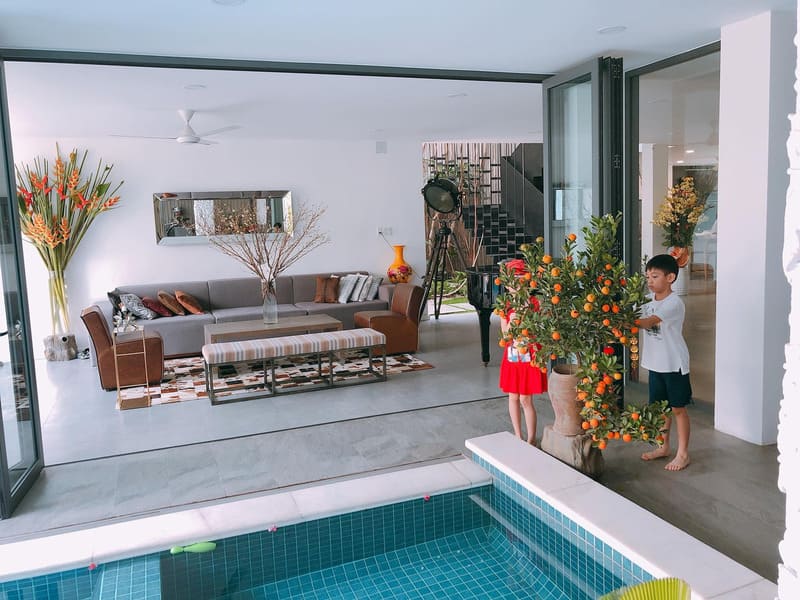
Preparing the home is an important Tet tradition (Source: Collected)
Tet shopping is one of the busiest activities before the holiday. Families buy ingredients for traditional dishes, fruits for the ancestral altar, sweets for guests, tea, wine, lucky money envelopes, decorations, and gifts for relatives.
New clothes are also important, especially for children. Wearing new clothes during Tet symbolizes a fresh start. Bright colors such as red, yellow, pink, and green are popular because they represent happiness, luck, and prosperity.
Gifts are often prepared for parents, grandparents, business partners, teachers, and close relatives. Common Tet gifts include fruit baskets, tea, coffee, wine, sweets, dried fruits, health products, and regional specialties.
Flower markets are among the most beautiful parts of Tet. They usually appear one to two weeks before the holiday and become especially busy in the final days before New Year’s Eve.
In Hanoi, popular places include Quang Ba Flower Market, Hang Luoc Flower Market, and flower stalls around the Old Quarter and West Lake. In Ho Chi Minh City, Nguyen Hue Flower Street, Tao Dan Spring Flower Festival, and local flower markets across districts become major attractions. In Hoi An, Hue, Da Nang, and many smaller towns, spring flowers fill streets, markets, and riverside areas.
Flowers are not simply decorative. They carry symbolic meanings. Peach blossoms represent growth and vitality in the North. Yellow apricot blossoms symbolize wealth and good luck in the South. Kumquat trees represent prosperity, fertility, and abundance.
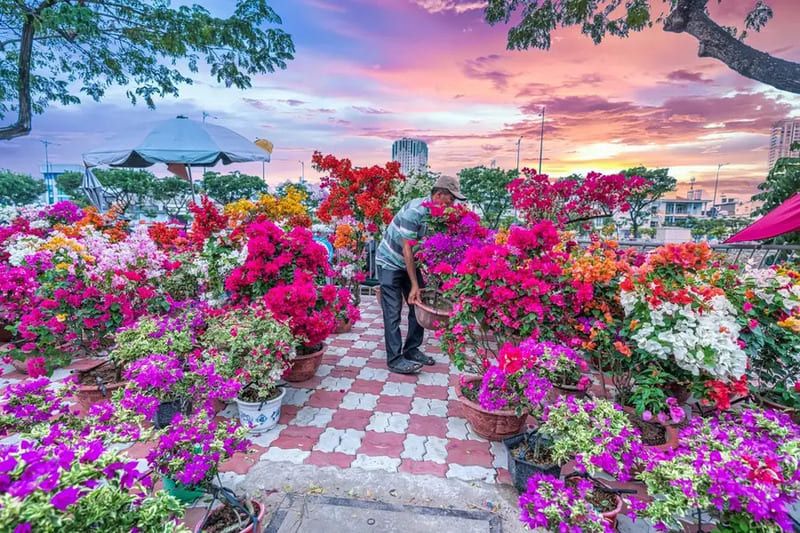
Flower markets are a highlight before Tet(Source: Collected)
The ancestral altar is carefully cleaned and decorated before Tet. Families replace old incense sticks, arrange fresh flowers, prepare fruit trays, and place traditional dishes as offerings.
Typical altar items may include:
The altar expresses respect for ancestors and invites them to return home spiritually for the New Year celebration.
Lucky decorations are widely used in homes, shops, hotels, restaurants, and public spaces during Tet. Red and gold are the most popular colors because they represent luck, wealth, happiness, and success.
Common Tet decorations include:
These decorations create a festive atmosphere and express wishes for a prosperous year.
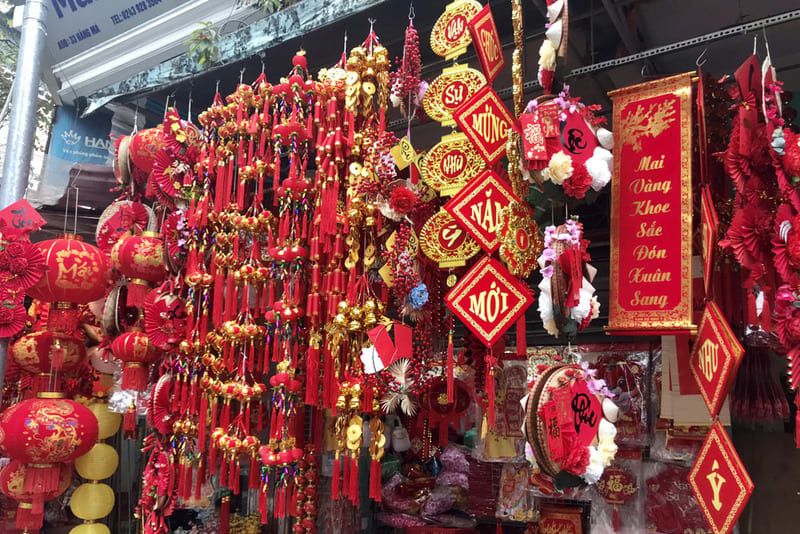
Red and gold decorations bring Tet luck (Source: Collected)
Many Tet rituals take place before the first day of the lunar new year. These traditions prepare the family spiritually and emotionally for the new beginning.
Kitchen God Day, known as Ong Cong - Ong Tao Festival, takes place on the 23rd day of the twelfth lunar month. According to Vietnamese belief, the Kitchen Gods watch over the household and return to heaven on this day to report the family’s activities to the Jade Emperor.
Families prepare offerings such as fruits, flowers, sticky rice, tea, paper clothes, and sometimes carp. The carp is believed to carry the Kitchen Gods to heaven. In some places, people release live carp into rivers or lakes as part of the ritual.
This ceremony marks the beginning of the Tet preparation period. After Kitchen God Day, families usually become more focused on cleaning, shopping, cooking, and decorating.
Before Tet, many families visit ancestral graves to clean the area, burn incense, offer flowers, and invite ancestors to return home for the holiday.
This custom is especially meaningful in rural areas and traditional families. It shows gratitude to previous generations and strengthens family identity. For Vietnamese people, Tet is not complete without remembering those who came before.
Mam ngu qua, or the five-fruit tray, is placed on the family altar during Tet. It represents respect for ancestors and wishes for abundance, luck, health, and prosperity.
The fruits vary by region:
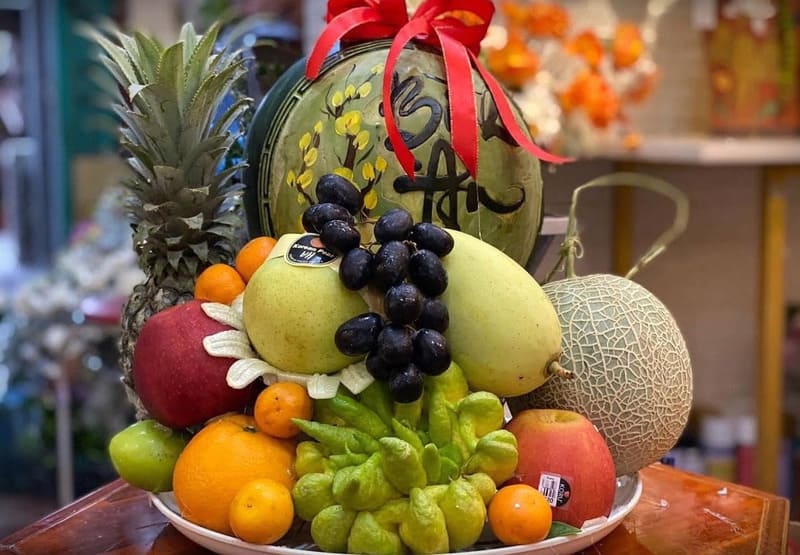
A traditional five-fruit tray prepared for Tet (Source: Collected)
Banh chung and banh tet are the most iconic foods of Tet. Banh chung is square and more common in Northern Vietnam, while banh tet is cylindrical and popular in Central and Southern Vietnam.
Both are made with sticky rice, mung beans, pork, and leaves, then boiled for many hours. Making these cakes is often a family activity. Older family members prepare ingredients and teach younger generations how to wrap the cakes properly.
Banh chung is associated with the earth and the legend of Lang Lieu. Banh tet represents fullness, continuity, and family unity. These cakes are placed on the ancestral altar and served during Tet meals.
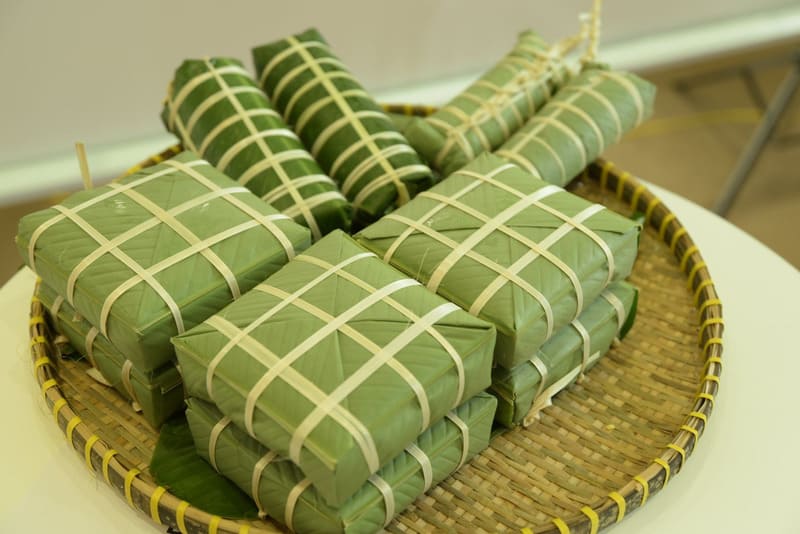
Banh Chung and Banh Tet symbolize family and tradition (Source: Collected)
Tat Nien is the year-end meal held before New Year’s Eve. It is one of the most important family meals of the year.
During Tat Nien, family members gather to close the old year, share food, thank ancestors, and express good wishes. Companies, teams, and groups of friends may also hold Tat Nien parties before the holiday.
A family Tat Nien meal often includes boiled chicken, sticky rice, spring rolls, Vietnamese sausage, soup, pickled vegetables, banh chung or banh tet, and other regional dishes.
Giao Thua is Vietnamese New Year’s Eve, the transition between the old lunar year and the new one. This is a sacred moment in Tet.
At midnight, families may prepare offerings for heaven, earth, ancestors, and household spirits. Incense is burned, prayers are made, and family members welcome the new year with wishes for health, peace, and good fortune.
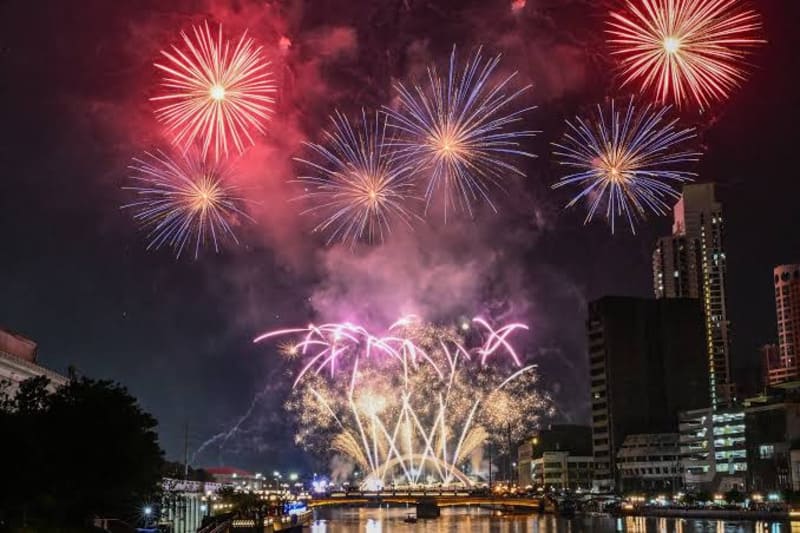
In major cities, fireworks displays may take place at central public areas. Many people also visit temples and pagodas shortly after midnight to pray for blessings in the new year.
Tet customs vary by region and family, but several traditions are widely practiced throughout Vietnam.
Xong dat, also known as first-footing, refers to the first person who enters a home after the new year begins. Vietnamese people believe this person can influence the family’s luck for the whole year.
Traditionally, families may choose someone with good character, good health, success, and a compatible zodiac sign to be the first visitor. This person brings New Year wishes and good energy into the home.
For foreign visitors, this custom is important to understand. You should not visit a Vietnamese home on the first day of Tet without an invitation, because the first guest may have been carefully chosen by the family.
Li xi is the tradition of giving lucky money in red envelopes. Adults give red envelopes to children with wishes for health, good study, and happiness. Younger adults may also give li xi to elderly parents or grandparents as a wish for long life and good health.
The amount of money is usually less important than the meaning. The red envelope symbolizes luck, care, and blessings. If you receive li xi, accept it politely with both hands and say thank you.
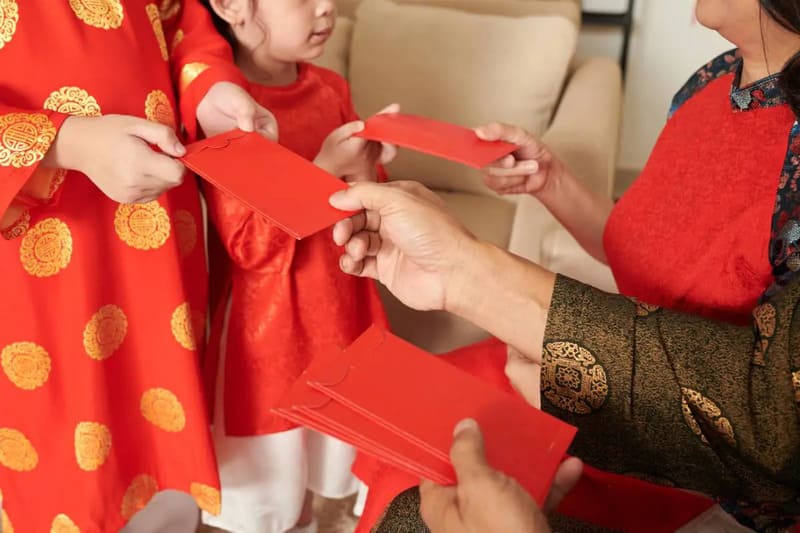
Lucky money is given in red envelopes (Source: Collected)
Chuc Tet means giving New Year wishes. During Tet, Vietnamese people greet family members, friends, neighbors, colleagues, and even strangers with warm wishes.
The most common phrase is:
Other useful greetings include:
For travelers, learning even one phrase such as “Chuc Mung Nam Moi” is a simple and respectful way to connect with locals.
The first days of Tet are dedicated to visiting family members, especially parents, grandparents, and elders.
A common traditional saying describes the order of visits:
Although modern families may not follow this strictly, the idea still reflects important Vietnamese values: respect for parents, gratitude to relatives, and appreciation for teachers.
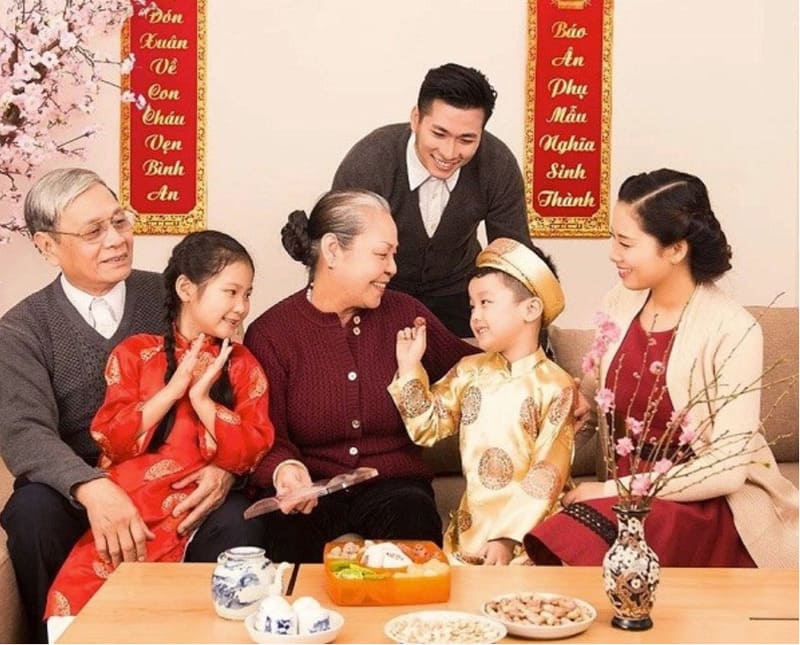
Tet visits show respect for family elders (Source: Collected)
Visiting pagodas and temples is a popular Tet activity. People go to pray for health, peace, luck, love, career success, family harmony, and business prosperity.
Many Vietnamese visit pagodas on New Year’s Eve or during the first days of the new year. Visitors may offer incense, make donations, receive calligraphy, draw fortune sticks, or simply enjoy the peaceful atmosphere.
Travelers are welcome at many pagodas and temples, but should dress respectfully, speak softly, avoid blocking worshippers, and follow local customs.
Lion and dragon dances are performed during Tet and other important festivals. They are believed to bring luck, prosperity, strength, and protection against negative energy.
Performances often take place at public squares, temples, pagodas, hotels, shopping centers, and businesses. The music is loud and energetic, with drums, cymbals, and colorful costumes. These performances are especially exciting for children and visitors.
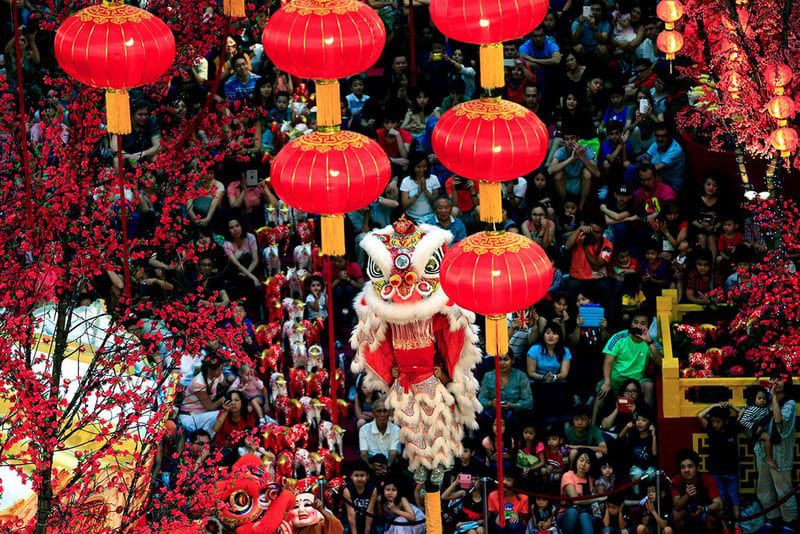
Lion dances bring energy and good fortune (Source: Collected)
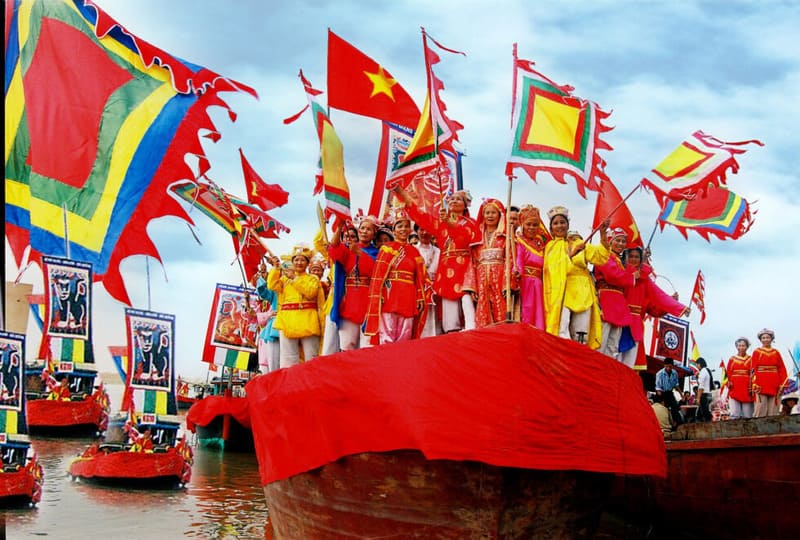
After the first days of Tet, many local festivals take place across Vietnam. These may include temple festivals, village processions, folk games, wrestling, boat racing, calligraphy fairs, flower festivals, cultural performances, and religious ceremonies.
Famous spring festivals include Perfume Pagoda Festival in Hanoi, Yen Tu Festival in Quang Ninh, Dong Da Festival in Hanoi, Sinh Village Wrestling Festival in Hue, and many local festivals in northern, central, and southern provinces.
These events offer travelers a deeper look at Vietnamese community life beyond the main tourist attractions.
Food is one of the most important parts of Tet. Each dish carries cultural meaning and reflects regional tastes.
Northern Tet food is often traditional, balanced, and closely connected to ancestral offerings. Common dishes include:
Northern Tet meals are often arranged carefully and presented with respect, especially when used for ancestor worship.
Want to explore more of the region's culture, cuisine, and traditions? Check out our Northern Vietnam travel guide for the best destinations, experiences, and local insights.
Central Vietnamese Tet food is known for bold flavors, careful preparation, and strong regional character. Common dishes include:
Central Vietnam’s Tet cuisine reflects both simplicity and sophistication, with strong flavors and symbolic presentation.
To discover more about the culture, food, and must-visit destinations of the region, read our Central Vietnam travel guide.
Southern Tet food is generous, colorful, and often slightly sweeter than food in the North. Common dishes include:
Southern Tet meals often feel warm, abundant, and family-oriented.
Interested in exploring more of the South? Our Southern Vietnam guide covers the region's top destinations, local culture, food experiences, and travel tips.
Flowers, trees, and decorations are essential to the Tet atmosphere. They bring color to homes, streets, markets, hotels, restaurants, and public spaces.
In Northern Vietnam, peach blossoms are the most iconic Tet flowers. Their pink color represents vitality, growth, love, and good luck. A branch of peach blossom placed in the living room is a classic sign that Tet has arrived.
In Southern Vietnam, yellow apricot blossoms are the symbol of Tet. The bright yellow flowers represent wealth, happiness, and prosperity. Many families choose trees with many blossoms because they believe this will bring more luck in the new year.
Kumquat trees are popular across Vietnam, especially in the North. A good kumquat tree should have green leaves, white flowers, small fruits, ripe yellow fruits, and strong roots. It symbolizes abundance, fertility, success, and family prosperity.
Other common Tet flowers include chrysanthemums, marigolds, orchids, gerberas, lilies, gladiolus, and dahlias. Each flower has its own meaning, often connected to wealth, longevity, beauty, luck, or happiness.
Tet decorations usually feature red and gold colors. Popular items include red couplets, lanterns, calligraphy, paper firecrackers, lucky charms, zodiac animal symbols, gold coin decorations, and “Chuc Mung Nam Moi” signs.
Public flower streets are also a major attraction during Tet. In Ho Chi Minh City, Nguyen Hue Flower Street is one of the most famous. In Hanoi, flower markets and decorated streets around the Old Quarter, West Lake, and Hoan Kiem Lake create a traditional Tet atmosphere.
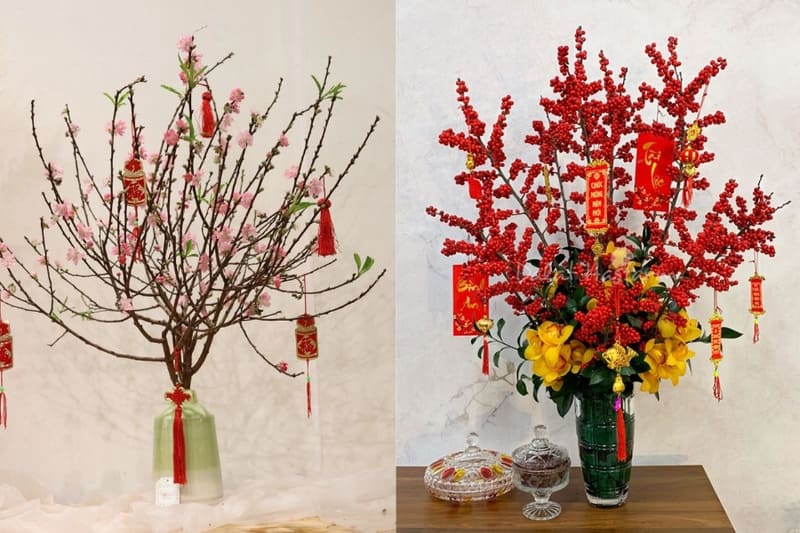
Tet flowers brighten homes and streets (Source: Collected)
Tet can be a wonderful time to visit Vietnam if travelers understand the rhythm of the holiday and plan carefully. The best experiences often happen before Tet and during the first few days of the new year.
Flower markets are among the best places to feel the excitement before Tet. They are colorful, lively, and full of local energy.
Travelers can walk through stalls selling peach blossoms, apricot blossoms, kumquat trees, orchids, chrysanthemums, marigolds, lanterns, red envelopes, and lucky decorations. These markets are excellent for photography and cultural observation.
Good places to experience Tet flower markets include:
The best time to visit is usually a few days before New Year’s Eve, when locals are actively shopping and the atmosphere is most festive.
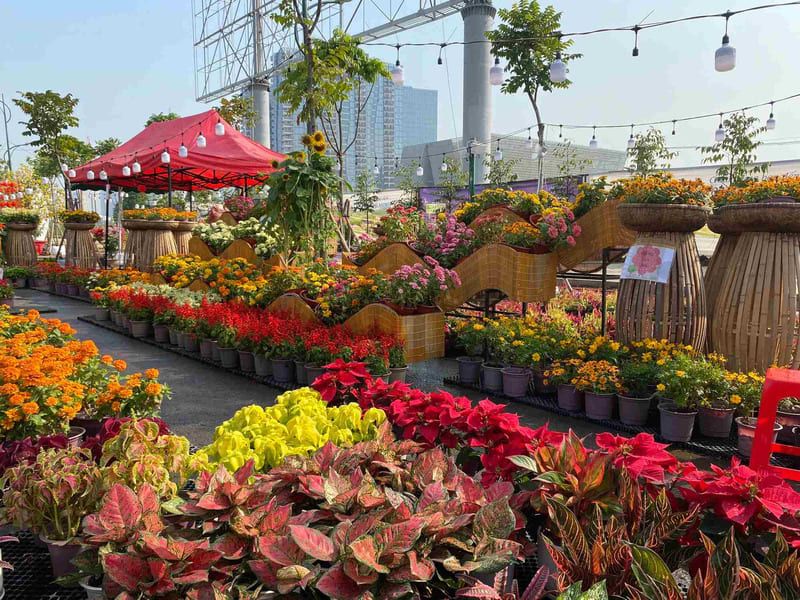
Colorful Tet flowers brighten the holiday season (Source: Collected)
Temple and pagoda visits are meaningful during Tet. Travelers can observe how Vietnamese people pray for peace, health, and success at the beginning of the year.
Popular places include Ngoc Son Temple and Tran Quoc Pagoda in Hanoi, Thien Mu Pagoda in Hue, Jade Emperor Pagoda in Ho Chi Minh City, and many local pagodas across Vietnam.
Visitors should dress modestly, avoid loud conversations, remove hats when appropriate, and respect people who are praying.
Cooking classes are a good way to understand Tet through food. Depending on the destination and availability, travelers may learn how to make banh chung, banh tet, spring rolls, pickled vegetables, braised pork, or candied fruits.
Hoi An, Hanoi, Hue, and Ho Chi Minh City are good places for culinary experiences. Before Tet, some local families and cooking schools may offer special Tet-themed classes. These experiences help travelers understand not only ingredients but also the symbolism behind each dish.
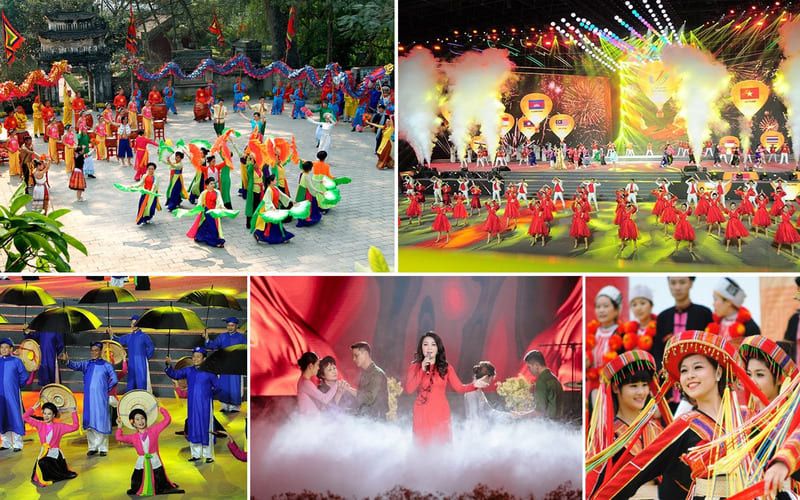
Tet is followed by a long spring festival season. Travelers can attend cultural performances, folk games, temple festivals, calligraphy events, lion dances, music shows, and local ceremonies.
In major cities, hotels, walking streets, public squares, and cultural centers may organize Tet events. In smaller towns and villages, spring festivals are often more traditional and community-based.
These events are excellent for travelers who want to see Vietnamese culture beyond sightseeing.
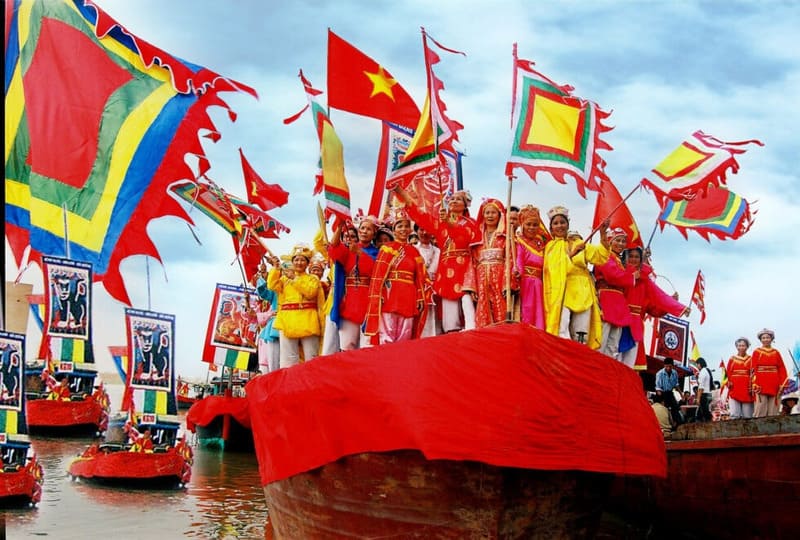
Spring festivals continue after Tet begins (Source: Collected)
Ao dai is Vietnam’s traditional long dress and is often worn during Tet, especially by women, students, families, and young people taking photos at flower streets, temples, and heritage sites.
Travelers can rent or buy an ao dai in cities such as Hanoi, Hoi An, Hue, Da Nang, and Ho Chi Minh City. Wearing an ao dai respectfully can be a memorable way to engage with Vietnamese culture and take beautiful photos during the holiday.
Hoi An Ancient Town, Hue Imperial City, Hanoi Old Quarter, Hoan Kiem Lake, Nguyen Hue Flower Street, and temple courtyards are popular photo locations during Tet.
One of the most surprising things about Tet is how quiet major cities can become during the first days of the new year. Hanoi and Ho Chi Minh City, usually busy with traffic and noise, may feel calmer and more spacious.
This is a good time to walk through central districts, enjoy architecture, take photos, visit open attractions, and experience a slower side of urban Vietnam. However, travelers should check opening hours carefully because some restaurants, shops, museums, and family-run businesses may close temporarily.
Vietnam offers many different ways to experience Tet, depending on the region and travel style.
The official Tet holiday lasts about one week, but celebrations begin weeks before and continue with spring festivals throughout the first lunar month.
No. Government offices and many local businesses close for a few days, while hotels, airports, shopping malls, and major tourist attractions usually remain open.
Yes, but book flights, hotels, and tours early. Transport is busy, prices can be higher, and some services operate on reduced schedules.
Yes, if you want to experience Vietnamese culture, festive decorations, traditional food, and spring festivals. However, expect crowds, higher prices, and some temporary closures.
Avoid visiting homes without an invitation, touching family altars, arguing, dressing inappropriately at temples, or taking intrusive photos during ceremonies.
The most common greeting is: Chuc Mung Nam Moi - Happy New Year.
Popular Tet dishes include Banh Chung, Banh Tet, Nem Ran, Xoi Gac, Thit Kho Trung, pickled vegetables, and Mut Tet (candied fruits).
Tet Holiday is Vietnam’s most important celebration, bringing together family reunions, ancestral traditions, festive food, lucky money, and New Year wishes. For visitors, it offers a unique opportunity to experience Vietnamese culture at its most vibrant.
Planning to visit Vietnam during Tet? Your Vietnam Travel can help you design a flexible itinerary with reliable transport, carefully selected hotels, cultural experiences, and updated holiday schedules, so you can enjoy Vietnam’s Lunar New Year with confidence.


 Vietnam Tours
 Cambodia Tours
 Laos Tours
 Thailand Tours
 Multi-Country Tours