Hoi An is well known for its ancient streets, colorful lanterns, and relaxed pace of life, and it has also become one of Vietnam’s most appealing food destinations. The local cuisine reflects the character of Central Vietnam, featuring simple yet flavorful dishes that have been part of everyday life for generations.
In this guide by Your Vietnam Travel, you’ll discover 15 of the best foods in Hoi An you must try, from traditional specialties like cao lau and mi quang to popular street foods and signature local drinks. Each dish comes with suggestions on where to eat, making it easy to plan your meals and fully experience the flavors of Hoi An during your trip.
Hoi An is known for its rich culinary heritage, shaped by local traditions and Central Vietnamese flavors. The dishes below represent the most popular and authentic foods that visitors should experience while exploring the ancient town.
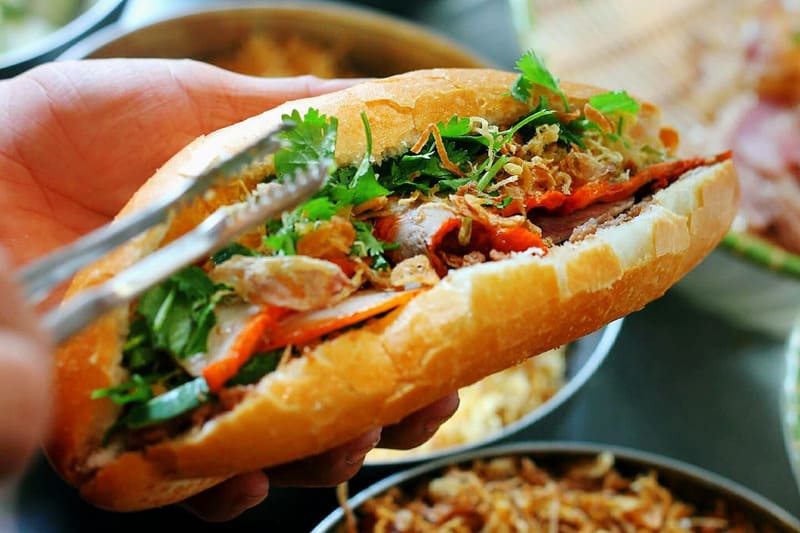
Hoi An banh mi features a crisp baguette perfected by local bakers (Source: Collected)
Banh mi is a Vietnamese street food staple found across the country, but Hoi An stands out as one of the best places to enjoy it. Locals take pride in their baguettes, known for a perfectly crisp crust and a light, airy interior. This quality comes from a combination of local water, time-honored baking techniques, and experienced bakers who have refined their craft over generations.
What truly sets Hoi An’s banh mi apart is the balance of flavors. Juicy meats, rich pâté, and well-seasoned sauces are layered with fresh herbs and pickled vegetables, creating a sandwich that is bold yet harmonious. Each bite delivers a satisfying contrast of textures, from crunchy bread to tender fillings and refreshing vegetables.
You’ll find excellent banh mi throughout the old town, but a few shops are especially popular with both locals and visitors. Bánh Mì Phượng is widely regarded as a top choice, often praised for its barbecue pork banh mi. Other reliable spots include Bánh Mì Sum and All Day Bánh Mì, all offering generous portions at affordable prices, usually around 20,000 VND.
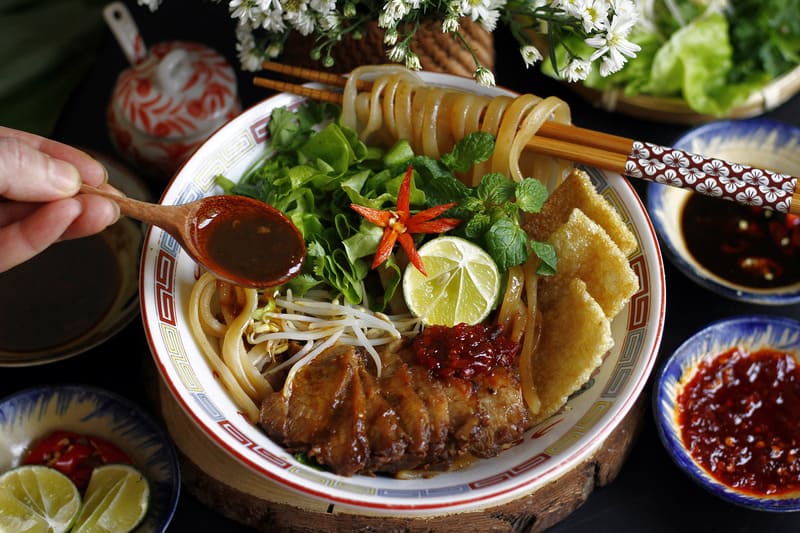
Hoi An’s signature noodle dish with pork, herbs, rich sauce (Source: VnExpress)
Cao Lau is a signature dish of Hoi An and one you should try while visiting the ancient town. At first glance, it looks simple: thick noodles topped with sliced pork, fresh greens, crunchy croutons, and a small amount of rich, savory sauce. The flavor, however, is unlike any other Vietnamese noodle dish.
The key lies in the noodles. Cao Lau noodles are made using a traditional process that relies on mineral-rich water from local wells and natural ash from nearby islands. This method gives the noodles their distinctive yellow color and firm, slightly chewy texture that cannot be replicated elsewhere. Because of this, authentic Cao Lau is rarely found outside Hoi An.
The dish is finished with tender pork, crisp pork fat or croutons, fresh herbs, and often a squeeze of lime or a touch of chili. The balance of savory, sweet, and fresh elements makes each bowl deeply satisfying without feeling heavy.
Cao Lau is widely available throughout Hoi An at very affordable prices, usually around 25,000 - 30,000 VND per bowl. You’ll find good versions in local markets, small street eateries, and established restaurants around the Old Town. Wherever you choose to try it, Cao Lau is a must-eat dish that represents the culinary identity of Hoi An.
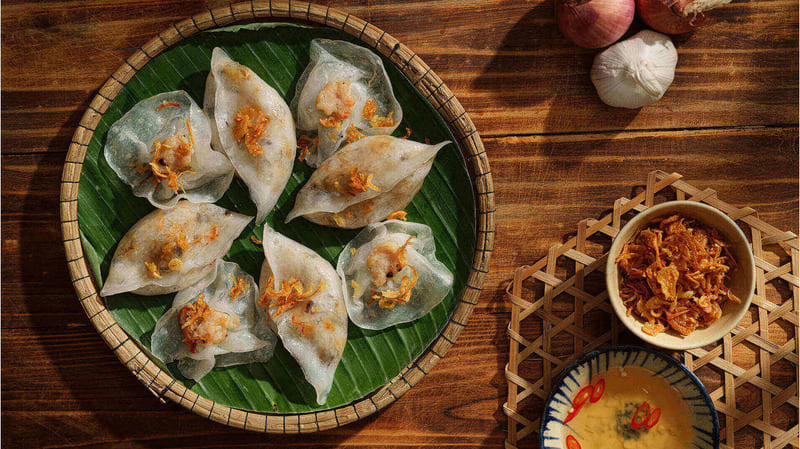
Hoi An white rose dumplings with translucent skin, shrimp (Source: Collected)
White Rose Dumplings, locally known as Bánh Bao Vạc, are a signature delicacy of Hoi An and a dish closely tied to the town’s culinary heritage. These steamed dumplings are instantly recognizable by their translucent white skin, delicately shaped to resemble blooming roses.
The dumpling wrapper is made from finely milled rice flour, creating a thin, slightly chewy texture that highlights the filling rather than overpowering it. Inside, you’ll find minced shrimp or pork, topped with crispy fried shallots for added aroma and crunch. The flavors are light, clean, and well balanced.
According to local tradition, the dough is made using water from the ancient Ba Le Well, a detail believed to give the wrappers their signature texture. Adding to their uniqueness, White Rose Dumplings are produced by a single family in Hoi An and distributed to restaurants across the town. The name “White Rose” was later given by the French, inspired by the dumplings’ elegant shape.
A plate typically costs around 40,000 VND. For the most authentic experience, visit the White Rose Restaurant, operated by the original family, though you’ll find good-quality versions at many restaurants near the Old Town and night market.
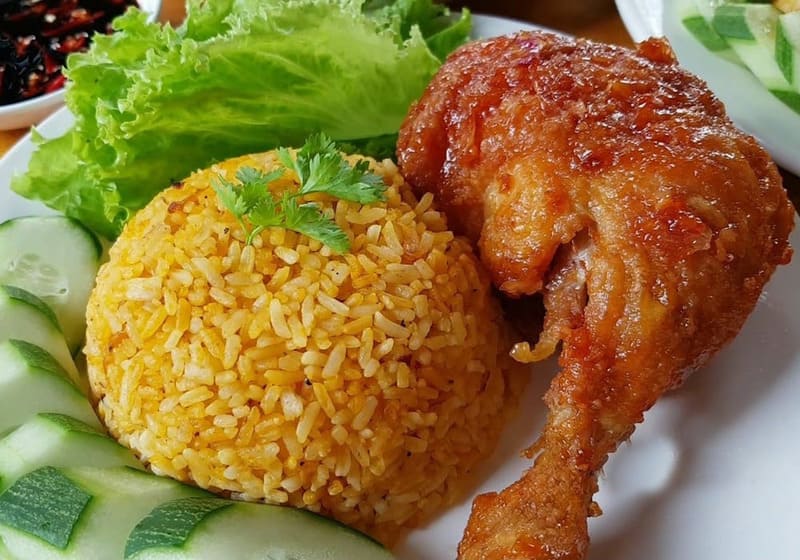
Hoi An Chicken Rice a simple filling local classic (Source: Collected)
Hoi An Chicken Rice, known locally as Cơm Gà, is one of the town’s most popular everyday dishes. It’s simple, filling, and deeply rooted in local food culture. While the dish has origins in Hainanese chicken rice, the Hoi An version has its own distinct character.
The rice is the highlight. It’s cooked in chicken stock with turmeric and aromatic leaves, giving it a light yellow color and a fragrant, savory flavor. The chicken is usually free-range, poached until tender, then shredded into soft, juicy strips and served over the rice.
What sets Hoi An Chicken Rice apart is how it’s finished. Fresh herbs and salad greens are mixed through the dish, along with pickled vegetables, a spoonful of dried chili paste, and a squeeze of lime. These elements add brightness and balance, keeping the dish light and refreshing rather than heavy.
A plate of Cơm Gà typically costs around 30,000 VND and is easy to find throughout the Old Town and local markets. Well-known spots include Com Ga Ba Buoi, Com Ga Dung, and stalls inside Hoi An Market. This is a reliable choice for a satisfying meal that reflects everyday life in Hoi An.
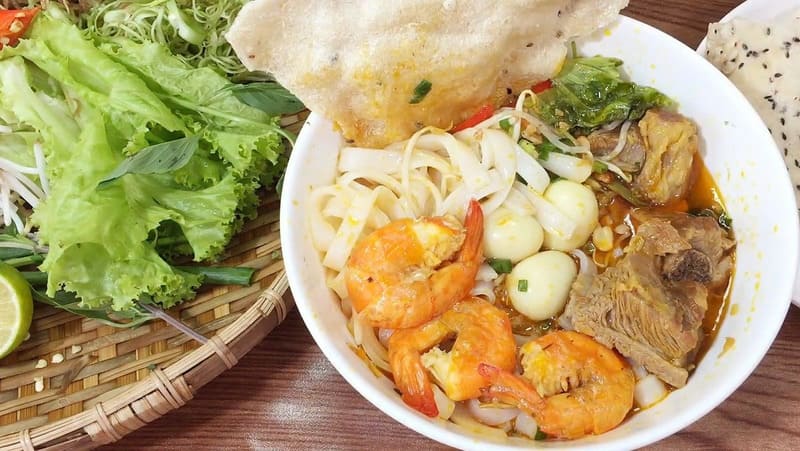
Quang Nam noodle dish with little broth ideal for warm days (Source: Collected)
Mi Quang is a traditional noodle dish from Quang Nam Province, the region where Hoi An is located. It’s a local favorite and often served during family gatherings and special occasions. Compared to typical Vietnamese noodle soups, Mi Quang uses very little broth, making it a great option in warm weather.
The dish features wide rice noodles lightly coated in a turmeric-tinted broth, topped with a combination of roasted pork, shrimp, and a boiled quail egg. Fresh herbs, leafy greens, peanuts, and crispy rice crackers are added for texture and flavor, creating a satisfying mix of soft, crunchy, and fresh elements.
What makes Mi Quang distinctive is its balance. The noodles are tender and slightly chewy, the toppings are rich and savory, and the herbs keep the dish light and refreshing. Each bowl is usually finished with a squeeze of lime and a touch of chili, allowing you to adjust the flavor to your taste.
A bowl of Mi Quang typically costs around 30,000 VND and is easy to find at local markets and traditional restaurants in Hoi An. The Central Market is a reliable place to try it, along with well-known restaurants around the Old Town that specialize in regional cuisine.
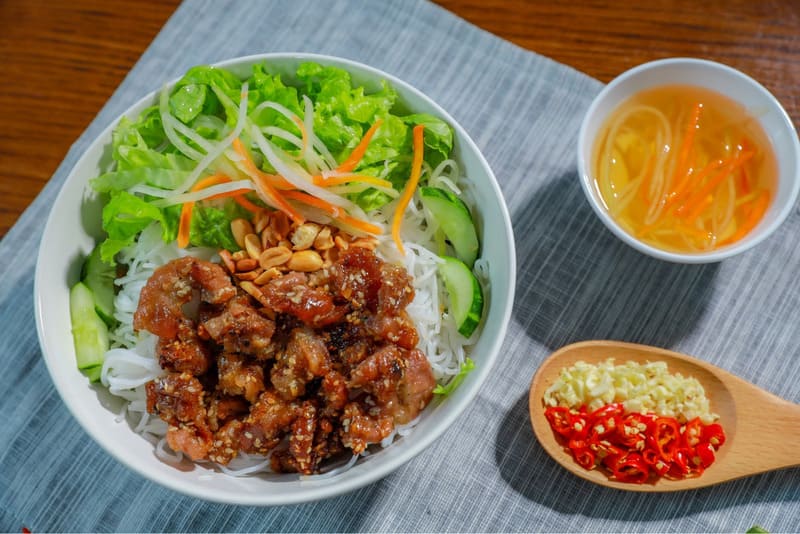
Grilled pork vermicelli bowl, fresh, filling, and easy to find in Hoi An (Source: Collected)
Bun Thit Nuong is a popular Vietnamese dish that’s easy to find in Hoi An and a great choice when you’re in the mood for something fresh yet filling. It’s best described as a grilled pork vermicelli bowl, served at room temperature and packed with contrasting textures.
The dish features thin rice vermicelli noodles topped with sweet, peppery pork grilled over charcoal. Fresh lettuce, cucumber, bean sprouts, herbs, and pickled vegetables add crunch and brightness, while chopped peanuts bring a nutty finish. Everything is tied together with a light, savory-sweet fish sauce dressing.
What makes Bun Thit Nuong so satisfying is the balance. The smoky flavor of the grilled pork pairs well with the cool noodles and crisp vegetables, creating a bowl that feels hearty without being heavy. It’s especially popular in warm weather and often enjoyed as a quick lunch or casual dinner.
A bowl typically costs around 30,000 VND. In Hoi An, you’ll find good versions at well-known restaurants like Morning Glory, as well as small open-air stalls near the river and around the Ancient Town, where it’s freshly prepared and full of flavor.
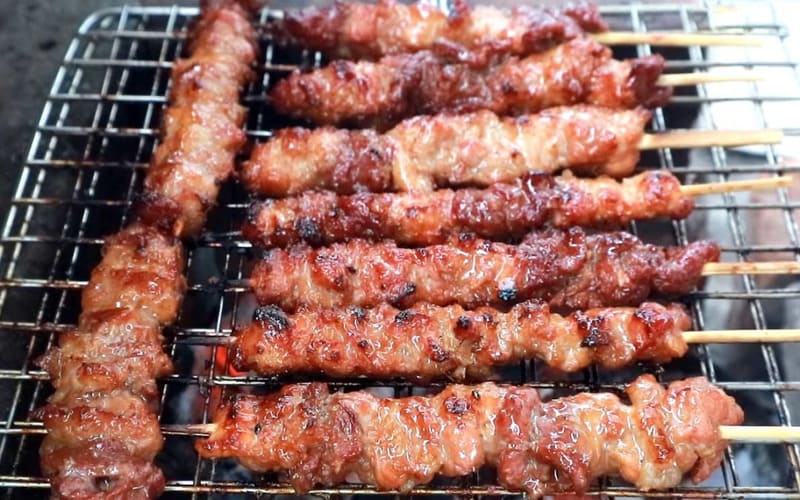
Sweet-savory charcoal pork skewers, a Hoi An street snack (Source: Collected)
Grilled pork skewers also known as Thịt Nướng, are a classic street food snack in Hoi An, especially popular in the evenings. The pork is marinated with a sweet and savory seasoning, then grilled over charcoal until lightly caramelized and fragrant.
The flavor is similar to the grilled pork used in bún thịt nướng, but served on a skewer for easy eating. The meat is juicy, smoky, and slightly sticky from the glaze, making it perfect as a quick bite while walking around the Old Town. Many stalls also offer rice paper and fresh greens, allowing you to turn the skewers into a more filling, DIY wrap.
Each skewer usually costs around 10,000 VND, making it one of the most affordable street foods in Hoi An. Look for small stalls along the river near the Japanese Covered Bridge or on Hai Ba Trung Street near the Ancient Town entrance. These stalls typically open in the evening and are ideal for sampling local street food after sunset.
See more: Hoi An Street Food: 15+ Must-Try Local Dishes
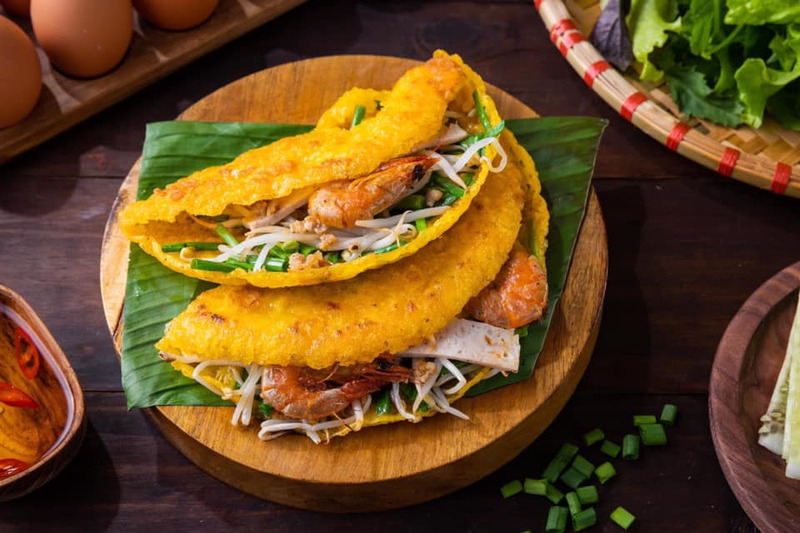
Crispy Vietnamese pancake, smaller Hoi An style, savory (Source: Collected)
Banh Xeo is a popular Vietnamese pancake known for its crispy texture and savory filling. The name means “sizzling pancake,” inspired by the sound the rice batter makes when it hits a hot pan. In Hoi An and Central Vietnam, Banh Xeo is smaller and easier to eat compared to the large, plate-sized versions found in southern Vietnam.
The pancake is made from a rice batter lightly colored with turmeric, then filled with pork slices, shrimp, and bean sprouts. Once cooked, it becomes golden and crisp on the outside while remaining soft inside. The flavor is rich but well balanced, especially when paired with fresh herbs.
Banh Xeo is traditionally served with dry rice paper, which is used to wrap pieces of the pancake along with herbs before dipping them into a savory sauce. This combination adds layers of texture and makes the dish interactive and enjoyable to eat.
Each pancake typically costs around 20,000 VND and is widely available in Hoi An. The Central Market is one of the best places to try freshly made Banh Xeo, where you can watch it being cooked and enjoy it straight from the pan.
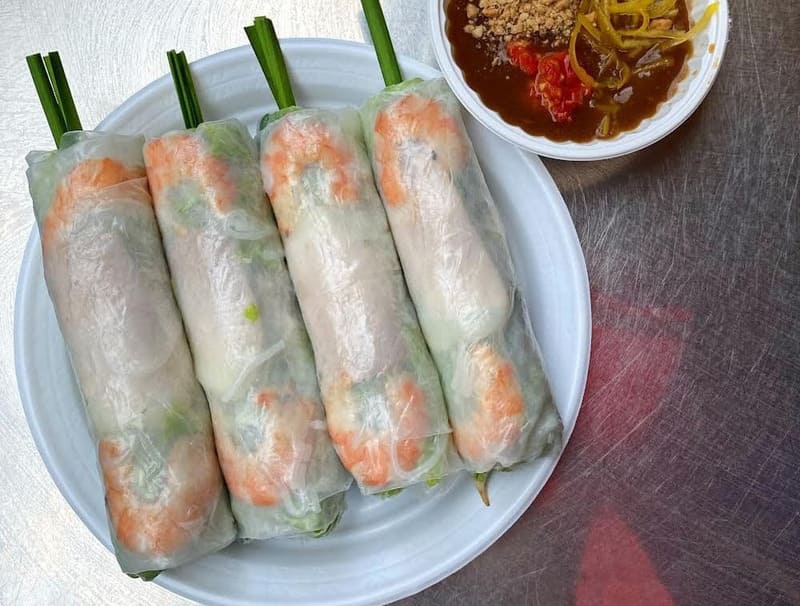
Hoi An spring rolls come fresh or fried, light or crispy (Source: Collected)
Vietnamese spring rolls are a familiar favorite, and in Hoi An, they are especially well done. You’ll commonly find two styles on local menus: fresh spring rolls (Gỏi Cuốn) and fried spring rolls (Chả Giò). Both are worth trying, depending on whether you prefer something light or crispy.
Fresh spring rolls are wrapped in soft rice paper and filled with herbs, vegetables, rice noodles, and sometimes shrimp or pork. They’re refreshing, clean in flavor, and often served with a peanut or fish sauce–based dip.
Fried spring rolls are where Hoi An truly shines. These are wrapped in rice paper rather than wheat wrappers, which creates a delicate, airy crunch when fried. Some versions use a distinctive lattice-style rice paper that becomes extra crisp and golden. Inside, the filling typically includes minced pork, vegetables, and glass noodles, offering a satisfying contrast to the crunchy exterior.
A plate usually costs around 40,000 VND. You’ll find excellent spring rolls at restaurants near the river and around the night market, where they’re freshly prepared and served hot.

Iconic Vietnamese beef noodle soup with aromatic broth (Source: Collected)
Pho Bo, or Vietnamese beef noodle soup, is one of the country’s most iconic dishes and can be found throughout Hoi An. It’s built around a clear, aromatic broth simmered with spices, served with flat rice noodles and tender slices of beef.
While pho is often associated with Hanoi or Ho Chi Minh City, the Central Vietnamese version offers a balanced style that sits comfortably between the two. The broth is clean and fragrant without being too light, and the seasoning is rich without overpowering the natural flavors of the beef. Fresh herbs, lime, and chili are served on the side, allowing you to adjust each bowl to your taste.
Pho Bo is especially enjoyable during cooler mornings or evenings, when a hot bowl feels comforting rather than heavy. In Hoi An, you’ll find it at local breakfast spots and family-run eateries, where it’s prepared fresh each day and served as a simple, satisfying meal.

Vietnamese iced coffee brewed with phin and condensed milk (Source: Collected)
Vietnamese iced coffee, known as Cà Phê Sữa Đá, is a staple drink throughout the country and a must-try in Hoi An. It’s made using strong drip-filtered coffee, typically brewed with a traditional phin filter, then poured over ice and mixed with condensed milk.
The result is bold, rich, and slightly sweet, with a smooth finish that balances the intensity of the coffee. It’s especially popular in warm weather and commonly enjoyed in the morning or as a mid-day break while exploring the Old Town.
Vietnamese coffee is highly customizable. You can order it with or without condensed milk, adjust the sweetness, or enjoy it black over ice. No matter how it’s served, Vietnamese iced coffee reflects the country’s deep coffee culture and is easy to find at cafés and street stalls across Hoi An.

Hoi An egg coffee is rich, creamy, and tastes like dessert (Source: Collected)
Vietnamese egg coffee, known as Cà Phê Trứng, is a unique specialty that’s well worth trying in Hoi An. At first, the idea of egg in coffee may sound unusual, but the result is surprisingly smooth and dessert-like.
The drink is made by topping hot, strong Vietnamese coffee with a thick, creamy layer of whipped egg yolk and sugar. When stirred together, the egg foam melts into the coffee, creating a rich, custard-like texture with flavors often compared to tiramisu or a light coffee mousse. It’s warm, comforting, and indulgent without being overly sweet.
A cup typically costs around 50,000 VND. One of the most reliable places to try Vietnamese egg coffee in Hoi An is Hoi An Roastery, a well-known café with several locations around the Ancient Town.
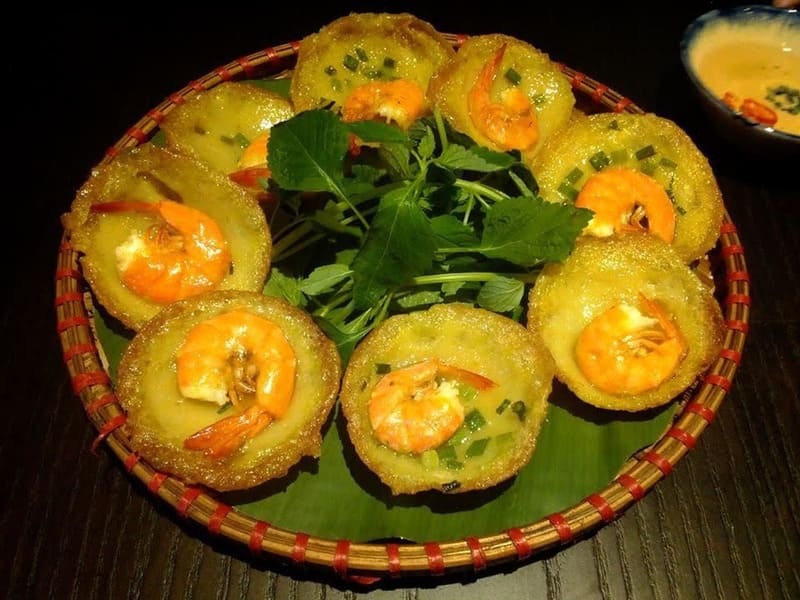
Mini crispy Vietnamese pancakes, soft inside, to share (Source: Collected)
Banh Khot is a popular Vietnamese street food often described as a mini savory pancake. In Hoi An, it’s commonly served in bite-sized portions, making it perfect for snacking or sharing. The batter is made from flour and eggs, cooked in small round molds until crisp on the outside and soft inside.
Traditionally, Banh Khot is topped with shrimp, but a well-loved variation features quail eggs, known as Bánh Khọt Trứng Cút. The quail egg adds richness and makes each piece extra satisfying. These pancakes are usually eaten whole, often dipped in a light fish sauce and paired with fresh herbs.
What makes Banh Khot so appealing is its simplicity and texture. The contrast between the crispy edges and the soft, savory center makes it hard to stop at just one. You’ll find Banh Khot at small local eateries and street food stalls around Hoi An, including places like Dung and Mrs. Tuat Banh Can, as well as on many local food tours.
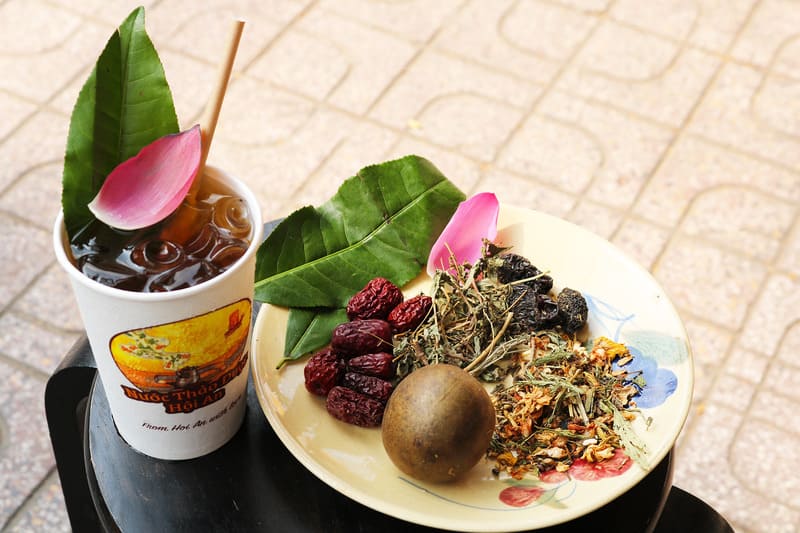
Light herbal iced tea from Mót, perfect for Hội An walks (Source: Collected)
Herbal iced tea from Mót Hội An has become one of the most recognizable drinks in the Ancient Town. The small takeaway stand is often surrounded by visitors, especially in the early evening, when the weather is warm and humid.
The drink is light, refreshing, and soothing, made from a blend of traditional herbs. While the exact recipe isn’t fully disclosed, the flavor is commonly associated with lemongrass, lime, and honey, creating a gentle balance of citrus and herbal notes. It’s an ideal drink for cooling down while strolling through Hoi An’s lantern-lit streets.
Part of its appeal lies in the presentation. The tea is served in an eco-friendly paper cup, topped with a lotus petal and finished with a lotus stem straw, giving it a distinctly local and sustainable touch. Easy to drink, visually charming, and well suited to the climate, this herbal iced tea has become a simple yet memorable Hoi An experience.

Fresh Vietnamese tofu dishes in Hoi An, light and flavorful (Source: Collected)
Tofu dishes are widely available in Hoi An and are a great option for vegetarians or anyone looking for a lighter, plant-based meal. Vietnamese tofu is typically made fresh, giving it a soft texture and a clean, subtle flavor that absorbs seasonings well.
In Hoi An, tofu is often served fried until golden, then paired with tomato-based sauces, mushrooms, herbs, or stir-fried vegetables. You’ll also find tofu used in noodle dishes, rice plates, and simple clay pot meals, where it’s gently simmered to stay tender and flavorful.
What makes tofu dishes here appealing is their balance. They’re satisfying without being heavy and often highlight fresh local produce and herbs. Many vegetarian restaurants and family-run eateries around the Ancient Town specialize in tofu-based dishes, making them easy to find and reasonably priced.
Hoi An offers a wide range of dining options, from casual local eateries to beautifully designed restaurants overlooking the river or Old Town streets. Below are some of the most popular and reliable places to eat, each known for a distinct style or specialty.
Learn more: 20+ Best Restaurants in Hoi An Vietnam Worth Visiting
Eating in Hoi An is easy and enjoyable, whether you’re dining at a local market stall or a sit-down restaurant. A few practical tips can help you get the most out of the experience and avoid common surprises.
Yes, street food in Hoi An is generally safe for tourists, especially when you choose busy stalls with high turnover. Vendors that attract locals and cook food fresh to order are usually the most reliable. It’s best to avoid stalls with food sitting out for long periods and to stick to freshly cooked dishes.
Food in Hoi An is very affordable. Street food and local eateries usually range from 20,000 to 40,000 VND per dish. Meals at casual restaurants cost slightly more, while upscale or riverside restaurants in the Old Town charge higher prices but still offer good value compared to many travel destinations.
Both are worth experiencing. Street food offers authentic flavors, local atmosphere, and excellent prices, while restaurants provide more comfort, wider menus, and consistent quality. A mix of both gives you the best overall food experience in Hoi An.
Many restaurants and popular food spots in tourist areas offer English menus. At smaller street stalls, menus may be limited or written only in Vietnamese, but staff are usually friendly and accustomed to helping visitors order. Pointing at dishes or asking nearby customers is common and works well.
For street food and local eateries, reservations are not needed. However, well-known restaurants in Hoi An Ancient Town can get busy during peak hours, especially in the evening. Booking ahead is recommended for popular restaurants or if you’re visiting during the high tourist season.
Hoi An’s cuisine brings together fresh local ingredients, time-honored cooking methods, and the slow, easygoing pace of life that defines the ancient town. From casual street food to comforting home-style dishes and more polished dining experiences, there’s something here for every kind of traveler.
This guide to the 15 best foods in Hoi An is meant to make choosing what to eat and where to go simple and stress-free. Enjoy each dish at your own pace, because it’s often these honest, familiar flavors that become the most memorable part of a trip to Hoi An.
2026-06-12




 Vietnam Tours
 Cambodia Tours
 Laos Tours
 Thailand Tours
 Multi-Country Tours