Hoi An Ancient Town is a UNESCO World Heritage site in central Vietnam, located about 30 km south of Da Nang city center. It is best known for its narrow lanes, yellow heritage buildings, timber shop-houses, Chinese assembly halls, and the Japanese Covered Bridge, all reflecting centuries of maritime trade and cultural exchange.
In this guide from Your Vietnam Travel, you will find the key information to plan your visit with ease. From location and opening hours to ticket details and practical tips, this article covers the essentials you should know before exploring Hoi An Ancient Town.
Hoi An Ancient Town lies about 45 minutes from Da Nang by car and is one of the most distinctive heritage destinations in central Vietnam. From the 15th to the 19th century, it developed as a thriving trading port where Vietnamese, Chinese, and Japanese communities lived and traded together. Today, it remains one of Vietnam’s most celebrated cultural landmarks, valued for its preserved architecture and long history of international exchange.
Walking around the Old Town is free, but a ticket is required to enter selected heritage sites within the protected area. Visitors can buy an Old Town ticket at official counters near the main entrances and use it to visit a number of cultural attractions, including the Japanese Covered Bridge, Fujian Assembly Hall, Tan Ky Old House, the Museum of Trade Ceramics, and Cantonese Assembly Hall. Most ticketed sites are generally open from around 8:00 AM to 5:00 PM daily.
For international visitors, the ticket price is typically around 120,000 VND per person, although rates may change depending on local policy. Tickets can usually be purchased at booths on Tran Phu Street, Nguyen Thai Hoc Street, and nearby access points. It is best to keep your ticket with you during your visit, as it may be checked when entering individual heritage sites.
 |
|
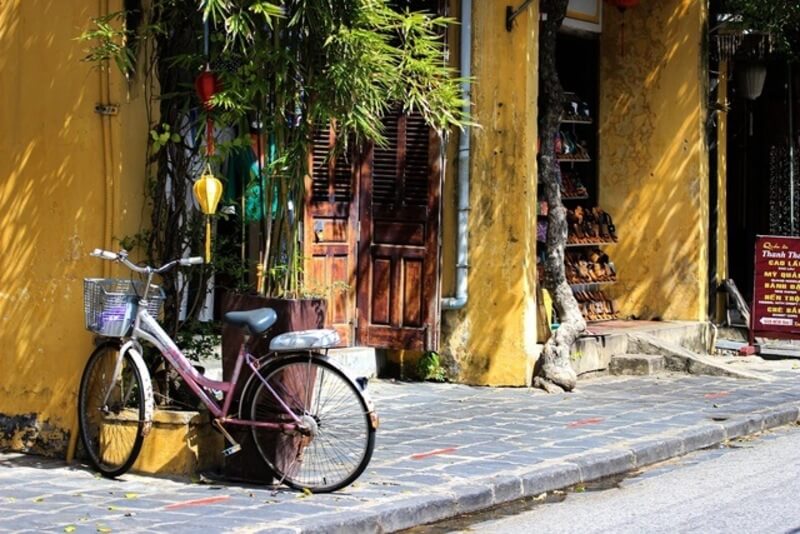
Yellow buildings on Hoi An Ancient Town (Source: Unsplash) |
Hoi An began as a river port along the Thu Bon River, attracting traders from across Asia through early Cham maritime networks. By the 16th to 18th centuries, it had developed into a busy trading hub where Vietnamese, Chinese, and Japanese communities lived and worked together. Many of the town’s assembly halls, merchant houses, and cultural landmarks date from this period.
From the 15th to the 19th century, Hoi An was one of Southeast Asia’s key international ports, known to foreign traders as Faifo. Its street layout, riverside shop-houses, and religious buildings reflect a blend of local and overseas influences that has been largely preserved. The Japanese Covered Bridge, traditionally linked to the late 16th century, remains one of the most recognizable symbols of this era.
In the late 19th century, Hoi An’s importance declined as the river gradually silted up and regional trade shifted to Da Nang. This slowdown helped protect the town from large-scale redevelopment, allowing much of its original architecture to remain intact.
In 1999, UNESCO recognized Hoi An Ancient Town as a World Heritage site for its well-preserved example of a Southeast Asian trading port. Today, conservation efforts focus on maintaining its historic character while supporting local life, crafts, and tourism. Visitors can still experience a town where history is closely integrated with everyday life.
 |
|
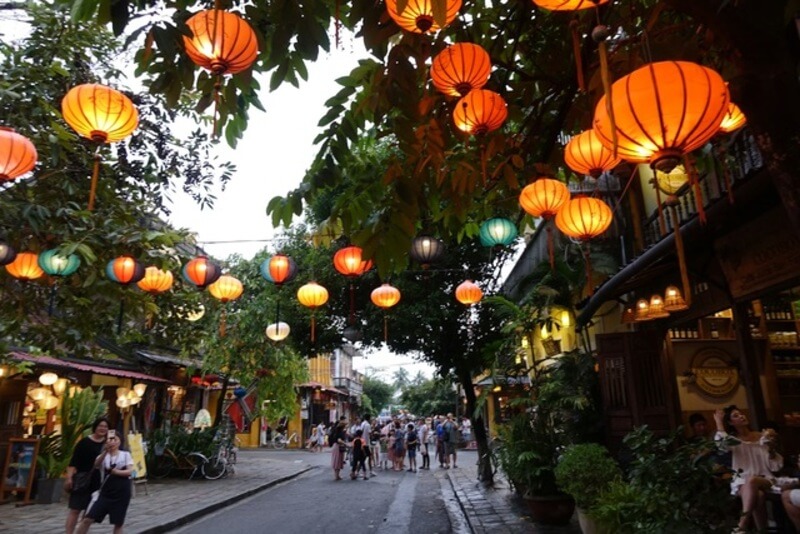
Hoi An Ancient Town with iconic old yellow buildings (Source: Unsplash) |
Hoi An stands out for its well-preserved heritage, relaxed atmosphere, and strong sense of local culture. From its seasonal weather and traditional festivals to its pedestrian-friendly streets and historic architecture, the town offers a distinct travel experience compared to larger Vietnamese cities.
Hoi An has a tropical climate with two main seasons. The dry season runs from February to August, with average daytime temperatures around 25 - 30°C and the hottest months in June and July. The rainy season lasts from September to January, bringing heavier rainfall and occasional flooding, so it is best to check the weather if you plan to visit during this period.
Local festivals follow the lunar calendar and play an important role in Hoi An’s cultural life. The 14th day of each lunar month is especially lively, when the Old Town becomes more active in the evening with traditional performances, family gatherings, and street activities.
The Lantern Festival, held monthly on this date, is the town’s most well-known event. Lights in parts of the Old Town are dimmed, allowing silk lanterns and candles along the Hoai River to stand out. Visitors can take part by releasing small lanterns on the water.
Planning tip: The first Lantern Festival after Lunar New Year is usually the busiest, so expect large crowds if you visit at this time.
The same lunar date is also a time for worship. Many local families prepare offerings, burn incense, and visit temples or pagodas. These practices reflect the continued role of Buddhist and folk traditions in daily life and are visible to visitors throughout the Old Town.
Compared with Hanoi or Ho Chi Minh City, traffic in Hoi An is relatively light. The Ancient Town operates as a pedestrian and cycling zone during certain hours, with motorbikes restricted on key streets. This makes it easier to walk, take photos, and explore at a slower pace.
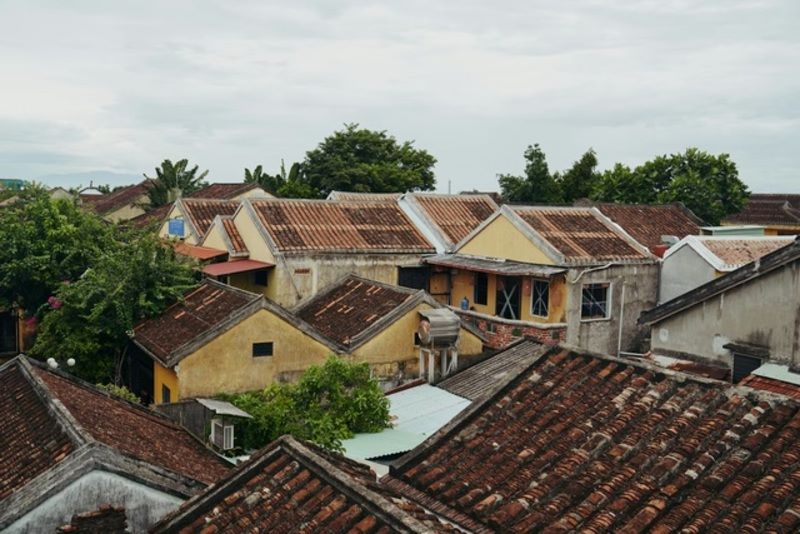
Hoi An’s architecture is one of its defining features. The Old Town is made up of low-rise buildings with tiled roofs, wooden facades, and narrow street layouts. Strict conservation rules help preserve the original appearance of these structures.
The town reflects a mix of cultural influences developed over centuries. Elements from Cham heritage appear alongside Chinese, Japanese, and later European styles, especially in assembly halls, merchant houses, and religious buildings. Walking through these streets gives a clear sense of how Hoi An has preserved its historical character while remaining an active town.
 |
|
Hoi An’s building with unique style of exterior (Source: Unsplash) |
Hoi An Ancient Town is best explored on foot, with short walks between its main highlights. For both first-time and returning visitors, these key spots offer a clear introduction to the town’s history, culture, and daily life.
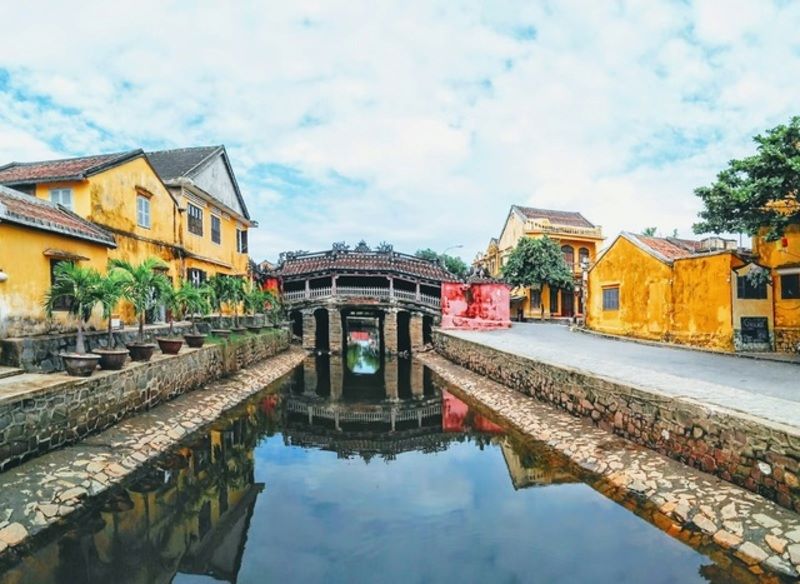
The Japanese Covered Bridge (Chua Cau) is Hoi An’s most recognizable landmark. It connects Tran Phu Street with Nguyen Thi Minh Khai Street and spans a small canal linked to the Hoai River. The bridge is also featured on Vietnam’s 20,000 VND banknote.
Built by Japanese merchants and later maintained by local communities, the bridge reflects a mix of Japanese, Chinese, and Vietnamese architectural influences. Inside, there is a small shrine dedicated to Bac De Tran Vu, a guardian deity associated with protection.
Today, the bridge is both a historic site and a popular photo spot, especially in the early morning and evening when the light is softer.
Tips:
 |
|
Japanese Covered Bridge in Hoi An (Source: Unsplash) |
The Hoai River runs through the center of Hoi An and has long been part of the town’s trading history. Today, it is best known for its evening atmosphere and lantern activities.
After sunset, riverside streets become pedestrian-friendly, making it easy to walk, relax, and enjoy the views. On full moon nights and during the monthly Lantern Festival, the area becomes more lively with lights, performances, and local activities.
Boat rides are a popular way to see the Old Town from the water, especially at sunset or early evening.
Tips:
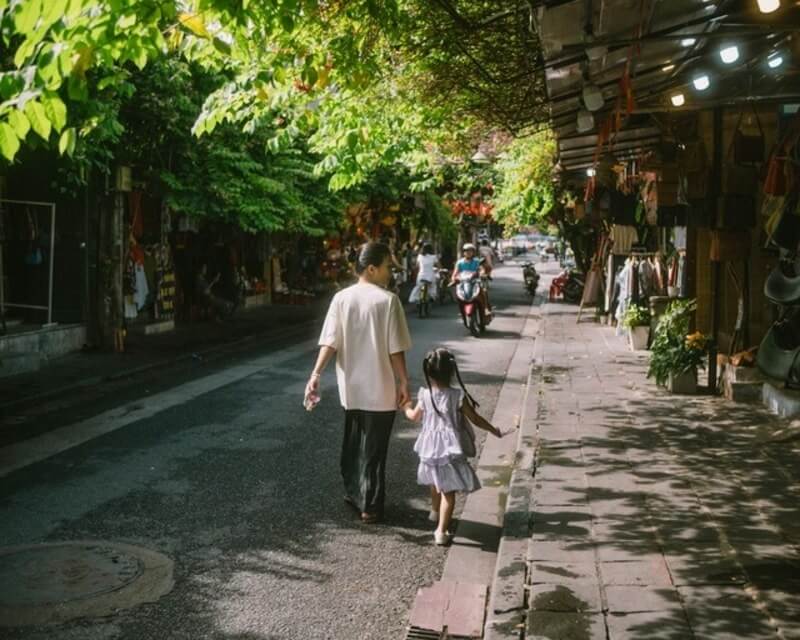
Located between Tran Phu and Bach Dang streets, Hoi An Central Market is one of the busiest and most local areas in the Old Town. It offers a contrast to the quieter heritage streets, with a more active and everyday atmosphere.
The market is divided into sections for fresh produce, seafood, dry goods, and a large food court. Many visitors come here to try local dishes such as cao lau, mi Quang, and simple rice meals.
Tips:
If you also want to browse souvenirs and street snacks after dark, the Hoi An Night Market is another popular stop near the Old Town.
 |
|
Guests walking along the Hoi An Central Market (Source: Unsplash) |
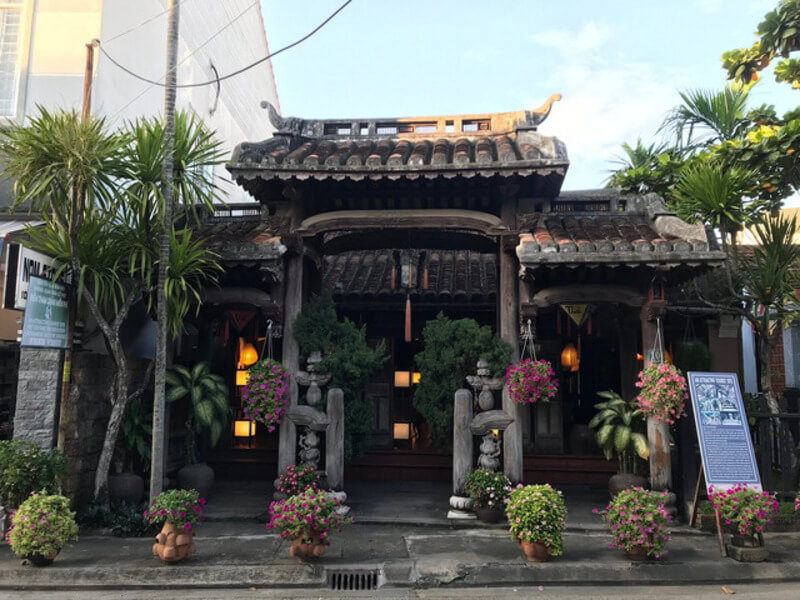
Hoi An’s ancient houses are a key part of its heritage. These low-rise buildings, with wooden structures and tiled roofs, line streets such as Tran Phu, Nguyen Thai Hoc, and Bach Dang.
Many of these houses are still used as homes, shops, or cultural sites, which helps preserve the town’s original character. Visitors can walk freely through the streets, but entry to selected heritage buildings requires an Old Town ticket.
Some houses also host cultural activities and small performances throughout the day.
Ticket reference:
Notable houses to visit:
 |
|
An ancient House in Hoi An (Source: TripAdvisor) |
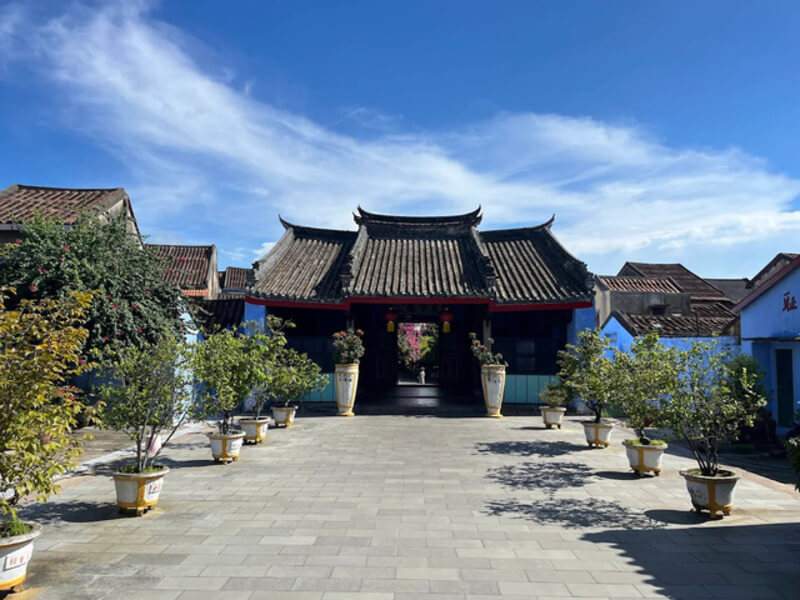
Chinese Assembly Halls are located mainly along Tran Phu Street and were once important meeting places for Hoi An’s Chinese communities. They served religious, social, and commercial purposes, representing groups such as Fujian, Cantonese, Hainan, Chaozhou, and Hokkien.
Each hall has its own architectural style and patron deities, reflecting the identity of its community. Together, they show the strong influence of Chinese merchants on Hoi An’s trading history.
Inside, you will find courtyards, tiled roofs, and richly decorated interiors. Details such as carved wooden doors, painted panels, dragon motifs, and hanging incense coils create a distinctive atmosphere that combines religious and community functions.
Tips:
 |
|
Chinese Assembly Halls’ Yard (Source: Collected) |
Hoi An’s temples are active places of worship and offer a quieter experience within the Old Town. They provide insight into local spiritual life and are good stops between walking routes.
Most temples are included in the Old Town ticket. Visiting hours are typically during the day, around 8:00 AM - 5:30 PM, though times may vary.
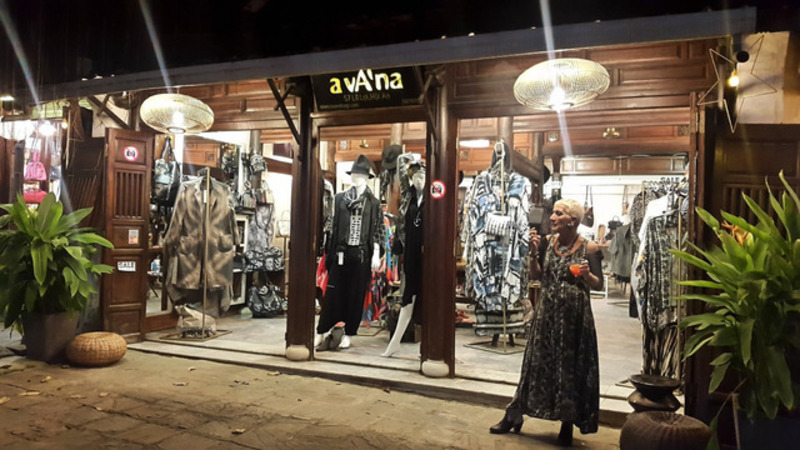
The narrow alleys behind Le Loi Street are among the quieter parts of Hoi An Ancient Town. Running parallel to Tran Phu, they offer a more local and less crowded experience.
These lanes are best visited early in the morning or late afternoon. You will see traditional houses, small workshops, and everyday life away from the main tourist flow.
Tips:
 |
|
Avana Boutique Shop on Le Loi Street, Hoi An (Source: Tripadvisor) |
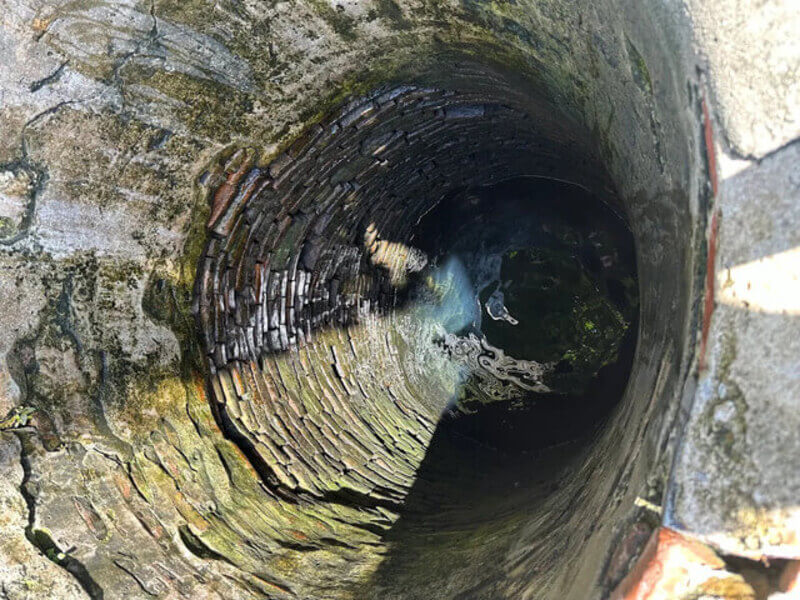
Located in a small alley near Ba Le Well, this historic site reflects Hoi An’s daily life in the past. The well has long been used by local residents and is often linked to traditional dishes such as cao lau.
This is a public space with no entrance fee or fixed hours. It is best visited during the day, especially in the early morning when the area is quieter.
Tips:
 |
|
Inside the hidden ancient well in Hoi An (Source: Tripadvisor) |
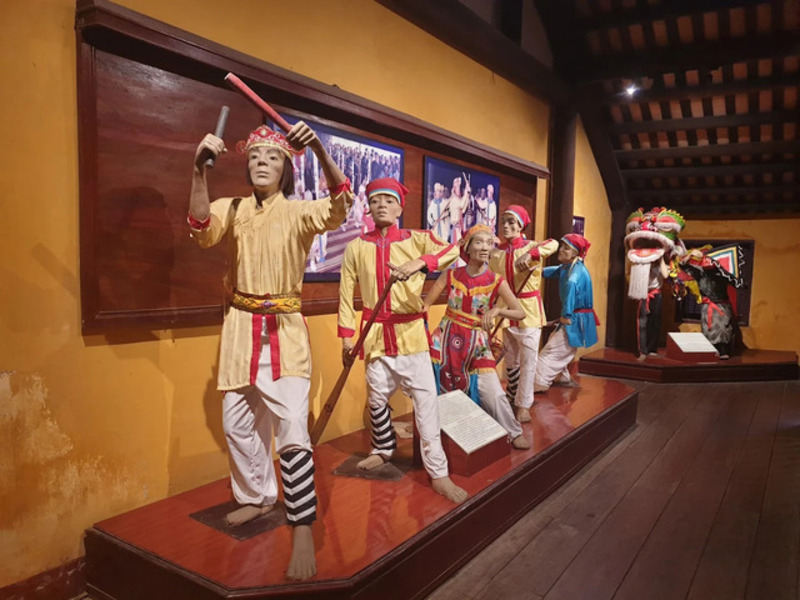
Located at 33 Nguyen Thai Hoc Street, Hoi An Museum of Folk Culture is housed in a traditional two-storey wooden building in the heart of the Old Town. It offers useful context on how local people lived, worked, and maintained their cultural traditions over time.
The upper floor focuses on four main themes: traditional crafts, performing arts, daily life, and local customs. Displays include costumes, tools, fishing equipment, and household items that reflect the lives of traders, farmers, and artisans. On the ground floor, larger exhibits and reconstructions provide a closer look at traditional workshops and river-based trade.
Visitor information:
What to expect:
 |
|
Inside the Hoi An Museum of Folk Culture (Source: Collected) |
Hoi An’s lantern streets run through the central Old Town, especially along Tran Phu, Nguyen Thai Hoc, Bach Dang, and Nguyen Phuc Chu near the river. In the evening, lanterns light up the streets while many areas become pedestrian-only, making it easy to walk and explore.
On the 14th day of each lunar month, the Lantern Festival creates a more vibrant atmosphere as electric lights are reduced and lanterns become the main source of illumination. The riverside is especially active during this time.
What to know:
 |
|
Lanterns at Hoi An Ancient Town at night time (Source: Unsplash) |
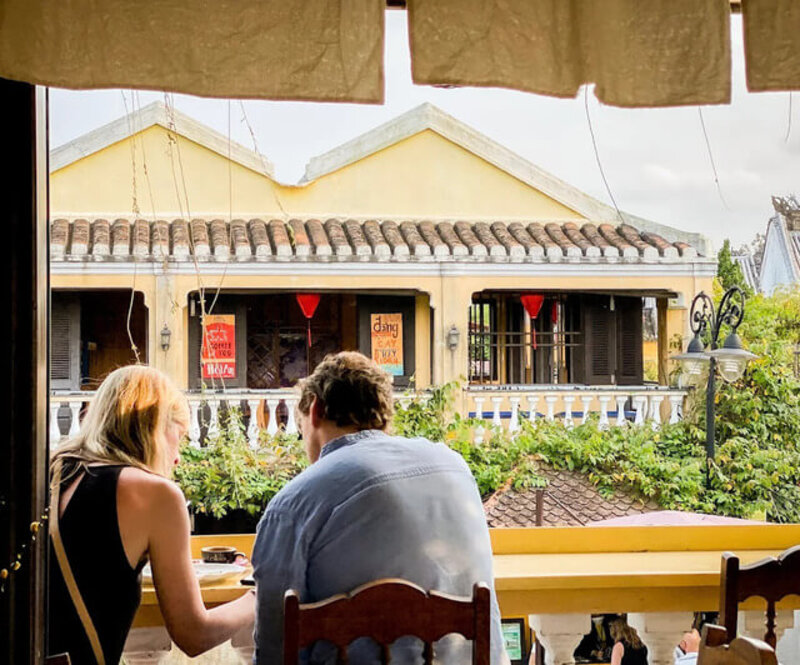
Hoi An has many cafes set inside restored heritage houses, offering a mix of traditional Vietnamese coffee and modern drinks. These are convenient stops between sightseeing and a good way to experience the town at a slower pace.
Here are a few popular options:
1. Faifo Coffee
2. Hoi An Roastery
3. Cocobox
General tips:
For more options beyond the Old Town, see our list of the best cafes in Hoi An.
 |
|
A couple enjoying coffee at a cafe in Hoi An Old Town (Source: Collected) |
Hoi An is best experienced at a slow pace, on foot or by boat. These activities highlight the town’s atmosphere and help you plan a relaxed half-day or evening visit.
A short boat ride on the Hoai River offers a unique perspective of Hoi An Ancient Town, especially in the evening when lanterns illuminate the riverbanks. This experience is particularly popular for couples and works well as part of a romantic stay in Hoi An or a central Vietnam itinerary.
Where: Bach Dang Street and An Hoi Bridge area
When: Around 6:00 - 8:00 PM (boats usually operate from late afternoon to evening)
Highlights:
Tips:
If you want practical details on timing, ticketing, and what to expect, read our guide to the Hoi An lantern boat ride.
 |
|
Guests travelling on lantern boats on Hoai River (Source: Unsplash) |
Evening is the best time to explore Hoi An. Many streets become pedestrian-only, making it easy to walk and enjoy the atmosphere.
Where: Japanese Covered Bridge → Bach Dang riverside → An Hoi → Tran Phu / Nguyen Thai Hoc
When: 5:30 - 9:30 PM
Highlights:
Tips:
For more evening ideas beyond the riverfront, explore our guide to Hoi An nightlife.
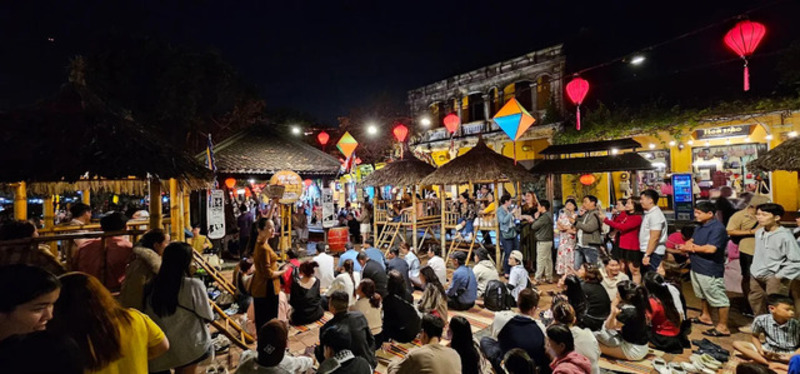
Bai Choi is a traditional folk game combining music and interactive play. It is recognized as part of Vietnam’s cultural heritage.
Where: An Hoi area / Nguyen Phuc Chu Street
When: Around 7:00 - 9:00 PM
Highlights:
Tips:
 |
|
Join the game of Bai Choi (Source: Collected) |
Hoi An is known for fast and affordable tailoring. Many shops can complete custom clothing within one or two days.
Where: Tran Phu, Le Loi, Nguyen Thai Hoc, Nguyen Duy Hieu streets
When: 9:00 AM - 9:00 PM
Highlights:
Tips:
If you plan to order custom clothing, our full guide to tailoring in Hoi An covers what to expect, timelines, and fitting tips.
Festivals, especially on full-moon nights, bring more energy to the Old Town with performances and traditional activities.
Where: Bach Dang riverside, main squares, An Hoi area
When: Evenings on the 14th lunar day
Highlights:
Tips:
For festival dates, what to expect, and practical advice, read our full Hoi An Lantern Festival guide.
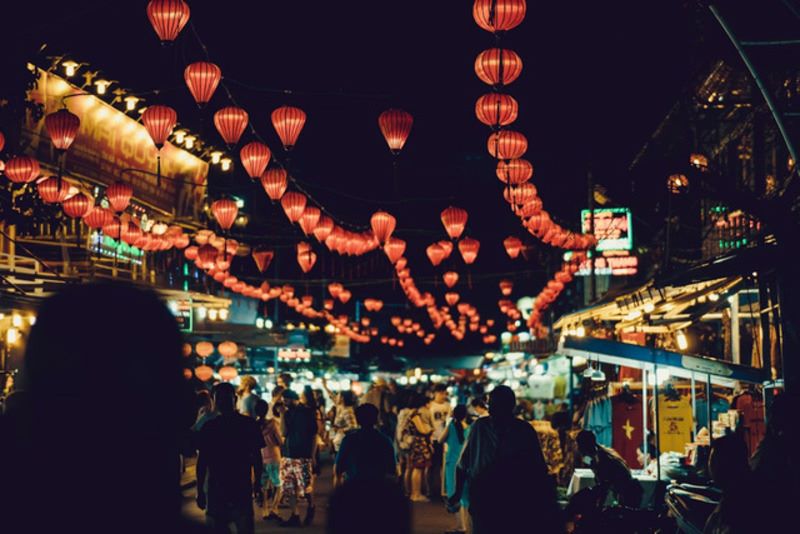 |
|
Busy streets at Hoi An Lantern festival (Source: Unsplash) |
Hoi An’s food scene is compact, affordable, and centered around local specialties. Many signature dishes are unique to the region, making it easy to sample a variety of flavors in a short time. This rich culinary diversity is one of the reasons Hoi An stands out as a must-visit destination for travelers interested in food and culinary experiences in Vietnam.
Local Dishes to Try:
Drinks and Desserts:
Quick Tips:
For a more detailed food guide, explore our list of Hoi An street food and must-try local dishes.
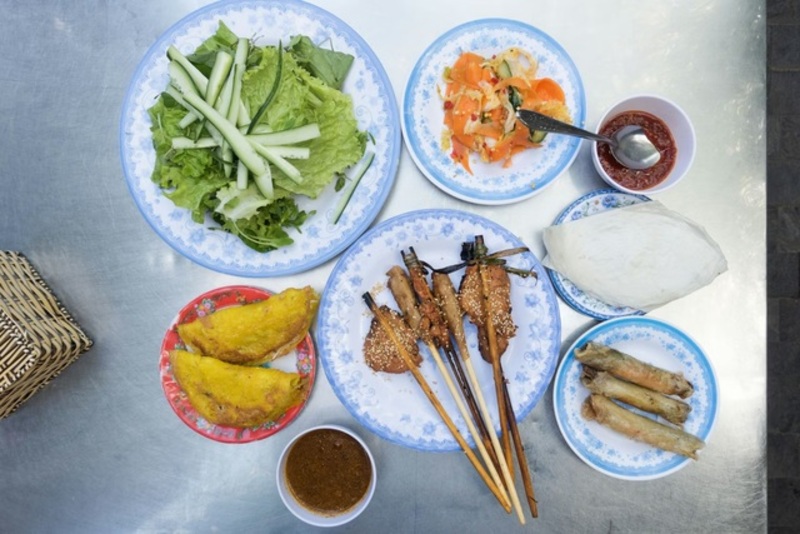 |
|
A table of Hoi An Old Town dishes like ram, grilled pork, banh xeo (Source: Unsplash) |
Hoi An is a good place to shop for locally made products that are lightweight, practical, and culturally meaningful. Most items are easy to carry and available throughout the Old Town.
Popular Souvenirs:
Buying Tips:
For a broader guide beyond the Old Town, see our tips on shopping in Hoi An.
Staying in or near the Old Town allows easy access to lantern streets, cafés, markets, and main attractions. It is a convenient option if you plan to explore on foot, especially in the evening.
1. Traditional Boutique Hotels
Boutique hotels in restored heritage buildings offer a more local atmosphere, often with courtyards, wooden interiors, and central locations near Tran Phu or Nguyen Thai Hoc.
Good for: Couples and culture-focused travelers
Price range: ~US$60 - 100/night
Tips:
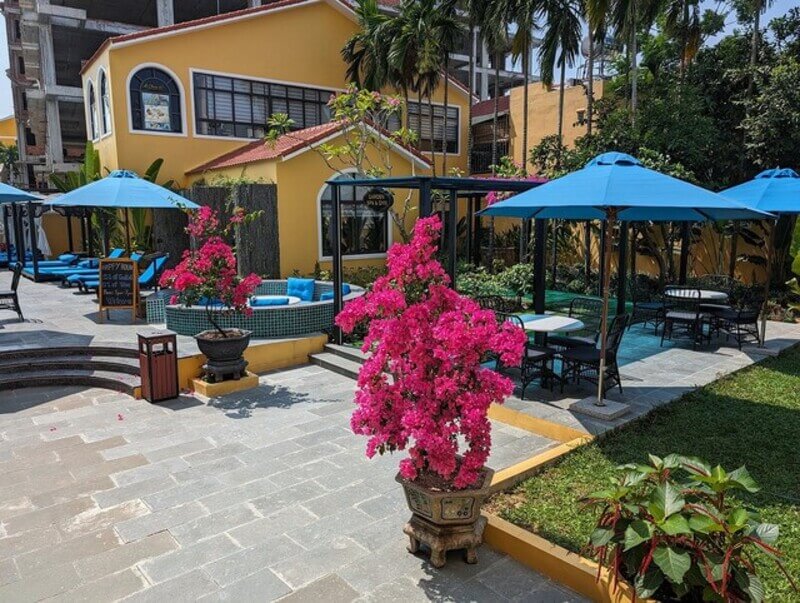 |
|
La Charm hotel with Hoi An’s iconic yellow colour (Source: TripAdvisor) |
2. Mid-Range Hotels
These hotels offer modern amenities such as pools and larger rooms, usually located between the Old Town and nearby beaches.
Good for: Families and small groups
Price range: ~US$40 - 70/night
Tips:
3. Budget Stays
Guesthouses and homestays around the Old Town provide simple, affordable accommodation with convenient access to main areas.
Good for: Solo travelers and backpackers
Price range: ~US$15 - 40/night
Tips:
If you want to compare neighborhoods and hotel styles, read our full guide on where to stay in Hoi An.
The most comfortable time to visit is from February to April, when the weather is cooler and drier.
For a more unique atmosphere, visit during the Lantern Festival on the 14th day of the lunar month, when the Old Town becomes more active in the evening. For more details, see our guide to the best time to visit Hoi An.
If you have extra time beyond the Old Town, these nearby spots are easy half-day trips. They offer a mix of local culture, countryside experiences, and natural scenery
A traditional craft village known for terracotta products and family-run kilns. Visitors can walk through small lanes, watch artisans at work, and try simple pottery-making activities.
Address: Thanh Ha Ward, Hoi An
Opening hours: Around 8:00 AM - 5:30 PM
Distance: ~3 km west of the Old Town
Why visit:
Getting there:
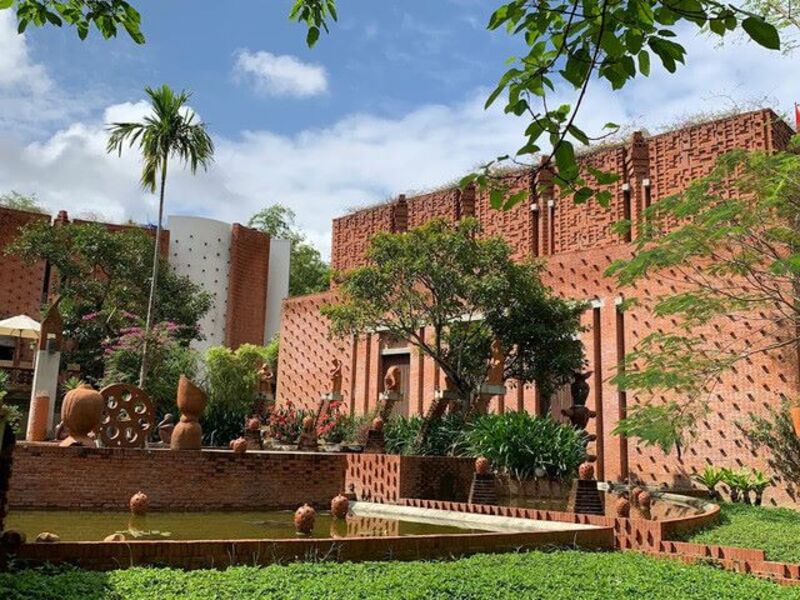 |
|
Thanh Ha Terracotta Park in Thanh Ha Pottery Village (Source: Collected) |
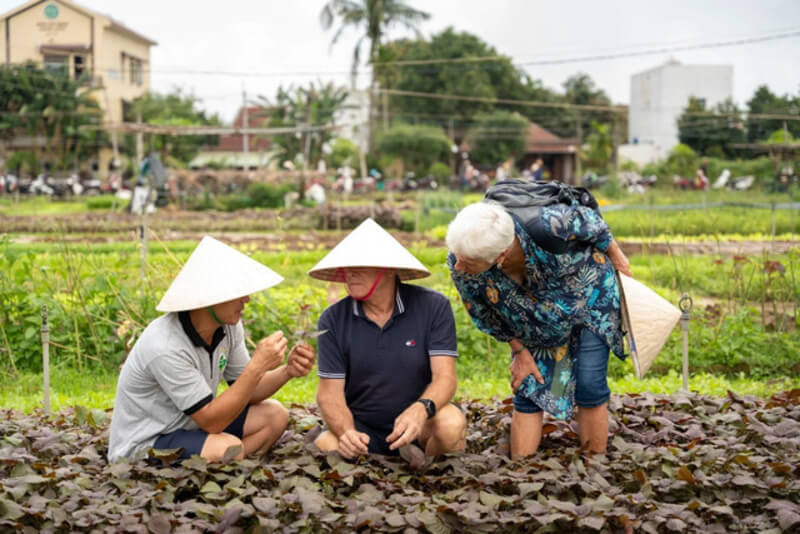
A farming village that supplies fresh herbs and vegetables to Hoi An. It offers a quieter, rural setting just outside the Old Town.
Address: Tra Que Hamlet, Cam Ha Commune
Opening hours: Daytime (guided visits usually in the morning or afternoon)
Distance: ~4 km north
Why visit:
This area is especially worth visiting if you want to join a hands-on Hoi An cooking class and Tra Que Organic Village tour rather than visiting independently.
Getting there:
 |
|
Travellers learning about vegetables at Tra Que Vegetable Village (Source: Collected) |
A popular beach near Hoi An with soft sand, clear water, and casual dining options. It is a good place to relax after exploring the Old Town.
Address: End of Hai Ba Trung Street
Opening hours: Open all day
Distance: ~5 km northeast
Why visit:
Getting there:
 |
|
Travellers relaxing on An Bang Beach (Source: Colleted) |
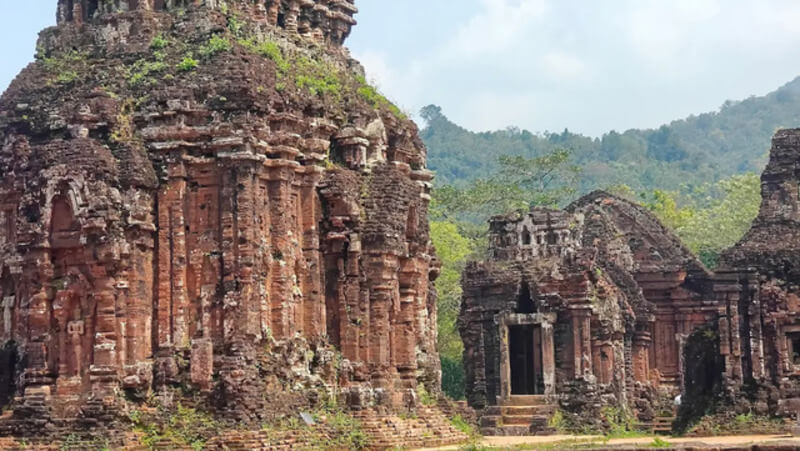
A UNESCO World Heritage site featuring ancient Cham temple ruins set in a forested valley. It is one of the most important historical sites near Hoi An.
Address: Duy Phu Commune, Duy Xuyen District, Quang Nam
Opening hours: Around 6:00 AM - 5:00 PM
Distance: ~40 km southwest
Why visit:
Getting there:
 |
|
Ancient buildings at My Son Sanctuary (Source: Collected) |
These practical tips will help you plan your visit smoothly and make the most of your time in Hoi An.
Hoi An Ancient Town is located in central Vietnam, around 30 km south of Da Nang city center. It usually takes about 45 - 60 minutes to get there by car, taxi, or shuttle.
No. Walking around Hoi An Ancient Town is free. However, you need a ticket to enter selected heritage sites such as ancient houses, assembly halls, museums, and some historic landmarks.
For international visitors, the ticket is usually around 120,000 VND per person, although prices may change depending on local policy. Tickets are sold at official counters near the main entrances to the Old Town.
The Old Town itself is open throughout the day for walking and sightseeing. Most ticketed heritage sites are generally open from around 8:00 AM to 5:00 PM, though hours may vary slightly by location.
The best time to visit is from February to April, when the weather is cooler and drier. For the best atmosphere in town, early morning and evening are ideal, especially if you want softer light, fewer crowds, or lantern views.
Yes. Evening is one of the best times to experience Hoi An Ancient Town. Lantern-lit streets, riverside walks, night views, and cultural activities make the Old Town especially attractive after sunset.
Most visitors need at least half a day to see the main highlights. If you want to visit heritage sites, eat local food, take a boat ride, and enjoy the town at night, a full day is a better choice.
The most common options are taxi, private car, shuttle bus, or motorbike. Travel time is usually around 45 - 60 minutes, depending on traffic and your starting point in Da Nang. If you prefer a smoother plan with transport and sightseeing already arranged, a short Da Nang and Hoi An tour can be a convenient option.
Yes. Hoi An Ancient Town is very walkable, and many central streets become pedestrian-only during certain hours, especially in the evening. This makes it easy to explore on foot at a relaxed pace.
Yes. Hoi An Ancient Town is generally suitable for couples, families with children, and solo travelers. It is compact, easy to navigate, and has a calmer atmosphere than larger cities, especially inside the Old Town area.
Yes. Bicycles are a convenient way to get around Hoi An, especially outside the busiest walking hours. Motorbikes are restricted in some central areas, so walking or cycling is often the easiest option.
Yes. Hoi An has many vegetarian-friendly dishes and restaurants. You can also find plant-based options in local eateries, markets, and cafés around the Old Town.
We hope this guide gives you a clear picture of Hoi An Ancient Town and how to enjoy it well. You now have the essentials on location, hours, and fees, the story behind the town, the highlights to see, the activities to try, what to eat and buy, where to stay, the best time to visit, and simple tips to keep your day smooth.
For a smoother trip, Your Vietnam Travel can help create a personalized itinerary with transfers, ticket assistance, and reservations arranged to match your pace and budget. This can be a short Hoi An escape, a wider Central Vietnam journey, or a tailor-made tour across Vietnam.



 Vietnam Tours
 Cambodia Tours
 Laos Tours
 Thailand Tours
 Multi-Country Tours