The best time to visit Hanoi is during autumn (September to November) and spring (February to April), when the weather is mild, skies are clearer, and humidity is lower. These seasons offer comfortable conditions for walking through the Old Quarter, visiting historic sites, and enjoying outdoor cafes.
This guide from Your Vietnam Travel explains Hanoi’s weather by season and month, along with crowd levels, travel costs, major festivals, and helpful local tips to help you plan the best time for your trip.
Planning your trip to Hanoi is easier when you understand how the weather changes throughout the year. The table below summarizes average temperatures, rainfall, and rainy days by month to give you a clear overview of typical conditions.
Here are a few quick insights to help you interpret the data and choose the most suitable travel period:
Use these general patterns together with the month-by-month data to decide the best time for your itinerary and packing plans when visiting Hanoi.
| Month | Average Low (°C) | Average High (°C) | Rainfall (mm) | Rainy Days |
|---|---|---|---|---|
| January | 14 | 20 | 13 | 2 |
| February | 15 | 21 | 13 | 2 |
| March | 18 | 24 | 31 | 5 |
| April | 22 | 28 | 53 | 7 |
| May | 24 | 32 | 127 | 12 |
| June | 26 | 33 | 160 | 14 |
| July | 27 | 33 | 203 | 16 |
| August | 26 | 32 | 226 | 17 |
| September | 25 | 31 | 173 | 13 |
| October | 22 | 29 | 84 | 8 |
| November | 19 | 26 | 46 | 4 |
| December | 15 | 22 | 15 | 2 |
Hanoi experiences four distinct seasons, each offering a different atmosphere for travelers. Understanding these seasonal patterns helps you choose the most comfortable time for sightseeing, photography, and day trips around northern Vietnam.
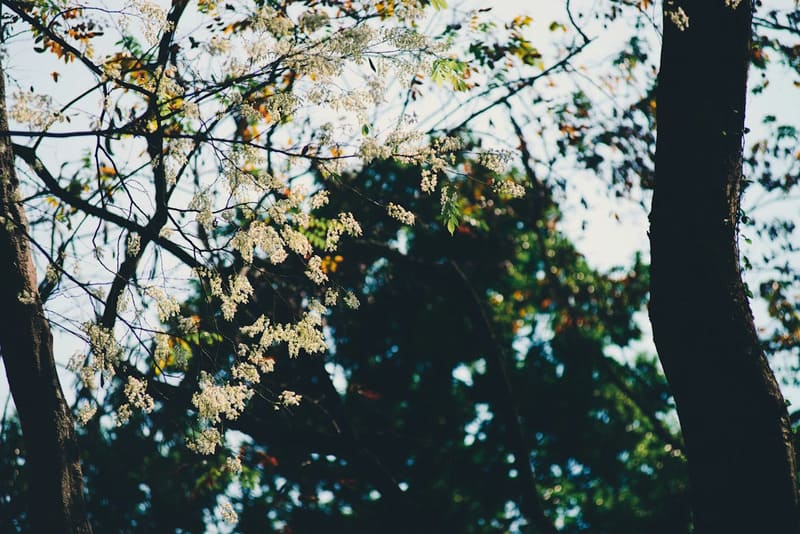
Spring brings mild temperatures and a refreshing atmosphere to Hanoi. Daytime temperatures typically range between 20–26°C, with occasional light drizzle and increasing humidity as the season progresses. Parks and streets often feel lively as flowers begin to bloom and the city emerges from the cooler winter months.
This period is comfortable for exploring the Old Quarter, visiting museums, and taking short trips to nearby destinations such as Ninh Binh or Ha Long Bay. Many travel guides consider March one of the most pleasant months thanks to its balanced weather and relatively clear skies.
Tip: Bring a light jacket or sweater for cooler mornings and evenings.
 |
|
Hanoi white flowers in spring under soft sunlight (Source: Unsplash) |
Summer in Hanoi arrives quickly with rising temperatures and high humidity. From May through August, daytime temperatures can climb above 30–35°C, and humidity levels become noticeably stronger. Rain showers also become more frequent as the rainy season develops across northern Vietnam.
July and August are typically the wettest months, with heavy but often short-lived downpours. Despite the heat, summer still offers lively street scenes, green landscapes, and fewer international visitors compared to the autumn peak.
Tip: Plan outdoor activities early in the morning or later in the evening, and allow time for indoor breaks during the hottest hours of the day.
Autumn is widely regarded as the best season to visit Hanoi. Temperatures gradually become cooler, humidity decreases, and the city enjoys softer sunlight that creates ideal conditions for photography.
Daytime temperatures often range from 24–28°C, making it comfortable to explore Hanoi’s streets, lakes, and historic landmarks. The clearer skies and gentle weather also make this a great season for trips to Ha Long Bay, Ninh Binh, or the surrounding countryside.
Storm note: Tropical storms occasionally affect northern Vietnam between September and November, so it is helpful to check weather forecasts when planning travel during this period.
 |
|
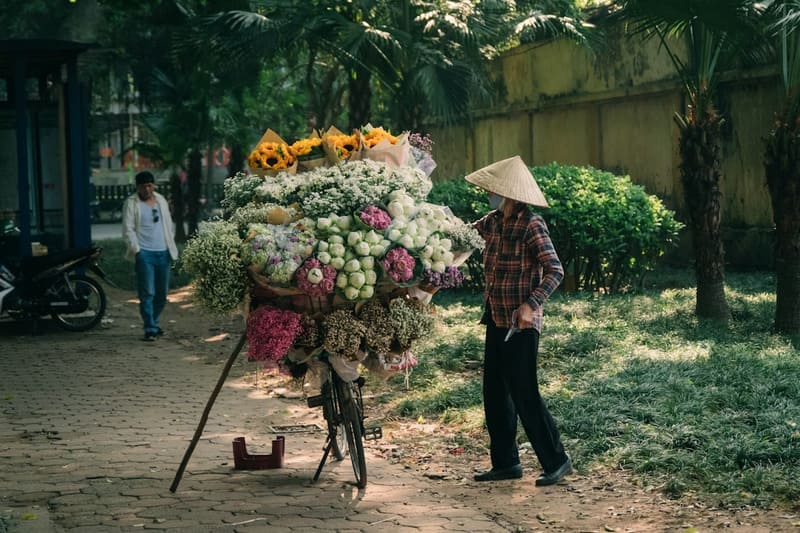
Flowers on a bicycle on Phan Dinh Phung Street in Hanoi (Source: Unsplash) |
Winter in Hanoi is cooler and generally calmer, with temperatures usually ranging from the high teens to the low 20s °C during the day and cooler at night. Skies can appear grey or misty at times, creating a quiet and atmospheric feel across the city.
The cooler weather makes walking through historic areas comfortable, and visitor numbers are typically lower than during the autumn peak season. December often feels crisp and peaceful, offering a relaxed travel experience.
Tip: Pack layers, as evenings can feel chilly and many buildings in Hanoi have limited indoor heating.
The most comfortable time to visit Hanoi is generally from October to April, when the weather is cooler and drier compared with the hot, humid summer months. Clearer skies and milder temperatures during this period make it easier to explore the city’s historic streets, lakes, and cultural landmarks.
Within this timeframe, two periods stand out as particularly pleasant for travelers:
For travelers seeking good weather with more reasonable prices, the shoulder months of April–May and October–November often offer a balanced mix of comfortable conditions and lower travel costs.
Outside these periods, conditions vary more noticeably. June to August is typically the hottest and most humid time of the year, with frequent heavy rain showers. Early starts and flexible travel plans can help manage the heat and sudden storms, which occasionally affect northern Vietnam during late summer.
During December to February, temperatures become cooler and skies may appear grey or misty. While the weather is less ideal for outdoor photography, the cooler conditions are comfortable for visiting museums, cafes, and indoor cultural sites.
One important consideration is Tet (Lunar New Year), which usually falls between late January and February. The city becomes festive and culturally vibrant, but many shops and restaurants temporarily close, and accommodation prices often increase. Travelers who prefer a fully open city usually plan their visit outside the Tet holiday period.
Hanoi’s visitor numbers change noticeably throughout the year, largely following the city’s weather patterns. Understanding these travel seasons helps you balance crowds, comfort, and travel costs when planning your trip.
The peak travel season in Hanoi runs from October through February, when cooler and drier weather attracts the highest number of visitors. This period includes major holiday times such as Christmas, New Year, and Tet (Lunar New Year), when hotels, flights, and popular tours can book out quickly.
Autumn months often bring pleasant temperatures and clearer skies, making sightseeing around Hoan Kiem Lake, the Old Quarter, and historic sites especially enjoyable. Winter months remain comfortable for exploring, although some days can feel cool and overcast.
Travel tips: Book accommodation and popular tours in advance, especially during the holiday season. If visiting during Tet, check opening schedules as many restaurants, shops, and attractions temporarily close.
 |
|
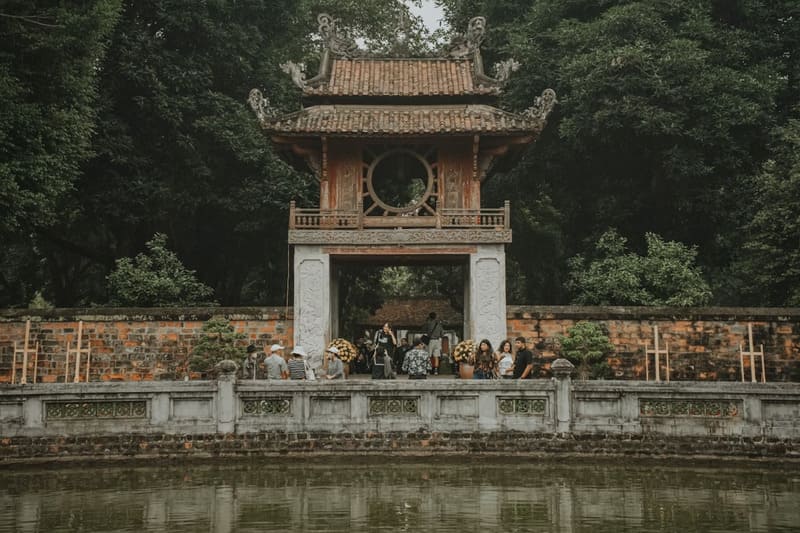
Local people go to The Temple of Literature in Hanoi in peak season (Source: Unsplash) |
Spring offers one of the most balanced times to visit Hanoi. Temperatures typically range around 20–24°C, rainfall remains relatively light, and the city begins to fill with seasonal flowers.
The comfortable weather is ideal for walking tours through the Old Quarter, exploring cultural landmarks, and taking day trips to destinations such as Ninh Binh or Ha Long Bay. Visitor numbers remain moderate compared with the peak season.
Travel tips: While crowds are manageable, it is still wise to reserve popular activities such as water puppet shows or guided night tours a few days in advance.
The low season in Hanoi coincides with the hottest and wettest months of the year. From May through September, temperatures often rise above 30°C, humidity increases, and rainfall becomes more frequent.
July and August usually bring the heaviest showers, and occasional tropical storms can affect travel plans during late summer. Despite these conditions, the low season has advantages, including fewer tourists and more competitive hotel prices.
Travel tips: Plan outdoor activities in the early morning or evening, schedule indoor visits during midday heat, and keep travel plans flexible in case of sudden rain.
Hanoi’s cultural calendar follows the rhythm of its seasons. From spring temple fairs and Tet traditions to autumn lantern festivals and winter holiday markets, each time of year offers a different atmosphere for visitors. Planning your trip around these events can add a memorable cultural dimension to your time in the city.
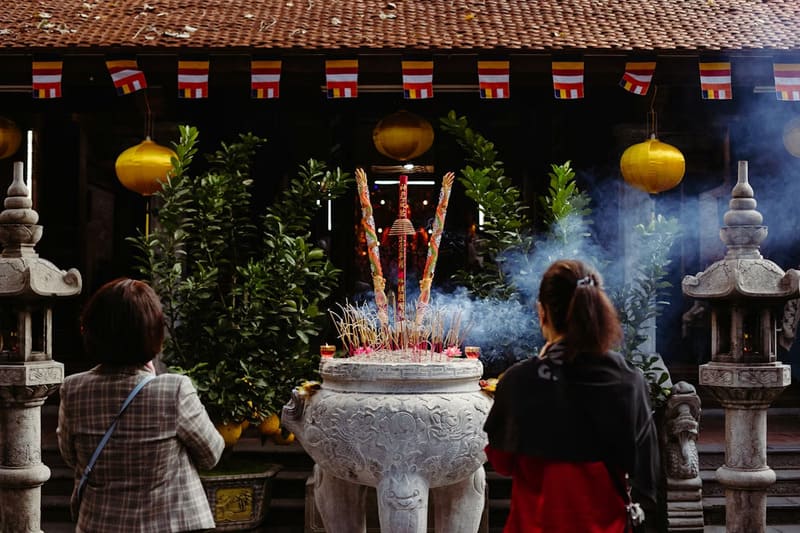
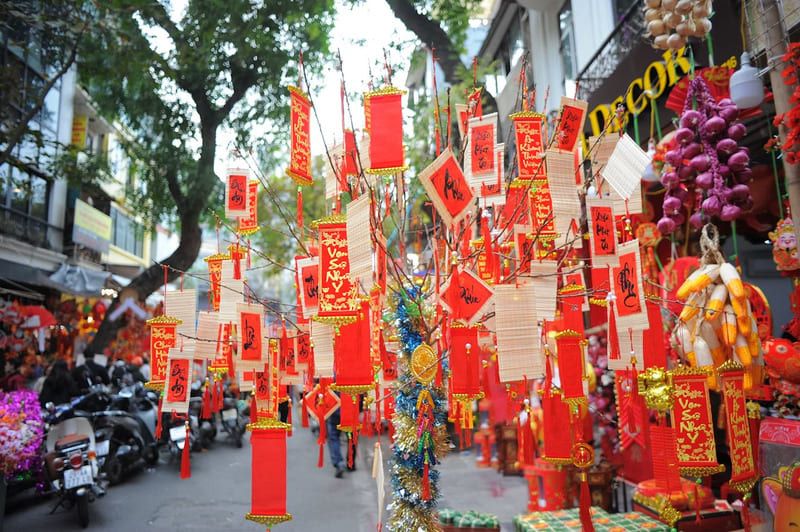
Spring in Hanoi is closely tied to Tet (Vietnamese Lunar New Year), the country’s most important holiday. Celebrations usually occur between late January and February, when families decorate homes with red and gold symbols, visit pagodas for good fortune, and gather with relatives.
During the Tet period, many local shops and businesses temporarily close, although the festive decorations and cultural atmosphere remain vibrant. In the weeks following Tet, temple festivals and cultural performances begin to appear across the city, and the mild spring weather is pleasant for exploring lakeside parks and historic streets.
Travel tip: If visiting during Tet, book flights and accommodation early and confirm attraction opening times in advance.
 |
|
People praying at a temple in Hanoi in February (Source: Unsplash) |
 |
|
Tet (Vietnamese Lunar New Year) decorations on Hanoi streets (Source: Unsplash) |
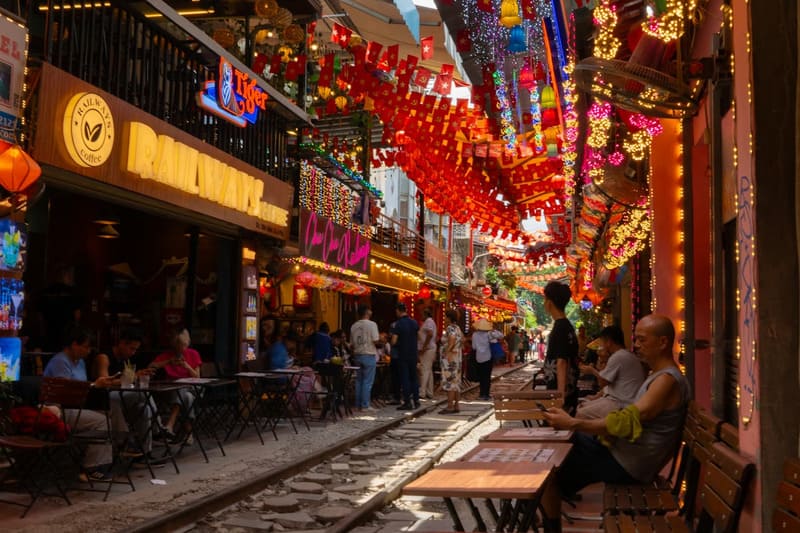
Summer evenings bring energy to Hanoi’s pedestrian areas, especially around Hoan Kiem Lake and the Old Quarter. Weekend walking streets host street musicians, traditional performances, and small cultural shows.
Night markets and food stalls also become lively gathering spots once the daytime heat fades. Visitors can enjoy street performances, local snacks, and the vibrant nightlife atmosphere around Dong Kinh Nghia Thuc Square and nearby pedestrian streets.
Travel tip: Rain showers are common in summer, so carrying a light rain jacket or umbrella helps you stay comfortable during sudden downpours.
 |
|
People enjoying their coffee on Hanoi Train Street in summer (Source: Unsplash) |
Autumn is one of the most festive and photogenic seasons in Hanoi. The highlight is the Mid-Autumn Festival, celebrated on the 15th day of the 8th lunar month (usually in September or October). Streets in the Old Quarter fill with colorful lantern displays, traditional toys, and mooncake stalls.
In 2026, the Mid-Autumn Festival falls on September 25, with decorations and festivities appearing several days beforehand. The cooler air and clear skies during this season make evening walks and festival photography especially enjoyable.
Travel tip: Visit the Old Quarter in the early evening to see lantern displays before crowds grow larger. Small purchases from shops are appreciated when taking photos near displays.
Winter introduces a different festive atmosphere in Hanoi. Christmas decorations appear around St. Joseph’s Cathedral and Hoan Kiem Lake, creating a lively holiday mood in December. As the Lunar New Year approaches, the city also hosts pre-Tet flower markets and seasonal stalls selling decorations and traditional gifts.
Popular markets such as Hang Ma Street and the Quang Ba flower market become vibrant places to experience local holiday traditions.
Travel tip: Accommodation can fill quickly during holiday weeks and school breaks. Booking a few days ahead for cultural shows such as water puppet performances or opera events is recommended, especially during the busy autumn and winter seasons.
The best time to visit Hanoi is during autumn (September to November) and spring (February to April). These months offer mild temperatures, lower humidity, and clearer skies, making them ideal for sightseeing, walking tours in the Old Quarter, and day trips to Ha Long Bay or Ninh Binh.
Hanoi’s rainy season usually runs from May to September, with the heaviest rainfall occurring in July and August. Rain often comes in short but intense showers, especially in the afternoon or evening.
The hottest period in Hanoi is typically June to August, when temperatures often exceed 30–35°C with high humidity. July usually feels the most uncomfortable due to both heat and rainfall.
Many travelers consider March, April, October, and November the best months to visit Hanoi. During these months, the weather is comfortable, rainfall is moderate, and the city is ideal for outdoor exploration and photography.
Yes. Winter in Hanoi (December to February) can be cool and sometimes misty, but it offers a quieter travel experience with fewer crowds. The cooler weather is comfortable for exploring museums, cafes, and historic sites.
Tet is one of the most culturally vibrant times in Hanoi, with festive decorations and traditional celebrations. However, many shops and restaurants close for several days, and travel prices often increase. Visitors should plan ahead if traveling during this holiday.
The best time to visit Hanoi is during spring (February to April) and autumn (late September to November), when the weather is mild, skies are clearer, and conditions are ideal for exploring the Old Quarter and nearby destinations like Ha Long Bay or Ninh Binh. Summer offers fewer crowds but brings heat and rain, while winter is cooler and quieter.
If you are planning a trip to Hanoi and beyond, Your Vietnam Travel can help you create a tailor-made Vietnam itinerary that matches your travel season, interests, and preferred pace.

 Vietnam Tours
 Cambodia Tours
 Laos Tours
 Thailand Tours
 Multi-Country Tours