Son Tra Peninsula (Monkey Mountain) is located on the northeastern edge of Da Nang. It offers a stunning blend of lush forests, coastal beauty, and cultural heritage. Just 10 kilometers from the city center, this ecological treasure draws visitors with its scenic landscapes, rich wildlife, and sacred landmarks.
This guide by Your Vietnam Travel covers everything you need to explore Son Tra. You will learn about its history, the best time to visit, must-see attractions, top activities, local cuisine, and essential travel tips.
Son Tra Peninsula, also known as Monkey Mountain, is located in Tho Quang Ward, Son Tra District, about 10 kilometers northeast of Da Nang city center. Covering approximately 60 square kilometers, the peninsula stretches 13 kilometers in length and 5 kilometers in width, with its highest peak reaching nearly 700 meters above sea level. This unique geographical position places a vast primeval forest right next to the sea, one of the rare landscapes of its kind in Vietnam.
Renowned for its rich biodiversity, Son Tra is home to more than 300 plant species and hundreds of animal species, including many rare and endangered ones. The peninsula is especially famous for the red-shanked douc langur, along with diverse birdlife, tropical flora, and seasonal wildflowers. As a nationally protected forest area, Son Tra plays a vital role in ecological conservation while remaining an attractive destination for nature lovers and eco-travelers.
Beyond its ecological value, Son Tra Peninsula is often described as the “green lung” of Da Nang. With three sides facing the sea, it acts as a natural shield, protecting the city from storms and harsh weather coming from the East Sea. The sea-facing mountains, golden sand beaches, and hidden streams such as Suoi Da (Stone Stream) create a landscape that is both majestic and poetic.
From the summit of Son Tra, visitors are rewarded with sweeping panoramic views of Da Nang city, the coastline, and surrounding landmarks such as the Marble Mountains and Ba Na Hills. Cool ocean breezes blend with the fresh mountain air, offering a sense of calm and escape from urban life. Combining dramatic scenery, cultural legends, and exceptional biodiversity, Son Tra Peninsula stands out as one of the most captivating natural attractions in central Vietnam.
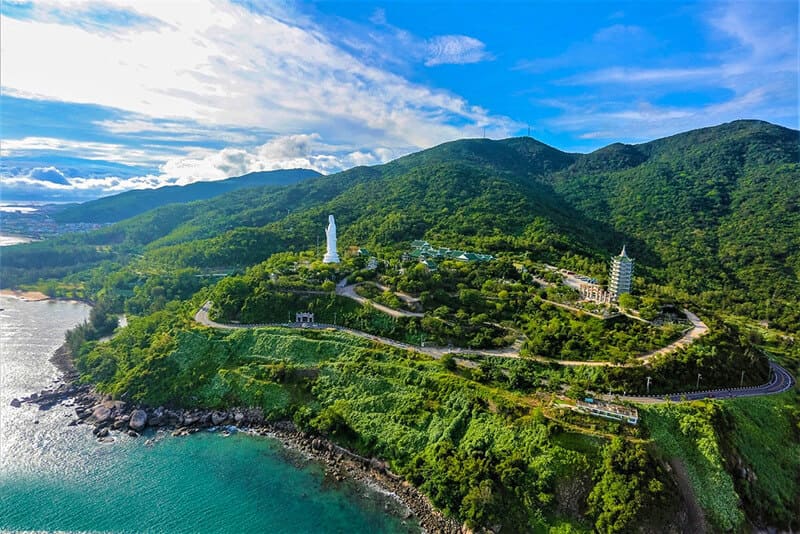
Son Tra Peninsula in Da Nang, Vietnam(Source: Collected)
Millions of years ago, Son Tra was an offshore island. Over time, sand carried by the Han River connected it to the mainland, forming today’s peninsula. Early fishermen settled here and built small shrines to pray for safety at sea and good harvests.
In the 19th century, a Lady Buddha statue was found on Bai But Beach. A small temple was built, and the site gradually became sacred. From 2004 to 2010, Linh Ung Pagoda and the 67-meter Lady Buddha statue were completed. They are now iconic spiritual and tourist landmarks of Da Nang.
Centuries earlier, Chinese traders visiting Da Nang and Hoi An saw Son Tra Mountain shaped like a clam from afar. They called it Clam Mountain and named Da Nang Clam Harbor, known as Xiangang.
Between 1858 and 1860, French and Spanish forces attacked Da Nang, marking the first European invasion of Vietnam. Strong resistance led by General Nguyen Tri Phuong caused the campaign to fail. Fallen soldiers were buried near the foot of Son Tra Mountain, at a site still preserved today and locally known as Skull Hill.
During the Vietnam War, Son Tra played a key strategic role. The United States built radar stations, helicopter landing sites, and military roads, known collectively as the Monkey Mountain facility. Some radar stations remain in use. U.S. forces withdrew in 1971, and the area later came under Vietnamese naval control.
In 1992, Son Tra Peninsula was designated a nature reserve. Tourism development plans proposed in the 2010s were canceled to protect biodiversity. Today, Son Tra is valued for its natural beauty, cultural heritage, and historical depth.
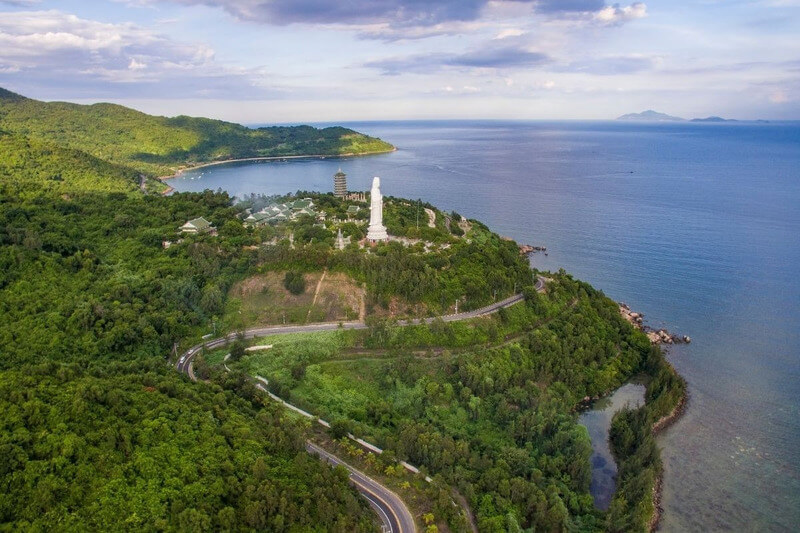
Son Tra Peninsula is a nature reserve rich in history and heritage (Source: Collected)
Son Tra Peninsula is located about 10 km northeast of Da Nang city center and is easy to reach with several convenient transportation options. Below are the most practical ways to get there, depending on your travel style and budget.
If you are staying in central Da Nang, My Khe Beach, or Tho Quang Beach, Son Tra Peninsula is around 10-12 km away. Reaching the most popular attraction, the Lady Buddha statue at Linh Ung Pagoda, takes about 20 minutes by road.
To get there by road, cross one of Da Nang’s main bridges (Dragon Bridge, Han River Bridge, or Tran Thi Ly Bridge), follow the coastal route along Vo Nguyen Giap Street, then continue northeast onto Hoang Sa Street toward Son Tra.
Son Tra Peninsula is approximately 34 km from Hoi An, with a driving time of 45 minutes to 1 hour.
Once you leave the Linh Ung Pagoda area, taxis are very limited on the peninsula, so plan your return transport in advance if traveling independently.
When entering Son Tra Peninsula, Yet Kieu Road is a common starting point, leading toward Tien Sa Resort. From there, you can choose one of three main routes:
All routes connect across the peninsula, so navigation is straightforward.
Motorbikes and bicycles offer the most freedom to enjoy Son Tra’s nature, viewpoints, and quiet roads at your own pace. Taxis and private cars remain good alternatives for travelers who prefer comfort or have limited time. For a stress-free experience that covers the highlights efficiently, a private tour or car with a driver is also a practical choice.
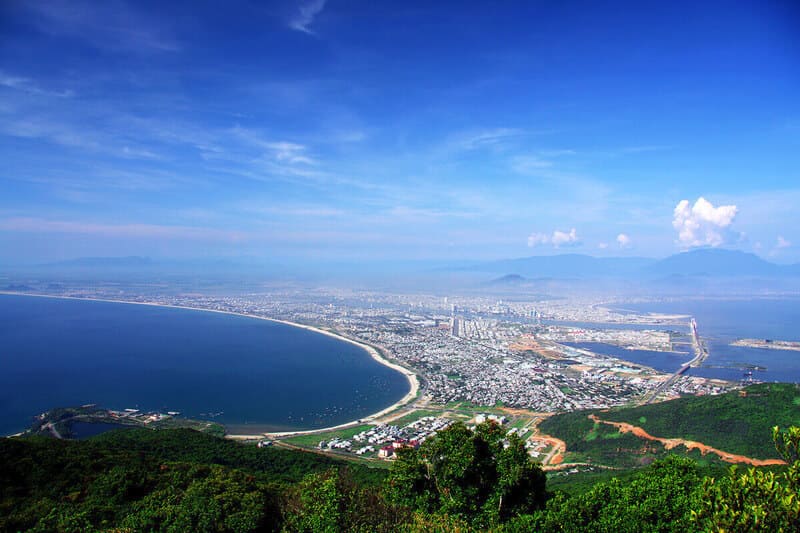
The best way to explore Son Tra Peninsula is by motorbike or private tour (Source: Collected)
Son Tra Peninsula has a tropical climate with two clear seasons: the dry season from February to August and the rainy season from September to January. Understanding these seasonal changes helps you plan the most rewarding trip.
The dry season is widely considered the best time to visit Son Tra Peninsula. During this period, the weather is sunny, skies are clear, and rainfall is minimal. Sea conditions are calm, making it perfect for sightseeing, photography, and beach activities.
From March to September, visitors can fully enjoy outdoor experiences such as motorbike riding along coastal roads, hiking and trekking through the forest, snorkeling, diving, paragliding, and wildlife watching. This is also the best time to spot red-shanked douc langurs and various bird species in their natural habitat. Sunrise and sunset views from Son Tra are especially impressive in dry weather, attracting both locals and travelers daily.
April to June stands out as the most beautiful time of the year. The forest comes alive with blooming flowers, creating vibrant scenery across the peninsula and enhancing the overall experience for nature lovers and photographers.
The rainy season is less suitable for exploring Son Tra Peninsula, especially for outdoor activities. Rainfall can be heavy, visibility may be reduced by fog, and forest roads can become slippery.
From October to December, the area may be affected by typhoons, bringing strong winds, intense rain, and risks of landslides or flash floods. For safety reasons, Son Tra Peninsula may be temporarily closed during severe weather, with access restricted by local authorities.
On lighter rainy days, visiting Linh Ung Pagoda and the Lady Buddha statue on the southern side of the peninsula is still possible, as the access road is generally safe. Short visits are recommended once the rain eases, and carrying a rain jacket or umbrella is essential.
For the best balance of weather, scenery, and activities, plan your visit to Son Tra Peninsula between March and September, with April to June being the peak period for natural beauty. This timeframe offers the most value for sightseeing, outdoor adventures, and a comfortable travel experience.
Learn more: When is the Best Time to Visit Da Nang
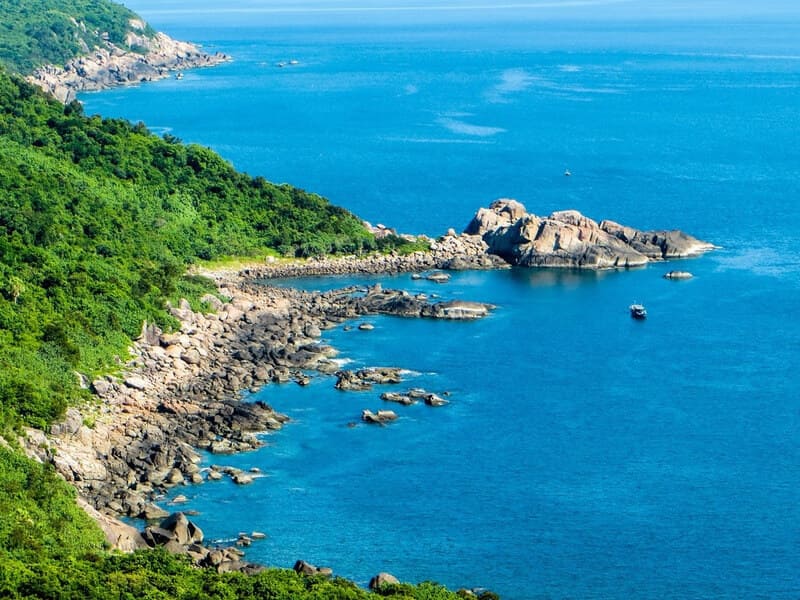
The best time to visit Son Tra Peninsula is from March to September (Source: Collected)
Son Tra Peninsula is Da Nang’s natural sanctuary, where mountains, jungle, sea, and spiritual landmarks come together in one compact destination. Below are the most remarkable attractions to include in your itinerary, from iconic viewpoints to cultural and ecological highlights.
Linh Ung Bai But Pagoda is the largest and most prominent Buddhist complex in Da Nang, located on a spacious hillside of Son Tra Peninsula. Built between 2004 and 2010, the pagoda features a harmonious blend of traditional Vietnamese temple design and modern architectural elements, creating a grand yet tranquil spiritual space.
The complex includes the main hall, lecture hall, ancestral house, library, dining area, and an Arhat statue garden, all set among manicured bonsai trees, marble sculptures, and lush greenery. The highlight is the Giant Lady Buddha statue, standing 67 meters tall on a lotus-shaped base, making it the tallest Buddha statue in Vietnam. Inside the statue are multiple levels housing Buddha statues, adding both spiritual and architectural depth.
From Linh Ung Bai But Pagoda, visitors can enjoy sweeping panoramic views of Da Nang city, the coastline, white sandy beaches, and fishing boats scattered across the blue sea. The peaceful atmosphere, combined with impressive scale and scenery, makes this site a must-visit destination for sightseeing, photography, and moments of quiet reflection on Son Tra Peninsula.
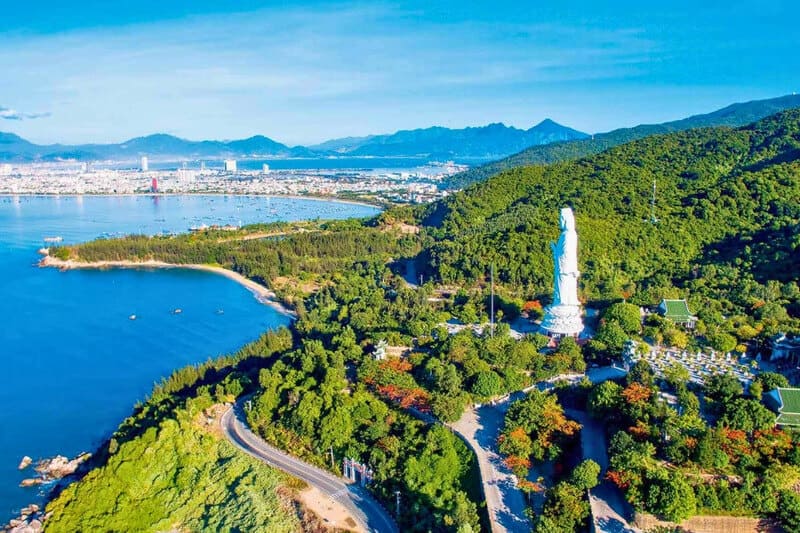
Linh Ung Pagoda on Son Tra Peninsula (Source: Collected)
Ban Co Peak sits at nearly 700 meters above sea level and is one of the most scenic viewpoints on the Son Tra Peninsula. The peak is named after a local legend symbolized by a stone chessboard and statues of celestial figures playing chess, which visitors can reach after a short walk up from the road.
From Ban Co Peak, sweeping panoramic views unfold across Da Nang city, the long stretch of white sandy coastline, Da Nang Bay, fishing villages, distant islands, and the Hai Van mountain range. The road leading up is narrow and winding, making the journey as memorable as the destination, especially for motorbike travelers. Early morning and late afternoon are ideal times to visit, when the light enhances the dramatic coastal and mountain scenery.
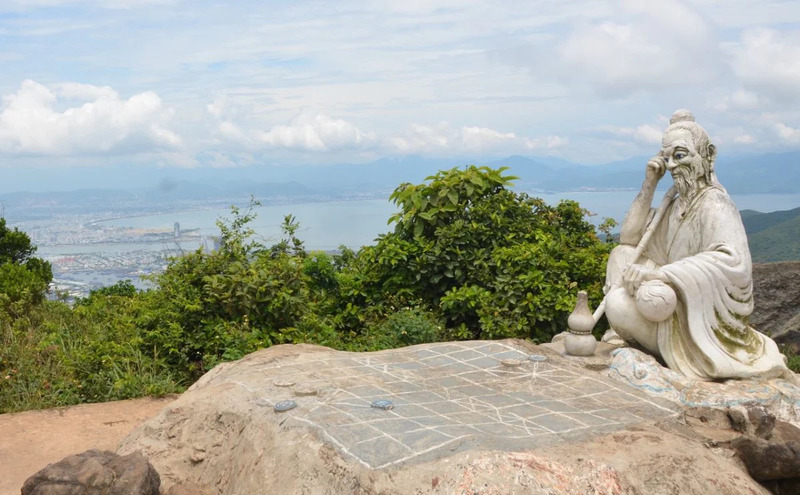
Ban Co peak (Source: Collected)
Known as the “green treasure” of Son Tra Peninsula, the Thousand-Year-Old Banyan Tree is a striking symbol of nature’s strength and longevity. Located deep in the northeastern forest area, this giant tree stands out with its towering height, dense canopy, and massive root systems that extend downward to form secondary trunks.
According to local accounts, the banyan is nearly 1,000 years old, reaching over 20 meters in height with multiple root clusters supporting its enormous structure. These roots have gradually transformed into natural pillars, creating a rare and impressive sight that reflects the peninsula’s rich biodiversity.
Reaching the banyan tree requires traveling along winding mountain roads, but the journey is well worth the effort. The area remains cool and shaded, making it a favorite stop during hot summer days. On clear weather, visitors can also enjoy distant views of Da Nang city, the Cham Islands, and large parts of Son Tra Peninsula from this serene natural landmark.
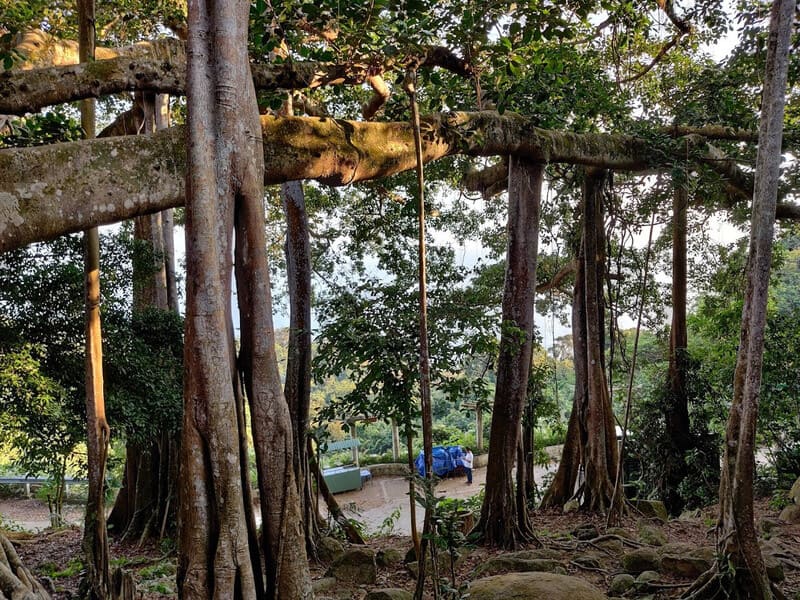
Thousand-Year-Old Banyan tree in Son Tra Peninsula (Source: Collected)
Son Tra Lighthouse is a classic French-era structure located about 223 meters above sea level and is considered one of the oldest and most beautiful lighthouses in Vietnam. Its bright white exterior contrasts elegantly with the surrounding forest, making it a distinctive landmark on Son Tra Peninsula.
The access road is smooth and easy to navigate, which adds to its popularity among visitors and photography lovers. From the lighthouse area, you can admire a harmonious blend of natural colors, including blue sky and sea, white clouds, green jungle, and pale yellow beaches stretching along the coast. Quiet and scenic, Son Tra Lighthouse is an ideal stop for relaxing, sightseeing, and capturing timeless coastal photos.
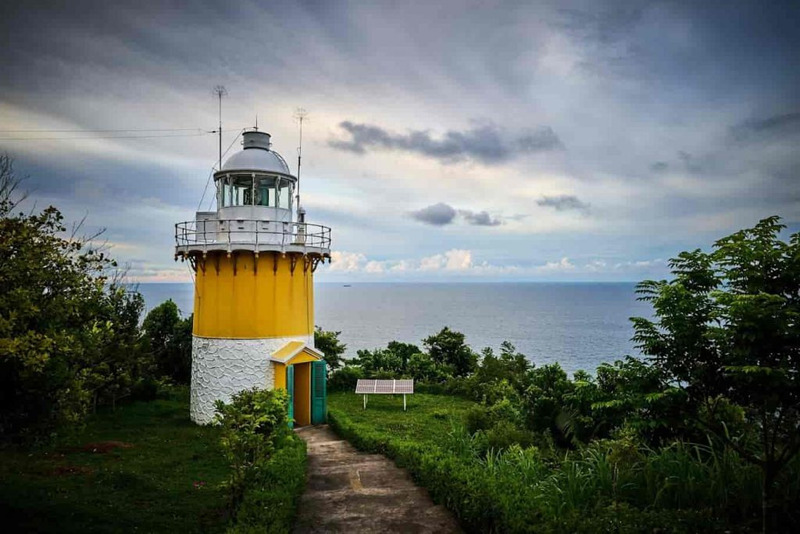
Son Tra lighthouse (Source: Collected)
Radar Station 29 is one of the most strategic landmarks on Son Tra Peninsula and is often referred to as the “Indochina’s Divine Eye” thanks to its commanding position overlooking the East Sea. Located at a high elevation, the station has played an important role in aviation, naval operations, and national defense, and it continues to serve military purposes today.
As an active military zone, the radar station itself is not open to the public. However, visitors can easily view it from several points along the mountain roads. The surrounding area offers impressive panoramic scenery, with wide-open views of the sea, the coastline, and the distant horizon.
Just a short distance away, nearby viewpoints allow travelers to fully appreciate the natural beauty of Son Tra Peninsula, including views toward Hai Van Pass and Lang Co Bay on clear days. This area is especially appealing for those interested in history, military landmarks, and high-altitude viewpoints combined with dramatic coastal landscapes.
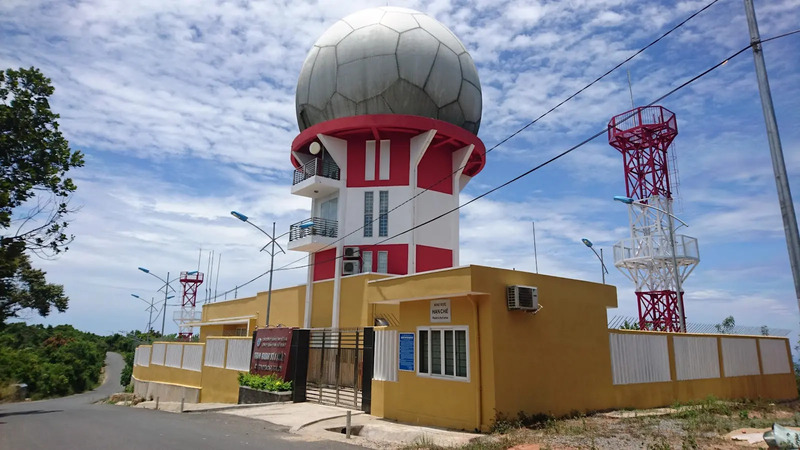
Radar Station 29 (Source: Collected)
Dong Dinh Museum is a distinctive private museum nestled on the forested hillside of Son Tra Peninsula, along the main road leading to the Giant Lady Buddha statue. Founded by Mr. Doan Huy Giao, it is recognized as the first private museum in Da Nang and stands out for its seamless blend of culture, nature, and architecture.
The museum is designed as a “garden of memory,” featuring traditional brick and wooden houses scattered across the slope. Inside, visitors can explore a diverse collection of artifacts dating from 100 to over 2,500 years old, representing ancient cultures such as Sa Huynh, Cham Pa, and Dai Viet, as well as the heritage of Central Vietnam’s coastal and highland communities.
Surrounded by lush forest, Dong Dinh Museum offers a quiet, immersive atmosphere that feels far removed from the city. A small coffee area with city views adds to the experience, making this stop ideal for travelers interested in history, local culture, and a peaceful cultural escape on Son Tra Peninsula.
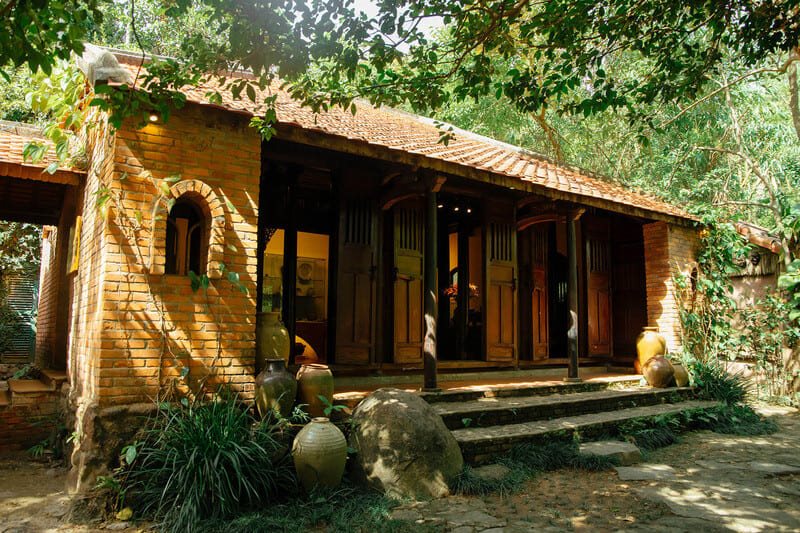
Dong Dinh museum (Source: Collected)
Son Tra Tinh Vien is a quiet cultural space located at the foot of Son Tra Mountain, offering a refreshing contrast to the peninsula’s coastal attractions. Often referred to as the Bamboo Museum, this site is home to more than 100 bamboo species, representing nearly one-third of all bamboo varieties found in Vietnam.
Designed as a peaceful garden, Son Tra Tinh Vien focuses on simplicity, nature, and mindfulness. Shaded walking paths lead visitors through dense bamboo groves, creating a calm atmosphere ideal for slow strolls and short breaks from busy sightseeing schedules. With free entry and a strong ecological theme, this destination is well suited for travelers interested in nature, sustainable materials, and tranquil environments.
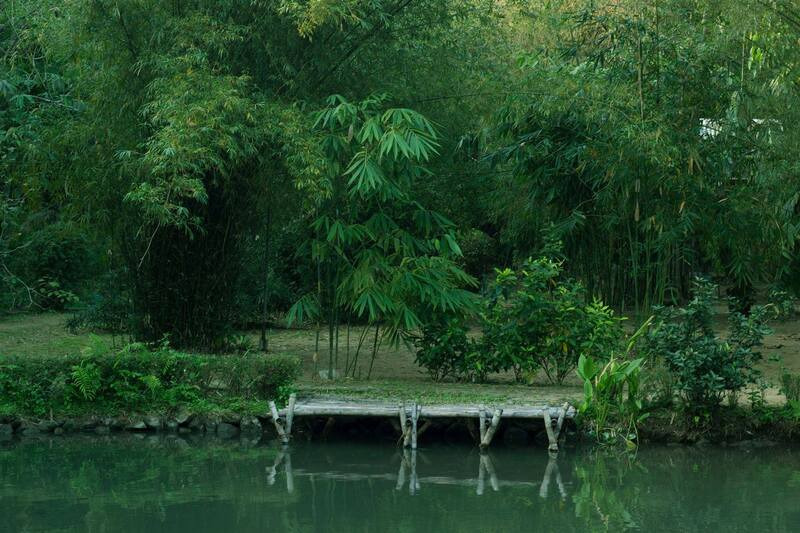
Son Tra Tinh Vien (Source: Collected)
Ghenh Bang Reef is one of the most unspoiled coastal areas on Son Tra Peninsula, known for its rugged rock formations and clear turquoise water. Nestled at the foot of Son Tra Mountain, the reef offers open views toward Da Nang city and, on clear days, the distant Cham Islands.
Reaching Ghenh Bang requires a steep hike from the coastal road near the southern side of the peninsula, making it best suited for visitors in good physical condition. The effort is rewarded with a quiet cove where rocky cliffs meet the sea, creating a dramatic and untouched landscape. Locals often visit on weekends for fishing, camping, swimming, or photography, while travelers come to experience a raw, peaceful side of Son Tra far from crowds and resorts.
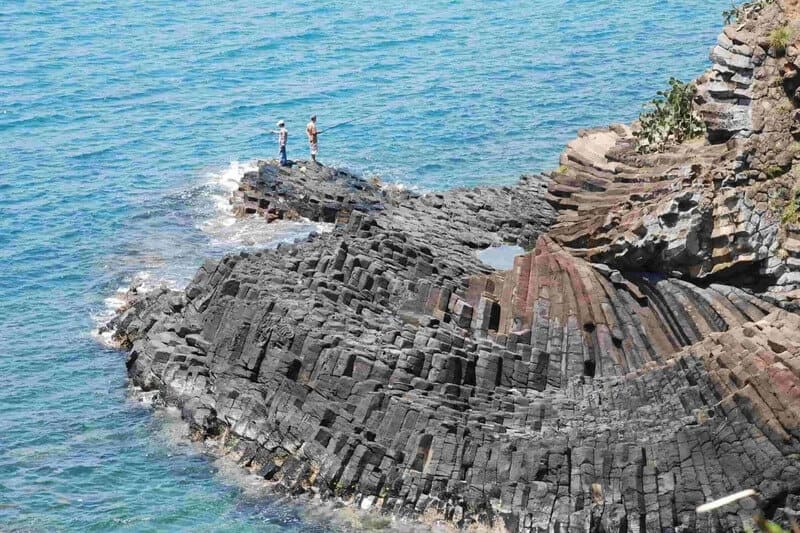
Ghenh Bang reef (Source: Collected)
Hon Sup, also known as the Collapsed Islet, is a small rocky formation emerging from the sea near Tho Quang and Man Thai beaches. Shaped by erosion over time, the islet stands out for its rugged appearance and untouched coastal setting.
Beneath the surrounding waters lies a diverse marine ecosystem, with coral reefs, seagrass beds, and schools of fish. Thanks to its clear water and rich underwater life, Hon Sup is often included in snorkeling tours and appeals to travelers interested in marine exploration and lesser-known natural attractions on Son Tra Peninsula.

Hon Sup (Source: Collected)
The Tien Sa Ecotourism Area is a well-preserved natural zone where forest, sea, and coastal ecosystems meet. Known for its biodiversity, this area is ideal for visitors who enjoy outdoor activities such as hiking, light trekking, nature exploration, and wildlife observation. Tien Sa Beach within the area still retains its unspoiled charm, featuring clear turquoise water, soft white sand, and a calm atmosphere away from the city’s crowds. Popular activities include swimming, snorkeling, fishing, kite flying, and relaxed beach recreation.
Nearby, Tien Sa Port plays a vital role in both tourism and regional trade. As one of Da Nang’s main seaports, it serves cruise ships, cargo vessels, and contributes significantly to the economic development of Central Vietnam. Beyond its commercial importance, the port offers visitors a glimpse into the city’s maritime life, with constant ship movements, open sea views, and refreshing ocean breezes that highlight Da Nang’s identity as a coastal hub.
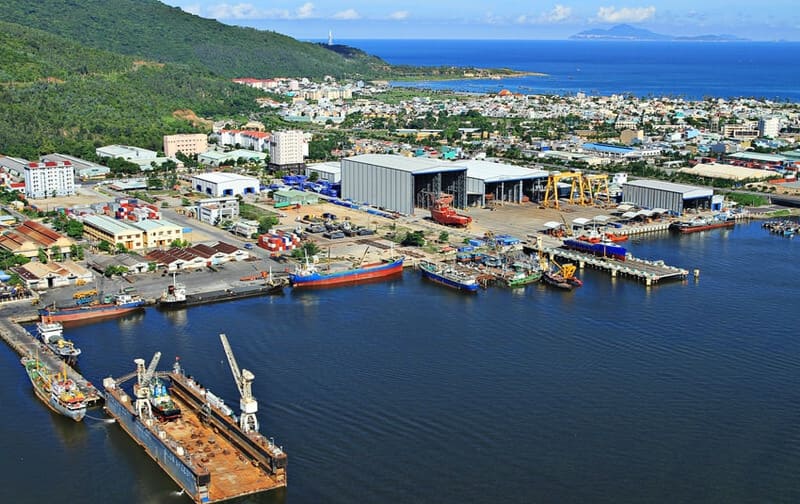
Tien Sa ecotourism area and Tien Sa port (Source: Collected)
Cape Nghe, also known as Mui Nghe, lies on the southeastern edge of Son Tra Peninsula and is the first place in Da Nang to greet the sunrise. With its rocky cape stretching into the sea, this spot is especially popular among early risers and photographers looking to capture dawn over the open horizon.
One of Cape Nghe’s most striking features is a natural green lake surrounded by rocks, resembling a small sea pool formed by nature. Beyond its scenic beauty, the area is home to more than 42 rare coral species, making it a prime location for snorkeling and scuba diving. Thanks to its clear waters, rich marine life, and untouched landscape, Cape Nghe stands out as one of the most rewarding destinations for nature and adventure lovers on Son Tra Peninsula.
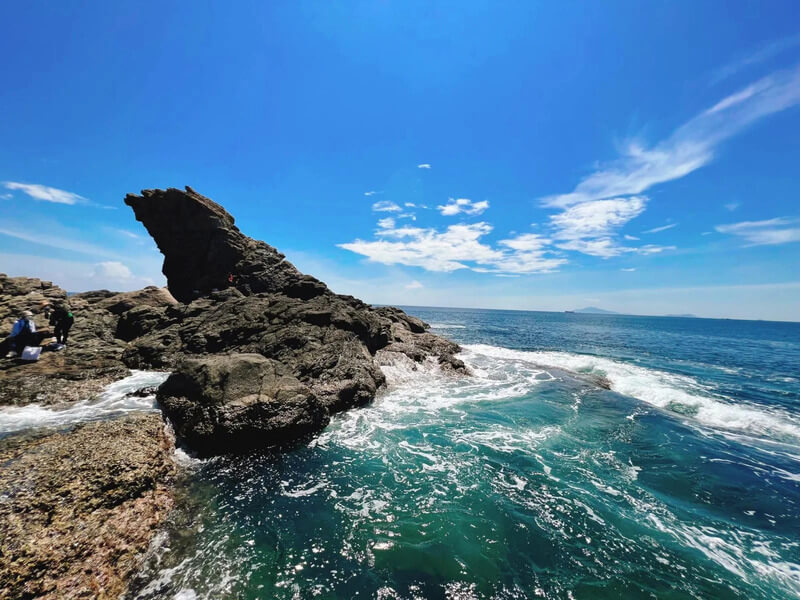
Mui Nghe in Danang (Source: Collected)
Y Pha Nho Cemetery is a little-known historical site located near Tien Sa Port, at the foot of Son Tra Mountain. This quiet cemetery contains 32 tombs of French and Spanish soldiers who died during the earliest military conflict between European forces and Vietnam from 1858 to 1860, marking the beginning of French colonial involvement in the region.
Once accompanied by a small church built for commemoration, the site reflects a solemn chapter of Da Nang’s history. Locally known as “Skull Hill,” Y Pha Nho Cemetery attracts visitors interested in historical landmarks and lesser-explored locations on Son Tra Peninsula, offering a stark contrast to the area’s natural and spiritual attractions.
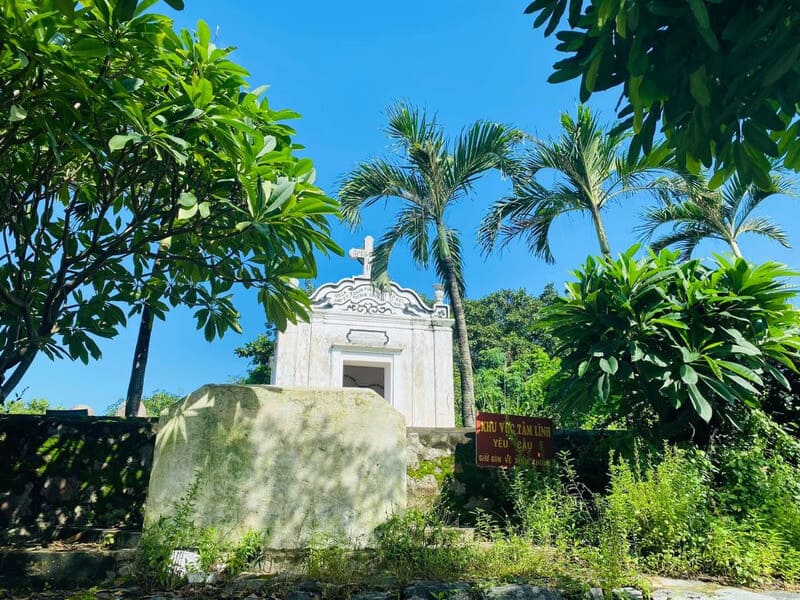
Y Pha Nho cemetery (Source: Collected)
Son Tra Peninsula offers a vibrant mix of nature, adventure, and relaxation. Here's a curated list of the best things to do on this peninsula:
Son Tra Peninsula features some of Da Nang's most tranquil beaches, including Bai But, Bai Da Den, Bai Nam, and Tien Sa. These stretches of soft sand and crystal-clear waters are ideal for a calm swim or simply soaking up the sun. Surrounded by lush forested hills and dotted with distinctive black rock formations, the beaches create a peaceful escape that blends nature and relaxation.
Visitors often combine a mountain exploration with a break at one of these quiet shores. Beyond swimming and sunbathing, the beaches offer opportunities for shoreline activities such as fishing, sea snail catching, or enjoying a casual picnic. The gentle waves also make these spots suitable for beginners looking to try surfing or explore the nearby reefs on a snorkel or dive tour.
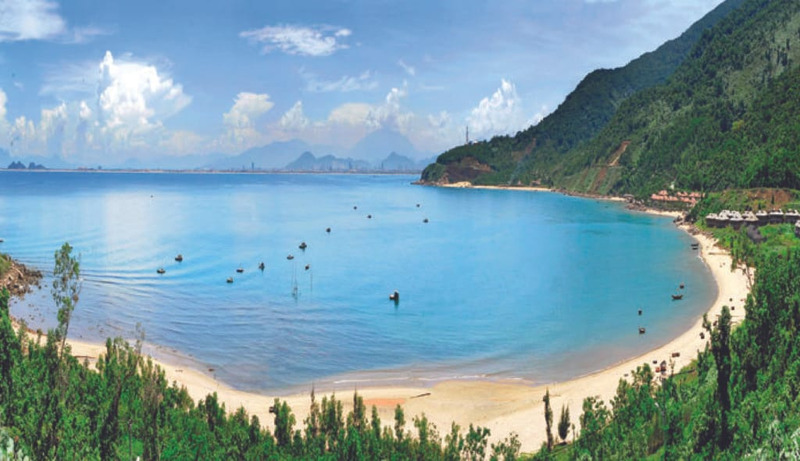
Relax at Son Tra’s tranquil, scenic forest-backed beaches (Source: Collected)
Son Tra Peninsula offers exceptional snorkeling and diving experiences, drawing marine enthusiasts to its vibrant coral reefs and crystal-clear waters. Popular spots like Ghenh Bang and Bai But are known for their underwater biodiversity, where colorful corals and schools of tropical fish thrive just beneath the surface.
Guided snorkeling tours typically begin with a quick canoe ride to designated reef areas, followed by a safety briefing and basic training session. Once equipped, visitors can dive into calm waters to explore a fascinating underwater world filled with diverse coral formations and marine life. On clear days, the visibility is so good that corals can be seen directly from the surface or even from the canoe.
These tours often include additional activities such as water games and fresh seafood meals.
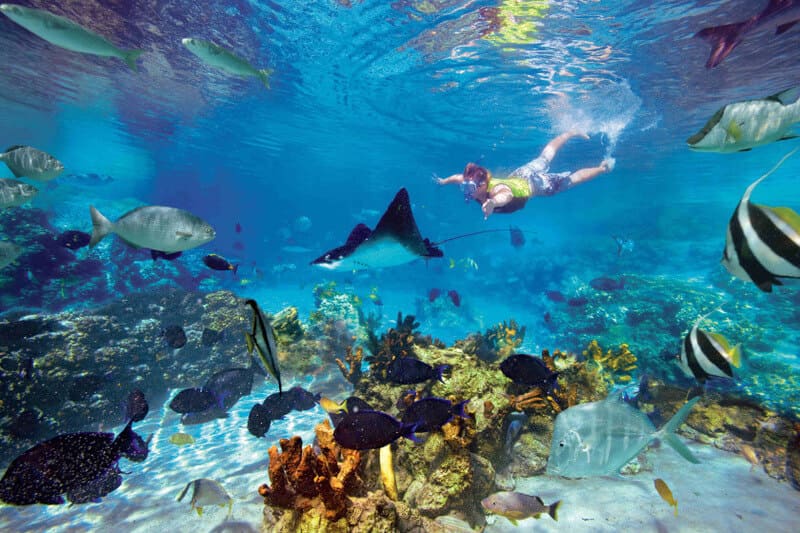
Snorkel vibrant reefs and dive clear waters at Son Tra (Source: Collected)
Son Tra Peninsula is one of the most important natural habitats for the red-shanked douc langur, a critically endangered primate recognized by global wildlife conservation organizations. With an estimated population of around 350 individuals, the peninsula shelters more than half of the world’s remaining red-shanked douc langurs. Their distinctive five-color fur and graceful movement through the forest canopy make them one of the most remarkable wildlife species in Vietnam.
These primates are highly sensitive to human presence and prefer quiet, undisturbed environments. Visitors should walk slowly, keep their voices low, and maintain a safe distance to avoid causing stress. The green route leading toward the lookout area is a common place for sightings, especially in the early morning or late afternoon. Bringing binoculars or a camera with a zoom lens allows for observation without interfering, supporting responsible and sustainable wildlife tourism on Son Tra Peninsula.
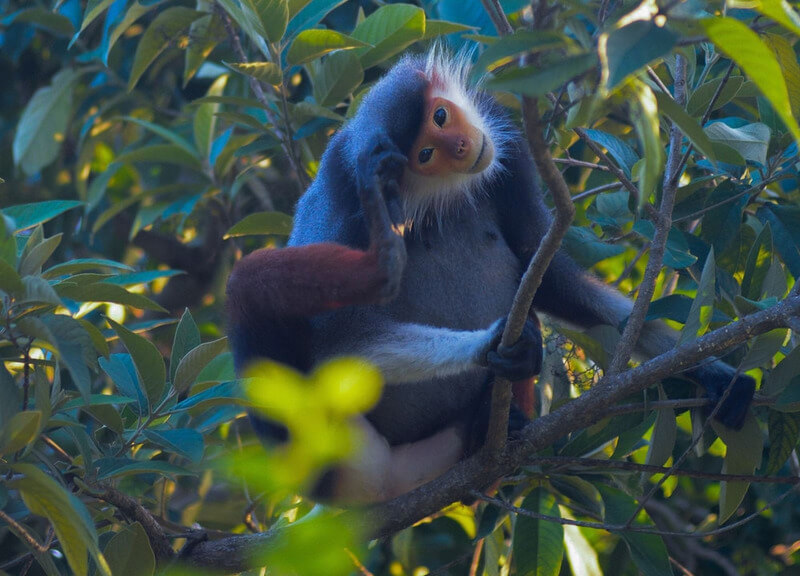
Observe red-shanked douc langurs on Son Tra Mountain (Source: Collected)
Son Tra Peninsula offers several scenic trekking routes that take you deep into untouched nature, with one of the most captivating being the trail to Mui Nghe. This path winds through dense primary forest and along freshwater streams, offering a peaceful atmosphere filled with birdsong and rich greenery. The trail is suited for nature enthusiasts looking for both adventure and immersion in the region’s biodiversity.
Reaching Mui Nghe, hikers are rewarded with dramatic coastal views and striking rock formations, including one shaped like a lion’s head. It is also known as the peninsula’s best sunrise viewpoint, where the first light of day creates a stunning display across the ocean. The combination of forest, coastline, and panoramic vistas makes trekking on Son Tra a memorable and rewarding outdoor experience.

Trekking through forest trails to Mui Nghe sunrise viewpoint (Source: Collected)
Paragliding from Ban Co Peak offers a thrilling way to experience the sweeping beauty of Son Tra Peninsula and the Da Nang coastline. Launching from an altitude of around 600 meters, you’ll glide over forested hills, rugged cliffs, and turquoise sea, with panoramic views that stretch across the city and beyond. This aerial perspective delivers a sense of freedom and adventure that few activities can match.
Organized by the Da Nang Paragliding Club, this experience is guided by certified instructors to ensure safety and enjoyment for both beginners and seasoned flyers. Due to limited instructor availability and high demand, booking at least two weeks in advance is essential. The best conditions for flying are during the dry season, when visibility is clear and winds are stable. For travelers seeking a unique and unforgettable way to connect with nature, paragliding from Ban Co Peak is a must-try activity.
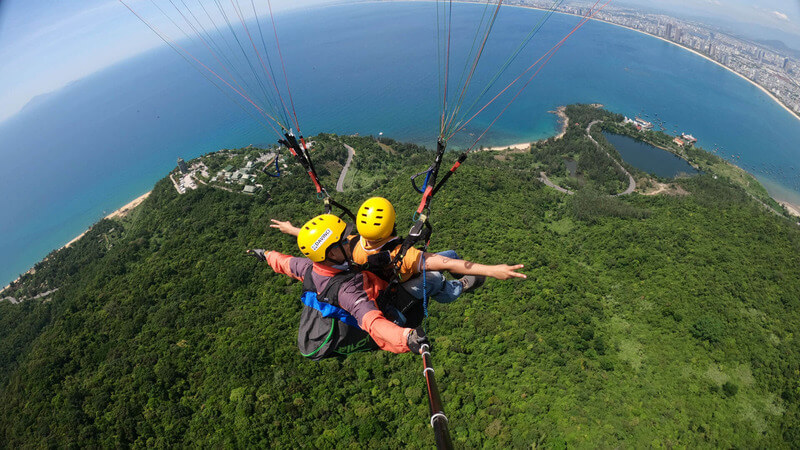
Paragliding with panoramic views from Ban Co Peak (Source: Collected)
Son Tra Peninsula is a natural haven where lush tropical forests meet sweeping coastal views. A day spent exploring its winding mountain roads allows visitors to fully immerse themselves in the peninsula’s serene landscapes.
Scenic drives across Son Tra reveal a tapestry of biodiversity and breathtaking viewpoints. Roads curve through dense greenery, past quiet beaches, and up toward panoramic lookouts like Ban Co Peak or the radar station. Along the way, visitors can pause to admire wild orchids, ancient banyan trees, or simply enjoy the cool mountain breeze.
Son Tra Peninsula is a top spot for photography and sightseeing in Da Nang, with its sweeping coastlines, forested hills, and mountain peaks. Highlights include sunrise at Ban Co Peak, panoramic views from Vong Canh House, and the iconic Lady Buddha at Linh Ung Pagoda.
The winding roads reveal beautiful lookout points, vibrant plant life, and occasional wildlife sightings. Whether you're capturing landscapes or simply enjoying the view, Son Tra offers a peaceful and visually rewarding experience.
See more: 20+ Best Things to Do and See in Da Nang, Vietnam
Here are some dishes you should try when exploring Son Tra Peninsula:
Son Tra’s coastal location means seafood is a must. Local restaurants and seaside eateries offer a wide variety of just-caught delicacies, including:
Beyond seafood, Son Tra has several regional dishes that highlight Central Vietnam’s rich culinary culture:
For a casual and authentic experience, explore street food stalls and beachfront vendors:
Tips:
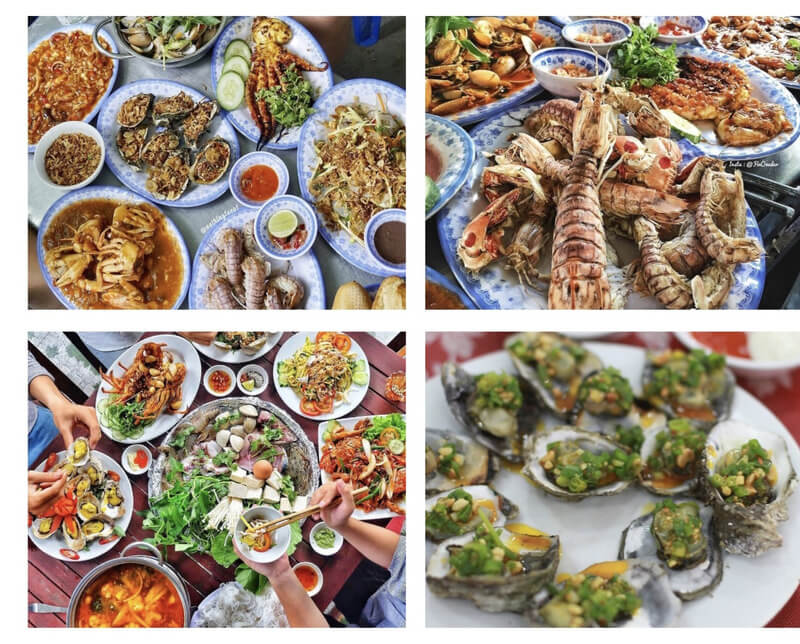
Delicious fresh seafood dishes on Son Tra Peninsula (Source: Collected)
Planning ahead makes a big difference when exploring Son Tra Peninsula. The tips below will help you enjoy a smooth, safe, and memorable journey while respecting the peninsula’s protected environment.
The nickname "Monkey Mountain" comes from the large population of monkeys that inhabit the area, particularly near tourist sites like Linh Ung Pagoda. Among them is the rare red-shanked douc langur, often referred to as the “Queen of Primates” due to its striking appearance. The name was also used by U.S. troops during the Vietnam War when the peninsula held strategic military installations.
No, access to Son Tra Peninsula is completely free. Visitors can explore beaches, pagodas, trekking routes, and scenic viewpoints without paying any entrance fees. However, some optional experiences like guided tours, paragliding, or museum visits may involve separate costs.
Bring sunscreen, a hat, insect repellent, and plenty of water, especially if you're exploring during the dry season. Good walking or trekking shoes are recommended for forest trails and rocky paths. If visiting during the rainy season, pack a raincoat and waterproof gear. A camera, binoculars, and an offline map can also enhance your trip.
Yes, Son Tra is suitable for families. Attractions like Linh Ung Pagoda, the Thousand-Year-Old Banyan Tree, and scenic beaches are accessible and enjoyable for all ages. However, activities like hiking, snorkeling, or motorbike exploration should be planned based on the physical ability of each family member. Always keep children supervised near wildlife and water areas.
While there are no major restaurants deep within the forested areas, you’ll find seafood eateries and small food stalls near beaches like Bai But, Tien Sa, and Bai Nam. Many visitors prefer bringing snacks or light meals if planning to spend extended time exploring. For a wider range of dining options, return to Da Nang city or visit coastal restaurants near Tho Quang.
Son Tra is a rare gem where untouched forest meets the clear blue sea, offering a unique blend of nature and culture just minutes from downtown Da Nang. From exploring ancient jungles and spotting endangered primates, to relaxing on serene beaches or chasing clouds atop Ban Co Peak, every moment on the peninsula is inspiring and unforgettable.
To experience Son Tra/Da Nang in the most complete, safe, and time-efficient way, reach out to Your Vietnam Travel for custom itineraries or private tours tailored to your needs. Contact us via Hotline: (+84) 98 810 8453 - our local team is ready to guide you every step of the way.



 Vietnam Tours
 Cambodia Tours
 Laos Tours
 Thailand Tours
 Multi-Country Tours