The best time to visit Sapa is from March to May and September to November, when the weather is most comfortable for trekking, sightseeing, and photography. Spring (March-May) brings blooming flowers and fresh green landscapes, while autumn (September-October) offers clear skies and the most spectacular views of Sapa’s golden rice terraces.
In this guide, Your Vietnam Travel shares practical insights on when to visit Sapa based on weather, scenery, and travel style, along with the best things to do, must-visit places, and useful seasonal tips to help you plan your trip with confidence.
Located in the Hoang Lien Son range, Sapa has four distinct seasons, each offering different scenery, trekking conditions, and travel experiences. Use the guide below to choose the best time based on weather, rice terraces, and outdoor activities.
Spring is one of the best times to visit Sapa, with cool-to-mild temperatures and relatively low rainfall. It’s ideal for village walks and light trekking.
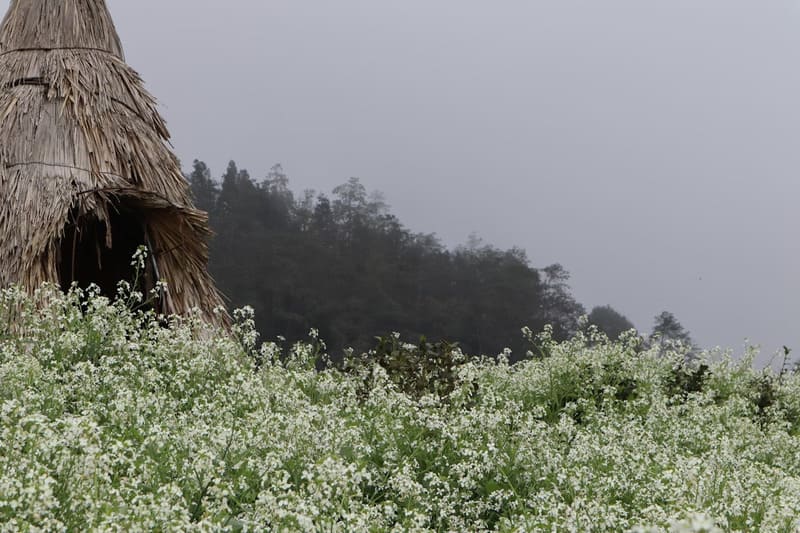
From late April to May, rice terraces are filled with water for planting, creating the famous “mirror” effect that reflects the sky - especially beautiful at sunrise and sunset. At the same time, peach, plum, and rhododendron flowers bloom across the region, adding color to the landscapes.
This is also a rewarding period for travelers planning a Sapa village trekking tour or a scenic Northern Vietnam trip focused on photography and local landscapes.
Travel tip: Pack light layers for cool mornings and warmer afternoons. This is a reliable season for both scenery and trekking comfort.
 |
|
Flowers blooming in Sapa in March (Source: Unsplash) |
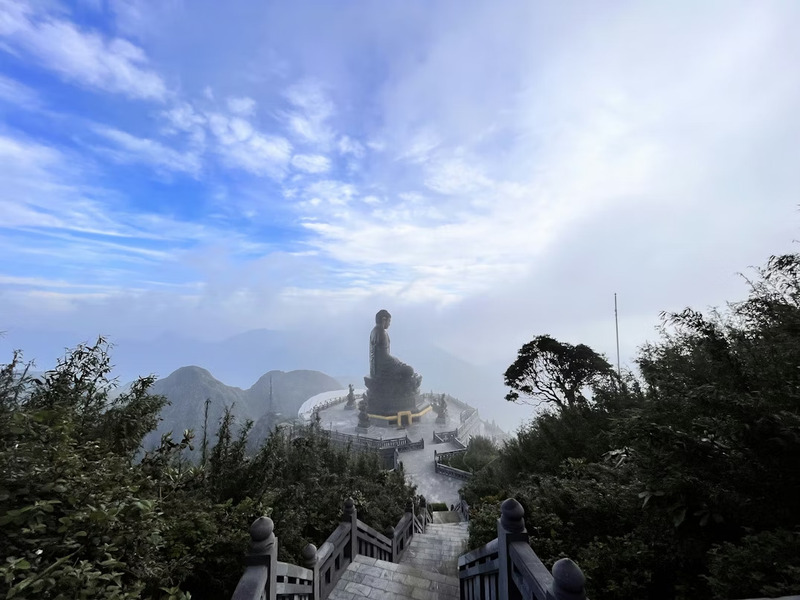
Summer brings lush green landscapes, as the rice terraces and forests are at their most vibrant. However, this is also the rainy season, with frequent afternoon showers and slippery trails.
Trekking is still possible, especially on easier routes, but it’s best to start early in the day when visibility is clearer. Weather can change quickly, so flexibility is important.
Travel tip: Bring rain gear, waterproof shoes, and allow extra time for delays due to weather conditions.
 |
|
Buddha Statue in Sapa in summer (Source: Unsplash) |
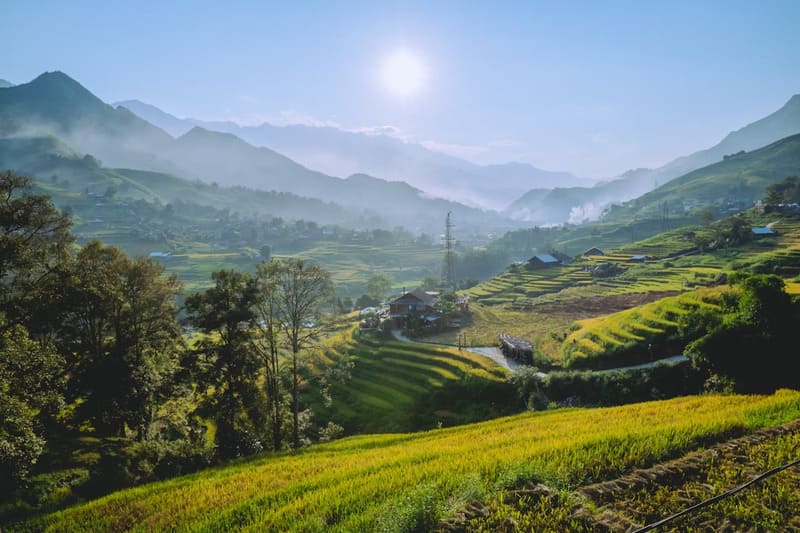
Autumn is widely considered the most beautiful season in Sapa. Early to mid-September is the peak time for golden rice terraces during harvest, while October to November offers cooler, drier weather - ideal for trekking and mountain views.
This is the best season if you want a balance of great scenery and comfortable travel conditions.
Travel tip:
 |
|
Rice Terraces in Sapa ready to harvest in September (Source: Unsplash) |
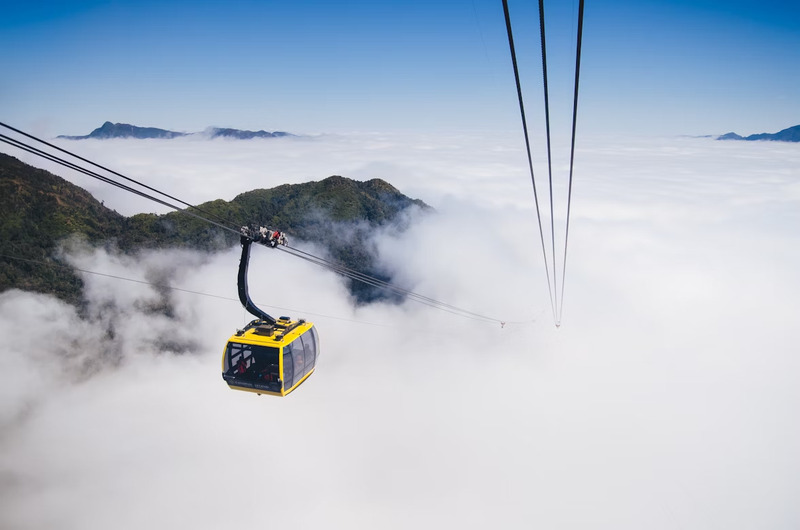
Winter in Sapa is cold, foggy, and less predictable. Temperatures can drop significantly, especially at higher elevations like Fansipan, where frost or occasional light snow may occur during cold spells (typically January to February).
Visibility is often limited due to fog, but this season offers fewer crowds, lower prices, and a quieter travel experience.
Travel tip: Pack warm layers, a windproof jacket, and gloves. Plan flexible activities, as weather conditions can change quickly.
 |
|
Cable car rides among the mists and clouds in Sapa in November (Source: Unsplash) |
Overall travel advice:
For most travelers, the best time to visit Sapa is:
These two periods offer the most reliable combination of scenery, weather, and travel comfort.
The most reliable months for trekking are March to May and September to November.
The best time for trekking in Sapa is from March to May and September to November. These months offer the most favorable conditions for exploring rice terraces, ethnic villages, and mountain landscapes, making them ideal for a Sapa trekking itinerary or a broader Northern Vietnam adventure.
During these periods, the weather is generally stable, with less rainfall and more comfortable temperatures. Trails in areas like Muong Hoa Valley are easier to walk, allowing for smoother and more enjoyable hikes. Spring brings fresh greenery and blooming scenery, while autumn offers cooler air and clearer skies, perfect for panoramic views and longer treks, including routes toward Fansipan.
From June to August, Sapa enters the rainy season. Trails can become muddy and slippery, so it’s best to plan shorter hikes in the morning and prepare with proper rain gear.
Between December and February, temperatures drop and fog is common. Trekking is still possible, but visibility may be limited, so shorter routes at lower elevations are recommended.
For photography, timing depends on what kind of landscape you want to capture.
If your priority is photography, September and October are usually the most rewarding months overall.
For cultural experiences, consider visiting between late January and March (based on the lunar calendar). This is when many ethnic communities hold traditional festivals, with colorful clothing, local games, and cultural performances.
In September, the harvest season also brings small community gatherings linked to farming activities, offering a more authentic local atmosphere.
Markets such as Bac Ha and Can Cau operate year-round, but they are more vibrant and easier to access during the dry months. Visiting early in the morning is recommended for the best experience.
Sapa has two main peak periods: March to May and September to November. During these months, demand is high, especially for transport, hotels, and Fansipan cable car tickets. Booking in advance is strongly recommended.
The shoulder seasons (late May to early June and late November) offer a good balance between weather and pricing, with fewer crowds.
The low season includes:
While these periods come with lower prices and fewer tourists, travel plans should remain flexible due to weather.
During Tet holiday (late January - February) and major public holidays, prices can increase significantly and availability becomes limited, so early booking is essential.
Sapa offers a mix of scenic landscapes and cultural experiences, from rice terraces and mountain passes to ethnic markets and traditional villages. If it’s your first time, focus on places that combine easy access, good views, and authentic local life.
Below are the most worthwhile stops to help you plan a balanced 2-3 day itinerary.
One of the most vibrant ethnic markets in Northern Vietnam, Bac Ha is best known for its strong cultural atmosphere rather than just sightseeing.
Location: Bac Ha Town, about 95-100 km from Sapa (3-4 hours by road)
Why visit:
Best time to visit: Sunday mornings, year-round. Travel is easier and more scenic from March-May and September-November.
Note: This is a long day trip from Sapa, so it works best when your Northern Vietnam itinerary already includes a Sunday and enough time to explore beyond Sapa town itself.
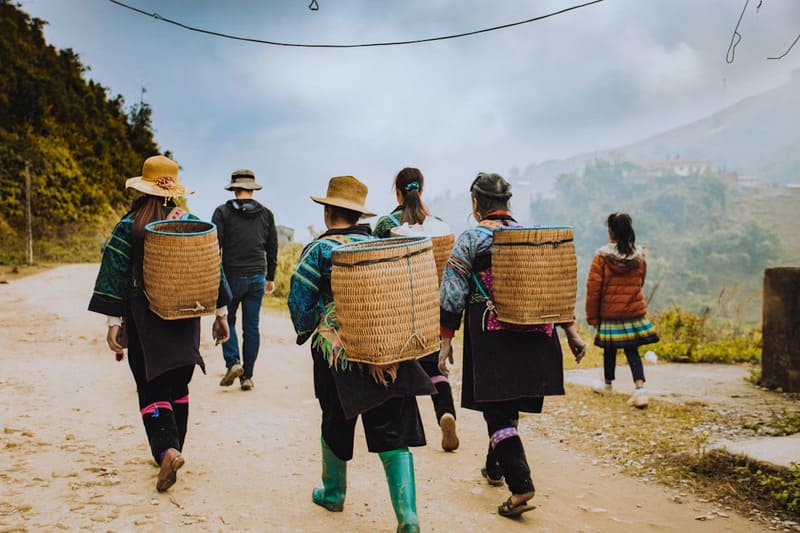 |
|
The locals walking along the trail in Sapa (Source: Unsplash) |
The most iconic landscape in Sapa, known for its wide rice terraces and classic trekking routes.
Location: South of Sapa town, toward Lao Chai and Ta Van
Why visit:
Best time to visit:
Village visits are the core Sapa experience, offering a closer look at local life and culture. For first-time visitors, joining a well-paced Sapa village trek can make it easier to combine terrace views, ethnic communities, and manageable walking distances in just a few days.
Location: Within trekking distance from Sapa town
Why visit:
Best time to visit: March-May and September-November for dry trails and comfortable walking conditions.
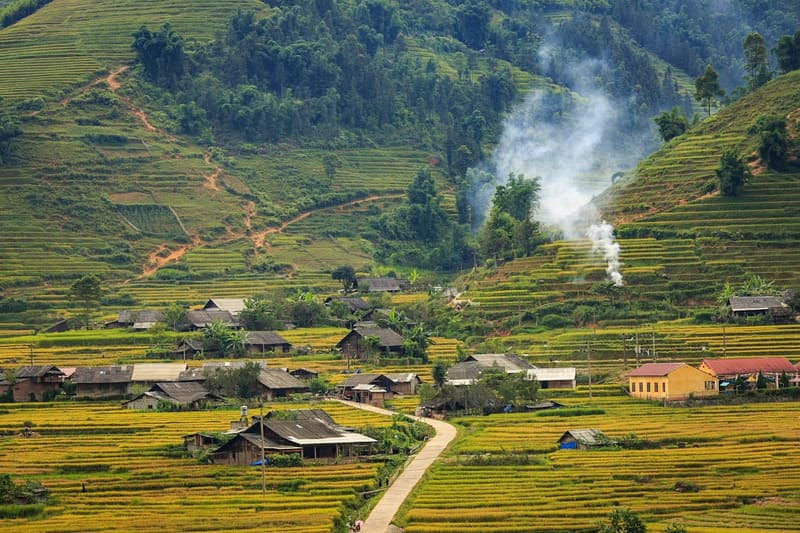 |
|
View of a local village in Sapa (Source: Pexels) |
A convenient stop on the way to Tram Ton Pass, known for its strong water flow and easy access.
Location: About 12 km from Sapa town
Why visit:
Best time to visit: April-October for stronger flow; drier months for easier walking.
Read our full guide to Silver Waterfall in Sapa: Silver Waterfall: A Scenic Escape in Sapa, Vietnam
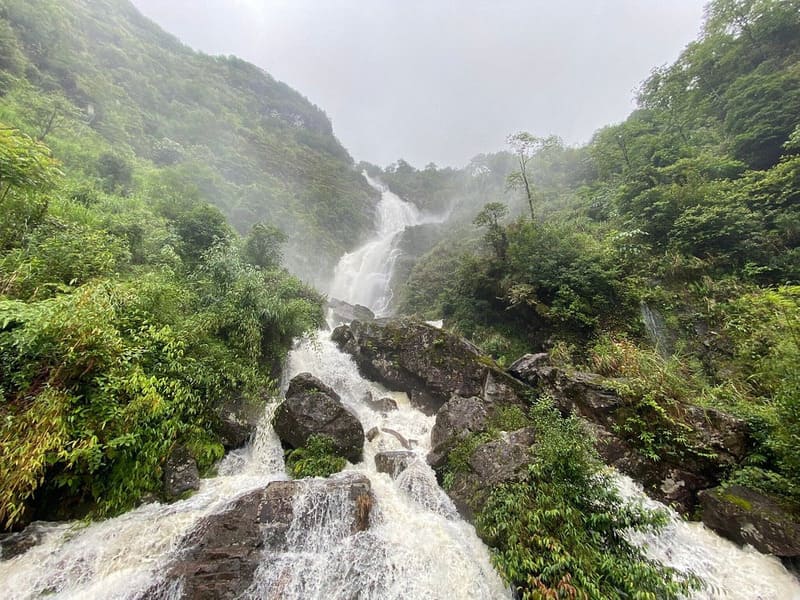 |
|
Thac Bac (Silver Waterfall) in Sapa (Source: Tripadvisor) |
Known as the “Roof of Indochina,” Fansipan is one of the most popular highlights in Sapa.
Location: About 15 minutes from Sapa town (cable car station)
Why visit:
Best time to visit:
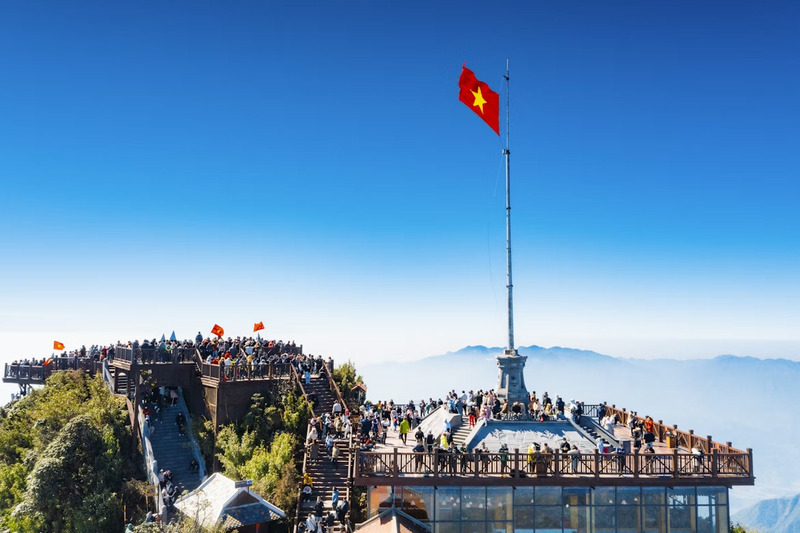 |
|
Guests visiting Fansipan, the rooftop of Indochina, in Sapa (Source: Unsplash) |
The highest mountain pass in Vietnam, offering some of the best viewpoints in the region.
Location: Along Highway 4D, about 15 km from Sapa
Why visit:
Best time to visit: Year-round, but visibility is best from October-November and March-May
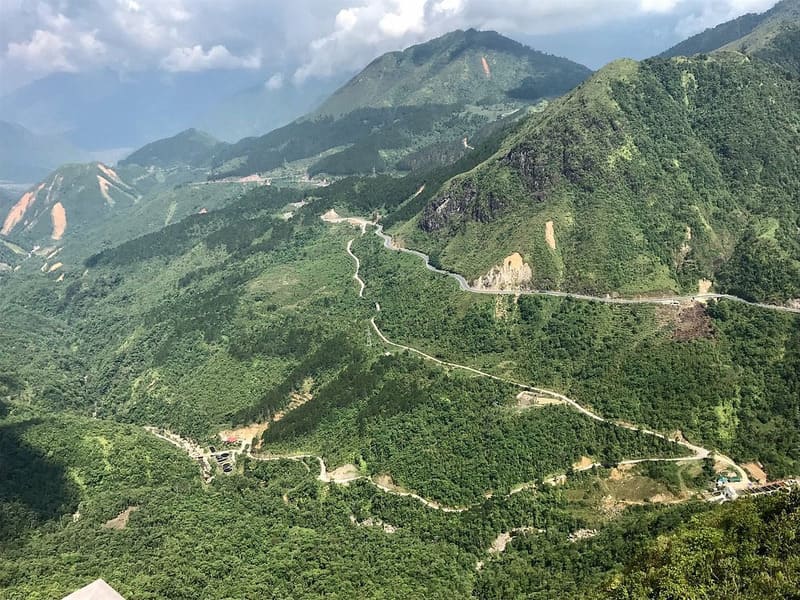 |
|
View of Tram Ton Pass in Sapa (Source: Tripadvisor) |
A central landmark and common meeting point in Sapa town.
Location: Sapa town center
Why visit:
Best time to visit: Late afternoon to evening for softer light and local activity
Explore our detailed Sapa Stone Church guide: Sapa Stone Church: Architectural Icon of the Mountain Town.
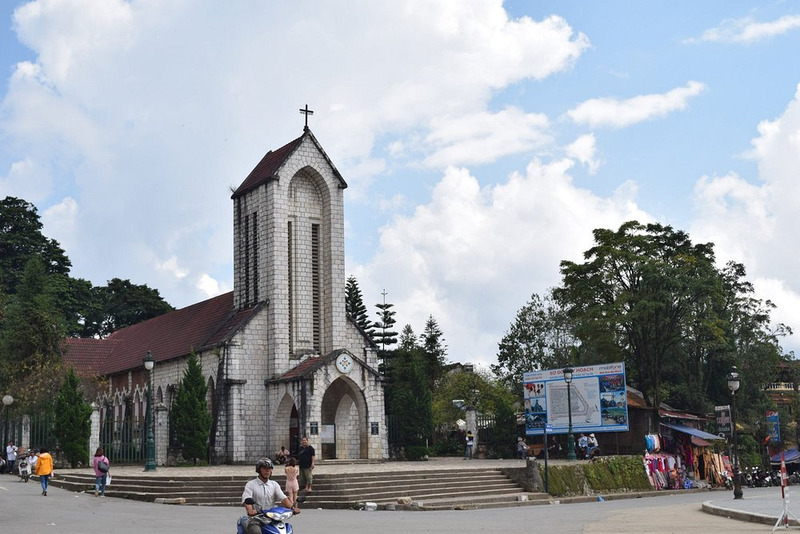 |
|
Sapa Stone Church in the middle of central square (Source: Tripadvisor) |
A small cave near Ta Phin Village, often included in village tours.
Location: Ta Phin area, northeast of Sapa
Why visit:
Best time to visit: Dry months (March-May, October-November). Avoid heavy rain due to slippery conditions.
A quieter alternative to Silver Waterfall, with a short forest walk leading to the falls.
Location: Hoang Lien National Park, near Tram Ton Pass
Why visit:
Best time to visit: April-October for water flow; October-November for cooler weather.
For more details, see our guide to Love Waterfall Sapa: Location, Entrance Fee & Travel Tips
Planning Tip: For a well-paced 2-3 day trip, you can combine Muong Hoa Valley, a Lao Chai - Ta Van trek, and Fansipan with nearby viewpoints. Travelers who prefer a smoother experience can also follow a ready-made 2-day Sapa trekking route or extend it into a Northern Vietnam journey that includes Hanoi and Halong Bay.
This route balances scenery, culture, and travel time without feeling rushed.
Sapa is best experienced through a mix of light trekking, cultural encounters, and scenic viewpoints. If you’re visiting for the first time, focus on activities that combine nature, local life, and manageable travel time.
Here are the most worthwhile experiences to include in your itinerary.
Walking through villages like Lao Chai, Ta Van, Ta Phin, or Y Linh Ho is the core Sapa experience. This is also why many travelers choose a guided hill tribe trekking tour in Sapa rather than trying to piece together routes on their own. Most routes follow rice terraces and connect small ethnic communities.
What to expect:
Why it’s worth it: This is where Sapa feels most authentic. Staying overnight in a homestay adds more depth than a quick visit.
Travel tips:
Reaching Fansipan is one of the most popular highlights in Sapa, and now accessible without a full trek.
What to expect:
Why it’s worth it: You get high-altitude views and a “summit” experience without needing technical trekking.
Travel tips:
Markets in the Sapa region are not just for shopping - they are cultural gathering points.
What to expect:
Why it’s worth it: A strong cultural experience with real local interaction, not staged tourism.
Travel tips:
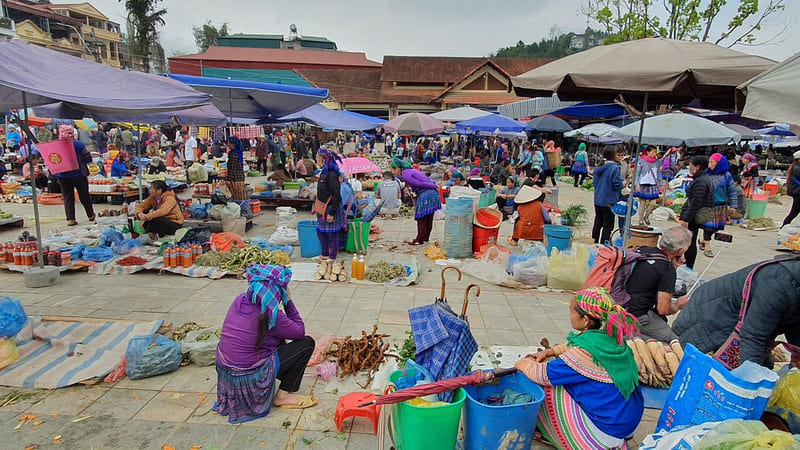 |
|
Bac Ha Market selling local food, spices, etc. in Sapa (Source: Tripadvisor) |
In the evenings, central Sapa becomes more lively, especially around the Stone Church and Cau May street.
What to expect:
Why it’s worth it: A simple way to enjoy Sapa without planning anything - just walk, eat, and explore.
Travel tips:
Food in Sapa reflects the mountain climate - warm, smoky, and hearty.
What to try:
Why it’s worth it: Local food is a big part of the experience, especially after trekking in cooler weather.
Travel tips:
Read more: Sapa Food: 10 Must Try Dishes in Vietnam's Northwest
A small but useful stop to understand the region before heading into villages.
What to expect:
Why it’s worth it: Helps you better understand what you see during village visits.
Travel tips:
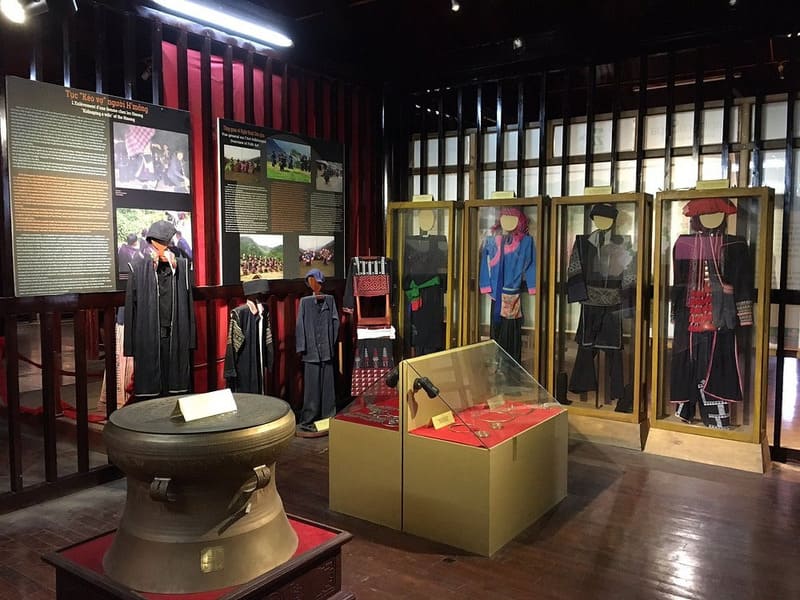 |
|
Exhibition inside of Sapa Culture Museum (Source: Tripadvisor) |
One of the easiest ways to enjoy mountain scenery without trekking.
What to expect:
Why it’s worth it: A low-effort way to see dramatic landscapes in a short time.
Travel tips:
Read more: Top 15+ Best Things to Do and See in Sapa, Vietnam
Sapa’s high altitude brings changing weather, winding mountain roads, and stunning landscapes. With a bit of planning and the right preparation, you can enjoy its rice terraces, ethnic villages, and panoramic views comfortably.
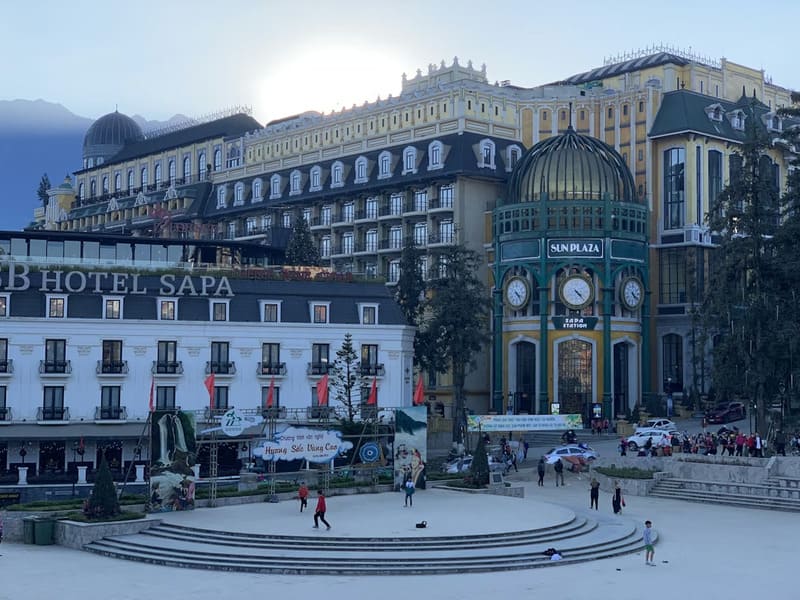 |
|
The central town of Sapa (Source: Unsplash) |
The best months to visit Sapa are usually April, May, September, and October. April to May is ideal for mild weather and the beautiful “mirror” rice terraces, while September to October is best for golden rice fields, clearer skies, and comfortable trekking conditions.
It depends on the look you want. Late April to May is best for the flooded “mirror” terraces, while late August to mid-September is usually the best time to see Sapa’s golden rice terraces during harvest. Exact timing can vary slightly by year and location.
The best time for trekking in Sapa is March to May and September to November. These months usually offer drier trails, more stable weather, and better visibility, making village walks and mountain viewpoints much more enjoyable.
Yes, Sapa is still worth visiting in June to August if you enjoy lush green landscapes and fewer crowds. However, this is also the rainiest period, so trails can be muddy and visibility may change quickly. It is better for flexible travelers than for trekking-focused trips.
Winter can be a good time to visit Sapa if you like cold weather, misty scenery, and a quieter atmosphere. From December to February, you may experience fog, low temperatures, and occasional frost or light snow at higher elevations, especially around Fansipan.
For most first-time visitors, 2 to 3 nights is ideal. This gives you enough time for a village trek, a Fansipan visit, and a relaxed look around Sapa town. Add an extra night if you want a homestay, photography time, or a Sunday trip to Bac Ha Market.
There is no bad time to visit Sapa, but July and August can be less suitable if your main goal is trekking, as these are often the wettest months. Late December to January can also be challenging for mountain views because of cold weather and heavy fog.
September is one of the best times to visit Sapa, especially if you want to see the golden rice terraces. It is also a good month for photography and sightseeing. However, if you prefer cooler temperatures and more stable trekking weather, October and November may be even more comfortable.
Sapa can be visited year-round, with each season offering a different experience. For the best balance of weather, scenery, and trekking conditions, March to May and September to November are the most recommended.
If you’re planning a trip to Vietnam, our team at Your Vietnam Travel can help you choose the right season and design a Sapa itinerary that matches your travel style - whether you are looking for a short Sapa trekking tour, a classic Northern Vietnam itinerary, or a tailor-made trip across the country.



 Vietnam Tours
 Cambodia Tours
 Laos Tours
 Thailand Tours
 Multi-Country Tours