Sapa markets offer a clear insight into the daily life and culture of ethnic communities such as the Hmong, Dao, Tay, and Giay. These markets serve as gathering spaces where locals meet, trade goods, and maintain long-standing traditions passed down through generations.
If you are looking to gain a deeper understanding of local culture, this list of the 10 most distinctive markets in Sapa will help you choose the right places to include in your itinerary.
Sapa markets, locally known as “cho phien,” offer a cultural experience that goes far beyond buying and selling. Unlike urban markets in Vietnam, these highland markets function as weekly gathering points where trade, social life, and tradition come together in one place.
One of the most distinctive features is the strong presence of ethnic minority communities such as the Hmong, Dao, Tay, and Giay. Each group brings its own identity through traditional clothing, language, and customs. The markets become a vibrant display of colors, patterns, and cultural expression, where visitors can observe how these communities maintain their heritage in daily life.
Another defining element is the weekly rhythm. Many markets operate only on specific days, drawing people from remote villages who travel long distances to attend. These gatherings are not only for trade but also for social connection. Locals meet relatives, share meals, exchange news, and strengthen community ties. It is common to see people enjoying rice wine, children playing nearby, and small groups chatting or resting after long journeys.
The variety of goods also reflects the authenticity of these markets. Alongside handmade textiles, embroidery, and silver jewelry, you will find fresh produce, medicinal herbs, traditional foods, and even livestock such as buffaloes or pigs. This mix of everyday necessities and cultural products creates a dynamic yet grounded atmosphere.
Sapa markets stand out because they provide direct insight into life in Vietnam’s northern highlands. They are not staged for tourism but shaped by real local needs and traditions. Visiting one of these markets offers a rare opportunity to witness how culture, commerce, and community naturally connect in this region.
Sapa Central Market is the easiest market to visit if you are staying in town. Unlike the remote weekly markets, this one runs every day and works well for travelers with limited time. The lower level is where locals shop for fresh produce, herbs, mushrooms, and regional meats, while the upper level is more focused on brocade, embroidered clothing, bags, and small souvenirs.
This is not the most traditional market in the region, but it is practical, lively, and easy to fit into any Sapa itinerary. For first-time visitors, it offers a quick introduction to local products without the need for a long day trip.
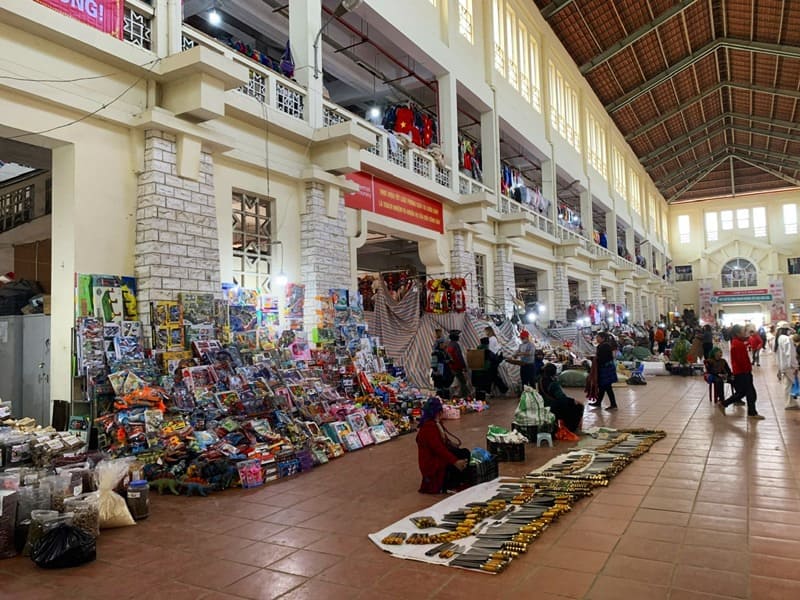
Sapa Central Market (Source: Collected)
Bac Ha Market is the best-known ethnic market near Sapa and also one of the largest in northern Vietnam. Its scale is what makes it stand out. Different sections are dedicated to textiles, food, handicrafts, and livestock, so the market feels more like a full weekly fair than a simple shopping stop.
It is especially famous for the presence of Flower Hmong and other ethnic groups arriving in striking traditional dress. If your goal is to experience the most vibrant and visually impressive market in the region, Bac Ha is often the top choice.
You can explore more tips in our Bac Ha Market Vietnam guide.
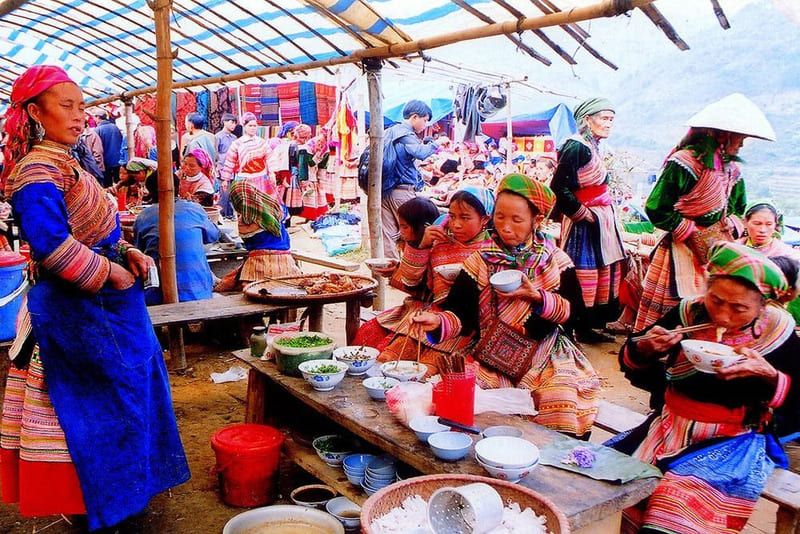
Bac Ha Market (Source: Collected)
Can Cau Market is best known for livestock trading and has a much rawer atmosphere than the more famous markets. Buffaloes, horses, pigs, and poultry are a major part of the experience, giving visitors a closer look at how trade supports daily life in the highlands.
Alongside the animal trading area, you will still find honey, herbs, rice, vegetables, and handmade textiles. Its borderland setting and lower tourist traffic make it a strong option for travelers who want something more local and less polished.
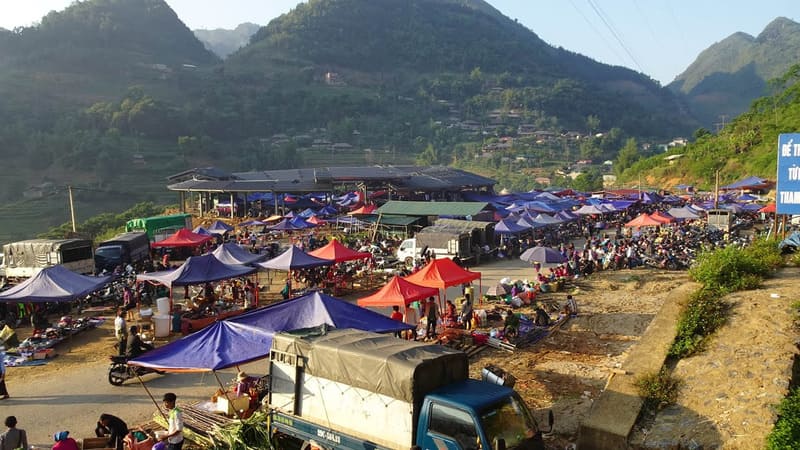
Can Cau Market (Source: Collected)
Coc Ly Market feels smaller and more relaxed, which makes it easier to explore at a slower pace. Set in a scenic mountain area near the Chay River, it draws several ethnic groups and combines market culture with beautiful surroundings.
The product range is diverse, from vegetables and medicinal herbs to corn wine, embroidered clothing, and livestock. This market is a good match for travelers who enjoy quieter places and want a market visit that feels cultural without being overwhelming.
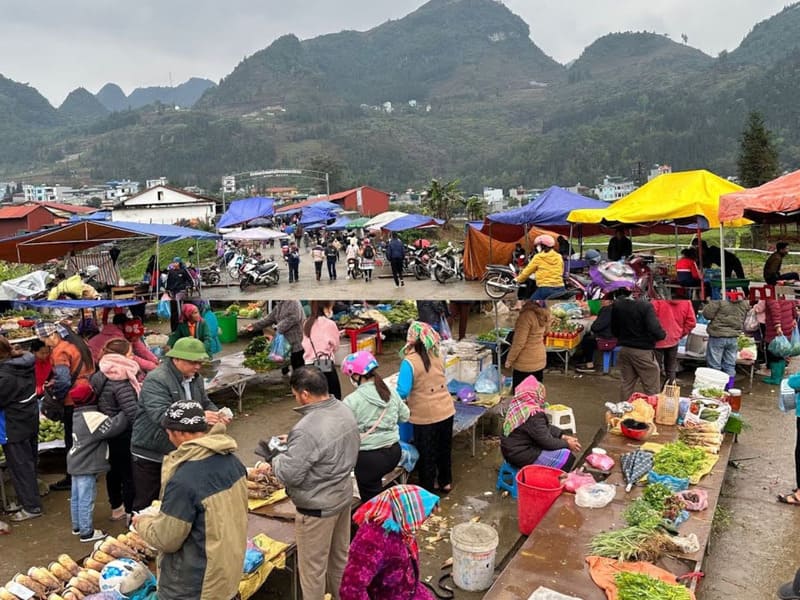
Coc Ly Market (Source: Collected)
Muong Hum Market appeals to travelers looking for authenticity over scale. It takes place in a valley setting surrounded by mountains and rice terraces, and its atmosphere feels more traditional and community-based than highly visited markets.
People come here not just to buy and sell but also to meet, talk, and maintain local connections. Products include everyday foods, herbs, textiles, and household goods, but the real value of Muong Hum lies in its setting and its strong sense of local life. It is one of the better choices for a more intimate cultural experience.
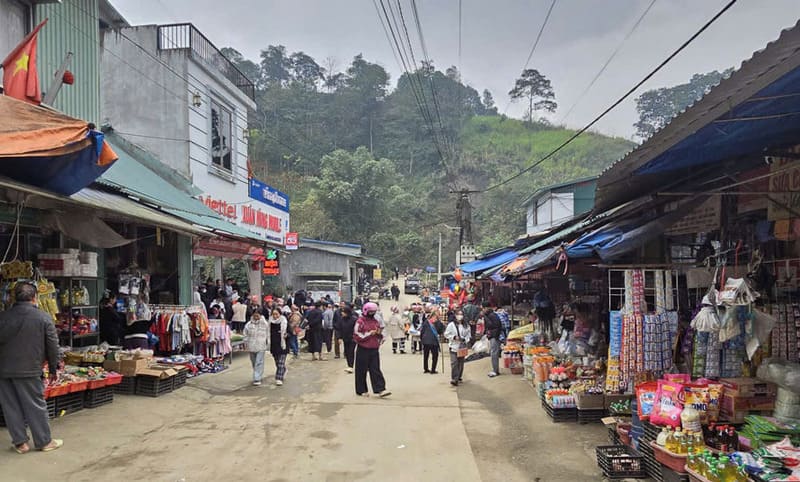
Muong Hum Market (Source: Collected)
Sin Cheng Market is a good alternative if you want to avoid the crowds of Bac Ha while still experiencing a full ethnic market. It gathers several communities such as the Flower Hmong, Tay, Nung, and Thu Lao, but on a smaller, more manageable scale.
What sets Sin Cheng apart is its strong social function. The market feels less like a tourist attraction and more like a weekly meeting point where locals reconnect, share meals, and enjoy corn wine together. Trading still happens across livestock, textiles, and produce, but the pace is slower and more personal.
This market suits travelers who value interaction and atmosphere over size and spectacle.
Cao Son Market stands out for its setting. Surrounded by mountains, terraced fields, and close to the Chay River, the journey itself is part of the experience. It is often combined with river trips, making it a good option for a full-day cultural excursion.
The market brings together Hmong, Dao, Phu La, and Black Han communities. Instead of focusing on one specific product, Cao Son offers a balanced mix, from honey and corn wine to textiles and jewelry. The craftsmanship here is notable, especially in handwoven fabrics and embroidery.
It is a well-rounded market choice if you want both scenery and cultural exposure without heavy tourist traffic.
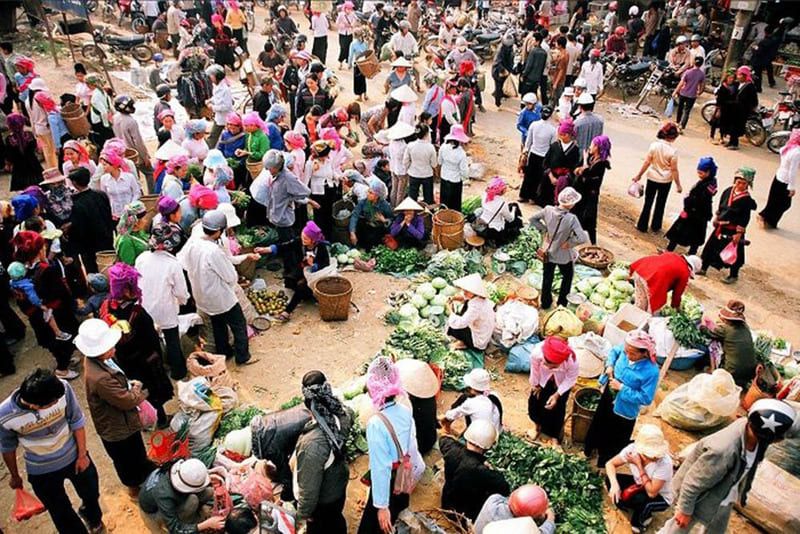
Cao Son Market (Source: Collected)
Lung Khau Nhin Market is smaller and older in character, located near the border area. It is less about variety and more about authenticity. The market focuses on practical goods such as grains, vegetables, livestock, and basic household items.
The experience here is straightforward and grounded in daily life. You will see ethnic groups like the Black Dao, Giay, Tay, and Flower Hmong trading agricultural products and interacting in a familiar, routine setting.
For travelers interested in observing everyday highland life without the influence of tourism, this market offers a clear and honest perspective..
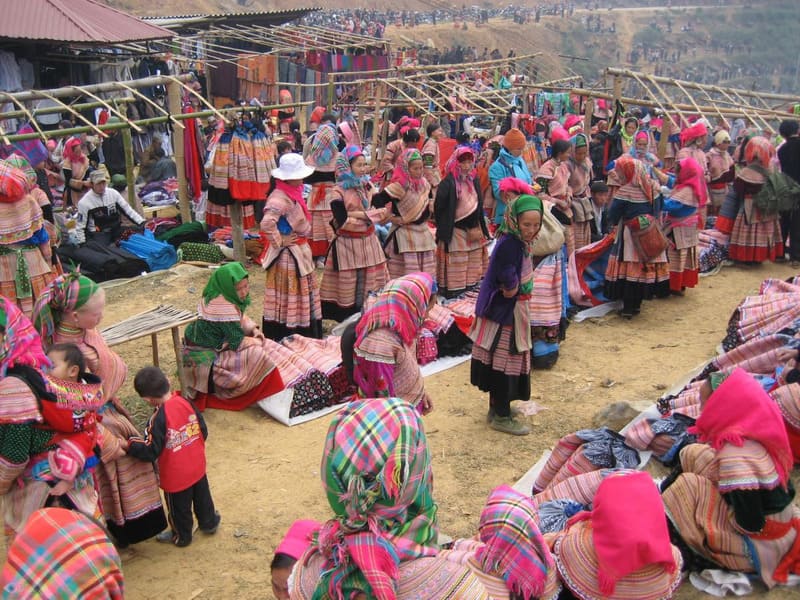
Lung Khau Nhin Market (Source: Collected)
Sapa Love Market is not a typical market focused on trade. Its value lies in cultural storytelling. Traditionally, it was a space where young people from ethnic groups met through singing and social interaction, sometimes leading to long-term relationships.
Today, the original practice is no longer fully preserved, but the atmosphere remains through performances, music, and evening gatherings. The experience is more about observing cultural expression than shopping.
If you are in Sapa on a Saturday night, this is worth visiting as a cultural event rather than a marketplace.
To better understand its cultural meaning, read our Sapa Love Market guide.
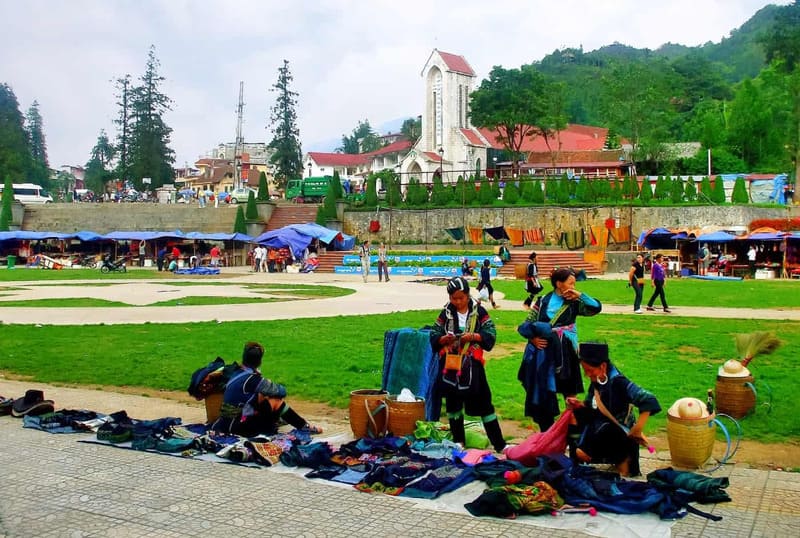
Sapa Love Market (Source: Collected)
Sapa Night Market focuses on convenience and atmosphere. It is the easiest place to explore after dark, combining casual shopping with street food in one central location.
Compared to daytime ethnic markets, this is more tourism-oriented. You will find souvenirs, brocade items, and small handicrafts, but the main draw is the food scene. Grilled skewers, local barbecue, sticky rice, and salmon dishes are widely available and easy to try.
This market works best as a relaxed evening activity rather than a deep cultural experience, especially after a day of trekking or sightseeing.
For food and evening activities, check our Sapa Night Market guide.
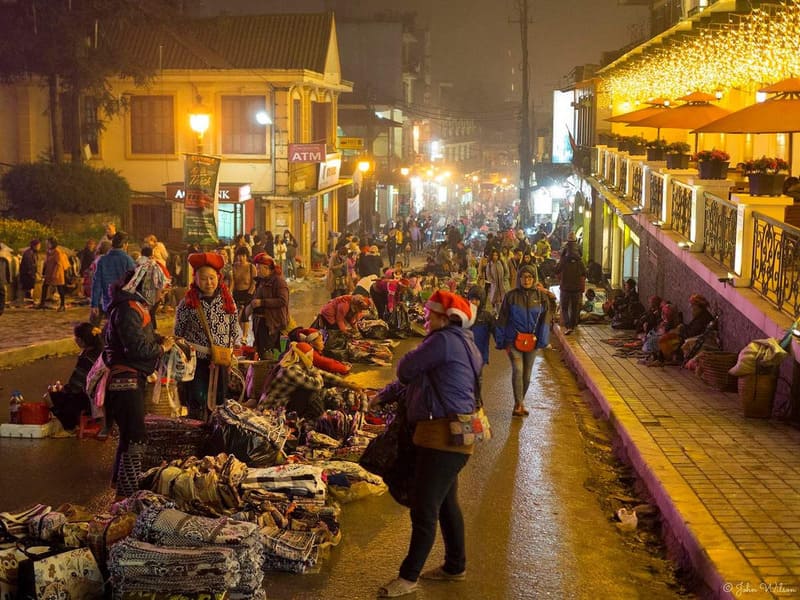
Sapa Night Market (Source: Collected)
It depends on your travel style. Bac Ha Market is the most popular and offers the largest and most vibrant experience. Can Cau is better for livestock trading and a more local atmosphere, while Muong Hum suits travelers looking for authenticity and fewer crowds. If you prefer convenience, Sapa Central Market is the easiest option in town.
Most ethnic markets in the Sapa region operate on specific days:
Planning your itinerary around these days is essential to avoid missing the experience.
Early morning is the best time, usually between 7:00 AM and 10:00 AM. This is when markets are most active, with locals arriving from surrounding villages. By midday, many stalls start closing and the atmosphere becomes quieter.
Most markets are located 2-4 hours from Sapa, so transport needs to be arranged in advance. Common options include:
Road conditions can be challenging, especially in rainy or foggy weather.
Handmade products are the most meaningful purchases. Popular items include:
Buying directly from local sellers helps support ethnic communities.
Bargaining is common, especially for handicrafts and souvenirs. However, it should be done respectfully and with a friendly attitude. For food and basic goods, prices are often fixed or less flexible.
Yes, but it depends on the market. Sapa Central Market and Night Market are easy to visit independently. Remote markets like Can Cau, Sin Cheng, or Cao Son are harder to reach, and a guide or driver can make the experience smoother and more informative.
Sapa markets are generally safe. However, you should:
Basic travel awareness is enough to ensure a safe visit.
Yes, but choosing the right market matters. Bac Ha Market is the easiest starting point for a full cultural experience. If you prefer something simpler, Sapa Central Market or the Night Market are more accessible and require less planning.
Each market in Sapa has its own character, from lively and colorful to quiet and traditional, but all reflect the unique culture of the northern highlands. To make the most of your visit, plan your trip around market days and choose locations that fit your schedule.
If you want a smoother and more enriching experience exploring Sapa markets, contact Your Vietnam Travel for personalized advice and a tailor-made itinerary that matches your travel style and time.

 Vietnam Tours
 Cambodia Tours
 Laos Tours
 Thailand Tours
 Multi-Country Tours