Da Nang is known for long sandy beaches and modern coastal resorts, but Nam O Beach offers a very different experience. Located away from the city’s busiest tourist areas, this coastal spot is known for its rocky shoreline, green moss in season, quiet atmosphere, and deep connection to local fishing life.
In this guide, you will find everything you need to know before visiting Nam O Beach in Da Nang, including how to get there, what makes it special, the best things to do, where to stay nearby, and practical travel tips for a smoother trip.
Nam O Beach is located in Hai Van Ward (formerly Hoa Hiep Nam Ward), Lien Chieu District, approximately 15-17 km northwest of Da Nang city center. Positioned near the foot of Hai Van Pass, the beach sits at the meeting point of sea, mountains, and a long-established fishing village, creating a landscape that feels both scenic and culturally grounded.
This coastal stretch extends around 500 meters and is best known for its layered rock formations, including the distinctive Nam O Reef. Large and small rock slabs are naturally stacked along the shoreline and beneath the water, forming a rugged terrain that differs from the sandy beaches in central Da Nang. These underwater rocks also contribute to the area’s ecological diversity.
Nam O Beach holds a unique position within Da Nang’s coastal system. It connects the urban side of the city with a more natural, less developed environment toward Hai Van. Backed by the Truong Son mountain range and facing open sea, the setting offers wide, unobstructed views and a noticeably quieter atmosphere.
In addition to its natural features, Nam O is closely tied to local life. The surrounding fishing village remains active, and traditional activities continue to shape the character of the area. This combination of raw coastal scenery and everyday local culture makes Nam O Beach a distinct destination for travelers seeking a less commercialized side of Da Nang.
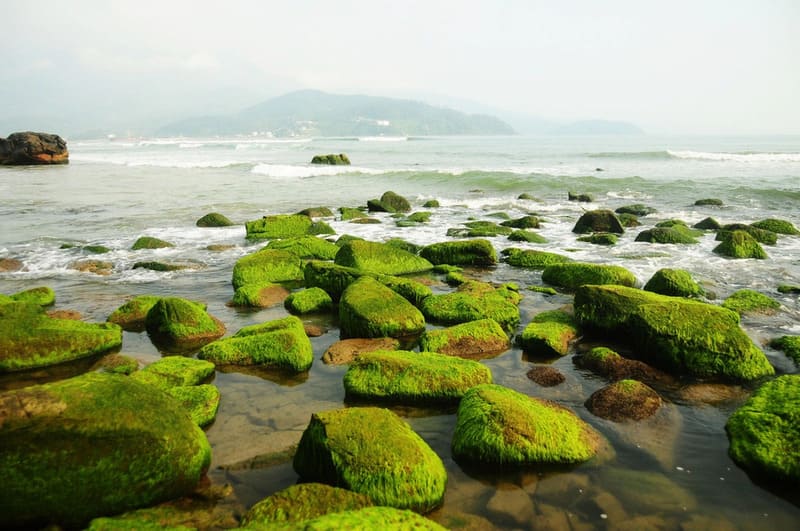
Nam O Beach offers a quieter side of Da Nang (Source: Collected)
Nam O Beach is located in Hai Van Ward, Da Nang, around 15-17 km northwest of the city center. The route is relatively straightforward, and the beach can be reached by several transport options depending on your travel style and starting point.
Getting there from Da Nang city center:
The most straightforward route is to follow the coastal road:
This route is easy to navigate and offers scenic sea views along the way.
Transportation options:
From Da Nang International Airport: From Da Nang International Airport, Nam O Beach is approximately 15-20 km away. A taxi or ride-hailing service takes around 30-40 minutes, depending on traffic.
From Hoi An and beyond: Travelers coming from Hoi An can include Nam O Beach as part of a longer coastal route heading north. It pairs well with visits to Hai Van Pass, Lap An Lagoon, or Lang Co Beach.
Practical note: The final section of the route passes through a local fishing village with narrow roads. Drive slowly, follow local traffic, and respect residential areas when approaching the beach.

Nam O Beach is easily accessible from the center of Da Nang (Source: Collected)
Nam O Reef is the highlight of the area, with layered rock formations extending into the sea. During early spring, these rocks are covered in green moss, creating a distinctive coastal landscape rarely found in Da Nang.
Nam O Beach offers a mix of nature, culture, light adventure, and local food experiences. It works well for a half-day outing or as part of a broader Da Nang itinerary.
One of the main reasons to visit Nam O Beach is the landscape itself. The beach combines sand, rocky outcrops, open sea views, and the backdrop of the Hai Van area, creating a coastal setting that feels more rugged and less urban than central Da Nang. This contrast is part of Nam O’s appeal. Instead of beach clubs and dense resort development, visitors will find a quieter shoreline with a stronger connection to local nature and village life.
This is a good place to walk along the shore, pause at different viewpoints, and simply enjoy a less tourist-heavy atmosphere. The scenery changes throughout the day, especially when the tide shifts and more of the rocky reef becomes visible.
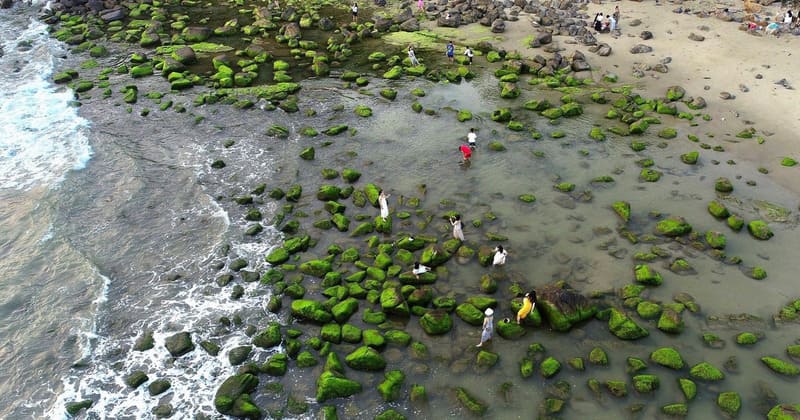
Rocky shoreline at Nam O Beach, Da Nang (Source: Collected)
Nam O Reef is the most photogenic part of the beach and one of the most recognizable natural spots in this area of Da Nang. The layered rock formations create strong textures and natural lines, making the setting especially attractive for landscape photography. During the moss season, the rocks are covered in vivid green moss, which adds even more depth and color to the scene.
For the best results, visit early in the morning when the light is soft and the reef looks freshest. Low tide also makes the moss-covered rocks more visible, which is important if photography is one of your main reasons for coming. The area is beautiful, but the rocks can be slippery, so it is worth moving carefully while taking photos.
Nam O Beach is a rewarding place to visit at both ends of the day. Sunrise is especially popular because the early light falls gently over the reef, the fishing boats, and the shoreline. It is also the best time to feel the beach’s local rhythm before the area becomes warmer and brighter. Moss season mornings are particularly appealing for photographers and early risers.
Sunset has a different mood. The light becomes warmer, the coast feels calmer, and the beach takes on a more peaceful atmosphere. Travelers looking for a quiet end to the day will likely enjoy Nam O more than busier beaches closer to the city center.

Sunrise over mossy rocks at Nam O Beach (Source: Collected)
On calm days, Nam O Beach can be suitable for swimming, especially in areas where local residents also enter the water. The sea here is generally clearer in the dry season, and some parts near the reef attract visitors who want to do light snorkeling and observe the rocky marine environment. Conditions can vary, so swimming should be done carefully, especially near areas with submerged rocks.
This is not a highly developed snorkeling destination with large-scale tourism infrastructure, but that is part of the appeal. The experience feels more natural and less packaged. Travelers who enjoy simple, low-key coastal activities may find it worthwhile, especially when sea conditions are calm and visibility is decent.
Nam O is still closely tied to its fishing village roots, and that daily connection to the sea is one of the area’s strongest cultural features. Visiting in the early morning gives you the chance to see fishermen returning from the water, organizing their catch, preparing nets, and starting a new day by the shore. These are ordinary activities for the local community, but for visitors, they offer a more grounded and authentic view of coastal life in Da Nang.
This experience is especially meaningful for travelers who value local culture over staged attractions. Observing daily routines, speaking with local residents when appropriate, and watching how the fishing village operates can add real depth to a visit.

Local fishing life at Nam O Beach (Source: Collected)
Fishing is another activity that adds a hands-on element to a Nam O Beach trip. In some cases, visitors can join local boats or informal fishing experiences arranged through residents in the area. This is not always structured like a commercial tour, but that is exactly why it feels more personal and memorable.
For travelers interested in local livelihoods, this can be a good way to connect more directly with the village’s maritime culture. It also suits visitors who want more than sightseeing and prefer participatory travel experiences.
Because Nam O Beach remains relatively quiet and open compared to more developed stretches of Da Nang’s coastline, it can work well for a simple picnic or relaxed outdoor gathering. The beach’s natural setting makes it appealing for travelers who want to spend more time by the sea without moving from one attraction to another.
Camping is sometimes possible in suitable areas, especially for small groups who come prepared and keep the space clean. The setting becomes particularly attractive in the late afternoon, when the light softens and the coast feels more peaceful. Anyone planning to stay longer should bring necessary supplies and avoid leaving waste behind, as this is still a lightly developed local beach.
A visit to Nam O Beach becomes more meaningful when combined with Nam O Fish Sauce Village, one of the best-known traditional craft villages in Da Nang. The village is closely linked to the identity of the area and is widely recognized for its long-standing fish sauce-making tradition, which has been preserved for centuries.
Here, visitors can learn more about how local fish sauce is made, from selecting anchovies to fermentation and storage. Beyond the product itself, the village reflects a long history of coastal craftsmanship and community knowledge. It is also a good place to buy a meaningful local specialty to take home.

Local craft at Nam O Fish Sauce Village (Source: Collected)
Food is one of the simplest and most rewarding parts of a Nam O Beach visit. The area is known for fresh seafood and dishes that reflect the identity of a traditional fishing community. Restaurants and local eateries near the beach often serve fish, squid, shrimp, clams, and other seasonal catches at more local-style prices than some of Da Nang’s busier beachfront zones.
One local specialty worth noting is Nam O fish salad, a dish strongly associated with the area. Along with fresh seafood, it helps give the destination a distinct culinary identity. For travelers interested in food as part of cultural discovery, Nam O offers a more local and less commercial dining experience than many better-known beach areas in Da Nang.
Nam O Beach is not a major accommodation hub like My Khe Beach, so hotel options immediately around the beach are more limited. Still, there are several practical choices depending on your travel style.
The ideal time to visit Nam O Beach is during the dry season, from February to August. This period brings stable weather, clear skies, and calm seas - suitable for sightseeing, swimming, photography, and outdoor activities.
From September to January, the area enters the rainy season. Expect frequent rain, rough sea conditions, and occasional storms, especially between October and December. Travel during this time is less predictable and not ideal for beach activities.
For a more complete overview of weather patterns throughout the year, see our guide to the best time to visit Da Nang.
Practical note: Tide levels directly affect the visibility of the reef and moss. Checking tide schedules in advance helps plan the best time for exploring and photography.
A few practical tips can help you enjoy Nam O Beach more comfortably:
According to local interpretation, “Nam O” is often understood as “the southern gate,” referring to its historical geographic position in relation to the old Chau O area. The name reflects the long-standing cultural and coastal identity of this part of central Vietnam.
Yes. Nam O Beach is worth visiting for travelers who prefer a quieter and more local coastal experience. Unlike the more developed beaches in central Da Nang, Nam O stands out for its rocky reef, seasonal green moss, fishing village atmosphere, and traditional fish sauce heritage.
Nam O Beach is about 15-17 km from central Da Nang, depending on your starting point. The journey usually takes around 25 to 40 minutes by motorbike, car, or taxi, making it a convenient half-day or day-trip destination.
The best time to visit Nam O Beach is from February to August, when the weather is drier, sunnier, and more suitable for sightseeing and beach activities. For the famous moss-covered rocks at Nam O Reef, the best period is usually from late January to March.
The moss season at Nam O Reef usually takes place from late January to March, sometimes extending into early April depending on weather and tides. Early morning at low tide is the best time to see the green moss clearly and take photos.
Nam O Beach can be safe for swimming in calm weather, especially in sandy areas where locals also swim. However, some sections have submerged rocks and reef areas, so visitors should avoid rough sea conditions and be cautious when entering the water.
No, Nam O Beach does not normally require an entrance fee. Visitors can access the beach freely. In some cases, you may need to pay a small parking fee if you come by motorbike or car near the reef access points.
Light snorkeling may be possible in calm conditions, especially around rocky nearshore areas. Still, Nam O Beach is not a major snorkeling destination with full tourism services, so the experience is more suitable for casual visitors than for advanced underwater exploration.
Yes. Nam O Beach is very suitable for a day trip from Da Nang thanks to its short travel time from the city center. Many visitors combine it with nearby attractions such as Hai Van Pass, Xuan Thieu Beach, or local seafood restaurants in the Lien Chieu area.
Nam O Beach offers a different perspective on Da Nang’s coastline. Its rocky reef, seasonal moss, and long-standing fishing traditions create a destination that prioritizes authenticity over mass tourism. For travelers interested in local culture, natural scenery, and quieter coastal experiences, Nam O is a strong addition to any Central Vietnam itinerary.






 Vietnam Tours
 Cambodia Tours
 Laos Tours
 Thailand Tours
 Multi-Country Tours