The best time to visit Da Nang is from March to August, when sunny skies and calm seas create perfect conditions for beach trips and outdoor excursions. April to August is ideal for those seeking vibrant beach experiences, while March to May offers milder weather and thinner crowds.
This comprehensive guide by Your Vietnam Travel breaks down Da Nang’s seasonal patterns, outlines the best months for beachgoers, families, and cultural explorers, and includes a detailed month-by-month overview. Practical weather insights and quick FAQs are also provided to help plan your Da Nang trip in 2026 with confidence.
Located on Vietnam’s central coast, Da Nang experiences a consistently warm and humid climate throughout the year. The city's weather patterns are defined by two distinct seasons: a dry season with abundant sunshine and a rainy season marked by heavier showers and occasional storms. This seasonal contrast plays a key role in planning outdoor activities such as beach visits, hiking, and day trips.
Da Nang maintains a warm and humid climate year-round, divided into two distinct seasons that significantly influence travel experiences:
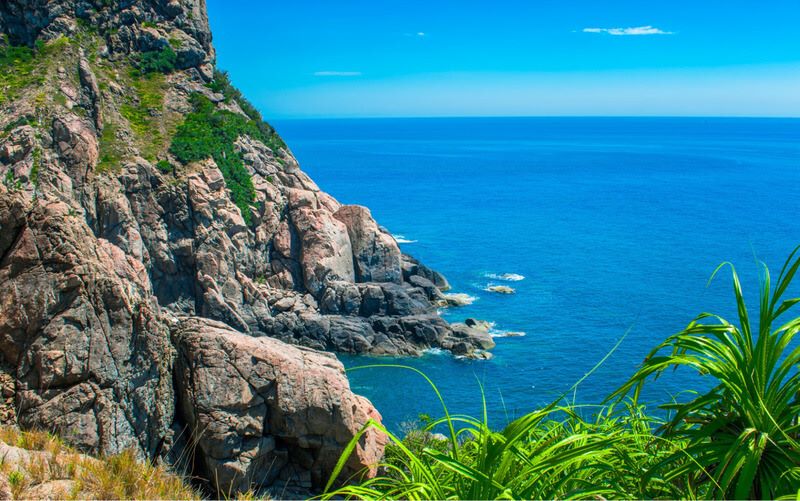
Son Tra, Da Nang in dry season (Source: Unsplash)
Expect daytime highs broadly in the high-20s to low-30s °C (mid-80s to low-90s °F), with the most comfortable mix of sun and heat in March - May. Seas are typically calmest and clearest from spring into early summer.
Activities:
Travel Tips: Reserve coastal accommodations well in advance for travel between June and August. Pack reef-safe sunscreen, a wide-brimmed hat, and ample drinking water. Plan for a cooling midday pause, such as a café stop, museum visit, or short siesta, and resume outdoor activities after 3:30 p.m. when temperatures ease.
 |
|
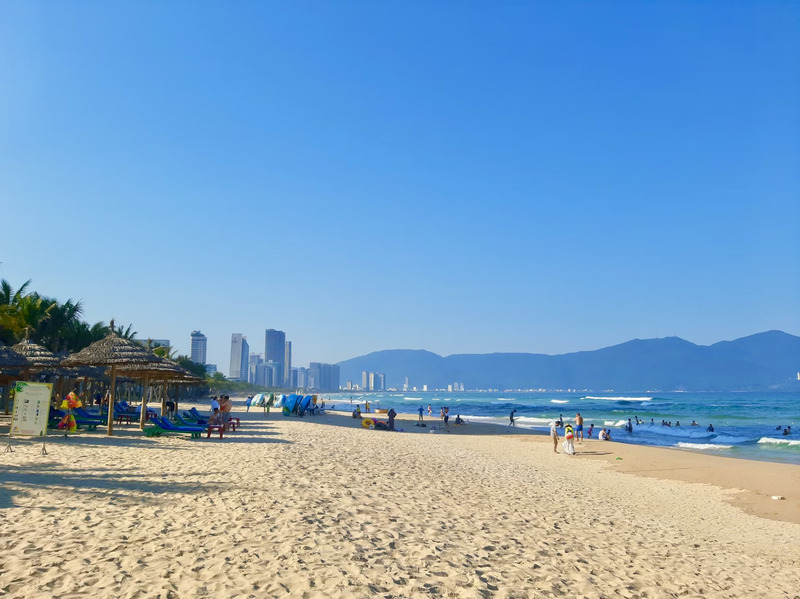
Da Nang beach - My Khe in April (Source: Unsplash) |
This period sees increased rainfall and a higher likelihood of storms, particularly from October to November. Sea conditions are often rough, leading to the temporary suspension of marine tours when safety is affected. In return, travel costs tend to be lower and visitor numbers decrease, creating a quieter travel environment.
Activities:
Travel Tips: Keep your itinerary flexible and choose bookings with refund options. Monitor the weather forecast closely, and pack a lightweight rain jacket, quick-dry clothing, and waterproof protection for your phone or camera. Late December typically sees drier conditions as the city transitions back to the sunny season.
 |
|
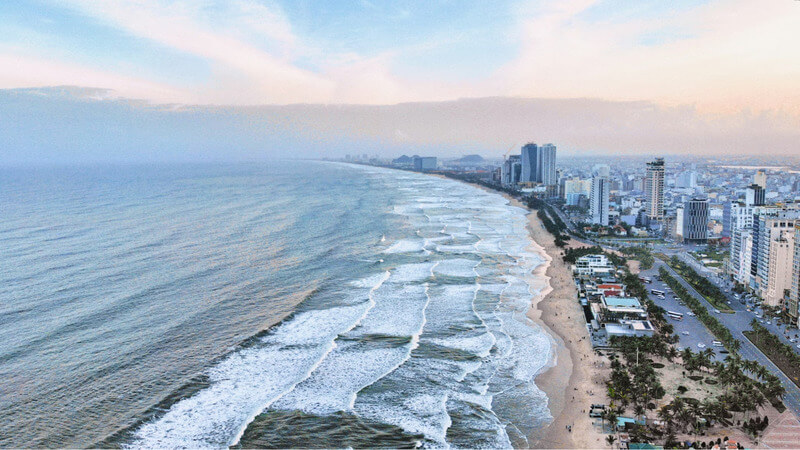
Big waves in Da Nang, best time to visit for surfing (Source: Unsplash) |
April to August offers the most reliable beach conditions with abundant sunshine, calm seas, and warm water, ideal for swimming, sunbathing, and outdoor adventures. This is also peak tourist season, particularly from June to August. To avoid last-minute issues, consider booking hotels near the beach and Ba Na Hills tickets in advance. Plan outdoor activities for early morning and late afternoon, and reserve midday for indoor relaxation such as spa visits, cafés, or exploring the Cham Sculpture Museum.
March to May provides a comfortable balance between pleasant weather and fewer crowds. Clear skies and moderate temperatures make it a great time for hiking in Son Tra, climbing Marble Mountains, or enjoying day trips to Hoi An. This period is also favored by photographers for its soft natural light and clean atmosphere.
September appeals to budget travelers with lower accommodation rates and a quieter atmosphere. Many days remain suitable for beach activities, although light rainfall may occur. It’s advisable to keep plans adaptable and include indoor alternatives in case of afternoon showers, which tend to increase through October and November.

Ba Na Hills Golden Bridge in dry and sunny weather (Source: Unsplash)
Here’s how each part of the year actually feels on the ground - so you can line up beaches, hikes, and day trips with the right conditions. Please refer to the table below for your needs:
| Period | Average Temperature | Season | What the Weather Feels Like |
|---|---|---|---|
| March - May | ~20 - 30 °C / 68 - 86 °F | Late dry season | Mostly sunny, moderate humidity; March is cooler, May is hotter and dry - great for beaches and sightseeing. |
| June - August | ~26 - 34 °C / 79 - 93 °F | Peak dry season | Hottest stretch with long sunny days; sea is clear and calm. Expect peak pricing and crowds. |
| September - November | ~22 - 30 °C / 71 - 86 °F | Rainy season | Showers and cloudier spells; September can still be pleasant with thinning crowds. |
| December - February | ~19 - 24 °C / 66 - 75 °F | Transition to dry | Cooler, gentler sun; fewer downpours than October - November. January averages around 19 °C. |
This shoulder window blends long sunny spells with manageable heat (~24 - 31 °C / 75 - 88 °F) and calmer seas. It’s ideal for beach time at My Khe beach, Son Tra hikes under blue skies, and day trips to Hoi An or Marble Mountains without peak-season crowds.
Travel Tips: Book sea-view rooms early for weekends and carry reef-safe sunscreen; plan swims in the morning and golden-hour walks late afternoon.
 |
|
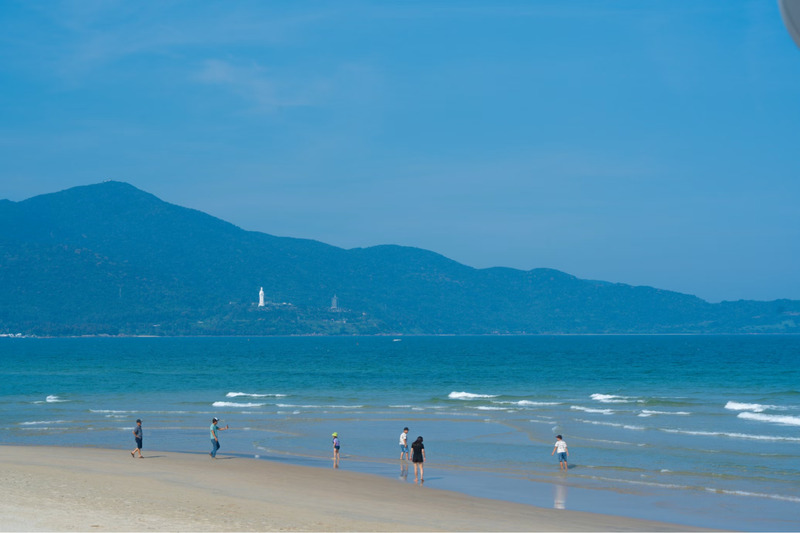
A view of My Khe Beach in Da Nang in March (Source: Unsplash) |
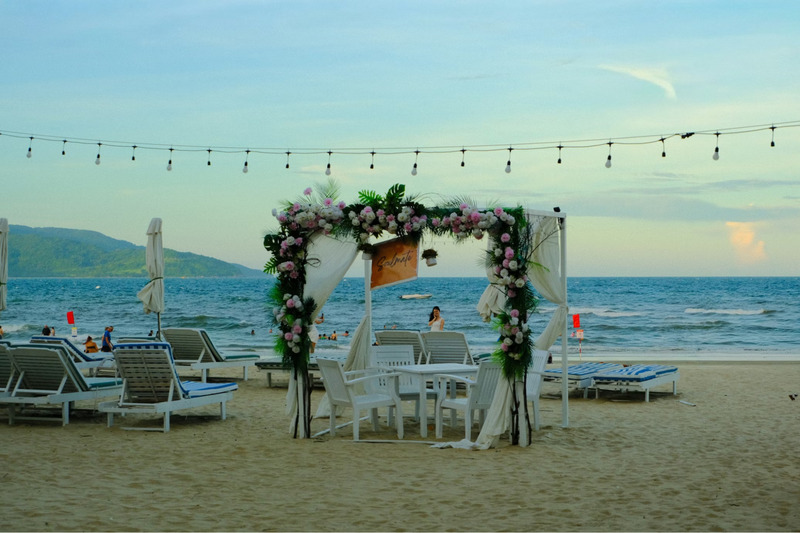
These are the prime beach months: the bluest skies, warm water, and the steadiest sunshine, making this the best period for a beach and relaxation holiday in Vietnam. Expect hot days (30 - 35 °C / 86 - 95 °F); beat the UV with sunrise swims, a midday café/museum break, and sunset sessions.
Travel Tips: Water clarity is at its best for snorkeling/boat trips; reserve beachfront and Ba Na Hills tickets in advance.
 |
|
Wedding on the beach in Da Nang in August (Source: Unsplash) |
The rainy season settles in, with October typically the wettest and occasional central-coast storms. Keep your plans flexible: mix indoor time (Cham Sculpture Museum, cafés, spa, food tours) with short beach or Son Tra windows between showers.
Travel Tips: If you’re adding Hoi An, watch the forecast for high river levels and carry a light rain jacket plus dry bags for phones/cameras.
 |
|
Da Nang city by the port in September (Source: Unsplash) |
Days turn cooler (~18 - 23 °C / 64 - 73 °F) and the city is calmer and more budget-friendly; seas can be choppier but clear, dry breaks are common. This is a comfortable time for urban exploring, visiting pagodas such as Linh Ung Pagoda, café hopping, and scenic drives without heat fatigue.
Travel Tips: Pack a light layer for evenings, check holiday schedules around Tet, and enjoy wide-open beaches minus the crowds.
 |
|
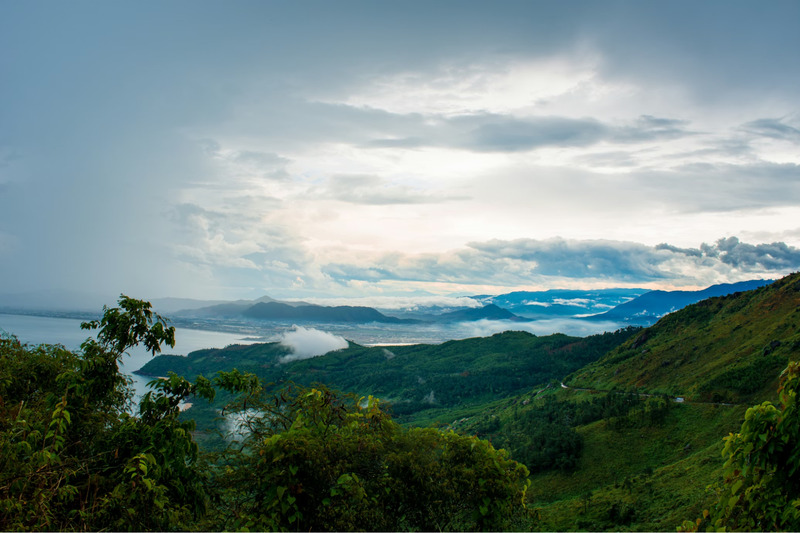
View from Hai Van Pass in Da Nang (Source: Unsplash) |
Da Nang’s weather allows travelers to plan with intention. By aligning your itinerary with seasonal patterns, you can maximize beach time, avoid harsh heat, and capture stunning views with minimal disruption.
April - August are the best months for consistent sun, warm water, and calmer seas. March and September can also be excellent shoulder options if you prefer fewer crowds and slightly softer prices. Plan sunrise swims and late-afternoon beach time to avoid peak UV.
Visiting during the rainy season (September-December) is possible with flexible planning. Short showers are common, and storm systems may appear. Monitor weather forecasts, choose refundable bookings, and prepare alternative indoor plans such as museums, cafés, or spas when outdoor activities are interrupted.
A 3 to 4-day itinerary covers major highlights like the beaches, Son Tra Peninsula, Marble Mountains, and nearby destinations like Hoi An or Ba Na Hills. Travelers who prefer a ready-made plan can consider a 4-day Da Nang, Hoi An and Ba Na Hills itinerary.
The off-season runs from September to December, with thinner crowds and frequent travel deals. January also offers good value due to cooler temperatures and fewer visitors. While hotel promotions are common, note that some marine tours may be limited during rough seas. Watch for price surcharges near Tet holidays.
During June to August, temperatures often rise to 33-35°C (91-95°F) with high humidity levels. The heat index can feel significantly higher, so stay hydrated, rest indoors during midday, and protect your skin with reef-safe sunscreen and a wide-brimmed hat. Plan outdoor activities in the early morning or after 3:30 p.m.
For a classic, sun-splashed Da Nang, April through August wins. If you like warm weather with fewer crowds and fair prices, March - May or September can be ideal. Cooler city breaks and food-forward itineraries fit December - February. Choose your window, match plans to the season, and Da Nang is easy to love in 2026.
Looking for a well-planned Da Nang escape? Explore our Da Nang & Hoi An tours, Central Vietnam itineraries, or family-friendly Vietnam holiday packages to find the trip that matches your season and travel style.






 Vietnam Tours
 Cambodia Tours
 Laos Tours
 Thailand Tours
 Multi-Country Tours