Winter is a great time to visit Vietnam, but the experience varies widely from one region to another. Northern Vietnam brings cool temperatures and mountain scenery, Central Vietnam transitions through changing weather, while Southern Vietnam enjoys its dry season. This guide covers everything you need to know about Vietnam's winter weather, the best destinations and essential travel tips for planning your trip.
Winter in Vietnam is generally considered to last from November to February, although the season is not equally distinct across the country.
Northern Vietnam experiences the clearest winter pattern. Temperatures begin to fall in November, usually reach their lowest levels in December and January, then gradually rise toward the end of February. Cold air from the northeast can bring sudden temperature drops, strong winds, mist and light drizzle.
Central Vietnam does not have a uniform winter season. The north-central coast, including Hue and Quang Binh, can feel cool, cloudy and wet. Farther south, destinations such as Da Nang and Hoi An are generally milder but may still receive heavy rain during November and December. Conditions often become drier from January onward.
Southern Vietnam has no cold winter. The period from December to February falls mainly within the dry season, bringing warm temperatures, lower rainfall and favorable conditions for city tours, river journeys and beach holidays. Vietnam’s long geography creates tropical and temperate climate zones, so suitable travel weather can usually be found somewhere in the country throughout the year.
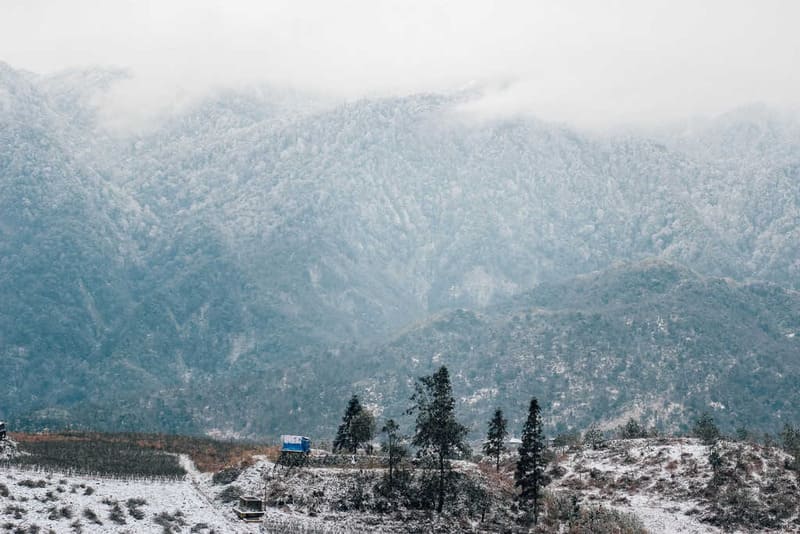
Winter weather varies across Vietnam’s three regions (Source: Collected)
Winter conditions vary considerably between Northern, Central and Southern Vietnam. The following table provides a general comparison before examining each region in more detail.
| Region | Typical Temperature | General Conditions | Suitable Experiences | Main Considerations |
| Northern Vietnam | About 10 - 24°C in lowland areas; colder in the mountains | Cool to cold, often dry at first, with mist and drizzle becoming more common later | City sightseeing, trekking, mountain scenery, food tours, and cruises | Cold spells, poor mountain visibility, damp weather, and limited heating |
| Central Vietnam | About 18 - 28°C, depending on location and altitude | Mild to cool; wetter in November and December, generally improving later | Heritage sites, cultural tours, highland retreats, and coastal sightseeing | Heavy rain, flooding, rough seas, and regional weather differences |
| Southern Vietnam | About 24 - 33°C | Warm, relatively dry, and sunny | Beaches, islands, city tours, floating markets, and river trips | Strong midday sun, high seasonal demand, and occasional unseasonal rain |
Northern Vietnam experiences the country’s coolest winter weather. Hanoi, Ninh Binh, Ha Long Bay and the Red River Delta generally have mild days but colder mornings and evenings. High humidity and seasonal winds can make temperatures feel lower, especially in Hanoi.
November and early December are often cool and relatively dry, making this a favorable period for walking, cycling and sightseeing. December and January are usually the coldest months, while late January and February may bring drizzle, fog and low cloud. These conditions add atmosphere to landscapes but can reduce visibility in Ha Long Bay and mountainous areas.
Sapa, Ha Giang, Mau Son and Ta Xua are considerably colder. Temperatures may fall below 10°C at night and approach freezing at higher elevations during severe cold spells. Frost, ice, fog and slippery roads can affect trekking and overland travel.
Winter scenery differs from the green or golden rice terraces seen earlier in the year. Travelers can instead expect misty valleys, harvested fields, limestone mountains, quieter trails and warming regional dishes.
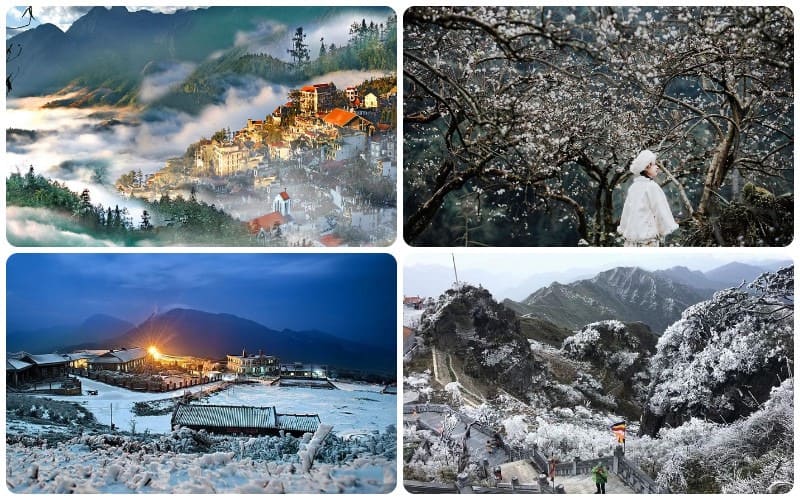
Snow-covered landscapes in Northern Vietnam (Source: Collected)
Winter conditions vary widely across Central Vietnam due to its long coastline, mountain ranges and highland areas.
Phong Nha and Hue can be cool, cloudy and damp, particularly in November and December. Seasonal winds may bring prolonged rain, while wet weather can make conditions feel colder than the recorded temperature.
Da Nang and Hoi An remain warmer, but early winter overlaps with the end of the central rainy season. Heavy rain, rough seas and localized flooding may disrupt beach visits, boat trips and sightseeing, especially in Hoi An’s low-lying streets.
Weather usually becomes more stable in January and February, creating better conditions for Hoi An Ancient Town, My Son Sanctuary, the Marble Mountains and Da Nang’s coastal attractions. However, the sea may still be too cool or rough for swimming on some days.
Farther south, Nha Trang and Mui Ne generally become sunnier and drier as winter progresses. In the Central Highlands, Da Lat has mild, dry days but cold mornings and evenings.
Southern Vietnam remains warm throughout winter, with Ho Chi Minh City, the Mekong Delta, Phu Quoc and Con Dao experiencing tropical rather than cold conditions.
December to February falls within the dry season. Rain is less frequent, humidity is often more comfortable and sunny weather supports city tours, food experiences and day trips.
The Mekong Delta is also easier to explore during this period, as boat journeys, cycling routes and rural visits face fewer weather disruptions. December and January are among the coolest months in Can Tho, although temperatures remain warm.
Phu Quoc offers some of Vietnam’s best winter beach weather. Clearer skies, warm temperatures and calmer seas make this a popular season for swimming, snorkeling, island tours and sunset cruises.
Winter is one of the best times to visit Vietnam, but the ideal destinations depend on when you travel. The north offers cool weather for sightseeing and trekking, while the south enjoys warm, dry conditions that are ideal for beaches and outdoor activities.
Northern Vietnam is comfortable for exploring cities such as Hanoi and Ninh Binh, with mountain regions offering misty landscapes and cooler hiking conditions. Central Vietnam is wetter in November and December, but January and February are generally better for visiting heritage sites. Southern destinations, including Ho Chi Minh City, the Mekong Delta, Mui Ne and Phu Quoc, typically experience sunny, dry weather throughout the season.
There are a few drawbacks to consider. Northern temperatures can feel surprisingly cold, fog may reduce visibility in mountain areas and Ha Long Bay, and heavy rain or storms can still affect central Vietnam. If traveling during the Tet holiday, expect higher prices and limited availability for flights and accommodation.
Overall, winter is an excellent season for visiting Vietnam if you choose destinations that match the regional weather.
Since Vietnam has diverse weather patterns across regions, our best time to visit Vietnam guide can help you plan your trip more effectively.
Hanoi is one of the best places to experience a genuine Vietnamese winter. Cooler temperatures make it comfortable to explore the Old Quarter, Hoan Kiem Lake, the Temple of Literature, the Imperial Citadel of Thang Long and the city’s museums.
Winter also suits Hanoi’s food culture. Pho, bun thang, grilled dishes and hotpot are especially appealing during cool evenings, while coffee shops provide shelter from drizzle or sudden cold spells. Travelers visiting near Tet can see flower markets, peach blossom displays and streets decorated for the Lunar New Year.
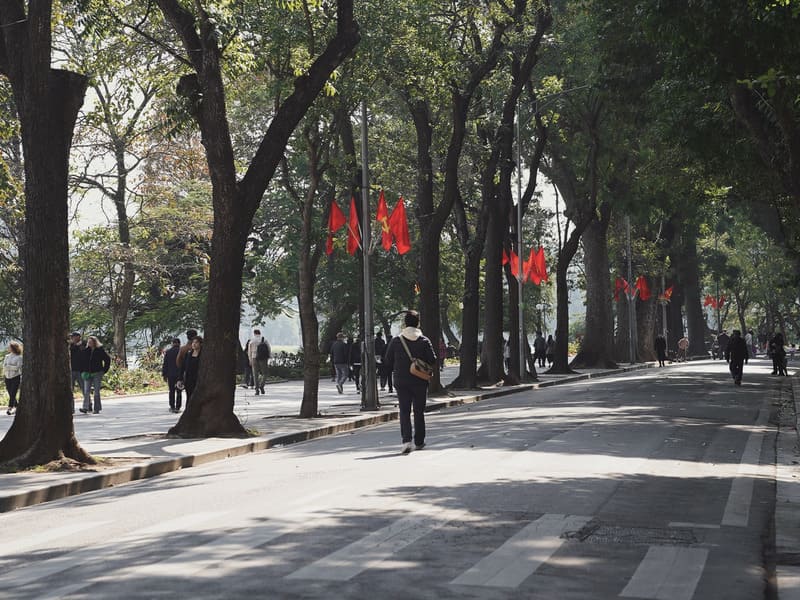
Cool winter days in the heart of Hanoi (Source: Collected)
Sapa is a suitable choice for travelers interested in mountain scenery, ethnic villages and cold-weather trekking. Mist frequently covers the surrounding valleys, creating dramatic views when the clouds clear.
Popular experiences include visiting Cat Cat, Ta Van and Ta Phin villages, trekking through Muong Hoa Valley and taking the cable car toward Fansipan. Snow is possible but rare, so it should be treated as an unexpected event rather than the main reason to visit.
Warm layers, waterproof footwear and flexible plans are essential because fog, rain and cold winds can change trekking conditions quickly.
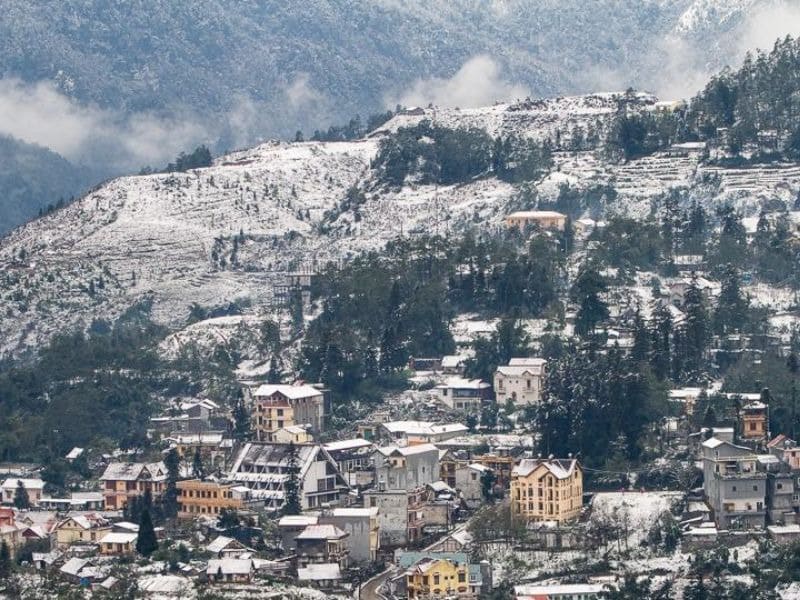
Snow blankets Sapa during a rare winter cold spell (Source: Collected)
Ha Giang offers limestone mountains, high passes and remote ethnic communities. The Ha Giang Loop remains accessible in winter, but conditions can be demanding. Fog may reduce visibility on Ma Pi Leng Pass, while cold winds make motorbike travel uncomfortable without proper clothing.
Late buckwheat flowers may still be visible in some areas during early winter, although the flowering period varies by location and weather. The main attraction remains the landscape of Dong Van Karst Plateau, mountain roads, traditional villages and local markets.
Less experienced riders should consider traveling with a licensed local driver rather than navigating narrow mountain roads independently.
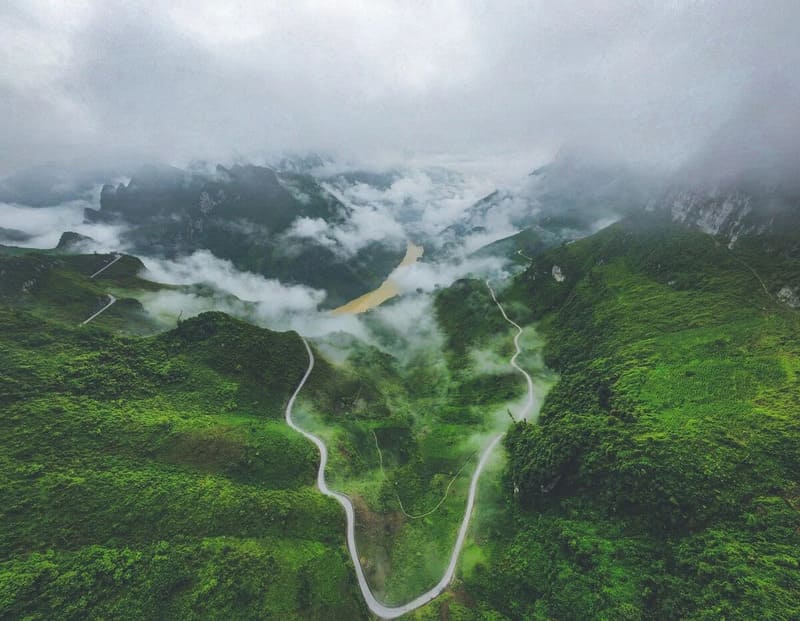
Misty mountain roads in Ha Giang during winter (Source: Collected)
Moc Chau is known for tea hills, dairy farms, waterfalls and seasonal flowers. In late winter, plum and peach blossoms can cover hillsides and villages with white and pink flowers.
Blooming dates are influenced by temperature and rainfall, so flowering cannot be guaranteed for a specific week. Travelers planning a photography-focused trip should check local conditions shortly before departure.
Ta Xua is a popular cloud-hunting destination in Northern Vietnam. Located at an elevation of roughly 1,500 - 1,800 meters, the area has a cool climate and is known for mountain ridges rising above layers of cloud.
Winter and early spring can create suitable cloud-inversion conditions, particularly after rain followed by calm, clear weather. However, clouds are never guaranteed. Roads can also become slippery or difficult during wet conditions.
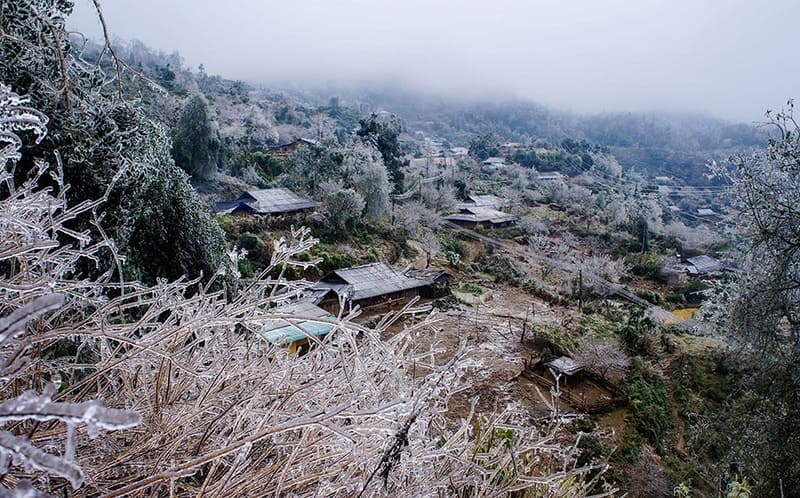
Frost-covered hillsides in Ta Xua during winter (Source: Collected)
Ninh Binh is a practical winter destination for travelers who prefer scenic landscapes without high-altitude cold. Boat trips through Trang An or Tam Coc pass limestone cliffs, rivers and temples, while Hang Mua provides panoramic views over the surrounding countryside.
Winter fields may appear brown or green rather than golden because the main rice seasons occur at other times of year. Nevertheless, cool temperatures are comfortable for cycling, walking and climbing the steps to Hang Mua viewpoint.
Winter gives Ha Long Bay a quiet, misty atmosphere. Cooler conditions are suitable for cruising, kayaking and visiting caves, but low cloud can partly conceal the limestone formations.
December and January can feel cold on open decks, especially during early mornings and evenings. Strong winds, poor visibility or adverse marine conditions may lead to schedule changes, so travelers should keep some flexibility in their itinerary.
Hue’s Imperial City, royal tombs, pagodas and traditional cuisine make it one of Central Vietnam’s most important cultural destinations. Cool weather can be comfortable for exploring historical sites, but November and December may bring persistent rain.
A waterproof jacket and shoes with good grip are useful when visiting stone courtyards, garden tombs and riverside attractions. January and February generally provide a better balance between cool temperatures and lower rainfall.
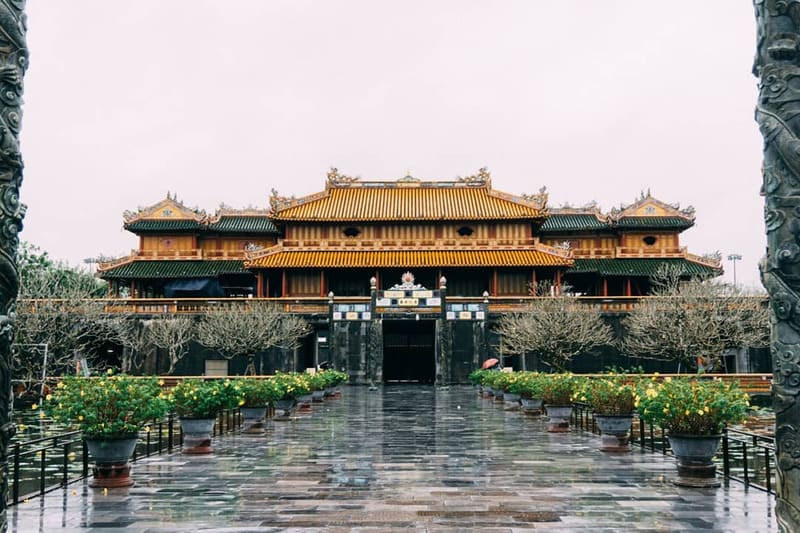
A quiet winter day at Hue’s historic sites (Source: Collected)
Da Nang and Hoi An can be visited throughout winter, but conditions depend strongly on the month. November and December may be rainy, while January and February are usually more suitable for walking tours and day trips.
In Da Nang, travelers can explore the Marble Mountains, Son Tra Peninsula, museums and riverside attractions. Hoi An is well suited to heritage walks, cooking classes, lantern workshops and café visits.
Beach conditions are less dependable than in Southern Vietnam. My Khe and An Bang beaches may be quiet and pleasant for walking, but swimming depends on wind, waves, rainfall and water temperature.
Da Lat is an attractive winter destination for travelers who prefer cool highland weather without the harsher cold of Northern Vietnam. Winter is generally drier, with clear mornings, mild afternoons and cold evenings.
Visitors can explore Xuan Huong Lake, flower gardens, coffee farms, waterfalls and the surrounding pine-covered hills. Warm soy milk, grilled snacks and local cafés are particularly popular after sunset.
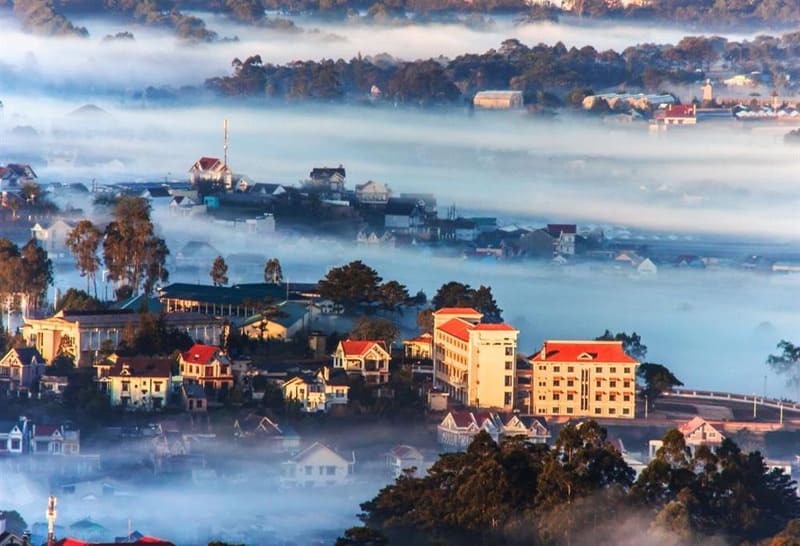
Morning mist drifts across Da Lat in winter (Source: Collected)
Ho Chi Minh City offers warm winter weather, energetic nightlife and a wide range of indoor and outdoor attractions. Visitors can explore historical landmarks, museums, markets, street-food areas and neighborhoods shaped by different cultural communities.
December brings Christmas decorations and New Year celebrations, while the weeks before Tet feature flower markets, seasonal foods and increased shopping activity. Midday heat can still be strong, so major outdoor attractions are best visited in the morning or late afternoon.
The Mekong Delta is suitable for travelers interested in river life, agricultural landscapes and local food. Can Tho, Ben Tre, Cai Be and Chau Doc can be explored through boat trips, cycling tours and homestays.
The dry season generally makes transportation easier, although water levels and floating-market activity vary. Visitors should start early because wholesale trading often takes place around sunrise, before temperatures rise.
Phu Quoc is one of the best winter destinations for a beach holiday in Vietnam. December, January and February generally offer warm temperatures, reduced rainfall and favorable sea conditions.
Popular activities include swimming, snorkeling, visiting smaller islands, exploring fishing villages and watching sunsets on the western coast. This is also a busy travel period, so flights and well-located resorts may become more expensive or sell out.
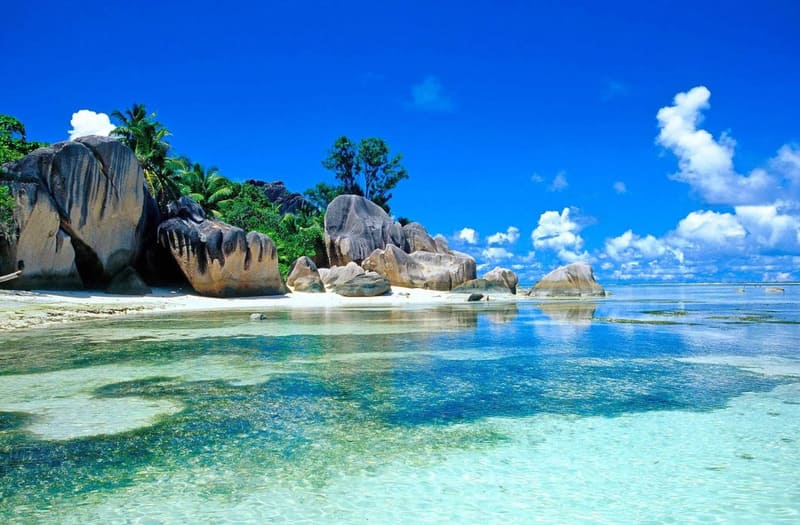
Sunny winter days on Phu Quoc Island (Source: Collected)
Mui Ne is another strong choice for winter sunshine. Visitors can combine beach time with the White Sand Dunes, Red Sand Dunes, fishing villages and the Fairy Stream.
The area is known for wind-based sports, although conditions vary from day to day. Travelers should use established operators and check safety guidance before kitesurfing or joining other water activities.
Winter clothing depends on where you travel, as Vietnam's climate varies significantly by region.
For Northern Vietnam, wear layers that can be added or removed throughout the day. A long-sleeved top, sweater or fleece and a windproof jacket are suitable for most cities, while Sapa, Ha Giang and other mountain areas require a warm insulated jacket. A waterproof layer and slip-resistant shoes are also recommended for drizzle, mist and wet trails.
In Central Vietnam, pack lightweight clothing for daytime, plus a light sweater or jacket for cooler mornings and evenings. If visiting between November and December, bring a compact raincoat or umbrella and quick-drying footwear. Da Lat is cooler than nearby coastal destinations, so long trousers and a warm layer are useful.
For Southern Vietnam, summer clothing is appropriate, including T-shirts, shorts, dresses and sandals. A light jacket is enough for air-conditioned indoor spaces.
If you're visiting beaches, bring swimwear, sunscreen, sunglasses, a hat and a lightweight cover-up. When entering temples or pagodas, wear clothing that covers your shoulders and knees.
Essential winter packing list:
Before you travel, keep these practical tips in mind to make the most of your winter trip in Vietnam.
Snow occasionally falls in high mountain areas of Northern Vietnam, including Fansipan, Sapa and Mau Son. It is rare, localized and unpredictable, while frost and ice are much more common. If you hope to see snow, treat it as a bonus rather than the main reason for your trip.
Southern Vietnam is the warmest region in winter. Ho Chi Minh City, the Mekong Delta, Phu Quoc and Con Dao stay warm, with daytime temperatures typically around 28 - 32°C. Mui Ne and parts of the south-central coast are also warm, though wind and sea conditions can vary.
Yes, if you choose destinations carefully. Northern Vietnam offers cool sightseeing weather, while Southern Vietnam enters its dry season with warm, sunny conditions. Central Vietnam may still experience rain, flooding or rough seas, especially in early December.
January is one of the best months to explore Vietnam. Northern Vietnam is cool, Central Vietnam becomes drier as the month progresses, and Southern Vietnam remains warm and dry. Keep in mind that travel demand increases if Tet falls in late January or early February.
Yes. Hanoi is coolest from December to February, with chilly mornings and evenings and occasional cold spells below 10°C. High humidity can make it feel colder, so pack a warm jacket, sweater and closed shoes.
Yes, especially in Southern Vietnam. Phu Quoc, Con Dao and other southern beaches usually have warm water and calm conditions. Swimming is less reliable in Central Vietnam during November - December, while Northern beaches are generally too cold in mid-winter. Always check local sea conditions before swimming.
Yes. From December to February, Phu Quoc typically enjoys warm weather, low rainfall and calm seas, making it ideal for swimming, snorkeling and island tours. As this is peak season, book flights and accommodation well in advance.
We hope this guide helps you plan a winter trip that suits your interests, whether that means chasing misty mountain views, exploring UNESCO heritage sites or relaxing on tropical beaches. No matter where you go, Vietnam offers memorable experiences throughout the winter season.
Learn more: Summer in Vietnam: Weather, Destinations and Tips


 Vietnam Tours
 Cambodia Tours
 Laos Tours
 Thailand Tours
 Multi-Country Tours