Street food in Vietnam brings you closer to everyday life, regional culture, and generations of culinary tradition. You’ll find freshly cooked dishes available all day, packed with bold flavors, aromatic herbs, and great value on almost every street corner.
This guide from Your Vietnam Travel introduces you to the most iconic Vietnamese street food dishes and the best cities to enjoy them, helping you plan a truly memorable food-focused journey across Vietnam.
Vietnamese street food is recognized worldwide for its fresh ingredients, balanced flavors, and exceptional affordability. Dishes skillfully combine sweet, sour, salty, and spicy elements, creating meals that feel both satisfying and light. With prices typically ranging from $1 to $5, high-quality food remains accessible to everyone, from locals to international travelers.
Fresh herbs, crisp vegetables, rice noodles, and slow-simmered broths form the foundation of many recipes, delivering clean and vibrant flavors. Fish sauce, chili, lime, and fermented condiments add depth without overpowering the dish. This careful balance makes Vietnamese street food appealing to a wide range of palates.
Street food also plays a central role in daily life across Vietnam. Many stalls are family-run and have operated for generations, preserving traditional cooking methods and recipes. Sidewalk vendors and busy markets create a dynamic food culture that feels authentic and welcoming.
Global recognition comes from iconic dishes such as phở, bánh mì and bún chả, which consistently appear on international food rankings and travel lists. Each region adds its own identity, from the lighter and more delicate flavors of the north to the bold, spicy cuisine of central Vietnam and the sweeter, herb-rich dishes of the south.
Eating street food in Vietnam offers direct contact with local culture. Sitting on low stools in lively streets, watching food prepared in front of you, and sharing space with locals turns every meal into a cultural experience. This combination of flavor, tradition, and atmosphere is what keeps Vietnamese street food celebrated around the world.
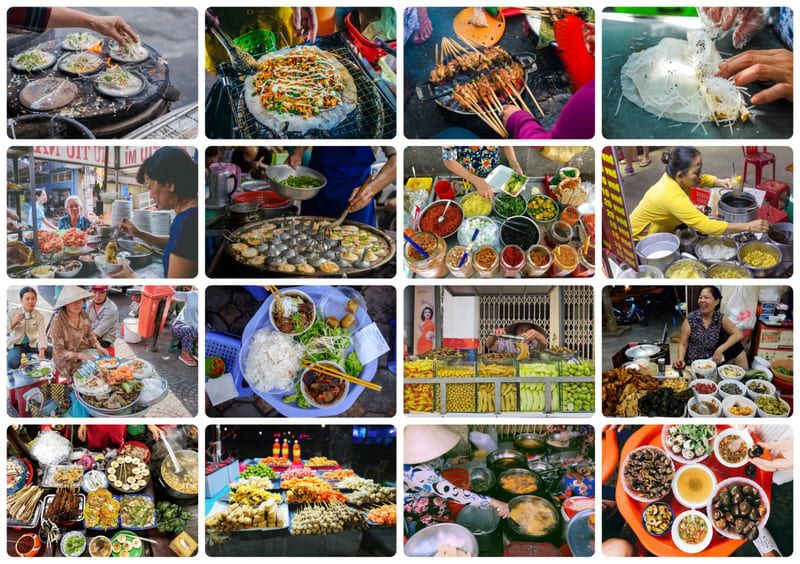
Fresh, balanced Vietnamese street food with bold flavor (Source: Collected)
Learn more: 22 Best Places to Visit in Vietnam: From North to South
Vietnam’s street food scene is defined by variety, regional identity, and everyday accessibility. Below are 20 essential street food dishes that showcase the country’s most iconic flavors and cooking traditions:
Pho is Vietnam’s most iconic street food and a true symbol of the country’s culinary identity. This classic noodle soup features flat rice noodles served in a clear, aromatic broth, topped with either thinly sliced beef (Pho Bo) or tender chicken (Pho Ga). Fresh herbs, spring onions, lime, and chili complete the bowl, allowing you to adjust the flavor to your taste.
The soul of Pho lies in its broth. Beef bones or chicken are simmered for hours with spices such as star anise, cinnamon, cloves, charred onion, and ginger, creating a deep yet clean flavor that feels comforting rather than heavy. The noodles absorb the broth without becoming soft, while the meat cooks gently in the heat of the soup.
Originating in northern Vietnam in the early 20th century, Pho later spread nationwide and became a daily staple in cities like Hanoi and Ho Chi Minh City. You’ll find locals enjoying Pho from early morning at small street-side stalls, often with just two options on the menu. Affordable, filling, and deeply satisfying, Pho is a must-try dish that perfectly represents the balance and simplicity of Vietnamese street food.
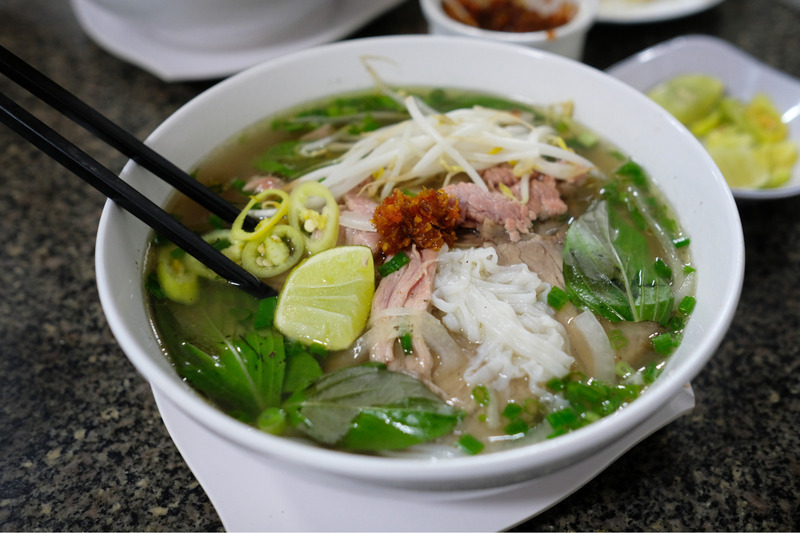
Phở is Vietnam’s iconic noodle soup with aromatic broth and herbs (Source: Wikipedia)
Banh Mi is one of Vietnam’s most famous street foods, known for its perfect balance of texture, flavor, and convenience. This Vietnamese baguette sandwich reflects French culinary influence, featuring a light, airy loaf with a crisp crust that is thinner and less dense than traditional French bread.
Inside, Banh Mi is packed with a flavorful combination of fillings such as grilled pork, cold cuts, meatballs, eggs, or tofu. Pickled carrot and daikon add a refreshing crunch, while fresh herbs, chili, pâté, and mayonnaise create layers of savory, tangy, and spicy notes. Each vendor has its own variation, making every Banh Mi slightly different.
Widely available on street corners across Vietnam, Banh Mi is fast, filling, and affordable, usually costing just a couple of dollars. Its bold flavors, contrasting textures, and cultural fusion have earned it global recognition and a place among the world’s most loved street food dishes.
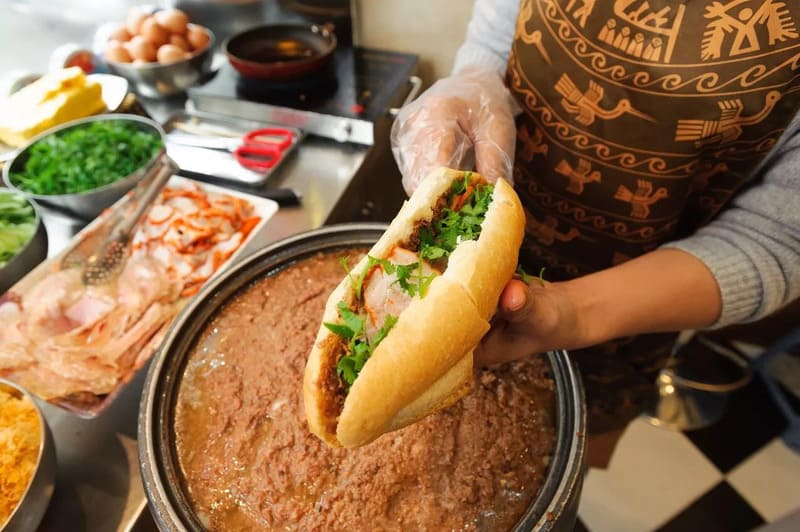
Banh Mi is a crispy Vietnamese baguette with bold, balanced fillings (Source: Collected)
Bun Cha is a signature street food of Hanoi and one of the clearest expressions of northern Vietnamese cuisine. The dish pairs rice vermicelli noodles with grilled pork, creating a balance of smoky, sweet, and savory flavors.
The pork is prepared in two forms: thin slices of pork belly and seasoned minced pork patties. Both are marinated in fish sauce, sugar, and spices, then grilled over charcoal until caramelized and fragrant. The grilled meat is served in a bowl of lightly sweetened fish sauce mixed with garlic, chili, and pickled vegetables.
Cold rice noodles, fresh herbs, and lettuce are served separately, allowing you to combine each bite to your preference. The contrast between warm grilled pork, cool noodles, and fresh greens defines the dish. Widely available at lunchtime in Hanoi and across Vietnam, Bun Cha is a must-try street food known for its depth of flavor and interactive eating experience.
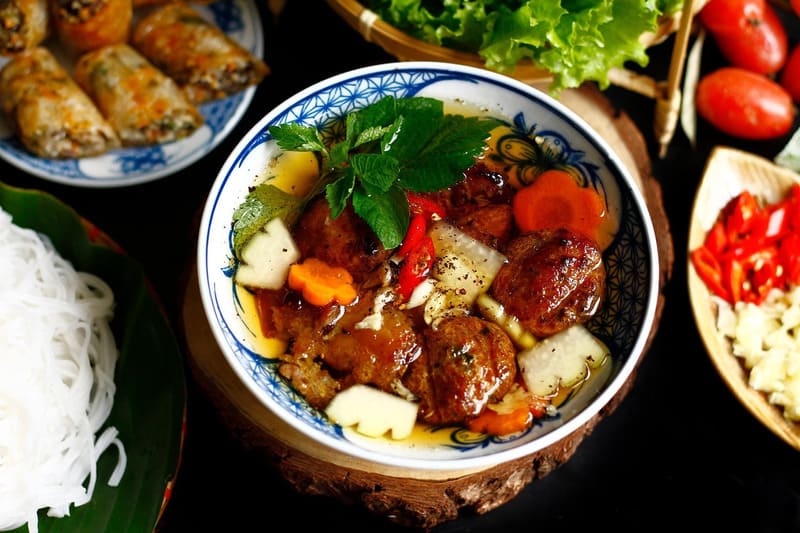
Bun Cha in Hanoi grilled pork with noodles and sweet fish sauce (Source: Collected)
Bun Bo Hue is a bold and flavorful noodle soup that originates from the former imperial city of Huế in central Vietnam. Known for its rich taste and spicy character, this dish offers a deeper and more intense profile compared to the lighter broth of phở.
The broth is slow-simmered from beef bones and pork hock, infused with lemongrass, chili, and fermented shrimp paste, creating a distinctive aroma and strong umami depth. Annatto oil adds a subtle sweetness and gives the soup its signature reddish color. Thick, round rice noodles provide a chewy texture that stands up well to the robust broth.
Typical toppings include beef shank, brisket, pork knuckle, and occasionally cubes of pork blood, making the dish hearty and satisfying. Fresh herbs, banana blossom, lime, and vegetables are served on the side to balance the richness. With its complex flavors and spicy kick, Bun Bo Hue showcases the bold culinary identity of central Vietnamese street food.
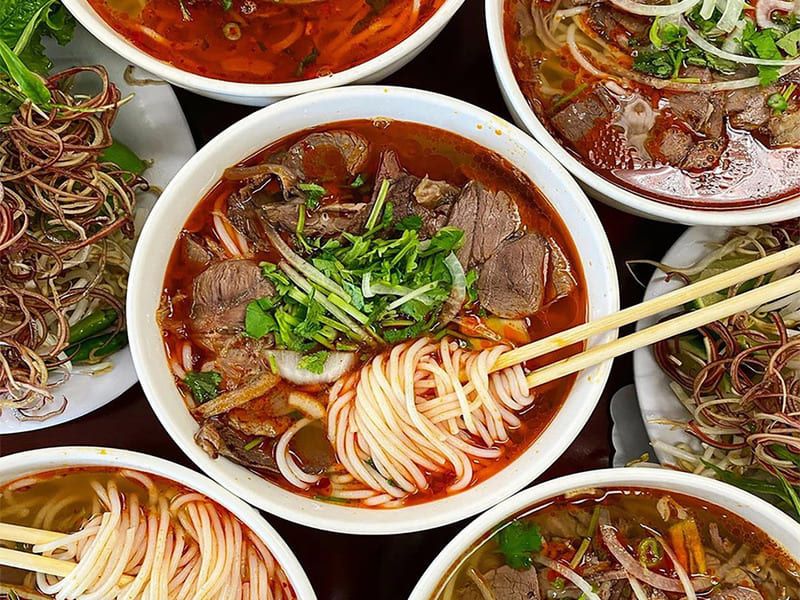
Bun Bo Hue is a spicy, rich beef noodle soup from Hue (Source: Collected)
Banh Xeo is a popular Vietnamese street food known for its crisp texture and vibrant presentation. The name translates to “sizzling pancake,” referring to the sound made when rice batter hits a hot pan. This dish is especially common in southern Vietnam, with regional variations found across the country.
The pancake is made from rice flour mixed with turmeric and sometimes coconut milk, giving it a golden color and light aroma. It is filled with shrimp, pork, and bean sprouts, then folded in half and cooked until crispy on the outside while remaining tender inside.
Banh Xeo is served with fresh herbs and lettuce, encouraging a hands-on eating style. Pieces of the pancake are wrapped in greens and dipped into tangy fish sauce, creating a balance of crunch, freshness, and savory flavor. This interactive way of eating makes Banh Xeo a favorite among both locals and travelers exploring Vietnamese street food.
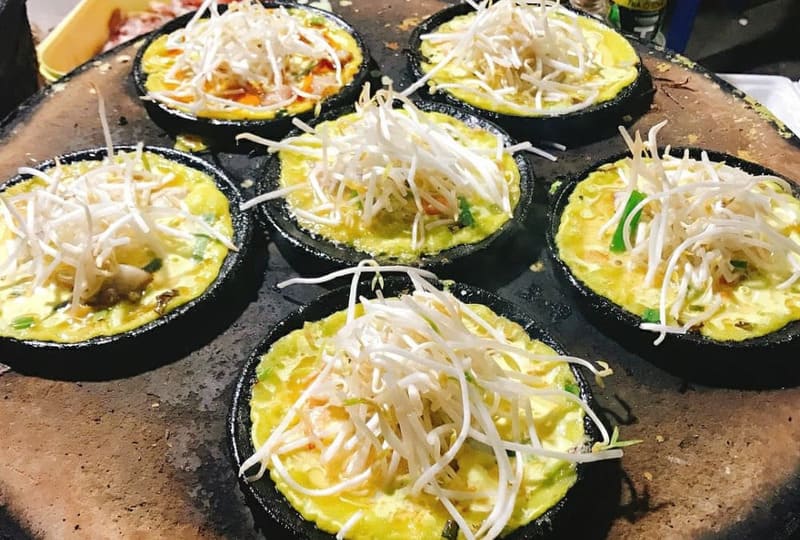
Banh Xeo is a crispy Vietnamese sizzling pancake with bold flavor (Source: Collected)
Bun Rieu is a distinctive Vietnamese noodle soup known for its light yet deeply flavorful broth. This dish is especially popular in northern Vietnam and stands out for its use of freshwater crab paste, which gives the soup its signature taste.
The broth is built from pounded crab, simmered with tomatoes to create a gentle acidity and natural sweetness. Rice vermicelli noodles are topped with soft crab cakes, fried tofu cubes that soak up the broth, and slices of pork or beef, depending on the version. The balance between savory crab, tangy tomato, and fresh herbs defines the dish.
Bun Rieu is served with a generous plate of greens and condiments such as lime, chili, and fermented shrimp paste for those who enjoy stronger flavors. Refreshing, aromatic, and less heavy than many meat-based soups, Bun Rieu offers a unique street food experience that showcases Vietnam’s creative use of local ingredients.
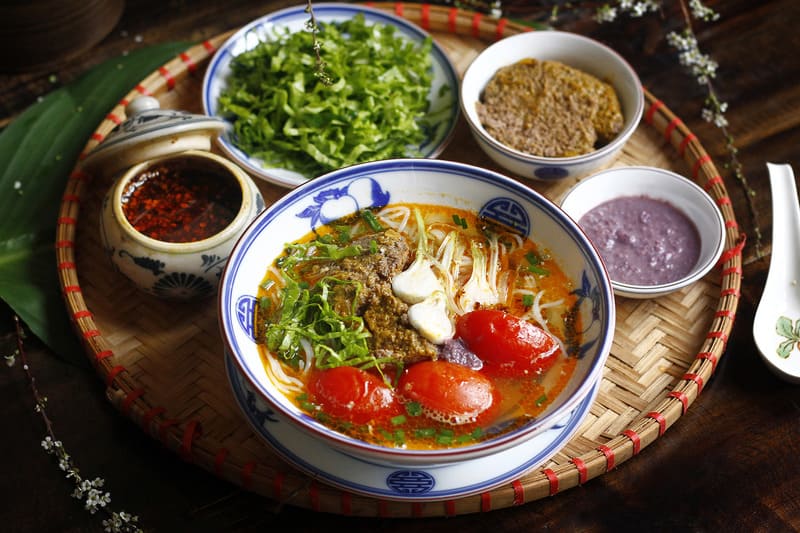
Bun Rieu is a crab noodle soup with light, tangy flavor (Source: Collected)
Hu Tieu is a popular southern Vietnamese noodle dish known for its versatility and multicultural influences. One of the most well-known versions is Hu Tieu Nam Vang, inspired by Cambodian and Chinese cuisine, which adds depth and variety to its flavors.
The dish can be served as a clear noodle soup or dry, with the broth offered on the side. Broths are typically made from pork bones or seafood, resulting in a light yet savory base. Noodles vary by region and vendor, ranging from chewy rice noodles to clear tapioca or egg noodles.
Common toppings include sliced pork, shrimp, quail eggs, and crispy fried shallots, creating a satisfying mix of textures. Fresh herbs and lime are often added at the table to enhance the flavor. Light, aromatic, and highly customizable, Hu Tieu is a street food favorite across southern Vietnam.
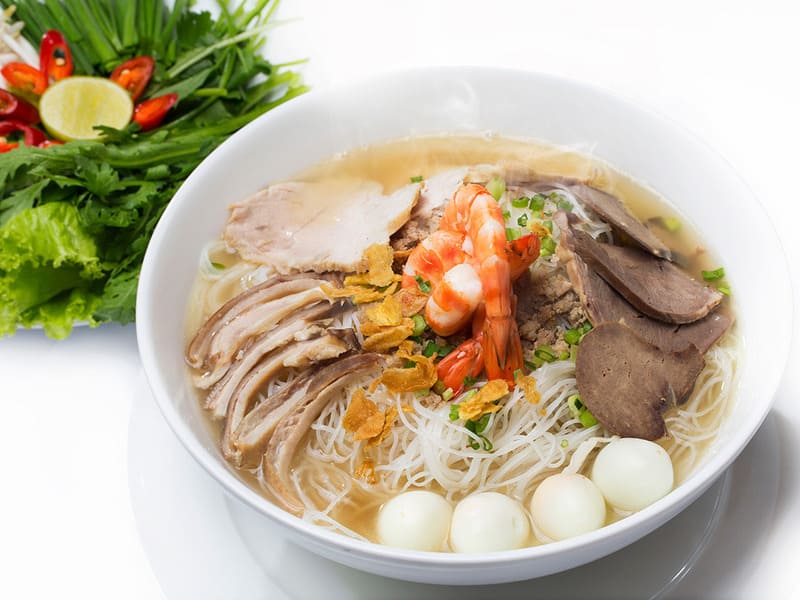
Hu Tieu is a versatile southern noodle dish with rich influences (Source: Collected)
Com Tam, or broken rice, is a classic street food from southern Vietnam and a daily favorite in Ho Chi Minh City. The dish uses fractured rice grains left over from milling, which cook into a slightly softer texture than whole-grain rice.
Com Tam is commonly served with grilled pork chop marinated in lemongrass, garlic, and fish sauce. Other popular accompaniments include shredded pork skin, steamed egg loaf, fried egg, and pickled vegetables. A generous drizzle of fish sauce brings all the elements together.
Simple yet deeply satisfying, Com Tam reflects Vietnamese culinary creativity and balance. What was once considered leftover rice has become one of Vietnam’s most iconic and comforting street food dishes.
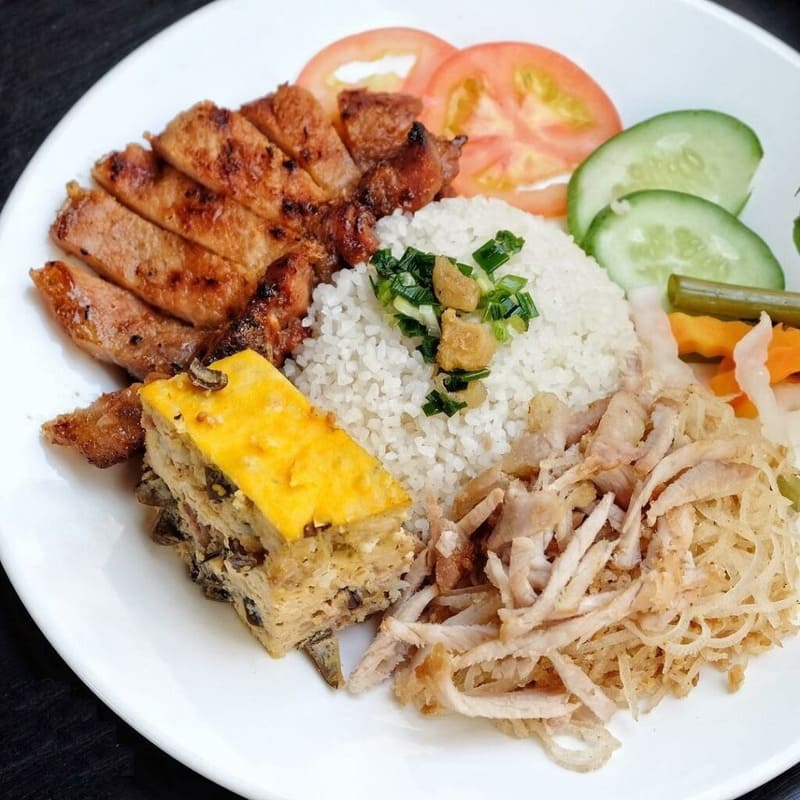
Com Tam is southern Vietnamese broken rice, soft and comforting (Source: Collected)
Bun Dau Mam Tom is a distinctive northern Vietnamese street food that reflects the bold and rustic flavors of Hanoi. This dish is typically served as a shared platter, making it a social and interactive eating experience.
The platter includes soft rice vermicelli blocks, golden fried tofu, and often additional items such as boiled pork belly, Vietnamese pork sausage, or green rice patties. Fresh herbs like perilla and mint are served on the side to balance the richness of the dish.
The defining element is Mam Tom, a fermented shrimp paste with a strong aroma and deep umami flavor. Diners customize the sauce with lime, sugar, and chili before dipping each bite. For adventurous eaters, Bun Dau Mam Tom offers an authentic taste of Hanoi’s street food culture and one of Vietnam’s most memorable flavor experiences.
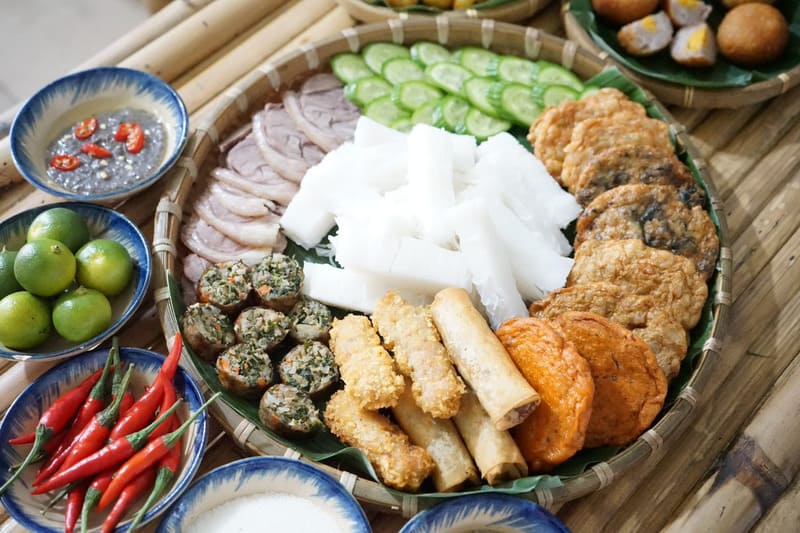
Bun Dau Mam Tom is a bold Hanoi dish with tofu and shrimp paste (Source: Collected)
Bun Xao is a popular street food option for those looking for a break from soup-based noodles. This dish features rice vermicelli noodles stir-fried in a hot wok with vegetables and a choice of protein such as chicken, beef, seafood, or tofu. High-heat cooking gives the noodles a lightly smoky aroma while keeping the texture springy and satisfying.
Simple seasonings allow the natural flavors of the ingredients to stand out, making Bun Xao a comforting yet flavorful dish. It is widely available at street stalls and casual eateries, especially in southern Vietnam, and is often enjoyed as a filling lunch or dinner.
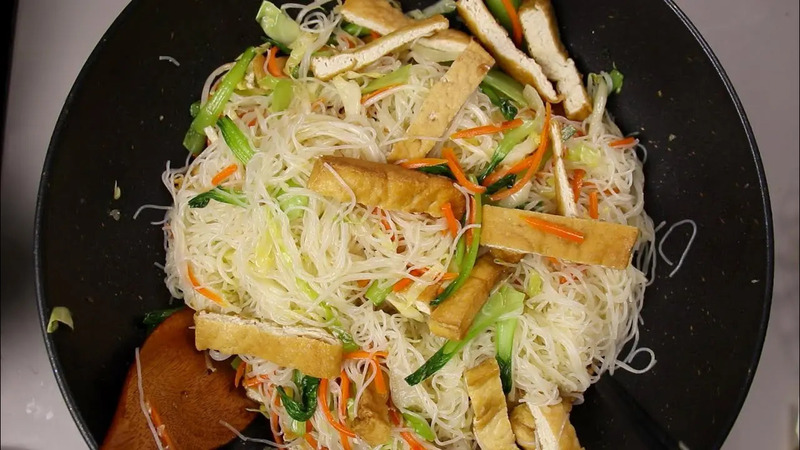
Bun Xao is stir-fried vermicelli noodles with smoky flavor (Source: Collected)
Pho Xao offers a different take on Vietnam’s most famous noodle. Instead of being served in broth, flat phở noodles are wok-fried until lightly crisp, then tossed with stir-fried greens and proteins such as beef, chicken, shrimp, or tofu.
The result is a savory, slightly charred dish with rich flavor and appealing texture. Pho Xao is especially popular in northern Vietnam and is a favorite among locals who want the familiar taste of phở in a heartier, stir-fried form.
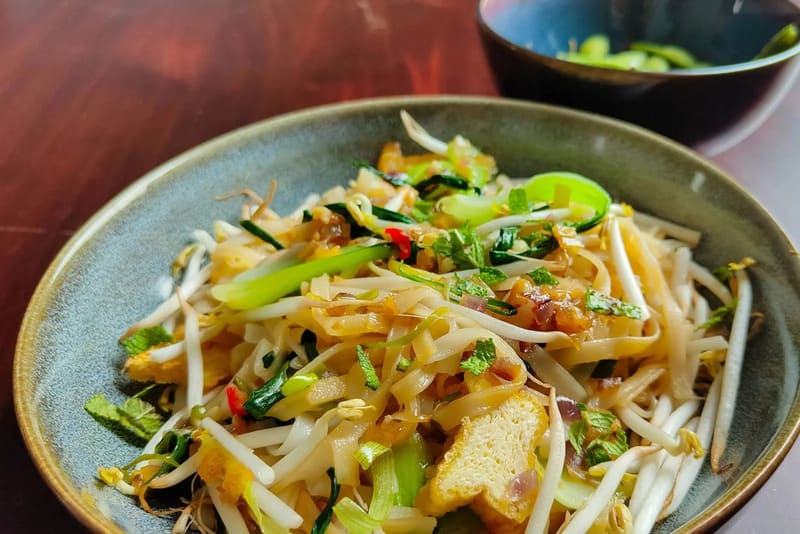
Pho Xao is stir-fried phở noodles with vegetables and protein (Source: Collected)
Banh Cuon is a refined northern Vietnamese street food known for its soft texture and delicate flavors. The dish is made from ultra-thin sheets of steamed fermented rice batter, rolled while still warm and silky smooth.
The filling typically includes minced pork and finely chopped wood ear mushrooms, creating a savory contrast to the light rice sheets. Once rolled, Banh Cuon is topped with crispy fried shallots and often served with Vietnamese pork sausage. A light dipping sauce made from fish sauce adds gentle sweetness and balance.
Commonly enjoyed for breakfast, Banh Cuon feels light yet satisfying. Some vendors offer variations with egg, shrimp, or vegetarian fillings. Watching Banh Cuon being prepared fresh at street stalls is part of the experience, highlighting the skill and precision behind this elegant Vietnamese dish.
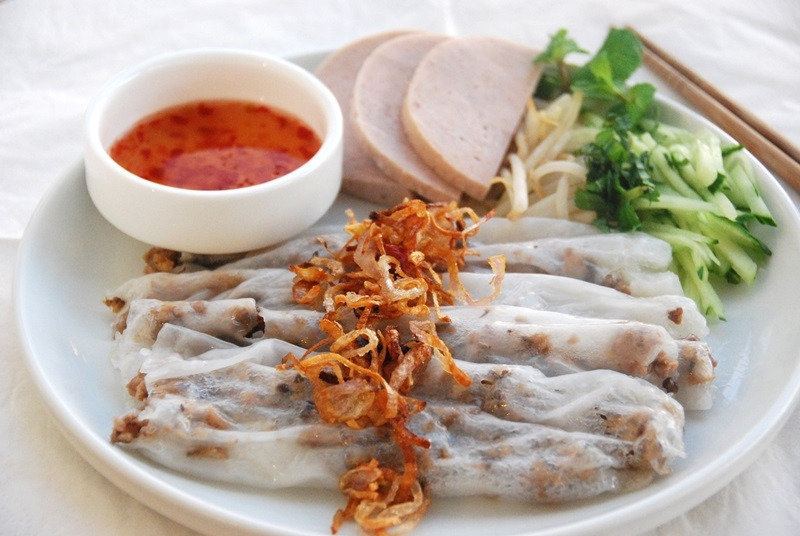
Banh Cuon is soft steamed rice rolls with delicate savory filling (Source: Collected)
Bo La Lot is a flavorful Vietnamese street food made from seasoned minced beef wrapped in fragrant betel leaves and grilled over charcoal. The beef is typically mixed with garlic, shallots, lemongrass, and fish sauce, creating a rich and savory filling.
As the rolls grill, the betel leaves release a slightly peppery, herbal aroma that sets this dish apart from other grilled meats. Once cooked, Bo La Lot is often served hot, sometimes sprinkled with peanuts and paired with a tangy or spicy dipping sauce.
This dish can be enjoyed on its own as a snack, served with rice, or wrapped in rice paper with fresh herbs for extra freshness. Aromatic and satisfying, Bo La Lot is a must-try street food, especially in southern Vietnam.
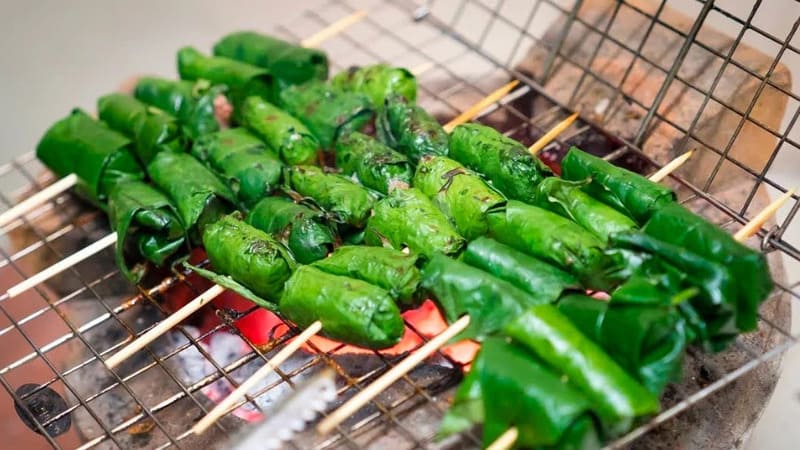
Bo La Lot is grilled beef wrapped in aromatic betel leaves (Source: Collected)
Goi Cuon, also known as Vietnamese fresh spring rolls, is a light and refreshing street food that highlights the country’s focus on freshness and balance. Unlike fried spring rolls, Goi Cuon is wrapped in soft, translucent rice paper and served at room temperature.
Typical fillings include shrimp, sliced pork, rice vermicelli noodles, lettuce, and aromatic herbs such as mint and basil. The rice paper is briefly softened in water, then wrapped tightly around the ingredients to create a roll that is both delicate and satisfying.
Goi Cuon is usually served with a rich peanut-based or hoisin dipping sauce, sometimes enhanced with chili for extra depth. Cooling, healthy, and full of texture, this dish is especially popular in warm weather and is a great introduction to Vietnamese street food for first-time visitors.
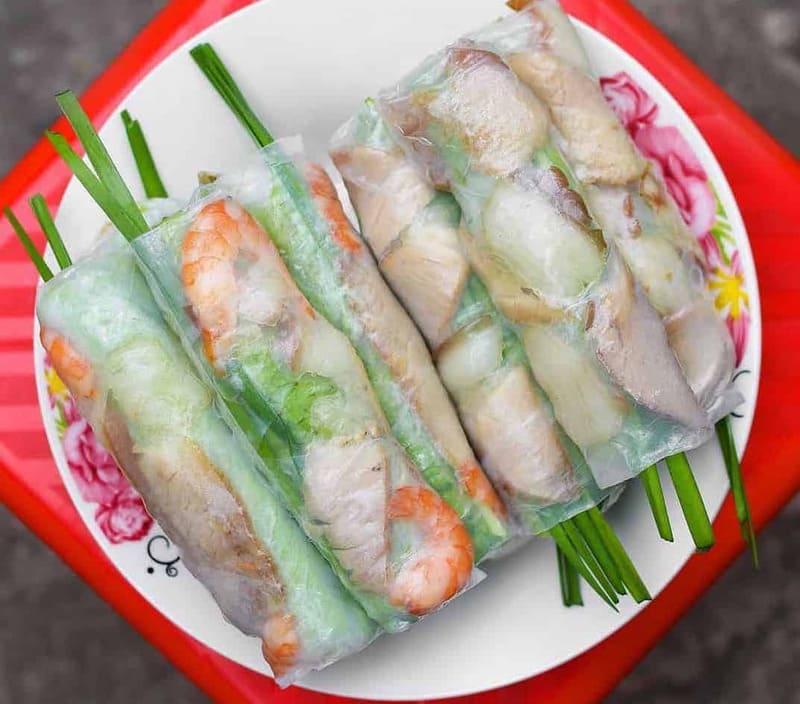
Goi Cuon is a fresh Vietnamese spring roll wrapped in rice paper (Source: Collected)
Cao Lau is a signature noodle dish found almost exclusively in Hoi An, a historic town in central Vietnam. This specialty stands out for its thick, chewy noodles, traditionally made using local well water and lye, which give them a firm texture and slightly smoky flavor.
The dish is served with minimal broth, more like a noodle bowl than a soup. Toppings typically include sliced roasted pork, fresh local herbs, and crispy rice crackers that add crunch. The pork is often marinated and grilled or roasted, contributing a rich, savory depth.
Cao Lau reflects the multicultural heritage of Hoi An, blending Vietnamese herbs with influences from Chinese and Japanese cuisine. Authentic versions are best enjoyed in Hoi An, where the ingredients and preparation remain closely tied to local tradition.
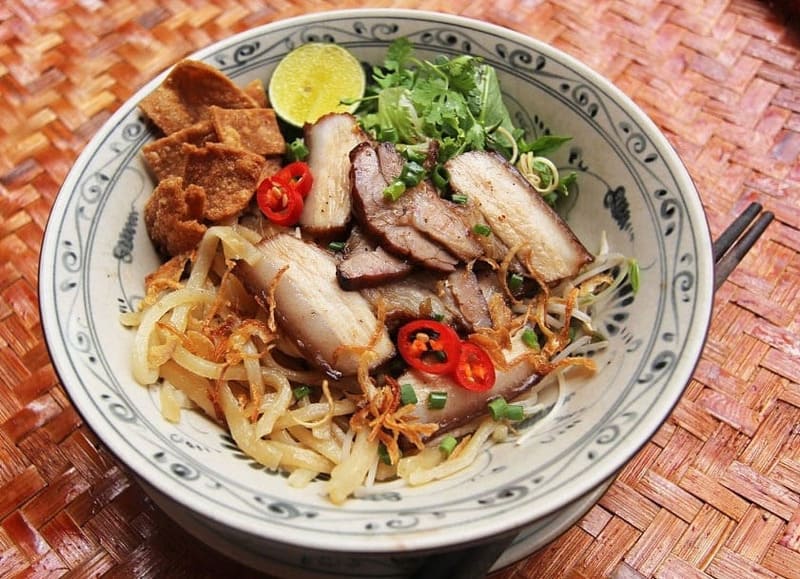
Cao Lau is a Hoi An noodle dish with thick, chewy noodles (Source: Collected)
Mi Quang is a well-known noodle dish from Quảng Nam Province in central Vietnam and a local favorite in Da Nang and Hoi An. Unlike many Vietnamese noodle soups, Mi Quang uses only a small amount of broth, allowing the flavors of the noodles and toppings to stand out.
The dish features wide rice noodles, often tinted yellow with turmeric, giving them a slightly chewy texture. Common toppings include shrimp, chicken, pork, or fish, sometimes combined in one bowl. A light, savory broth coats the noodles rather than submerging them.
Mi Quang is finished with fresh herbs, roasted peanuts, crispy rice crackers, and a squeeze of lime, creating a contrast of textures and flavors. Rich, aromatic, and deeply regional, this dish represents the bold and distinctive character of central Vietnamese street food.
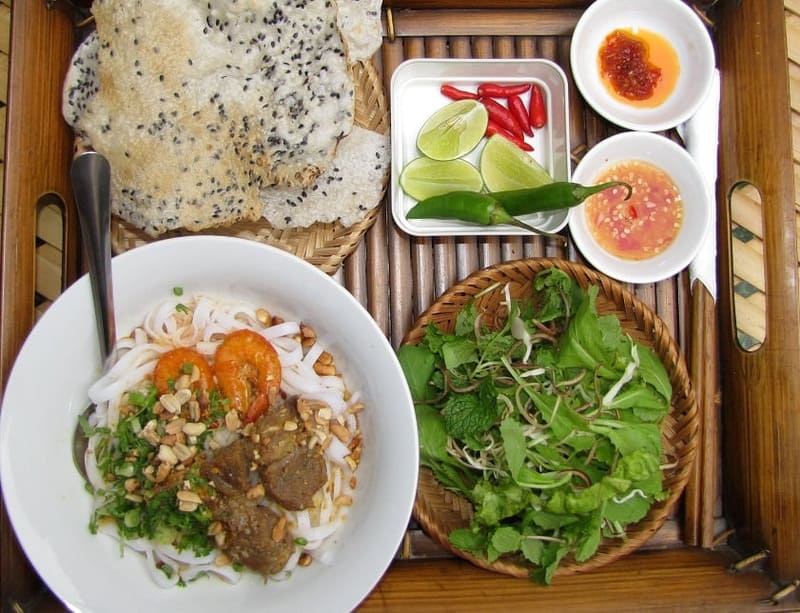
Mi Quang is a Central Vietnamese noodle dish with minimal broth (Source: Collected)
Xoi Ga is a simple yet satisfying Vietnamese street food made with sticky rice topped with shredded chicken. The rice is soft and slightly chewy, providing a comforting base that pairs well with the savory chicken.
Common toppings include fried shallots, crushed peanuts, and sometimes a drizzle of savory sauce to enhance the flavor. Variations differ by region and vendor, with some adding herbs, chicken skin, or egg for extra richness.
Often eaten for breakfast or as a filling snack, Xoi Ga is affordable, hearty, and widely available. Its straightforward ingredients and comforting taste make it a favorite everyday street food across Vietnam.
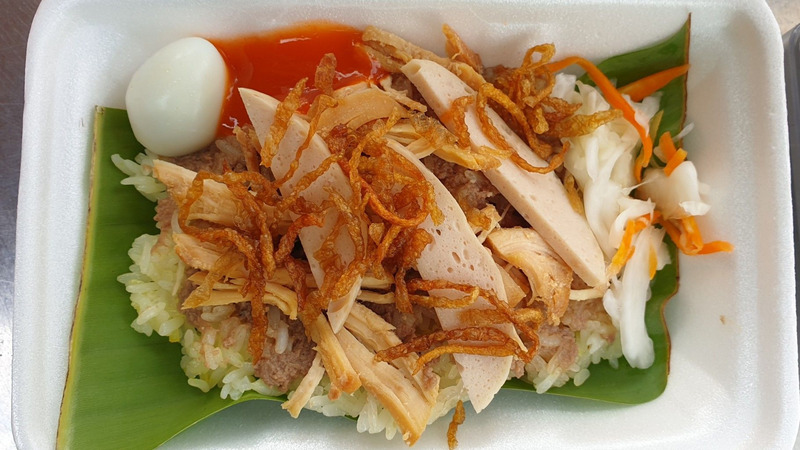
Xoi Ga is sticky rice topped with savory shredded chicken (Source: Collected)
Banh Trang Nuong is a popular Vietnamese street snack often nicknamed “Vietnamese pizza,” especially in Da Lat where it is most famous. Instead of dough, the base is thin rice paper grilled directly over charcoal until crisp.
While grilling, vendors add toppings such as egg, minced meat or shrimp, sausage, dried shrimp, green onions, and mayonnaise. The heat creates a crispy texture while keeping the toppings rich and savory. Once cooked, the rice paper is folded or cut into pieces for easy eating.
Crispy, smoky, and full of flavor, Banh Trang Nuong is a favorite among locals, particularly in the evening. It is widely available in Da Lat and can also be found in many other Vietnamese cities as a quick and satisfying street food treat.
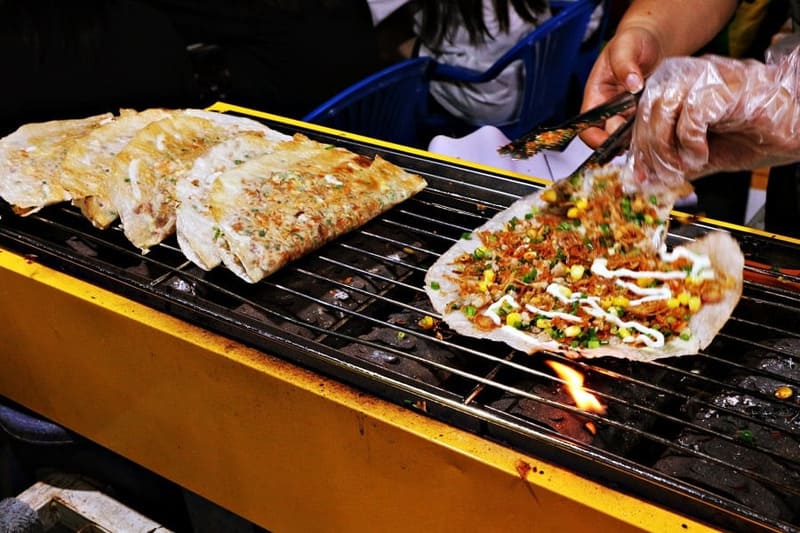
Banh Trang Nuong is grilled rice paper known as Vietnamese pizza (Source: Collected)
Chè is a broad category of traditional Vietnamese desserts that includes sweet soups, puddings, and drinks. These desserts are made with ingredients such as beans, tapioca pearls, jellies, fruits, coconut milk, and syrups, creating a wide range of textures and flavors.
Chè can be served hot or cold, depending on the variety and season. Popular versions include chè ba màu (three-color dessert), chè chuối (banana cooked in coconut milk), and chè trôi nước (glutinous rice balls in ginger syrup). Many street stalls display ingredients buffet-style, allowing you to customize your bowl.
Light, refreshing, and affordable, chè is a favorite way to cool down in Vietnam’s warm climate. It is commonly enjoyed as a dessert or afternoon snack and provides a sweet finish to a street food meal.
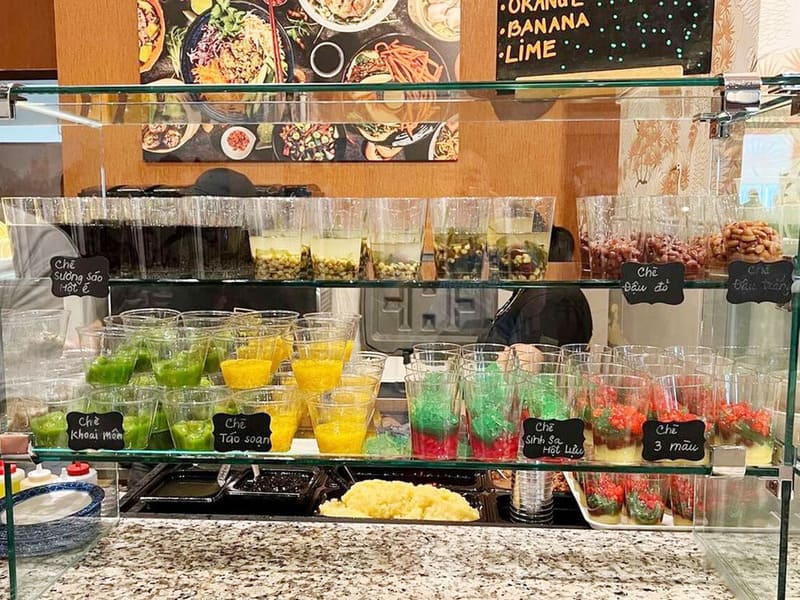
Chè is a Vietnamese dessert of sweet soups, puddings, and drinks (Source: Collected)
Vietnamese iced milk coffee, known locally as cà phê sữa đá, is a daily staple and an essential part of street food culture. This drink is made using a traditional metal drip filter called a phin, which slowly brews strong, dark-roasted coffee directly into a glass containing sweetened condensed milk.
Once brewed, the coffee is stirred and poured over ice, creating a bold yet smooth drink. The intense bitterness of Vietnamese Robusta coffee is perfectly balanced by the creamy sweetness of condensed milk, resulting in a rich and refreshing flavor.
Widely available at street stalls and sidewalk cafés, Vietnamese iced milk coffee is both energizing and affordable. It is enjoyed throughout the day and remains one of the most recognizable and loved beverages in Vietnam.
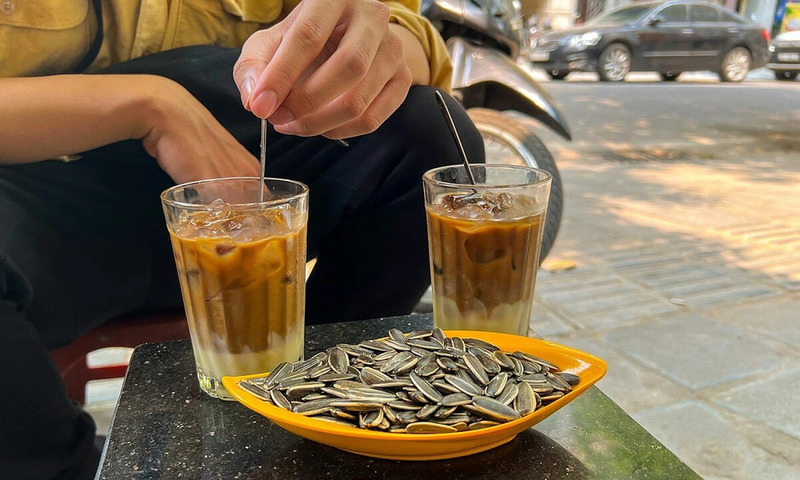
Vietnamese iced milk coffee is strong coffee with sweet milk (Source: Collected)
Vietnam’s street food culture changes noticeably from city to city. Each destination offers its own flavors, cooking styles, and dining atmosphere shaped by local history and regional ingredients.
Hanoi is the heart of traditional northern Vietnamese street food. Flavors here are clean, balanced, and less sweet, with a strong focus on broth-based dishes. You’ll find iconic foods like phở, bún chả, bún riêu, and bánh cuốn served at small stalls that often specialize in just one dish. The Old Quarter is the best area to explore, especially in the early morning or at lunchtime when locals crowd the sidewalks.
Da Nang offers a mix of central Vietnamese street food with generous portions and bold flavors. Local specialties such as mì Quảng, bánh xèo, and seafood-based dishes dominate the scene. Street food stalls are easy to find near markets, beaches, and residential neighborhoods. Prices are affordable, and the food is often less tourist-focused than in nearby heritage towns.
Hoi An is known for regional dishes that are difficult to find elsewhere. Cao lầu, mì Quảng, and white rose dumplings are local highlights. Street food here is concentrated around night markets and the old town, where vendors cater to both locals and visitors. The flavors are refined, and many recipes are closely tied to the town’s culinary history.
See more: Hoi An Street Food: 15+ Must-Try Local Dishes
Hue’s street food reflects its imperial past, with dishes that are flavorful, spicy, and carefully prepared. Small portions allow you to try multiple items in one meal. Bún bò Huế, bánh bèo, and bánh nậm are popular choices. Street food stalls are often clustered near local markets and residential streets, offering a more authentic experience than tourist restaurants.
Ho Chi Minh City has the most diverse street food scene in Vietnam. Dishes from every region are available, along with modern twists and late-night snacks. Southern flavors tend to be slightly sweeter and richer. Popular options include cơm tấm, hủ tiếu, bánh mì, and countless grilled and fried snacks. Night markets and busy intersections come alive after dark, making the city ideal for street food exploration at any hour.
There is no single best city, as each destination offers a unique street food experience. Hanoi is ideal for traditional northern dishes like phở and bún chả. Ho Chi Minh City stands out for its variety, with food from all regions and vibrant night markets. Da Nang, Hoi An, and Hue are excellent choices for regional specialties from central Vietnam.
Street food in Vietnam is very affordable. Most dishes cost between USD 1 and USD 3, while more filling meals or seafood dishes may range from USD 3 to USD 5. Prices remain consistent across most cities.
Yes, cash is essential. Most street food vendors do not accept credit cards or digital payments. Small bills are especially useful for quick transactions.
Street food in Vietnam is generally safe when you choose busy stalls with high customer turnover. Food is often cooked fresh in front of you. Watching how vendors handle ingredients and opting for freshly prepared dishes helps reduce risk.
Vietnam offers many vegetarian-friendly street food options. Dishes made with tofu, vegetables, rice, and noodles are widely available. Buddhist vegetarian eateries and vegetarian versions of popular dishes are common, especially in larger cities.
Travelers with food allergies should exercise caution. Learning key allergy phrases in Vietnamese and clearly communicating with vendors is important. Street food may not always be suitable for severe allergies due to shared cooking spaces.
Most Vietnamese street food is not spicy by default. Chili and chili sauce are usually served on the side, allowing you to control the heat level according to your preference.
Iced drinks are commonly consumed with street food. Reputable vendors typically use factory-produced or purified ice. If concerned, you can choose bottled drinks or ask for beverages without ice.
Street food tours are highly recommended, especially for first-time visitors. Guided tours provide local insight, help you discover hidden food spots, address food safety concerns, and offer context about Vietnamese cuisine and culture.
Vietnamese street food brings together bold flavors, fresh ingredients, and deep cultural meaning in every bite. Iconic noodle soups, sizzling grilled dishes, and comforting sweet desserts each reflect the character of their region. Tasting street food across Vietnam helps you understand local life, connect with people, and experience authentic Vietnamese cuisine in the most genuine way.
If you want to explore Vietnam’s street food scene with local insight and worry-free planning, contact Your Vietnam Travel today. Our team is ready to help you design a personalized food journey that lets you taste the very best of Vietnam, one street at a time.





 Vietnam Tours
 Cambodia Tours
 Laos Tours
 Thailand Tours
 Multi-Country Tours