Vietnam has become a leading destination for international business travel in Southeast Asia. Beyond meetings and contracts, many professionals choose to explore the country’s culture, cuisine, and landscapes during their stay. To enter Vietnam legally for business purposes, understanding the Vietnam business visa is essential.
This guide from Your Vietnam Travel provides practical information on visa types, requirements, and procedures, helping business travelers plan their trip smoothly while making the most of their time in Vietnam.
A Vietnam business visa is a short-term entry permit issued to foreign nationals traveling to Vietnam for legitimate business-related activities. This visa is designed for professionals who need to work with or for a Vietnamese company without holding a work permit or Temporary Residence Card (TRC).
With a Vietnam business visa, travelers are allowed to participate in activities such as:
The Vietnam business visa supports official and professional purposes only. It does not permit long-term employment or salaried work in Vietnam. Compared to a tourist visa, which limits travelers to leisure activities, the business visa provides legal access for commercial and professional engagements during a short stay.
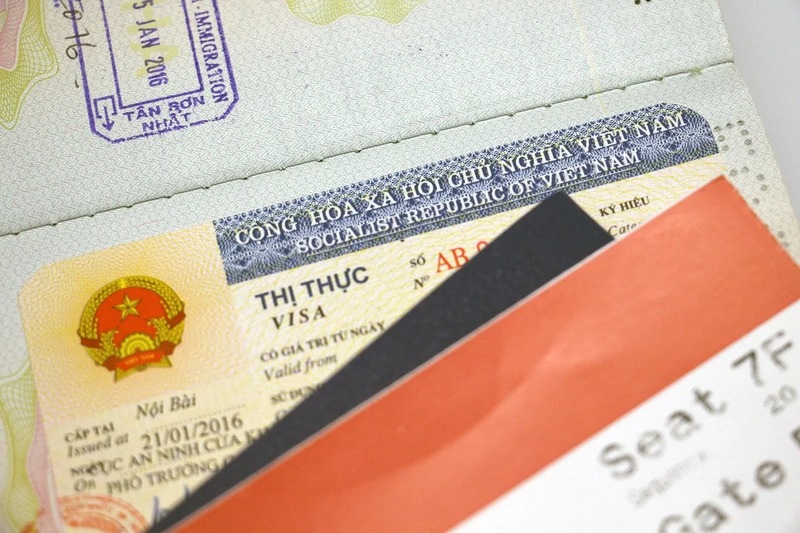
Vietnam business visa allows short-term business activities without a work permit (Source: Collected)
Vietnam currently issues two official types of business visas, classified based on the purpose of entry and the legal status of the sponsoring entity. These visas are regulated under Vietnam’s immigration law and are identified as DN1 and DN2.
The DN1 visa is granted to foreign nationals entering Vietnam to work with businesses or organizations that are legally established under Vietnamese law.
This visa is suitable for:
The DN1 visa is commonly used by investors, consultants, and business visitors who have a Vietnamese corporate sponsor and whose activities are limited to short-term commercial purposes.
The DN2 visa applies to foreign nationals entering Vietnam to offer services, establish a commercial presence, or carry out business activities under international treaties to which Vietnam is a signatory.
This visa is typically issued for:
The DN2 visa is often used by representatives of international companies or organizations conducting treaty-based or cross-border business operations in Vietnam.
Both DN1 and DN2 visas allow holders to legally conduct approved business activities and travel within Vietnam for the duration of the visa’s validity. However, neither visa replaces a work permit or authorizes long-term employment in Vietnam.
Learn more: Vietnam 5-Year Visa: Requirements and How to Apply
The Vietnam business visa is issued with a maximum validity of up to 12 months, in accordance with Vietnam’s immigration regulations. In practice, most foreign nationals receive business visas with shorter durations based on their purpose of entry and sponsorship status.
Common validity periods include:
Among these options, the 3-month business visa is the most widely issued. A 3-month multiple-entry visa allows foreign travelers to enter and exit Vietnam multiple times within the visa’s validity period, making it suitable for frequent business travel. In contrast, a single-entry visa becomes invalid immediately after the holder exits Vietnam.
For foreign nationals who need a longer stay for employment or long-term business activities, a Vietnam business visa can be converted to a work visa or a Temporary Residence Card (TRC), subject to meeting eligibility requirements. A TRC may be valid for up to several years, depending on the approved status.
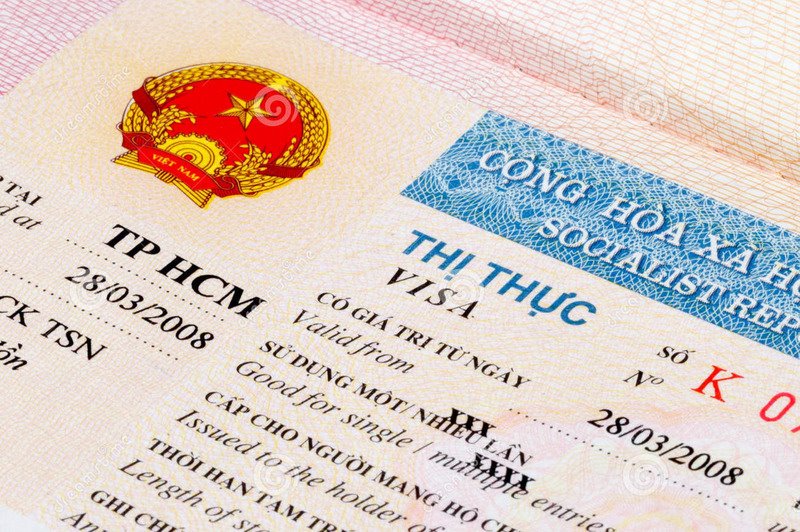
Vietnam business visas last up to 12 months, usually shorter by purpose (Source: Collected)
Vietnam allows citizens of selected countries to enter and conduct short-term business activities without a business visa, provided their stay does not exceed the permitted visa-free duration. This exemption is regulated by the Vietnamese government and applies only to temporary business purposes such as meetings, negotiations, or market visits.
To qualify, travelers must hold a passport valid for at least 6 months from the date of entry and comply with Vietnam’s immigration conditions.
The maximum visa-free stay for business purposes varies by nationality:
14 days:
15 days:
21 days:
30 days:
90 days:
Important notes:
Visa exemption policies may change based on government regulations, so travelers should confirm the latest requirements before planning a business trip to Vietnam.
Foreign nationals must meet specific eligibility conditions to obtain a Vietnam business visa, except for citizens of visa-exempt countries entering for permitted short stays. The requirements focus on legal entry status, sponsorship, and a clearly defined business purpose.
To qualify for a Vietnam business visa, applicants must:
In most cases, the sponsoring company must be an officially registered business in Vietnam, not a nominal or non-operational entity. Using a legitimate sponsor helps avoid visa rejection or future immigration complications.
Vietnam business visa applications require documentation from both the foreign applicant and the Vietnamese sponsoring company. The exact documents may vary depending on the application method, but the following are commonly required.
Additional documents may be requested depending on nationality, visa type, or immigration authority requirements. Submitting complete and accurate paperwork is essential to ensure smooth processing and approval.
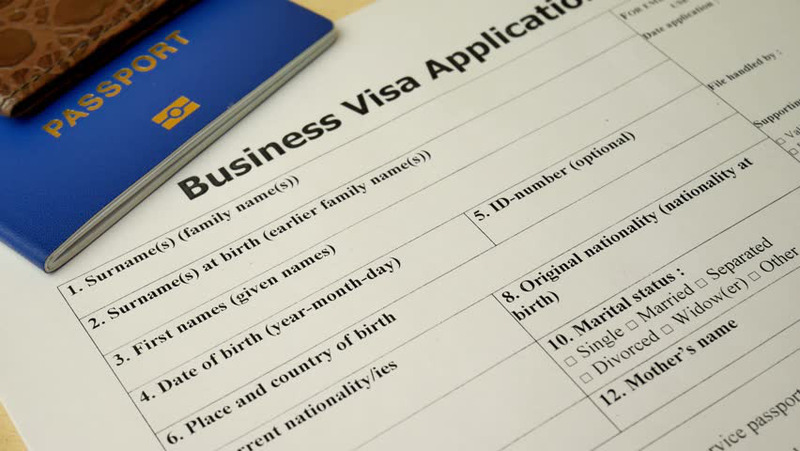
Vietnam business visa requires documents from applicants and sponsors (Source: Collected)
Foreign nationals can apply for a Vietnam business visa through three official channels, depending on their nationality, travel plan, and visa duration. Each method has different processing times and document requirements.
The Vietnam business e-visa is a practical option for short-term business travel. It allows foreign nationals to enter Vietnam for approved commercial activities with a validity of up to 90 days, available in single-entry or multiple-entry formats. The application is completed entirely online and does not require passport submission.
Applicants can apply independently or have the inviting company apply on their behalf through the official Vietnam Immigration portal.
Processing time for a Vietnam business e-visa is typically around 3 working days, though delays may occur during peak periods. The e-visa is suitable for short business stays and cannot be converted into a work permit or Temporary Residence Card.
The Vietnam business visa on arrival is a suitable option for travelers who require a longer stay or multiple entries and cannot use an e-visa. This visa is issued at a Vietnam international airport after obtaining a pre-approved visa letter before departure.
Visa on Arrival is available for air entry only and must be arranged in advance through a Vietnamese sponsor or authorized agency.
Application process:
Visa stamping fees:
Vietnam business visas on arrival are issued at major international airports, including Noi Bai, Tan Son Nhat, Da Nang, Cam Ranh, Phu Quoc, and other approved ports of entry.
Applying for a Vietnam business visa at an embassy or consulate is the preferred option for travelers who want the visa stamped in their passport before departure or who are not eligible for an e-visa or Visa on Arrival. This method involves coordination between the applicant and the Vietnamese sponsoring company.
Below is the specific process:
The Vietnamese sponsoring company submits a visa sponsorship request to the Vietnam Immigration Department. Required documents typically include:
Processing usually takes 5-7 working days. Once approved, the Immigration Department issues the entry approval letter to the sponsor and notifies the designated Vietnamese embassy or consulate.
After receiving the approval letter from the sponsor, the applicant prepares:
The applicant submits the documents in person or by mail to the registered Vietnamese embassy or consulate. Once approved, the business visa is affixed to the passport, allowing legal entry into Vietnam for business purposes.
Processing time at the embassy or consulate typically ranges from 3 to 5 working days, depending on location and local regulations.
Foreigners holding a Vietnam business visa can request an extension while staying in the country, provided their visa type is eligible and their sponsoring company meets all legal requirements. Visa on Arrival and Embassy-issued business visas can be extended, while E-visas are currently not eligible for extension.
The visa extension process involves four key steps:
To apply for a business visa extension, the following documents must be gathered:
From the applicant:
From the sponsoring company:
If applying under an investment category (such as DT visas), supporting investment documents or capital contribution evidence may also be required.
All prepared documents must be submitted to the Vietnam Immigration Department or Provincial Immigration Office, depending on your current location. The three main immigration offices are located in:
Alternatively, applications can be filed in the province where the foreigner is temporarily residing.
The standard government fee for a business visa extension is USD 10. Additional service fees may apply if the application is processed through a third-party agency.
Once submitted, the immigration authorities will process the application within five working days, assuming all documents are valid and complete. If approved, the applicant must return to the Immigration Office to receive the updated visa stamp reflecting the new duration of stay.
Important notes:
Planning in advance and working with a reliable local sponsor can ensure a smooth extension process and avoid disruptions to your stay or business activities in Vietnam.
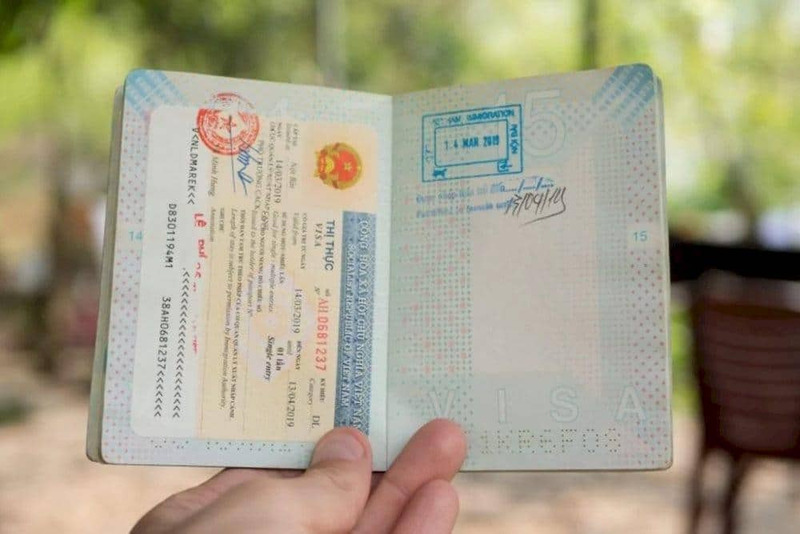
Vietnam business visas can be extended in-country, except e-visas (Source: Collected)
The cost of a Vietnam business visa varies depending on the application method, visa duration, and number of entries. Below is a clear breakdown of the most common fees travelers should expect.
1. Visa on Arrival (VOA). Applicants using Visa on Arrival pay a stamping fee upon entry at a Vietnamese international airport. Typical government fees are:
Additional charges may apply for the visa approval or sponsorship letter, depending on the issuing agency or sponsoring company.
2. Vietnam Business E-Visa. The official government fee for a Vietnam business e-visa is:
This fee is paid online and is non-refundable.
3. Embassy or Consulate application. Visa fees at Vietnamese embassies or consulates differ by location and nationality. Costs generally include:
Applicants are advised to confirm exact fees directly with the relevant embassy or consulate before submission.
Important notes on Vietnam business visa costs:
A Vietnam business visa allows foreign nationals to legally participate in business-related activities such as meetings, negotiations, contract signing, market research, and professional cooperation. In contrast, a tourist visa is strictly for leisure purposes, including sightseeing and visiting friends or relatives. Using a tourist visa for commercial or professional activities may result in immigration penalties or future visa restrictions.
In most cases, a Vietnamese company or organization with legal status is required to sponsor a Vietnam business visa. The sponsor issues an invitation or guarantee letter and submits supporting documents to immigration authorities. For short-term business e-visas, sponsorship may not be mandatory, but applicants must still clearly state the business purpose of entry.
Vietnam business visas are available in both single-entry and multiple-entry formats. A multiple-entry business visa allows travelers to enter and exit Vietnam several times during the visa’s validity period, which is ideal for frequent business trips. The entry type must be selected at the time of application and approved by immigration authorities.
A Vietnam business visa does not automatically allow family members to accompany the visa holder. Spouses and children must apply for separate visas, typically under tourist or dependent categories. In long-term cases involving work permits or Temporary Residence Cards, eligible family members may apply for dependent residence status.
Visa application status can be checked through:
A Vietnam business visa can be converted to a work permit or Temporary Residence Card if the applicant meets all legal requirements, including employment eligibility and sponsorship by a licensed Vietnamese employer. The conversion process must be completed within Vietnam and approved by both labor and immigration authorities. Not all business visas are eligible for conversion, so prior verification is recommended.
A Vietnam business visa is an essential requirement for international travelers entering the country for professional purposes. Choosing the correct visa type and understanding the application process helps ensure a smooth arrival and a productive stay in Vietnam.
Beyond business meetings, many professionals take advantage of their time to explore the country through short and well-organized travel experiences. Private city tours, cultural visits, and flexible itineraries allow business travelers to discover Vietnam without disrupting their work schedules.
Your Vietnam Travel supports international visitors with customized tours designed specifically for business trips. If you are planning a journey to Vietnam for work, our team is ready to assist with travel arrangements that combine efficiency, comfort, and local insight.

 Vietnam Tours
 Cambodia Tours
 Thailand Tours
 Laos Tours
 Multi-Country Tours