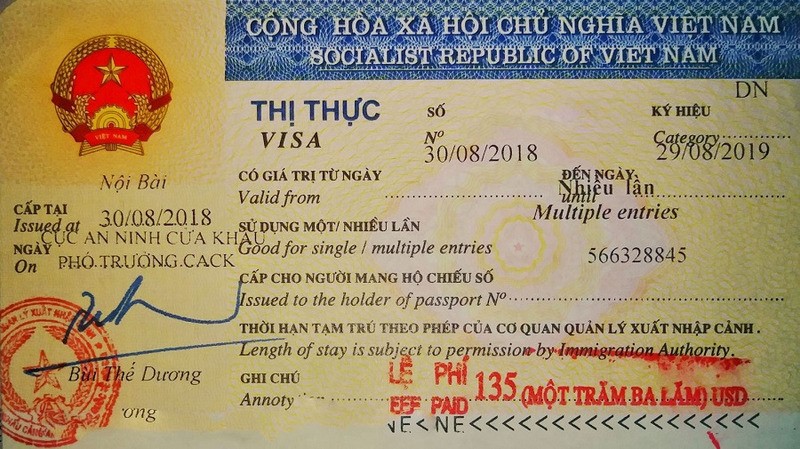
For British citizens, applying for a visa to travel or work in Vietnam can be quite straightforward if you are aware of the requirements and procedures. While UK citizens do not need a visa for short trips of up to 45 days, if you plan to stay longer or engage in specific activities, you will need to apply for a visa.
In this article, Your Vietnam Travel will provide you with detailed information about the types of visas, the application process, the necessary requirements, and important tips to prepare for your journey to Vietnam.
British citizens do not require a visa for short visits to Vietnam. UK passport holders can stay in the country for up to 45 days without a visa. However, if the stay exceeds this period or involves specific activities, a visa is necessary.
A visa is required for:
For visits exceeding 45 days, British citizens have a couple of options:
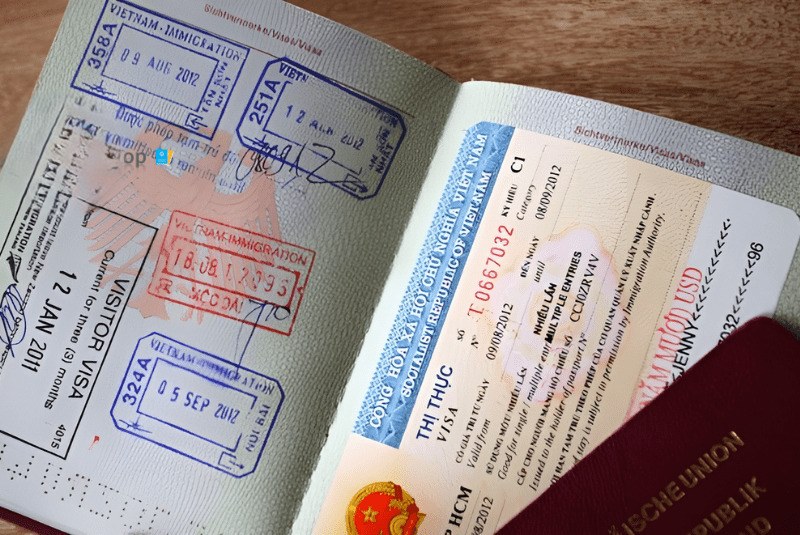
UK citizens can stay in Vietnam for 45 days without a visa (Source: Collected)
For UK citizens planning to visit Vietnam, obtaining a visa is a critical part of the process, especially for stays longer than 45 days. Here's what you need to know about the visa requirements and essential travel details.
British citizens who plan to stay in Vietnam for more than 45 days, whether for business or tourism, are required to obtain a visa. For these trips, the most efficient option is the Vietnam eVisa, which is processed quickly online. After application, travelers receive an electronic eVisa confirmation once it is approved.
Learn more: Vietnam Multiple Entry Visa: Step-by-Step Guide
To enter Vietnam, UK citizens must ensure their passport is valid for at least six months after their arrival date. This requirement is mandatory to prevent any issues at immigration and ensure smooth entry into the country.
Regardless of whether you're applying for a business, tourist, or other type of visa, the essential documentation includes:
Make sure to place all visa documents, including your passport, visa application form, photographs, and any other necessary paperwork, into a single envelope when submitting your application. If submitting by mail, ensure that your address is correctly noted to receive your passport and valid visa at the correct location.
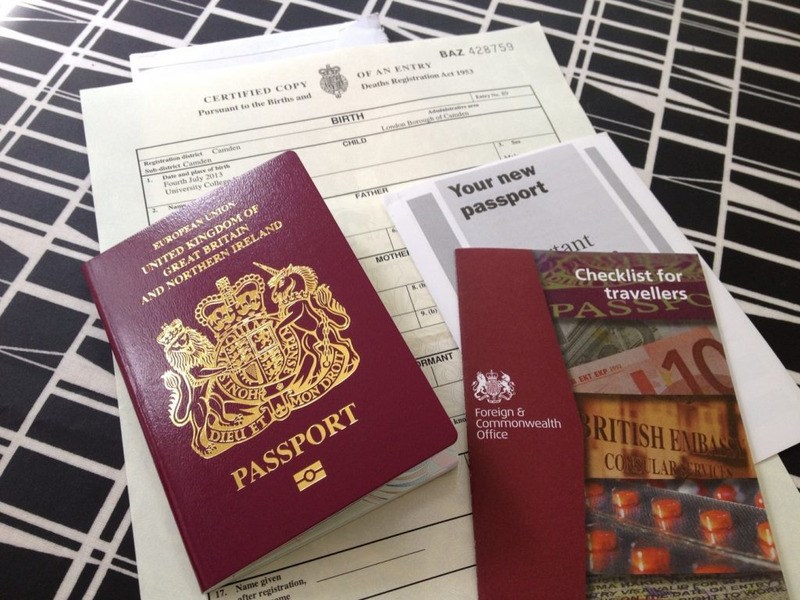
Vietnam visa requirements for UK citizens (Source: Collected)
There are several visa options available, including the Vietnam e-visa, applying at a Vietnamese embassy, and visa on arrival. Each method has its own set of requirements and processing times. Here's a breakdown of the three most popular options.
British citizens can easily obtain a Vietnam e-visa, making it the most convenient option for UK travelers. This online visa application process eliminates the need to visit an embassy, providing a fast and straightforward solution for obtaining a visa to Vietnam.
British citizens are eligible for a visa on arrival (VOA) when traveling to Vietnam. However, it is important to note that you must first obtain a pre-approved visa letter before boarding your flight. This approval letter is required to be presented along with your passport upon arrival at a Vietnamese airport, where you will receive your visa stamp to enter the country.
Once you receive the visa approval letter, bring it along with your passport when you travel to Vietnam. Upon arrival at any of Vietnam’s international airports, you will present these documents to the immigration officer, who will then provide you with your visa stamp.
British citizens can apply for a visa to Vietnam in person or by mail at the nearest Vietnamese Embassy or Consulate. Each embassy may have slightly different document requirements, so it’s essential to contact the embassy directly for the most up-to-date and specific information.
For those based in the United Kingdom, the Vietnamese Embassy in London is the primary point of contact for visa applications. The embassy provides services for both tourist and business visas, along with other visa types.
Vietnamese Embassy in London:
Embassy office hours may vary during Vietnamese and UK public holidays. It is recommended to contact the consular office in advance to confirm the opening times and ensure all necessary documents are prepared.
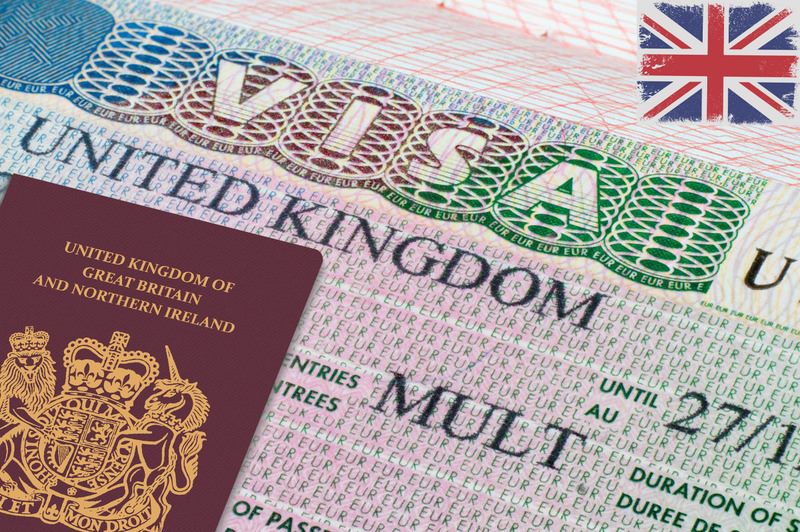
There are 3 ways for British citizens to apply for a Vietnam visa (Source: Collected)
British citizens can choose from three main visa options: e-visa, embassy visa, and visa on arrival. Here's a quick overview of the fees and processing times for each.
E-Visa:
Visa on Arrival:
Vietnamese Embassy Visa:
To expedite your Vietnam visa application and avoid unnecessary delays, follow these essential tips for a smoother process:
British citizens can stay in Vietnam for up to 45 days without needing a visa. This exemption applies to both tourism and business visits. However, if the stay exceeds 45 days or involves activities such as work, investment, or media work, a visa will be required.
The required documents for a Vietnam visa for British citizens typically include:
Yes, multiple-entry visas are available for British citizens. Both the Vietnam eVisa and visa on arrival offer a multiple-entry option. This allows travelers to enter and exit Vietnam multiple times within the visa's validity period without needing to apply for a new visa each time.
To avoid delays or rejections, British citizens should ensure the following:
Yes, British children traveling to Vietnam need a visa if they are staying for more than 45 days or if they are traveling for specific activities like work or media work. If their stay is within the 45-day visa exemption period, they do not require a visa. However, they must have a valid passport, and all visa application rules for minors should be followed.
British citizens visiting Vietnam should ensure they apply for the appropriate visa based on their stay's duration and purpose. Whether applying for an eVisa, visa on arrival, or through the embassy, it's crucial to prepare the necessary documents, verify all details, and apply early to avoid delays. Following these steps will ensure a smooth and enjoyable trip to Vietnam.
For expert guidance and personalized assistance with your Vietnam travel plans and visa application, reach out to Your VietnamTravel today! Our dedicated team is ready to simplify the process, ensure all your travel requirements are met, and help you experience a seamless, hassle-free trip to Vietnam. Contact us now and let us take care of the details for you!

 Vietnam Tours
 Cambodia Tours
 Thailand Tours
 Laos Tours
 Multi-Country Tours