Securing a Vietnam e-visa is one of the most efficient ways for international travelers to legally enter the country. However, understanding the processing time is critical to avoid disruptions to your travel plans.
Vietnam’s e-visa system offers a streamlined and fully online process, but factors such as peak season traffic, incomplete documents, and application errors can lead to unexpected delays. Knowing the official timelines, common issues, and how to track your application can make a significant difference in ensuring you receive your visa on time.
This guide from Your Vietnam Travel covers standard Vietnam e-visa processing times, what affects approval speed, and tips to help you avoid delays.
A Vietnam e-visa is an official electronic travel authorization issued by the Vietnam Immigration Department, allowing eligible foreign nationals to enter and stay in Vietnam for up to 90 days, with single or multiple entry options depending on approval.
The application process is completed entirely online, eliminating the need to visit a Vietnamese embassy or apply for a visa on arrival. Once approved, the e-visa is issued as a PDF document that travelers must download and print.
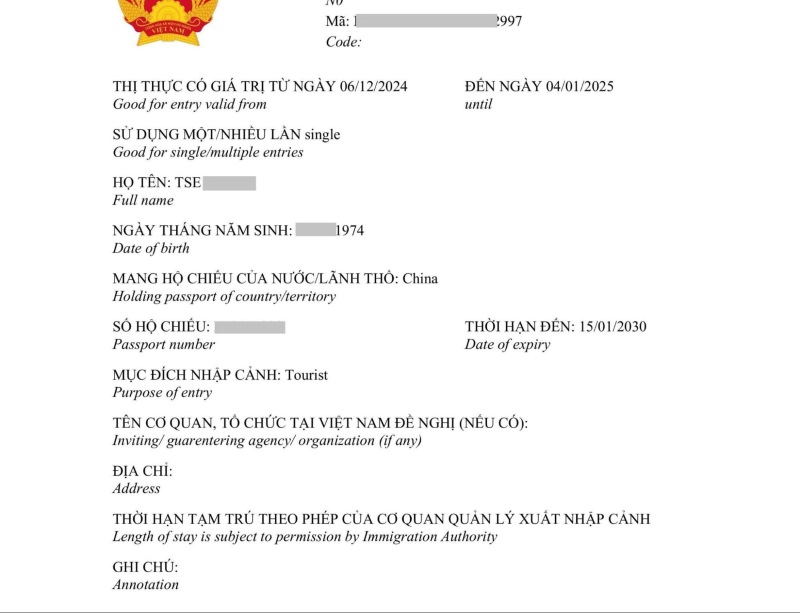
Vietnam e-Visa is a fully online entry authorization (Source: Collected)
The Vietnam e-visa includes the following key information:
Important notes:
Practical advice: Always print at least one copy of your Vietnam e-visa and carry it with your passport, as it is required for airline check-in and immigration clearance upon arrival.
Vietnam’s e-visa program is available to citizens of all countries and territories worldwide. Since 15 August 2023, Vietnam has removed nationality restrictions, allowing travelers to apply through a unified online system.
The Vietnam e-visa is issued as single-entry or multiple-entry, with a validity of up to 90 days, making it suitable for tourism, business, and short-term stays.
E-visa holders may enter and exit Vietnam through designated international checkpoints, including:
In total, travelers can use 83 approved entry and exit ports, offering flexibility to arrive and depart through different locations during their stay.
From 2025 onward, this open eligibility policy continues to apply globally, positioning the Vietnam e-visa as the most accessible visa option for international visitors.

Vietnam e-Visa open to all nationalities worldwide (Source: Collected)
Before submitting your Vietnam e-Visa application, ensure all required materials and details are ready to avoid processing issues:
Note: Applications are frequently delayed due to unclear, low-resolution, or partially cut images. Submitting sharp and properly framed photos significantly increases approval efficiency.
The standard processing time for a Vietnam e-visa is 3 - 5 working days from the moment the Immigration Office receives a complete application and full payment. This timeframe excludes the submission date, weekends, and Vietnamese public holidays.
In practice, most applications are processed within this standard window. However, processing may take longer during peak travel seasons, public holidays, or when additional information or document corrections are required. To minimize risk, applicants are strongly advised to submit their e-visa application at least two weeks before departure.
Processing officially begins on the first working day after submission. For example, an application submitted on Tuesday is processed starting Wednesday. In this case, approval may be issued by Friday afternoon or extended to the following Monday if a weekend intervenes.
Estimated processing time based on applicant data:
| PROCESSING TIME | PERCENTAGE OF APPLICANTS |
|---|---|
| Under 3 working days | 5% |
| 3 – 5 working days | 75% |
| Over 5 working days | 20% |
Key notes:
The timelines below reflect standard processing estimates based on aggregated feedback from applicants and operational experience. Actual outcomes may vary depending on application accuracy and submission volume.
Tourist e-Visas (30-day single or multiple entry):
Tourist e-Visas (90-day single or multiple entry):
Business e-Visas (90-day multiple entry):
Applicants should ensure all required fields are completed accurately, as incomplete or incorrect information is a frequent cause of delays.
Processing speed fluctuates over the year due to tourism cycles, public holidays, and administrative workload. The estimates below provide a realistic planning reference.
High-Demand Periods (November - April):
Very High Activity Months (April and December):
Off-Peak Season (May - August):
Transitional Months (September - October):
Practical Considerations:
Planning ahead remains the most effective way to secure timely e-Visa approval.
Vietnam e-Visa processing time varies by season (Source: Collected)
Mistakes or missing details in your application are one of the most common reasons for delays. Immigration officers check your information carefully, and even small issues can pause the process. These include:
If the authorities request corrections, the review process restarts, which adds more time. Submitting everything correctly the first time gives your application the best chance to be processed on schedule.
Processing times can increase when many people are applying at the same time. This usually happens:
In these busy periods, the immigration team handles a much larger number of applications, so yours may take longer to process, even if it is error-free.
Some delays are caused by external factors, including:
These issues can pause processing or limit access to the system. Since they are unpredictable and outside your control, it's important to apply with enough buffer time before your travel date.
Applying for a Vietnam e-Visa involves three main steps, all completed online through the official portal at https://evisa.gov.vn
Begin by visiting the official e-Visa website. Select your preferred language, then click "Apply Now." Carefully review the terms and conditions before proceeding.
Upload a scanned copy of your passport's data page and a recent passport-style photo that meets the specified format requirements.
Fill in the application form with accurate information, including:
After submitting, verify your entries carefully. A registration code will be generated and sent to your email. Retain this code for future access to your application.
Important: Errors in personal or passport details may lead to delays or invalid visas. No group applications or expedited processing options are available.
Proceed to the secure payment gateway to pay the required fee. Accepted methods include international credit and debit cards. The standard fee is $25 for a single-entry visa and $50 for multiple-entry (subject to change by the government).
Processing typically takes 3 - 5 working days. Use your registration code to check application status on the e-Visa website. Once approved, download and print your e-Visa. You must present it upon arrival in Vietnam.
To check the current status of your Vietnam e-Visa and download the approved visa, follow these steps:
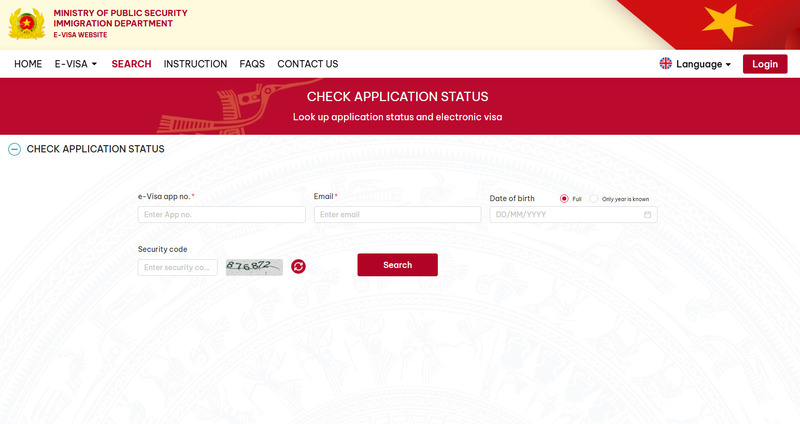
Vietnam e-Visa status check page (Source: Collected)
A delayed e-visa can disrupt your travel plans and lead to unnecessary stress. To avoid setbacks and ensure your entry to Vietnam goes smoothly, it’s essential to understand how the application process works and take proactive steps. The following tips will help you minimize processing time and increase the likelihood of a fast and successful approval.
Officially, the Vietnam Immigration Department does not offer same-day processing through the public portal. However, some trusted third-party visa agencies provide urgent or express processing options that may deliver results within 24 hours for an additional fee. Availability depends on the accuracy of your application and time of submission.
Start by reviewing your submitted information to ensure everything is accurate and complete. Common issues like incorrect passport details, low-quality images, or missing fields can trigger delays. Next, visit https://evisa.gov.vn/e-visa/search and use your registration code, email, and birth date to check your application status.
If the status hasn’t changed after 5 working days (excluding weekends and holidays), reach out to the Vietnam Immigration Department or the agency that assisted with your application for clarification. Delays around national holidays or during peak travel periods are not uncommon.
Yes. The government charges a fixed fee of $25 for single-entry and $50 for multiple-entry e-visas. However, if you opt for expedited processing through third-party visa services, expect to pay a higher fee. These fees vary by agency, urgency level (same-day, 1-day, or 2-day service), and time of application (e.g., weekend or late-hour requests may cost more). Always confirm total costs and refund policies before committing to express service. To better understand the full pricing structure across visa types, you can refer to this breakdown of Vietnam Visa Cost.
There is no publicly stated limit on how many times an individual can apply for a Vietnam e-visa in a year. However, each e-visa is tied to a specific travel period and must be valid at the time of entry. Overuse or frequent entries may raise scrutiny during immigration checks.
Yes. Children with their own passports must apply separately using individual application forms. If the child is under 14 years old and shares a passport with a parent or guardian, their details must be included in the parent’s application. All accompanying minors should meet the same document requirements as adults. Immigration officers may request additional information during entry, so ensure all travel details are clearly stated.
No. The e-visa system is designed for travelers applying from outside No. The e-visa system is designed only for travelers applying from outside Vietnam. If you are already in the country and need to extend your stay, change visa types, or renew your visa, you must work with the local Immigration Office or a licensed visa consultancy in Vietnam. Overstaying an e-visa without proper extension may result in fines or exit restrictions.
The maximum stay under a Vietnam e-visa is 90 days, depending on the option selected (single or multiple entry). Your visa’s validity period starts on the approved entry date and ends on the expiration date, as shown on your e-visa PDF. Exceeding this duration may lead to penalties or future visa complications. If you need a significantly longer stay, you may consider options like the Vietnam 5-Year Visa, which follows a different approval process.
Vietnam e-visa holders are permitted to enter and exit the country through 83 designated international ports, including:
When applying, you must select your intended entry and exit points. Changes are not allowed after submission, so plan carefully to avoid issues upon arrival.
Understanding Vietnam’s e-visa processing time is essential for any traveler aiming for a smooth entry experience. While the official processing window is typically 3 - 5 working days, real-world factors like holidays, peak travel periods, and document issues can affect timelines.
The key to avoiding delays is preparation: submit accurate information, use high-quality documents, apply early, and track your status regularly. If your trip is approaching fast, consider trusted visa services that offer expedited options.






 Vietnam Tours
 Cambodia Tours
 Laos Tours
 Thailand Tours
 Multi-Country Tours