Vietnam is generally safe for tourists, with most international visitors traveling around the country without serious problems. The main risks are usually traffic, petty theft, scams, food hygiene, weather disruption, and basic health precautions rather than violent crime.
This guide explains what travelers should actually expect in Vietnam, where extra caution is needed, and how to stay safe in major cities, rural areas, coastal destinations, and mountain regions.
Yes, Vietnam is generally safe for most tourists who follow normal precautions. Major destinations such as Hanoi, Ho Chi Minh City, Da Nang, Hoi An, Ha Long Bay, Sapa, Ninh Binh, Hue, Phu Quoc, and the Mekong Delta have well-developed tourism services, including hotels, tours, domestic flights, trains, private transfers, and local travel support.
However, travelers should still check the latest official travel advisories, visa rules, health guidance, and weather warnings before departure. Conditions can change due to storms, flooding, local disruptions, or health-related updates.
For most visitors, the main safety concerns are practical issues: crossing busy streets, protecting phones and valuables, avoiding unreliable taxis, choosing trusted tour operators, drinking bottled or filtered water, and checking the weather before visiting mountain, island, or coastal areas.
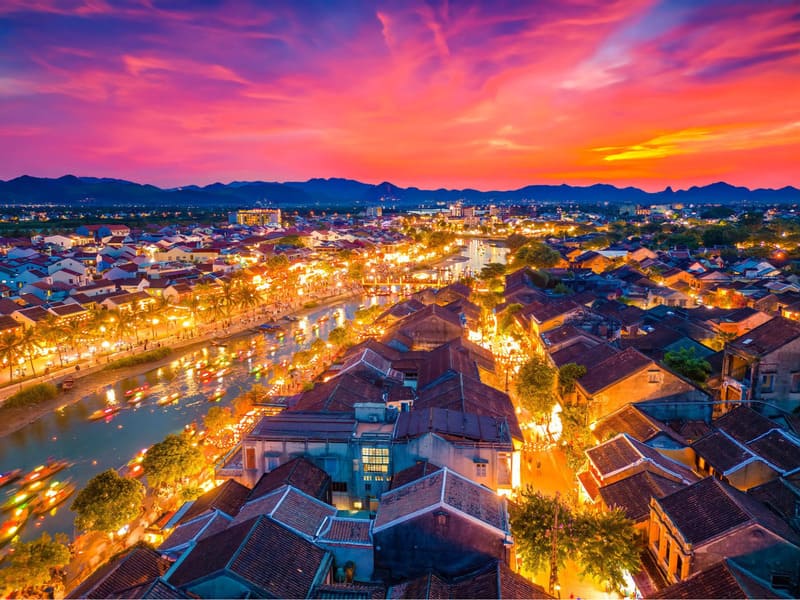
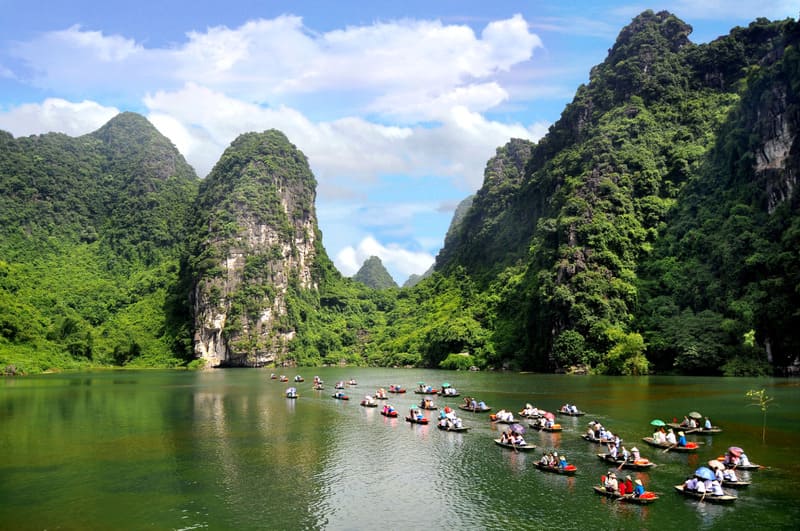
Vietnam is generally safe for well-prepared travelers (Source: Collected)
| Safety Factor | Risk Level for Tourists | What to Do |
|---|---|---|
| Violent crime | Low | Follow normal safety precautions. |
| Petty theft | Low to moderate | Keep phones, bags, and wallets secure. |
| Traffic | Moderate to high | Cross roads carefully and avoid riding motorbikes if inexperienced. |
| Scams and overcharging | Moderate | Confirm prices in advance and use reputable providers. |
| Food and water safety | Moderate | Eat freshly cooked food and drink bottled or filtered water. |
| Weather disruption | Seasonal | Check forecasts, especially during the rainy and typhoon seasons. |
| Medical access | Good in major cities | Purchase travel insurance and plan ahead when visiting remote areas. |
Vietnam is widely regarded as one of Southeast Asia’s safer destinations. Violent crime against tourists is uncommon, public spaces are usually busy, and major tourist areas are used to serving international visitors.
Key reasons include:
However, Vietnam is not risk-free. Traffic can be chaotic, prices are not always fixed, weather can disrupt plans, and tourists should stay alert in crowded places.
Vietnam is generally safe for tourists, and violent crime against foreigners is rare. The main risks are petty crimes such as pickpocketing, phone snatching, bag snatching, overcharging, and minor scams in crowded tourist areas.
Petty theft is more common in busy places, including Hanoi Old Quarter, Ho Chi Minh City’s District 1 and Bui Vien area, night markets, train and bus stations, beach areas, festivals, and popular attractions.
To stay safe:
Most scams in Vietnam involve overcharging rather than serious crime. They are usually easy to avoid if you confirm prices and use reputable providers.
Simple rule: confirm prices upfront, use reputable providers, check your money carefully, and never feel pressured to accept a service.
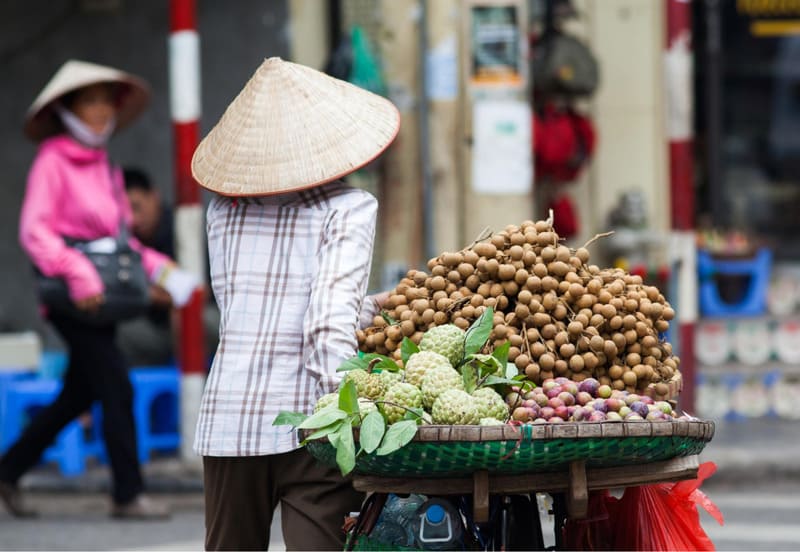
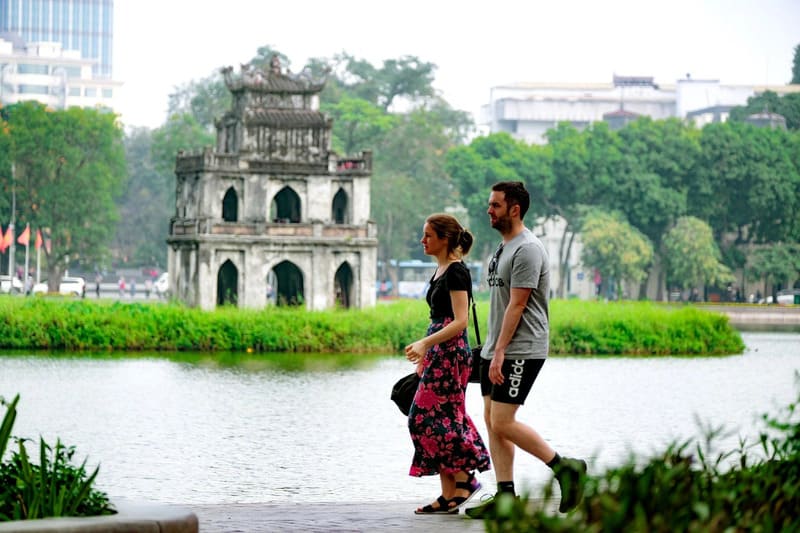
A little caution goes a long way in Vietnam (Source: Collected)
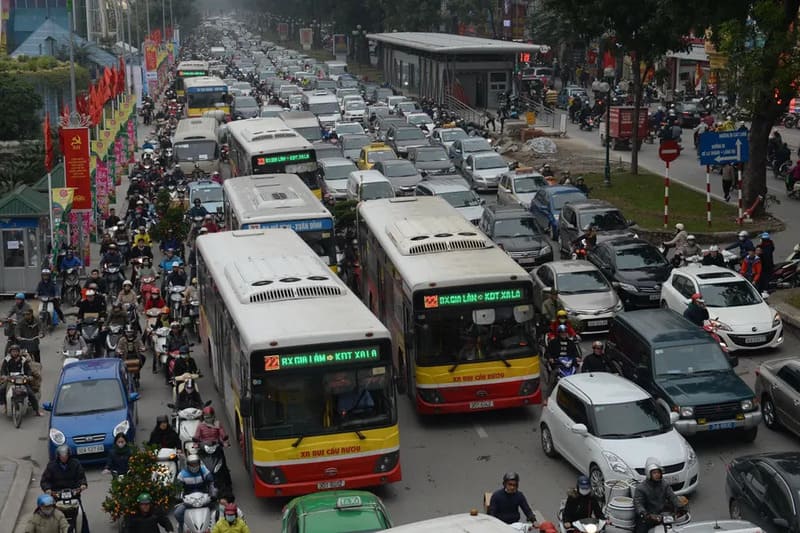
Transportation in Vietnam is generally safe, but traffic can feel chaotic, especially in Hanoi and Ho Chi Minh City, where motorbikes dominate the roads. A few precautions can make getting around much easier.
Foreign travelers should check whether their driving license, International Driving Permit, and travel insurance are valid for motorbike riding in Vietnam. Riding without proper licensing can affect both legal responsibility and insurance coverage.
Always wear a helmet and avoid riding at night, in heavy rain, after drinking alcohol, or on unfamiliar mountain roads.
For a deeper understanding of local road conditions, traffic rules, and practical transportation advice, read our Traffic in Vietnam guide.
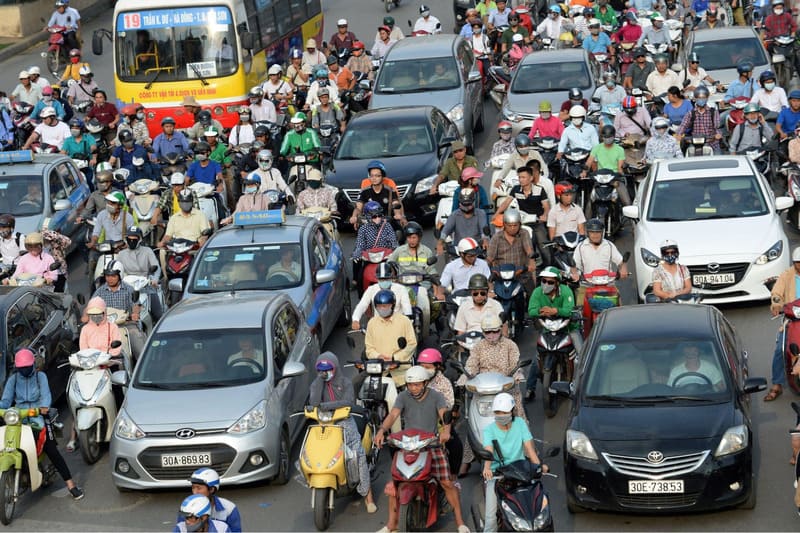
Traffic is one of Vietnam’s main travel challenges (Source: Collected)
Vietnam is safe for many types of travelers, but each group should consider different practical risks.
Food is a major part of traveling in Vietnam, and most visitors enjoy it safely if they choose places carefully. Popular dishes such as pho, banh mi, bun cha, cao lau, fresh spring rolls, com tam, bun bo Hue, and seafood are widely available across the country.
Street food can be safe when you choose busy stalls with high turnover and food cooked fresh in front of you. Avoid dishes that have been left uncovered, raw or undercooked seafood, poorly handled meat, and very basic roadside stalls where hygiene looks questionable.
Restaurants in tourist areas are generally safe, especially those with good reviews, clean tables, visible kitchens, and steady customers. In smaller local eateries, choose places that are busy and serve freshly prepared food.
Do not drink tap water in Vietnam. Use bottled or filtered water instead. Most hotels provide bottled water or refill stations. Brushing your teeth with tap water is common in major cities, but travelers with sensitive stomachs may prefer bottled water. Avoid swallowing water when swimming in rivers, lakes, or poorly maintained pools.
Ice is usually safe in established cafés, restaurants, and hotels because commercial ice is commonly used. At very basic street stalls, use your judgment.
Pharmacies are easy to find in cities and towns, with basic medicine such as pain relievers, stomach tablets, oral rehydration salts, cold medicine, and mosquito repellent. Bring prescription medication in original packaging, along with a copy of your prescription.
Medical care is best in Hanoi, Ho Chi Minh City, and Da Nang, where international clinics and private hospitals are available. Healthcare may be limited in rural, mountainous, or island areas, so travelers with serious health conditions should plan routes carefully.
Mosquito-borne illnesses such as dengue can occur, especially during wetter months. Use mosquito repellent, wear light long-sleeved clothing in the evening, and choose accommodation with screens or air conditioning when possible.
Heat and dehydration are also common issues for visitors, especially from March to August. Drink enough water, use sunscreen, wear breathable clothing, take breaks during midday heat, and be extra careful with children and older travelers.
Before traveling, check current health advice from your doctor or official travel health sources, especially if you plan to visit rural areas, stay long-term, trek, ride motorbikes, or travel during the rainy season.
Want to discover Vietnam's most iconic local dishes? Explore our guide to street food in Vietnam for must-try specialties and the best places to enjoy them safely.
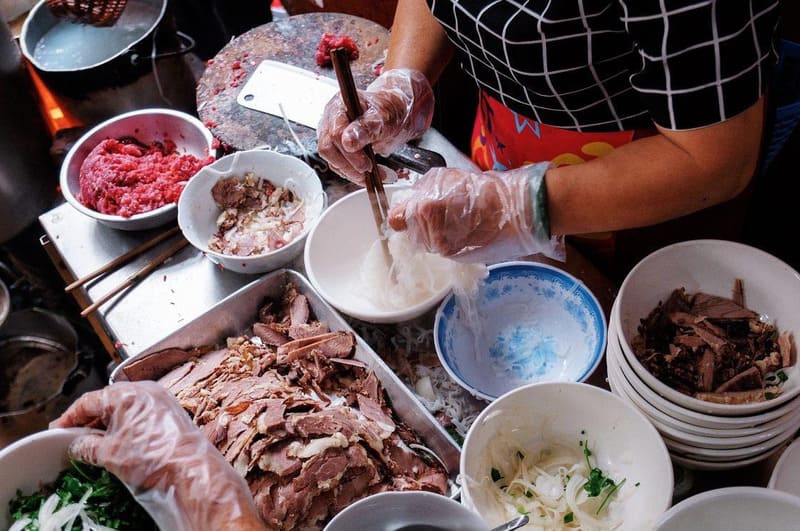
Fresh local food is a highlight of traveling Vietnam (Source: Collected)
Vietnam’s weather varies significantly by region, so conditions depend on where and when you travel.
Air pollution can occasionally affect major cities such as Hanoi and Ho Chi Minh City. Travelers with respiratory or heart conditions should monitor air quality and limit outdoor activity on high-pollution days.
Vietnam’s main natural hazards include typhoons, floods, landslides, and rough seas. While these rarely disrupt an entire trip, they can cause transportation delays, cruise cancellations, unsafe trekking conditions, or difficult road travel.
To stay safe, check weather forecasts regularly, avoid trekking or motorbiking during heavy rain, and follow advice from local authorities, hotels, and tour operators.
For a detailed overview of Vietnam's climate, regional weather patterns, and the best seasons to travel, read our guide on the best time to visit Vietnam.
Following local laws and basic cultural etiquette helps travelers avoid misunderstandings and enjoy a smoother trip in Vietnam.
Save Vietnam’s emergency numbers before your trip:
Emergency operators may not speak English, so ask hotel staff, your guide, your tour operator, or a Vietnamese-speaking local to help if possible.
If your passport is lost or stolen, report it to the local police and request a police report. Then contact your embassy or consulate for emergency travel documents. Keep a digital copy of your passport, visa, travel insurance, and flight details in your email or cloud storage.
If your phone is stolen, report it to the police, use device tracking if available, contact your mobile provider, and change passwords for important accounts. If you use banking apps, freeze cards or contact your bank immediately.
If you need medical help, contact your hotel, travel insurance provider, or tour operator for the nearest reliable clinic or hospital. In Hanoi, Da Nang, and Ho Chi Minh City, international clinics and private hospitals are the best options for many foreign travelers. In remote areas, you may need transport to a larger city.
If you are involved in a traffic accident, do not leave the scene unless you need urgent medical help. Contact local authorities, your insurance provider, and your embassy if the situation is serious. If you rented a motorbike, contact the rental company and document the situation with photos.
If you experience a scam or overcharging, stay calm. For small amounts, it may be better to walk away and avoid escalation. For theft, assault, serious fraud, or passport loss, involve the police and get documentation.
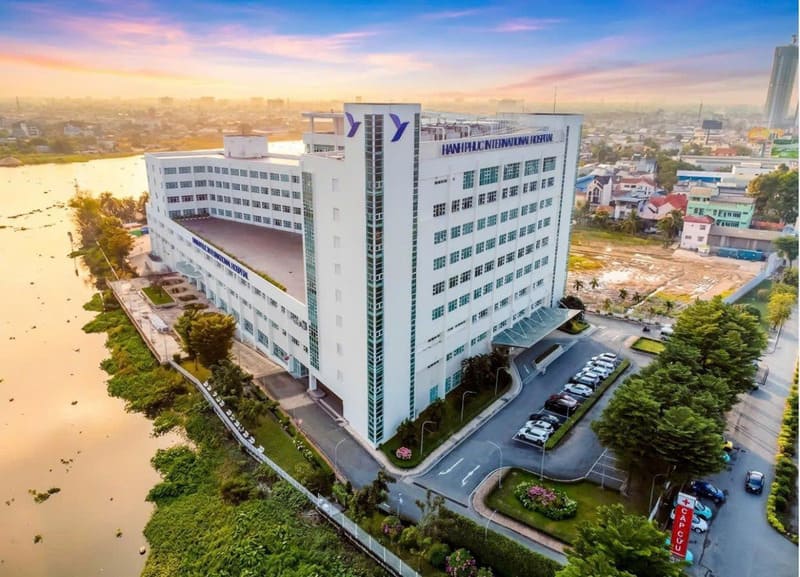
Know who to contact in case of an emergency (Source: Collected)
Yes, travel insurance is strongly recommended for Vietnam. Even though Vietnam is generally safe, insurance is important because unexpected problems can still happen.
A good travel insurance policy should cover:
Medical treatment in Vietnam is affordable compared with many Western countries, but private hospitals and international clinics can still be expensive. Serious illness or injury in a remote area may require transport to a major city or even medical evacuation, depending on the case.
Read the exclusions carefully, especially for motorbiking, adventure sports, alcohol-related incidents, pre-existing conditions, and travel during severe weather warnings.
If you plan to ride a motorbike, check your policy carefully. Many travel insurance plans do not cover motorbike accidents unless you have a valid license, wear a helmet, and follow local laws. This is especially important for routes such as Ha Giang, Sapa, Da Lat, and rural mountain areas.
If you travel during the rainy or typhoon season, insurance can also help with delays, cancellations, missed cruises, and disrupted transport.
For more practical advice on planning a smooth and enjoyable trip, explore our guide to Vietnam travel tips before you go.
Yes. Vietnam is generally safe for solo female travelers, and violent crime against tourists is rare. Most women travel comfortably using trains, flights, buses, ride-hailing apps, and organized tours. For extra safety, stay in well-reviewed accommodation, avoid isolated areas late at night, use Grab or trusted taxis after dark, and share your itinerary when visiting remote destinations.
Yes, especially in busy tourist areas such as Hanoi Old Quarter, Ho Chi Minh City District 1, Da Nang riverside, and Hoi An Ancient Town. The main risks are pickpocketing, phone snatching, traffic, and nightlife scams. Keep valuables secure, avoid deserted streets, and use ride-hailing apps if returning late.
Generally, yes. Choose busy stalls where food is freshly cooked and popular with locals. Avoid food that appears old, uncovered, or undercooked. Drink bottled or filtered water and be cautious with ice at very basic street stalls.
Motorbike travel can be risky for inexperienced visitors due to heavy traffic, different driving habits, and challenging road conditions. If you are not confident riding, use taxis, ride-hailing apps, trains, flights, or guided tours instead. If you do ride, always wear a helmet, avoid alcohol, do not drive at night or in bad weather, and make sure your license and insurance are valid for motorbike use in Vietnam.
Da Nang and Hoi An are often considered among the easiest and most relaxed destinations for tourists. Hanoi and Ho Chi Minh City are also safe but require more awareness of traffic and petty theft. In places like Sapa and Ha Giang, weather and road conditions are usually bigger concerns than crime.
Yes. Ride-hailing apps such as Grab and Be are generally the safest option because prices and driver information are shown in advance. If using taxis, choose reputable companies or ask your hotel to arrange one. Avoid unmarked taxis and drivers who refuse to use the meter.
Avoid riding motorbikes without experience or proper licensing, using unofficial taxis, leaving valuables unattended, drinking tap water, buying illegal drugs, photographing military sites, and booking suspiciously cheap tours. Also, avoid trying to see too much in one trip. Vietnam is a long country, and a slower itinerary is usually safer and more enjoyable.
Vietnam is generally a safe and rewarding destination for most travelers. By staying aware of traffic, protecting valuables, choosing reputable services, checking health and weather guidance, and preparing for regional conditions, you can explore the country with confidence.
If you prefer extra support, Your Vietnam Travel can help with customized itineraries, reliable transportation, carefully selected accommodations, and local assistance throughout your journey in Vietnam and Indochina.



 Vietnam Tours
 Cambodia Tours
 Laos Tours
 Thailand Tours
 Multi-Country Tours