Vietnam visa costs vary depending on visa type, length of stay, number of entries, and the application method. In addition to official government fees, travelers may also need to budget for service charges, stamping fees, or expedited processing.
In this guide from Your Vietnam Travel, we provide a clear and up-to-date overview of Vietnam visa costs based on current immigration regulations and real-world application experience. The article covers visa types, visa-free entry eligibility, official fee schedules, and estimated total costs to help travelers understand what they are paying and why.
A Vietnam visa is an official authorization issued by Vietnamese immigration authorities, granting foreign nationals legal entry into Vietnam for a specific purpose and duration. It is required for most travelers unless they qualify for visa exemption.
Key types and features:
Each visa type has its own application procedures, validity period, and eligibility criteria, depending on the traveler's purpose and nationality.
Note: The list of eligible countries for the Vietnam eVisa may change. Applicants should always check the official immigration website before applying.
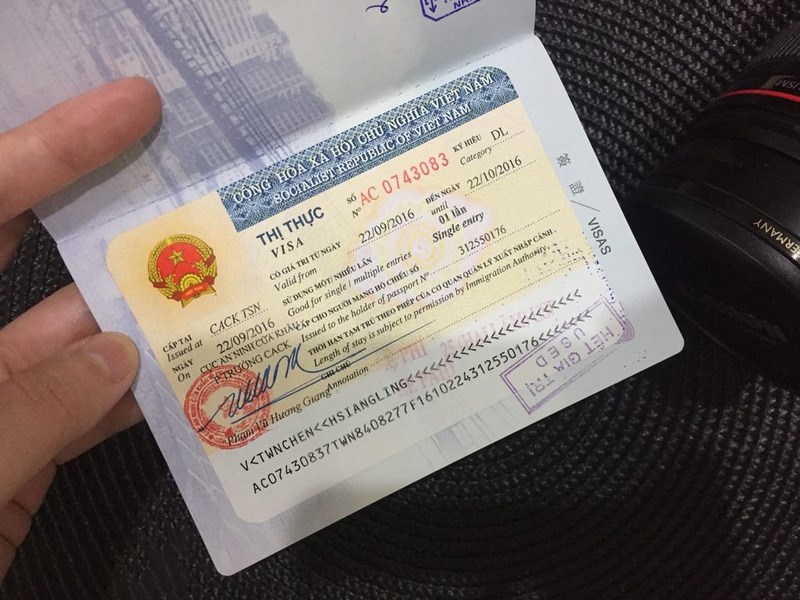
Vietnam visa is official permission to enter Vietnam legally (Source: Collected)
Vietnam currently grants visa-free entry to citizens of certain countries under unilateral or bilateral agreements. The permitted length of stay and applicable conditions vary by nationality and are subject to change in accordance with Vietnamese immigration regulations.
Below is an overview of visa exemption categories according to current regulations.
90-Day Visa Exemption:
Nationals of these countries may enter Vietnam without a visa and stay for up to 90 days. Employment or income-generating activities are not permitted under visa exemption status.
45-Day Visa Exemption:
Citizens of the following countries are eligible for visa-free entry for up to 45 days, provided that the purpose of entry complies with Vietnam’s visa exemption policies:
Additional cases:
30-Day Visa Exemption:
Citizens of the following countries may enter Vietnam without a visa for up to 30 days:
Additional notes:
21-Day Visa Exemption:
Philippines: Philippine passport holders may stay in Vietnam for up to 21 days without a visa, subject to current entry conditions.
14-Day Visa Exemption:
Visa-free entry is granted for up to 14 days, primarily for short-term visits.
Important notes on visa exemption:
For the most accurate and up-to-date information, travelers are strongly advised to verify requirements with official Vietnamese immigration sources or consult a licensed visa service provider before departure.
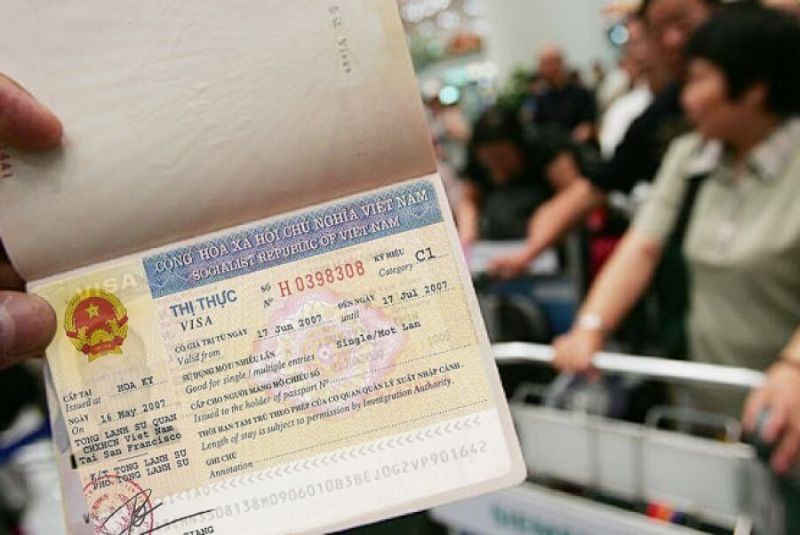
Visa exemptions may change and apply only to short stays (Source: Collected)
Below are the official Vietnam visa fees issued by Vietnamese immigration authorities. These are government charges only and do not include any service or agency fees. All amounts are shown in USD unless stated otherwise.
| NO. | VISA TYPE | FEE |
|---|---|---|
| 1 | Single-entry visa | US$25 |
| 2 | Multiple-entry visa (up to 90 days) | US$50 |
| 3 | Multiple-entry visa (90 – 180 days) | US$95 |
| 4 | Multiple-entry visa (180 days – 1 year) | US$135 |
| 5 | Multiple-entry visa (1 – 2 years) | US$145 |
| 6 | Multiple-entry visa (2 – 5 years) | US$155 |
| – | Children under 14 years old (any duration) | US$25 |
Important clarification:
In simple terms, tourists cannot apply for visas longer than 90 days unless they qualify under special categories such as work, investment, or family sponsorship.
| SERVICE | FEE |
|---|---|
| Transfer of visa or temporary residence status to a new passport | US$5 |
| Issuance of written visa exemption | US$10 |
| Extension of temporary residence | US$10 |
| Issuance or re-issuance of temporary residence cards | US$100 |
| VALIDITY | COST |
|---|---|
| Up to 2 years | US$145 |
| From 2 to 5 years | US$155 |
| From 5 to 10 years | US$165 |
A Temporary Residence Card (TRC) is not a tourist document. It is issued only to foreigners who legally work, invest, or reside long-term in Vietnam and is typically sponsored by an employer or organization.
| PERMIT TYPE | FEE |
|---|---|
| Entry to restricted or border areas; laissez-passer for Laotian nationals | US$10 |
| Transit visa (air or sea, including tourism) | US$5 |
| Inland travel permits for seaway tourists or foreign military vessels | US$5 |
| Immigration permits for permanent residents without passports | VND 200,000 (≈ US$8) |
| Permits for border economic zone visitors entering other provinces | US$10 |
These permits apply only in special or restricted cases and are not relevant for standard tourist or business visa applicants. Visa fees are subject to change based on updated regulations issued by Vietnamese authorities.
While the official visa fee remains fixed, the total cost can vary depending on how you apply and whether you use an agent or expedited service.
| VISA TYPE | ENTRY | DURATION | APPLICATION METHOD | GOVERNMENT FEE (USD) | ESTIMATED TOTAL COST (USD) | NOTES |
|---|---|---|---|---|---|---|
| Tourist eVisa | Single | 30 days | Official eVisa Portal | 25 | 25 | No service fee |
| Tourist eVisa (Expedited) | Single | 30 days | Authorized Agent | 25 | 35 – 50 | Faster processing |
| Tourist Visa on Arrival | Single / Multiple | 1 – 3 months | Pre-Approval Letter + Airport | 25 – 50 | 45 – 70 | Includes stamping fee |
| Business Visa (1 month) | Single / Multiple | 1 month | Embassy / Agent | 25 – 50 | 60 – 100+ | Invitation letter required |
| Business Visa (3 – 12 months) | Multiple | 3 – 12 months | Embassy / Agent | 95 – 155 | 120 – 200+ | Cost increases with duration |
| 5-Year Visa Exemption | Multiple | Up to 5 years* | Embassy / Immigration Office | 10 – 20 | 20 – 40 | For eligible overseas Vietnamese |
*Subject to eligibility conditions.
In summary, most tourists only need to budget USD 25 - 50 in government fees for a Vietnam eVisa, depending on the number of entries.
Responsibility for visa fees depends on the visa type and purpose of stay.
Important notes:
Vietnam visa fees are collected by different authorities depending on where and how you apply. In practice, applicants will encounter the following main collection points:
Each authority is legally responsible for collecting visa fees in accordance with its jurisdiction and the type of immigration service provided.
For travelers using the Visa on Arrival option, visa-related payments are typically split into two separate stages:
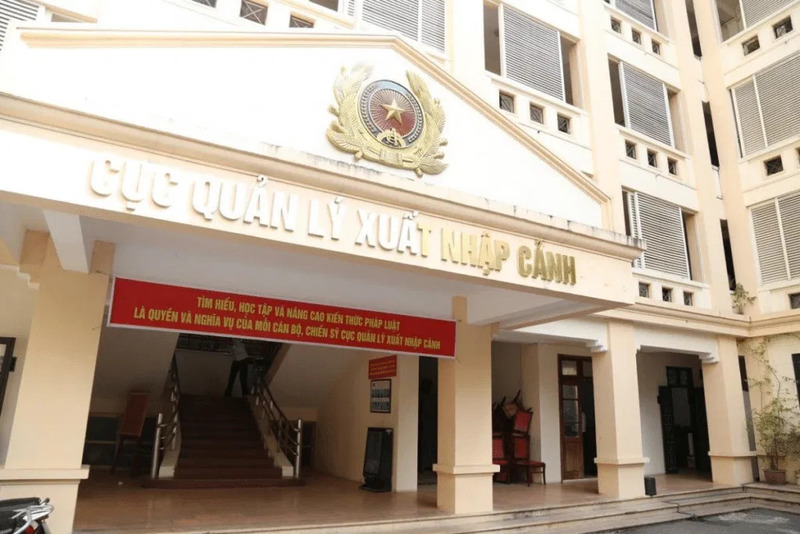
Vietnam Immigration Department (Source: Collected)
Accepted payment methods vary based on the application channel and location. Below is a general overview:
Important: Always confirm the exact fee amount and accepted payment methods with the relevant authority or service provider in advance to avoid delays or complications during the application process.
Official visa fees may not reflect the full cost of obtaining a Vietnam visa. Additional charges may apply depending on your situation.
Below are some common fees that may arise during the visa application process:
| COST TYPE | DESCRIPTION | ESTIMATED AMOUNT | NOTES |
|---|---|---|---|
| Airport stamping fee (VOA) | Paid on arrival | USD 25 – 155 | Based on Circular 219/2016/TT-BTC |
| Agency service fee | Application handling | USD 10 – 30 | Depends on processing speed |
| Photos & document translation | Required for long-term visas | USD 4 – 20 | Varies by provider |
| Courier fees | Mailing passport/documents | USD 20 – 50 | Depends on destination |
| Visa extension or change | In-country processing | USD 60 – 100+ | Case-dependent |
Understanding these potential costs helps you budget accurately and avoid unexpected expenses during the visa process.
Applying for a Vietnam visa involves more than just paying a fee. To ensure a smooth process, take note of the following key points:

Avoid common mistakes when applying for a Vietnam visa (Source: Collected)
Vietnam's visa refund policy is clearly defined and applies only in limited situations. Applicants should be aware of the following:
To avoid unnecessary costs, applicants should review all visa requirements carefully and ensure their documents are complete and accurate before submission.
The processing time for a Vietnam visa varies based on the type of visa and the application method. E-visas and visa-on-arrival options are typically processed within 1 to 3 working days. In contrast, applying through an embassy or consulate may take up to several weeks. To avoid delays, ensure all required documents are complete and submitted correctly. Planning ahead significantly improves the efficiency of the application process.
In most cases, children are subject to the same visa fees as adults. However, certain age-based exemptions or reduced rates may apply, depending on the visa type and the applicant’s nationality. It's advisable to check with the issuing authority or official portal for specific guidelines.
Visa fees are generally non-refundable if the application is denied or if the applicant chooses not to receive the result. Refunds are only granted in limited cases, such as when the applicant is ineligible for a passport, travel document, or AB stamp.
Yes. Expedited or same-day processing typically incurs an additional fee. The amount depends on the urgency level and the application method, such as applying through an embassy or a visa agency. Always confirm the surcharge before requesting faster processing.
The base visa fee remains fixed and does not change based on the season. However, third-party service providers may apply higher service charges during peak travel periods due to increased demand or limited appointment availability.
Yes. Business visas often have higher fees than tourist visas due to longer permitted stays, more complex documentation, and stricter approval processes. Fee structures vary by visa duration and number of entries (single or multiple).
Vietnam visa fees are regulated by the government, but the total cost may vary depending on the visa type and application method. Understanding these differences helps travelers choose the most suitable and cost-effective option for their needs.
Based on updated regulations and real-world cases handled by Your Vietnam Travel, careful preparation and applying through official or trusted channels are essential to avoiding delays and unnecessary fees. As visa policies may change, applicants should always verify the latest requirements before submitting their application.
If you need personalized guidance or assistance with your Vietnam visa application, Your Vietnam Travel is available to help ensure a smooth and accurate process. Contact our team for up-to-date advice and professional support tailored to your travel plans.



 Vietnam Tours
 Cambodia Tours
 Laos Tours
 Thailand Tours
 Multi-Country Tours