Vietnam’s rainy season often makes travelers hesitant, yet in reality it offers a very different and rewarding travel experience. With lush green landscapes, more affordable travel costs, and a slower pace of life, the rainy season can be an ideal time to visit if you understand the weather patterns and plan accordingly.
In this article, Your Vietnam Travel provides a clear overview of Vietnam’s rainy season, including regional weather characteristics, peak rainfall periods, and the key advantages and disadvantages of traveling during this time. You will also find practical activity ideas and travel tips to help you plan a well-balanced, safe, and enjoyable journey, even when weather conditions are less predictable.
Vietnam’s rainy season is shaped by a tropical monsoon climate and typically lasts from May to November, with regional variations in timing and intensity. Annual rainfall averages 1,500-2,500 mm, and higher totals are common in mountainous and coastal areas. The wettest months usually fall between June and August, when downpours are most frequent.
Rainfall often arrives in short, intense bursts, especially in southern Vietnam, while central regions can experience prolonged periods of rain. High humidity levels (75-90%) are common, creating warm, heavy air throughout the season. Occasional storms, localized flooding, and slippery roads may affect daily activities, particularly in urban areas.
Despite these challenges, the rainy season transforms Vietnam’s landscapes. Rice fields turn vibrant green, rivers and waterfalls swell, and the countryside feels refreshed. Travel during this period also comes with practical advantages, including fewer crowds, more competitive prices, and deeper cultural immersion. With flexible planning, the Vietnam rainy season offers a rewarding experience marked by dramatic scenery and a slower, more authentic pace of travel.
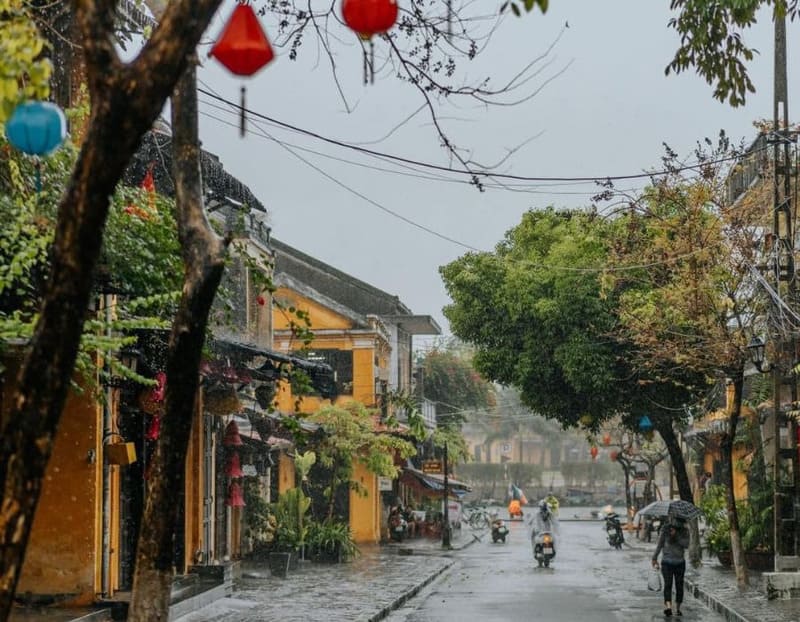
Vietnam rainy season runs May-Nov with peak Jun-Aug (Source: Collected)
Vietnam’s rainy season varies significantly by region due to differences in geography and monsoon patterns. Below is a clear breakdown of when the wet season occurs in Northern, Central, and Southern Vietnam, helping travelers plan more effectively.
Northern Vietnam’s rainy season generally lasts from May to September, with peak rainfall in July and August. Light showers and rising temperatures in late April mark the transition into the wet months. Rain typically falls in the afternoon or evening, while mornings are often warm and relatively dry. Daytime temperatures average 28-35°C, combined with high humidity.
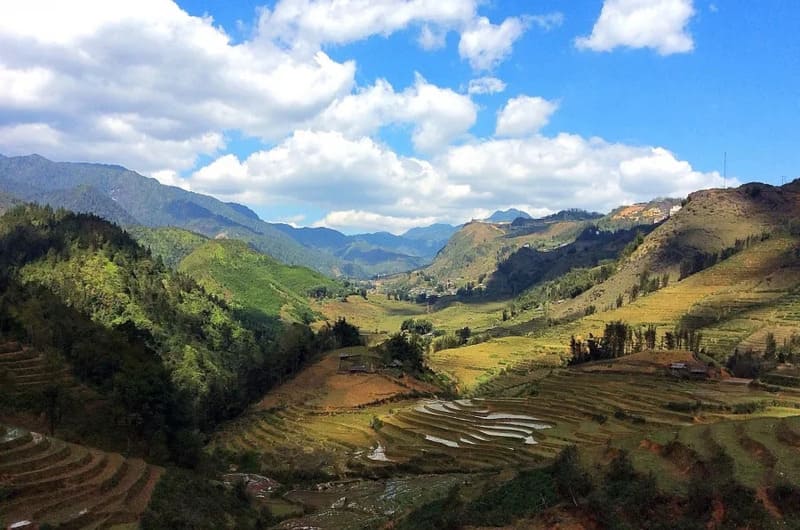
Rainfall intensity varies by location. Mountainous regions such as Sapa and the northern highlands receive earlier and heavier rain, particularly from June onward. This brings lush rice terraces and powerful waterfalls, along with fog, muddy trails, and occasional landslides that can affect trekking conditions. In contrast, lowland and coastal areas like Hanoi and Ha Long Bay usually experience heavier rain slightly later in the season. Coastal storms and strong winds in July and August may cause temporary disruptions to cruises in Ha Long Bay.
By late September to October, rainfall decreases, temperatures cool to 20-25°C, and the landscape remains green and refreshed, creating better conditions for sightseeing and outdoor exploration.
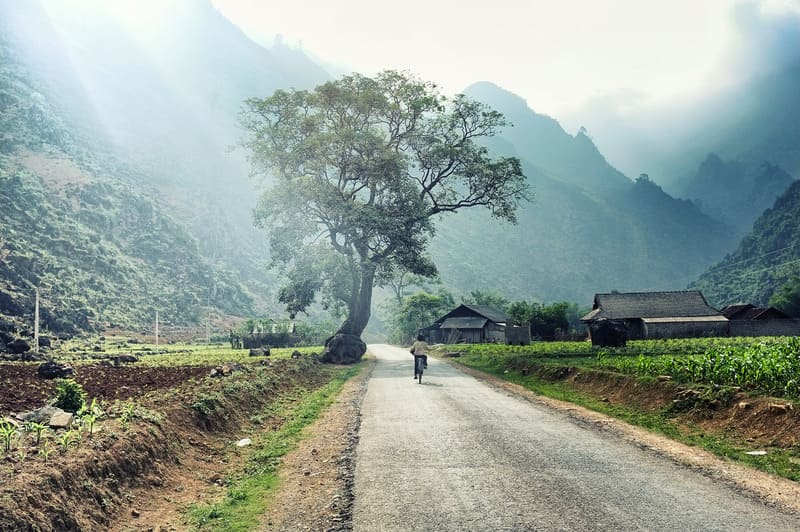
Northern Vietnam’s rainy season runs May-September, peaking July-August (Source: Collected)
Travel tips for Northern Vietnam during the rainy season:
Central Vietnam follows a distinct rainy-season pattern, with the wet months typically lasting from September to November, and in some coastal areas extending into December. October is usually the wettest and most weather-volatile month, marked by prolonged rainfall, strong winds, and an increased risk of tropical storms or typhoons along the central coast.
Among the region’s destinations, Hue receives some of the highest annual rainfall in Vietnam, reaching up to 2,800 mm. Heavy rain can last for several consecutive days, occasionally causing localized flooding. Despite this, Hue remains highly appealing thanks to its imperial heritage, where indoor and semi-covered attractions such as royal tombs, the Imperial Citadel, and museums can be explored comfortably during wet weather.
In coastal cities like Da Nang and Hoi An, beach conditions deteriorate during the rainy season as sea conditions become rougher and rainfall intensifies. Hoi An’s Old Town, located near the Thu Bon River, is particularly prone to flooding in October and early November. When waters recede, the town takes on a uniquely atmospheric charm, with lantern-lit streets reflecting off rain-soaked stone paths.
By contrast, the Central Highlands experience a milder wet season. Rainfall usually begins earlier, from May to June, peaks between July and September, and eases by October. Cooler temperatures and moist air create relatively favorable conditions for sightseeing and nature-based travel compared to the coast.
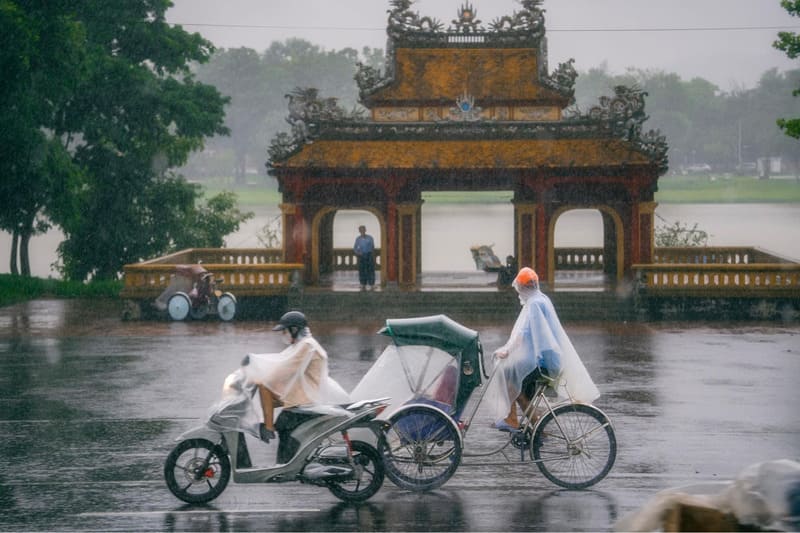
Central Vietnam rainy season peaks Sep-Nov, storms in Oct (Source: Collected)
Travel tips for Central Vietnam during the rainy season:
Southern Vietnam has the longest rainy season in the country, typically running from May to November, with the heaviest rainfall occurring between June and September. Influenced by a tropical monsoon climate, rain usually falls in short, intense bursts, most often in the afternoon or early evening, followed by clearer skies. Temperatures remain consistently warm throughout the year, averaging 26-33°C, while humidity levels rise to around 80% during peak months.
In Ho Chi Minh City, sudden downpours often provide a brief cooldown rather than a full-day disruption. Daily life continues quickly once the rain passes, making it easy for travelers to adjust plans with minimal inconvenience. In contrast, the Mekong Delta undergoes a seasonal transformation as water levels rise. Rivers expand, canals become more navigable, and floating markets and boat-based activities play an even more central role in local life, offering a distinctive and immersive travel experience.
Phu Quoc generally receives less rainfall than mainland southern destinations, with plenty of sunshine between showers. While sea conditions can be unpredictable during peak rainy months, the island remains appealing for travelers seeking fewer crowds and a relaxed tropical atmosphere.
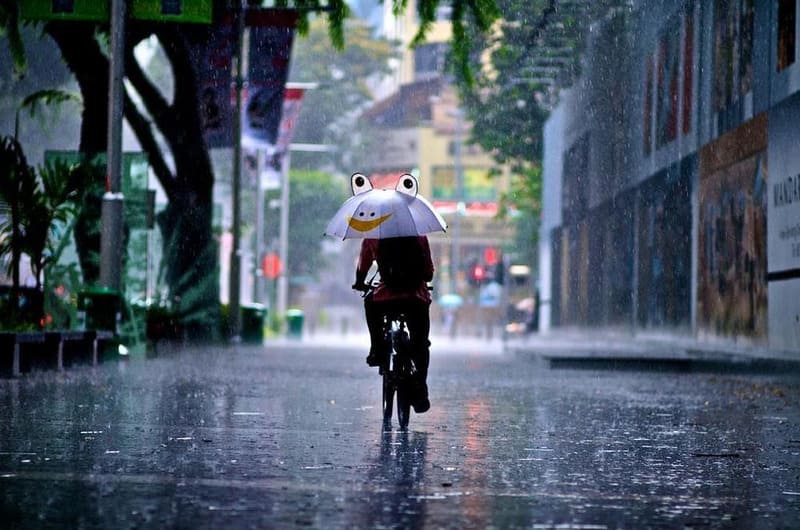
Southern Vietnam rainy season runs May-Nov, brief showers (Source: Collected)
Travel tips for Southern Vietnam during the rainy season:
Traveling to Vietnam in the rainy season can be a smart choice for travelers who value flexibility, affordability, and authentic experiences. Below is a clear breakdown of the advantages and disadvantages to help you decide if this is the right time for your trip.
The rainy season opens up a slower, more atmospheric side of Vietnam. With smart planning, travelers can enjoy a wide range of experiences that are well suited to wetter weather and fewer crowds.
The rainy season brings Vietnam’s natural scenery to its most vibrant and dramatic state. Frequent rainfall nourishes rice paddies, transforming rural landscapes into expansive fields of deep green, while waterfalls surge at full force across mountainous regions. Rivers and lakes swell, enhancing the overall sense of freshness and vitality.
Iconic destinations like Ha Long Bay take on a moody, atmospheric beauty during this time, with mist drifting between limestone karsts and soft light creating striking visual contrast. In the northern highlands, areas such as Sapa and Ha Giang showcase spectacular terraced rice fields, especially after rainfall when the terraces shimmer under overcast skies.
While weather conditions may limit long treks during peak rain, shorter hikes, scenic drives, and viewpoint stops remain highly rewarding. For photography and nature-focused travel, the rainy season offers unique colors, textures, and light rarely seen during drier months.
Practical tip: Use a waterproof camera or phone case to capture landscapes confidently, even during light showers, and take advantage of misty mornings for the most atmospheric views.
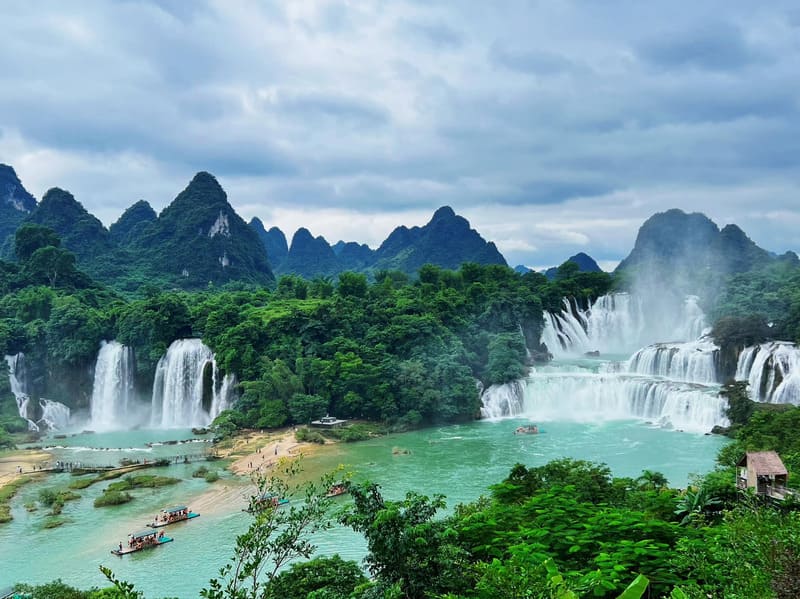
Rainy season turns Vietnam lush, dramatic and for photos (Source: Collected)
Rainy days create the ideal setting to explore Vietnam’s cultural depth and historical heritage through indoor and sheltered experiences. Museums and heritage sites provide valuable context to the country’s past, from fine arts and traditional craftsmanship to key historical milestones. Well-curated collections in major cities allow travelers to stay engaged without worrying about the weather.
Hands-on cultural activities are especially rewarding during the wet season. Workshops such as lantern-making in Hoi An, traditional pottery in Bat Trang, or Vietnamese cooking classes led by local chefs offer practical insight into everyday culture while staying comfortably indoors.
Vietnam’s café culture also comes into its own during rainy afternoons. Sitting in a quiet café, watching the rain while enjoying egg coffee or coconut coffee, offers a distinctly local experience. Covered and indoor markets like Ben Thanh Market and Dong Xuan Market combine shelter with vibrant sights, flavors, and street food, making them excellent stops when outdoor plans are delayed.
These indoor-focused experiences turn rainy weather into an opportunity to connect more deeply with Vietnam’s culture, creativity, and daily life.
The rainy season creates ideal conditions to enjoy Vietnam’s warm, comforting cuisine and local dining culture. Frequent showers and slightly cooler air make noodle soups, slow-simmered dishes, and freshly cooked street food especially appealing. Covered markets and small eateries allow travelers to eat comfortably while observing everyday life, where locals gather to share meals and wait out the rain together.
Cities such as Hanoi, Hue, Hoian and Ho Chi Minh City stand out during this period, offering rich regional flavors in settings that remain lively regardless of the weather. Rainy afternoons are also perfect for café hopping, joining cooking classes, or exploring indoor food markets, turning meals into cultural encounters rather than just refueling stops.
The rainy season aligns with several meaningful festivals and traditional celebrations, offering travelers a deeper look into Vietnam’s spiritual life and community traditions. One of the most visually captivating events is the Mid-Autumn Festival, typically held between September and October. Streets come alive with colorful lanterns, lion dances, and family gatherings, while mooncakes and seasonal treats are shared to mark the occasion.
In northern mountainous regions, ethnic minority communities organize harvest-related and rain-invoking ceremonies during this period. These events often feature traditional music, ritual dances, and offerings to nature, reflecting a strong connection between agriculture and spiritual beliefs. Because they are largely community-based, they provide a more intimate and authentic cultural experience.
Smaller-scale celebrations also take place across cities and towns, including temple festivals and Buddhist rituals. Rain and mist add a unique atmosphere, with incense smoke drifting through damp courtyards and ceremonial drums echoing softly in the background. Attending these events during the rainy season reveals a quieter, more reflective side of Vietnam’s cultural calendar.
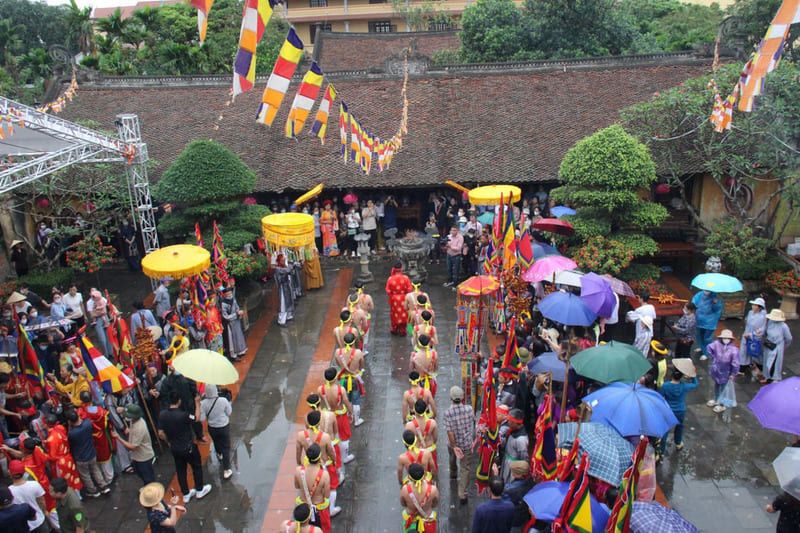
Ethnic festivals link harvest, rain rituals, local beliefs (Source: Collected)
The rainy season creates a calm, unhurried atmosphere that is well suited to wellness-focused travel. Warm water experiences are especially appealing during wet weather. Natural hot springs such as Quang Hanh Hot Springs and Thanh Thuy Hot Springs offer soothing mineral baths, where gentle rain and cooler air enhance the sense of relaxation.
Urban centers and resort towns across Vietnam feature a wide range of spa and wellness facilities, from herbal steam baths to traditional Vietnamese massages. Treatments often incorporate local ingredients like ginger, lemongrass, green tea, and medicinal herbs, helping to ease muscle tension and counteract the effects of humidity and travel fatigue.
For deeper rejuvenation, mountain resorts and eco-retreats provide an ideal escape. Set among forests and valleys, these properties combine wellness programs with peaceful surroundings, misty views, and fresh air. The slower rhythm of the rainy season encourages longer stays, mindfulness, and genuine rest, making it an excellent time to reset both physically and mentally.
The rainy season encourages a more immersive and experience-driven style of travel, blending light adventure with a slower pace. In northern Vietnam, this period offers the most striking views of terraced rice fields, particularly during the water-pouring season. Destinations such as Sapa and Mu Cang Chai display mirror-like paddies reflecting cloudy skies, making them especially appealing for photographers and landscape enthusiasts.
In southern regions, the Mekong Delta transforms into a fully navigable water network. Boat journeys pass through canals lined with water palms, stilt houses, and riverside temples, offering a close-up view of daily life shaped by seasonal floods. Guided eco-tours during this time feel more intimate, with fewer visitors and calmer rhythms.
Changing weather conditions create dramatic scenery across the country. Morning mist, overcast light, and passing storms add depth and mood to outdoor experiences. Light trekking, cycling, and village walks remain rewarding when planned carefully around forecasts and safer routes. Embracing flexibility allows travelers to slow down, observe, and connect more deeply with both landscapes and local communities during Vietnam’s rainy season.
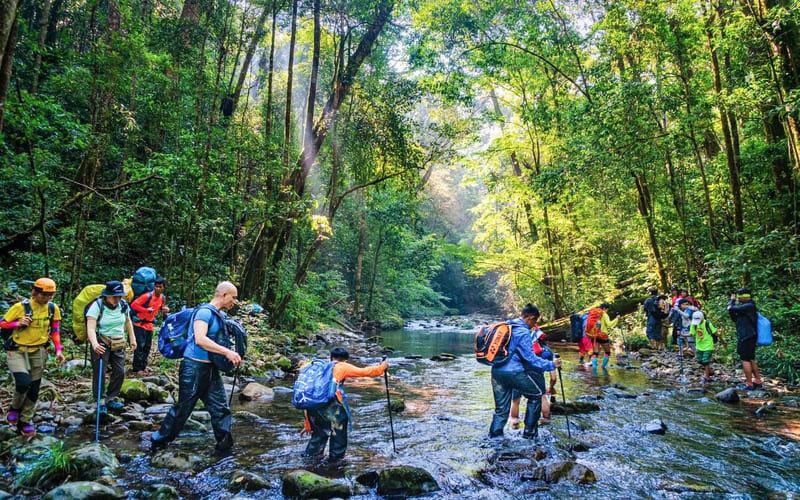
Changing weather enhances scenery and deepens travel experiences (Source: Collected)
Learn more: 22 Best Places to Visit in Vietnam: From North to South
Traveling during the Vietnam rainy season can be smooth and enjoyable with the right preparation. Heavy showers are part of daily life during this time, but they rarely last all day and often come with unique travel advantages. These practical tips help minimize disruptions and improve overall comfort.
Yes. With flexible planning, the rainy season offers fewer crowds, lower prices, lush landscapes, and more authentic cultural experiences. Short showers are common, but full-day rain is rare in many regions.
Delays can occur during storms, especially in Central Vietnam. Domestic flights and trains are generally reliable, while road travel may be disrupted by flooding in low-lying or mountainous areas.
Trekking is possible but requires caution. Trails can be slippery, and landslides may occur during heavy rain. Short routes, guided hikes, and close weather monitoring are strongly recommended.
Prices for hotels, flights, and tours are often significantly lower. Tourist numbers drop noticeably, creating a quieter and more relaxed travel environment.
Yes. Mist, dramatic skies, vibrant greenery, and reflective rice fields create excellent photography conditions, especially in the early morning or after rainfall.
Not exactly. Typhoons mainly affect Central Vietnam between September and November. Other regions experience heavy rain but fewer severe storms.
Yes, with proper planning. Choose city-based destinations, prioritize indoor activities, monitor weather forecasts, and allow flexibility in your schedule.
Vietnam’s rainy season reveals a calmer, greener, and more authentic side of the country. While flexibility is essential, travelers are rewarded with fewer crowds, better prices, dramatic landscapes, and richer cultural experiences. With thoughtful planning, this season can be one of the most memorable times to explore Vietnam.
If you’re planning a trip during the rainy season and want expert guidance, personalized itineraries, or up-to-date local insights, Your Vietnam Travel is here to help. Contact the team to design a journey that fits your schedule, interests, and the best seasonal conditions across Vietnam.

 Vietnam Tours
 Cambodia Tours
 Laos Tours
 Thailand Tours
 Multi-Country Tours