Vietnam’s Central Highlands, or Tay Nguyen, is a rewarding region for travelers seeking cool mountain air, coffee plantations, waterfalls, ethnic villages, and less-crowded landscapes. From Da Lat and Buon Ma Thuot to Pleiku, Kon Tum, Dak Nong, Mang Den, Lak Lake, and Ta Dung, this guide by Your Vietnam Travel covers the best places to visit, top things to do, travel tips, and essential planning information for your Central Highlands trip.
Vietnam’s Central Highlands are located in the central part of the country, between the coastal plains of Central Vietnam and the borders with Laos and Cambodia. In Vietnamese, the region is called Tay Nguyen, meaning “western highlands.”
Traditionally, the Central Highlands referred to five inland highland provinces:
These provinces sit on a chain of plateaus rather than one single flat highland. The region includes well-known plateaus such as Kon Tum Plateau, Kon Plong Plateau, Pleiku Plateau, Dak Lak Plateau, M’Nong Plateau, Lam Vien Plateau, and Di Linh Plateau. Elevation varies widely, from around 500 meters to more than 1,500 meters above sea level in higher areas such as Da Lat and the Langbiang Plateau.
This geography gives the Central Highlands a cooler climate than Vietnam’s lowlands, especially in Da Lat, Mang Den, Bao Loc, and Kon Tum’s higher mountain areas. The region is also shaped by basalt soil, old volcanic activity, dense forests, rivers, lakes, and waterfalls, making it one of Vietnam’s most distinctive landscapes.
For travelers, the main gateways are Da Lat in Lam Dong, Buon Ma Thuot in Dak Lak, Pleiku in Gia Lai, and Kon Tum city in the former Kon Tum area. These cities connect well with Ho Chi Minh City, Hanoi, Da Nang, Nha Trang, Hoi An, and Vietnam’s central coast.
Tay Nguyen feels different from Vietnam’s coastal cities, northern mountains, and Mekong Delta because it combines highland nature, ethnic culture, coffee agriculture, volcanic landscapes, and a slower rural rhythm.
The first difference is the landscape. Instead of beaches, limestone bays, rice paddies, or delta waterways, the Central Highlands are defined by red basalt roads, pine forests, coffee farms, tea hills, waterfalls, crater lakes, national parks, and volcanic formations. Places such as Chu Dang Ya Volcano, Bien Ho Lake, Ta Dung Lake, Dray Nur Waterfall, Yok Don National Park, and Dak Nong UNESCO Global Geopark show this natural identity clearly.
The second difference is culture. The region is home to many ethnic communities, including the Ede, M’Nong, Jarai, Bahnar, Xo Dang, Co Ho, Ma, and other highland groups. Their traditions can be seen through longhouses, rong communal houses, weaving, festivals, rice wine rituals, village ceremonies, and gong performances. This cultural depth gives the region a strong identity that is different from both northern hill-tribe destinations and lowland Vietnamese cities.
The third difference is coffee. The Central Highlands are the heart of Vietnam’s coffee industry, especially Dak Lak and Buon Ma Thuot. Coffee plantations, local roasteries, coffee museums, and traditional phin coffee culture are part of daily life here. For many visitors, drinking coffee in Buon Ma Thuot or walking through plantations during harvest season is one of the most memorable experiences in the region.
The fourth difference is the travel atmosphere. Compared with Sapa, Ha Long Bay, Hoi An, or Ninh Binh, many parts of the Central Highlands remain quieter and less commercialized. Da Lat is popular and developed, but places such as Kon Tum, Mang Den, Dak Nong, Lak Lake, Yok Don, and rural Gia Lai still offer a more off-the-beaten-path feeling.
The fifth difference is the route style. A Central Highlands trip is often best enjoyed as a road journey. Scenic drives by private car or motorbike connect waterfalls, villages, coffee plantations, national parks, and mountain towns. This makes the region ideal for travelers who enjoy slow travel, photography, trekking, local encounters, and nature-based itineraries.
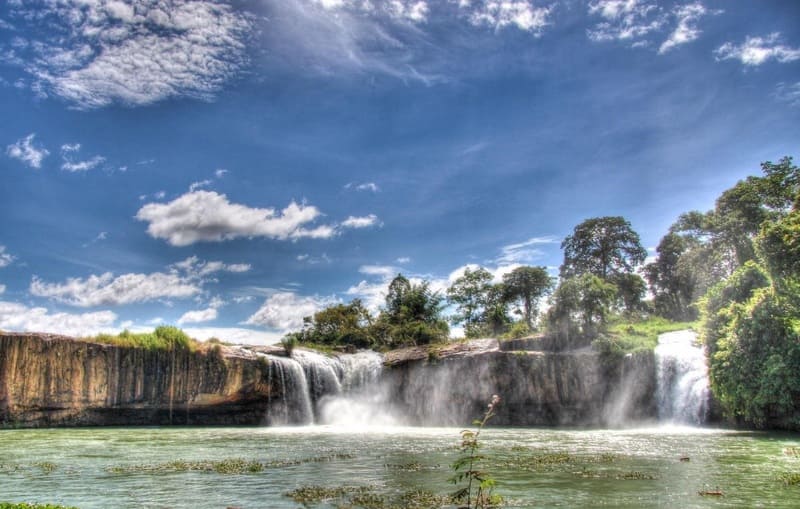
Tay Nguyen offers a wilder side of Vietnam (Source: Collected)
Before Vietnam’s 2025 administrative reform, the Central Highlands were commonly understood as five provinces: Kon Tum, Gia Lai, Dak Lak, Dak Nong, and Lam Dong. This traditional definition is still useful for tourism because it reflects the cultural, geographic, and travel identity of Tay Nguyen.
After the 2025 administrative changes, several former provinces were merged into larger provincial units. For travelers, this means that some destinations may now appear under new administrative names on maps, booking platforms, official documents, and transport information.
Before the 2025 changes, the traditional Central Highlands included:
After the 2025 administrative changes, the former Central Highlands areas are mainly associated with these larger provinces:
For travelers, the traditional destination names are still the easiest way to plan a trip. Places such as Da Lat, Buon Ma Thuot, Pleiku, Kon Tum, Mang Den, Lak Lake, Ta Dung, and Dak Nong remain the main reference points when searching for transport, hotels, and tours. When booking services, check the specific city, town, or attraction name carefully, as some areas may now appear under updated provincial names after the 2025 administrative changes.
The best time to visit Vietnam’s Central Highlands is from November to April, when the dry season brings cooler temperatures, clear skies, and favorable conditions for sightseeing, trekking, coffee farm visits, and scenic road trips. This period is especially suitable for first-time visitors.
The region has two distinct seasons:
Weather also varies by elevation. Destinations such as Da Lat, Bao Loc, and Mang Den generally enjoy cooler temperatures, while Buon Ma Thuot, Pleiku, and Dak Nong tend to be warmer during the day.
Seasonal Highlights:
For the best overall combination of weather, scenery, and outdoor activities, plan your trip between November and March.
While the Central Highlands has its own seasonal patterns, understanding the best time to visit Vietnam can help you plan a broader itinerary across different regions of the country.
Da Lat is the most famous destination in Vietnam’s Central Highlands and one of the country’s most loved mountain towns. Located about 1,500 meters above sea level on the Langbiang Plateau, Da Lat is known for cool weather, pine forests, lakes, flower gardens, French colonial villas, waterfalls, cafes, and romantic scenery.
The city was developed during the French colonial period as a hill station, and its European-style villas, churches, railway station, and tree-lined streets still give it a distinctive atmosphere. Today, Da Lat is popular with Vietnamese travelers, couples, families, backpackers, and nature lovers.
Top places to visit in Da Lat include Xuan Huong Lake, Tuyen Lam Lake, Langbiang Mountain, Da Lat Railway Station, Domaine de Marie Church, Linh Phuoc Pagoda, Valley of Love, Crazy House, Datanla Waterfall, Pongour Waterfall, Elephant Waterfall, and the flower gardens around the city.
Da Lat is also a strong base for adventure travel. Canyoning, hiking, mountain biking, camping, and countryside tours are popular. Outside the city center, visitors can explore coffee farms, vegetable gardens, strawberry farms, tea plantations, and rural villages.
Da Lat is best for travelers who want cool weather, soft adventure, cafes, photography, flowers, lakes, waterfalls, and a comfortable introduction to the Central Highlands.
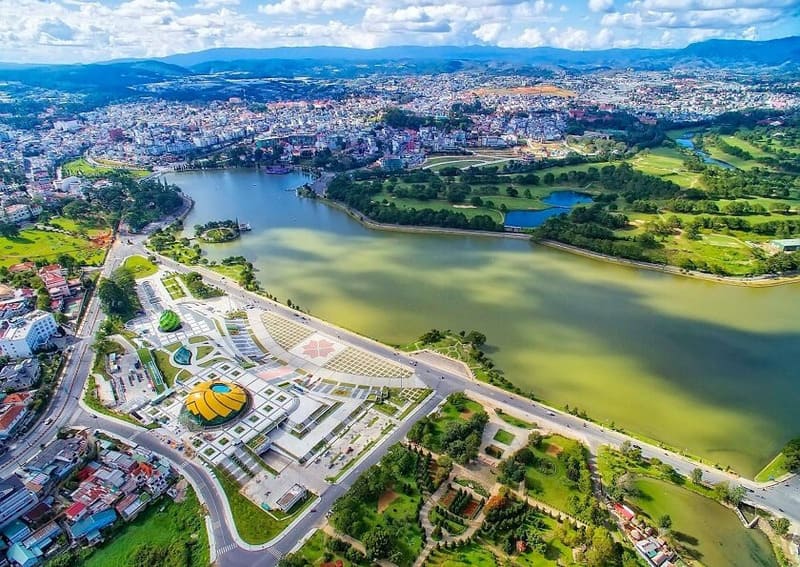
Da Lat is known for cool air and pine-covered hills (Source: Collected)
Buon Ma Thuot is the capital of Dak Lak and the coffee capital of Vietnam. If Da Lat represents the romantic side of the Central Highlands, Buon Ma Thuot represents the region’s coffee, waterfalls, ethnic culture, and basalt highland identity.
The city itself is modern and practical, but the surrounding area is rich in attractions. Coffee lovers should visit the World Coffee Museum, Trung Nguyen Coffee Village, local cafes, and coffee plantations around Dak Lak. The region’s robusta coffee is strong, bold, and closely tied to Vietnam’s global coffee reputation.
Nature highlights near Buon Ma Thuot include Dray Nur Waterfall, Dray Sap Waterfall, Gia Long Waterfall, Lak Lake, Yok Don National Park, and Don Village. Dray Nur is one of the most impressive waterfalls in the Central Highlands, with a wide curtain of water, rock pools, forest surroundings, and a cave behind the falls.
Lak Lake is another essential stop. Surrounded by hills and M’Nong villages, it is one of the most atmospheric places to experience highland lake scenery and local culture. Visitors can take boat rides, stay in local homestays, visit traditional houses, and enjoy sunset views over the water.
Buon Ma Thuot is best for coffee culture, waterfalls, ethnic village visits, nature trips, and travelers who want a deeper Central Highlands experience beyond Da Lat.
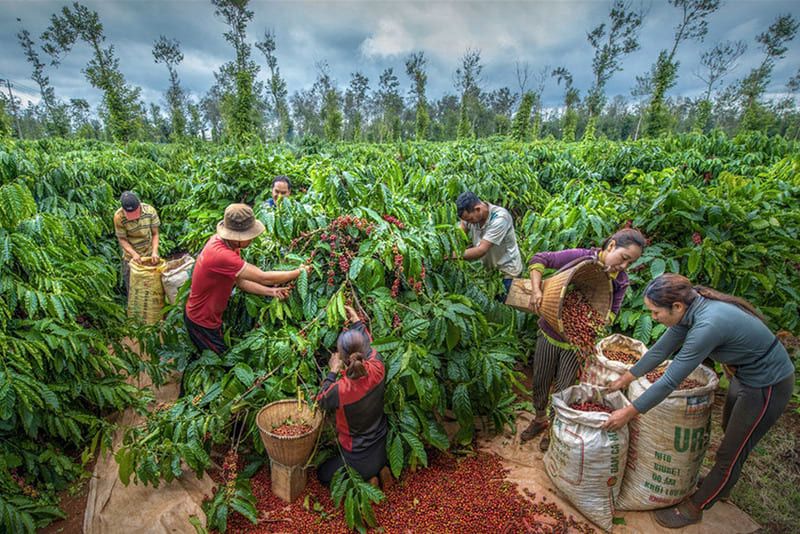
Buon Ma Thuot is Vietnam’s coffee capital (Source: Collected)
Pleiku is the main city of Gia Lai and an excellent base for exploring volcanic landscapes, lakes, coffee plantations, and Jarai and Bahnar culture. Compared with Da Lat and Buon Ma Thuot, Pleiku is quieter and less touristy, which makes it appealing for travelers looking for a more local highland atmosphere.
The most famous attraction in Pleiku is Bien Ho Lake, also called T’Nung Lake or the “Sea Lake.” Formed in an ancient volcanic crater, the lake is surrounded by pine trees and has calm blue water that changes with the light throughout the day. It is one of the most iconic landscapes in Gia Lai.
Another highlight is Chu Dang Ya Volcano, a dormant volcano surrounded by fertile fields. During the wild sunflower season, usually around late October to November, the area becomes one of the most photogenic places in the Central Highlands. It is especially popular with photographers, nature lovers, and travelers interested in volcanic landscapes.
Pleiku is also known for Minh Thanh Pagoda, tea and coffee plantations, local markets, and access to ethnic villages. Food lovers should try pho kho Gia Lai, also called dry pho, a regional noodle dish served with a separate bowl of broth.
Pleiku is best for volcanic scenery, lakes, photography, local food, coffee landscapes, and a quieter travel base.
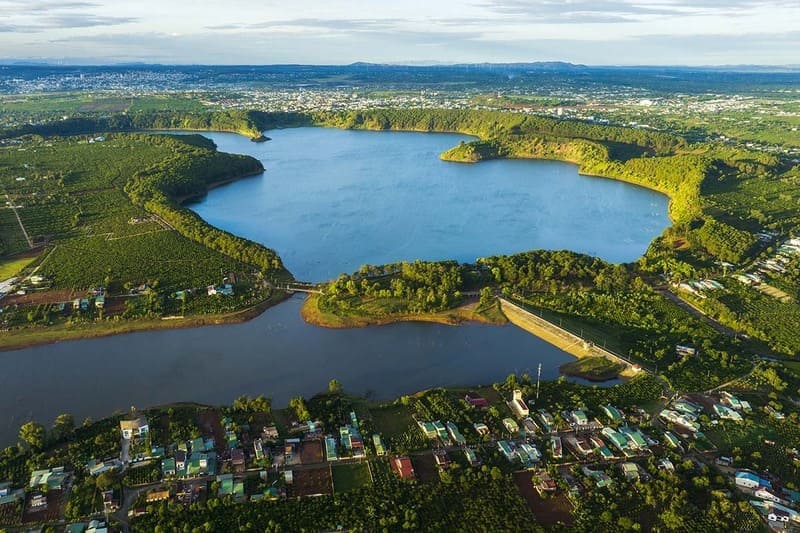
Pleiku is quiet, green, and full of highland charm (Source: Collected)
Kon Tum is one of the best places in Vietnam’s Central Highlands for travelers interested in ethnic culture, traditional architecture, churches, and trekking. The town has a calm atmosphere and serves as a gateway to Bahnar, Xo Dang, Jarai, and other highland communities.
The most famous landmark is Kon Tum Wooden Church, built with local wood and influenced by both Roman Catholic architecture and highland design. Its warm wooden interior, stained-glass details, and peaceful setting make it one of the most beautiful churches in the region.
Kon Klor Communal House is another important stop. This traditional rong house represents the communal architecture of the Bahnar people, with a steep thatched roof and elevated wooden structure. Nearby, Kon Klor Suspension Bridge crosses the Dak Bla River and offers scenic views of the surrounding countryside.
Kon Tum is also a good base for village visits, especially with a local guide who can explain customs, architecture, rituals, and daily life. The region’s rong houses, cemeteries, gong traditions, weaving, and rice wine culture give visitors a deeper understanding of the Central Highlands.
For nature and adventure, travelers can continue to Mang Den, Ngoc Linh Mountain, Chu Mom Ray National Park, or trekking routes through the former Kon Tum area. Kon Tum is best for culture, architecture, trekking, village visits, and travelers who want a less commercialized destination.
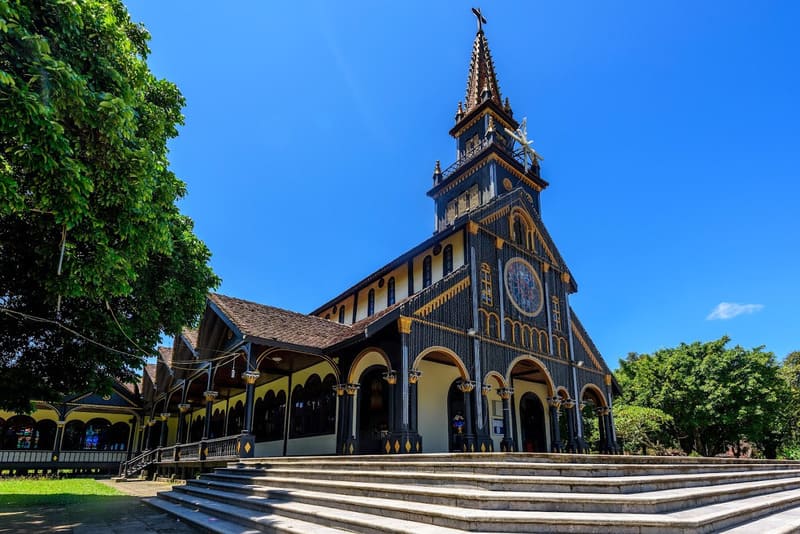
Kon Tum is rich in culture and traditional architecture (Source: Collected)
Dak Nong is one of the wildest and most underrated parts of Vietnam’s Central Highlands. It is known for volcanic landscapes, lakes, caves, ethnic culture, forests, and the Dak Nong UNESCO Global Geopark.
The biggest highlight is Ta Dung National Park, often called the “Ha Long Bay of the Central Highlands” because of its lake scenery with dozens of green islands. Ta Dung Lake is especially beautiful at sunrise and sunset, when mist and soft light create a peaceful highland atmosphere. Boat trips, nature walks, viewpoints, and homestays make it a strong choice for travelers who enjoy quiet landscapes.
Another key attraction is the volcanic cave system around Krong No, including Chu Bluk Cave. These caves were formed by ancient lava flows and are among the most important geological features in the region. The Dak Nong UNESCO Global Geopark also combines geology, biodiversity, waterfalls, local culture, and historical sites.
Dak Nong is also home to M’Nong and Ede communities, coffee farms, pepper plantations, and rural landscapes that feel less developed than Da Lat or Buon Ma Thuot. It is best for travelers who want raw nature, geology, lakes, caves, and off-the-beaten-path experiences.
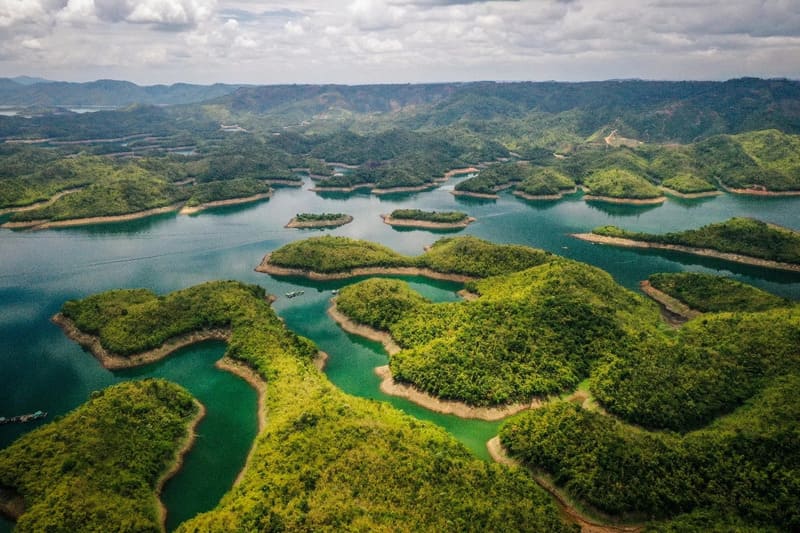
Dak Nong is wild, scenic, and still underrated (Source: Collected)
The Central Highlands are one of Vietnam’s best regions for trekking and hiking because of their national parks, forests, mountains, and less crowded trails. Good places for trekking include Bidoup Nui Ba National Park, Yok Don National Park, Chu Mom Ray National Park, Kon Ka Kinh National Park, Ta Dung National Park, and Chu Yang Sin National Park.
Bidoup Nui Ba National Park near Da Lat is excellent for pine forests, mountain trails, camping, birdlife, and biodiversity. Yok Don National Park near Buon Ma Thuot is known for dry dipterocarp forest, wildlife conservation, ethnic villages, and ethical elephant experiences. Kon Ka Kinh and Chu Mom Ray are stronger choices for serious nature lovers who want biodiversity and remote forest landscapes.
For easy hiking, Da Lat, Mang Den, Ta Dung, Langbiang, and Bien Ho Lake offer accessible trails and viewpoints. For longer treks, use a local guide, especially in national parks or remote ethnic areas.
Visiting ethnic minority villages is one of the most meaningful experiences in the Central Highlands. The region is home to communities such as the Ede, M’Nong, Jarai, Bahnar, Xo Dang, Co Ho, and Ma people. Each group has its own language, architecture, customs, clothing, rituals, and village structure.
In Dak Lak, visitors can learn about Ede longhouses and M’Nong culture around Lak Lake and Don Village. In Gia Lai and Kon Tum, Bahnar and Jarai villages are known for rong houses, communal spaces, gong traditions, and distinctive cemeteries. In Lam Dong, Co Ho and Ma communities live in areas around Da Lat, Bao Loc, and Cat Tien.
A guided visit is highly recommended. A local guide can help with translation, explain cultural etiquette, and ensure the visit is respectful. Always ask before taking photos of people, homes, ceremonies, or sacred objects.
Gong culture is one of the most important cultural symbols of Vietnam’s Central Highlands. For many ethnic communities, gongs are sacred instruments used in rituals, festivals, weddings, harvest celebrations, funerals, and community gatherings.
The sound of gongs is closely connected with spiritual beliefs. In many villages, gongs are believed to connect people with ancestors, deities, and the natural world. Performances often take place around a fire, accompanied by xoang dances, rice wine, and communal celebration.
Travelers can experience gong culture in Dak Lak, Gia Lai, Kon Tum, Lam Dong, and other highland areas. The best way is through a responsible cultural program organized with local communities, where the performance supports village income and cultural preservation.
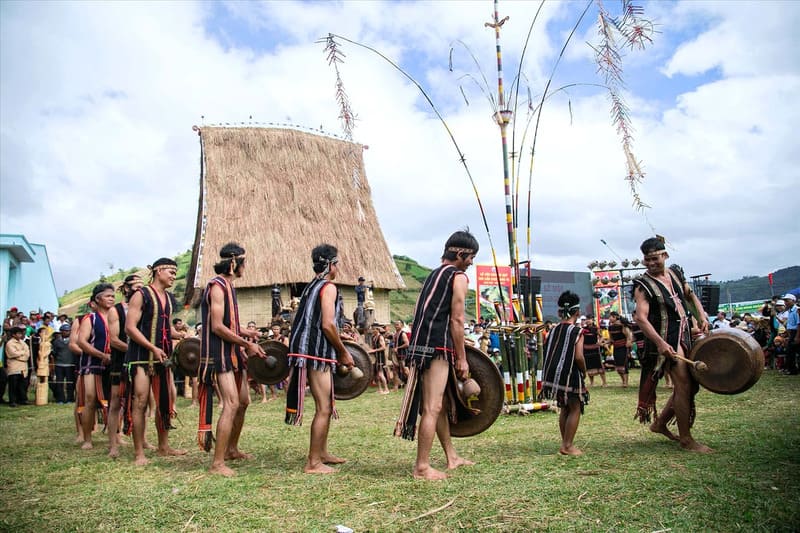
Gong culture is at the heart of Tay Nguyen heritage (Source: Collected)
Waterfalls and lakes are among the biggest reasons to visit the Central Highlands. The region’s volcanic terrain, forests, and rivers create dramatic natural scenery.
Top waterfalls include Dray Nur, Dray Sap, Gia Long, Dambri, Pongour, Elephant Waterfall, Datanla, K50, Phu Cuong, and Thuy Tien. Dray Nur and Dray Sap near Buon Ma Thuot are among the most accessible and impressive. Pongour and Dambri are excellent choices in Lam Dong, while K50 Waterfall in Gia Lai is better for adventurous travelers who enjoy trekking.
Top lakes include Xuan Huong Lake, Tuyen Lam Lake, Lak Lake, Bien Ho Lake, Ta Dung Lake, and Dankia Lake. Each lake offers a different atmosphere: Da Lat’s lakes are gentle and romantic, Lak Lake is cultural and rural, Bien Ho is volcanic and scenic, while Ta Dung is wild and island-dotted.
Coffee is central to the identity of Tay Nguyen. Dak Lak, Lam Dong, Gia Lai, and Dak Nong are all important coffee-growing areas, with Buon Ma Thuot standing out as the symbolic coffee capital.
A coffee farm visit lets travelers see how coffee is grown, harvested, dried, roasted, and brewed. Depending on the season, you may see coffee flowers, green cherries, ripe red cherries, drying yards, roasting workshops, or traditional phin brewing. Many farms also grow pepper, cacao, avocado, macadamia, or fruit trees.
In addition to coffee, the Central Highlands are known for tea, especially in Lam Dong and Bao Loc. Tea hills around Bao Loc, Cau Dat, and Da Lat are excellent for photography and countryside tours.
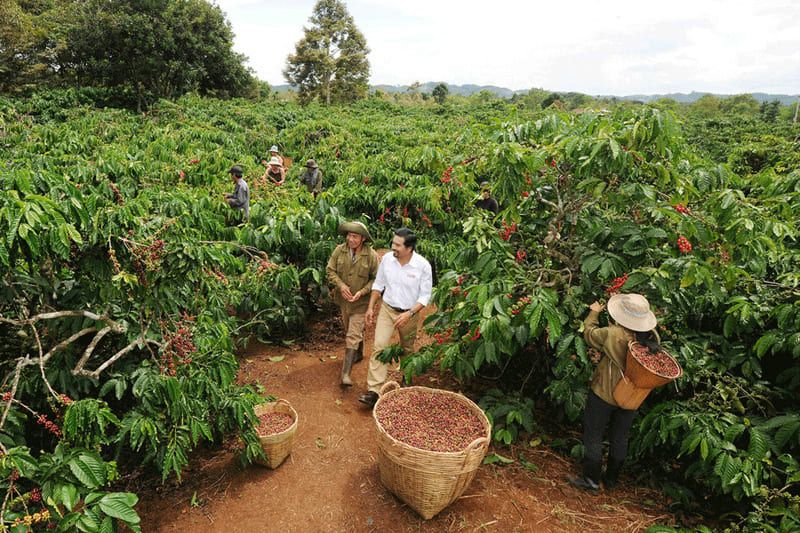
Coffee farms are part of everyday life in Tay Nguyen (Source: Collected)
The Central Highlands are ideal for soft adventure and outdoor travel. Da Lat is the best-known adventure hub, offering canyoning, waterfall rappelling, mountain biking, camping, kayaking, hiking, and zip-lining. Datanla Waterfall is one of the most popular places for canyoning.
Beyond Da Lat, adventurous travelers can trek to K50 Waterfall, explore national parks, ride motorbikes through mountain passes, kayak in lakes, camp near Ta Dung, hike around Mang Den, or join forest-based eco-tours.
Adventure activities should be booked through licensed operators with proper safety equipment, especially canyoning, rafting, cave exploration, and remote trekking.
The Central Highlands are highly photogenic, especially during seasonal changes. Wild sunflowers bloom across Gia Lai and other highland roads around late October and November. Coffee flowers usually appear around February to March, covering plantations with white blossoms. Rubber forests shed leaves in the dry season, creating striking golden and bare-tree landscapes.
Volcanic scenery also makes the region special. Chu Dang Ya Volcano, Bien Ho Lake, Ta Dung Lake, Dak Nong Geopark, and basalt rock formations give photographers strong landscape subjects. Misty mornings in Da Lat, Mang Den, Bao Loc, and Kon Tum add another layer of atmosphere.
For the best photos, start early. Sunrise brings soft light, mist, fewer people, and cooler temperatures.
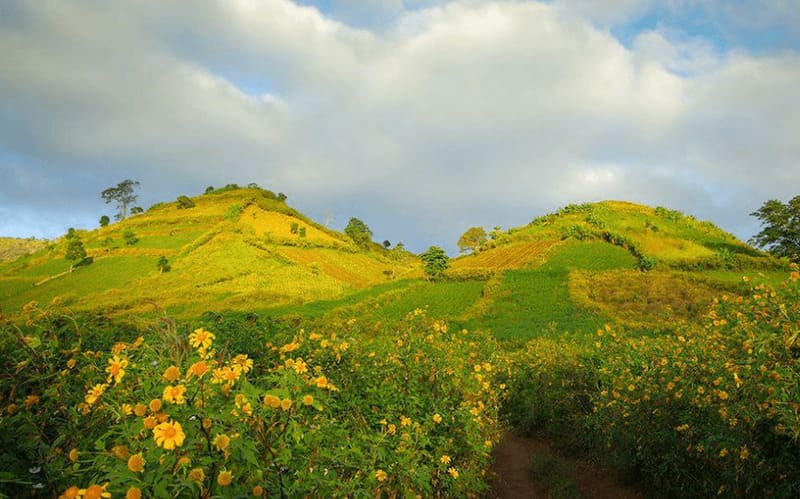
Seasonal flowers make the highlands especially photogenic (Source: Collected)
A road journey is one of the best ways to experience Vietnam’s Central Highlands. The region’s beauty often lies between destinations: coffee farms, red dirt roads, pine forests, mountain passes, ethnic villages, tea hills, lakes, waterfalls, and small roadside cafes.
Popular routes include:
Motorbike travel is rewarding but requires experience because distances can be long, roads may be winding, and weather can change quickly. Private car travel is more comfortable for families, couples, senior travelers, and anyone with limited time.
Ethnic culture is one of the highlights of Vietnam’s Central Highlands. The region is home to more than 40 ethnic groups whose traditions remain closely connected to forests, agriculture, ancestral beliefs, and village life.
Traditional architecture is an important part of Central Highlands heritage. Longhouses are commonly associated with Ede and some M’Nong communities, while rong houses are iconic symbols of Bahnar, Jarai, and Xo Dang villages. These structures reflect local identity, social organization, and cultural continuity.
When visiting ethnic villages, respect local customs by asking permission before taking photographs, dressing appropriately, supporting community-based tourism, and purchasing handicrafts directly from local artisans whenever possible.
The Space of Gong Culture in the Central Highlands is one of Vietnam’s most important intangible cultural heritages. It is associated with several ethnic communities across the region, including groups from Austroasiatic and Austronesian language families.
Gongs are more than musical instruments in the Central Highlands. They are sacred objects linked to ceremonies, seasonal cycles, ancestors, spirits, and community identity. In many villages, gongs are played during harvest rituals, weddings, funerals, buffalo sacrifice ceremonies, housewarming events, and festivals that mark important moments in village life.
A gong performance usually includes rhythmic gong sounds, communal dancing, firelight, traditional clothing, and ruou can, a fermented rice wine drunk through long bamboo straws from a shared jar. The atmosphere is communal and spiritual rather than purely performative.
For travelers, the best way to experience gong culture is through locally organized programs in Dak Lak, Gia Lai, Kon Tum, or Lam Dong. Responsible tourism matters because staged performances can lose meaning if they are separated from local context. Choose experiences that explain the cultural background, involve local artists, and contribute to cultural preservation.
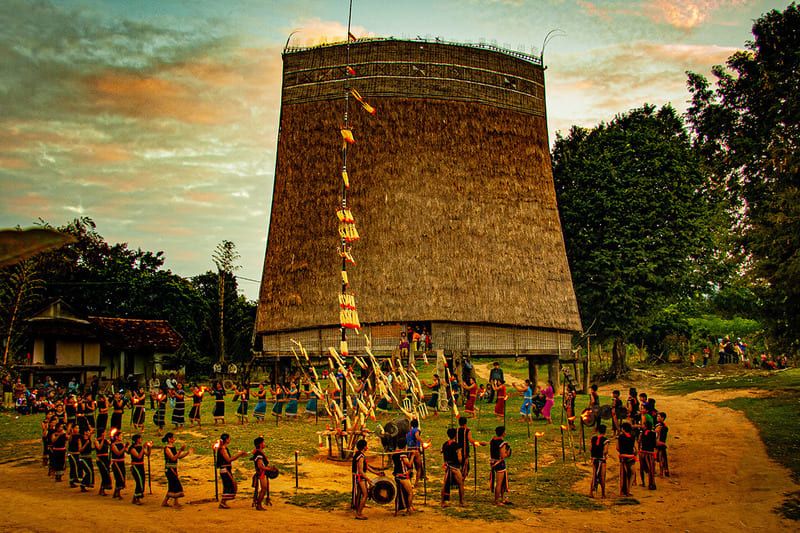
Gong performances reflect the spirit of the highlands (Source: Collected)
Food in the Central Highlands reflects the region’s ethnic heritage, agricultural traditions, and mountain environment. Local cuisine is known for its smoky flavors, fresh herbs, grilled dishes, and ingredients sourced from forests, lakes, and fertile highland farms.
The most convenient way to reach Vietnam’s Central Highlands is by air. The region is served by several airports, allowing easy access from major cities across Vietnam.
A little preparation can make your Central Highlands trip more comfortable and rewarding, especially when exploring remote areas and ethnic communities.
For more practical advice on transportation, money, etiquette, weather, and planning your trip smoothly, check out our Vietnam travel tips guide before exploring the Central Highlands.
Traditionally, Vietnam’s Central Highlands included five provinces: Kon Tum, Gia Lai, Dak Lak, Dak Nong, and Lam Dong. After the 2025 administrative changes, some former provinces were merged into larger units, but for tourism, Tay Nguyen is still commonly understood through its traditional highland destinations such as Da Lat, Buon Ma Thuot, Pleiku, Kon Tum, Dak Nong, Mang Den, Lak Lake, and Ta Dung.
Yes, the Central Highlands are generally safe for foreign travelers. Main destinations such as Da Lat, Buon Ma Thuot, Pleiku, Kon Tum, Mang Den, Lak Lake, and Ta Dung are suitable for tourists. However, road conditions, mountain weather, remote areas, and language barriers can create challenges. Use local guides for remote villages, national parks, and trekking routes.
For a first trip, spend at least 4 to 6 days in the Central Highlands. This gives enough time to explore one or two main areas, such as Da Lat and Dak Nong, or Buon Ma Thuot and Lak Lake, or Pleiku and Kon Tum. For a deeper journey across Da Lat, Dak Nong, Buon Ma Thuot, Pleiku, Kon Tum, and Mang Den, plan 7 to 10 days.
November to March is the best period for most travelers. The weather is drier, cooler, and more comfortable for outdoor activities. November is good for wild sunflowers and lush scenery after the rainy season. February to March is ideal for coffee flowers in many plantation areas. Waterfalls are strongest during the rainy season from May to October, but travel can be less convenient.
Yes, tourists can visit many ethnic minority villages in the Central Highlands, especially around Buon Ma Thuot, Lak Lake, Pleiku, Kon Tum, Mang Den, and parts of Lam Dong. A local guide is recommended because they can explain customs, help with translation, and ensure respectful interaction. Always ask before taking photos and avoid entering homes or sacred spaces without permission.
Yes, the Central Highlands are excellent for trekking and adventure travel. Good places include Bidoup Nui Ba National Park, Yok Don National Park, Chu Mom Ray National Park, Kon Ka Kinh National Park, Ta Dung National Park, Langbiang Mountain, K50 Waterfall, and the countryside around Da Lat and Mang Den. Da Lat is also popular for canyoning, mountain biking, kayaking, and camping.
The most convenient ways to travel between Central Highlands destinations are private car, local bus, sleeper bus, or motorbike. Private car is best for comfort and flexible stops. Buses are more budget-friendly. Motorbikes are ideal for experienced riders who want scenic routes. Flights are useful for reaching entry points such as Da Lat, Buon Ma Thuot, and Pleiku, but overland travel is usually needed between destinations.
Yes, Da Lat is part of the Central Highlands. It is located in Lam Dong, on the Langbiang Plateau, at about 1,500 meters above sea level. Da Lat is the most famous tourism hub in the region, known for cool weather, pine forests, lakes, flower gardens, waterfalls, cafes, and French colonial heritage.
Pack light layers, a jacket, comfortable walking shoes, rain protection, sunscreen, insect repellent, a reusable water bottle, basic medicine, cash, and a daypack. If you plan to trek, bring proper hiking shoes, quick-dry clothing, and a waterproof bag. For motorbike trips, bring warm clothing because mornings and evenings can be cold at higher elevations.
Vietnam’s Central Highlands offer a rewarding journey through coffee plantations, waterfalls, volcanic landscapes, ethnic villages, gong culture, national parks, and cool mountain towns. Da Lat, Buon Ma Thuot, Pleiku, Kon Tum, Dak Nong, Mang Den, Lak Lake, and Ta Dung each reveal a different side of Tay Nguyen. For travelers who want to go beyond Vietnam’s classic coastal route, the Central Highlands are one of the best regions to explore slowly and meaningfully.



 Vietnam Tours
 Cambodia Tours
 Laos Tours
 Thailand Tours
 Multi-Country Tours