The Presidential Palace Hanoi is one of the most important historical landmarks in Ba Dinh District. Built during the French colonial period, this yellow Beaux-Arts building is now used for official state functions and forms part of the Ho Chi Minh Complex. Although visitors cannot enter the main palace, the surrounding Presidential Palace Historical Site is open to explore, including Ho Chi Minh’s Stilt House, House No. 54, House No. 67, the fish pond, Mango Alley, and peaceful gardens.
The Presidential Palace Hanoi is a grand French colonial building situated at No. 2 Hung Vuong Street, Ba Dinh District, Hanoi. It stands within the Presidential Palace Historical Site, which forms part of the larger Ho Chi Minh Complex.
The palace was originally built as the residence of the Governor-General of French Indochina during French colonial rule. Today, it serves as an official venue for important state receptions and diplomatic events.
The palace is surrounded by peaceful gardens, fish ponds, ancient trees, and several buildings associated with President Ho Chi Minh's daily life and work. Together, these elements make the site one of Hanoi's most important historical and cultural attractions.
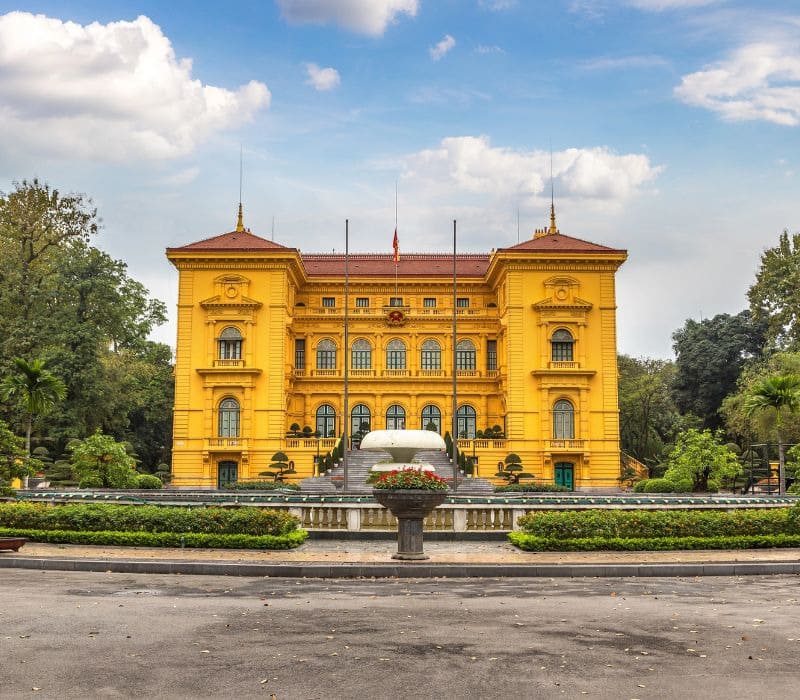
The yellow French colonial palace in Hanoi (Source: Collected)
Quick facts about Presidential Palace Hanoi:
Opening hours:
Entrance fee:
Visitor information:
Construction of the Presidential Palace began in 1900 and was completed in 1906 under the administration of French Indochina. Designed by French architect Auguste Henri Vildieu, the palace served as the official residence and workplace of the Governor-General of French Indochina.
At the time, it was one of the largest and most luxurious buildings in Hanoi. The palace symbolized French political authority in Indochina and represented European architectural ideals introduced during the colonial period.
Following the August Revolution in 1945 and the end of French colonial administration in northern Vietnam, the building became known as the Presidential Palace.
After Hanoi was liberated on October 10, 1954, the palace was intended to become the official residence of President Ho Chi Minh. However, he refused to live in the grand residence. Believing that it would be inappropriate to live in such luxury while the country was facing immense challenges, he chose to stay in a modest house nearby.
Instead of serving as his home, the palace became a venue for state receptions, diplomatic meetings, and important governmental activities.
After President Ho Chi Minh passed away on September 2, 1969, the surrounding area where he had lived and worked was preserved as the Presidential Palace Historical Site. Today, the site is recognized as a Special National Relic of Vietnam and remains an important destination for learning about the country's modern history and the life of its beloved leader.
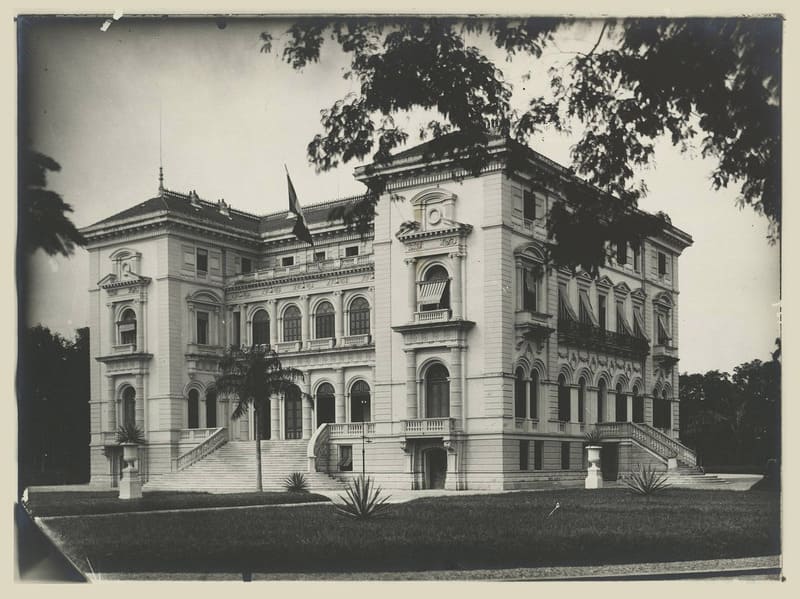
Historic view of the Presidential Palace in Hanoi (Source: Collected)
The Presidential Palace is considered one of the finest examples of French colonial architecture in Hanoi. In 2017, it was listed among the world's most beautiful presidential palaces by Architectural Digest.
The building occupies nearly 1,300 square meters and rises three storeys above a spacious courtyard. Its exterior is instantly recognizable thanks to its vibrant yellow façade, white decorative details, and elegant symmetry.
The design combines several European architectural influences:
The palace contains around 30 rooms, each decorated differently. Although the interiors are not open to visitors, the building's exterior and surrounding landscape remain among Hanoi's most photographed historical sites.
Adding to its charm are beautifully landscaped grounds that include gardens, a fish pond, an orchard, and Mango Alley leading to Ho Chi Minh's Stilt House.
The Presidential Palace Historical Site covers more than 10 hectares and preserves numerous original buildings and artifacts associated with President Ho Chi Minh's life between 1954 and 1969.
Ho Chi Minh's Stilt House is one of the most visited attractions within the complex.
The house was built in 1958 after President Ho drew inspiration from traditional stilt houses used by ethnic communities in northern Vietnam. He lived and worked here during the final eleven years of his life.
The simple wooden house stands beside a pond and consists of two floors.
The ground floor served as a reception area where President Ho met guests and officials.
The upper floor contains only two small rooms:
Nearly all original furnishings remain preserved, including his writing desk, bookshelves, bed, fan, and personal belongings. The modest living space reflects his simple lifestyle and dedication to the country.
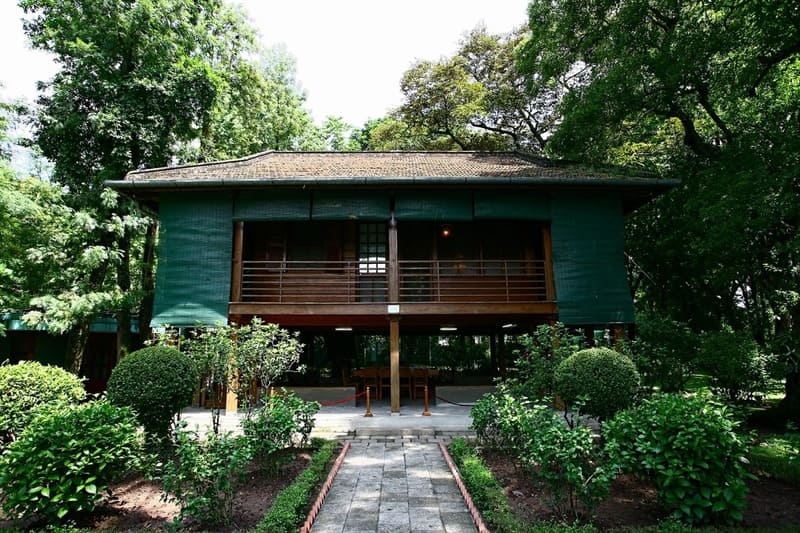
Ho Chi Minh’s simple stilt house beside the pond (Source: Collected)
House No. 54 was President Ho Chi Minh's residence from December 1954 until May 1958, before the construction of the stilt house.
Originally, this building belonged to the service staff of the former Governor-General's Palace.
The house contains three rooms:
Visitors can still see the original furniture, books, documents, and gifts received from international friends. Nearly 400 preserved artifacts provide valuable insights into the President's daily life and revolutionary activities.
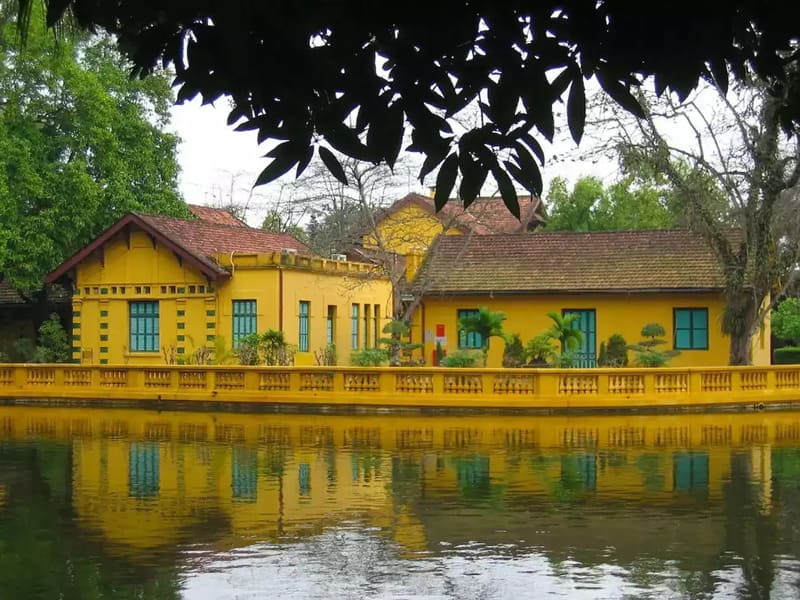
House No. 54 shows Ho Chi Minh’s daily life (Source: Collected)
House No. 67 stands behind the stilt house and is painted in a light green color.
The building was constructed in May 1967 during the Vietnam War to provide a safer workplace for President Ho amid increasing air raids.
The reinforced concrete walls measure more than 60 centimeters thick.
The house served several purposes:
House No. 67 witnessed the final days of President Ho Chi Minh's life. Inside, visitors can still see military maps, a ZENITH radio, a small clock, and a wall calendar marking the date of his passing on September 2, 1969.
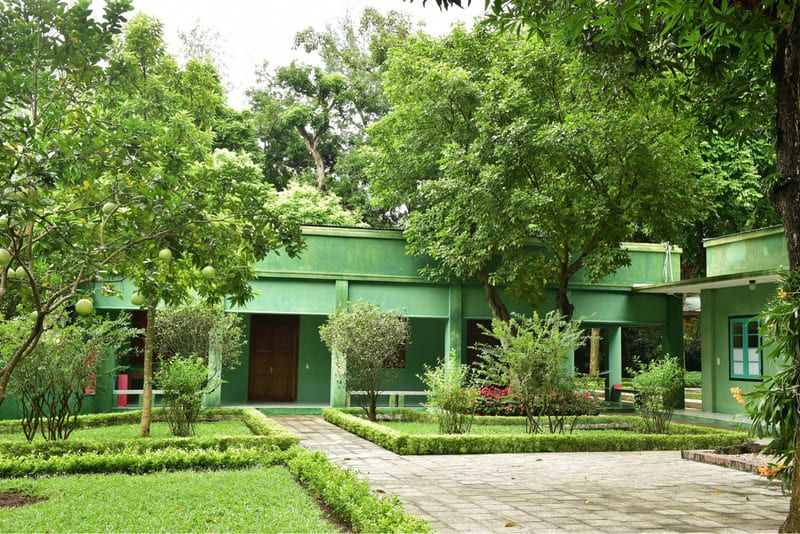
House No. 67 preserves wartime memories (Source: Collected)
Located in front of the stilt house, the fish pond covers more than 3,000 square meters. Originally a natural muddy pond, it was transformed into a fish pond after the construction of the stilt house in 1958.
The pond became one of President Ho's favorite places to relax. He raised various species of fish, including carp and black carp, and often fed them personally every afternoon after work.
Today, the pond remains a peaceful and scenic feature of the complex, surrounded by lush greenery and shaded pathways.
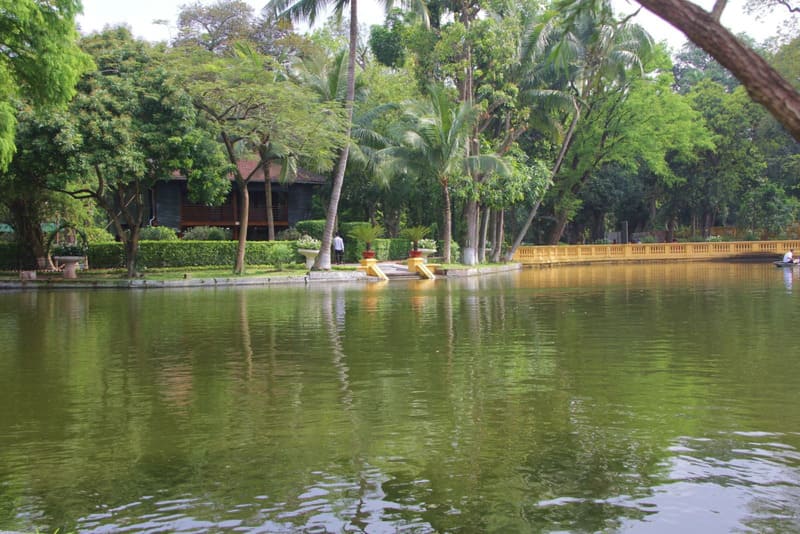
The peaceful fish pond near the stilt house (Source: Collected)
Mango Alley is a peaceful walking path approximately 200 meters long and lined with ancient mango trees. President Ho often exercised and walked along this road in the early mornings and evenings.
The alley also witnessed many meetings between President Ho and representatives from southern Vietnam during the years of national reunification efforts.
Today, it remains one of the most serene and picturesque areas within the historical site.
The green garden covers approximately 65,000 square meters and forms an important part of the Presidential Palace Historical Site.
The landscape features:
Many trees were planted by international delegations and carry symbolic meanings representing friendship between Vietnam and other countries.
Together with the fish pond and historical buildings, the gardens create a calm atmosphere that contrasts sharply with the busy streets outside.
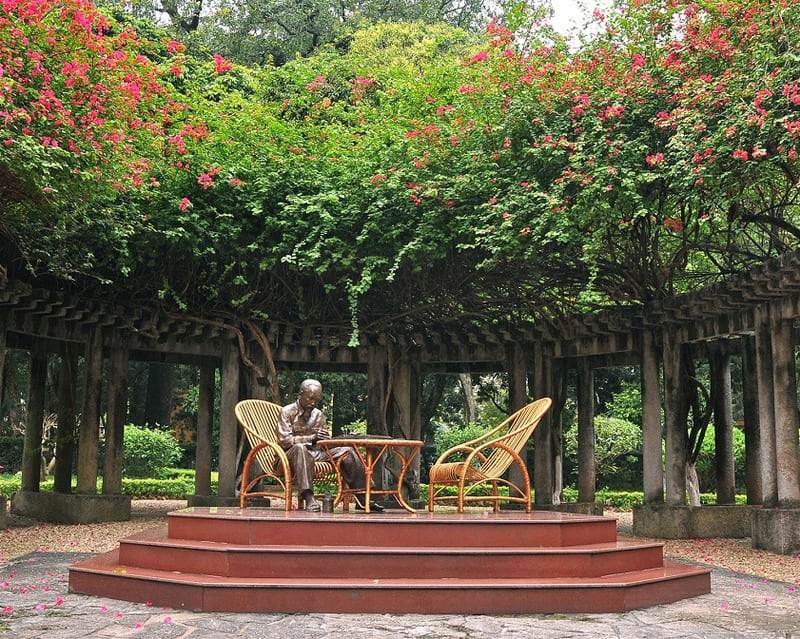
A peaceful corner of the Presidential Palace gardens (Source: Collected)
The Presidential Palace is located in the heart of Ba Dinh District, one of Hanoi's main historical and political centers.
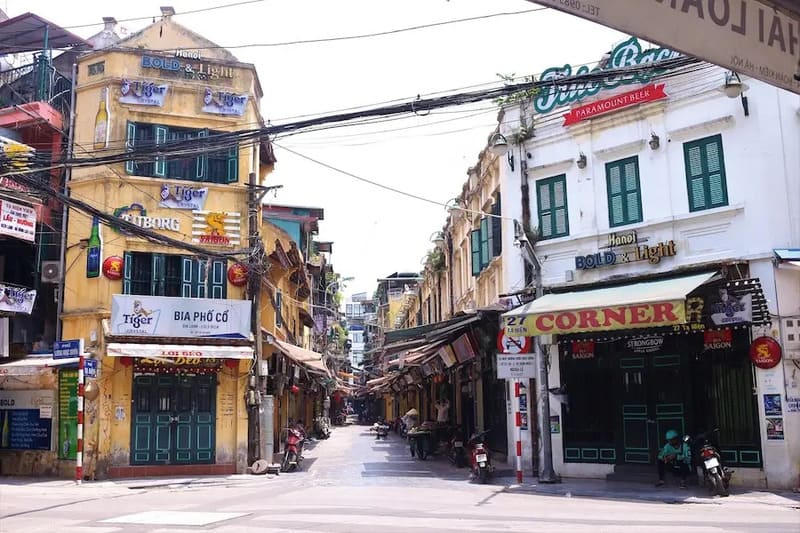
From Hanoi Old Quarter, the distance is approximately 2 kilometers and takes around 10 to 15 minutes by car.
Visitors can reach the site by several means of transportation:
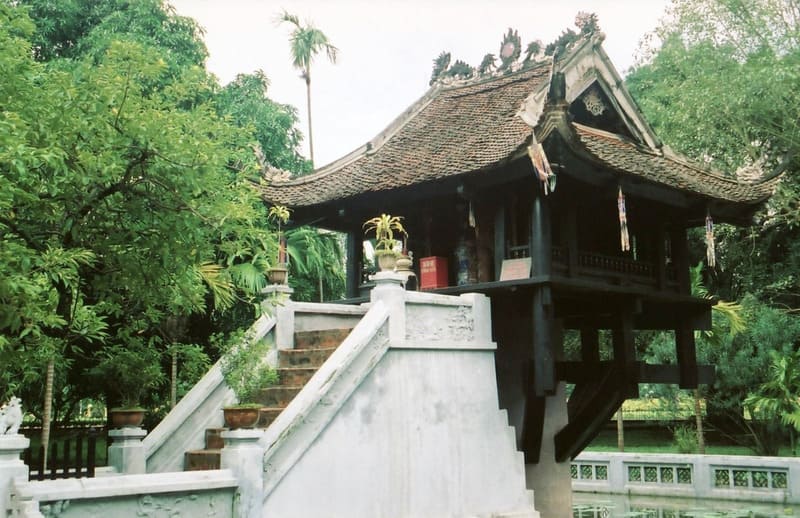
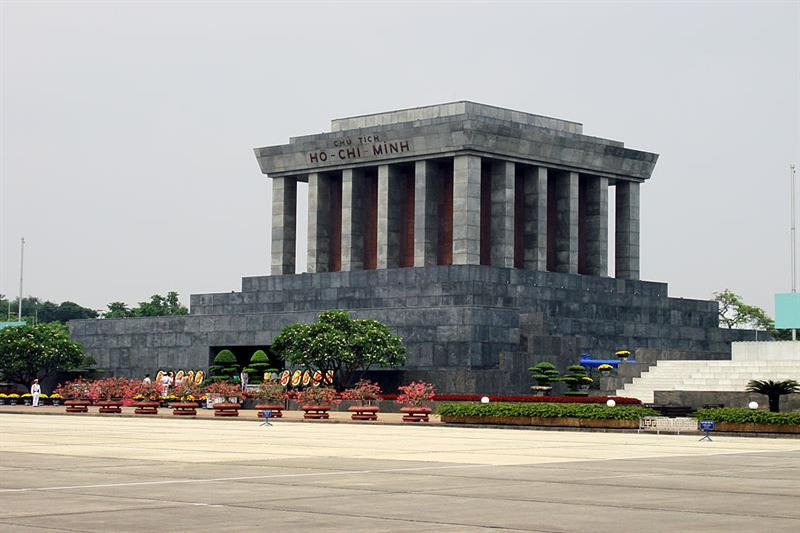
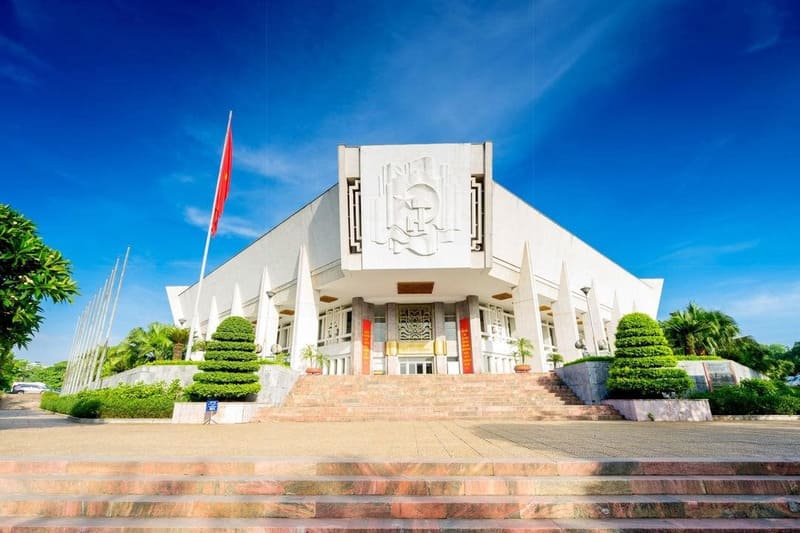
The Presidential Palace is also conveniently located near several major attractions, including:
No. Tourists are generally not permitted to enter the main Presidential Palace building because it continues to serve official state functions. Visitors can explore the surrounding historical site and related attractions.
Most visitors spend between one and two hours exploring the Presidential Palace Historical Site, including Ho Chi Minh's Stilt House, House No. 54, House No. 67, the fish pond, and the gardens.
Yes. Foreign visitors usually pay an entrance fee of around VND 40,000 per person, while admission is free for Vietnamese citizens. Ticket policies may change during special events or according to management regulations, so checking the latest information before your visit is recommended.
The best time to visit is from October to April when Hanoi experiences cooler and drier weather. Early mornings are particularly pleasant for exploring the gardens and historical buildings.
The Presidential Palace is approximately 2 kilometers from Hanoi Old Quarter. Depending on traffic, the journey typically takes around 10 to 15 minutes by car or about 25 to 30 minutes on foot.
Whether you are interested in history, architecture, or Vietnamese culture, Presidential Palace Hanoi deserves a place on your Hanoi itinerary. Combine it with nearby attractions in the Ho Chi Minh Complex for a meaningful half-day exploration of the capital's historical heart.

 Vietnam Tours
 Cambodia Tours
 Laos Tours
 Thailand Tours
 Multi-Country Tours