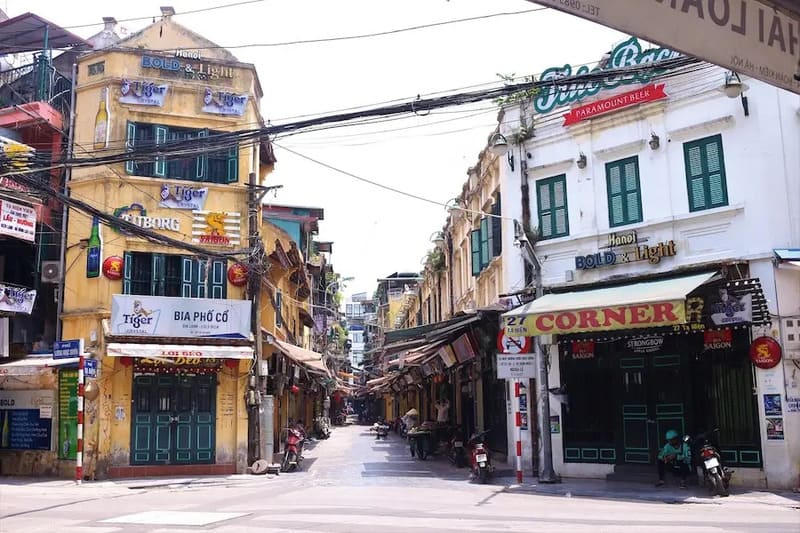
The 36 Streets of Hanoi refer to the city’s historic Old Quarter, an area once shaped by craft guilds that settled along individual streets. Many of these streets were named after the goods traditionally produced or sold there, such as silver on Hang Bac, silk on Hang Gai, votive paper on Hang Ma, and sugar on Hang Duong. Today, although many trades have evolved, the street names still reflect the area’s commercial heritage and cultural identity.
In this guide, Your Vietnam Travel introduces the 36 Streets in a clear and practical way, covering their history, some of the most well-known streets, local experiences, and useful travel tips to help you plan your Hanoi city tour.
Hanoi’s Old Quarter developed from a network of craft and trading communities located just north of Hoan Kiem Lake, close to the ancient Imperial Citadel of Thang Long, one of the most important historical landmarks in Hanoi.
After the imperial court moved to Thang Long in the 11th century, artisans and merchants from surrounding villages gradually settled in the capital. Craftspeople working in the same trade often gathered on the same street, which led to the naming pattern “Hang + product.” This is why many streets still carry names such as Hang Bac (silver), Hang Ma (votive paper), and Hang Gai (silk). These guild streets supplied goods to the royal court and played an important role in shaping the identity of the Old Quarter.
The famous number “36” does not mean the area historically had only 36 streets. In earlier records, it more likely referred to around 36 guild wards or trade communities rather than a fixed number of roads. As the district expanded over time, the number of streets grew well beyond 36, which is why modern lists of Hanoi’s 36 Streets are not always the same.
During the Ly and Tran dynasties, the area east of the citadel gradually became one of the city’s busiest commercial quarters. Its narrow lanes were lined with workshops, shops, and communal temples established by merchant communities. Even today, Hanoi’s Old Quarter is recognized as a historic trading area where several streets still preserve traces of their traditional crafts and long-standing commercial character.
 |
|
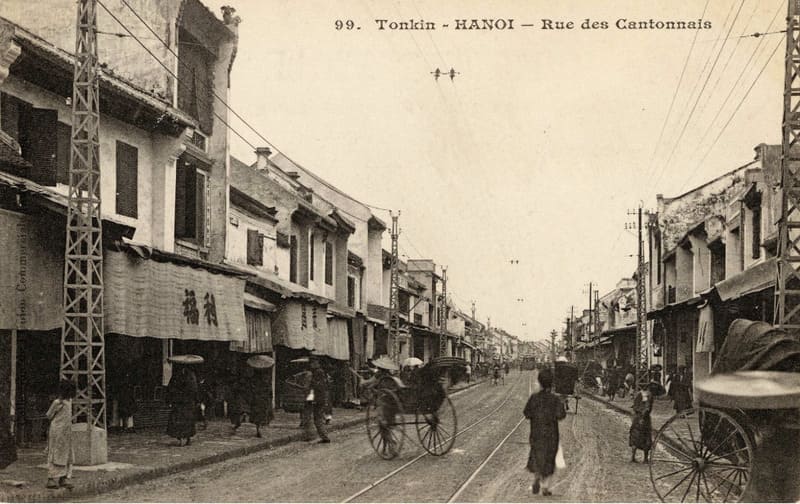
Hang Ngang, one of Hanoi’s 36 streets in the past (Source: National Archives Centre N1) |
There isn’t a single fixed list of the “36 Streets of Hanoi,” as the name originally referred to craft guild wards rather than an exact number of streets. As a result, modern interpretations can vary.
What remains clearly defined today is the boundary of Hanoi’s Old Quarter, officially established in 1995:
Within this area, you will find many of the traditional “Hàng” streets, where names reflect the goods once produced or traded there (“hàng” means merchandise). These historic streets form the cultural and commercial core of the Old Quarter.
Although the area now includes far more than 36 streets, several well-known examples still stand out, such as Hang Bac (silver), Hang Ma (votive paper and festival decorations), and Hang Gai (silk). Together, they create a compact and walkable neighborhood stretching between Hoan Kiem Lake and Long Bien Bridge.
Even as the original trades have gradually shifted toward cafés, boutiques, and tourism services, the Old Quarter still retains the atmosphere of its former guild-based structure, offering a unique blend of history and modern city life.
Hanoi’s Old Quarter is best explored through its most well-known streets, many of which still carry the “Hàng” prefix, meaning goods or merchandise. These names reflect the traditional crafts and trades that once defined each street.
While many original workshops have gradually been replaced by cafés, boutiques, and travel services, traces of the old guild system can still be seen in shopfronts, signage, and specialty stores. Walking through these streets offers a glimpse into both Hanoi’s past and its evolving urban life.
Below are some of the most notable streets in Hanoi’s Old Quarter and what you can expect when visiting them.
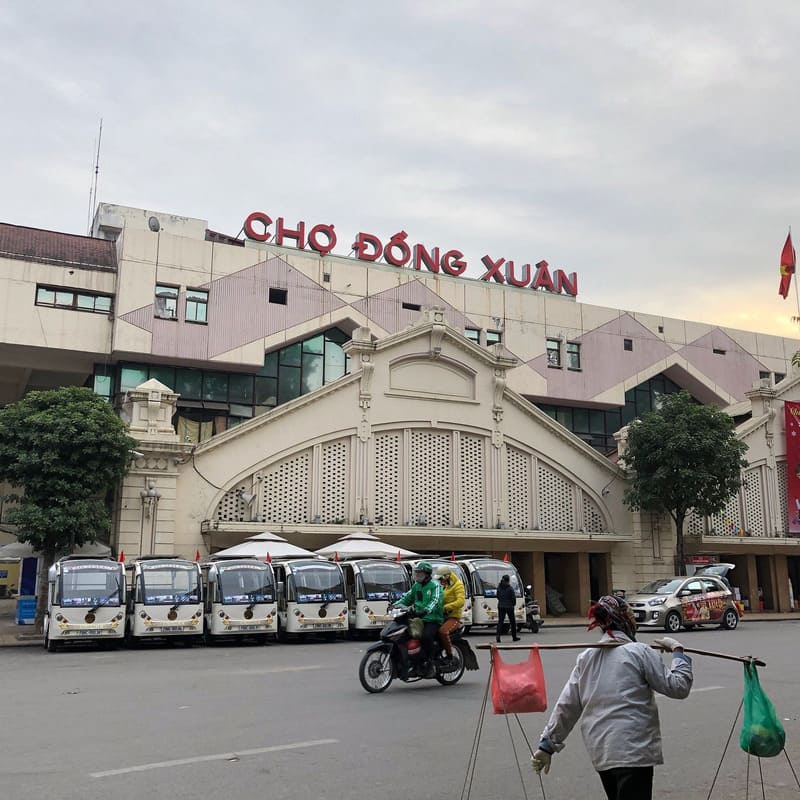
Dong Xuan Street has long been considered the commercial backbone of Hanoi’s Old Quarter. Its identity was shaped in the late 19th century with the construction of Dong Xuan Market, a French-era covered bazaar opened in 1889 and later rebuilt after a major fire in 1994.
Located near the former river wharves and close to Long Bien Bridge, the street developed into a key wholesale hub. Today, it still retains that energetic trading atmosphere, with porters moving goods, crowded aisles, and food stalls gathering near the market entrances.
For a more authentic experience, explore the surrounding alleys and loading areas rather than just the main hall. While prices are generally geared toward wholesale buyers, visitors can still find affordable items such as kitchenware, textiles, and travel goods.
 |
|
A daily moment on Dong Xuan Street, in front of the market (Source: ICVNS2025) |
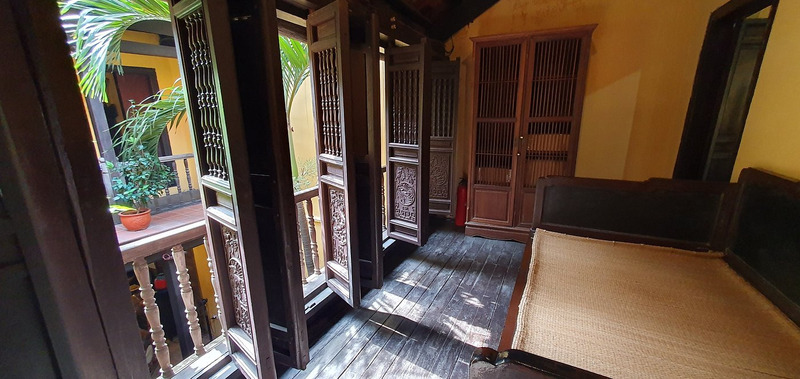
Ma May Street is one of the best places to understand the traditional structure of Hanoi’s Old Quarter. At number 87, you’ll find a restored 19th-century tube house, featuring a narrow facade, deep layout, inner courtyards, and spaces designed for both business and family life.
This type of architecture reflects how merchants once combined street-front trading with storage and living areas, adapting to limited space and historical tax rules.
Although the original crafts have faded, Ma May still functions as a lively corridor for travelers. Small hotels, cafés, and tour offices now occupy these historic buildings, often preserving original wooden details and tiled interiors.
Start your visit at the heritage house, then walk along the street to observe how similar architectural patterns continue across neighboring properties.
 |
|
Ma May Ancient House, one of Hanoi’s 36 street hidden gem (Source: Tripadvisor) |
Hang Bac, known as Silver Street, developed from a community of skilled silversmiths who migrated from craft villages around Hanoi. For centuries, the street was associated with jewelry-making, currency exchange, and fine metalwork serving traders along the Red River.
Today, Hang Bac remains one of the few streets where traditional craftsmanship is still visible. Between modern jewelry shops, you can spot small workshops where artisans continue to size, solder, and polish silver pieces by hand.
The street offers a wide range of products, from simple accessories to more intricate, high-quality items. Many shops also provide quick repairs while you wait.
Take a moment to look up at the old shopfronts and architectural details, which reflect a continuity between the past and present. Despite modernization, Hang Bac still preserves its identity as a traditional craft street.
 |
|
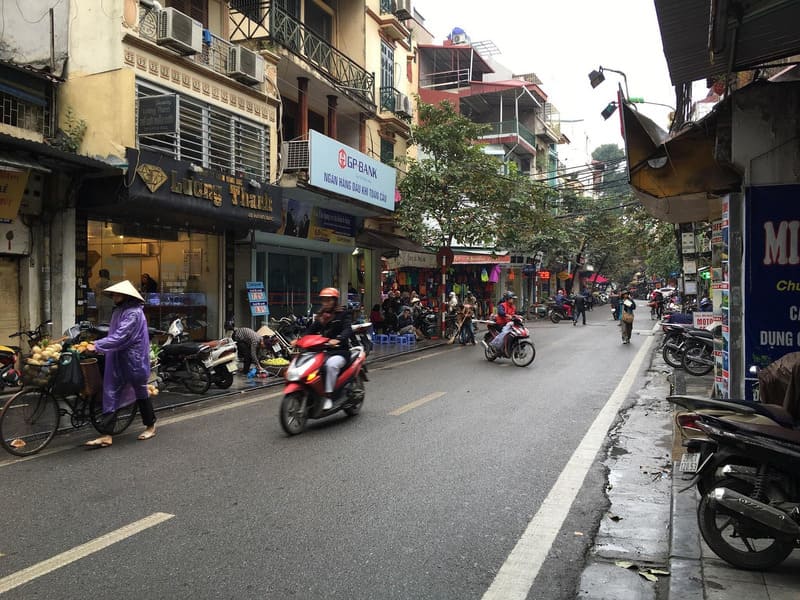
Silver shops at Hang Bac Street (Source: Tripadvisor) |
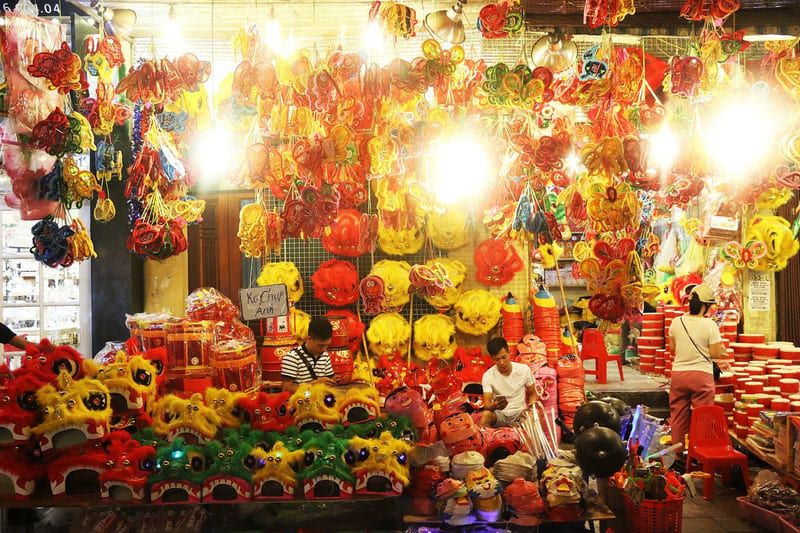
Hang Ma has been known for votive paper, joss money, and festival decorations since the guild era. It continues to serve households, temples, and ceremonial needs across Hanoi.
The street becomes especially lively during Mid-Autumn Festival and Tết (Vietnamese New Year), when lanterns, masks, and red envelopes fill shopfronts. Outside these peak seasons, you can still find paper offerings, seasonal décor, and small stalls where items are cut and assembled on site.
For a more relaxed experience and better photo opportunities, visit in the morning and explore the smaller side alleys. Prices depend on size and detail, and light bargaining is common, especially for bulk purchases.
 |
|
A decoration shop on Hang Ma Street at Full Moon Festival (Source: Tripadvisor) |
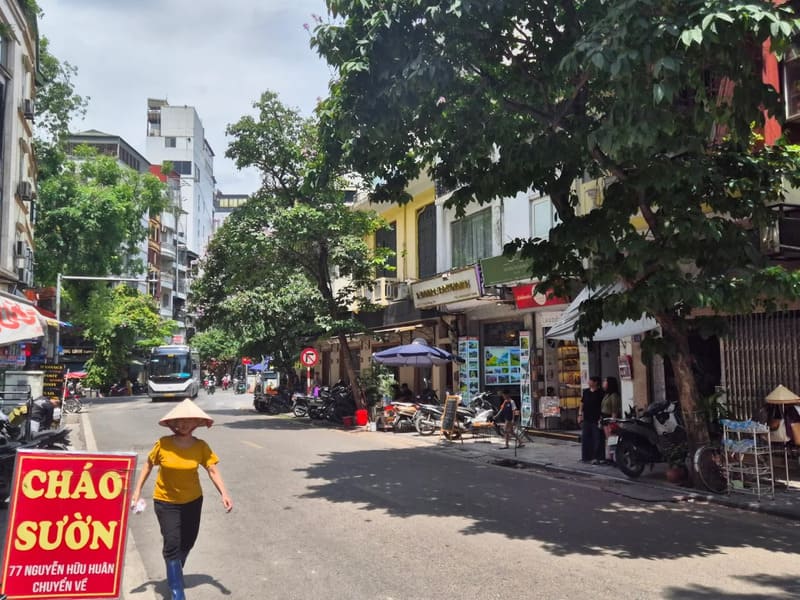
Hang Thung was historically associated with coopers who made wooden barrels and tubs for trade. Today, it offers a quieter contrast to the busier streets of the Old Quarter.
Located along the southern edge of the area, it connects Hoan Kiem Lake with riverside streets such as Tran Quang Khai. Instead of wholesale activity, you’ll find cafés, small boutiques, and a few craft-oriented shops, making it a pleasant route to walk through.
It’s a good place to pause for coffee before continuing toward Cau Go or the riverside. Even in the evening, foot traffic remains manageable compared to nearby streets like Hang Dao or Ma May.
 |
|
Hang Thung, one of Hanoi’s 36 ancient streets (Source: Death Wabbit) |
Hang Tre takes its name from the bamboo trade (“tre”) that once supported raft-making and construction along Hanoi’s waterways. While the original craft is no longer prominent, the name still reflects its historical role.
The street is relatively short, linking Hang Mam with Lo Su, and has a slower, more local feel. You’ll find small cafés, everyday shops, and occasional souvenir stalls rather than major commercial activity.
Its slightly wider sidewalks make it easier to walk and pause, especially when moving between the lake area and the riverfront. It works well as a quieter transition between busier parts of the Old Quarter.
Hang Dao was once the center of silk dyeing in the Old Quarter, known for its distinctive pink and apricot-colored fabrics. Today, while the dyeing trade has disappeared, the street remains a lively retail hub.
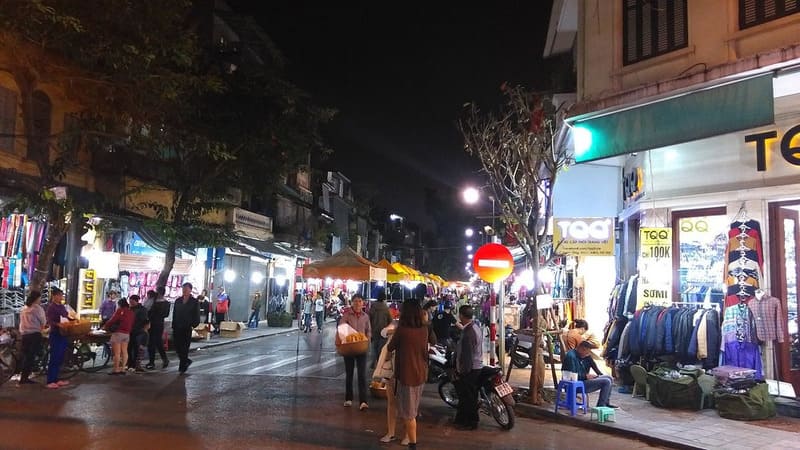
It is lined with fashion stores, accessories, and cosmetics shops, forming a direct route between Hoan Kiem Lake and Dong Xuan Market. On weekends, Hang Dao becomes part of the Hanoi night market, filled with street vendors, lights, and a vibrant atmosphere.
For a more comfortable shopping experience, visit in the early morning before 10:00 a.m. or later in the evening after the market winds down. Prices and product quality can vary, so it’s worth comparing a few shops before making a purchase.
 |
|
Clothes market on Hang Dao Street (Source: Tripadvisor) |
Cau Go Street is a short but strategic connection between Hoan Kiem Lake and the Old Quarter. Historically, it was home to flower sellers and small vendors serving the nearby waterfront.
Today, the street plays a more functional role in a traveler’s itinerary. You’ll find lake-view cafés on upper floors, restaurants and tour offices at street level, and easy access to key attractions such as Huc Bridge and the Thang Long Water Puppet Theatre. It naturally fits into a walking route that combines sightseeing, dining, and entertainment.
For the best experience, visit around sunset and choose a café with a lake view before the evening rush. After a water puppet show, a short walk along Cau Go leads directly into the lively Hang Dao area and its night market.
 |
|
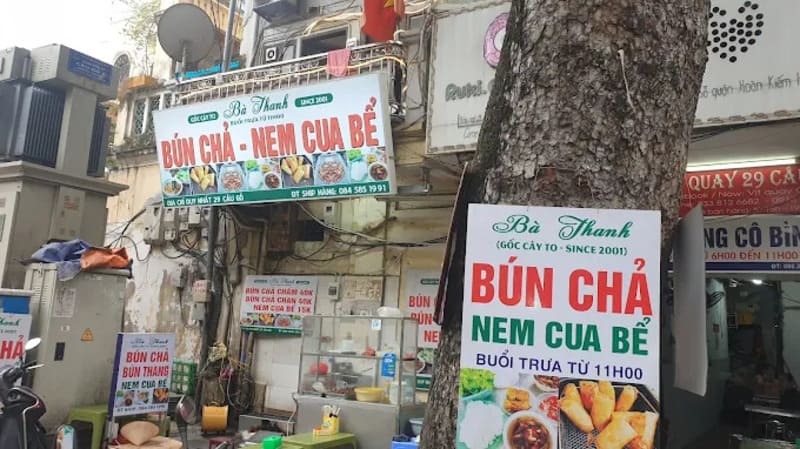
Noodle soup shop on Cau Go Street, Hanoi (Source: Fread Tom) |
Hang Gai, often referred to as Silk Street, has long been associated with textile trading in Hanoi. For generations, it has served tailors, merchants, and travelers moving between the Old Quarter and Hoan Kiem Lake.
Today, the street is known for silk fabrics, ready-to-wear clothing, and custom tailoring services. Many shops can produce items such as shirts, ao dai, or simple dresses within 24 to 48 hours. However, quality can vary, so it’s important to check fabric composition, stitching, and pricing before placing an order.
If you plan to have clothing made, visit early in your trip to allow time for fittings and adjustments. Bringing a reference photo can help communicate your preferred style, and confirming details such as lining, buttons, and delivery time will ensure a smoother experience.
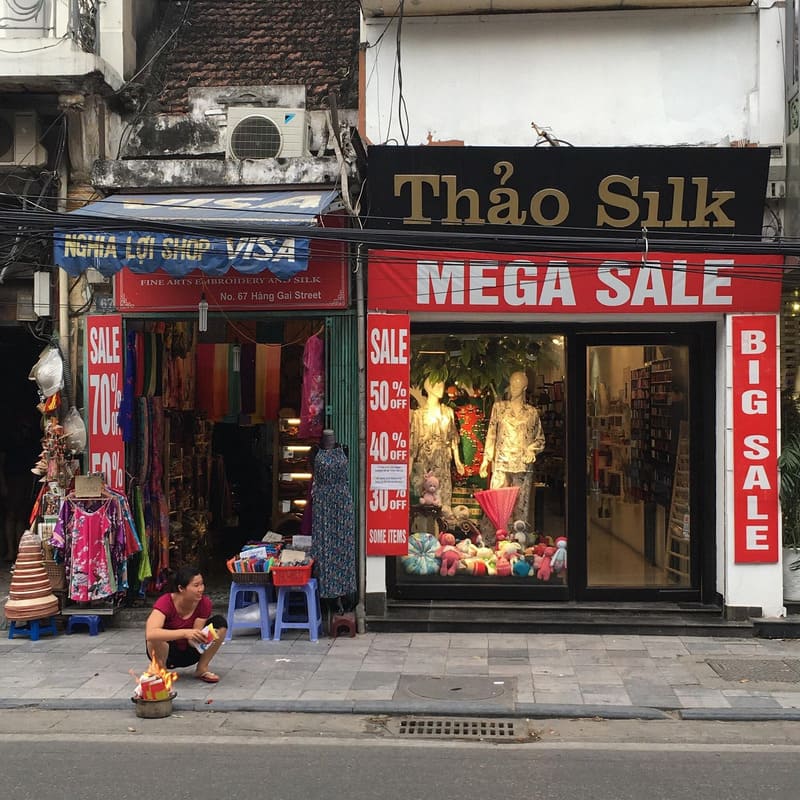 |
|
Clothes shop on Hang Gai Street (Source: Tripadvisor) |
Hang Duong, known as “Sugar Street,” has built its reputation on traditional sweets, candied fruits (mứt/ô mai), and preserved treats commonly used during festivals.
This culinary identity remains strong today. Shops display a wide variety of flavors, including apricot, plum, and kumquat, alongside newer souvenir and fashion stores. During Tết and Mid-Autumn Festival, the street becomes especially busy as locals shop for gift boxes and festive treats.
If you’re buying food to take home, ask to sample before purchasing, choose properly sealed products with clear production dates, and keep receipts for airport checks if needed. While many shops list fixed prices, comparing a few stores can help you find fresher products and better value.
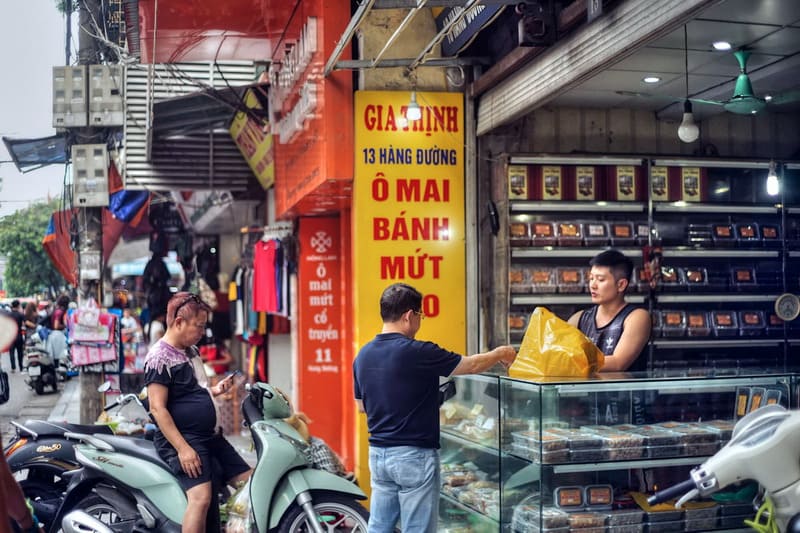 |
|
A sweet shop on Hang Duong Street (Source: redsvn.net) |
Hanoi’s Old Quarter is one of the best places to experience Vietnamese street food. The area is ideal for casual eating, where you can move from one dish to another while exploring nearby streets.
Start with local favorites such as bún chả (grilled pork with herbs and rice noodles), phở (beef or chicken noodle soup), and bánh cuốn (steamed rice rolls), often served in small, family-run eateries. Between stops, take a break with Vietnamese egg coffee or a simple iced black coffee.
The old guild streets can still guide your food journey. Around Hang Gai and Hang Dao, you’ll find cafés and beginner-friendly menus. Closer to Dong Xuan Market, the food scene becomes more local, with dishes like bún riêu, bún ốc, fresh juices, and seasonal fruits.
On weekend evenings, the pedestrian night market turns into a lively street food hub, offering everything from grilled skewers and sticky rice to fried snacks, coconut ice cream, and fresh fruit cups.
Practical food tips:
If you want to go beyond casual street stalls, you can also check our guide to the best restaurants in Hanoi, or join a Hanoi street food tour for a more structured local experience.
Shopping in the Old Quarter still follows the area’s traditional guild structure, even though many products have evolved to suit modern travelers.
For textiles, head to Hang Gai (Silk Street), where you’ll find scarves, ready-to-wear clothing, and custom tailoring. Basic alterations are often completed within one to two days.
Hang Bac (Silver Street) remains a good place for jewelry, with shops offering both ready-made items and simple custom work. Some stores still provide on-the-spot repairs and adjustments.
If you’re looking for edible souvenirs, Hang Duong (Sugar Street) is known for candied fruits (mứt), lotus seeds, and tea. Always check packaging dates and sample before purchasing.
Around Dong Xuan Market, explore nearby alleys for a wider selection of goods, including fabrics, bamboo products, lacquerware, conical hats, coffee, and spices. This area is popular with locals, so prices and variety tend to be reasonable.
Smart shopping tips:
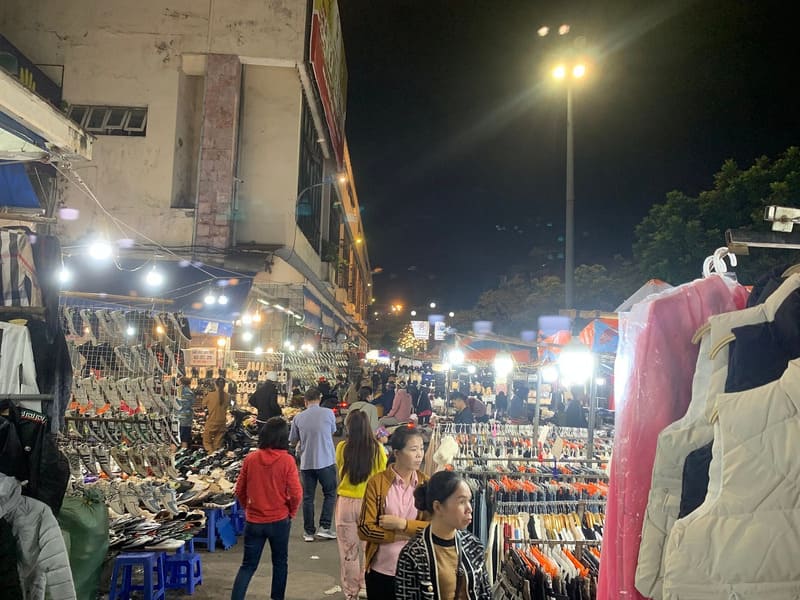 |
|
Guests going shopping at Hanoi Night Market (Source: Tripadvisor) |
Beyond its busy shopping lanes and cafés, Hanoi’s Old Quarter offers a deeper cultural layer shaped by temples, historic landmarks, and local traditions. These experiences help you understand how the area has evolved while still preserving its heritage.
You can easily combine these stops into your walking route, adding variety between sightseeing, food, and shopping.
Bach Ma Temple is considered one of the oldest temples in Hanoi’s Old Quarter. It honors the White Horse spirit, which is closely linked to the founding of Thang Long.
Behind its modest entrance, you’ll find incense-filled spaces, wooden altars, and a peaceful courtyard that feels removed from the surrounding street noise. It’s a small but meaningful stop that reflects the spiritual life of the Old Quarter.
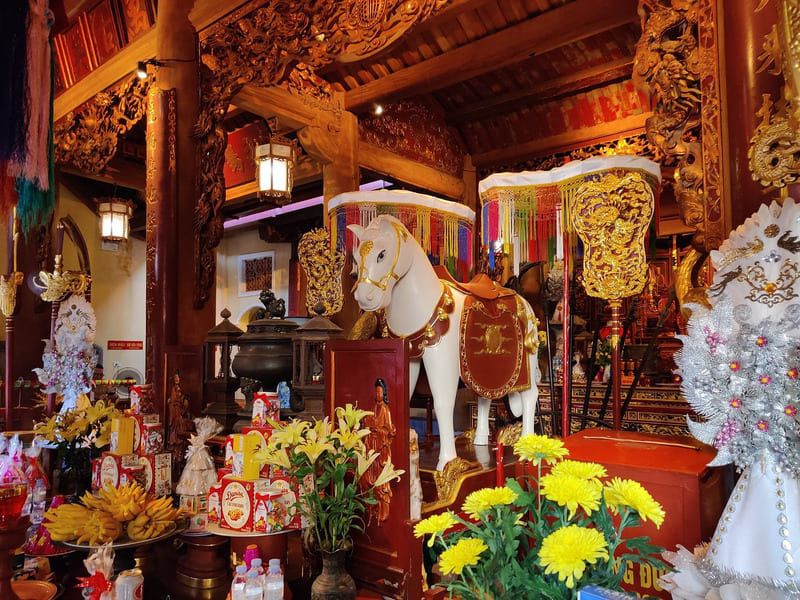 |
|
Horses and altars inside of Bach Ma Temple (Source: Tripadvisor) |
O Quan Chuong Gate is the last remaining city gate of Hanoi, built as part of the old defensive walls. Its brick-and-stone structure offers a glimpse into the city’s past.
The gate is also a popular photo spot. You can frame the arch with passing motorbikes for a classic Hanoi scene. Located on the eastern edge of the Old Quarter, it works well as either a starting point or an endpoint for your walking route.
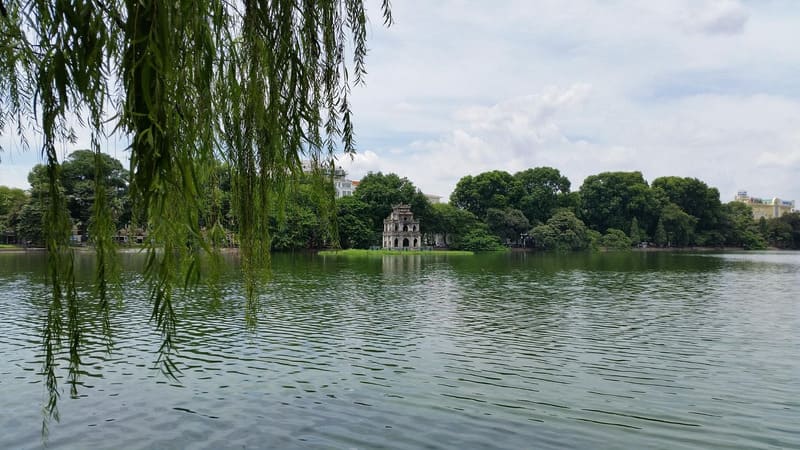
Hoan Kiem Lake acts as the natural center of the Old Quarter, offering a contrast to the dense network of streets. It’s calm in the early morning and lively in the evening when the area lights up.
Locals often come here to exercise, practice tai chi, or simply relax, giving visitors a chance to observe everyday life in Hanoi. Spending some time around the lake is a good way to balance your Old Quarter exploration.
 |
|
Hoan Kiem lake, the icon of Hanoi’s 36 streets (Source: Tripadvisor) |
Connected to the shore by the iconic red Huc Bridge, Ngoc Son Temple sits on a small island in Hoan Kiem Lake.
The temple combines scenic views with cultural significance. Morning light creates great photo opportunities on the bridge, while late afternoon offers softer reflections on the water. Although compact, the temple is rich in symbolism, making it worth a short 20–30 minute visit.
Located just steps from Hoan Kiem Lake, the Thang Long Water Puppet Theatre showcases a traditional Vietnamese art form.
Performances feature folk stories, village life, and mythological scenes, all staged on water. Live music with traditional instruments adds to the atmosphere. It’s an accessible and family-friendly way to experience northern Vietnam’s cultural heritage.
From Friday to Sunday evenings (around 6:00 p.m. to 11:00 p.m.), several streets in the Old Quarter, including Hang Dao, Hang Ngang, Hang Duong, and areas around Dong Xuan, become pedestrian-only.
The night market offers a lively mix of street food, shopping, and live performances. You can try local snacks, browse stalls, and enjoy the vibrant atmosphere under decorative lights.
For a more comfortable experience, arrive early to avoid crowds. If you prefer a livelier setting, come later in the evening and explore while sampling food along the way.
If you want to continue exploring Hanoi’s cultural side beyond the Old Quarter, the Temple of Literature and Hoa Lo Prison are both worthwhile additions to your itinerary.
The 36 Streets of Hanoi are best explored at a relaxed pace. Rather than rushing from one spot to another, take time to wander through the narrow lanes, notice the old shopfronts, and pause at local cafés along the way. A flexible schedule will help you enjoy the area more fully and leave space for unexpected discoveries.
The easiest way to reach Hanoi’s 36 Streets is by taking a Grab or taxi to one of the Old Quarter’s outer roads, such as Phung Hung Street, Tran Nhat Duat Street, or the area near Hoan Kiem Lake. From there, exploring on foot is the best way to experience the neighborhood, as many of the streets are narrow and closely connected.
If you are already planning a sightseeing route, the Hanoi City Tour bus can also be a convenient option for reaching the Hoan Kiem Lake area before continuing on foot.
Another enjoyable way to experience the Old Quarter is by cyclo (xích lô). A 30 to 60 minute ride offers a slower view of the lake area and surrounding guild streets. Before starting, agree on the route, duration, and total fare clearly in advance.
Travel tips:
While the Old Quarter is generally easy and enjoyable to explore, a few practical habits can make your visit smoother and more comfortable.
Hang Dao is one of the most famous streets in Hanoi Old Quarter thanks to its central location and direct connection to Hoan Kiem Lake and Ngoc Son Temple. It is especially lively on weekends when it becomes part of the night market.
Other notable streets include Hang Gai (Silk Street) for shopping and tailoring, and Hang Bac (Silver Street), where you can still find traditional jewelry craftsmanship alongside modern stores.
Yes, Hanoi Old Quarter is generally safe at night, especially in busy and well-lit areas around Hoan Kiem Lake and the night market.
Like in most major cities, it’s best to stay aware of your surroundings, avoid poorly lit alleys, and keep personal belongings secure, particularly in crowded areas.
You can see the main highlights of Hanoi Old Quarter in half a day. A full day allows time for temples, food stops, and shopping.
If you want a more relaxed experience or plan to explore nearby attractions, spending 2 to 3 days in Hanoi gives you a better balance between sightseeing and local experiences.
Yes, Hanoi Old Quarter is suitable for families. The area is compact and walkable, with plenty of cafés, restaurants, and attractions nearby.
Family-friendly experiences include Hoan Kiem Lake, ice cream shops, and early evening water puppet shows, which are popular with children.
Hanoi Old Quarter is one of the best places to try Vietnamese street food. Popular dishes include bún chả (grilled pork with noodles), phở (noodle soup), and bánh cuốn (steamed rice rolls).
You can also try egg coffee at local cafés or explore the night market for a wider variety of snacks and local specialties.
Walking is the best way to explore Hanoi Old Quarter, as many streets are narrow and closely connected.
For a different experience, you can take a cyclo ride around the area. Grab or taxis are useful for reaching the Old Quarter from other parts of the city, but are less practical inside the streets themselves.
The Old Quarter is known for its traditional street-based shopping. Hang Gai is famous for silk and tailoring, Hang Bac for silver jewelry, and Hang Duong for sweets and local treats.
For a wider range of goods, including souvenirs and local products, you can visit Dong Xuan Market or explore the weekend night market.
The 36 Streets of Hanoi form a compact, walkable area where history, culture, and daily life blend together. Starting from Hoan Kiem Lake, you can walk through Hang Gai and Hang Dao, then continue to Dong Xuan Market for food and shopping. On weekends, return in the evening to experience the night market and a traditional water puppet show.
To explore Hanoi more deeply, a well-planned itinerary can help you connect the Old Quarter with nearby cultural sites, local food experiences, and lesser-known corners of the city. At Your Vietnam Travel, we create tailor-made journeys that bring these elements together, making your time in Hanoi both smooth and meaningful.


 Vietnam Tours
 Cambodia Tours
 Laos Tours
 Thailand Tours
 Multi-Country Tours