Ho Chi Minh Museum is a major cultural and historical landmark in Hanoi. Built to honor President Ho Chi Minh, the museum displays valuable documents, personal artifacts, and exhibitions that explain his role in Vietnam’s fight for independence and national reunification.
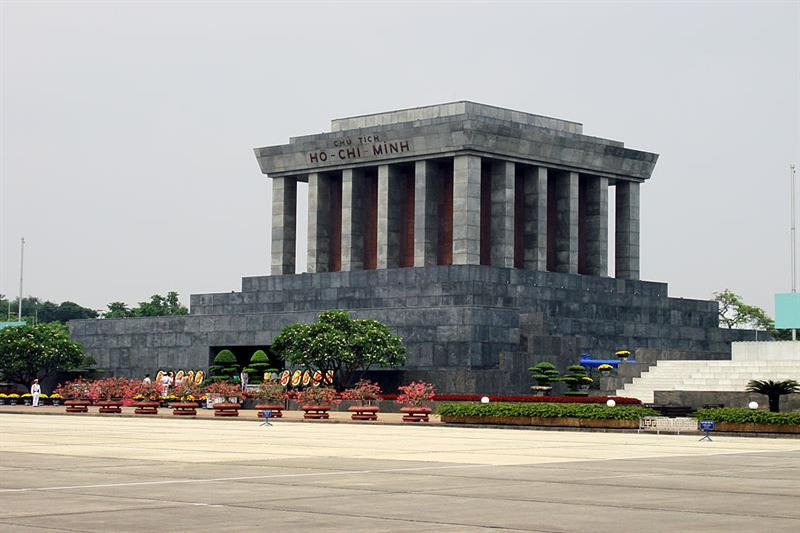
The Ho Chi Minh Museum is located at 19 Ngoc Ha Street, Ba Dinh District, Hanoi, within the Ho Chi Minh Complex. The complex also includes Ho Chi Minh Mausoleum, Ba Dinh Square, the Presidential Palace Historical Site, Ho Chi Minh's Stilt House, and the One Pillar Pagoda.
Officially inaugurated on May 19, 1990, to commemorate the 100th anniversary of President Ho Chi Minh's birth, the museum serves as a national institution preserving documents, artifacts, and historical records related to his life and Vietnam's revolutionary history.
Covering more than 18,000 square meters, the museum is among Vietnam's largest museums. Every year, it welcomes millions of Vietnamese and international visitors, including students, researchers, historians, and travelers interested in modern Vietnamese history.
More than a museum dedicated to one individual, it is a place that explains the political, cultural, and historical context that shaped Vietnam's path to independence and national reunification.
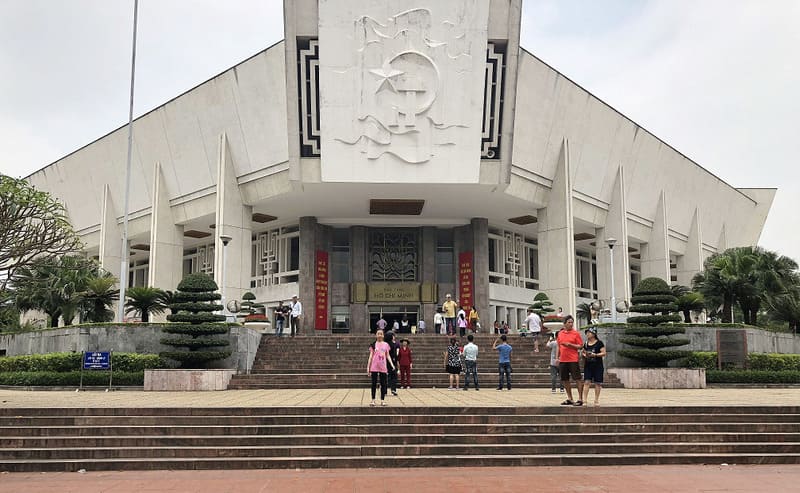
The museum is part of the Ho Chi Minh Complex (Source: Collected)
After President Ho Chi Minh passed away in 1969, the Vietnamese government and people expressed a strong desire to establish a memorial institution dedicated to his life and achievements.
In 1970, a special committee was established to collect documents, artifacts, photographs, and materials related to Ho Chi Minh. The museum's groundbreaking ceremony officially took place in 1985 on the 40th anniversary of the August Revolution and Vietnam's National Day.
The museum was designed through cooperation between Vietnamese and Soviet architects, reflecting the close relationship between the two countries during that period.
After five years of construction and nearly two decades of preparation and collection efforts, the Ho Chi Minh Museum officially opened on May 19, 1990, exactly 100 years after President Ho Chi Minh's birth.
Today, the museum preserves thousands of valuable documents and objects while continuing to conduct research, educational activities, and special exhibitions related to President Ho Chi Minh and modern Vietnamese history.
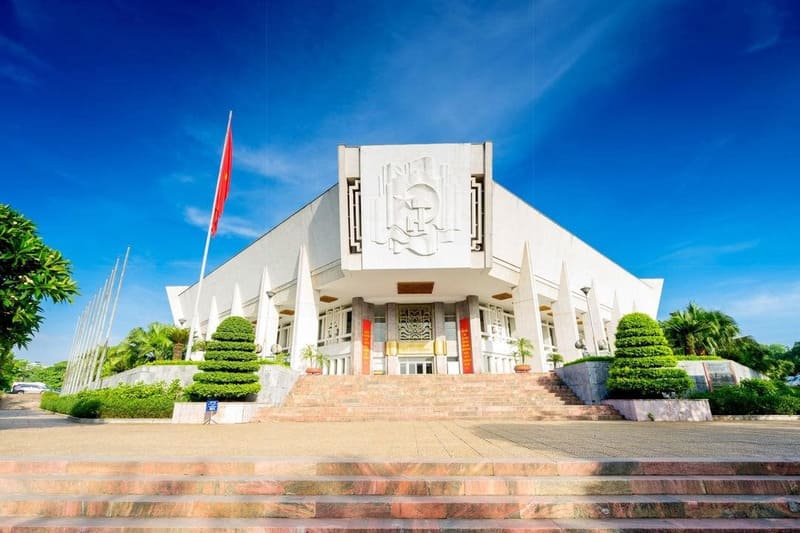
One of the museum's most striking features is its architecture.
The building was designed in the shape of a white lotus flower, one of Vietnam's most meaningful cultural symbols. In Vietnamese culture, the lotus represents purity, resilience, modesty, and noble character. These qualities are often associated with President Ho Chi Minh's simple lifestyle and dedication to the Vietnamese people.
Standing nearly 20 meters high, the museum combines Soviet modernist architecture with traditional Vietnamese symbolism. The exterior features strong geometric lines and massive concrete structures, creating a sense of stability and permanence.
Inside, the museum feels much softer and more open. Spacious exhibition halls, circular pathways, and natural lighting create an atmosphere of reflection and contemplation.
The architecture itself forms part of the exhibition experience. Rather than functioning solely as a container for artifacts, the building was designed to communicate the values and ideals that Ho Chi Minh represented.
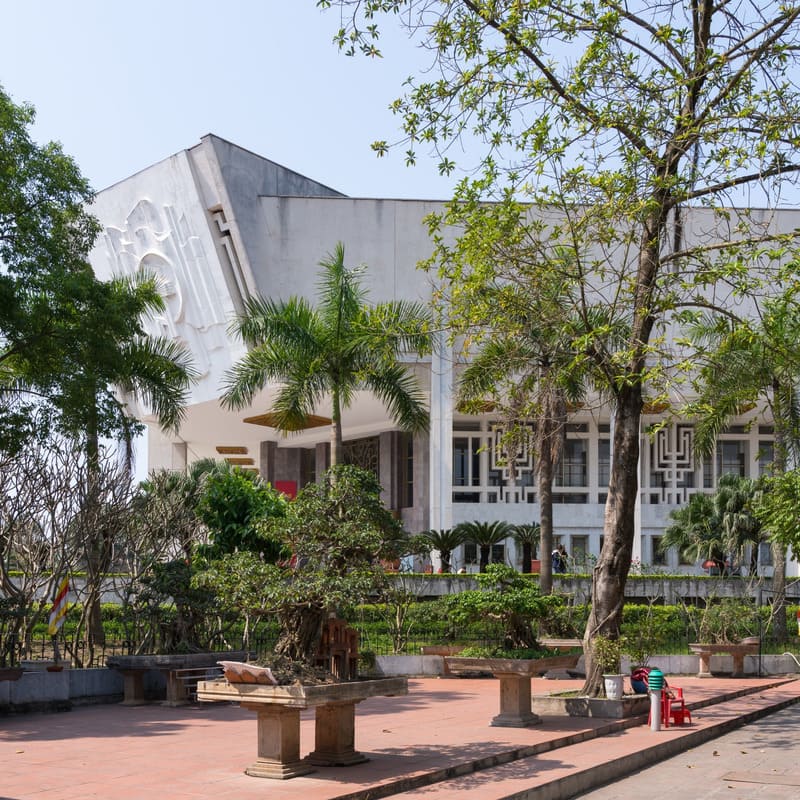
Exterior of Ho Chi Minh Museum in Hanoi (Source: Collected)
Opening hours:
The last entry is generally around 30 minutes before closing time.
Entrance fee:
Most visitors spend around 60 to 90 minutes exploring the museum.
Because the museum sits in central Ba Dinh District, reaching it is relatively easy from most parts of Hanoi.
Taking a taxi or ride-hailing service such as Grab is the most convenient option.
From Hanoi Old Quarter or Hoan Kiem Lake:
Several bus routes stop near the museum, including:
Bus fares are inexpensive and suitable for travelers who want to experience local transportation.
The museum is only a short walk from several major attractions within the Ho Chi Minh Complex.
Walking distances:
Many travelers visit all these attractions in a single morning.
The museum's exhibitions are spread across three main floors. Together, they present a comprehensive narrative of President Ho Chi Minh's life and Vietnam's modern history.
The first floor focuses on President Ho Chi Minh's biography and revolutionary career.
The exhibits are organized chronologically through major themes:
Visitors can follow his transformation from Nguyen Tat Thanh, a young patriot, into one of the twentieth century's most influential revolutionary leaders.
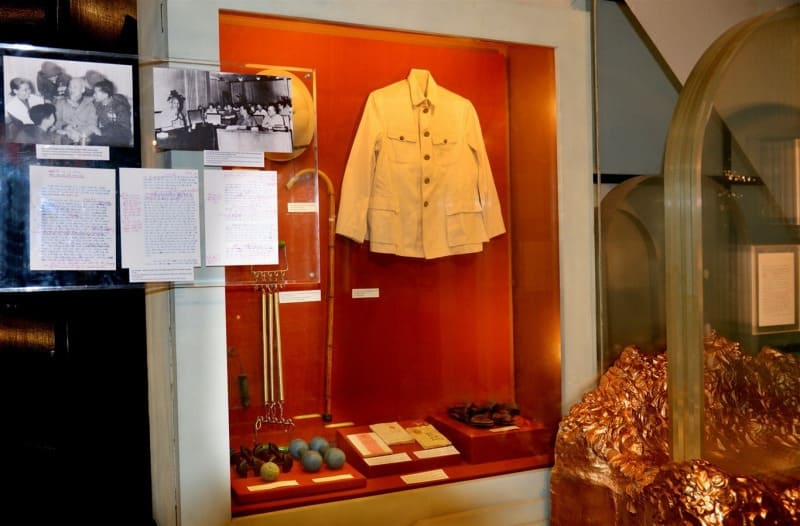
Exhibits about Ho Chi Minh’s life and journey (Source: Collected)
The second floor presents Vietnam's journey toward independence and reunification.
The exhibits include:
Documents, photographs, military artifacts, and multimedia presentations help illustrate the resilience and sacrifices of the Vietnamese people.
The exhibits also highlight Ho Chi Minh's role as a leader who inspired generations in the pursuit of national sovereignty.
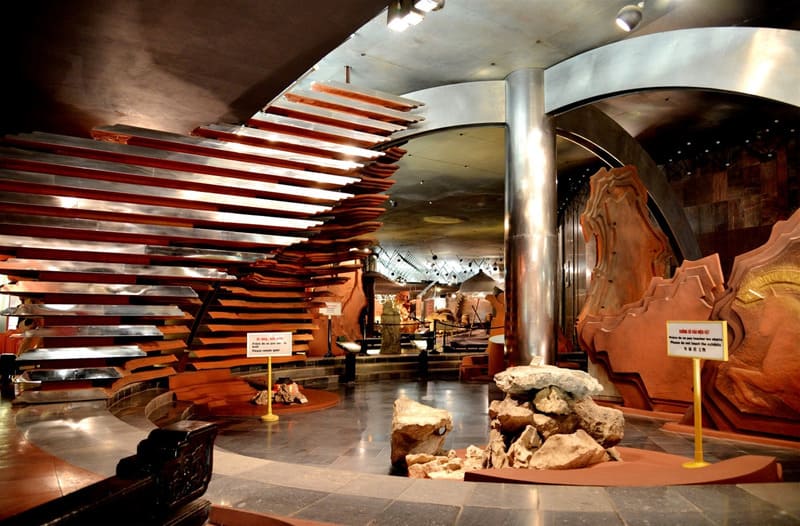
Displays on Vietnam’s struggle for independence (Source: Collected)
The third floor places Vietnam's revolution within the wider global context.
Exhibitions explore:
This floor helps visitors understand that Ho Chi Minh's ideology developed through decades of learning, observation, and engagement with international political movements.
The displays demonstrate how global events influenced both his thinking and Vietnam's path toward independence.
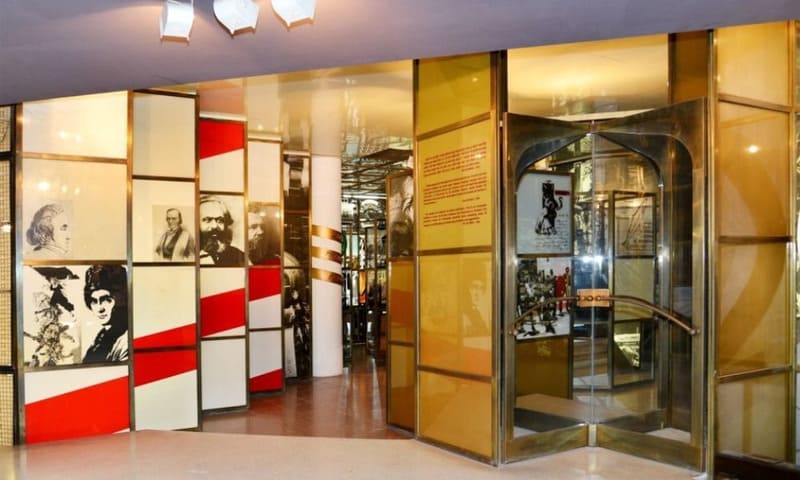
Global events that shaped Vietnam’s modern history (Source: Collected)
Among thousands of exhibits, several artifacts attract particular interest:
Visitors should follow several regulations to ensure a respectful and enjoyable experience.
Respectful behavior is especially important because the museum forms part of Vietnam's most significant memorial complex dedicated to President Ho Chi Minh.
After your museum visit, explore more of the Best Things to Do and See in Hanoi to make the most of your time in the capital.
Photography is generally permitted in most exhibition halls. However, flash photography and photography in restricted areas may not be allowed. Visitors should pay attention to museum signs and staff instructions.
Yes. The museum sits within the Ho Chi Minh Complex and is only a short walk from the mausoleum. Most visitors combine the museum with Ho Chi Minh Mausoleum, Ho Chi Minh's Stilt House, and One Pillar Pagoda in a single visit.
Yes. The museum offers educational exhibits, visual displays, and historical artifacts that can help children learn about Vietnamese history and national heritage. Younger children should remain under adult supervision.
A guide is not necessary because many exhibits include English explanations. However, visitors interested in Vietnamese history often find guided tours more meaningful and informative.
Yes. The museum features spacious exhibition areas, wide pathways, and facilities that can accommodate elderly visitors and wheelchair users, making it relatively accessible for people with mobility needs.
Visiting Ho Chi Minh Museum offers a deeper understanding of President Ho Chi Minh's life and Vietnam's modern history. Combined with nearby landmarks such as Ho Chi Minh Mausoleum, One Pillar Pagoda, and Ba Dinh Square, the museum makes an essential stop for anyone exploring Hanoi's historical and cultural heritage.



 Vietnam Tours
 Cambodia Tours
 Laos Tours
 Thailand Tours
 Multi-Country Tours