The Sapa Glass Bridge sits above O Quy Ho Pass and offers dramatic high-altitude views along with thrilling experiences such as zipline, skywalk, and bungee jumping. Located just 30 - 45 minutes from Sapa town, it’s a must-visit spot easily combined with other popular sites like Fansipan or Silver Waterfall.
This comprehensive guide by Your Vietnam Travel provides everything you need to know about the Sapa Glass Bridge. It covers essential information such as the location, ticket prices, opening hours, transportation tips, safety guidelines, nearby attractions, and must-try activities.
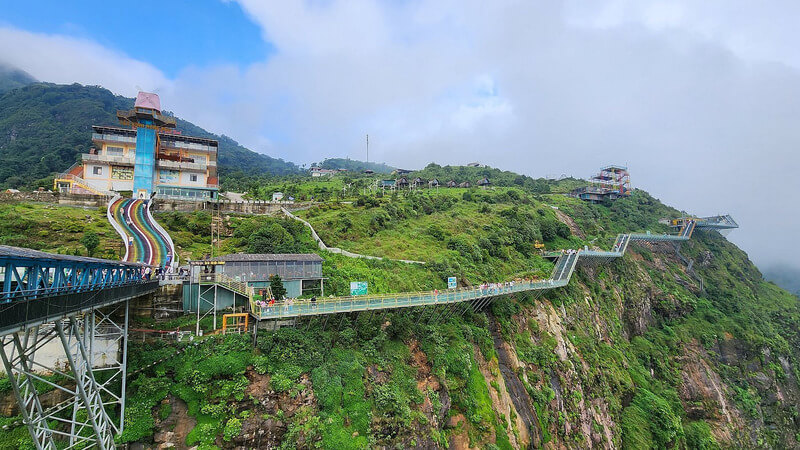
The Sapa Glass Bridge, also called Rong May Glass Bridge, is one of the most popular attractions in Northern Vietnam. It offers visitors the chance to walk on transparent glass panels at an altitude of over 2,000 meters above sea level. This attraction is part of the Rong May Tourism Complex and was designed for travelers who want both scenic views and adventurous experiences.
Since opening in 2019, the bridge has become a major highlight in Sapa’s tourism scene. Tourists visit not only for the photo opportunities but also for the unique feeling of walking directly above the mountain landscape. The experience combines safety, thrill, and panoramic views, especially during the cloud season from October to December.
The Sapa Glass Bridge is located at the top of O Quy Ho Pass, one of the highest mountain passes in Vietnam. The bridge belongs to the Rong May Tourist Area, in Son Binh Ward, Tam Duong District, Lai Chau Province. Although it is technically outside of Sapa Town, it is commonly included in Sapa travel itineraries due to its close proximity.
The site is about 16 to 18 kilometers from Sapa town center and can be reached within 30 to 45 minutes by car. Visitors typically take a private car or taxi along National Highway 4D, which connects Sapa with Lai Chau. The attraction is situated near several other popular sites including Fansipan, Silver Waterfall, Love Waterfall, and the O Quy Ho Sky Gate viewpoint.
Because of its high elevation and location on the pass, the bridge often sits above a sea of clouds in the cooler months. This makes it one of the most photogenic spots in the region, especially in the early morning.
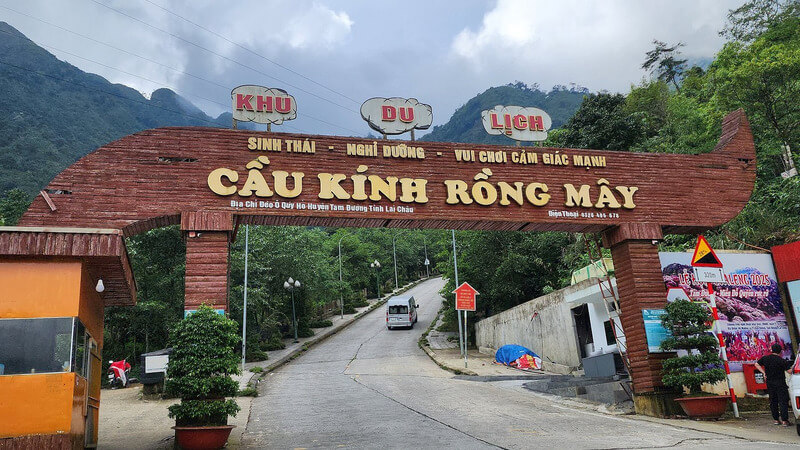 |
|
Sapa Glass Bridge gate (Source: Tripadvisor) |
Unveiled in late 2019, the Rong May Glass Bridge is part of a strategic initiative to promote highland tourism. Merging cutting-edge engineering with dramatic natural landscapes, it stands as the highest glass bridge in Southeast Asia.
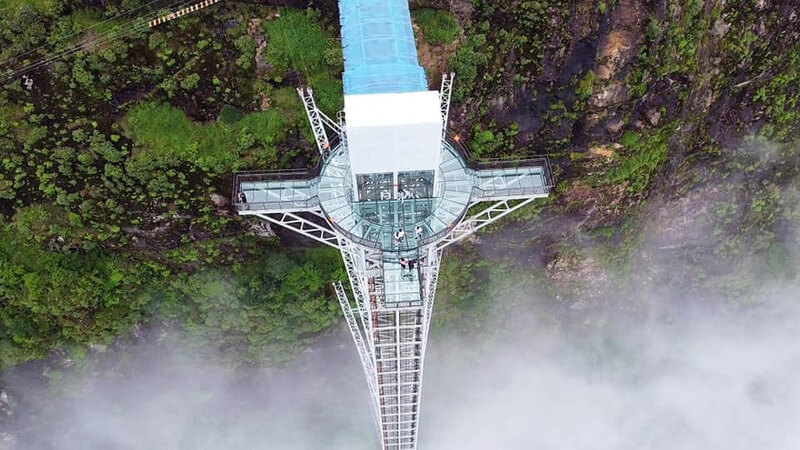
At its center is a transparent skywalk extending 60 meters from a rugged cliff, suspended over 300 meters above the valley. Each step creates the sensation of walking in mid-air, an intense, perspective-shifting experience, especially for those with a fear of heights.
Design highlights:
Many visitors describe the sensation as “walking on clouds” or “floating above the mountains”, especially on misty mornings when the bridge appears to vanish into a sea of fog. A glass elevator leading to the skywalk adds to the thrill, gradually revealing the vast drop beneath your feet.
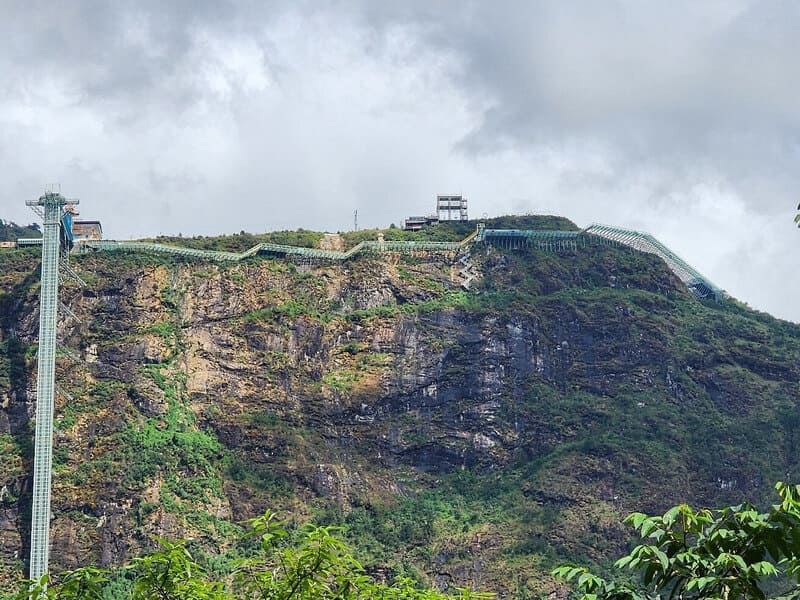 |
|
Sapa Glass Bridge gate (Source: Tripadvisor) |
Posted hours are typically 7 a.m - 6 p.m, with the last entry 30 - 60 minutes before closing. Hours can shift by season and may pause in bad weather; check the board at the gate or confirm the same day.
Typical fees (guide ranges):
Bring cash in VND for tickets and small extras. Prices and policies can change, so use these figures as a benchmark and verify at the counter on arrival.
 |
|
Sapa Glass Bridge ticket prices (Source: Internet) |
Rong May Glass Bridge is safe for visitors due to strict controls in its construction process and operations. Its skywalk uses laminated, multi-layer tempered glass with about 7 cm total thickness, fixed to a steel frame, and access is controlled through a staffed glass elevator and gated entries.
Safety comes from both design and operations. The deck is narrow, about 1.5 m width, that spans roughly 300 m, with staff regulating how many people step onto each section at a time. Local materials are expected to cite an operational capacity of around 3,000 visitors, but the management team reduces groups during busy periods and pauses entry if wind, rain, or lightning creates risk.
In 2022, some “cracked glass” clips went viral. Local reports linked those videos to a prank/effect panel at a different site, not a structural failure on Rong May’s main deck. After the authorities confirmed no cracks on Sapa Glass Bridge, its regular operations continued.
Here are a few practical safety tips that can make your visits smoother:
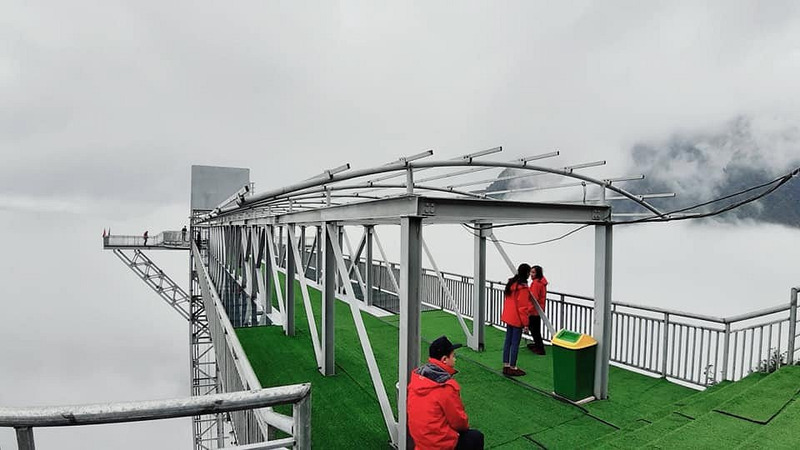 |
|
Security check before visiting Rong May Glass Bridge (Source: Tripadvisor) |
Visitors usually travel to Sapa Glass Bridge from Hanoi or straight from the Sapa Centre if they are already in Sapa. From Hanoi, you should first travel to Sapa by bus/van, night train and shuttle, or private car, then continue up Highway 4D to O Quy Ho Pass. If you are in Sapa town, you can go straight to the bridge by taxi, private car, or (for confident riders) motorbike.
From Sapa town, you can take National Highway 4D toward O Quy Ho Pass, about 16 to 18 km. Most travelers hire a taxi or private car for a simple round trip and ask the driver to wait. The drive usually takes 30 to 45 minutes each way, depending on fog and traffic.
Motorbikes are an option for experienced riders only. The pass has long curves, steep grades, and shifting weather, so ride cautiously and avoid peak fog or rain. Wear a quality helmet, check brakes and lights, and bring a rain layer.
Quick facts:
Many visitors pair the bridge with nearby stops on Highway 4D, such as Silver Waterfall, Love Waterfall, O Quy Ho “Sky Gate,” or Fansipan (by cable car). If you book a private driver, agree on waiting time and total price in advance and carry small cash in VND for tickets and snacks.
If you’re starting in Hanoi, you should first travel to Sapa, then continue to the Sapa Glass Bridge as above. Follow the guides below for a smooth transfer from Hanoi to the destination:
Hanoi to Sapa travel options and price ranges:
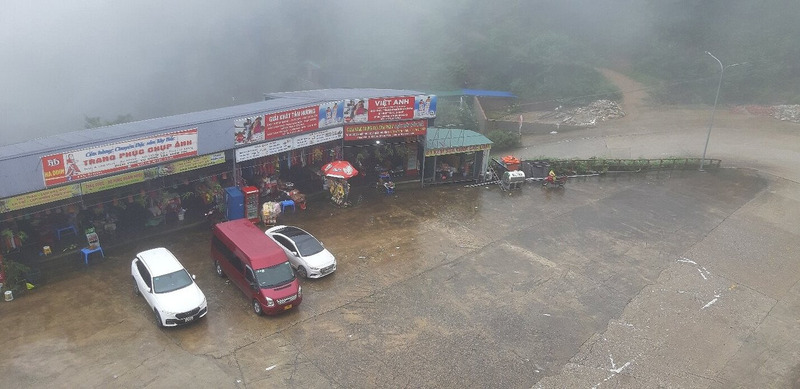 |
|
Vehicles stopping near Sapa Glass Bridge (Source: Tripadvisor) |
Travelling from Sapa to the Sapa Glass Bridge:
Our planning tips:
Use the list below to plan time at Rong May. Start with the skywalk, then add one or two thrill activities depending on weather and wait times. Check the board at the ticket desk for any closures before you buy add-ons.
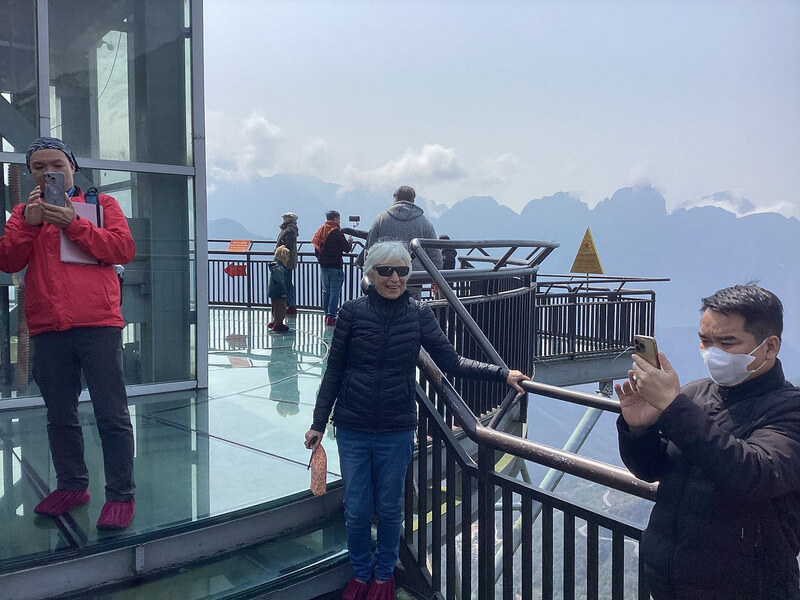
Ride the glass elevator to the cliffside platform and step onto the clear deck overlooking the Hoang Lien Son range. On clear days, you can see deep into the valley; on misty mornings you may watch cloud bands move through the pass. It is important to wear the provided shoe covers and hold the rail if the surface is damp.
This is one of the most unique highlights among the many things to do in Sapa, especially for travelers looking for panoramic views.
 |
|
Guests enjoy walking on Glass Bridge (Source: Tripadvisor) |
Sunrise brings soft, even light; late afternoon adds warmer tones on the ridges. You should pick a quiet corner of the deck, keep your tripod compact, and avoid blocking the flow line. Carrying a small cloth for lens fog in cool months will be convenient.
 |
|
Guests taking photos with the view from the Glass Bridge (Source: Tripadvisor) |
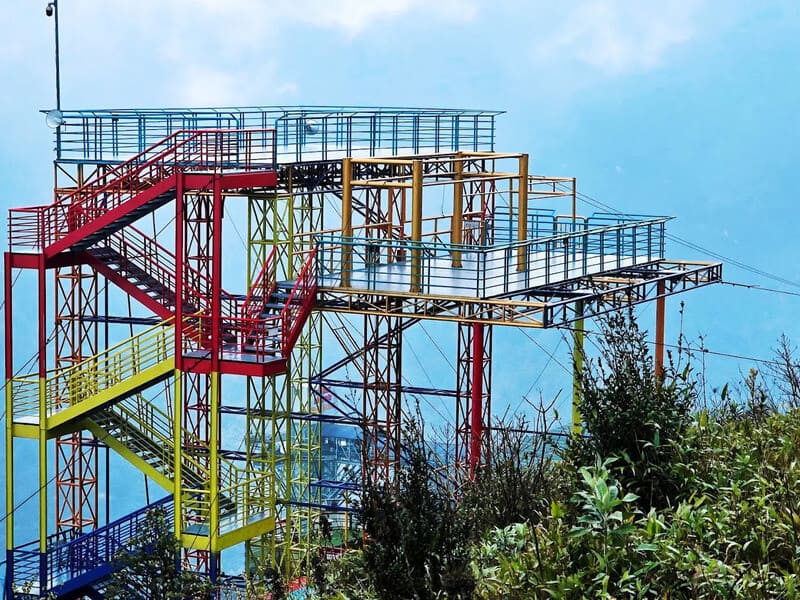
The site offers a supervised jump with harness checks and a short safety briefing. To have a smooth visit, you should book and pay at the activity counter and expect operations to pause in strong wind or rain. You are required to confirm weight and age limits before you queue.
 |
|
Bungee jumping area from the top of the bridge (Source: Internet) |
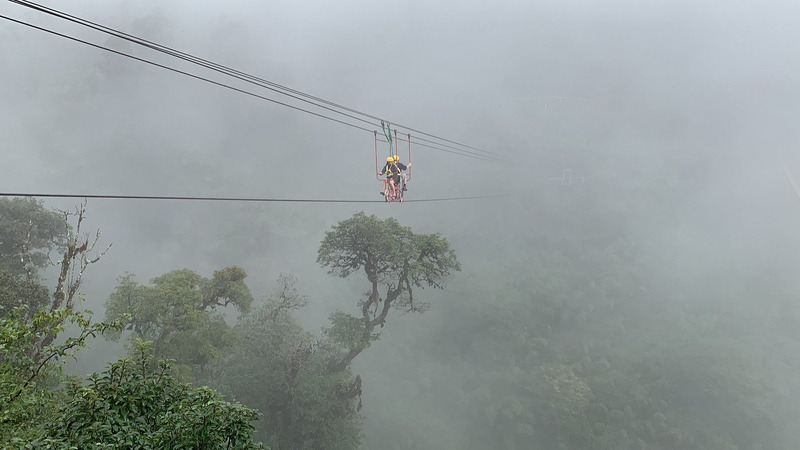
The zipline runs across a green slope with a cliff view below. It is a faster, lower-commitment option than bungee, and it usually reopens more quickly after light showers. Staff will fit your harness and helmet and signal when to launch.
 |
|
Zipline riding experience from the Glass Bridge (Source: Tripadvisor) |
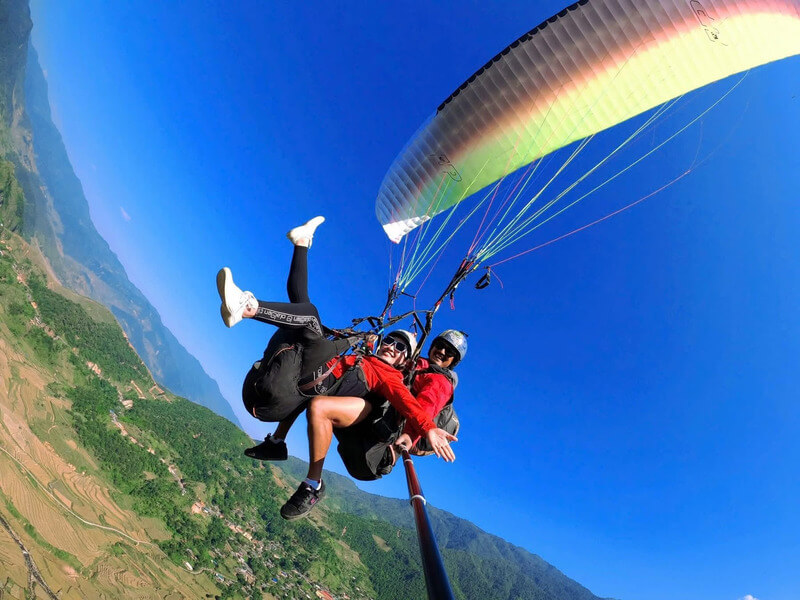
On suitable days, tandem paragliding flights take off from nearby slopes with a licensed pilot. Weather and wind direction control availability, so ask at the desk and plan a time window rather than a fixed slot. Wear closed shoes and a windproof layer.
 |
|
A guest going paragliding with her guide (Source: Internet) |
From late autumn to winter, the elevation often produces “cloud seas” that fill the valley while the deck sits above. Aim for early morning after a cold night for the cleanest horizon line. Bring a spare battery in cool weather.
 |
|
Cloud hunting experience, a challenging activities for visitors (Source: Internet) |
The elevator rises roughly 70 meters from the base building to the viewing level built into the cliff. From the platforms you get a direct line over forest, rock, and Highway 4D’s curves. Use wide and standard lenses; glare is common on bright days, so angle the camera slightly off the glass.
 |
|
View of the Glass Bridge from above (Source: Internet) |
Rong May Glass Bridge sits high on O Quy Ho Pass, so the weather conditions can change fast. You should plan in advance for wind, cooler temperatures than in Sapa town, and possible weather pauses for rides. Use the tips below to stay comfortable and make the most of your visit.
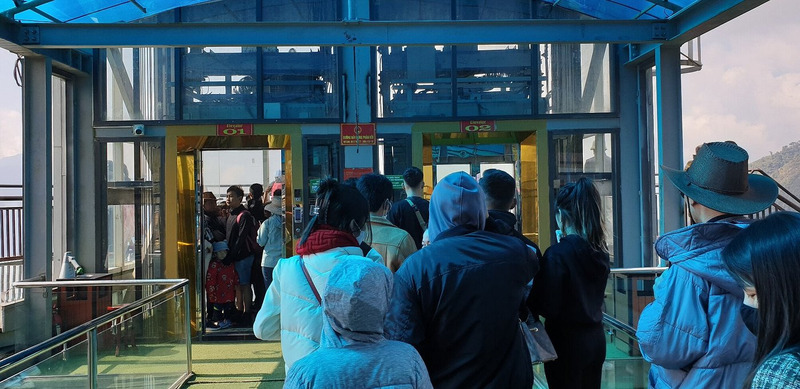
Wind on the pass can be strong and gusty. Wear trousers or shorts with closed shoes that have good grip. Bring a light jacket year-round because the deck often feels 3 - 5°C cooler than town.
 |
|
Guests wearing winter clothes before entering the Sapa Glass Bridge (Source: TripAdvisor) |
Rules and pricing for bungee, zipline, and paragliding can change by season. Read recent reviews and confirm weight, age, and health requirements at the counter before paying. Ask about weather holds and refund or rebook options.
The glass can feel slick after mist or rain so you should always walk at a steady pace and hold the handrail if you feel unsteady. Keep the children close and store toys or selfie sticks when the deck is crowded.
 |
|
Guests walking on the Glass Bridge (Source: TripAdvisor) |
Wind can whip long hair and block vision in photos so it is more convenient to tie your hair back and remove loose scarves before you step onto the deck. Use a wrist strap or lanyard for your phone and camera so nothing drops through gaps.
The height and exposure can trigger vertigo for some visitors. If you have heart, respiratory, or balance concerns, use the solid viewing terraces instead of the cantilevered glass. Take breaks in the base building if you feel light-headed or cold.
Follow marked paths, queue at photo spots, and keep tripods compact. Drones usually require site approval and calm conditions. Follow any staff instructions during wind or rain pauses.
Couples, friends, and families with teens will enjoy the views and the simple walk. Travelers who want extra excitement can add a ride, while non-thrill seekers still get strong panoramas from the platforms. Photographers who like sunrise or late-afternoon light will find the best conditions on clearer days.
You can combine Rong May Glass Bridge with several easy stops on and around O Quy Ho Pass. Pick one or two viewpoints for the same outing, or add a village walk or waterfall if you have a half day for your visit.
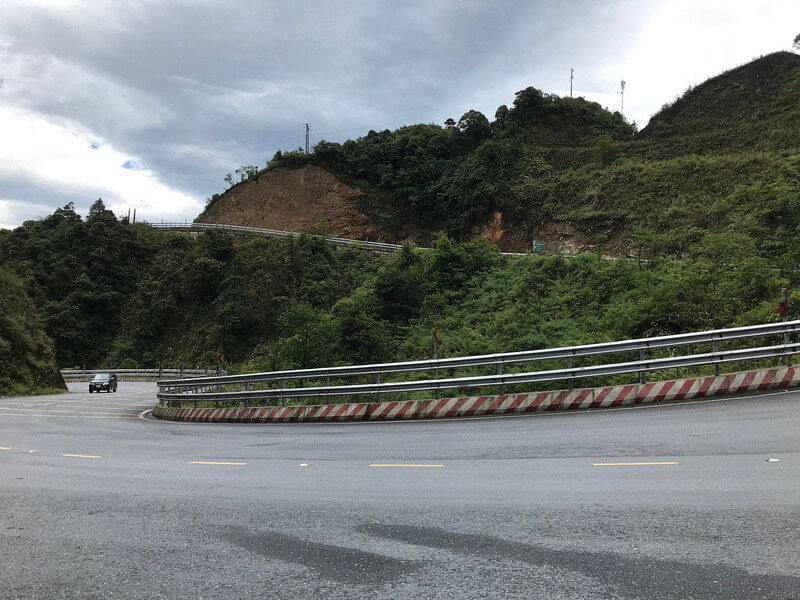
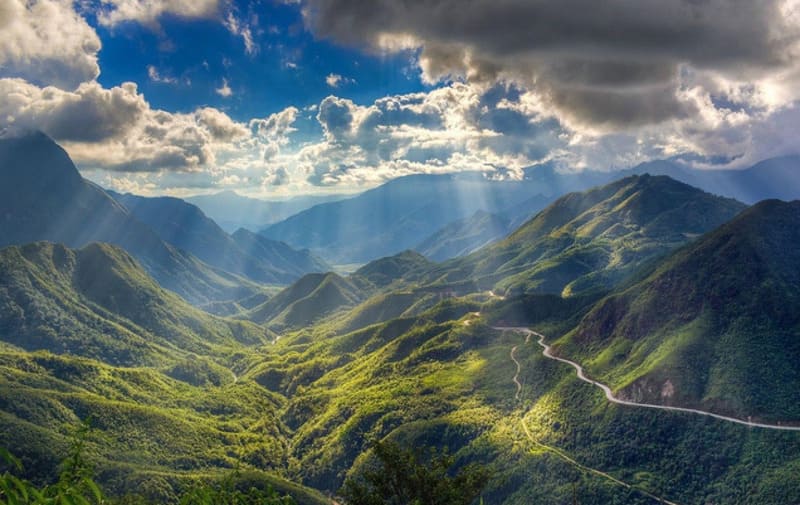
O Quy Ho Pass is the main mountain road that links Lao Cai and Lai Chau. You can get wide views, shifting clouds, and several signed lay-bys for photos. Go in the morning or late afternoon for clearer air, and park only in marked areas.
 |
|
O Quy Ho Pass, a must-go path along the way to the bridge (Source: TripAdvisor) |
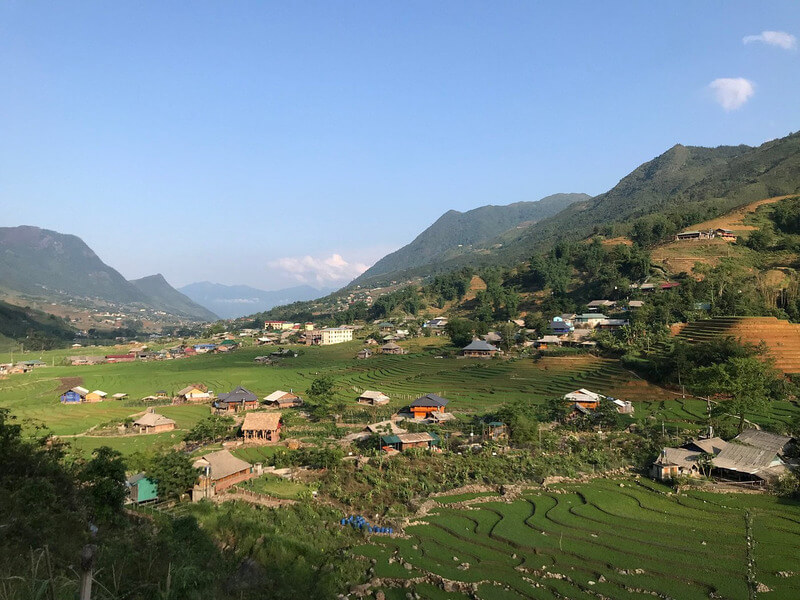
A small valley hamlet not far from the pass, known for quiet lanes and terrace views. You can take short, gentle walks and see daily farm work. Bring small cash for snacks or crafts and ask before taking close portraits.
 |
|
Ta Van - Y Linh Ho Village (Source: TripAdvisor) |
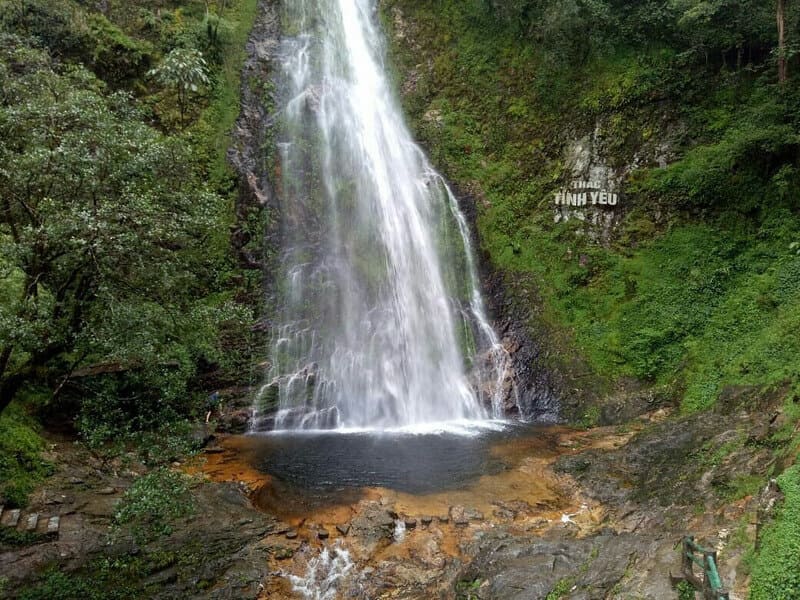
A short forest walk leads to a compact cascade that pairs well with a pass drive. Trails can be slick after rain, so you should wear shoes with grip. Check local conditions at the gate and keep valuables in a dry bag.
 |
|
Love Waterfall inside of Hoang Lien Reserve (Source: Internet) |
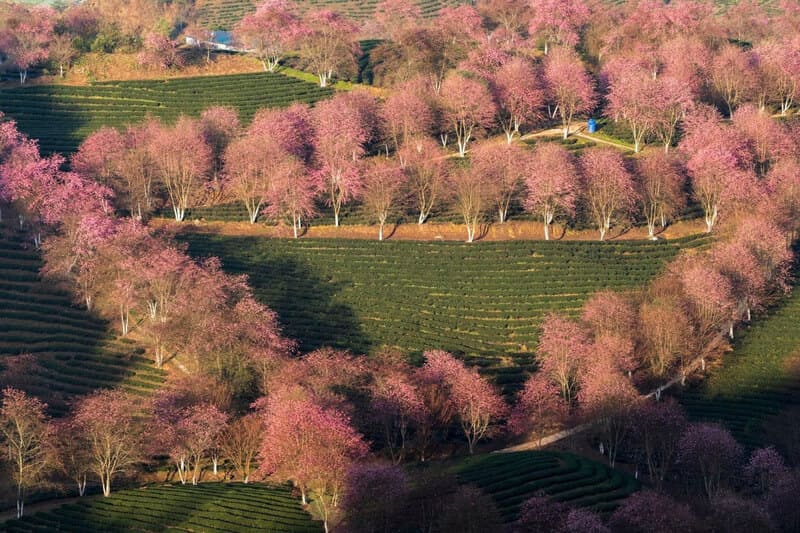
This hillside area is popular for peach blossoms from about January to March. Photographers come for soft morning light and mountain backdrops. It is important for you to stay on paths and avoid stepping into planted rows.
 |
|
Muoi Dam Peach Forest at blossom season (Source: Internet) |
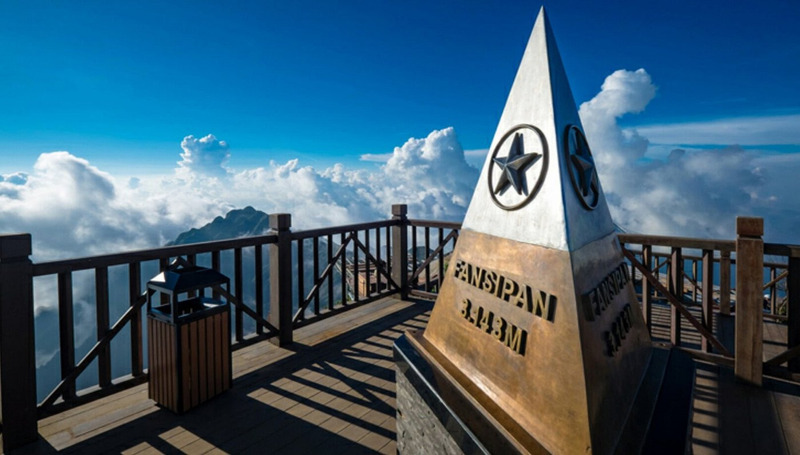
Sun World’s cable car takes you to Vietnam’s highest peak for ridge views and pagodas. Plan at least 3 to 5 hours for station transfers, the ride, and time on the summit platform. Pack a windproof layer because temperatures are much lower than in town.
Planning to visit Vietnam's highest peak? Explore our complete guide to Fansipan Mountain Sapa.
 |
|
Fansipan Peak with cloud view (Source: TripAdvisor) |
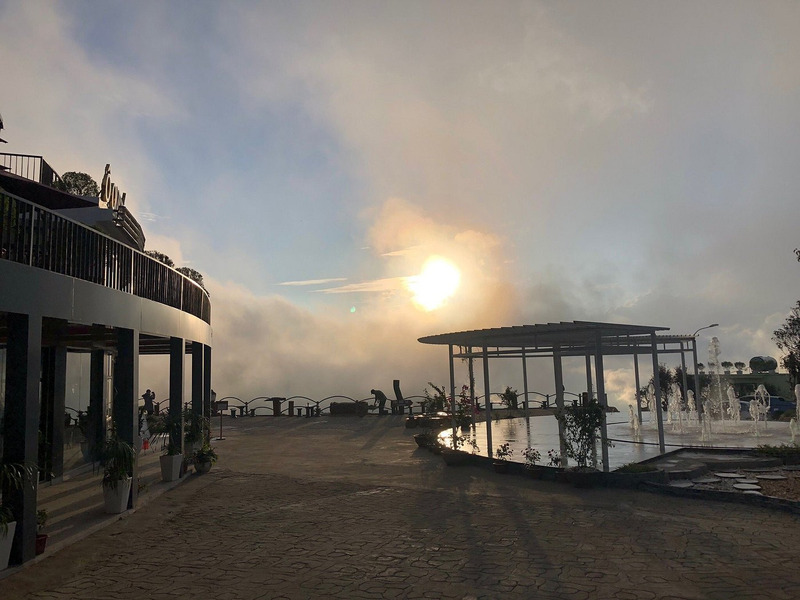
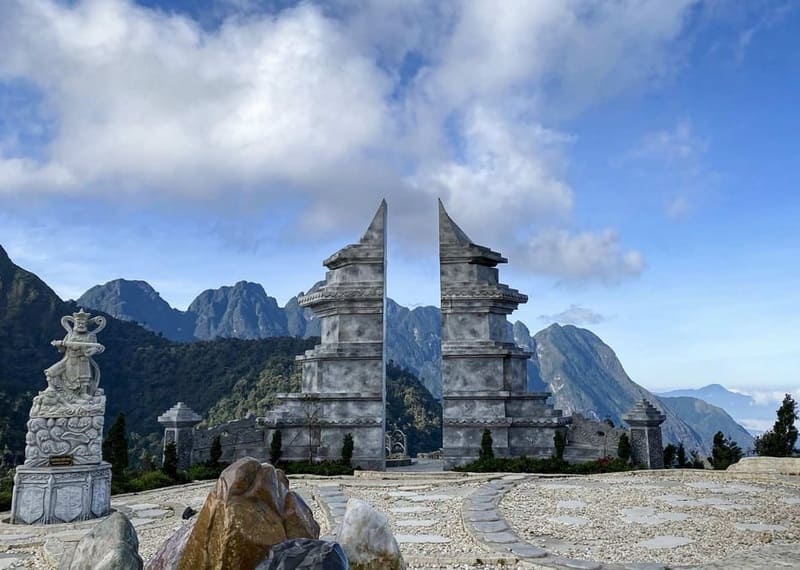
Also called Heaven’s Gate, this is a simple viewpoint near the top of the pass. You get a direct look over terraced valleys and the Hoang Lien range. Expect a short stop, a small on-site café, and the best light near sunset on clear days.
 |
|
Heaven Gate, a must-go place in Sapa (Source: TripAdvisor) |
Yes. If you want a dramatic viewpoint with simple logistics, Sapa Glass Bridge is a great option. It is best when you combine it with O Quy Ho Pass or other stops on Highway 4D.
The best time of the year to visit Sapa Glass Bridge is in Autumn (September to November), when you often see cloud layers and cooler air. Spring (Late February to May) can also give clear views of the blossom fields with softer light.
Yes, but it depends on the seasons. It is often cooler than Sapa town due to the altitude and the wind. You should bring a light layer even in summer.
Yes. Many agencies sell advance tickets. You can also buy on site and add any rides you want at the counter.
The Sapa Glass Bridge sits around 2,000 to 2,200 meters high above sea level. The glass deck extends about 60 meters from the cliff and the elevator climb is about 70 meters.
Sapa Glass Bridge may close during storms or in very low visitor periods. You should always check locally on the day you plan to go.
Rong May Skywalk is a built viewpoint that delivers serious scenery in a short window of time. Time your visit for the right light and pair it with a stop at the pass or the nearby waterfalls. You will leave with clear mountain air in your lungs and a gallery of wide angle shots that capture the best of Sapa.
If you’re planning a Sapa itinerary or a Northern Vietnam tour, our team can help design a personalized trip including the Glass Bridge, Fansipan, and local experiences.


 Vietnam Tours
 Cambodia Tours
 Laos Tours
 Thailand Tours
 Multi-Country Tours