For travelers planning a Vietnam itinerary, trains can be one of the most enjoyable ways to connect major destinations. The railway network links northern, central, and southern Vietnam, with routes passing through rice fields, coastal roads, mountain passes, and historic towns.
Vietnam’s railway system is operated mainly by Vietnam Railways and stretches from the northern border area down to southern Vietnam. The most important route is the North-South Railway, often called the Reunification Express, which connects Hanoi and Ho Chi Minh City.
The full journey from Hanoi to Ho Chi Minh City takes more than 30 hours, but most travelers choose specific sections instead of riding the entire route in one trip. Popular segments include Hanoi to Da Nang, Da Nang to Hue, Nha Trang to Ho Chi Minh City, and Hanoi to Lao Cai for Sapa.
Vietnamese trains are slower than domestic flights, but they offer several advantages:
For travelers with flexible schedules, Vietnam train travel offers a more relaxed and immersive way to move between destinations.
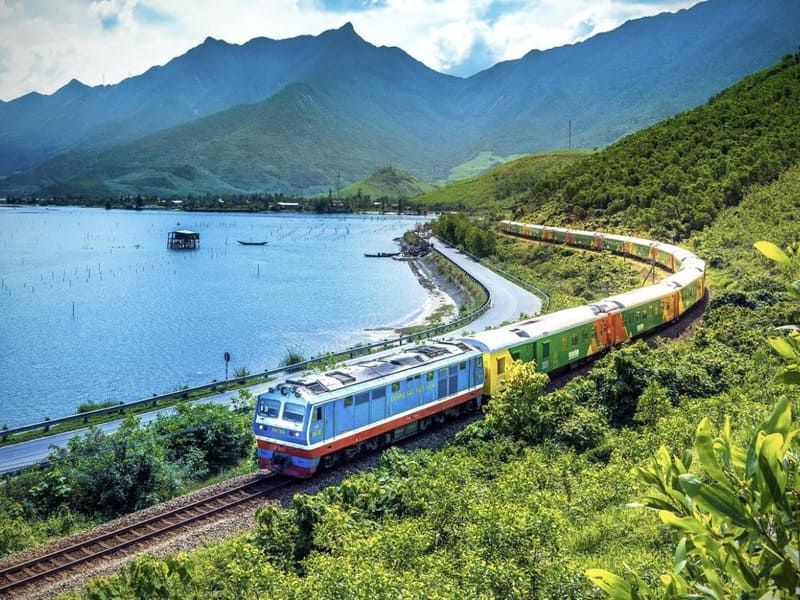
Vietnam trains connect the country from north to south (Source: Collected)
The Hanoi to Da Nang train is one of the most popular long-distance routes in Vietnam. The journey usually takes around 15 to 17 hours, depending on the train service.
Most travelers choose an overnight train to save time and arrive in Da Nang the next day. This route is useful for those planning to visit Da Nang, Hoi An, Hue, or other destinations in Central Vietnam.
A soft sleeper cabin is the best option for this journey. It provides a better rest experience than seats or hard sleepers, especially because the ride lasts more than half a day.
The Da Nang to Hue train is short, scenic, and highly recommended. The journey takes around 2.5 to 3 hours and passes through the Hai Van Pass, one of the most beautiful railway sections in Vietnam.
Along the way, you can see mountains, coastline, fishing villages, green hills, and views of the sea. This route is ideal for travelers who want a scenic train experience without spending a full day onboard.
For this journey, a soft seat is usually enough. Try to book a daytime train so you can enjoy the views.
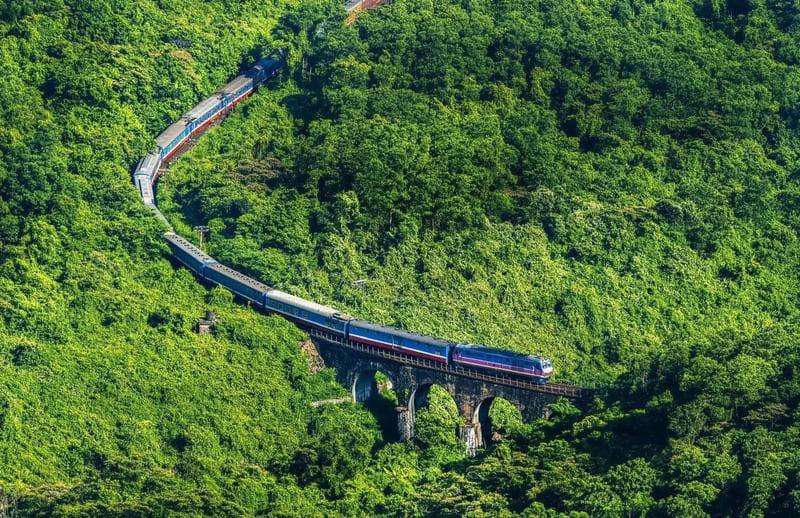
A scenic stretch on the Da Nang - Hue railway (Source: Collected)
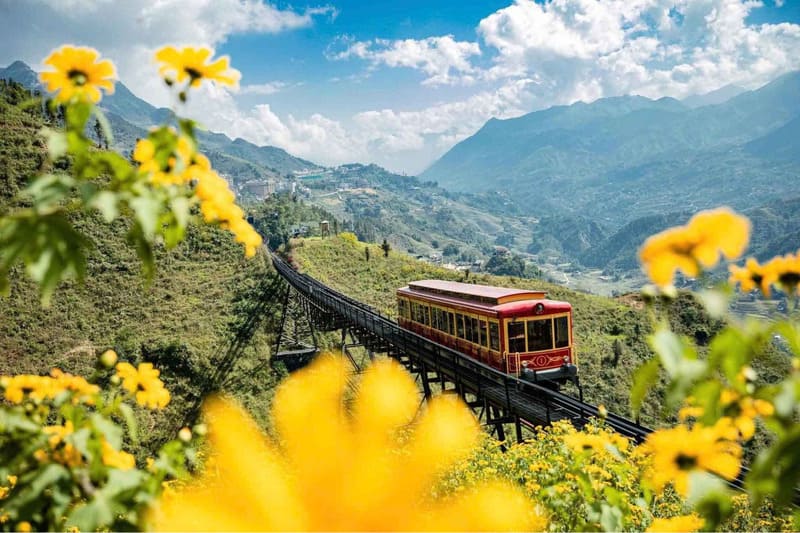
There is no train station directly in Sapa. To reach Sapa by train, travelers take an overnight train from Hanoi to Lao Cai, then continue by road to Sapa town.
The train ride usually takes around 8 hours. From Lao Cai Station, the transfer to Sapa takes around 45 to 60 minutes by car, bus, or shared van.
This route is popular with travelers heading to Sapa for trekking, rice terraces, ethnic villages, and mountain scenery. Tourist sleeper carriages are available on this route, offering more comfortable cabins than standard train compartments.
The Hanoi to Ninh Binh train is a convenient short route for travelers visiting Tam Coc, Trang An, Hoa Lu, Mua Cave, or Bai Dinh Pagoda. The journey usually takes around 2 to 2.5 hours.
Because the distance is short, a soft seat is enough for most travelers. Trains arrive at Ninh Binh Station, from where you can continue by taxi, motorbike, or private transfer to nearby attractions.
This is one of the easiest train trips for first-time visitors in northern Vietnam.
The Da Nang to Nha Trang train is a longer coastal journey, usually taking around 9 to 11 hours. It connects Central Vietnam with one of the country’s most famous beach cities.
Depending on your schedule, you can take either a daytime train for scenery or an overnight train to save accommodation costs. A soft sleeper is recommended for overnight travel.
This route works well for travelers building a Vietnam itinerary from north to south.
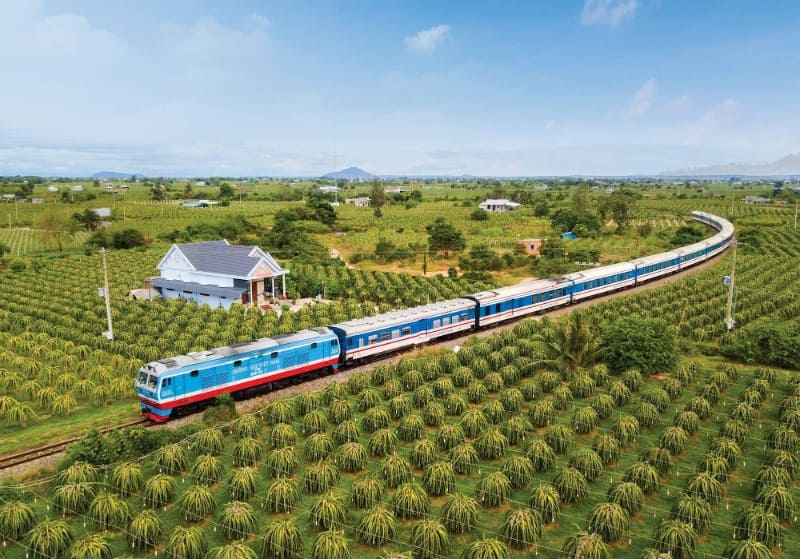
Scenic countryside views on the Da Nang - Nha Trang route (Source: Collected)
The Nha Trang to Ho Chi Minh City route is another popular section of the North-South Railway. Travel time usually ranges from 7 to 9 hours.
An overnight sleeper train is a practical choice if you want to maximize daytime sightseeing. Daytime trains are also available for travelers who prefer to avoid overnight journeys.
This route is especially useful after a beach stay in Nha Trang before continuing to southern Vietnam.
The full Hanoi to Ho Chi Minh City train journey is the classic cross-country rail route. It usually takes more than 30 hours and covers many major destinations along Vietnam’s eastern side.
Although it is possible to complete the journey in one ride, most travelers break it into smaller sections. Common stops include Ninh Binh, Hue, Da Nang, Nha Trang, Quy Nhon, and Phan Thiet.
Taking the full route can be rewarding for rail enthusiasts, but it requires patience, preparation, and a comfortable sleeper cabin.
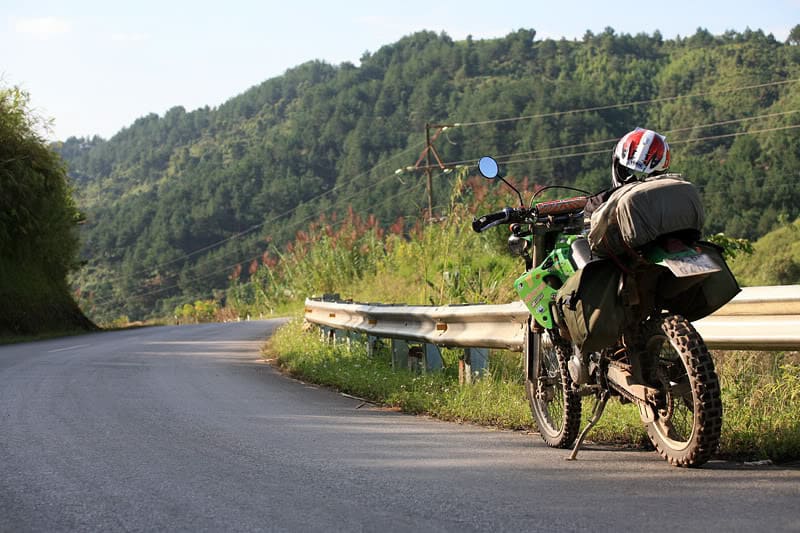
If you prefer more flexibility than traveling by train, explore our guide to Vietnam motorbike travel.
Train ticket prices in Vietnam vary depending on route, seat class, train type, season, and booking time. Prices are usually higher during Vietnamese public holidays, summer travel periods, and Tet, the Lunar New Year holiday.
The table below gives general estimated prices for popular routes:
| Route | Average Duration | Suggested Class | Estimated Price |
| Hanoi → Ninh Binh | 2 - 2.5 hours | Soft seat | $8 - $15 |
| Hanoi → Lao Cai | 8 hours | Sleeper cabin | $30 - $60 |
| Hanoi → Da Nang | 15 - 17 hours | Soft sleeper | $40 - $70 |
| Da Nang → Hue | 2.5 - 3 hours | Soft seat | $8 - $15 |
| Da Nang → Nha Trang | 9 - 11 hours | Soft sleeper | $35 - $60 |
| Nha Trang → Ho Chi Minh City | 7 - 9 hours | Soft sleeper | $30 - $55 |
| Hanoi → Ho Chi Minh City | 30+ hours | Soft sleeper | $70 - $120 |
These prices are estimates only. Always check the latest schedule and fare before booking, especially if you travel during peak season.
Choosing the right train class is one of the most important decisions when planning train travel in Vietnam. Comfort levels vary significantly between seats and sleeper cabins.
Hard seats are the cheapest option. They are usually wooden or firm seats and are best suited for very short journeys.
This class is not recommended for long-distance travel. Spending several hours on a hard seat can be uncomfortable, especially during overnight trips.
Best for: short local trips under 2 hours.
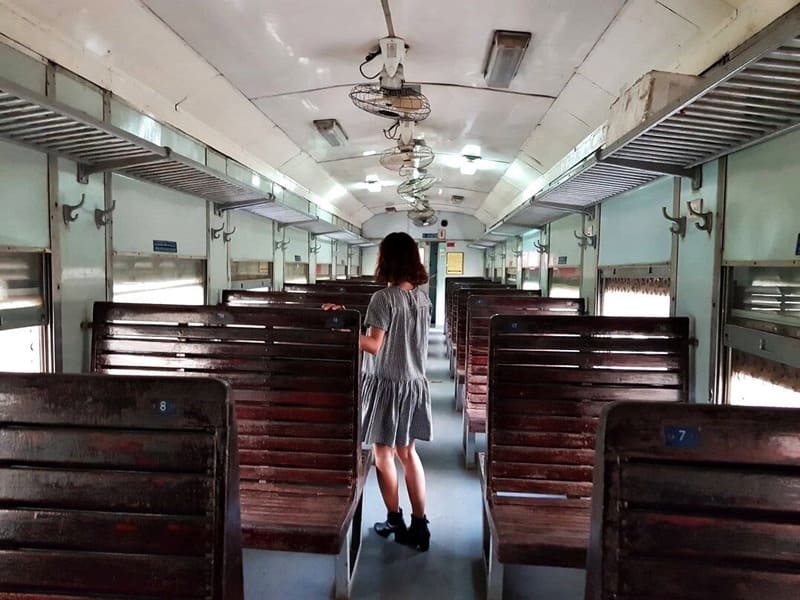
Hard seats are basic and best for short trips (Source: Collected)
Soft seats are cushioned and more comfortable than hard seats. They are suitable for daytime routes such as Hanoi to Ninh Binh, Da Nang to Hue, or other short to medium journeys.
For trips under 6 hours, a soft seat is usually a practical and affordable choice.
Best for: daytime journeys and short scenic routes.
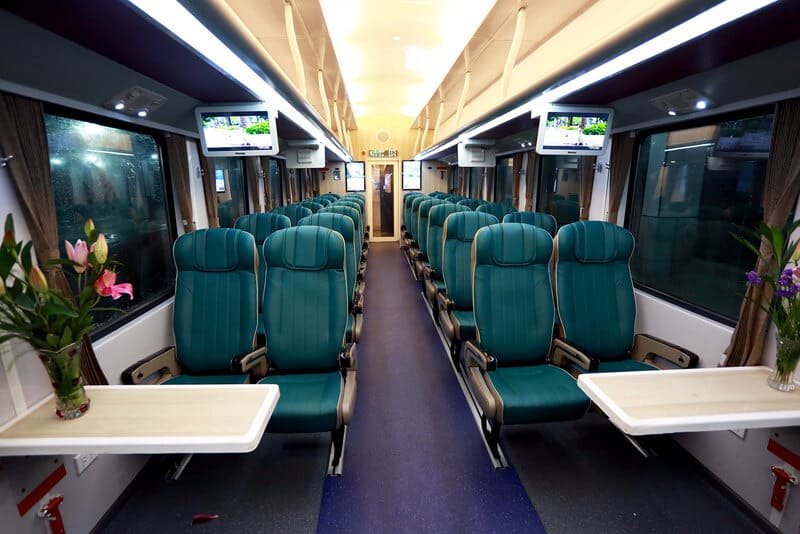
Soft seats work well for daytime train journeys (Source: Collected)
Hard sleeper cabins usually have six berths, arranged in three levels on each side. The mattresses are thinner than soft sleepers, and the upper bunks have limited headroom.
This class is cheaper than a soft sleeper, but it can feel cramped. It may suit budget travelers, backpackers, or those who do not mind basic conditions.
Best for: travelers prioritizing cost over comfort.
Soft sleeper cabins usually have four berths, arranged in two levels on each side. The mattresses are thicker, the space is more comfortable, and this is the most suitable option for most international travelers.
For overnight journeys such as Hanoi to Da Nang, Hanoi to Lao Cai, Da Nang to Nha Trang, or Nha Trang to Ho Chi Minh City, a soft sleeper is usually the best choice.
Best for: overnight routes, couples, families, and first-time visitors.
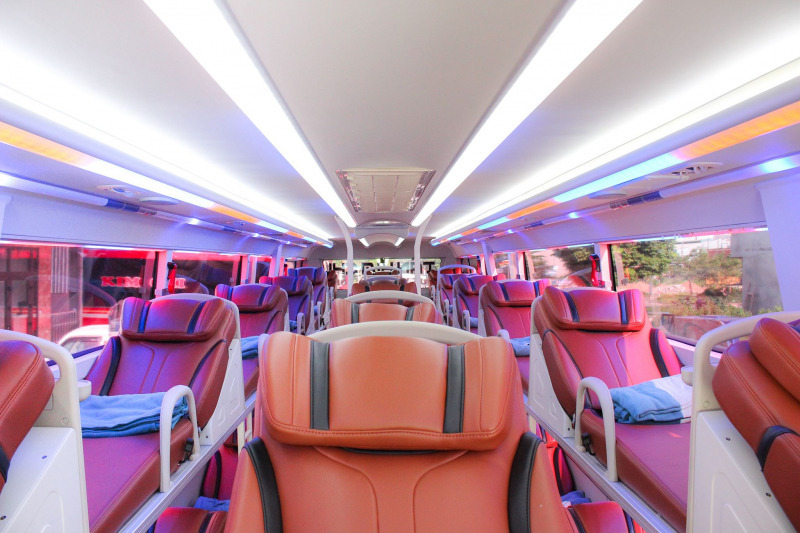
Some routes offer private or tourist sleeper carriages operated by private companies. These cabins can include better bedding, cleaner interiors, snacks, bottled water, and improved service.
They cost more than standard Vietnam Railways cabins, but they can be worth considering for routes such as Hanoi to Lao Cai or premium coastal journeys.
Best for: couples, families, and travelers wanting extra privacy or comfort.
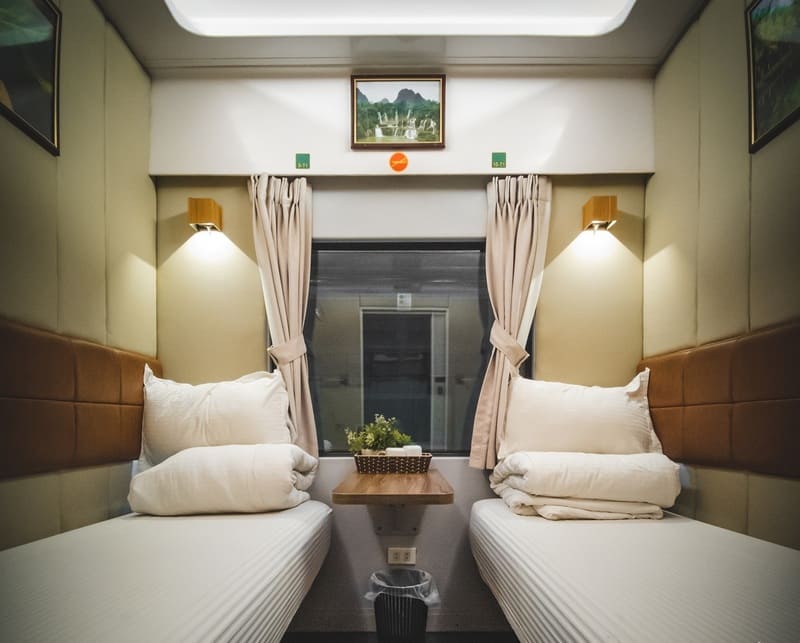
Private cabins offer a more comfortable train ride (Source: Collected)
For sleeper trains in Vietnam, the lower bunk is usually the best choice. It is easier to access, offers more headroom, and gives you better control over your luggage.
The upper bunk can be cheaper in some cases, but it requires climbing a narrow ladder. It may also feel colder because the air conditioning vents are often closer to the top of the cabin.
If you are traveling with children, older adults, or heavy luggage, book lower bunks whenever possible.
The section between Da Nang and Hue is one of Vietnam’s most scenic train journeys. The train climbs along the Hai Van Pass, with views of green mountains, the East Sea, fishing villages, and curving coastal tracks.
This route is short enough for most travelers and scenic enough to be worth choosing over a road transfer.
For the best experience, take a daytime train and sit on the side facing the coast when possible.
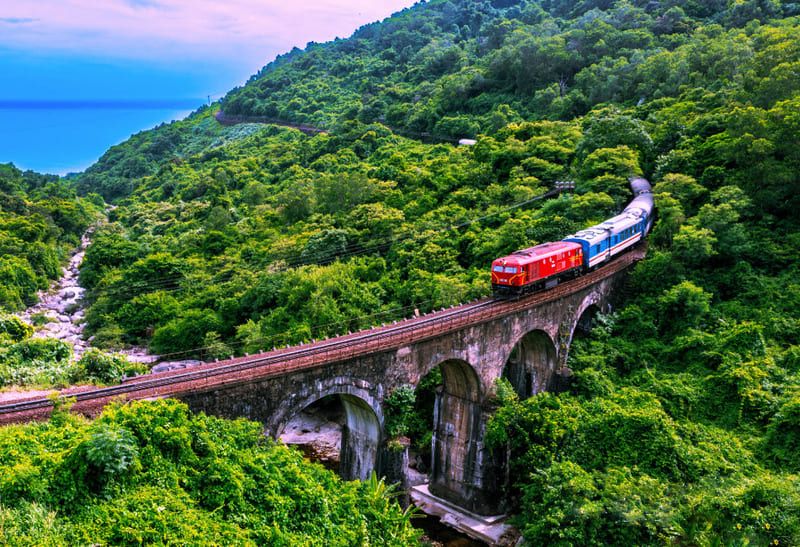
The Hai Van Pass is Vietnam’s most scenic rail section (Source: Collected)
The Hanoi to Lao Cai route is popular for travelers heading to Sapa. While much of the journey takes place at night, it offers a classic Vietnamese overnight train experience.
Private tourist cabins on this route are widely used by international travelers. After arriving in Lao Cai early in the morning, you can continue to Sapa for mountain views, ethnic villages, and terraced rice fields.
This short route passes through northern countryside, small towns, farmland, and local communities. It is not as dramatic as the Hai Van Pass, but it is easy, affordable, and convenient.
It is a good introduction to Vietnam train travel for visitors who do not want a long journey.
Several sections between Da Nang, Quy Nhon, Nha Trang, and Ho Chi Minh City pass near the coastline or through rural landscapes. Depending on the train schedule, you may see beaches, fishing boats, rice fields, salt farms, and small stations along the way.
Daytime trains are better for scenery, while overnight trains are better for saving travel time.
Vietnam’s main railway stations are located along the North - South Railway, providing convenient access to many of the country’s top destinations.
If you're starting your rail journey in the capital, explore our complete guide to Hanoi Railway Station.
Vietnam train travel is generally more flexible than flying when it comes to luggage. Passengers usually keep their bags inside the cabin or near their seats.
In sleeper cabins, luggage can be stored under the lower bunk or on the storage shelf above the door. In seat carriages, overhead racks are available for smaller bags.
Practical luggage tips:
Although luggage is not usually weighed strictly, it is still better to travel with manageable baggage.
Long-distance trains usually have food carts or dining services. Staff may pass through the carriages selling simple meals, snacks, drinks, instant noodles, coffee, fruit, and bottled water.
Food quality can vary by train and route. For short trips, you may not need to buy anything onboard. For overnight or long-distance journeys, bring your own food to make the trip more comfortable.
Useful items to pack include:
If you have dietary restrictions, bring enough food before boarding. Train stations usually have small shops, but selection can be limited.

Snacks and drinks are sold onboard many Vietnam trains (Source: Collected)
Vietnamese trains are functional rather than luxurious. Comfort depends on the train type, route, carriage, and ticket class.
Most long-distance trains provide air conditioning, toilets, washbasins, power outlets in some carriages, bedding in sleeper cabins, and basic food services.
Bathrooms are usually usable but simple. Cleanliness can change during the journey, especially on long routes. Bring tissues, hand sanitizer, wet wipes, and your own toiletries.
Air conditioning can feel cold at night. A light jacket, long pants, or travel scarf can make the journey more comfortable.
You can book Vietnam train tickets online, through travel agencies, at railway stations, or with help from your hotel.
Online booking is usually the easiest option for travelers who want to compare routes, times, prices, and seat classes in advance. It also helps you secure preferred cabins during busy travel periods.
When booking, check these details carefully:
For overnight trains, book early if you want a lower bunk or a private cabin.
For normal travel periods, booking several days to two weeks in advance is usually enough for many routes.
For popular routes, sleeper cabins, tourist carriages, weekends, holidays, and Tet, book as early as possible. Trains can sell out quickly during peak periods.
You should book earlier if:
Last-minute tickets may still be available, but choices can be limited.
Yes. Train travel in Vietnam is worth it if you enjoy scenic routes, slower journeys, and a more local travel experience. It is especially rewarding on routes such as Da Nang to Hue, Hanoi to Lao Cai, Hanoi to Ninh Binh, and longer coastal sections of the North-South Railway.
The Da Nang to Hue route is often considered one of the most scenic train journeys in Vietnam because it passes through the Hai Van Pass. For overnight travel, Hanoi to Lao Cai and Hanoi to Da Nang are two of the most popular routes.
Soft sleeper is the best train class for most tourists on long-distance or overnight journeys. It usually has four cushioned bunks, air conditioning, bedding, and better comfort than seats or hard sleepers.
Vietnam train ticket prices vary by route and class. Short routes may cost around $8 - $15 for a soft seat, while longer overnight routes can cost around $30 - $70 for a soft sleeper. Premium tourist cabins are more expensive.
Yes. Passengers can bring luggage onto Vietnam trains and usually store bags under the lower bunk, above the cabin door, or on overhead racks. It is best to keep valuables in a small personal bag.
Yes. Many long-distance trains have food carts or dining services selling simple meals, snacks, coffee, water, and instant noodles. However, bringing your own snacks and drinks is recommended, especially for long journeys.
Yes, especially for soft sleeper cabins, lower bunks, weekends, holidays, and Tet. Booking early gives you better choices for train times, seat classes, and cabin positions.
The full Hanoi to Ho Chi Minh City train journey is long and can take more than 30 hours. It is manageable in a soft sleeper cabin, but many travelers prefer to break the route into smaller sections such as Hanoi to Hue, Hue to Da Nang, Da Nang to Nha Trang, and Nha Trang to Ho Chi Minh City.
Trains are usually more comfortable than buses for long-distance travel because you can walk around, use sleeper cabins, and avoid winding roads. Buses can be cheaper and reach more remote destinations, but trains are often better for overnight journeys and scenic routes.
Pack water, snacks, tissues, toilet paper, hand sanitizer, a light jacket, earplugs, a power bank, downloaded entertainment, and a small bag for valuables. For overnight trains, comfortable clothing and warm layers are useful because air conditioning can be cold.
Vietnam train travel is ideal for travelers who value scenery, flexibility, and a slower way to experience the country. The trains are not the fastest option, but they offer a more grounded view of Vietnam than airports and highways.
For short scenic journeys, the Da Nang to Hue route is one of the best choices. For overnight travel, soft sleeper cabins are the most comfortable option for most visitors. For a complete north-to-south adventure, combining several train sections with flights or road transfers can create a balanced and memorable itinerary.
With the right route, cabin class, and preparation, traveling by train in Vietnam can become one of the most rewarding parts of your trip.
Learn more:


 Vietnam Tours
 Cambodia Tours
 Laos Tours
 Thailand Tours
 Multi-Country Tours