Few travel experiences offer as much freedom as exploring Vietnam by motorbike. Instead of following fixed schedules, you can stop at mountain viewpoints, local markets, fishing villages, and hidden cafés whenever you like. Before setting off, it is important to understand Vietnam's road conditions, legal requirements, weather, and route planning. This guide helps you prepare for a safer and more enjoyable journey.
Motorbike travel in Vietnam is worth considering if you enjoy flexible travel, scenic roads, and active adventure. A motorbike allows you to stop at viewpoints, visit small villages, explore remote valleys, and adjust your itinerary based on weather or personal pace.
It is especially rewarding in mountainous areas such as Ha Giang, Sapa, Moc Chau, and Bao Loc, where the road itself is part of the experience. Coastal routes such as Hai Van Pass, Ca Na, and Vung Tau also offer impressive sea views and easy access to beaches, fishing villages, and roadside seafood restaurants.
That said, motorbike travel is not suitable for every traveler. Vietnam’s roads can be unpredictable, especially in large cities, on mountain passes, and during rainy weather. First-time riders should consider short routes, guided motorbike tours, or riding as a passenger with an experienced local driver before attempting long-distance self-riding.
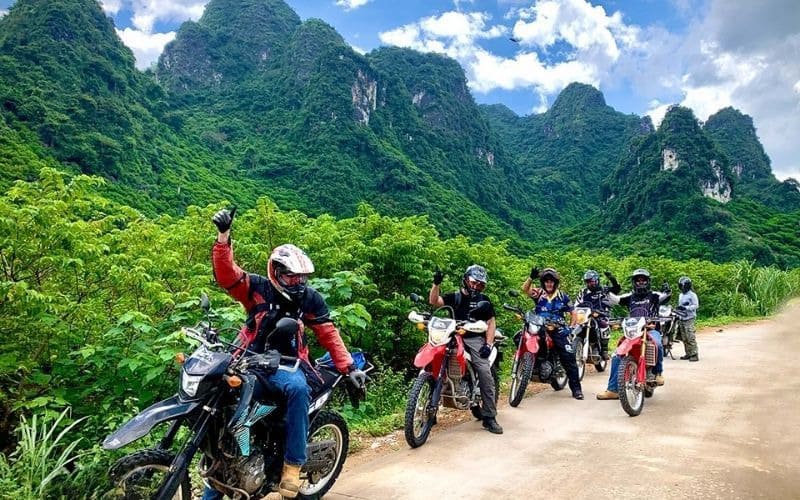
Motorbike travel gives you freedom on Vietnam’s roads (Source: Collected)
Before renting or riding a motorbike in Vietnam, check whether you are legally allowed to ride. For most foreign travelers, a home-country driving license alone is not enough. You usually need a valid motorcycle license from your country and an International Driving Permit accepted in Vietnam, with the correct motorcycle category.
Travelers staying long-term may need to convert their license or apply for a Vietnamese driving license, depending on their residency status and type of vehicle. Rules can change, so always confirm the latest requirements before your trip and check whether your travel insurance covers motorbike riding in Vietnam.
Important points to check before riding:
If you are unsure about the legal requirements, choose a guided motorbike tour with a licensed local operator or ride as a passenger instead of self-driving.
A successful Vietnam motorbike trip depends on preparation. Long-distance riding is physically demanding, and small problems can become serious on remote roads.
Select a motorbike that matches your route and experience level. For city riding and short coastal trips, an automatic scooter may be enough. For mountainous routes such as Ha Giang, Sapa, Moc Chau, or Bao Loc, a semi-automatic or manual motorbike is usually more suitable because it handles steep roads and engine braking better.
Before accepting a rental bike, check the brakes, tires, lights, horn, mirrors, chain, fuel gauge, and engine condition. Ask for a phone number for roadside support and confirm what happens if the bike breaks down during the trip.
Protective gear is essential. At minimum, wear a certified helmet, long trousers, closed shoes, gloves, and a lightweight jacket. A full-face or quality three-quarter helmet is safer than a thin rental helmet.
For mountain routes, bring a windproof jacket and rain gear. Temperatures can drop quickly in highland areas, especially early in the morning or after sunset.
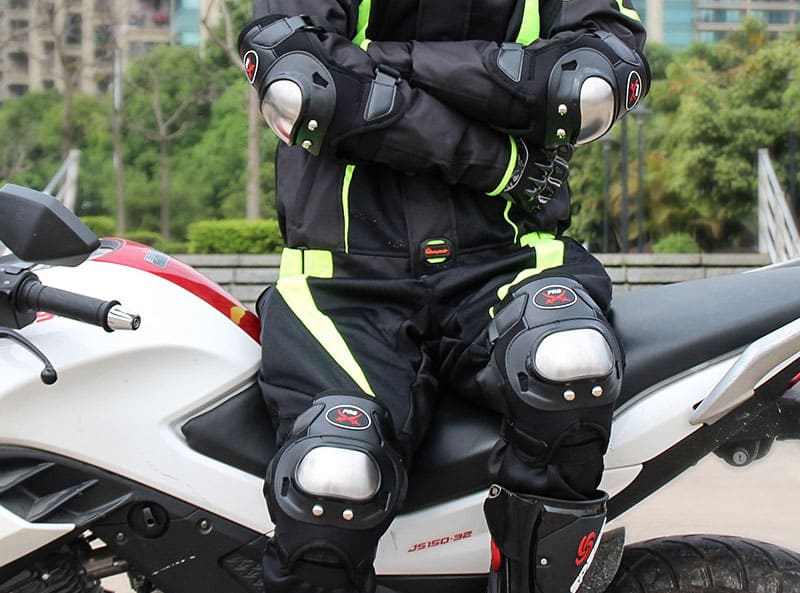
Good riding gear makes long trips safer and easier (Source: Collected)
Avoid carrying a large backpack on your shoulders while riding long distances. Use a small daypack, side bags, or a rear rack if available. Keep your luggage balanced and tightly secured.
Useful items include:
Do not rely only on real-time mobile data. Some mountain areas have weak signal, and rain or landslides can affect road conditions. Save offline maps, mark fuel stops, and avoid planning too many kilometers in one day.
For most travelers, 120 - 180 kilometers per day is already a full riding day in mountainous regions. In areas with steep passes, narrow roads, and frequent photo stops, even a short distance can take several hours.
Vietnam’s heat and humidity can cause fatigue quickly. Drink water regularly and take breaks every one to two hours. Avoid riding after dark, especially on mountain roads where visibility is poor and trucks may appear unexpectedly around bends.
Vietnam has different weather patterns in the north, central coast, central highlands, and south. There is no single perfect month for every route, so the best time depends on where you plan to ride.
The best months for motorbike travel in Northern Vietnam are generally March to May and September to November. These periods often bring clearer skies, comfortable temperatures, and better visibility on mountain passes.
September and October are especially popular in Sapa, Mu Cang Chai, and parts of Ha Giang because rice terraces turn golden before harvest. Winter months from December to February can be cold and foggy in the mountains, while summer months from June to August may bring heavy rain and landslide risks.
For Central Vietnam, March to June is usually a good time for motorbike travel. The weather is warmer, rainfall is lower, and coastal roads are easier to enjoy. This period is suitable for routes around Da Nang, Hoi An, Hai Van Pass, Hue, Ca Na, and Ninh Thuan.
From September to November, storms and heavy rain can affect the central coast. If you plan to ride during this period, check the weather forecast carefully and avoid mountain passes during bad conditions.
Southern Vietnam is generally easier to ride year-round, but the dry season from December to April is the most convenient. Roads are drier, visibility is better, and trips to Tay Ninh, Vung Tau, the Mekong Delta, and Ca Mau are easier to plan.
The rainy season from May to November can still be manageable, but afternoon showers are common. Start early, carry rain gear, and avoid flooded roads during heavy rain.
For a complete overview of Vietnam's weather and seasonal travel patterns, explore the best time to visit Vietnam.
Vietnam offers many motorbike routes for different riding levels. Some are suitable for beginners, while others require strong riding skills and confidence on steep or winding roads.
Ha Giang is one of the most iconic motorbike destinations in Vietnam. The route passes through dramatic limestone mountains, deep valleys, ethnic minority villages, and high mountain passes. Highlights include Dong Van Karst Plateau Geopark, Ma Pi Leng Pass, Quan Ba Twin Mountains, Dong Van Ancient Town, and the Nho Que River.
This route is best for confident riders because the roads are steep, winding, and sometimes narrow. Many travelers choose a guided tour or ride as a passenger with a local driver to enjoy the scenery more safely.
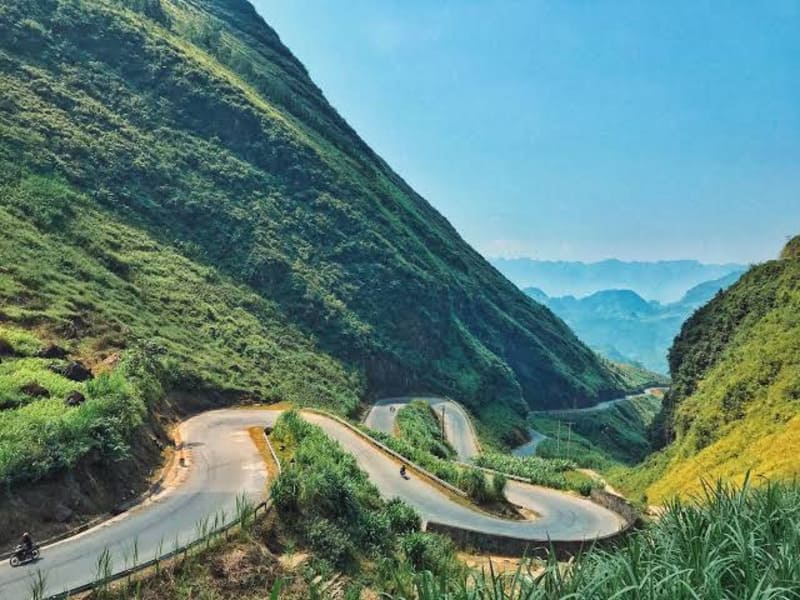
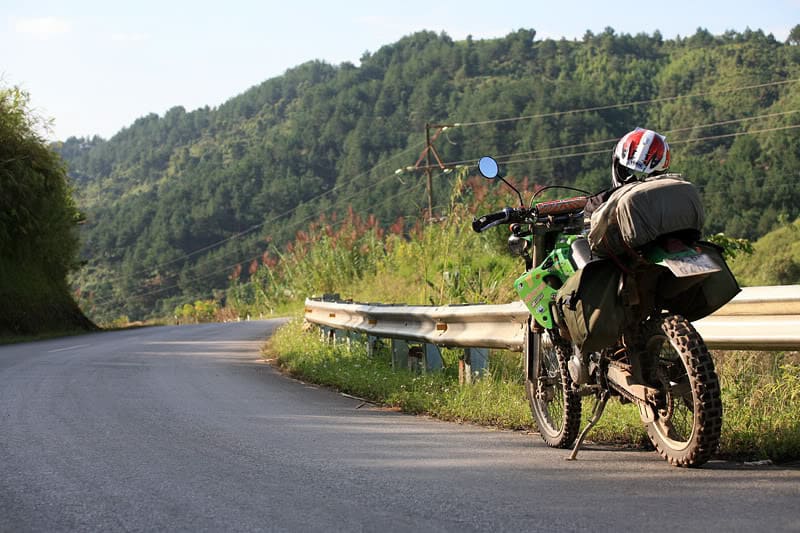
Winding mountain roads on the Ha Giang Loop (Source: Collected)
Sapa is a rewarding destination for motorbike travelers who want mountain scenery, terraced rice fields, and ethnic village landscapes. Popular riding areas include Muong Hoa Valley, Lao Chai, Ta Van, Ta Phin, O Quy Ho Pass, and nearby waterfalls.
The roads around Sapa can be foggy and slippery, especially during rainy months. Ride slowly, avoid sudden braking, and check visibility before heading into the mountains.
Bac Son Valley is a quieter alternative to the more famous northern routes. The area is known for rice fields, limestone mountains, traditional stilt houses, and historical sites connected to Vietnam’s revolutionary period.
This route suits travelers who prefer rural scenery and a slower pace. The roads are generally less crowded than Ha Giang or Sapa, making Bac Son a good option for riders looking for a peaceful northern countryside experience.
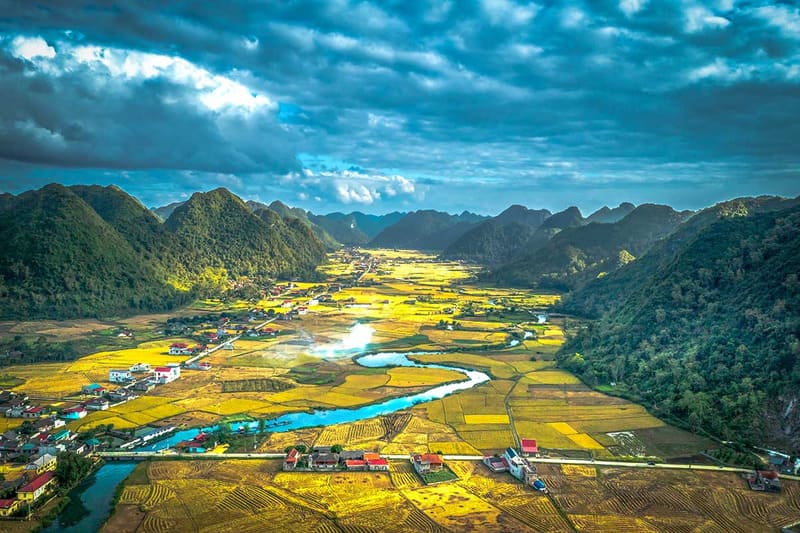
Peaceful countryside scenery in Bac Son Valley (Source: Collected)
Moc Chau is a popular highland route with tea hills, pine forests, waterfalls, flower farms, and cool weather. Riders can visit Ban Ang Pine Forest, Dai Yem Waterfall, Moc Chau tea plantations, dairy farms, and nearby ethnic villages.
The route from Hanoi to Moc Chau includes mountain roads and several scenic sections. It is suitable for riders with some experience, especially if traveling during dry weather.
To discover more mountains, cultural sites, and natural landscapes, check out our Northern Vietnam travel guide.
Hoi An is suitable for easy motorbike rides, especially for travelers who want a gentle route rather than a challenging adventure. You can ride through rice fields, vegetable villages, quiet lanes, and beaches such as An Bang and Cua Dai.
This area is ideal for half-day or full-day rides. It is also a good place for beginners to gain confidence before attempting longer routes in Central Vietnam.
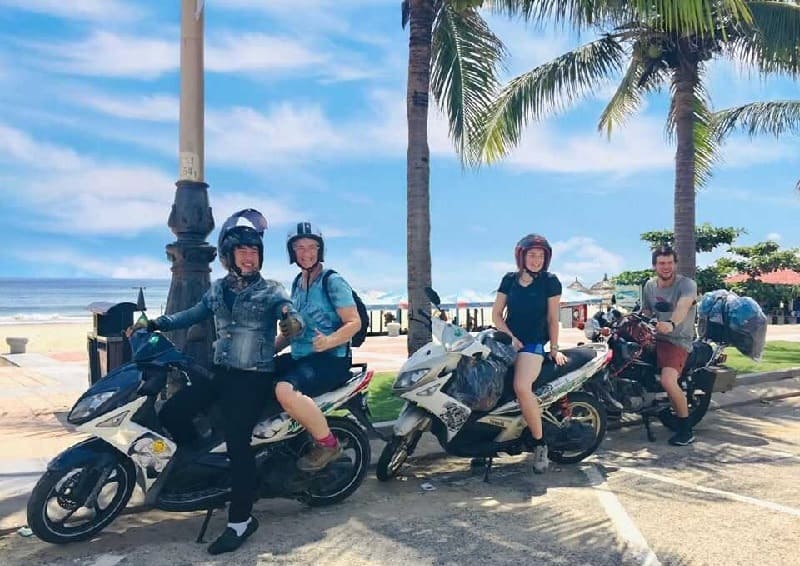
Enjoying the freedom of Vietnam's coastal roads (Source: Collected)
The Ca Na coastal road is one of Central Vietnam’s most scenic seaside routes. Riders can enjoy views of blue water, rocky coastline, fishing villages, and dry coastal landscapes. The road connects well with areas around Ninh Thuan and Binh Thuan, making it a good addition to a longer south-central motorbike itinerary.
This route is best during dry weather when the sea is clear and visibility is good. Watch for strong sun, crosswinds, and trucks on main roads.
Hai Van Pass is one of Vietnam’s most famous motorbike routes. The road climbs between Da Nang and Hue, offering sweeping views of mountains, forest, coastline, and the East Sea. It is a classic ride for travelers staying in Da Nang, Hoi An, or Hue.
Although the route is popular, it still requires careful riding. Take your time around bends, avoid overtaking on blind corners, and stop only at safe viewpoints.
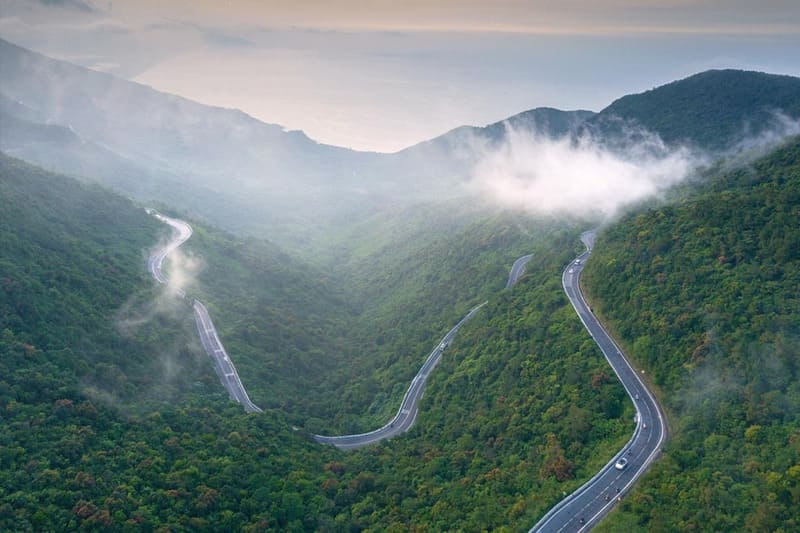
Winding through the clouds on Hai Van Pass (Source: Collected)
Bao Loc Pass is a challenging route in Vietnam’s Central Highlands. It is known for sharp bends, steep sections, misty weather, and mountain scenery. The pass connects lowland areas with the highlands of Lam Dong and is often part of routes toward Da Lat or Bao Loc.
This route is better suited to experienced riders. Fog, rain, trucks, and tight curves can make the pass dangerous if you ride too fast or travel in poor weather.
For more destinations, itineraries, and practical travel advice, explore our Central Vietnam travel guide.
Phu Quoc is a convenient destination for relaxed motorbike exploration. Renting a scooter allows travelers to visit beaches, fishing villages, pepper farms, local markets, streams, and coastal roads at their own pace.
Popular stops include Sao Beach, Long Beach, Ham Ninh Fishing Village, Suoi Tranh, Ganh Dau, and the northern forest area. Some smaller roads may be sandy or uneven, so ride carefully after rain.
Ca Mau Cape is the southernmost point of mainland Vietnam and a memorable destination for long-distance riders. The route offers river landscapes, mangrove forests, local villages, and a strong sense of reaching the end of the country.
Highlights include Ca Mau Cape National Park, U Minh Ha Forest, Nam Can mangroves, and local seafood stops. This route is more about cultural and geographical experience than mountain adventure.
Tay Ninh is a good motorbike destination from Ho Chi Minh City. The route is relatively accessible, and the province offers a mix of religious sites, rural roads, and mountain scenery. Ba Den Mountain is the main highlight, known as the highest mountain in Southern Vietnam.
Riders can also visit Cao Dai Temple, local markets, and countryside roads around the mountain. Avoid riding back to Ho Chi Minh City too late because traffic near the city can be tiring.
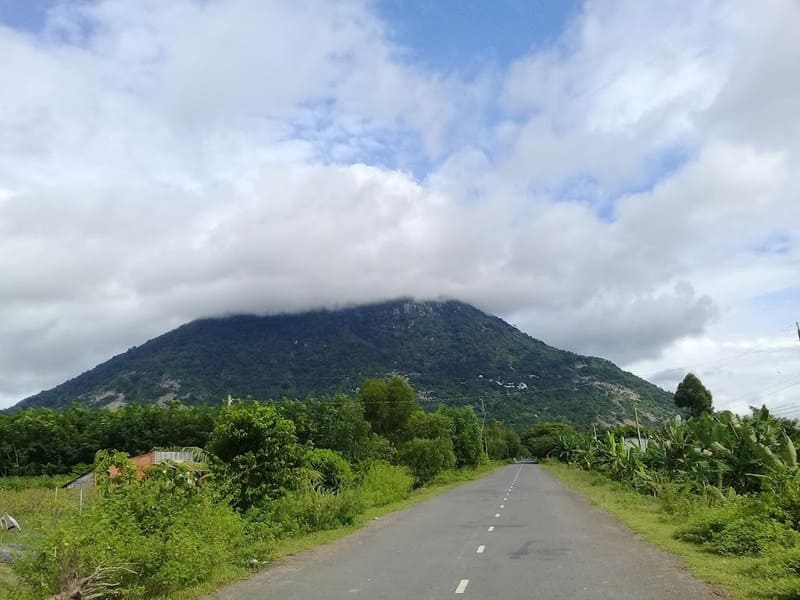
The road leading to Ba Den Mountain (Source: Collected)
Ba Ria - Vung Tau is one of the easiest coastal motorbike trips from Ho Chi Minh City. The route offers beaches, sea breezes, small hills, cafés, seafood restaurants, and weekend getaway atmosphere.
In Vung Tau, travelers can visit the lighthouse, Hon Ba Island, Front Beach, Back Beach, Suoi Nghe Sheep Field, Da Xanh Lake, and coastal viewpoints. This route is suitable for travelers who want a short beach escape rather than a demanding motorbike expedition.
Planning to explore beyond these motorbike routes? Our Southern Vietnam guide covers the region's top attractions and experiences.
For a short ride, choose one compact destination instead of rushing across regions. Good options include Da Nang to Hai Van Pass, Hoi An countryside, Ho Chi Minh City to Vung Tau, or Phu Quoc Island.
These routes are suitable for travelers who want a taste of motorbike travel without committing to a long-distance journey.
A medium motorbike trip allows more flexibility. You can consider Ha Giang Loop, Sapa and nearby valleys, Da Nang - Hai Van Pass - Hue - Hoi An, or Ho Chi Minh City - Tay Ninh - Vung Tau.
This trip length works well for travelers with some riding experience and enough time to rest between long riding days.
Longer trips can include Northern Vietnam mountain routes, Central Vietnam coastal roads, or a south-to-central itinerary toward Da Lat and Nha Trang. A full north-to-south motorbike journey is possible, but it requires strong planning, reliable equipment, legal documents, insurance, and enough time.
Avoid building an itinerary that depends on riding every day without rest. Weather, road conditions, mechanical issues, and fatigue can affect the schedule.
Motorbike travel in Vietnam can be exciting, but safety should come first. Many accidents happen because travelers underestimate traffic conditions, ride too fast, or choose routes beyond their skill level.
Follow these practical safety tips:
In cities such as Hanoi and Ho Chi Minh City, traffic may feel chaotic to first-time visitors. Move slowly, follow the flow of traffic, and avoid sudden lane changes.
To make your trip safer and more enjoyable, read our complete guide to Vietnam travel tips.
Self-riding gives you more independence, but it also comes with legal, safety, and navigation responsibilities. It is better for experienced riders who are properly licensed and comfortable with Vietnam’s traffic conditions.
A guided motorbike tour is a safer and more convenient option for many travelers. Local guides understand road conditions, weather patterns, repair stops, food places, and safe viewpoints. Guided tours are especially useful in Ha Giang, Sapa, the Central Highlands, and remote mountain routes.
Riding as a passenger with an experienced local driver is another good option. You can enjoy the scenery without dealing with difficult traffic or legal uncertainty around self-riding.
Many travelers make the same mistakes when planning a Vietnam motorbike trip. Avoid these issues to make your ride safer and smoother:
A good motorbike trip should feel flexible, not rushed. Leave space in your itinerary for weather changes, local stops, and rest.
Yes, but you must meet Vietnam's legal driving requirements. Most foreign visitors need a valid motorcycle license from their home country together with an International Driving Permit (IDP) recognized in Vietnam for the appropriate motorcycle category.
Motorbike travel can be safe if you ride within your ability, wear proper protective gear, obey traffic laws, and avoid riding in bad weather or after dark. Mountain roads require extra caution because of sharp bends and changing road conditions.
Yes. Choose travel insurance that specifically covers riding a motorbike in Vietnam and check the maximum engine capacity and licensing requirements included in the policy.
Automatic scooters are suitable for cities and short coastal rides. Semi-automatic or manual motorbikes are better for mountain routes such as Ha Giang, Sapa, and Bao Loc Pass because they provide better control on steep roads.
Rental prices typically range from 150,000 to 500,000 VND per day, depending on the bike type, location, rental period, and season. Larger motorcycles generally cost more than standard scooters.
The Ha Giang Loop is widely considered Vietnam's most spectacular motorbike route thanks to its mountain scenery and winding passes. Hai Van Pass, Sapa, Moc Chau, and the Ca Na coastal road are also among the country's most popular rides.
The Ha Giang Loop is not recommended for inexperienced riders. If you have limited riding experience, consider joining a guided tour or riding with a local driver instead of riding independently.
Fuel stations are widely available in cities and towns. In remote mountain areas, they are less frequent, so refill your tank whenever possible and avoid waiting until the fuel level is low.
It is possible, but you should expect slippery roads, reduced visibility, and occasional flooding or landslides in mountainous regions. Always check the weather forecast before starting your ride.
For most travelers, 120 - 180 kilometers per day is a comfortable distance on mountain routes. Shorter daily distances allow time for sightseeing, rest breaks, and unexpected weather changes.
Vietnam motorbike travel can be one of the most memorable ways to experience the country. The best routes combine dramatic landscapes, local culture, regional food, and the freedom to explore at your own pace.
For first-time riders, start with easier routes such as Hoi An countryside, Hai Van Pass, Phu Quoc, or Vung Tau. For experienced riders, Ha Giang, Sapa, Moc Chau, Bao Loc Pass, and the Central Highlands offer more challenging and rewarding adventures.
Before you ride, prepare carefully. Check your legal documents, choose a reliable motorbike, wear proper gear, plan realistic distances, and respect local road conditions. A safe and well-planned journey will make Vietnam’s motorbike routes far more enjoyable.
If you want a safer and better-planned adventure, Your Vietnam Travel can help design a customized Vietnam motorbike itinerary with suitable routes, local guidance, and realistic travel pacing.
Learn more:


 Vietnam Tours
 Cambodia Tours
 Laos Tours
 Thailand Tours
 Multi-Country Tours