Han Market is located in the center of Da Nang. It is one of the most famous traditional markets in the city. Visitors can find a wide range of products, including fresh produce, seafood, dried goods, clothing, souvenirs, and street food. This market is not only a shopping spot but also a place to observe the daily life of local people.
This guide by Your Vietnam Travel will help you explore Han Market with ease. It covers what to buy, what to eat, how to get there, and which nearby attractions to visit. The information is practical and useful for first-time visitors as well as returning travelers.
Han Market is situated at 119 Tran Phu Street, Hai Chau 1 Ward, Hai Chau District, right in the heart of Da Nang. Its strategic location places it at the crossroads of four major roads: Tran Phu, Bach Dang, Hung Vuong, and Nguyen Van Linh. This central position ensures convenient access from various parts of the city, making it a prominent landmark for both locals and tourists.
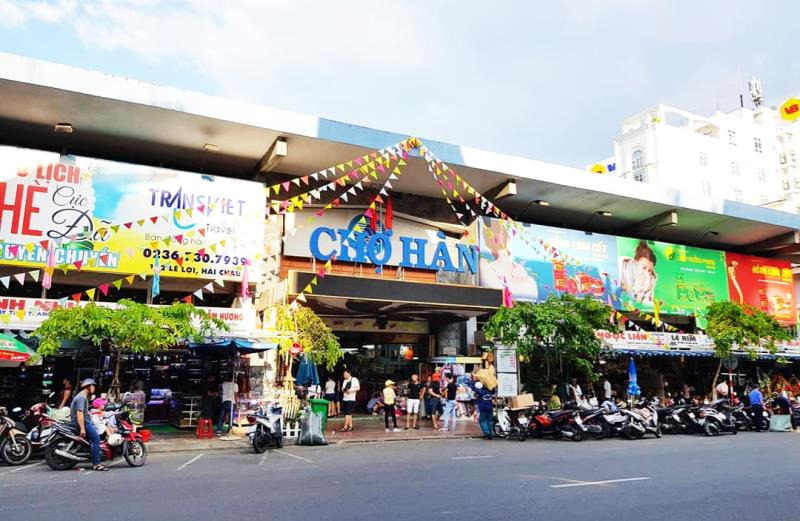
Han Market is located in Da Nang, Vietnam (Source: Collected)
Han Market operates daily from 6:00 AM to 7:00 PM. While the market officially remains open until the evening, the most vibrant atmosphere can be experienced from early morning through mid-afternoon. For a full selection of goods and an engaging shopping experience, visiting before 7:00 PM is recommended, as many vendors start closing their stalls afterward.
Han Market dates back to the late 19th century during the French colonial period, when Tourane (now Da Nang) was officially established in 1888. The market's name originates from the Han River (“Cửa Hàn”), alongside which it was built.
In its early days, the market consisted of one-story shop houses. Most were operated by Chinese and Vietnamese merchants. Located on Champeaux Street (now Hung Vuong Street), the area became a bustling trade center, supported by nearby infrastructure such as a railway station and a ferry terminal. The ferry remained in operation until the Han River Bridge opened in 2000.
Historical accounts from the 17th century already mention a market by the Han River, indicating its longstanding role in regional commerce.
Following the wars, Han Market was rebuilt in 1990 as a two-story structure. The new design moved away from French or traditional Vietnamese styles but maintained its status as a central market. Once known as the “rich people’s market,” it now serves both locals and tourists, preserving its cultural and historical significance.
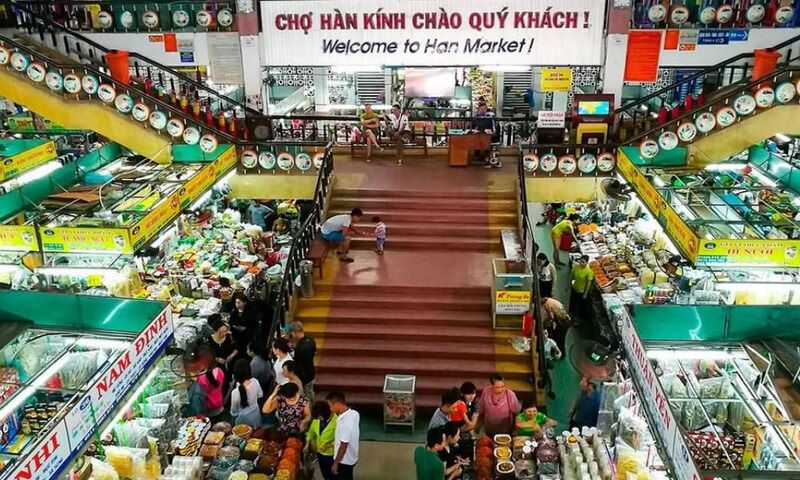
Inside Han Market in Da Nang (Source: Collected)
Reaching Han Market is simple thanks to its central location in Da Nang and the variety of transportation options available for both local and international visitors.
Han Market is approximately 30 kilometers from Hoi An. Travel time is about 1 hour by car or motorbike.
Whichever mode of transportation you choose, Han Market is easily accessible and well-connected, making it a convenient stop on any Da Nang itinerary.
This section is a must-visit for anyone curious about the bold and savory side of Vietnamese cuisine. Local fermented pastes such as mam nem (anchovy sauce), mam ruoc (shrimp paste), and mam tom chua (pickled shrimp) are rich in flavor and deeply rooted in the region’s cooking traditions. These condiments are often used in dishes like grilled pork vermicelli or fresh spring rolls.
Nearby, you’ll find a variety of dried foods including squid, shrimp, beef jerky, and simmered baby crab. They are neatly packaged, travel-friendly, and perfect as gifts for food lovers or to bring a taste of Da Nang home with you.
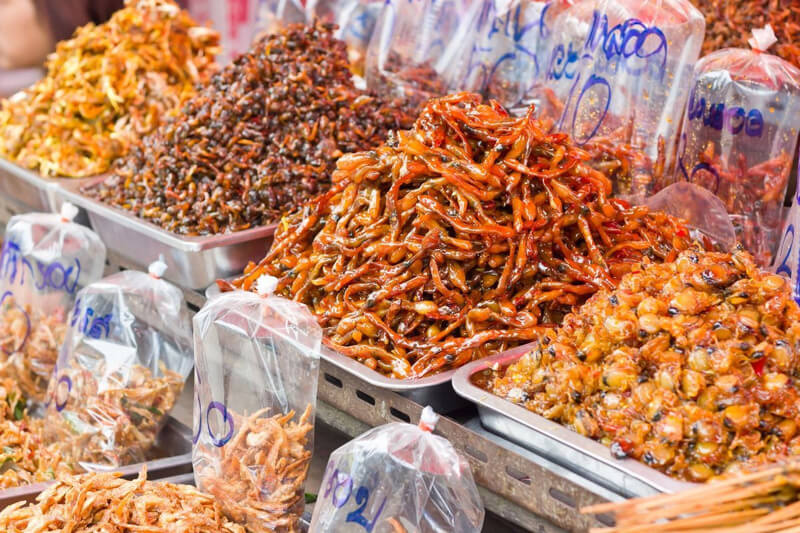
Fermented paste and dried foods at Han Market (Source: Collected)
The seafood area buzzes with energy as vendors display today’s catch from local waters. Tanks filled with live crabs, squid, clams, and even stingrays show how fresh the selection truly is. Many stalls sell directly from the morning catch, ensuring great quality and flavor.
Travelers who plan to cook while staying in homestays or rental apartments often pick up fresh seafood here for a home-style meal. Vendors are usually helpful and can clean or pack seafood on request, making the process smooth even for first-time visitors.
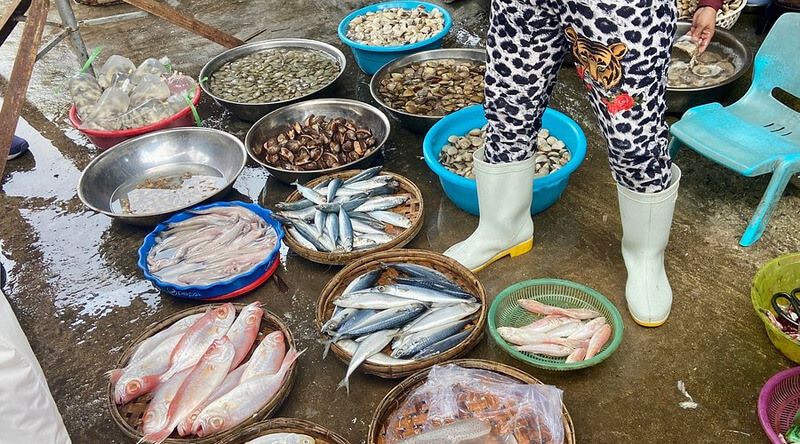
Fresh seafood at Han Market (Source: Collected)
This part of the market offers a delightful introduction to traditional Vietnamese sweets and snacks. Look for mung bean cakes, sesame candies, coconut biscuits, and peanut brittle. These treats are often made with simple ingredients but full of flavor and cultural meaning.
Many stalls allow you to sample before buying, which adds to the fun of exploring. With their compact size and attractive packaging, these snacks are excellent for taking on the go or gifting to friends and family.
Fashion lovers will enjoy browsing the clothing stalls for both modern and traditional outfits. You’ll find everything from lightweight summer dresses and casual wear to the elegant ao dai, Vietnam’s traditional long dress. The materials used range from silk and cotton to breathable linen, all suitable for the tropical climate.
Some vendors offer custom tailoring services, allowing travelers to choose a fabric and get a made-to-measure garment ready in just one or two days. This personalized souvenir adds a unique touch to your trip.
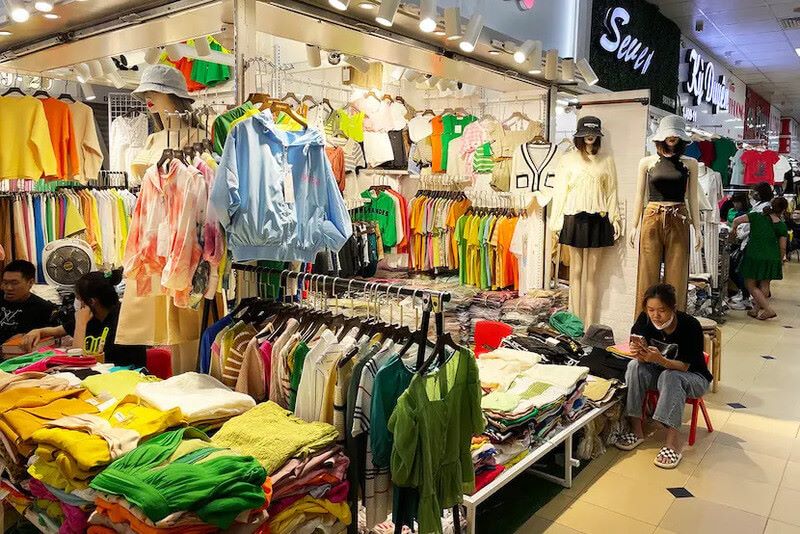
Apparel and fashion items at Han Market (Source: Collected)
These natural, handcrafted products reflect the peaceful rural charm of Central Vietnam. Artisans use sedge and rattan to create a wide variety of items including baskets, placemats, handbags, and jewelry boxes. The designs range from rustic to modern, and each piece is handmade with care.
These products are both functional and decorative, making them great gifts or additions to your own home. Their durability and eco-friendly materials also appeal to conscious travelers looking for meaningful souvenirs.
To complete your Han Market experience, don’t miss the souvenir stalls filled with cultural keepsakes. Hand-painted ceramics, bamboo lanterns, embroidered linens, and wood carvings showcase Vietnam’s rich artistic heritage. You can also find small items like conical hats, bookmarks, and miniature models of Vietnamese landmarks.
These pieces not only make great gifts but also help support local artisans and preserve traditional crafts. Many vendors welcome a bit of bargaining, and the friendly atmosphere makes shopping an enjoyable part of your journey.
Many first-time visitors find bargaining at Han Market easier than at other local markets, as vendors are generally patient and familiar with tourists.
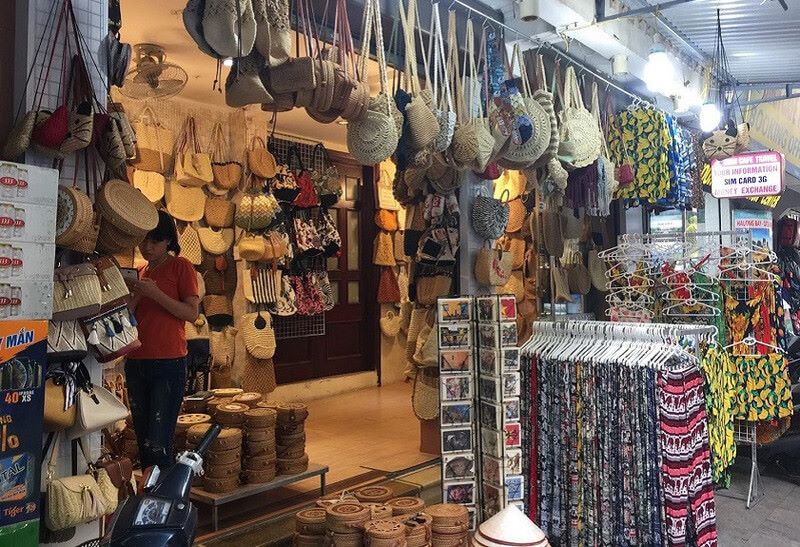
Souvenirs and traditional handicrafts at Han Market (Source: Collected)
The food court at Han Market is always bustling with the aroma of grilled meats, fresh herbs, and rich broths filling the air. Exploring the market's food stalls is like a guided tour of the most distinctive dishes of Central Vietnam.
During peak hours, the food area can get crowded, but vendors are accustomed to serving tourists, and orders are prepared quickly despite the busy atmosphere.
Below are five specialties you absolutely shouldn't miss when you visit:
Mi Quang, or Quang noodles, is one of Da Nang’s signature dishes and a proud symbol of Central Vietnamese cuisine. The noodles are broad, slightly firm, and golden in color due to the addition of turmeric. They are served in a shallow bowl with a small amount of concentrated broth that clings to every strand.
What makes Mi Quang stand out is the variety of toppings. Vendors often serve it with shrimp, pork, fish, or chicken. Some versions include quail eggs and crispy sesame rice crackers for added texture. A sprinkle of roasted peanuts and a handful of fresh herbs bring brightness and crunch, creating a dish that’s hearty yet refreshing.
At Han Market, Mi Quang is prepared fresh and quickly, making it a delicious choice for a mid-shopping meal.
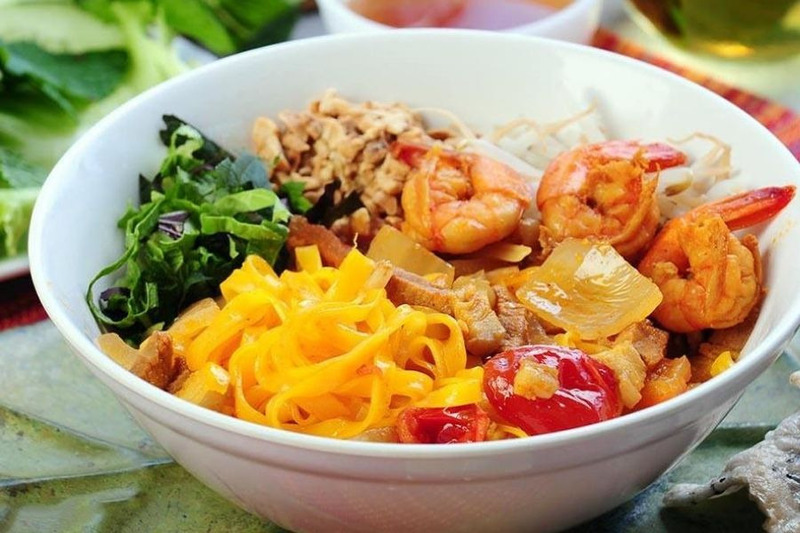
Mi Quang (Source: Collected)
Banh Xeo is a crispy Vietnamese pancake that delights both the eyes and the taste buds. Unlike the Southern version, the Da Nang style is smaller in size but extra crispy and golden. The batter, made from rice flour and turmeric, is pan-fried until the edges become crunchy and the center holds a savory mix of shrimp, pork, onions, and bean sprouts.
To enjoy Banh Xeo the traditional way, wrap a piece in rice paper along with fresh herbs and leafy greens, then dip it into a tangy fish sauce. Each bite combines crispiness, richness, and the cool freshness of vegetables, offering a perfect balance of flavors and textures.
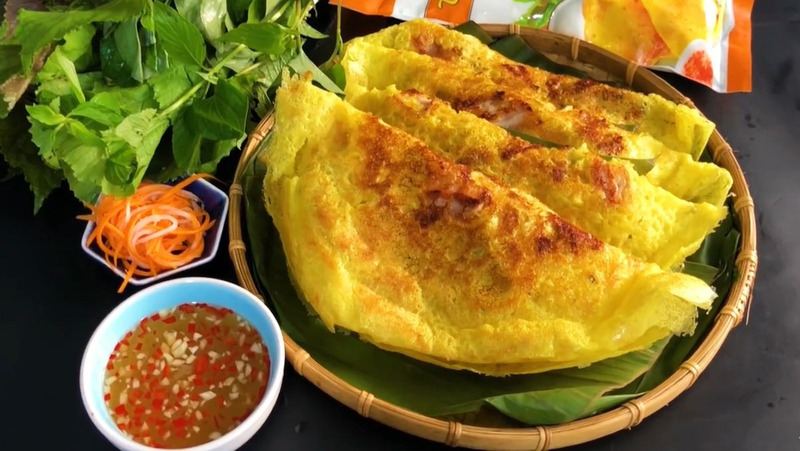
Banh Xeo (Source: Collected)
Banh Beo, or water fern cakes, are small steamed rice cakes typically served in delicate saucers. Topped with dried shrimp powder, crispy shallots, and a drizzle of scallion oil, each bite carries a soft texture layered with savory and aromatic toppings.
The soul of the dish lies in the dipping sauce. A spoonful of sweet and slightly spicy fish sauce ties all the ingredients together and adds depth to every mouthful. At Han Market, Banh Beo is a popular snack and a great choice for those who want to sample something light yet full of character.
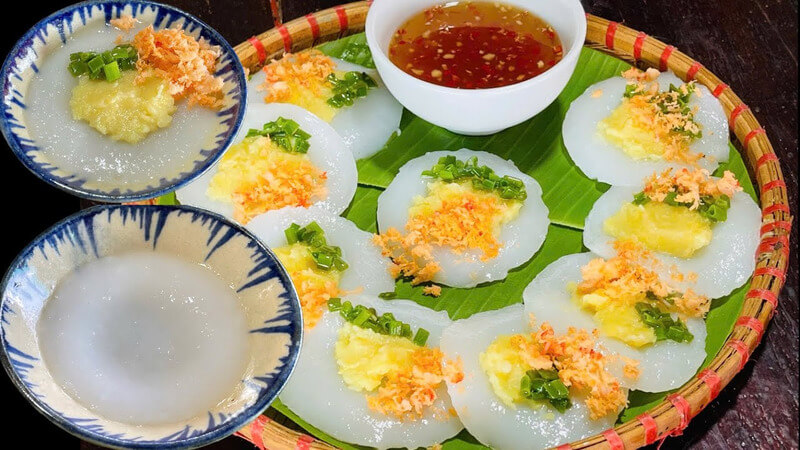
Banh Beo (Source: Collected)
This comforting noodle soup is a beloved choice for locals at any time of day. The noodles are thick and chewy, made from a combination of rice and tapioca flour. The broth can vary depending on the vendor, with common options including pork, fish cake, or crab.
Each bowl is often topped with chopped scallions, pepper, and crispy fried shallots. A rice cracker on the side adds an extra crunch. The soup's light sweetness and satisfying texture make it an ideal meal for recharging after a long walk through the market.
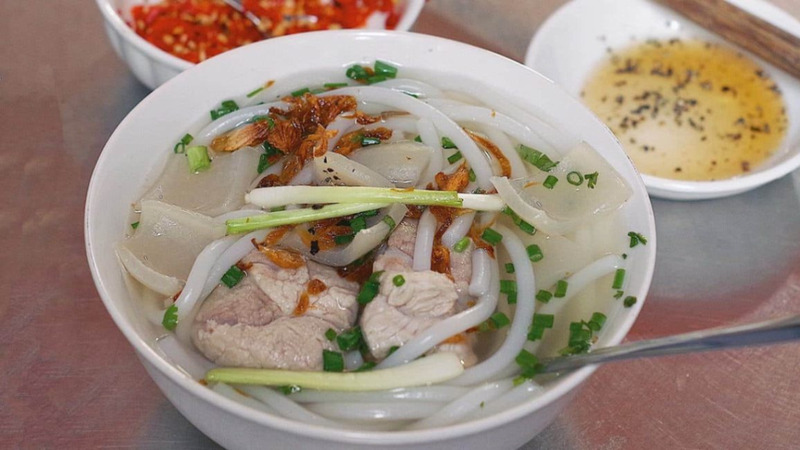
Banh Canh (Source: Collected)
Nem Lui is a flavorful street food that draws crowds with its irresistible aroma. Ground pork is seasoned, then molded around lemongrass stalks and grilled over open flames until slightly charred and smoky. The meat is served with rice paper, herbs, cucumber, and green banana slices.
To enjoy Nem Lui, wrap the grilled pork with the fresh ingredients and dip it into a thick peanut-based sauce. The contrast of textures and the richness of the sauce make this dish unforgettable. Han Market vendors prepare it fresh to order, so you can enjoy it at its best.
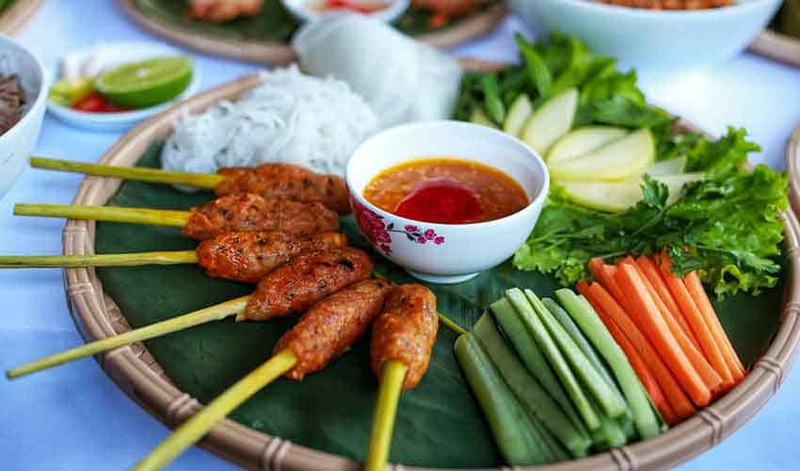
Nem Lui (Source: Collected)
If you want a deeper dive into local dishes and dining spots, check out Top 25 Restaurants in Da Nang.
When exploring local markets in Da Nang, two names often stand out: Han Market and Con Market. While both are centrally located and offer a variety of local goods, Han Market provides a better experience for tourists for several key reasons:
For travelers seeking a more comfortable, accessible, and tourist-friendly market experience, Han Market is the better choice. Its cleaner environment, multilingual vendors, and central location near key landmarks make it a top pick for visitors to Da Nang.
Make the most of your Han Market experience in Da Nang with these practical tips:
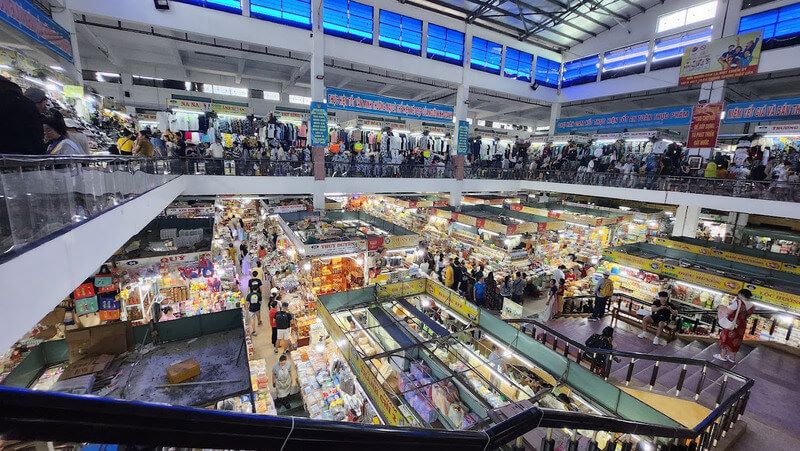
Han Market Danang (Source: Collected)
Located in the heart of Da Nang, Han Market offers convenient access to a wide range of nearby attractions that are ideal for visitors exploring the city on foot. Below is a curated list of top spots located within a short distance from the market:
Prices at Han Market are generally negotiable, especially for clothing, souvenirs, and non-packaged goods. Bargaining is expected, and savvy shoppers often secure items for 40 - 50% less than the initial asking price. However, prices for packaged food or specialty products like fish sauce tend to have less room for negotiation.
Yes, Han Market is considered safe for both locals and tourists. Security is present during operating hours, and the environment is well-managed. Nonetheless, like any busy market, it's advisable to stay alert and keep personal belongings secure to avoid potential pickpocketing in crowded areas.
For a more comfortable, organized, and tourist-friendly experience, Han Market is the better choice. It offers cleaner facilities, easier navigation, and vendors who often speak basic foreign languages. Con Market, on the other hand, caters more to locals and offers a deeper dive into Da Nang's street food culture but may feel overwhelming for first-time visitors.
Most vendors at Han Market operate on a cash-only basis. While a few larger stalls may accept mobile payment apps or cards, cash is the most reliable option. ATMs and money exchange counters are available near the market, so it’s easy to withdraw or exchange local currency when needed.
Absolutely. Han Market is designed with both locals and tourists in mind. It offers a wide variety of goods, from souvenirs and food specialties to clothing and handicrafts. Its central location, multilingual vendors, and proximity to Da Nang’s key attractions make it a top shopping destination for visitors.
Han Market stands out as a must-visit destination in Da Nang for anyone seeking authentic local flavors, unique souvenirs, and a glimpse into Vietnamese daily life. With its central location, diverse product range, and friendly atmosphere, it offers a rewarding experience for both shopping and cultural discovery.
For personalized travel advice, guided tours, or custom itineraries in Da Nang and beyond, contact Your Vietnam Travel. Our Vietnam tour packages and tailor-made Central Vietnam tours can help you combine Han Market with Hoi An, Hue, Ba Na Hills, beaches, local food, and cultural experiences in one seamless journey.






 Vietnam Tours
 Cambodia Tours
 Laos Tours
 Thailand Tours
 Multi-Country Tours