Sapa’s rice terraces are among the most iconic landscapes in northern Vietnam, with mountain slopes shaped into thousands of layered steps that change color throughout the year. From mirror-like paddies in the planting season to lush green hills in summer and golden fields at harvest, each period offers a distinct view.
In this guide, Your Vietnam Travel explains what makes these terraces special, where to find the most beautiful spots, and how to explore them in a responsible and rewarding way across Vietnam’s highland region.
Why Should You Visit the Sapa Rice Fields?
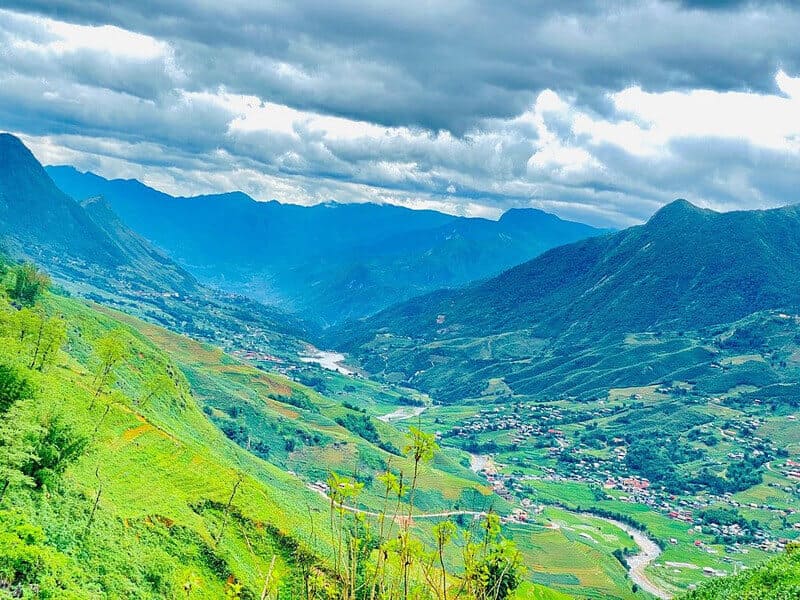
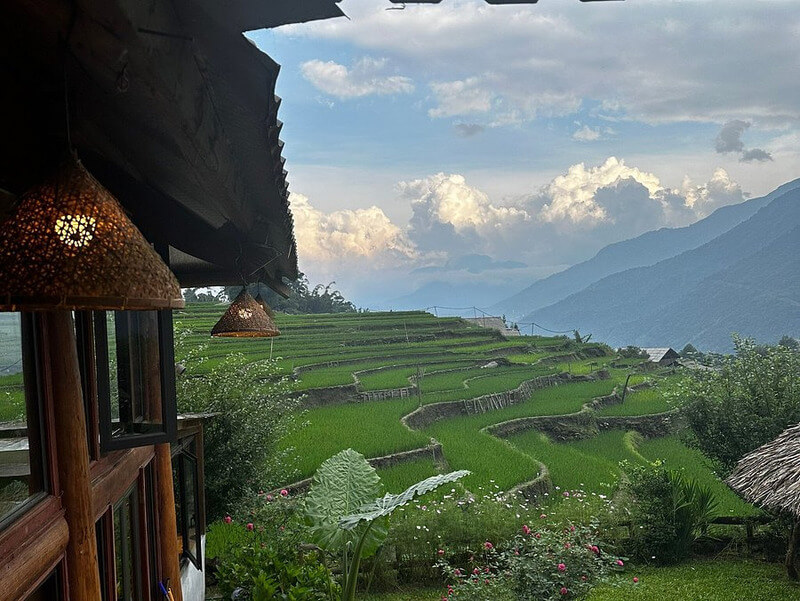
Sapa’s rice terraces are a striking blend of human craftsmanship and mountain landscapes. Over generations, local communities have shaped the hills into layered steps, guiding water across the slopes of Muong Hoa Valley to create one of Vietnam’s most distinctive scenes.
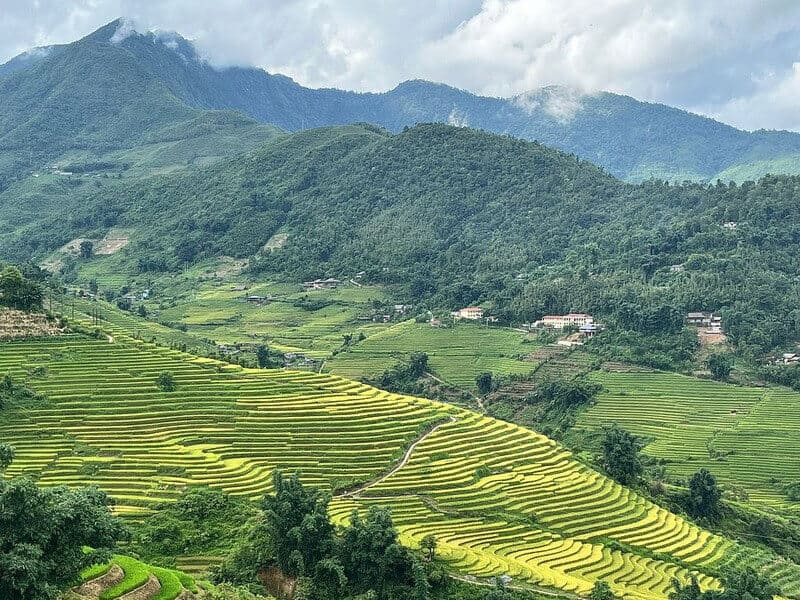
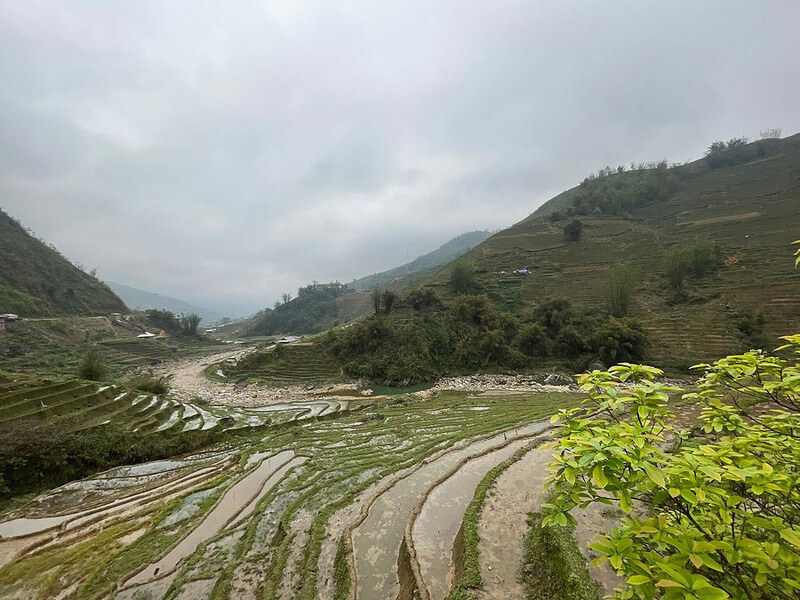
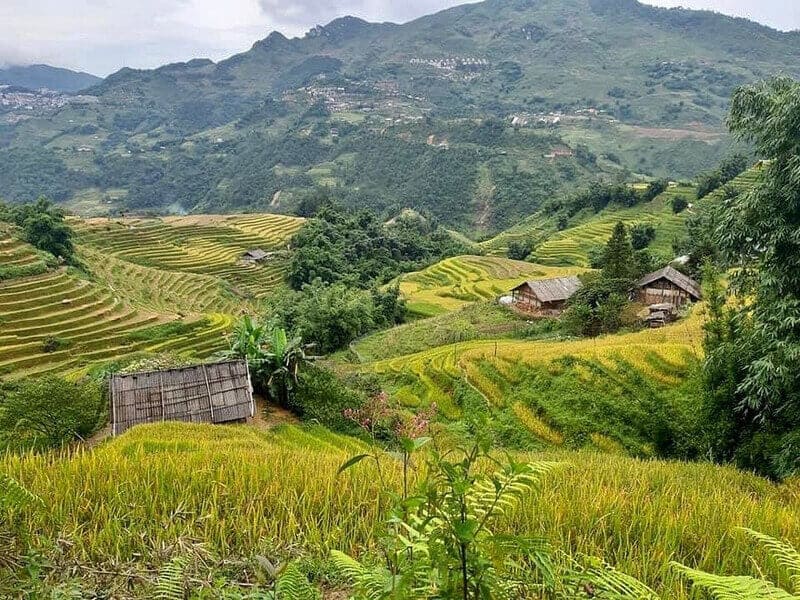
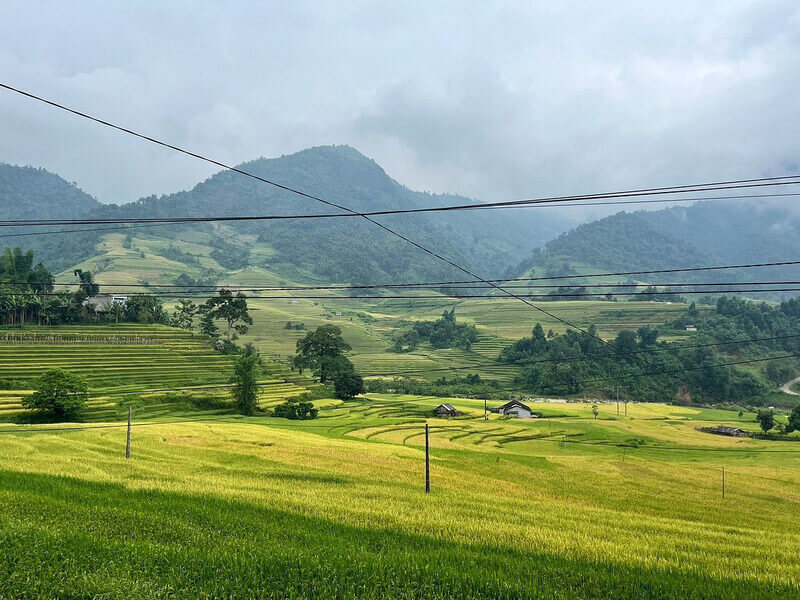
Each season offers a different view. From late April to May, the terraces fill with water, reflecting the sky like mirrors. By late August to September, the fields turn golden, creating the most photogenic landscapes of the year.
Beyond their beauty, these fields reflect everyday life for ethnic groups such as the H’Mong, Dao, and Tay. You can explore them on easy walks through villages like Ta Van, Lao Chai, Y Linh Ho, or Ta Phin, or stop at scenic viewpoints along the Sapa town area and O Quy Ho Pass.
For the most rewarding experience, plan your visit in May or September. Summer (June to August) is lush but often rainy, while winter is cooler with misty views. Travel with a local guide when possible, respect local customs, and consider supporting communities by buying directly from local artisans.
Learn more: 12 Most Beautiful Vietnamese Rice Paddies and Rice Terraces
Top Sapa Rice Fields & Terraces You Should Visit
These locations showcase Sapa’s rice terraces from different perspectives, from close-up village paths to wide valley panoramas and easy-access viewpoints. You can mix them with short treks or café stops depending on your pace and interests.
Muong Hoa Valley
- Why visit: The most iconic area for Sapa rice terraces, with sweeping views across Lao Chai, Ta Van, and Y Linh Ho.
- What to expect: A mix of riverside paths, ridge viewpoints, and classic S-shaped terraces, ideal for both sightseeing and photography.
- Best time to go: Late April to May for reflective paddies; September for golden harvest views and soft light.
If you want a deeper overview of routes and viewpoints, see our detailed guide to Muong Hoa Valley.
![Muong Hoa Valley]() |
|
Muong Hoa Valley in Sapa (Source: Tripadvisor)
|
Cat Cat Village
- Why visit: A compact and accessible option near Sapa town, ideal if you want terrace views without a long trek.
- What to expect: A short walking loop with rice fields, bamboo water wheels, and streamside bridges.
- Best time to go: April to May for mirrored paddies; September for golden rice fields. Early morning or late afternoon is best.
You can also explore more tips and photo spots in our full Cat Cat Village guide.
Ta Van Village
- Why visit: A quieter village in Muong Hoa Valley with wide terrace views and a relaxed atmosphere.
- What to expect: Homestays, hillside cafés, and gentle trails with eye-level views of the paddies.
- Best time to go: August to September for golden fields; May for fresh green terraces and reflective patches.
For stay options and trekking routes, check our full Ta Van Village guide.
![Ta Van Village]() |
|
Ta Van Village rice fields in Sapa (Source: Tripadvisor)
|
Lao Chai Village
- Why visit: One of the best places to walk close to working rice terraces and see daily farm life.
- What to expect: Easy trekking routes, detail-rich scenery, and a natural connection to Ta Van for a half-day or full-day walk.
- Best time to go: May for reflections; September for golden fields and clearer skies.
![Lao Chai Village]() |
|
Lao Chai Village rice fields in Sapa in planting season (Source: Tripadvisor)
|
Ta Phin Village
- Why visit: A scenic and cultural stop where rice terraces meet Red Dao traditions, embroidery, and herbal baths.
- What to expect: A relaxed half-day loop with terrace views, village life, craft stops, and a nearby limestone cave.
- Best time to go: September for golden fields and stable weather; April to May for fresh green terraces.
Sin Chai Village
- Why visit: A quieter area near Fansipan with open, uncluttered views and strong “big sky” landscapes.
- What to expect: Broad stepped slopes, eye-level viewpoints, and excellent conditions for photographers who prefer clean compositions.
- Best time to go: September mornings for clear visibility; late May for reflective terraces after irrigation.
Y Linh Ho Village
- Why visit: A beautiful hillside village known for tight terrace curves above the Muong Hoa River.
- What to expect: Short climbs, changing viewpoints, and strong wide-angle scenery with natural farming activity in season.
- Best time to go: September for rich texture and depth; May for reflections after rain.
![Y Linh Ho Village]() |
|
Y Linh Ho Village rice terrace fields in Sapa (Source: Tripadvisor)
|
Ban Ho Village
- Why visit: A peaceful valley village with riverside rice fields, stilt houses, and suspension bridges.
- What to expect: Slower-paced scenery, layered riverside views, and a good setting for a relaxed half-day visit.
- Best time to go: August to September for golden landscapes; June to July for lush green fields.
Thanh Kim Village
- Why visit: A quieter alternative with broad panoramas and fewer crowds than the main valley.
- What to expect: Gentle walking paths, ridge viewpoints, and simple, open compositions with plenty of sky.
- Best time to go: September for warm golden-hour light; late April to May for mirrored terraces.
![Thanh Kim village]() |
|
Green Sapa rice fields by Thanh Kim village and retreat places (Source: Tripadvisor)
|
Y Ty
- Why visit: A remote, high-altitude area with dramatic terraces near the cloud line.
- What to expect: Fewer crowds, changing mountain weather, and sunrise scenes with cloud seas rolling across the ridges.
- Best time to go: September for golden terraces and crisp air; May for water-filled reflective fields.
With fewer crowds and more dramatic mountain weather, Y Ty also appeals to travelers interested in photography and scenic trips in Vietnam.
Nam Cang Village
- Why visit: A quiet, nature-focused area on the edge of Hoang Lien National Park.
- What to expect: Forested surroundings, streams, footbridges, and close-up terrace views with a slower, more secluded feel.
- Best time to go: Late July to August for lush green scenery; early September for harvest colors.
![Nam Cang rice fields]() |
|
Nam Cang rice fields in Sapa (Source: Tripadvisor)
|
Nam Than - Nam Nhieu - Nam Sai
- Why visit: A good choice for longer, less-touristy treks through authentic rural landscapes.
- What to expect: Narrow trails, small hamlets, limited facilities, and a more local experience with fewer visitors.
- Best time to go: September for golden terraces; May for reflective water-filled fields.
Ngu Chi Son Mountain
- Why visit: One of the best high viewpoints for seeing multiple terrace valleys at once.
- What to expect: Panoramic mountain scenery, wide photography angles, and clear layered views after rain.
- Best time to go: September to October after rain for clarity; May mornings for mist and reflections.
![The Sacred Five Fingers Mountain]() |
|
Rice fields in The Sacred Five Fingers Mountain - Ngu Chi Son (Source: Tripadvisor)
|
Best Viewpoints to Admire the Sapa Rice Fields
Sapa offers beautiful rice field views from both mountain roads and higher viewpoints. Here are two of the best places to enjoy the scenery.
Fansipan Cable Car
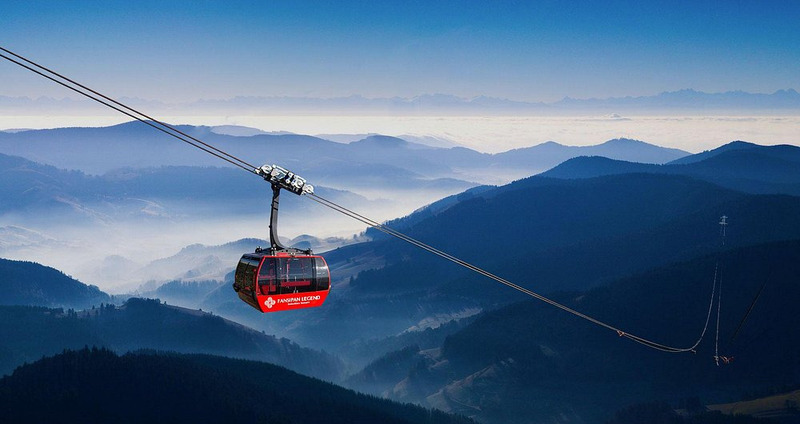
The Fansipan cable car gives you wide views over the Hoang Lien range, terraced fields, villages, and clouds on clear days. Morning is usually best for clearer skies and steadier light, and it can feel cooler at higher altitude, so bring a light jacket.
For photos, sit by a clean window and shoot at a slight angle to reduce reflections. From late April to May, the flooded terraces look especially striking from above.
![Sun World Cable Car]() |
|
Guests choosing Sun World Cable Car to Fansipan Mountain to view Sapa (Source: Tripadvisor)
|
O Quy Ho Pass
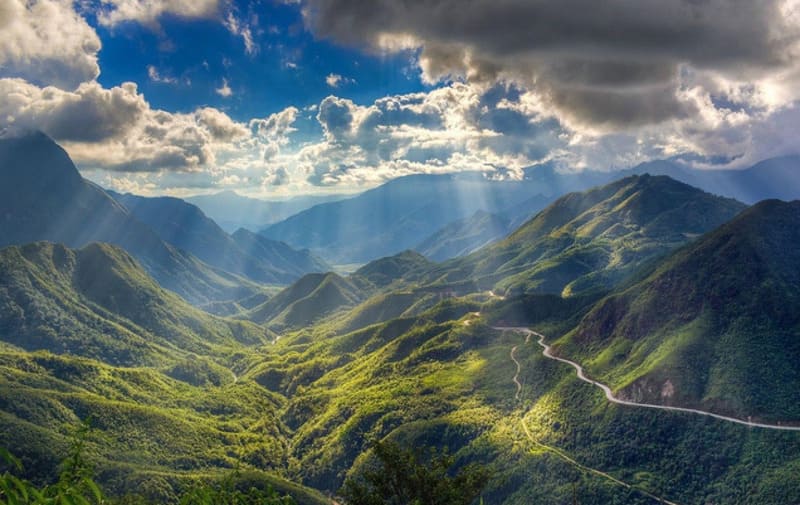
O Quy Ho Pass is one of the top viewpoints for panoramic views of Sapa’s rice terraces. Several roadside stops look out over broad valley landscapes and the Hoang Lien mountains.
The views are often clearest after rain, while late afternoon light in harvest season adds more depth to the terraces. If you visit by motorbike or car, take care on mountain roads and stop only at safe pull-offs.
When to See Sapa Rice Fields at Their Best
Sapa’s rice terraces shift in color throughout the year, from reflective paddies to lush green hills and golden harvest fields. Each season offers a different perspective, depending on when you visit.
- Planting Season (April - June): Terraces are filled with water before planting, creating mirror-like reflections. Late April to May is ideal for photography, especially at sunrise or sunset in Muong Hoa Valley.
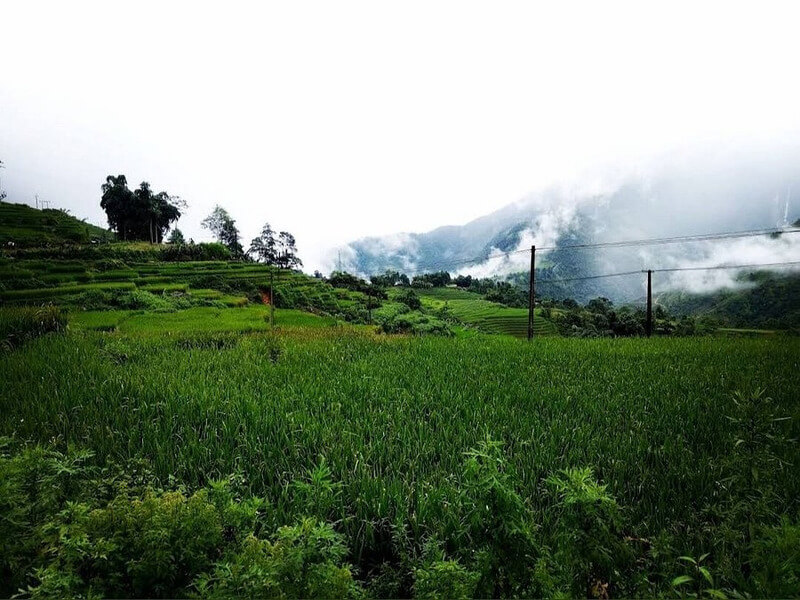
- Green Season (June - August): Fields turn vibrant green, with waterfalls at their fullest. Rain is frequent, so plan morning treks and bring proper gear for slippery trails.
- Harvest Season (Late August - September): Rice ripens into golden layers across the valleys. This is the most photogenic period, with clear skies and warm light, especially around Lao Chai and Ta Van.
For a more detailed breakdown of weather, timing, and travel tips, see our guide on the best time to visit Sapa rice fields.
Tips for Visiting Sapa Rice Fields (What to Know Before You Go)
Sapa’s rice terraces are not just scenic viewpoints but also active farms. A little planning and cultural awareness will help you enjoy the landscape while respecting local life.
- Weather & planning: Summer (June- August) is the greenest time of year, but also the wettest. Mornings are usually clearer, making them ideal for trekking and photography. In the afternoon, you can take a break at a café, visit a museum, or ride the Fansipan cable car. Pack a light rain jacket and a waterproof bag for your phone or camera. After rain, visibility often improves, offering some of the clearest views. Avoid narrow or muddy paths during heavy showers, as they can become slippery.
- Stay on marked paths: The terraces are working farmland. Stick to established trails and avoid stepping on terrace edges. You may encounter farmers and livestock along the way, so move slowly and be respectful. If using a drone, always ask for permission first.
- Respect local communities: Many rice fields are managed by local ethnic communities. Hiring a local guide can improve your experience, from navigating routes to understanding daily life. Supporting local artisans or tipping fairly helps keep tourism benefits within the community.
- Best light for photos: Early morning offers soft light, mist, and fewer crowds. Late afternoon and sunset provide warmer tones and stronger contrast across the terraces. Midday light is harsher, so it’s a good time to rest or relocate. After rainfall, the air is often clearer, which is ideal for wide landscape shots.
- Season overview: From late April to June, the terraces are filled with water during planting season, creating reflective surfaces. From late August to September, the fields turn golden during harvest, with early September often being the peak. Even outside these periods, Sapa still offers lush green scenery in summer and a quieter, more atmospheric feel in winter.
FAQs about Sapa Rice Fields
Are Sapa rice terraces worth visiting?
Yes, Sapa rice terraces are considered among the most beautiful in Southeast Asia. They combine dramatic mountain scenery with centuries of local farming traditions, making them both visually stunning and culturally meaningful.
Where can I see the best rice terraces in Sapa?
The most popular places include Muong Hoa Valley, Lao Chai, Ta Van, and Y Linh Ho. For quieter and more remote views, consider Y Ty or Nam Cang.
Do you need to trek to see Sapa rice fields?
Not always. While trekking offers the best close-up experience, you can still enjoy scenic views from Cat Cat Village, O Quy Ho Pass, or the Fansipan cable car without long hikes.
How many days do you need to explore Sapa rice fields?
Most travelers need 2 to 3 days to explore the main rice terrace areas. If you want a route that includes village walks, viewpoints, and local stays, a 2-day Sapa trek or 3-day Sapa village tour works well, while broader Northern Vietnam itineraries allow more time to combine Sapa with Hanoi or Halong Bay.
Can you visit Sapa rice fields without a guide?
Yes, you can explore independently, especially near Sapa town. However, hiring a local guide helps you access better routes, understand local culture, and avoid getting lost on less-marked trails.
What should you wear when visiting Sapa rice fields?
Wear comfortable walking shoes with good grip, lightweight clothing, and bring a rain jacket during summer months. Trails can be muddy and slippery, especially after rain.
Is it safe to walk on rice terraces?
You should not walk directly on the terraces, as they are active farmland and can be easily damaged. Always stay on marked paths and follow local guidance.
How do you get to Sapa rice fields?
Most rice terraces are located around Muong Hoa Valley, about 10 - 15 minutes from Sapa town. You can reach them by motorbike, car, or guided trekking tours.
Are Sapa rice fields crowded?
Popular areas like Cat Cat Village and Muong Hoa Valley can be crowded, especially in peak season. For fewer tourists, visit Y Ty, Thanh Kim, or Nam Cang.
Can you combine Sapa rice fields with other destinations?
Yes, many travelers combine Sapa with Hanoi, Ha Giang, or Mu Cang Chai for a broader northern Vietnam itinerary featuring mountains and rice terraces.
Conclusion
Sapa’s rice fields shift with the seasons, from reflective terraces in spring to lush green in summer and golden landscapes at harvest. Staying near Muong Hoa Valley gives you easy access to the most scenic areas.
If you have more time, head to Y Ty or Nam Cang for quieter views, or take the Fansipan cable car and O Quy Ho Pass for wider panoramas.
To make the most of your trip, consider exploring with a local guide. Your Vietnam Travel offers tailor-made Sapa trekking tours and broader Northern Vietnam tour packages designed around the best views, walking routes, and local experiences.
Start planning your Sapa journey with us today.


 Vietnam Tours
 Cambodia Tours
 Laos Tours
 Thailand Tours
 Multi-Country Tours