Hoi An Ancient Town is one of Vietnam’s most captivating cultural destinations. Recognized as a UNESCO World Heritage Site, the town preserves centuries-old architecture, traditional trading houses, temples, and assembly halls that reflect its role as a historic international port.
Visitors exploring the lantern-lit streets of Hoi An Old Town will notice that some heritage sites require an entrance ticket. The ticket system helps protect historic buildings while allowing travelers to access some of the town’s most significant cultural landmarks.
This guide from Your Vietnam Travel explains everything travelers need to know about Hoi An Old Town tickets, including prices, where to buy them, what the ticket includes, and practical tips for visiting this iconic destination.
The Hoi An Old Town ticket is an official entrance pass that grants access to selected heritage sites within the historic district. While walking through the streets of the Old Town is free, many preserved buildings and cultural landmarks require a ticket for entry.
The ticket system was introduced to support heritage conservation, cultural preservation, and tourism management. Revenue contributes to the maintenance of historic houses, temples, museums, and other protected sites.
Each ticket includes five entry coupons, allowing visitors to select five attractions from a list of historic buildings, museums, assembly halls, and cultural venues inside the Old Town.
Travelers usually spend 2-4 hours exploring the ticketed sites, though many visitors combine the experience with local cafés, lantern streets, riverside walks, and evening markets.

Hoi An Ancient Town (Source: Collected)
As of 2026, the official entrance fee for Hoi An Ancient Town is:
Each ticket includes five attraction visits within the Old Town. Visitors can choose which sites to enter based on their interests.
Ticket prices occasionally change depending on local tourism policies. Travelers should check updated information before visiting, especially during major festivals or peak travel seasons.
Hoi An Old Town tickets are easy to purchase and widely available within the historic district.
Official ticket counters are located at key entry points to the Old Town, including:
Visitors can also buy tickets from authorized ticket booths operated by the Hoi An Center for Culture and Sports. Staff usually wear official uniforms and provide clear instructions on how to use the ticket coupons.
Many guided tours include the Old Town entrance ticket as part of the itinerary, making the process more convenient for travelers who prefer a structured experience.
The Hoi An Old Town ticket grants access to five heritage attractions selected from a list of cultural and historical sites within the UNESCO-listed historic district. Instead of entering every site, visitors can choose the five places that interest them most, allowing for a flexible and personalized exploration of the Old Town.
The ticket covers several categories of attractions, including ancient merchant houses, museums, Chinese assembly halls, temples, and cultural performance venues. Each site reveals a different aspect of Hoi An’s rich heritage, from its international trading past to its spiritual traditions and local cultural life.
Hoi An is known for its well-preserved merchant houses built between the 18th and 19th centuries, when the town flourished as an important trading port in Southeast Asia. These houses were once owned by wealthy merchant families involved in international trade with China, Japan, and Europe.
Popular examples include:
These historic homes combine Vietnamese, Chinese, and Japanese architectural influences, often featuring wooden columns, tiled roofs, decorative carvings, and internal courtyards designed for ventilation and natural light.
Inside, visitors can observe traditional wooden interiors, antique furniture, ancestral altars, and preserved household items that reflect the lifestyle of merchant families who lived and worked here centuries ago.
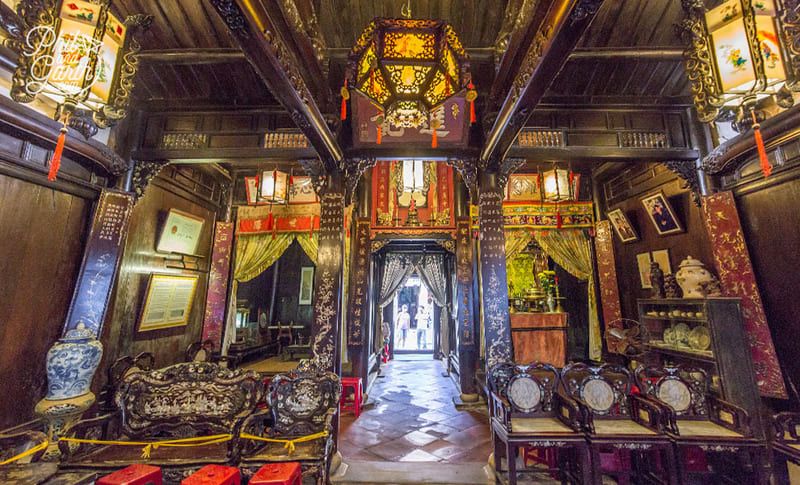
Tan Ky Ancient House (Source: Collected)
Several small but informative museums are located throughout the Old Town. These museums help visitors understand the historical development, cultural diversity, and archaeological heritage of the region.
Museums commonly included in the ticket system include:
Exhibits display ancient pottery, maritime artifacts, traditional tools, and archaeological discoveries from the Sa Huynh, Champa, and Vietnamese periods. Together, these collections illustrate how Hoi An developed into a thriving international trading port between the 15th and 19th centuries.
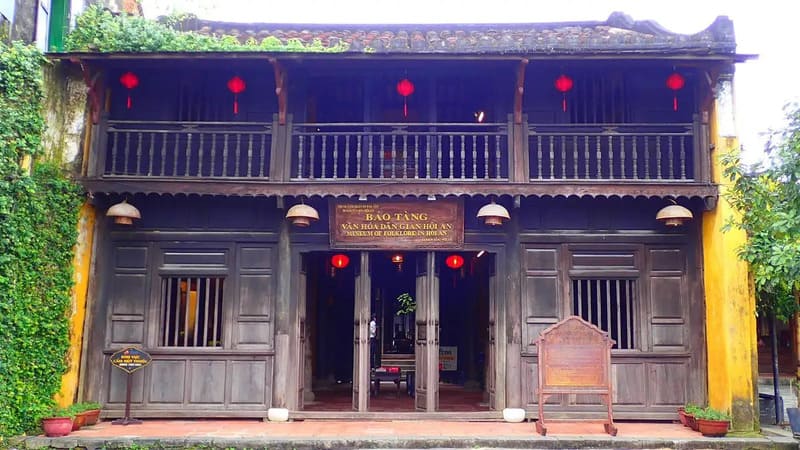
Hoi An Museum of History and Culture (Source: Collected)
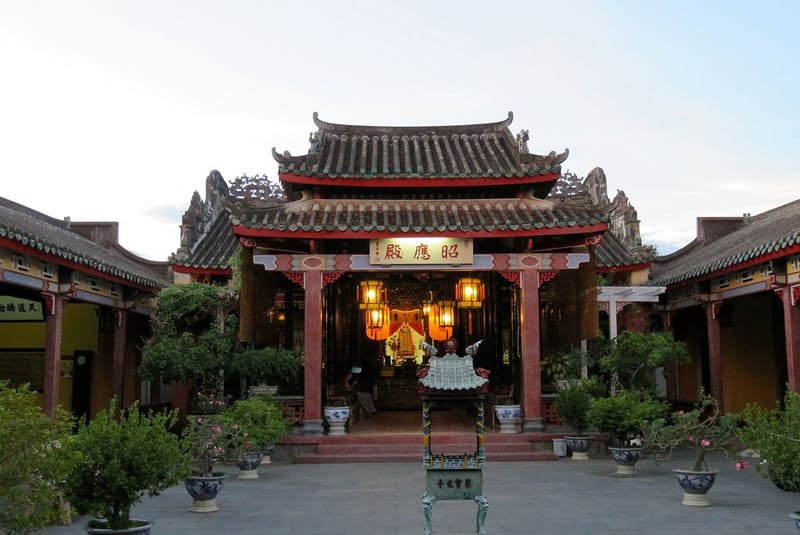
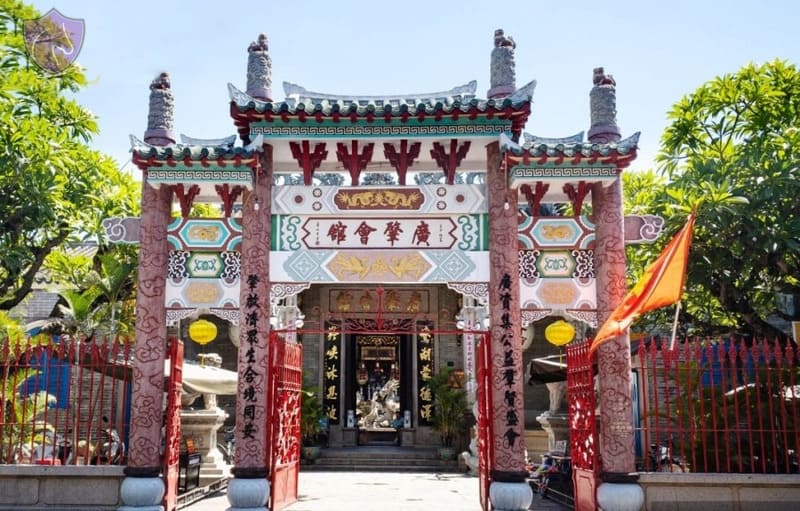
Chinese merchants who settled in Hoi An established assembly halls (known locally as “hoi quan”) to serve as religious temples, community centers, and meeting places for traders from different regions of China.
Some of the most notable assembly halls visitors can enter include:
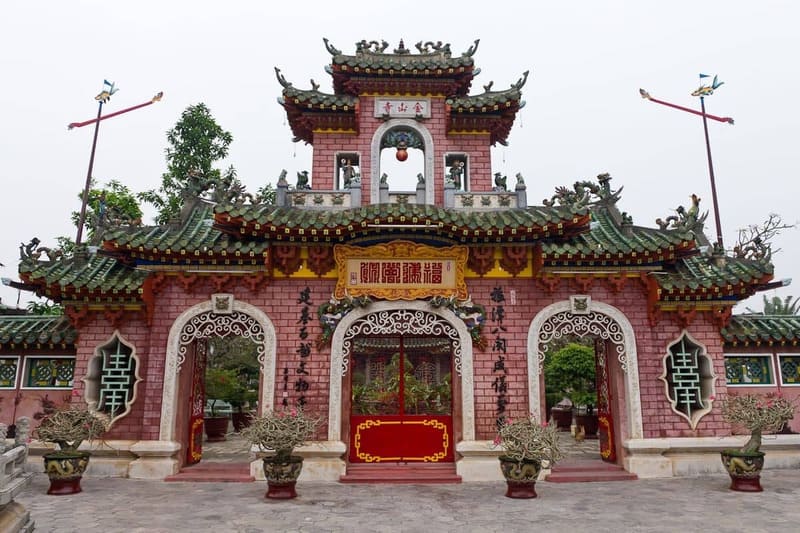
These buildings are among the most visually impressive structures in the Old Town. Visitors will notice ornate entrance gates, dragon sculptures, colorful ceramic mosaics, incense-filled courtyards, and richly decorated altars dedicated to deities associated with protection, prosperity, and seafaring.
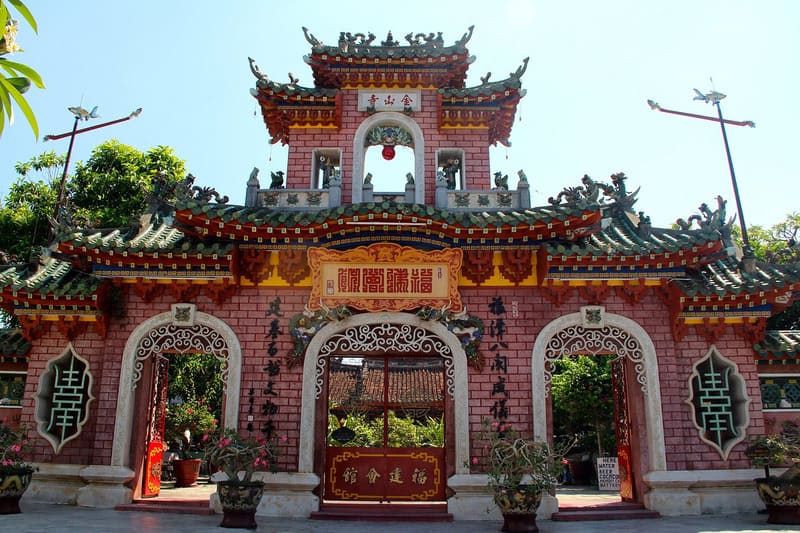
Fujian Assembly Hall (Source: Tripadvisor)
Hoi An’s spiritual landscape reflects centuries of cultural exchange and religious practice. Several temples and pagodas inside the Old Town are included among the attractions visitors can choose with their ticket.
These sacred spaces often display traditional wooden carvings, guardian statues, stone altars, and intricate roof decorations. Many temples are still actively used by local residents for prayer and religious ceremonies.
Compared with the busy streets outside, temple courtyards often provide a quiet and contemplative atmosphere, offering travelers a chance to experience the spiritual side of Hoi An’s cultural heritage.
In addition to historical buildings, the ticket may also allow entry to traditional cultural performance venues within the Old Town.
These venues host short shows featuring Vietnamese folk music, classical instruments, traditional dance, and storytelling performances inspired by local legends and cultural traditions.
Watching one of these performances offers a deeper appreciation of Vietnam’s artistic heritage while supporting local cultural preservation and community-based tourism initiatives in Hoi An.
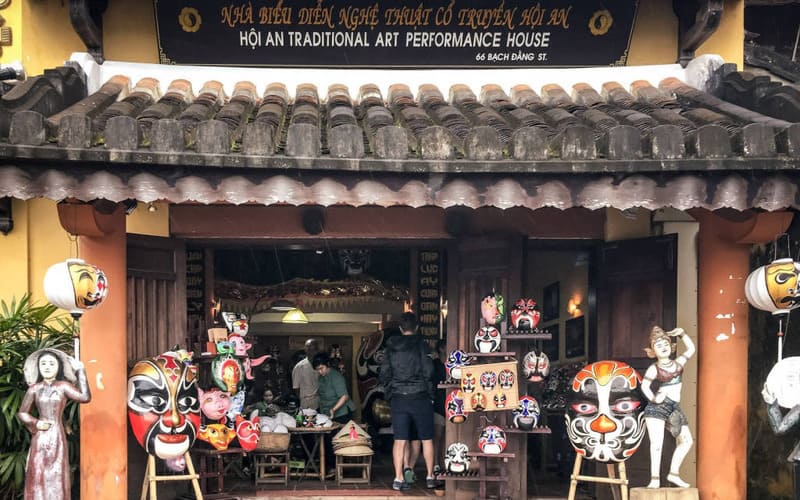
Traditional cultural performances in Hoi An Ancient Town (Source: Collected)
Many travelers combine their visit to Hoi An Old Town with nearby cultural sites, traditional craft villages, and natural attractions in the surrounding region. These destinations are located outside the Old Town heritage zone, so they are not included in the Hoi An Old Town entrance ticket and require separate entrance fees or guided tours.
Exploring these places offers a broader perspective on Central Vietnam’s culture, landscapes, and traditional lifestyles.
Located about 3 km from Hoi An Old Town, Tra Que Vegetable Village is a traditional farming community known for its fresh herbs and organic vegetables. The village has supplied produce to local markets and restaurants for generations.
Visitors can walk through the gardens, learn about organic farming techniques, and participate in hands-on activities such as preparing soil, watering plants, or harvesting herbs. Many tours also include cooking classes or farm-to-table meals prepared with locally grown ingredients.

Tra Que Vegetable Village (Source: Collected)
Just a short distance from the Old Town, Thanh Ha Pottery Village has been producing ceramics for more than 500 years. The village played an important role in supplying pottery for households and trading ships during Hoi An’s historic port era.
Visitors can explore pottery workshops, observe artisans shaping clay on traditional wheels, and even try making their own ceramic items. Nearby, the Thanh Ha Terracotta Park displays impressive clay sculptures and miniature models of famous architectural landmarks.
The Bay Mau Coconut Forest, also known as the Cam Thanh nipa palm forest, lies about 5 km from Hoi An. This unique wetland area is famous for its network of waterways lined with dense nipa palms.
Visitors typically explore the forest by traditional round basket boats, guided by local boat operators who demonstrate traditional fishing methods. Many tours include lively boat performances, net casting demonstrations, and opportunities to experience the daily life of local fishing communities.

Bay Mau Coconut Forest (Source: Collected)
Located across the Thu Bon River from Hoi An, Kim Bong Carpentry Village is known for its long tradition of woodworking craftsmanship. Skilled artisans here once built ships, temples, and wooden houses for the historic trading port.
Today, visitors can watch craftsmen carving furniture, sculptures, and decorative woodwork using traditional tools and techniques passed down through generations.
The Cham Islands (Cu Lao Cham) are a small group of islands located about 15 km offshore from Hoi An. This protected marine reserve is known for its clear waters, coral reefs, and rich biodiversity.
Boat tours from Cua Dai Harbor take visitors to the islands for activities such as snorkeling, swimming, beach relaxation, and exploring fishing villages. The islands also host several cultural and historical sites linked to local maritime traditions.

Cham Island (Source: Collected)
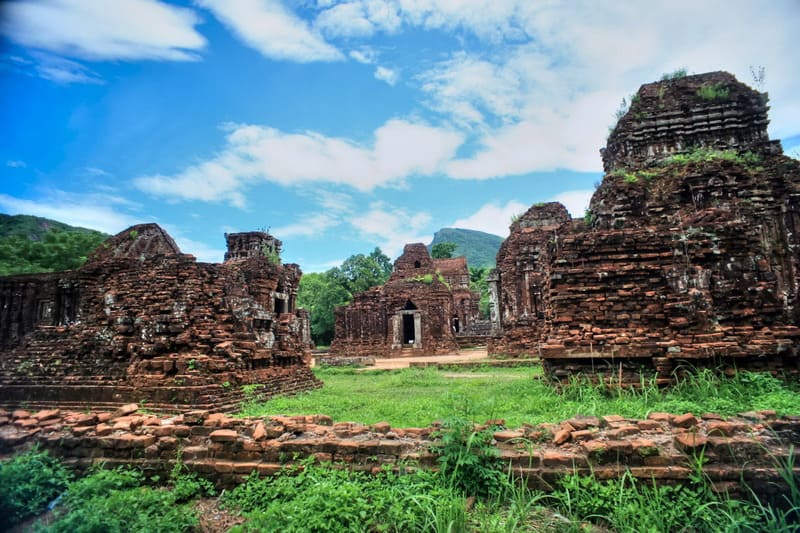
About one hour from Hoi An, My Son Sanctuary is one of Vietnam’s most important archaeological sites. Recognized as a UNESCO World Heritage Site, the complex features a series of ancient Hindu temples built by the Champa Kingdom between the 4th and 13th centuries.
Surrounded by lush mountains and jungle, My Son offers visitors a fascinating look into Champa architecture, religious traditions, and ancient Southeast Asian history.
Located between Da Nang and Hoi An, the Marble Mountains are a cluster of five limestone hills named after the five elements of Eastern philosophy.
Visitors can explore caves, pagodas, stone stairways, and panoramic viewpoints overlooking the coastline. The area is also known for its traditional stone carving villages, where artisans create sculptures and decorative stone products.
Situated in the mountains west of Da Nang, Sun World Ba Na Hills is a large hilltop resort and entertainment complex. The destination is famous for the Golden Bridge, a striking pedestrian bridge supported by giant stone hands.
Visitors can ride one of the world’s longest cable car systems, explore gardens and themed villages, and enjoy entertainment areas designed in a European-inspired style.

Sun World Ba Na Hills (Source: Collected)
Located about 17 km south of Hoi An, VinWonders Nam Hoi An is a large entertainment complex combining a theme park, cultural heritage zone, wildlife park, and river safari.
The park offers rides, cultural shows, traditional craft demonstrations, and family-friendly activities, making it a popular destination for visitors traveling with children.
A few practical tips can help travelers enjoy the Old Town experience more comfortably.
Yes. Visitors can walk freely through the streets of Hoi An Old Town without buying a ticket. The entrance ticket is only required if you want to enter specific heritage sites such as ancient houses, museums, temples, and assembly halls.
Most travelers purchase the ticket to explore several historic buildings and better understand the cultural heritage of this UNESCO-listed town.
A standard Hoi An Old Town ticket includes access to five heritage attractions inside the historic district.
Visitors can choose any five sites from a list that includes ancient merchant houses, museums, Chinese assembly halls, temples, and cultural performance venues. Staff will collect one coupon each time you enter an attraction.
Hoi An Old Town tickets are generally valid for the duration of your visit, and most travelers use all five coupons within the same day.
The ticket does not usually have a strict hourly limit, but it is intended for short-term sightseeing rather than multi-day use.
Children below a certain height or age may enter ticketed sites for free, depending on local regulations.
Policies can occasionally change, so it is best to confirm with staff at the official ticket counters when arriving in the Old Town.
Lost tickets cannot be replaced or refunded. If a ticket is lost before all coupons are used, visitors may need to purchase a new one to enter additional heritage sites.
For this reason, travelers should keep their tickets in a safe place during their visit.
In most cases, Hoi An Old Town tickets are purchased directly at official ticket counters inside the historic district.
Some guided tours include the entrance ticket as part of their package, which can be booked online through tour operators or travel agencies.
Old Town offers a unique glimpse into Vietnam’s rich trading history, with well-preserved architecture, cultural landmarks, and a vibrant local atmosphere. Understanding how the Hoi An Old Town ticket works helps visitors plan their time more effectively and enjoy some of the town’s most significant heritage sites.
If you are planning to explore Hoi An and other highlights of Central Vietnam, Your Vietnam Travel offers tailor-made itineraries designed around authentic experiences, local culture, and seamless travel throughout Vietnam and Southeast Asia.


 Vietnam Tours
 Cambodia Tours
 Laos Tours
 Thailand Tours
 Multi-Country Tours