The Museum of Cham Sculpture in Da Nang is home to Vietnam’s largest collection of Cham artifacts, offering a unique window into the cultural and spiritual life of the ancient Champa Kingdom. Its blend of historical significance and architectural charm makes it a standout destination for history and art lovers.
This guide by Your Vietnam Travel covers everything you need to know before visiting the Museum of Cham Sculpture. From must-see highlights and practical tips to nearby attractions, it helps you make the most of your cultural experience in Da Nang.
The Museum of Cham Sculpture is the largest and most comprehensive collection of Cham artifacts in Vietnam, offering a rare and in-depth look into the artistic and cultural legacy of the ancient Champa Kingdom. Established in 1915 during the French colonial period and opened to the public in 1919, the museum has become one of Da Nang’s most important cultural landmarks.
Located at 02 2/9 Street in Hai Chau District, just steps from the Han River, the museum enjoys a central position that is easy to reach from most parts of the city. Its setting, close to key urban routes and attractions, makes it a convenient stop within any Da Nang itinerary.
The museum spans 6,673 square meters, with around 2,000 square meters dedicated to exhibition space. Inside, visitors will find an extensive collection of sandstone and terracotta sculptures dating from the 7th to the 15th centuries. These artifacts were discovered across Vietnam’s South Central Coast and reflect the spiritual beliefs, religious iconography, and refined craftsmanship of Cham culture.
Beyond the collection itself, the building contributes to the overall experience. Its architectural design incorporates Cham-inspired elements, creating a cohesive environment that connects the artifacts with their historical context. As both a preservation center and an educational space, the museum plays a key role in safeguarding the heritage of the Champa civilization.
For travelers interested in Southeast Asian history, ancient art, and Vietnam’s cultural diversity, this museum offers a focused and rewarding visit in the heart of Da Nang.
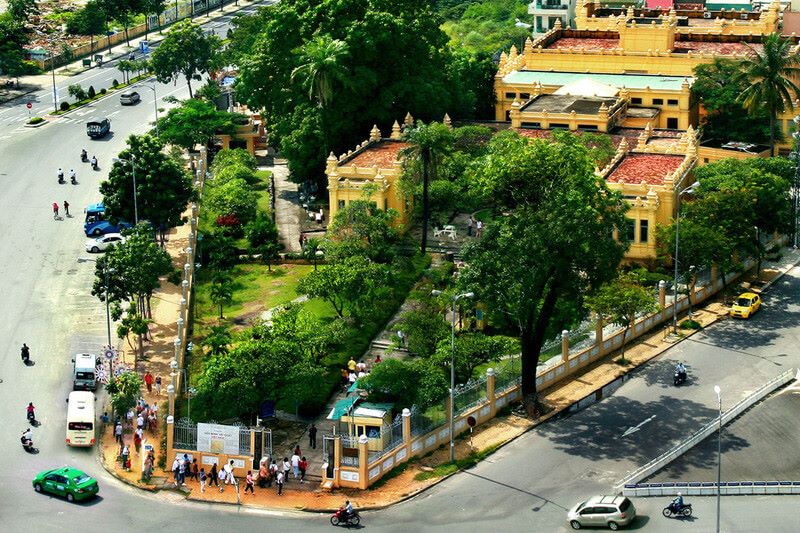
Aerial view of the Museum of Cham Sculpture, Da Nang (Source: Collected)
The Museum of Cham Sculpture in Da Nang is open daily from 7:30 AM to 5:00 PM, including weekends. Special national holidays such as Da Nang Liberation Day, Hung Kings’ Commemoration Day, and Vietnam’s National Day offer free admission to all visitors.
On regular days, the entrance fee is as follows:
Visitors can enhance their museum experience through the following services:
This self-guided tour service allows visitors to explore the museum independently and interactively. To use it:
You can access detailed commentary by tapping on the image of any exhibit or scanning its barcode. The platform also offers a recommended route, where the narration plays automatically as you move through the galleries.
For groups of five or more, guided tours are available in Vietnamese, English, and French. Guides provide in-depth explanations of key artifacts and are open to questions about Cham culture and history.
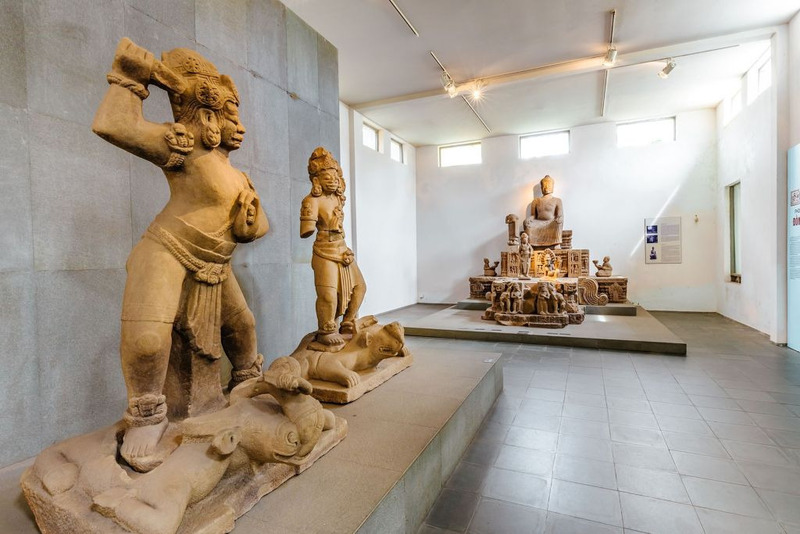
Cham sculptures displayed in an exhibition hall (Source: Collected)
The Museum of Cham Sculpture in Da Nang was established to preserve the artistic legacy of the ancient Champa civilization. Initiated by the French School of the Far East (École Française d’Extrême-Orient), the museum began construction in 1915 following the growing need to safeguard Cham artifacts discovered across Central Vietnam. By 1916, the building was structurally complete, and in 1919, it officially opened to the public.
The museum’s foundation was influenced by key figures such as Charles Lemire and Henri Parmentier. Lemire, a French envoy, collected Cham sculptures from temples like Tra Kieu and Khuong My as early as 1891, displaying them publicly in Tourane (now Da Nang). Parmentier, a French architect and archaeologist, played a critical role in advocating for a permanent space to protect and display these sculptures. His efforts, combined with financial support secured in 1913, led to the realization of the museum project.
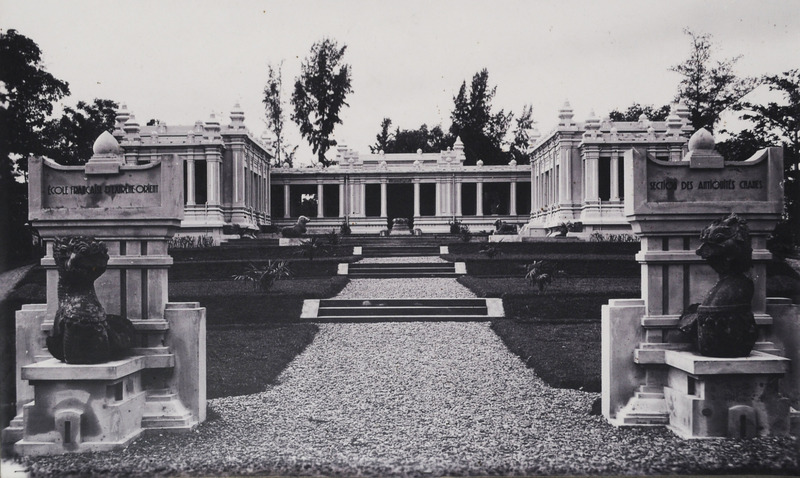
The Champa Sculpture Museum has preserved Champa heritage since 1919 (Source: Wikipedia)
Initially housing 160 artifacts, the museum expanded multiple times to accommodate a growing collection resulting from major excavations at Cham capitals such as Tra Kieu and Thap Mam. By 1936, two new galleries were added to the original building, increasing the total number of artifacts to approximately 300. Further expansions in 2002 and 2009 introduced modern exhibition and storage spaces, while renovations in 2016 preserved the original architectural character.
Currently, the museum is home to over 2,000 Cham artifacts sourced from sites stretching from Quang Binh to Binh Thuan. These include sculptures, architectural fragments, and religious relics that reflect the rich spiritual and artistic traditions of the Champa Kingdom.
The museum’s historical and cultural significance was officially recognized in 2011 when it was designated a first-class museum in Vietnam. In 2019, it marked its centennial anniversary, affirming its role as Da Nang’s oldest museum. On January 11, 2021, it was officially listed as a historical site of the city, further emphasizing its importance in preserving Cham heritage for both national and international audiences.
Summary of key historical milestones:
The Museum of Cham Sculpture in Da Nang houses the largest collection of Cham artifacts in Vietnam, reflecting the religious, cultural, and artistic legacy of the Champa Kingdom. Its galleries are organized by archaeological regions, each highlighting significant sculptures and national treasures from different periods and locations.
Key exhibitions:
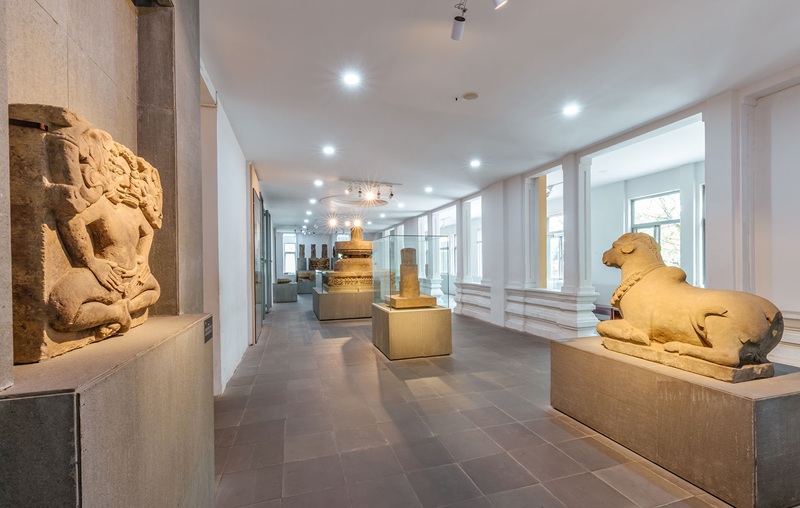
Tra Kieu exhibition room at Cham Sculpture Museum (Source: Collected)
The Museum of Cham Sculpture is located at 02 2 Thang 9 Street, Hai Chau District, Da Nang, Vietnam. Its central position near the western end of the Dragon Bridge makes it easily accessible from multiple points in the city.
Thanks to its prime location and multiple transportation choices, visiting the Museum of Cham Sculpture is convenient and accessible for all types of travelers.
A visit to the Museum of Cham Sculpture offers a profound exploration of time, architecture, religion, and artistic expression. Through its collections and spaces, the museum reveals the spiritual and cultural legacy of the Champa civilization that thrived along Vietnam’s central coast from the 5th to the 15th century. Below are the most compelling highlights that every visitor should explore in depth.
The Museum of Cham Sculpture in Da Nang is not only home to Vietnam’s most extensive collection of Cham relics but is also an architectural landmark in its own right. Originally constructed in 1915 and expanded over the decades, the building was designed by French architects M. Delaval and M. Auclai with significant input from archaeologist Henri Parmentier of the École française d'Extrême-Orient (EFEO).
The museum blends Gothic Revival influences with elements inspired by Cham temple architecture. Its most striking features include pyramid-shaped tiled roofs, expansive halls, and numerous arched windows that welcome natural light. These design choices mirror the spiritual atmosphere of ancient Cham sanctuaries. Despite over a century of exposure and occasional restorations, the museum's original structure remains remarkably well-preserved. The thoughtful fusion of European and Cham aesthetics reinforces the institution's cultural significance.
Key facts:
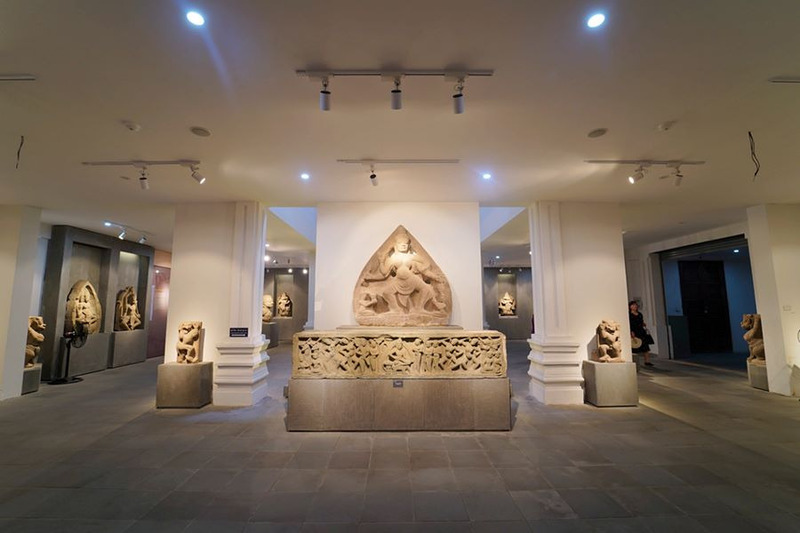
Cham Museum in Da Nang houses Vietnam’s largest Cham artifact collection (Source: Collected)
Inside, the museum is organized into a network of galleries arranged by region and theme, allowing visitors to trace the stylistic evolution of Cham art across time and geography. Each gallery corresponds to a significant archaeological site, presenting artifacts discovered in situ and preserving their historical context.
Location-based galleries include:
In addition to site-based displays, the museum also houses special thematic sections introduced in the 21st century:
Gallery highlights:
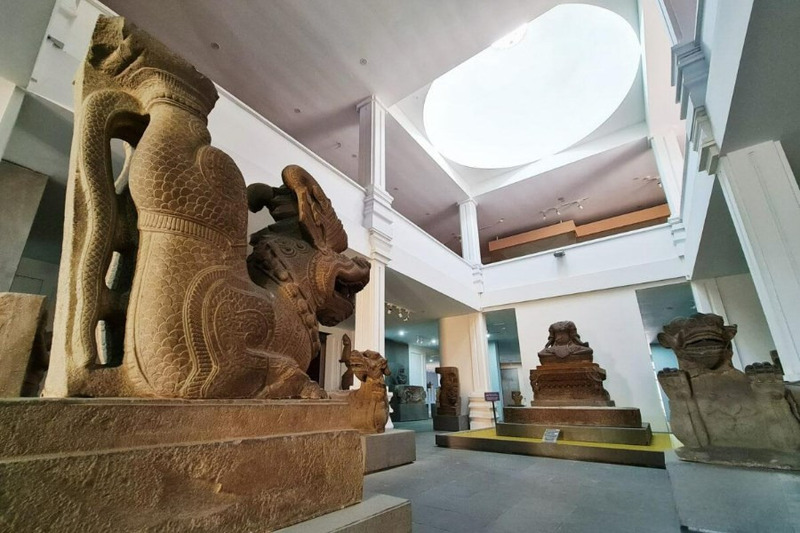
Regional galleries trace Cham art evolution with site-based artifacts (Source: Collected)
The museum is home to nine officially recognized National Treasures of Vietnam, each offering invaluable insight into the Champa people's beliefs, craftsmanship, and ceremonial practices. These artifacts were selected not only for their age and rarity but also for their artistic brilliance and cultural depth.
Key National Treasures:
Fast facts:

Cham Museum houses 9 National Treasures reflecting Champa art and culture (Source: Collected)
The museum holds the largest Cham sculpture collection in Vietnam, with over 2,000 pieces in its archives. Of these, approximately 500 are on display, representing more than 1,000 years of artistic tradition. Spanning from the 5th to the 15th century, the collection captures the cultural and religious evolution of one of Southeast Asia’s most influential kingdoms.
Visitors will encounter a wide range of forms and motifs, including:
The richness of this collection lies in both its scope and detail. Each artifact reflects distinct regional styles, from the elegance of early Tra Kieu forms to the powerful abstractions of Thap Mam art. Together, they form a tangible timeline of artistic transformation and cultural continuity.
Collection features:
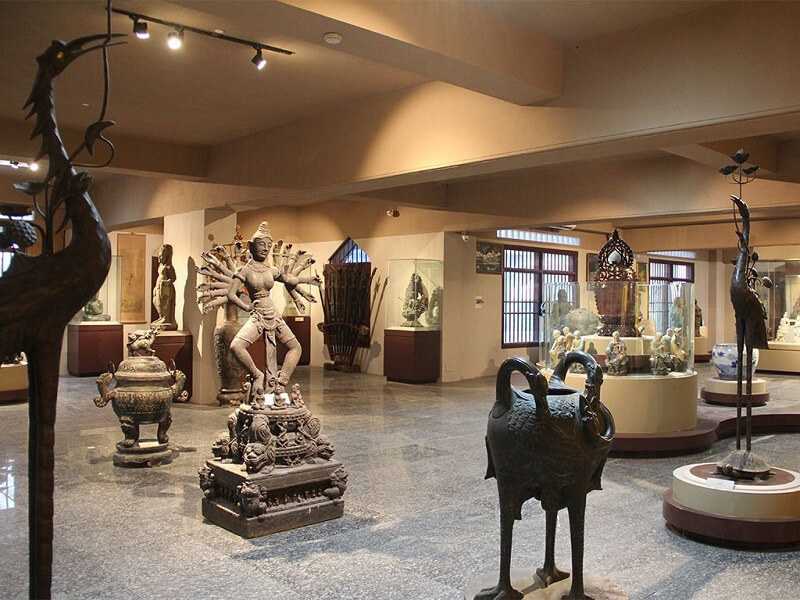
The Cham Sculpture Museum displays a diverse collection of Cham sculptures (Source: Collected)
To ensure a respectful and smooth experience at the Museum of Cham Sculpture in Da Nang, keep the following key guidelines in mind:
Within a short distance from the museum, several notable destinations offer a deeper look into Da Nang’s vibrant city life and cultural charm.
Situated just 1.5 kilometers from the Museum of Cham Sculpture, Love Bridge is a charming destination that draws both tourists and locals. Spanning a section of the Han River, the bridge features a graceful arc and is adorned with heart-shaped lampposts. Couples often attach padlocks to the railings as tokens of love, adding to its romantic appeal.
From the bridge, visitors enjoy unobstructed views of the Han River and nearby landmarks such as the iconic Carp Turning into Dragon statue. The riverbanks are lined with coffee shops and pedestrian paths, creating a peaceful setting to unwind after a cultural visit to the museum.
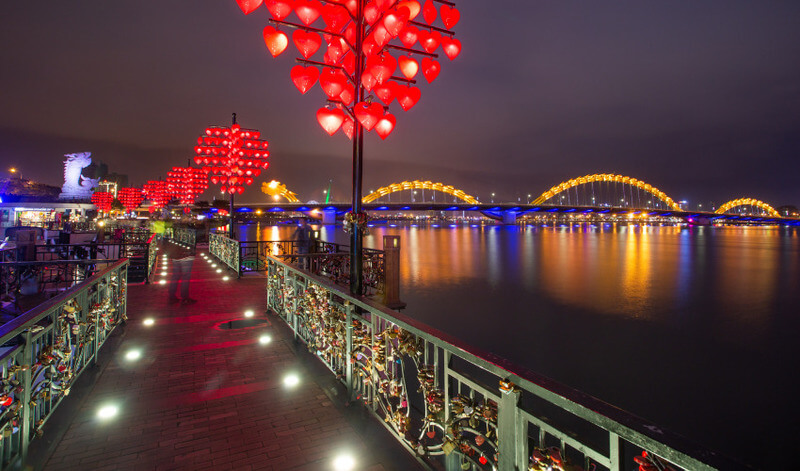
Love Bridge, Danang(Source: Collected)
Located approximately 2 kilometers from the museum, Danang Downtown provides an immersive glimpse into the city’s evolving urban identity. This central district combines contemporary architecture with remnants of French colonial design, offering a visual narrative of Da Nang’s historical development. The area is easily explored on foot, allowing visitors to absorb the energy of the city through its bustling streets, animated intersections, and vibrant daily life.
The area is home to a wide variety of eateries, from street food stalls to contemporary cafés. Popular stops include Mi Quang 1A and Banh Xeo Ba Duong, both known for authentic local flavors. Shopping enthusiasts will find small boutiques and souvenir shops, while cultural travelers can explore art galleries and riverside parks that reflect Da Nang’s contemporary character.

Danang Downtown (Source: Collected)
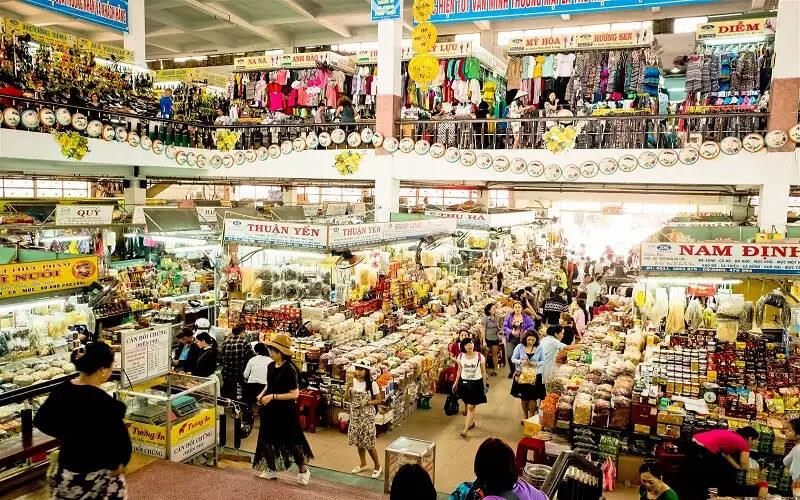
Roughly 1.8 kilometers from the Museum of Cham Sculpture, Con Market is one of Da Nang’s most iconic traditional markets. Dating back decades, it remains a thriving commercial hub where locals buy daily goods and visitors come to sample authentic Vietnamese street food. The market hosts more than 2,000 stalls, offering everything from fresh produce and handmade crafts to textiles and household items.
What sets Con Market apart is its vibrant food court, where visitors can taste local favorites such as grilled pork vermicelli, crispy “banh xeo,” and sweet coconut desserts. The market's energetic atmosphere, affordable prices, and cultural authenticity make it an essential stop for anyone looking to experience Da Nang beyond its modern facade.
Con Market (Source: Collected)
Most visitors spend around 1 to 1.5 hours exploring the museum. However, those with a deep interest in Cham history or art may take up to 2 hours, especially when using audio or guided tours to explore the exhibits in detail.
Photography without flash is allowed in most areas of the museum. However, the use of tripods, selfie sticks, and professional video equipment is restricted unless prior permission is granted by museum staff.
No, food and beverages are not permitted inside the exhibition areas to help preserve the artifacts. Visitors are encouraged to finish their meals or drinks before entering and can find refreshments at nearby cafés after their visit.
Yes. A storage counter is available near the exit area for visitors carrying heavy bags or items over 3kg. Small personal bags can be brought inside, but large luggage, umbrellas, and sharp or flammable objects are prohibited.
Yes. The museum offers an online audio guide accessible via its dedicated platform (https://chamaudio.com), available in English, Vietnamese, and French. Additionally, most exhibits are labeled with English descriptions to support international visitors.
The Museum of Cham Sculpture offers a fascinating journey into the heritage of the Champa civilization through its impressive collection, architecture, and cultural depth. It is a meaningful stop for travelers who want to explore Da Nang beyond beaches, bridges, and modern city life.
To make the visit more rewarding, Your Vietnam Travel can include the museum in a tailored Central Vietnam itinerary with Da Nang, Hoi An, Hue, Ba Na Hills, local markets, and cultural experiences based on your travel style.



 Vietnam Tours
 Cambodia Tours
 Laos Tours
 Thailand Tours
 Multi-Country Tours