Choosing between North and South Vietnam is one of the most common questions travelers face when planning a trip to Vietnam. Both regions offer incredible experiences, but they feel very different once you are on the ground. The north is known for dramatic mountains, layered history, cooler seasons, and a more traditional atmosphere. The south is famous for tropical warmth, lively cities, river life, beaches, and a more open, fast-moving energy.
There is no single right answer. The better choice depends on what kind of trip you want. Some travelers are drawn to the misty rice terraces of Sapa, the limestone scenery of Ninh Binh, and the old-world charm of Hanoi. Others prefer the dynamic pace of Ho Chi Minh City, the waterways of the Mekong Delta, and relaxed beach time in Phu Quoc or Mui Ne.
This guide from Your Vietnam Travel will compare North vs South Vietnam in the ways that matter most: landscapes, climate, culture, food, top places to visit, transportation, travel style, and trip planning. By the end, you will have a much clearer idea of which region fits your interests, your timeframe, and your travel style best.
If you want the short answer, here it is.
Choose North Vietnam if you want:
Choose South Vietnam if you want:
Choose both North and South Vietnam if you have enough time:
In general, North Vietnam is often better for nature, scenery, and culture-focused trips, while South Vietnam
One of the biggest differences between North and South Vietnam is the landscape. Even within the same country, the contrast can feel surprisingly strong.
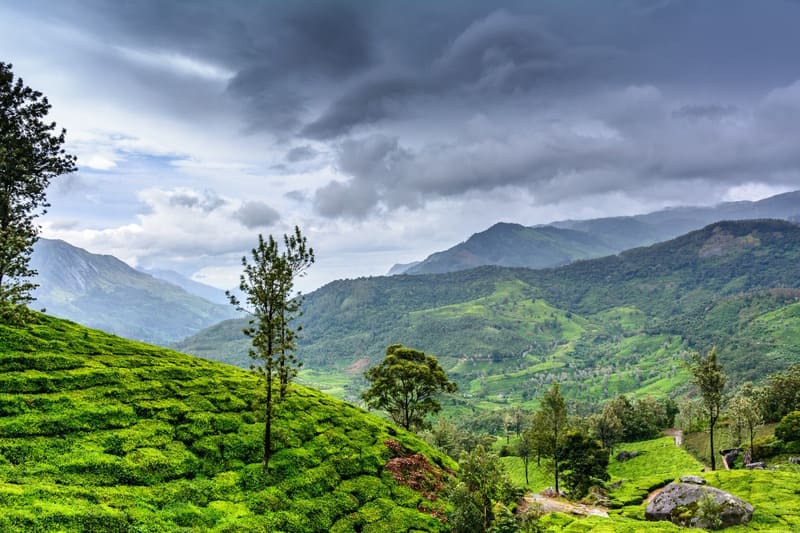
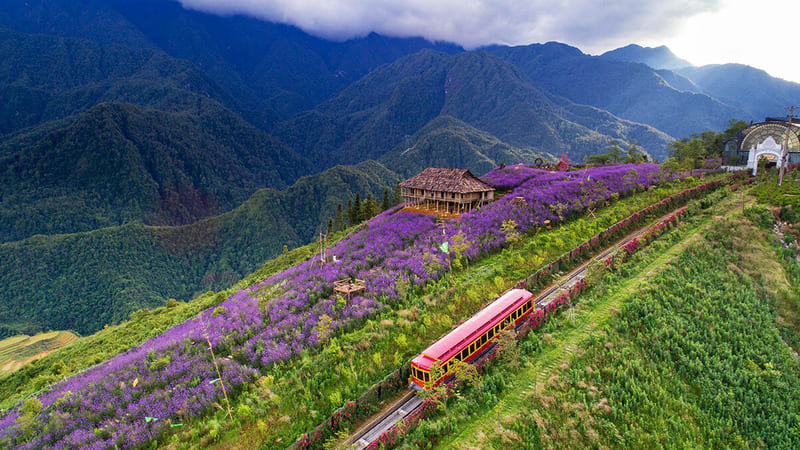
Northern Vietnam is more dramatic, varied, and visually striking. This is the part of the country many travelers picture when they imagine Vietnam: limestone peaks rising from green rice fields, misty mountain passes, layered terraces, and river valleys framed by highlands.
Some of the most iconic landscapes in the north include:
Overall, Northern Vietnam feels more rugged and more dramatic. It is often the stronger choice for travelers who care most about scenery, photography, outdoor activities, and landscapes that feel distinctly different from a typical tropical beach holiday.
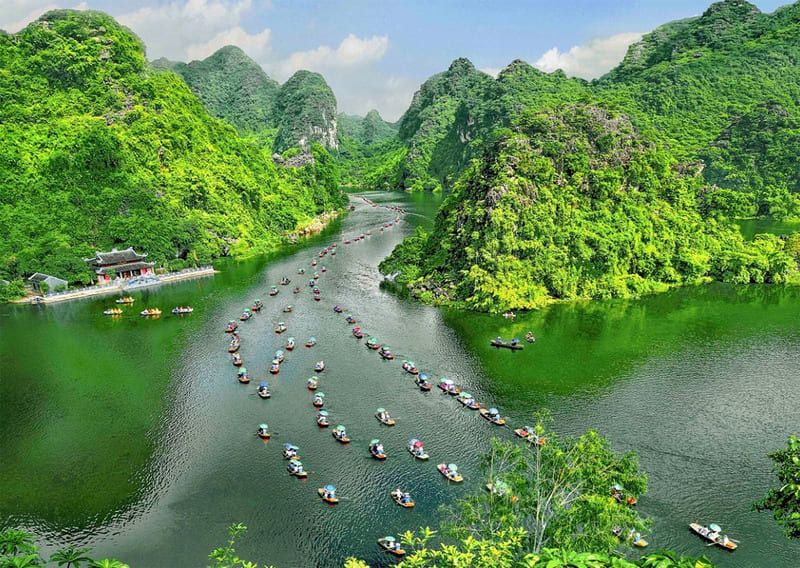
Northern Vietnam’s iconic mountain view (Source: Collected)
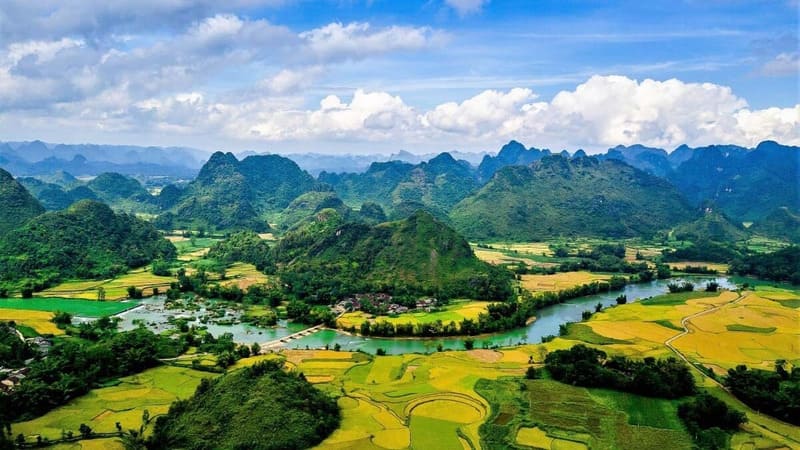
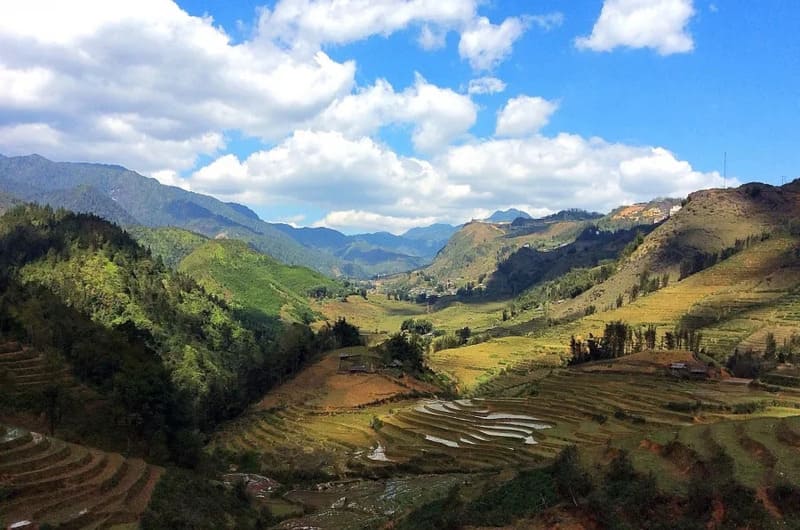
Scenic rice terraces in Northern Vietnam (Source: Collected)
Southern Vietnam is flatter, greener, warmer, and more tropical. Instead of mountains and high passes, the south is defined by rivers, fertile farmland, palm-fringed waterways, long coastlines, and island escapes.
Some of the defining landscapes in the south include:
If North Vietnam is about dramatic landscapes and elevation, South Vietnam is more about tropical atmosphere, waterways, easy beach time, and relaxed coastal living.
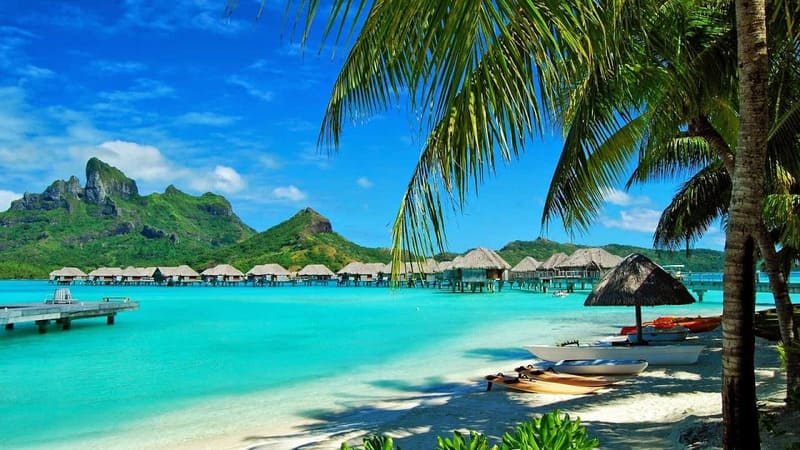
Island escapes in Southern Vietnam (Source: Collected)
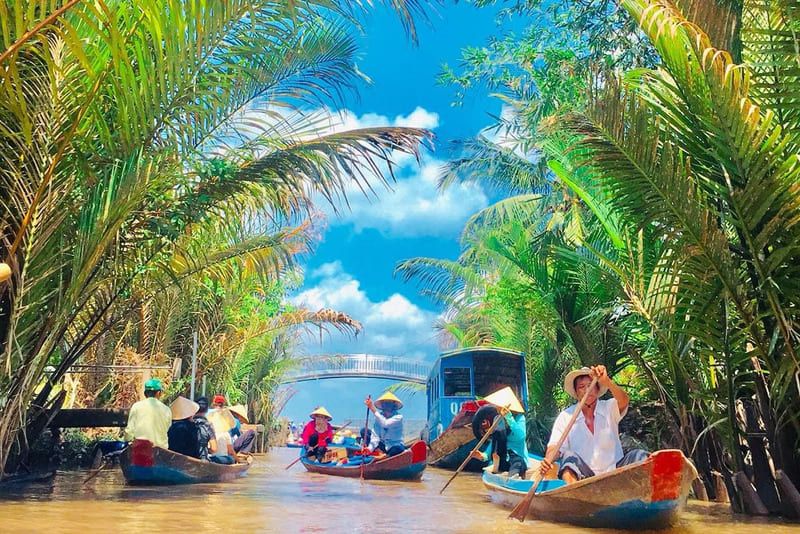
Mekong Delta waterways and lush greenery (Source: Collected)
Weather can strongly influence which region is better for your trip. This is especially important if you are traveling during a specific month and want to avoid either winter chill in the north or heavy rain in the south.
North Vietnam has a more varied climate and four clearer seasonal phases than the south.
North Vietnam is a better fit for travelers who enjoy some seasonal variety or want cooler weather for sightseeing, trekking, and road trips.
South Vietnam has a tropical climate with warm temperatures throughout the year. Instead of four distinct seasons, it mainly has a dry season and a rainy season.
Southern Vietnam is the better choice if you want warmth at any time of year and do not want to worry about winter temperatures.
Travelers often notice cultural differences between the north and the south quite quickly. These differences are real, though they should never be oversimplified. Vietnam is a unified country with shared national identity, but regional character still shapes daily life, communication, atmosphere, and travel experience.
In the north, especially in and around Hanoi, the atmosphere often feels more traditional, measured, and rooted in long cultural history. This region has been the political and cultural center of Vietnam for centuries. As a result, many travelers feel the north offers a deeper sense of heritage, old architecture, temples, local rituals, and historical continuity.
In the south, especially in Ho Chi Minh City, the atmosphere often feels more open, energetic, and outward-looking. The city moves faster, and daily life can feel more modern and commercially driven. Many travelers find the south easier to connect with on a first visit because it can feel more direct, more flexible, and more immediately approachable.
A few broad impressions travelers often mention:
North Vietnam often feels:
South Vietnam often feels:
These differences also appear in accents, local habits, café culture, and city rhythm. Hanoi often feels slower, more layered, and more intimate. Ho Chi Minh City often feels bigger, busier, and more energetic.
For travelers interested in museums, old quarters, temples, imperial history, and traditional culture, the north often leaves a stronger impression. For travelers who enjoy urban energy, café culture, rooftop bars, nightlife, and a fast-moving social scene, the south often feels more exciting.
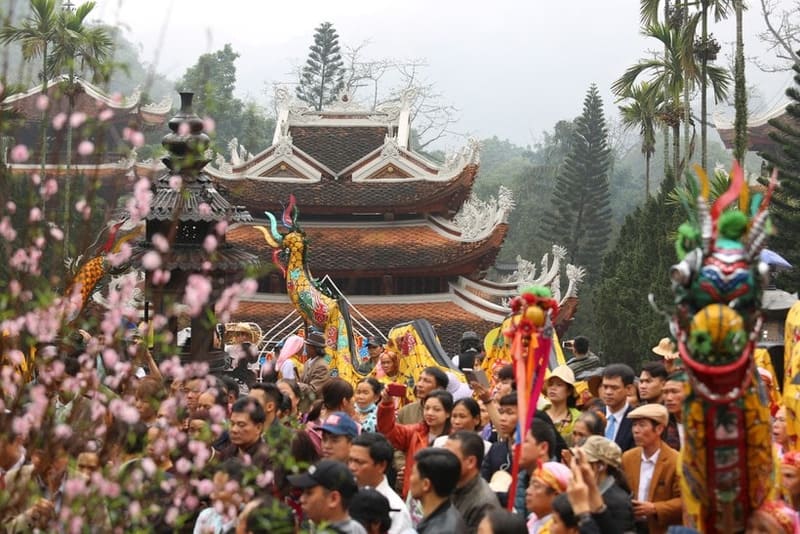
North Vietnam’s traditional cultural atmosphere (Source: Collected)
Food is one of the great joys of traveling in Vietnam, and the difference between northern and southern cuisine is one of the country’s most interesting cultural contrasts.
Northern Vietnamese food is generally more subtle and restrained in flavor. Dishes often focus on balance, clarity, and the natural taste of the main ingredients rather than stronger sweetness or heavy seasoning.
Common characteristics of northern cuisine:
Famous northern dishes include:
Many travelers love northern food for its elegance and depth. It can feel especially rewarding if you enjoy dishes that are less sweet and more focused on savory, aromatic balance.
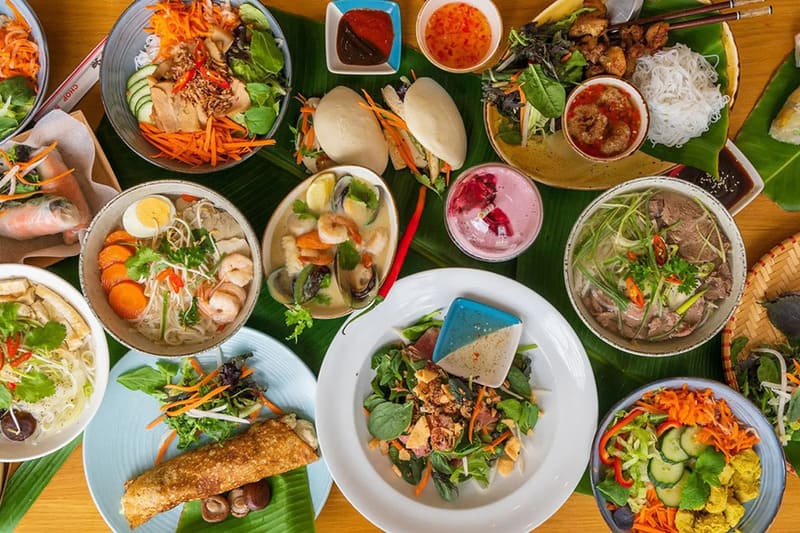
Northern Vietnamese cuisine has a balanced and delicate flavor (Source: Collected)
Southern Vietnamese food tends to be bolder, sweeter, and more generous with herbs, vegetables, and toppings. The warmer climate and fertile land support a rich food culture built around tropical produce, fresh greens, seafood, and strong flavor contrasts.
Common characteristics of southern cuisine:
Famous southern dishes include:
Southern cuisine is often easier for first-time visitors to fall in love with, especially if they enjoy bright flavors, fresh herbs, and a bit more sweetness.
In simple terms, if you prefer refined, subtle, broth-driven food, you may prefer the north. If you enjoy sweeter, fresher, bolder dishes with more tropical influence, the south may suit you better.
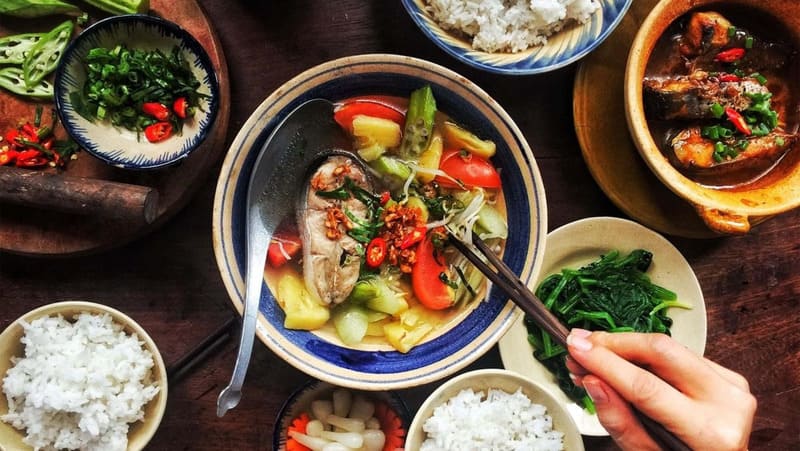
Southern Vietnamese dishes have a richer, sweeter flavor (Source: Collected)
If you are choosing between North and South Vietnam, the destinations themselves may make the decision much easier.
Northern Vietnam usually wins for travelers who want a trip centered on scenery, heritage, and iconic landscapes.
Hanoi is one of the highlights of the north, explore more in our guide to the best things to do in Hanoi.

Phong Nha Ke Bang Cave (Source: Collected)
Southern Vietnam is often the better choice for travelers who want a mix of city energy, tropical weather, river culture, and beach downtime.
Ho Chi Minh City is the main hub of the south—discover more in our guide to the best things to do in Ho Chi Minh City.
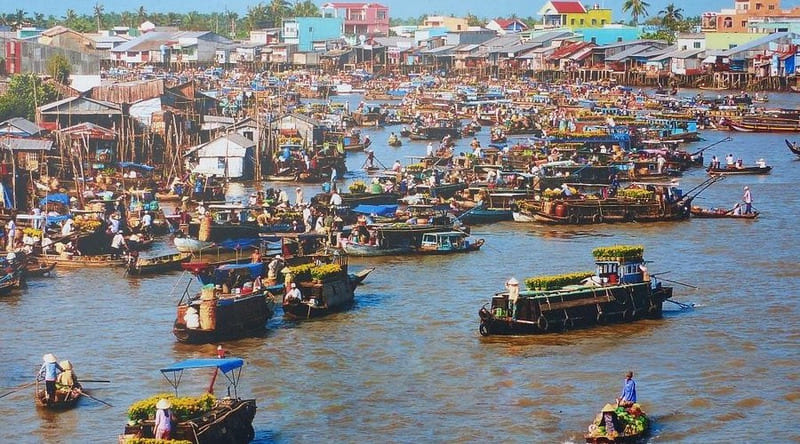
Cai Rang floating market, Can Tho (Source: Tripadvisor)
Travel logistics are another important factor, especially for first-time visitors deciding which region feels easier or more rewarding.
Northern Vietnam can be incredibly rewarding, but some journeys take more time and planning. This is especially true for mountainous destinations such as Sapa and Ha Giang.
What to expect in the north:
The north often suits travelers who do not mind spending longer in transit in exchange for more dramatic scenery and richer cultural depth. Distances can be manageable, but mountain travel is rarely quick.
Southern Vietnam is often easier and more straightforward for many travelers, especially those who prefer convenience.
What to expect in the south:
This region is often more comfortable for first-time visitors, travelers on shorter holidays, and people who prefer an easier mix of city, countryside, and beach without quite as much transport effort.
This depends on your priorities, but here is the most practical way to decide.
North Vietnam is often the better choice for first-time travelers who want the most iconic and visually memorable side of Vietnam.
South Vietnam is often the better choice for travelers who want balance: city, food, river life, and beach time in one region.
Best for first-time travelers: Both can work, but South Vietnam is often easier, while North Vietnam often feels more iconic.
The main difference is the overall travel experience. North Vietnam is more known for mountains, traditional culture, historical atmosphere, and seasonal weather. South Vietnam is more known for tropical warmth, urban energy, river life, beaches, and easier travel logistics.
Neither is universally better. North Vietnam is better for dramatic landscapes, cultural depth, and adventure. South Vietnam is better for beaches, warm weather, convenience, and a more relaxed first-time travel experience.
If you are a first-time traveler with limited time, start with the region that matches your interests most. Choose the north first if you want iconic scenery and cultural highlights. Choose the south first if you want easier logistics, tropical weather, and a smoother introduction to Vietnam.
Yes. If you have around 2 weeks, you can see highlights in both regions with one domestic flight. If you have 3 weeks or more, you can travel at a more comfortable pace and add central Vietnam as well.
The difference is quite noticeable. Northern food is usually more subtle, savory, and broth-focused. Southern food is often sweeter, more herb-heavy, and more vibrant in flavor. Both are excellent, but they feel distinct.
That depends on the season and your preferences. North Vietnam offers cooler months and more seasonal variety. South Vietnam stays warm year-round and is more predictable for travelers who want tropical weather.
South Vietnam often feels more tourist-friendly for first-time visitors because it is easier to navigate and offers more straightforward logistics. North Vietnam is also very accessible, but some destinations involve longer or more demanding transport.
North Vietnam is generally better for nature and landscapes if you want mountains, rice terraces, caves, and karst scenery. South Vietnam is better if you prefer tropical rivers, beaches, and island settings.
Prices can be similar overall, but North Vietnam can feel slightly better value in some destinations. South Vietnam may cost more in beach areas and islands, especially in resort zones. In practice, cost is usually not the best deciding factor between the two.
For one region, 7 to 10 days is a good starting point. For both North and South Vietnam, 12 to 16 days works for a highlights trip, while 3 weeks gives you a much more comfortable pace.
When comparing North vs South Vietnam, the best region for your trip comes down to the experience you want most.
Choose North Vietnam if you are drawn to mountains, rice terraces, cultural heritage, cooler seasons, and some of the country’s most iconic landscapes. It is the stronger choice for travelers who want depth, scenery, and a more atmospheric journey.
Choose South Vietnam if you prefer tropical warmth, city energy, river life, island escapes, and an easier travel rhythm. It is ideal for travelers who want a more relaxed combination of sightseeing and downtime.
If you have enough time, seeing both gives you a much fuller picture of Vietnam. But if you need to choose just one, do not worry about getting it “wrong.” Vietnam is rewarding in both directions. The key is to match the region to your travel style, the season of your trip, and the kind of memories you want to bring home.
If you are planning a Vietnam itinerary and want help choosing the right route, Your Vietnam Travel can help you design a trip that fits your timeframe, interests, and travel pace.

 Vietnam Tours
 Cambodia Tours
 Laos Tours
 Thailand Tours
 Multi-Country Tours