Sapa cuisine reflects the unique flavors of Vietnam’s northwest mountains, where the cool climate, natural ingredients, and diverse ethnic cultures come together. Unlike the food found in Vietnam’s major cities, Sapa food is known for its smoky grilled dishes, warming stews, and distinctive ingredients such as free-range pork, stream fish, forest vegetables, and the fragrant mountain pepper mac khen.
Beyond its rich flavors, local dishes in Sapa also reflect the traditions and daily life of ethnic communities such as the H’Mong, Dao, Tay, and Giay. In this guide, Your Vietnam Travel introduces 10 must-try Sapa dishes, along with popular street food and traditional drinks to help you experience the authentic culinary culture of this famous mountain town.
Sapa cuisine is shaped by three main factors you can taste immediately: the cool highland climate, mountain-sourced ingredients, and the culinary traditions of local ethnic communities. Compared with Vietnam’s lowland cities, meals here feel heartier, warmer, and more aromatic. Many dishes are prepared to suit chilly mornings and foggy evenings in the mountains.
Another defining element comes from the communities who create the food. H’Mong, Dao, Tay, and Giay families each contribute their own cooking techniques, seasoning habits, and traditional recipes. This cultural diversity forms a distinctive Northwest flavor profile built around wood-fire cooking, grilling, steaming, and slow simmering. These methods highlight the natural sweetness and smokiness of the ingredients rather than relying on heavy sauces.
Ingredients also reflect the surrounding environment. Many dishes use free-range pork and black chicken raised locally, freshwater fish from cold streams, forest mushrooms, and wild vegetables that vary by season. Spices such as cardamom and mac khen, a native mountain pepper, add a fragrant and slightly numbing flavor that is rarely found in other parts of Vietnam.
Finally, Sapa food carries a strong sense of community. Meals are often served hot and shared among family members or guests. Grilled dishes, hotpots, and smoked meats are commonly placed in the center of the table, creating a warm and welcoming dining experience that reflects the hospitality of the region.
Learn more: Top 15+ Best Things to Do and See in Sapa, Vietnam
Among Sapa’s traditional dishes, Thang Co stands out as a distinctive specialty deeply connected to H’Mong culture. The soup is prepared using horse meat, bones, and offal that are simmered slowly in a large pot until the ingredients become tender.
Aromatic spices such as cardamom, lemongrass, and mac khen give the broth its strong character. The result is a hearty stew with a rich, slightly oily texture and an earthy fragrance that pairs well with Sapa’s cool mountain climate.
Helpful tips for first-timers:
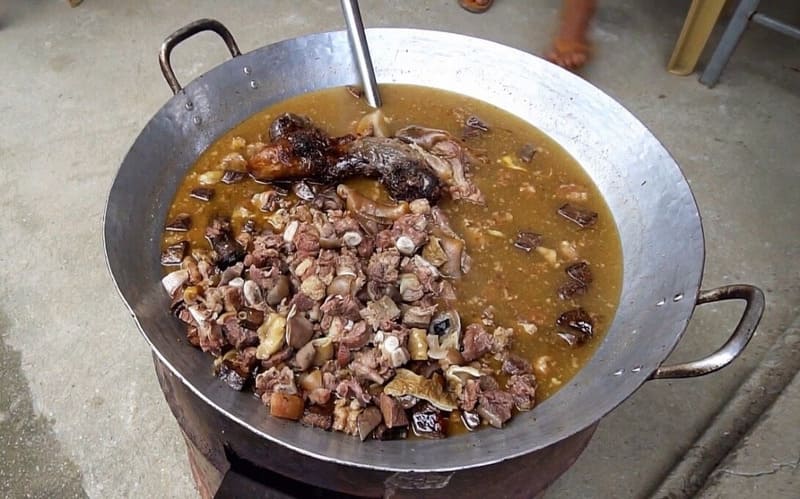
Thang Co (Source: Collected)
Cap-nach pork is a well-known specialty of the northwest highlands and a favorite dish among visitors to Sapa. The name refers to the traditional way villagers once carried small pigs to market under their arms. These pigs are usually raised freely in mountain villages, which results in firmer meat and a more natural flavor.
Local cooks prepare the pork in several ways, including steaming, stir-frying, or roasting. Charcoal grilling is especially popular because it creates crispy skin while keeping the inside tender and juicy. The dish is typically served with herbs and cham cheo, a signature dipping sauce from the region.
Helpful tips for travelers:
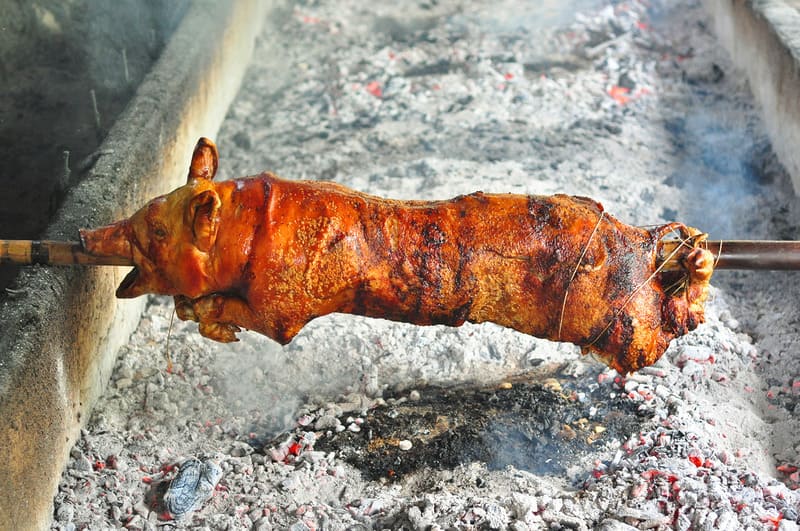
Thit Lon Cap Nach (Source: Collected)
Smoked buffalo meat is one of the most recognizable specialties of Vietnam’s northwest mountains. The technique originates from ethnic communities such as the Thai people, who traditionally preserved meat by hanging it above the kitchen fire.
Buffalo meat is first marinated with chili, salt, ginger, and mac khen. It is then suspended over a wood fire where it slowly absorbs smoke while drying. This process gives the meat its dark color, smoky aroma, and concentrated flavor.
When ready to eat, the meat is usually warmed over charcoal and torn into thin strands. Its chewy texture and smoky taste pair well with chili salt or cham cheo dipping sauce.
Helpful tips for travelers:
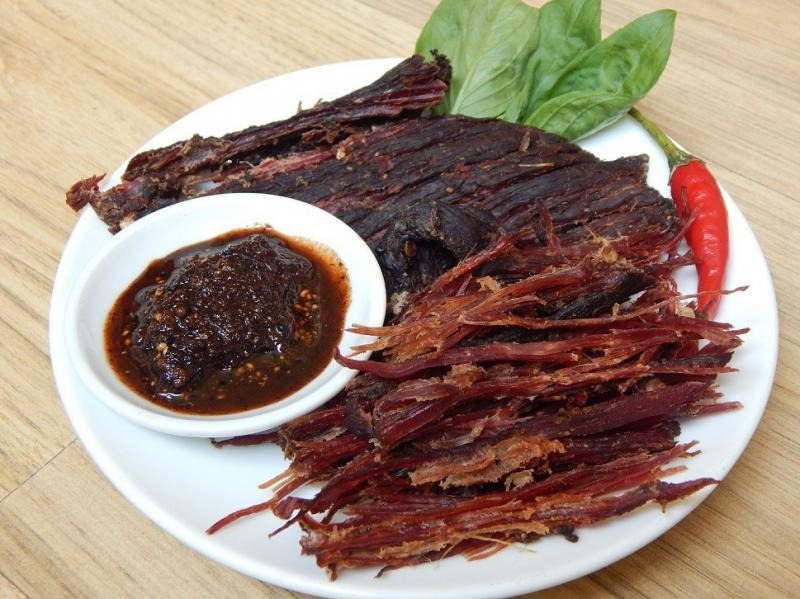
Thit Trau Gac Bep (Source: Collected)
Salmon and sturgeon hotpot is a favorite dish in Sapa, particularly during chilly evenings in the mountains. The town’s cool climate and clean mountain streams make it one of the few places in Vietnam suitable for farming these cold-water fish. As a result, the fish used in local restaurants is often fresh, firm, and naturally flavorful.
The hotpot usually begins with a broth simmered from fish bones, creating a light yet savory base with a subtle sour note. A variety of highland vegetables, mushrooms, tofu, and herbs are added to the pot. Thin slices of salmon or sturgeon are cooked directly in the bubbling broth and typically enjoyed with rice noodles for a warming and satisfying meal.
Helpful tips for travelers:
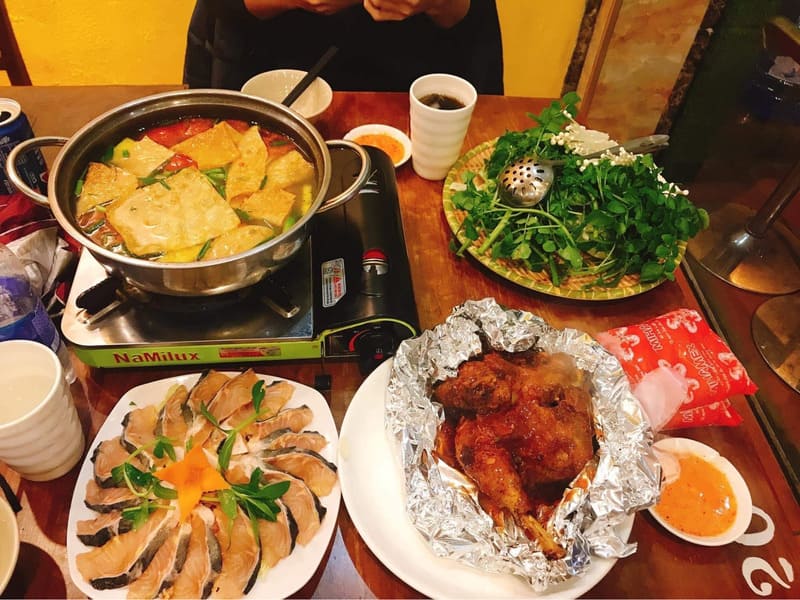
Lau Ca Tam (Source: Collected)
Another distinctive ingredient in Sapa’s mountain cuisine is H’Mong black chicken. This local breed stands out for its dark skin, bones, and meat, a natural characteristic valued in traditional highland cooking. Raised freely in village environments, the chicken develops firm meat and a deeper flavor than standard farmed chicken.
Local cooks prepare black chicken in several ways depending on the occasion. It may be grilled over charcoal, steamed with mountain herbs, or simmered in a nourishing soup with medicinal leaves. Honey-marinated grilled chicken is particularly popular, as the caramelized skin contrasts nicely with the tender, slightly sweet meat inside.
Helpful tips for travelers:
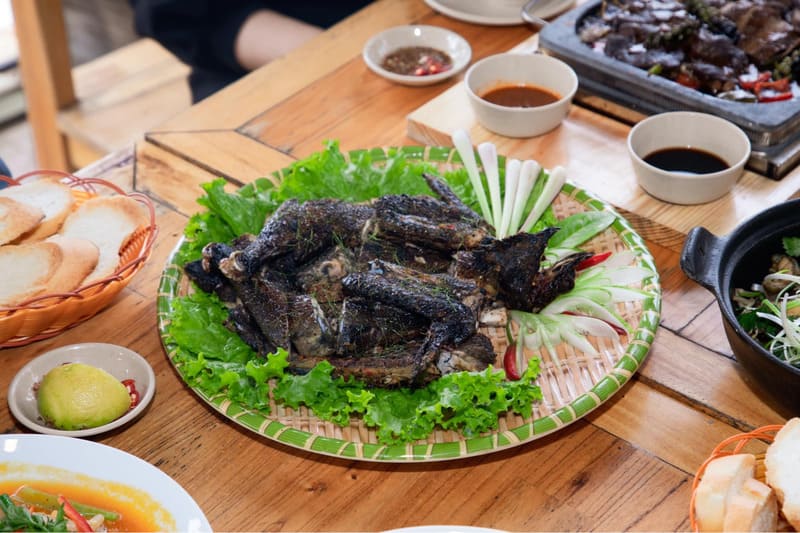
H’Mong Black Chicken (Source: Collected)
Com Lam is a traditional dish widely enjoyed in the northwest highlands of Vietnam. Sticky rice is placed inside fresh bamboo tubes, sometimes lined with banana leaves, and slowly roasted over charcoal. During cooking, the rice absorbs the gentle fragrance of bamboo along with a light smoky aroma from the fire.
After roasting, the outer bamboo layer is removed to reveal soft, fragrant sticky rice inside. The grains remain slightly firm and pleasantly chewy. Com Lam is commonly sold in local markets, roadside stalls, and small eateries around Sapa.
It is often served alongside grilled pork, roasted chicken, sesame salt, or salted peanuts, making it a great complement to other mountain specialties.
Helpful tips for travelers:
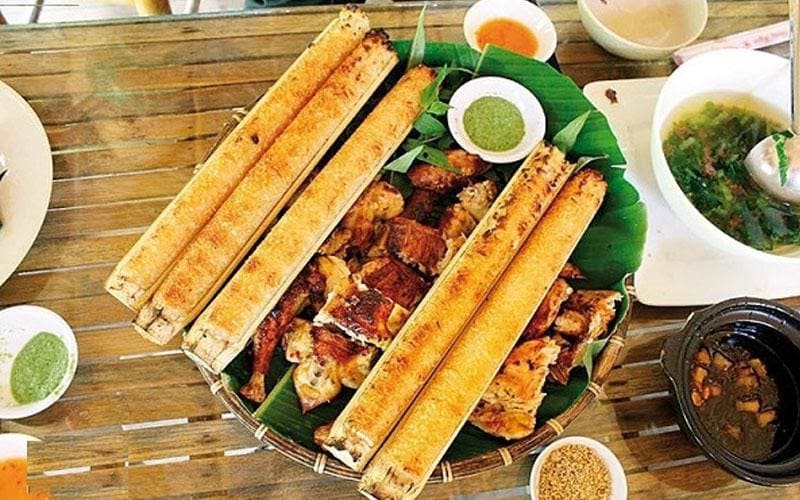
Com Lam (Source: Collected)
Xoi Ngu Sac is one of the most colorful and culturally meaningful dishes in Sapa. The dish is closely associated with ethnic groups such as the Tay and is often prepared during festivals, celebrations, and important family events. Each color represents harmony and wishes for prosperity in traditional beliefs.
The sticky rice is naturally dyed into five shades, commonly red, green, yellow, purple or black, and white. These colors come from forest leaves, flowers, and herbs that also give the rice a subtle aroma. Ingredients such as turmeric or ginger are sometimes used to create warm tones and gentle fragrance.
The finished dish is chewy, fragrant, and mildly sweet. It is commonly served with grilled meats, sesame salt, or simple vegetable dishes.
Helpful tips for travelers:
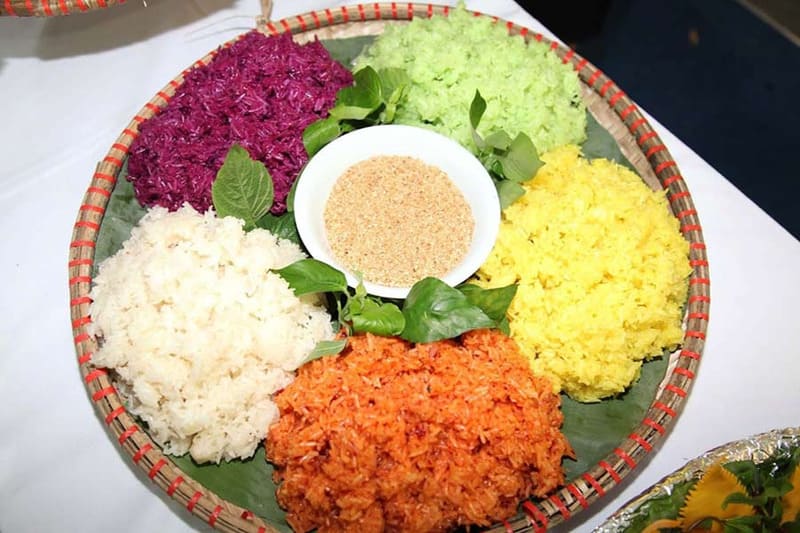
Xoi Ngu Sac (Source: Collected)
Men Men is a traditional staple of the H’Mong community living in the mountainous areas around Sapa. The dish is made from finely ground corn that is steamed twice, resulting in a light, slightly crumbly texture with a mild natural sweetness.
Since corn grows well in highland conditions, Men Men has long been a daily food for many local families. It is often served with vegetable soup, bone broth, or simple savory dishes, reflecting the humble yet authentic flavors of mountain cuisine.
Helpful tips for travelers:
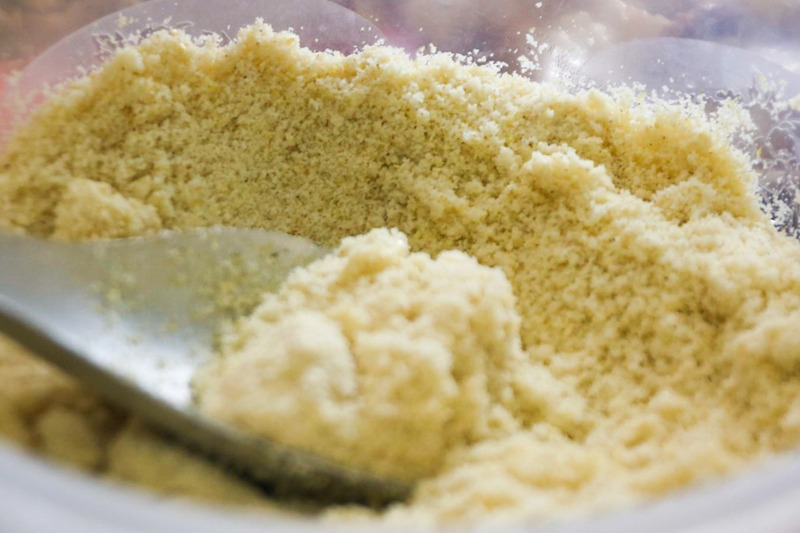
Men Men (Source: Collected)
Grilled stream fish highlights the fresh ingredients found in Sapa’s mountain environment. Small freshwater fish caught from local streams are cleaned, lightly seasoned with salt and native spices, and grilled over charcoal.
The grilling process produces crispy skin while keeping the inside tender and naturally sweet. The fish is often served with fresh herbs, sour leaves, green banana slices, and a dipping sauce such as cham cheo, which adds a spicy and aromatic touch.
Helpful tips for travelers:
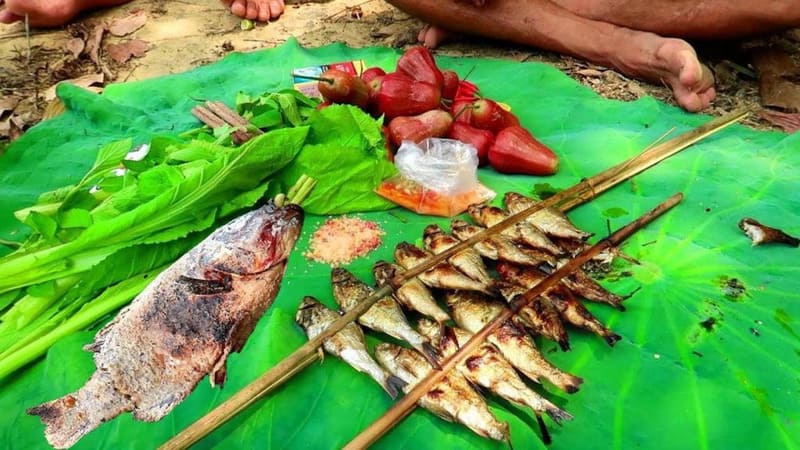
Ca Suoi Nuong (Source: Collected)
Con Sui is a unique noodle dish sometimes described as Sapa-style dry pho. Influenced by Chinese cuisine from nearby regions, it offers a different experience compared with the traditional pho served in broth.
In this dish, soft rice noodles are topped with a savory sauce along with char siu pork, roasted peanuts, fried shallots, and fresh herbs. Some variations include crispy sweet potato or vegetables, adding extra texture and flavor.
The mix of tender noodles, crunchy toppings, and rich sauce creates a satisfying bowl that is particularly enjoyable in Sapa’s cool weather.
Helpful tips for travelers:
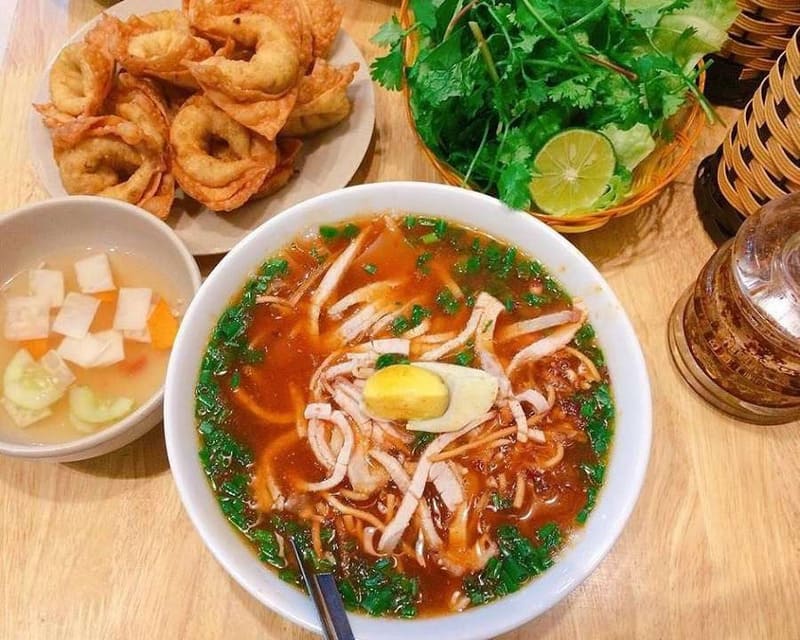
Con Sui (Source: Collected)
In Sapa’s cool mountain climate, roasted chestnuts become a comforting street snack enjoyed by many travelers. The local chestnuts are known for their large size, thin shells, and naturally sweet flavor. Once roasted over charcoal, they develop a soft, slightly chewy texture with a warm nutty aroma.
Street vendors commonly sell roasted chestnuts along the main roads and at Sapa night market. Some stalls enhance the flavor by roasting them with a touch of butter or honey.
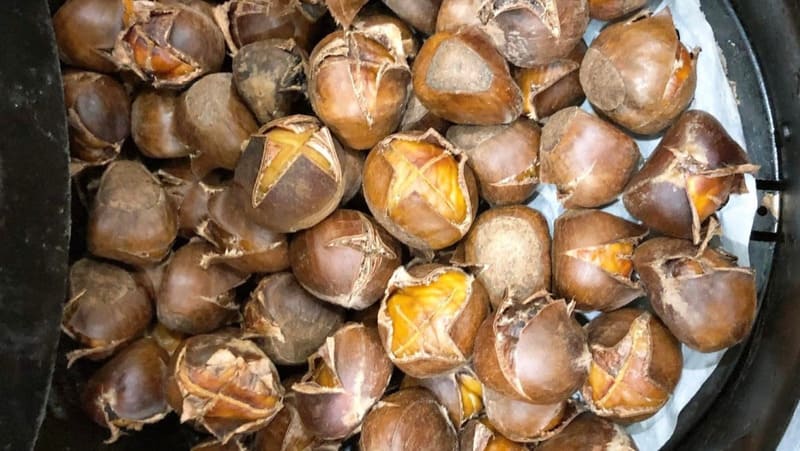
Roasted Chestnuts (Source: Collected)
Another sweet treat made from Sapa’s famous chestnuts is chestnut cake. This small pastry features a lightly crisp outer layer and a soft filling made from mashed chestnuts, creating a mild sweetness with a gentle nutty taste.
Freshly baked versions are often sold at night market stalls and local bakeries. Because they are compact and easy to carry, chestnut cakes are frequently chosen as a simple edible souvenir.
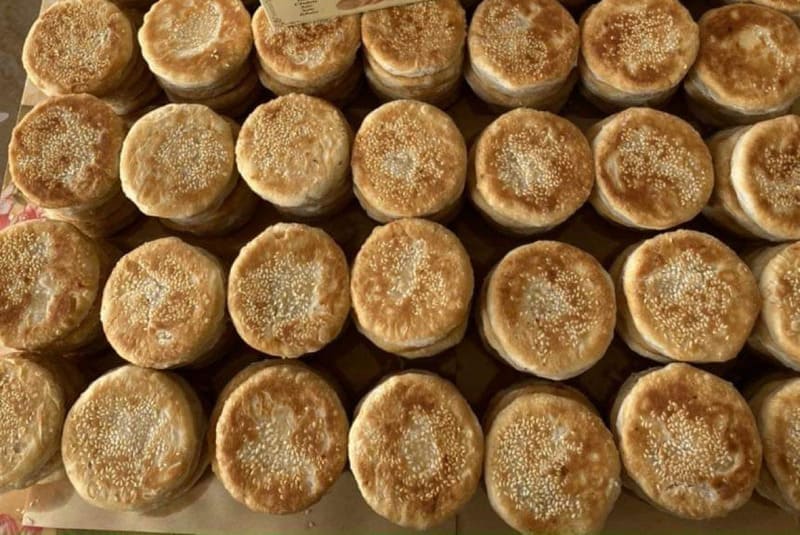
Chestnut Cake (Source: Collected)
Nem Mang Dang is a unique snack originating from the mountainous areas of northwest Vietnam. The dish highlights young bitter bamboo shoots, a forest ingredient commonly gathered by local ethnic communities.
To prepare it, shredded bamboo shoots are mixed with chicken and herbs, then wrapped into small rolls and grilled or fried. The finished rolls deliver a distinctive combination of savory flavor with a mild natural bitterness. They are typically served with chili dipping sauce.
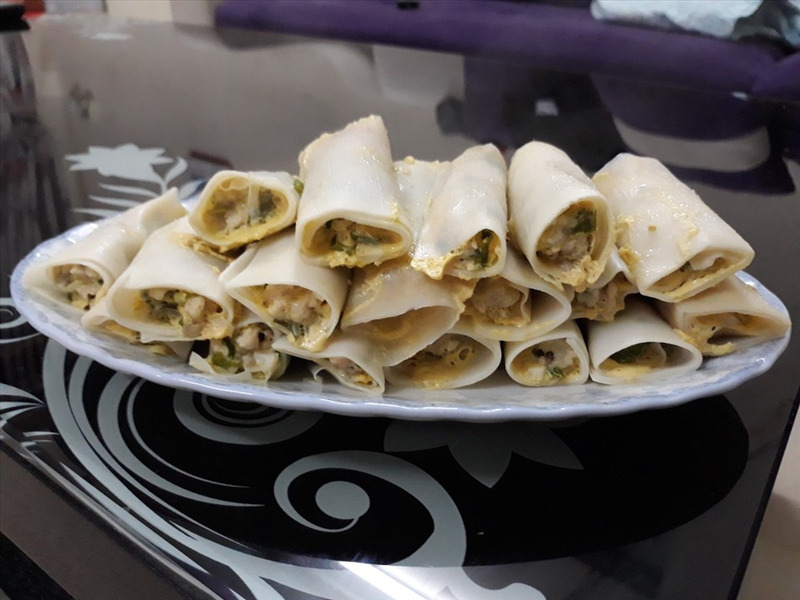
Nem Mang Dang (Source: Collected)
Evenings in Sapa’s markets are filled with the aroma of grilled skewers cooking over charcoal. These street snacks feature a wide selection of ingredients, including pork belly, chicken, beef, sausages, mushrooms, and vegetables.
Before grilling, the skewers are often marinated with regional spices such as mac khen, hat doi, and lime leaves. The result is a fragrant, smoky dish that is inexpensive, convenient, and perfect for enjoying while exploring Sapa’s night market.
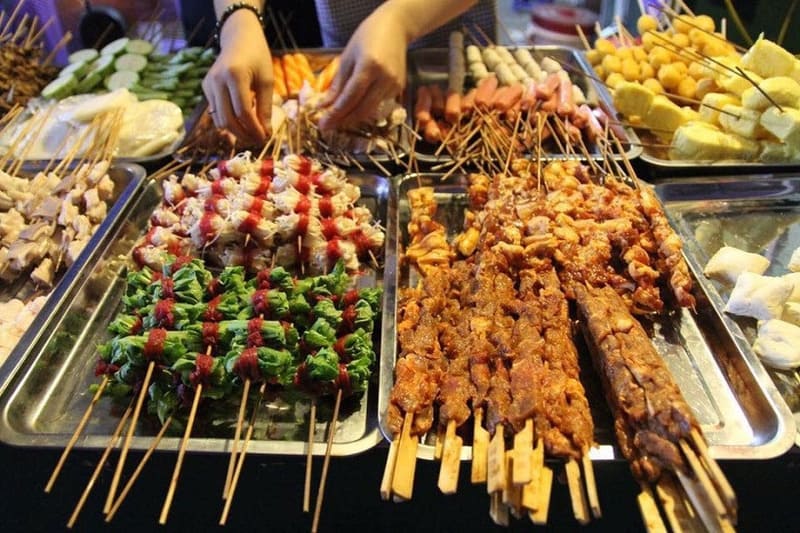
Grilled Skewers (Source: Collected)
Among the traditional drinks of the northwest mountains, Tao Meo wine is one of the most recognizable. It is produced from Tao Meo fruit, a wild mountain fruit similar to plum, which is soaked and fermented with rice wine for several months. This process develops a distinctive aroma and a layered taste that blends light sweetness with gentle acidity and a subtle bitter note.
In Sapa, Tao Meo wine is commonly shared during family meals, local festivals, or gatherings with guests. Many restaurants and small shops in the town offer this drink, making it a popular regional specialty for travelers interested in local flavors.
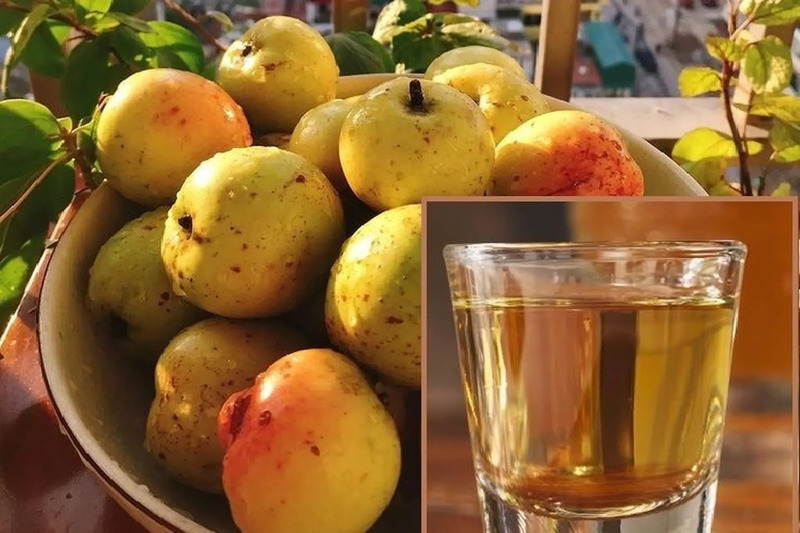
Tao Meo Wine (Source: Collected)
Corn wine is a traditional highland liquor made by fermenting corn with natural yeast. The drink has long been produced by ethnic communities such as the H’Mong and Dao, who cultivate corn widely in the mountainous terrain.
The finished wine is clear and relatively strong, with a slightly sweet aftertaste. It is typically poured into small cups and shared during meals or celebrations, reflecting the welcoming spirit and communal traditions of the highland culture.
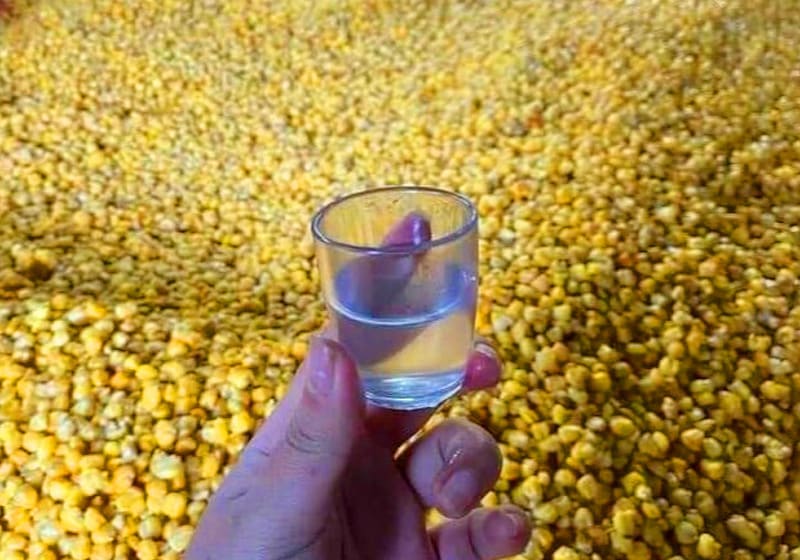
Corn Wine (Source: Collected)
Cham Cheo is one of the most distinctive condiments in the cuisine of northwest Vietnam. This dipping sauce is widely used by ethnic groups such as the Thai and H’Mong and plays an important role in many traditional meals.
The mixture usually includes roasted salt, chili, garlic, fresh herbs, and mac khen, a fragrant mountain pepper known for its unique aroma. Some regional variations also add fermented fish to deepen the flavor. The final result is a smoky, aromatic sauce with a mildly spicy kick.
Cham Cheo pairs especially well with grilled meats, roasted fish, sticky rice, and boiled vegetables, adding a bold highland character to many Sapa dishes.
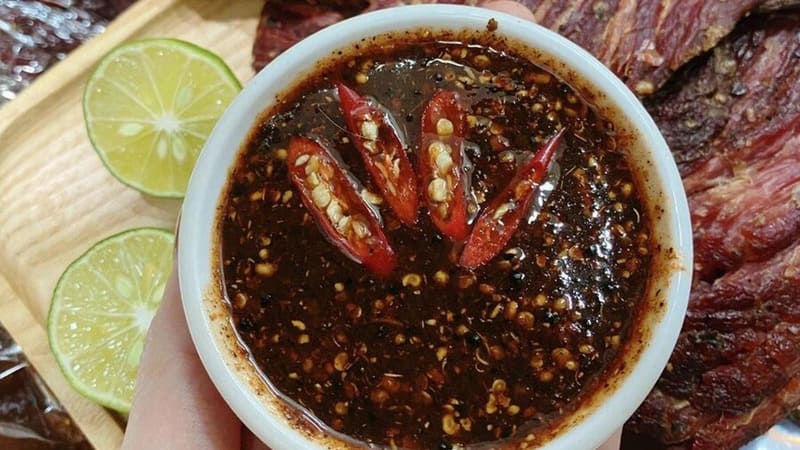
Cham Cheo (Source: Collected)
Most Sapa food is moderately seasoned rather than very spicy. Many dishes use local spices such as chili, ginger, and mac khen mountain pepper, which adds fragrance and a slightly numbing flavor. Restaurants usually serve chili sauce and dipping condiments on the side, allowing travelers to adjust the spice level according to their preference.
Vegetarian travelers can still enjoy a variety of food in Sapa. Many restaurants offer vegetable hotpots, tofu dishes, bamboo shoots, forest mushrooms, and sticky rice. Local markets also sell simple vegetarian meals made with seasonal vegetables and herbs commonly grown in the mountain villages.
Travelers with sensitive stomachs may want to avoid strong traditional dishes such as Thang Co, which contains offal and rich broth. Smoked or heavily fermented foods can also feel unfamiliar for some visitors. Choosing freshly cooked meals at reputable restaurants and drinking bottled water helps reduce the risk of digestive discomfort.
Several dishes represent Sapa’s culinary identity. Thang Co (horse meat soup) is the most traditional dish linked to H’Mong culture. Other famous specialties include smoked buffalo meat, Cap-nach pork, salmon hotpot, and bamboo-tube sticky rice. These dishes highlight the mountain ingredients and cooking traditions of the region.
Authentic Sapa food can be found at local markets, village homestays, and traditional restaurants in Sapa town. Visiting nearby ethnic villages such as Ta Van, Ta Phin, or Lao Chai often provides the most authentic experience, where meals are prepared using traditional methods and locally sourced ingredients.
Yes, Sapa street food is generally safe for travelers when you choose vendors carefully. Busy stalls in night markets and along central streets usually have a high turnover of customers, which means the food is prepared frequently and stays fresh. Many vendors cook dishes directly over charcoal grills or hot pans, allowing visitors to see the food being prepared on the spot. To stay safe, it is best to select stalls where food is freshly cooked and served hot, and avoid items that have been sitting out for a long time.
The best time to explore Sapa’s local food scene is during the cool evenings or early mornings. The mountain climate makes warm dishes especially enjoyable, and many local specialties are designed to be eaten in colder weather. Grilled meats, skewers, hotpot, and roasted chestnuts are particularly popular at night, especially around Sapa night market. Morning markets are also worth visiting, as they offer a variety of traditional foods and fresh local ingredients while providing a glimpse into daily life in the region.
Sapa food is not only delicious but also one of the best ways to experience the culture of Vietnam’s northwest highlands. From hearty stews and smoky grilled dishes to regional specialties such as Thang Co, Cap Nach pork, smoked buffalo meat, and Com Lam bamboo rice, each dish reflects the local ingredients and traditions of the mountain communities.
If you want to explore authentic local cuisine while visiting traditional villages, markets, and scenic landscapes, Your Vietnam Travel can help you design a tailor made Sapa itinerary based on your interests and travel style. Contact our team to receive personalized recommendations and start planning your Sapa adventure.


 Vietnam Tours
 Cambodia Tours
 Laos Tours
 Thailand Tours
 Multi-Country Tours