Ta Van Village is a calm, lived-in valley community in Sapa where terraced rice fields, misty mountain views, and minority culture come together in a slower rhythm than Sapa town. It is best known for scenic walks along Muong Hoa Valley, small footpaths connecting nearby hamlets, and homestay experiences that let you see daily life up close without feeling rushed.
This guide from Your Vietnam Travel will break down the key planning details including where Ta Van is, how to get there, fees, the best time to visit, and the most worthwhile things to do once you arrive.
Ta Van Village is located in Ta Van Commune, about 12 km southeast of Sapa town center, in the heart of Muong Hoa Valley, Lao Cai Province. The route to the village is known for terraced rice fields, small streams, mountain views, and quiet rural scenery.
Although Ta Van is officially a commune, travelers often call it a village because its main settlement area feels compact and traditional. It is home to H’Mong, Giay, and Red Dao communities, making it a good place to see stilt houses, brocade textiles, local farming life, and ethnic culture in a peaceful setting.
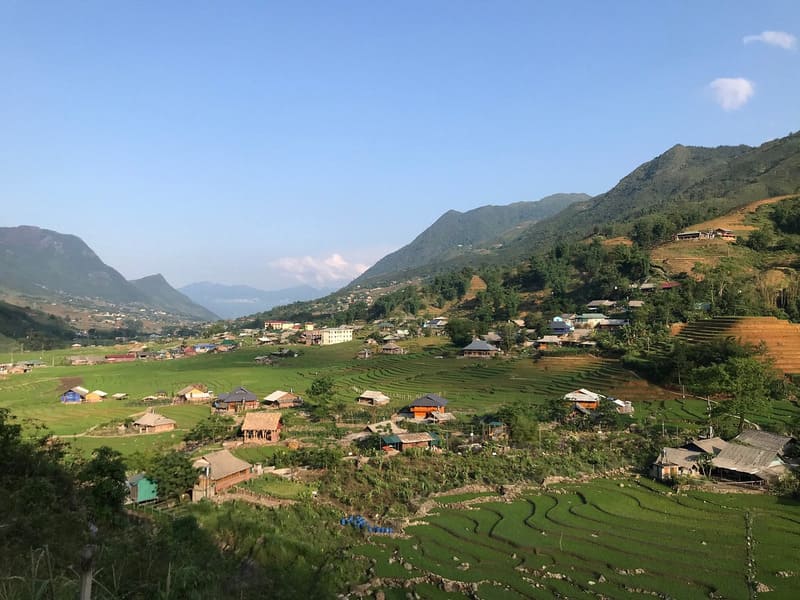
Ta Van Village in Sapa, Vietnam (Source: TripAdvisor)
Ta Van stands out for its quiet setting in the Muong Hoa Valley, with the Hoang Lien Son mountains behind it and Muong Hoa Stream flowing nearby. Compared with Sapa town, the atmosphere is much calmer, making it a good place for travelers who want rice terraces, mountain scenery, and a slower local rhythm.
The village is also valued for its cultural character. H’Mong, Giay, and Red Dao communities still live and work here, so visitors can experience a real valley settlement rather than a purely tourist-focused area. Traditional houses, field paths, local food, and simple homestays all add to the experience.
Many travelers choose to stay overnight in Ta Van because one day can feel too short. A rustic homestay allows you to enjoy the valley in the early morning or late afternoon, when the scenery is quieter and more atmospheric.
Ta Van Village is located about 12 km from Sapa town center, making it one of the easiest villages to visit in the Muong Hoa Valley.
The journey usually takes 20 - 30 minutes and offers beautiful views of terraced rice fields, mountain slopes, and local villages throughout the valley.
Ta Van Village now has an entrance ticket, usually collected at the checkpoint on the way into the valley. The fee helps support local upkeep, including road maintenance around the village area.
Common reference prices:
You should also budget for extra costs if needed, such as traditional outfit rental at 50,000 - 100,000 VND, motorbike rental at 100,000 - 150,000 VND per day, and drinks at local cafes from 30,000 - 50,000 VND.
Bring small cash and keep your ticket with you, as checks are usually made on the approach route rather than inside the village lanes.
Ta Van Village can be visited year-round, but the best time depends on the scenery you want to see in Muong Hoa Valley.
If you want the safest overall choice, visit Ta Van from September to October for golden rice fields and better trekking conditions. Choose May to June if you prefer reflective terraces, but check the weather because rain can make trails slippery and increase the risk of landslides.
For a broader look at seasonal weather, trekking conditions, and festivals, read our guide to the best time to visit Sapa.
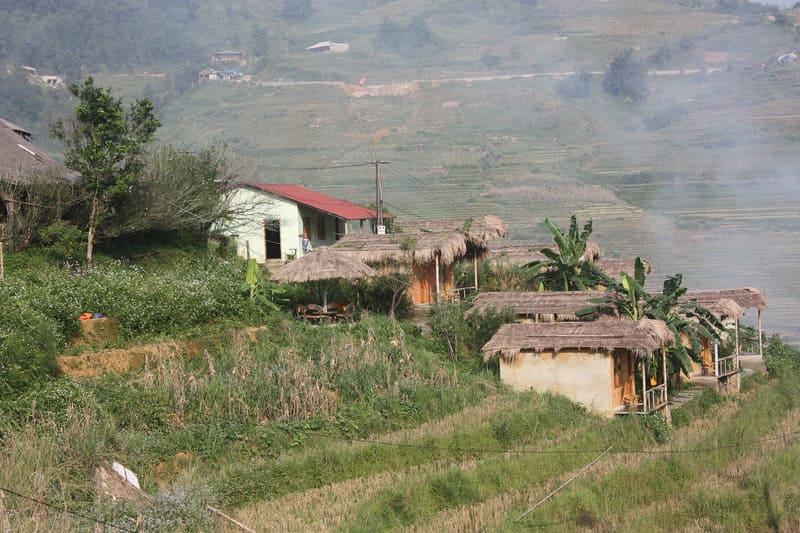
Ta Van Village in October (Source: TripAdvisor)
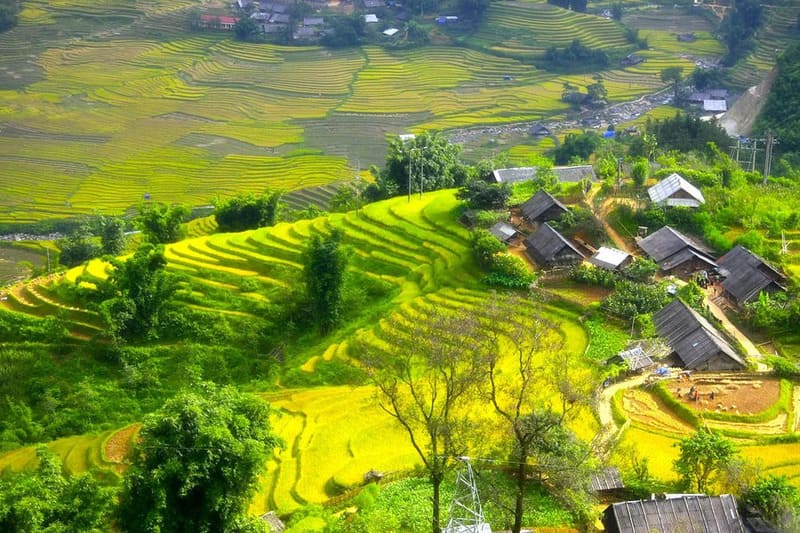
Ta Van’s terraced rice fields are one of the main reasons to visit the village. During harvest season, usually around September and October, the valley turns golden with layered fields stretching along the Hoang Lien Son slopes. From May to August, the terraces are greener and equally scenic for walking and photography.
A good place to enjoy the first wide views is near the ticket checkpoint, where many travelers stop for photos before heading deeper into the village. Wear comfortable shoes and light layers, as the paths can be narrow and uneven. During peak harvest weeks, it is best to arrange transport, lunch, or homestay stays in advance.
Ta Van is part of one of Sapa’s most popular valley trekking routes. From here, you can walk to nearby villages such as Lao Chai and Giang Ta Chai, passing rice terraces, streams, and ethnic minority hamlets along the way. Travelers who prefer a guided route can consider a Sapa Remote Village Trekking Tour, which focuses on quieter village paths and local cultural encounters.
A local guide is useful if you want to understand more about the Giay, H’Mong, and Red Dao communities. Since Ta Van is about 30 - 40 minutes by car from Sapa Town, many travelers trek one way and return by taxi or private car arranged through their homestay.
May Bridge, or Cau May, is a rustic suspension bridge crossing Muong Hoa Stream. Built from bamboo or thin wooden planks tied with forest ropes, it has a traditional look that makes it one of Ta Van’s signature photo spots.
For better light and fewer people, visit between 7:00 and 9:00 AM. One common route is to follow the path along Muong Hoa Stream from Lao Chai Village for about 3 km. Be careful in the rainy season, as the bridge and nearby paths can become slippery. If the surface feels unsafe, take photos from the stream bank instead.
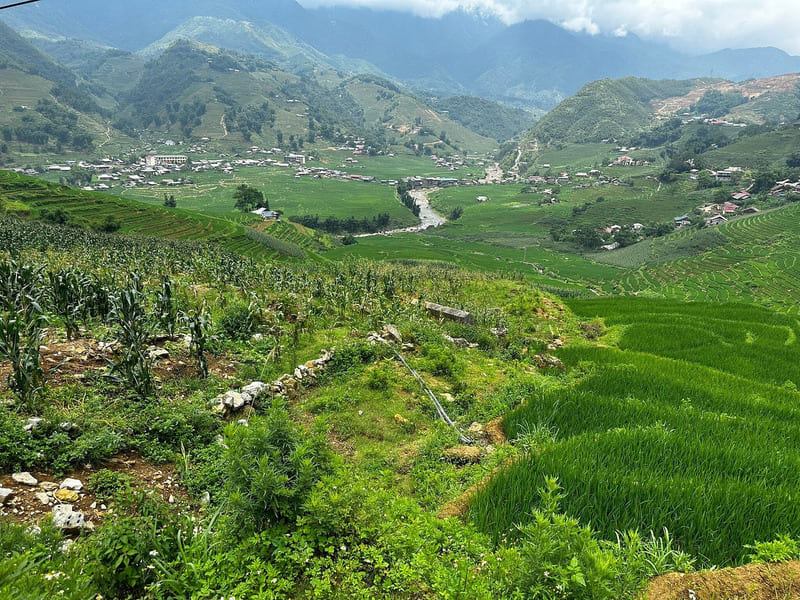
Muong Hoa stream through Ta Van Village (Source: TripAdvisor)
Walking through Ta Van gives you a close look at local highland life. Many traditional houses are built with timber frames, dark wooden interiors, simple family layouts, and practical spaces shaped by daily village routines.
Some guided visits may include old Giay houses, such as the wooden house associated with Mr. Lo A Muc, often mentioned for its traditional architecture and Pomu wood ancestral altar. These visits are best approached respectfully: listen to local stories, ask before taking photos, and treat homes as living spaces rather than tourist displays.
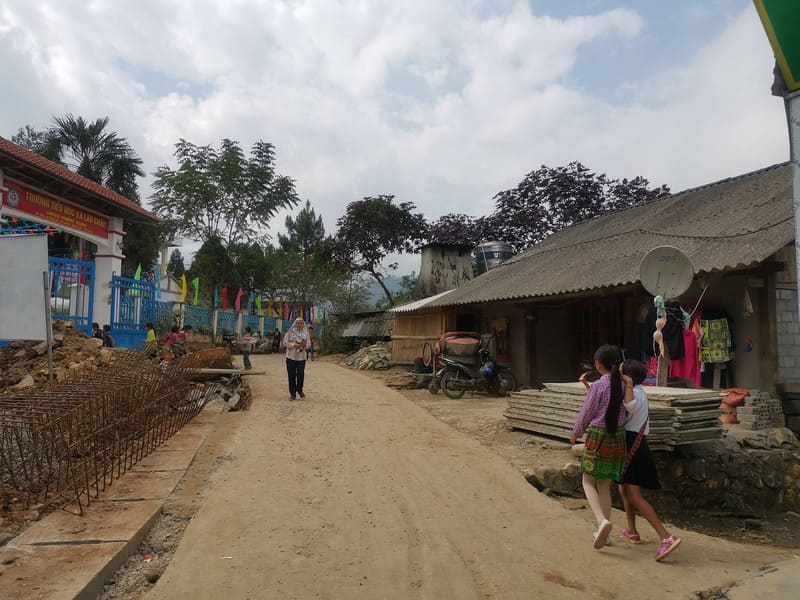
Ethnic houses in Ta Van Village (Source: TripAdvisor)
Staying overnight in Ta Van is one of the best ways to enjoy the village at a slower pace. Many homestays are locally run and offer mountain, valley, or terrace views, making them ideal for travelers who want a quieter alternative to Sapa Town.
Comfort levels vary, especially in cold months. Most places do not have central heating, so pack warm layers if visiting from November to March. Popular names around the area include Sapa Eco Bungalows, Po Homestay, Sanh Homestay, Opal House, Hnee House Ta Van, Ta Van View Homestay, and Comlam Eco House. Prices commonly range from about 400,000 to 2,000,000 VND per night, depending on room type and view.
If you are still deciding between staying in the valley or in town, this guide to where to stay in Sapa can help you compare the main areas.
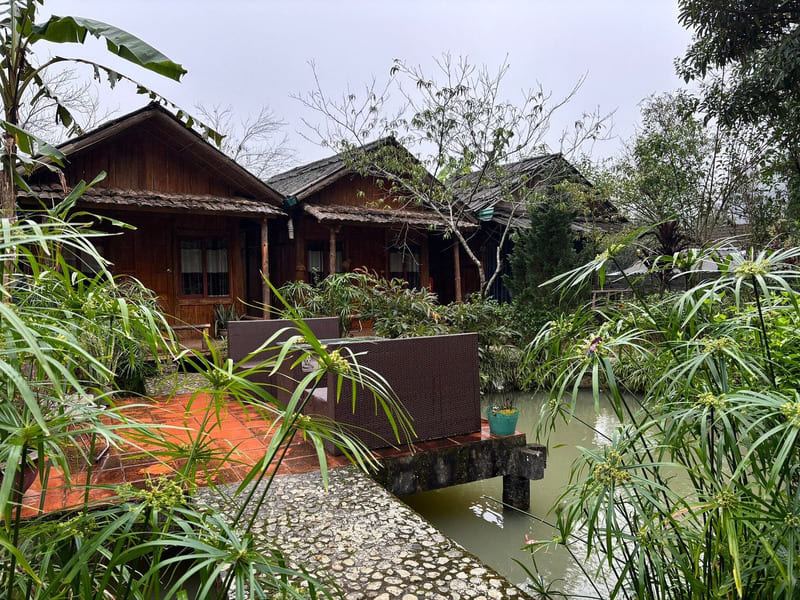
A local homestay in Ta Van Village (Source: TripAdvisor)
Food in Ta Van is simple, hearty, and closely tied to highland ingredients. If you visit on the weekend, the local market is a good place to try small dishes sold by villagers from early morning until around midday.
Typical foods include corn cakes, five-color sticky rice, banh chung gu, steamed rice cakes, pickled bamboo shoots, cai meo, and other seasonal vegetables. Prices are usually around 20,000 - 50,000 VND per item, depending on portion size.
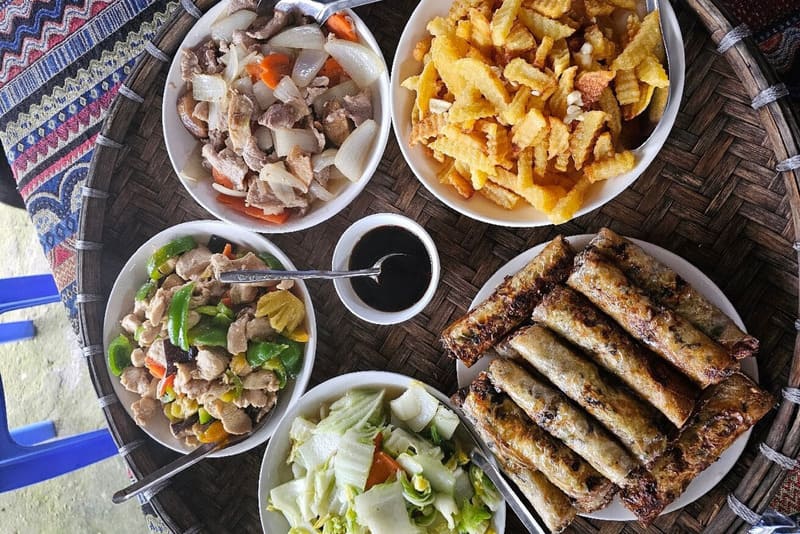
Local dishes with fresh vegetables at in Ta Van Village (Source: TripAdvisor)
Shopping in Ta Van is more about small handmade items than large markets. Along the village entrance, walking paths, weekend market areas, cafés, and homestays, you can find textiles and souvenirs made or sold by local households.
Good items to look for include handwoven scarves, small pouches, patterned fabric pieces, bracelets, and simple accessories. To support the community responsibly, buy from adult vendors, homestay-run corners, or local shops rather than giving money to children selling on the street.
From January to March, Ta Van often feels more festive, with peach, plum, and pear blossoms adding color to the valley. Depending on your travel dates, you may also see local spring activities, folk games, or small community gatherings.
For a hands-on experience, look for herbal workshops hosted by local families or community spaces. These may include learning about mountain herbs, making simple herbal tea, or preparing a basic herbal bath blend. It is a relaxed activity that works well with an overnight stay.
Ta Van is ideal for slow walks and landscape photography. The village sits in a broad valley surrounded by mountains, rice terraces, streams, and quiet footpaths, so even short walks can offer strong photo opportunities.
The scenery changes by season. May to August is best for green terraces, September and October for golden harvest views, and winter for misty, quieter landscapes. Early morning and late afternoon usually offer the softest light.
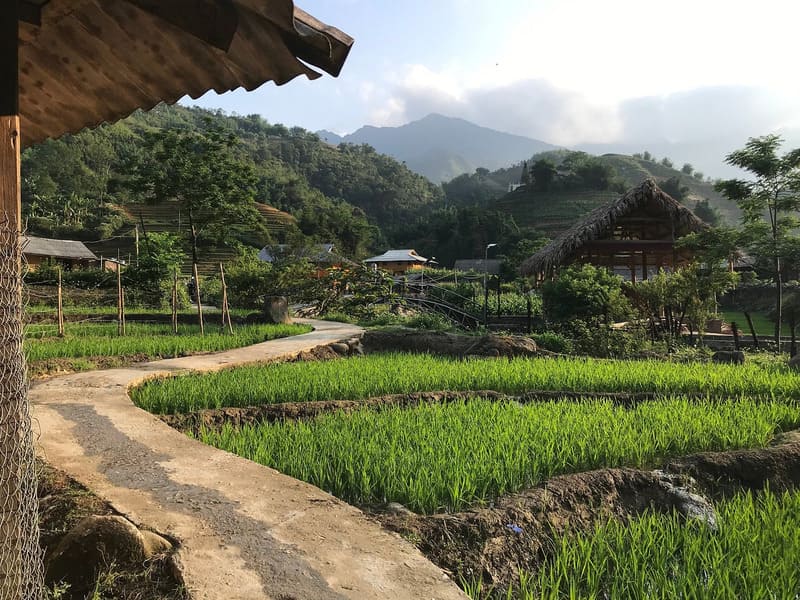
Ta Van Village with green fields (Source: TripAdvisor)
Ta Van is a good place to try Sapa’s highland food in a quieter village setting. Most meals are simple, homestyle dishes served at local restaurants, homestays, and weekend market stalls.
Ta Van is well located for exploring other attractions in Muong Hoa Valley and the wider Sapa area. If you have enough time, you can combine Ta Van with nearby villages, viewpoints, cultural sites, and mountain experiences.
A good one-day plan is to trek from Sapa or Lao Chai to Ta Van, have lunch in the village, visit May Bridge and Muong Hoa Stream, then return to Sapa by car. If you want to include Ta Van as part of a wider northern journey, the 7-Day Hanoi Halong Bay Sapa Tour combines Sapa’s mountain villages with Hanoi and Halong Bay in one balanced itinerary.
A little preparation goes a long way in Ta Van, especially if you plan to walk through terraces and stay overnight in the valley.
Yes, staying overnight at a local homestay is one of the best ways to experience Ta Van. You can share meals with the host family and see daily village life more closely, and the village atmosphere is typically quiet with early nights.
It is generally suitable for beginners, as long as you pick the right route and pace. One common walk (Lao Chai to Ta Van) is described as about 7 to 12 km with a few steep sections, but still manageable for beginners; for children, choose a shorter trek or use local transport for part of the way.
Yes, you can hire a local guide in Ta Van for trekking and cultural experiences. Some guides can be arranged directly from the village, and local guidance helps you understand culture, history, and find less obvious spots.
Wear sturdy, comfortable shoes and dress in practical layers for mountain weather. If you plan to walk on trails or through rice terraces, proper footwear matters, and it is also smart to bring sun protection and basic essentials.
Yes, it can be safe with normal precautions, but avoid walking remote trails after dark. Ta Van is typically calm with early nights and little nightlife, and some paths can be narrow or confusing, so stick to well-used routes, arrange transport with your homestay, and be extra careful in rainy conditions (for example around bridges and slippery paths).
Ta Van Village offers a quieter side of Sapa, where Muong Hoa Valley scenery, terraced rice fields, and small village paths create an easy pace for walking, photography, and cultural encounters. With the planning tips from this guide around timing, routes, and comfort level, you can enjoy the most meaningful moments without feeling rushed.
For a smooth, well-paced visit, reach out to Your Vietnam Travel Team to customize your Sapa route, or explore our One Week Northern Vietnam Tour if you want to combine Ta Van, Sapa, Hanoi, and Halong Bay in one easy itinerary.

 Vietnam Tours
 Cambodia Tours
 Laos Tours
 Thailand Tours
 Multi-Country Tours