Ta Phin Village in Sapa attracts travelers with its peaceful atmosphere, scenic terraced rice fields, and the distinctive culture of the Red Dao community. Compared with more crowded destinations, Ta Phin offers a closer and more authentic experience of highland life. In this guide, you will find detailed information on how to get there, the best time to visit, top things to do, and practical travel tips for your trip.
Ta Phin Village is located in the northern highlands of Sapa Town, Lao Cai Province, at the foot of the Hoang Lien Son Mountain Range. Depending on the route and reference point, the village is around 11 to 17 kilometers from Sapa town center, making it an easy destination for a half-day or full-day trip.
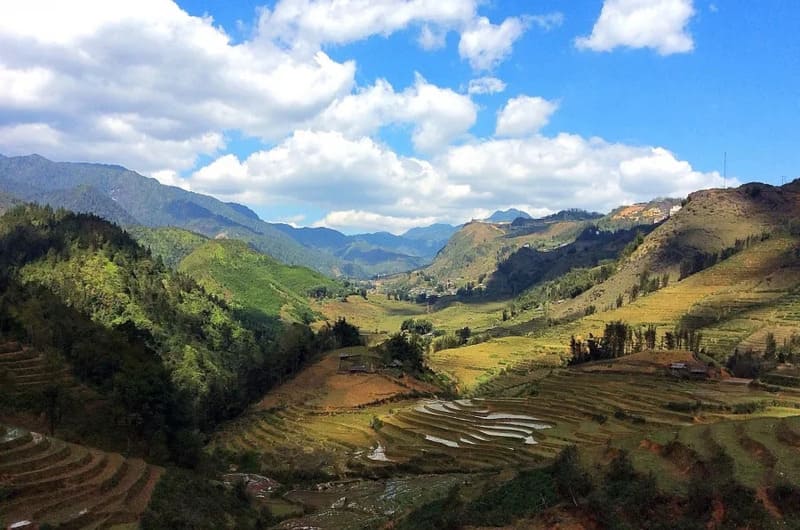
Set in a quiet valley at an elevation of around 1,500 meters above sea level, Ta Phin is surrounded by terraced rice fields, forested hills, limestone mountains, and rural farmland. Its peaceful setting and scenic landscape make it a favorite choice for travelers looking to experience a more tranquil side of Sapa, away from the busier villages closer to town.
Ta Phin is also known as the home of the Red Dao community, along with a smaller H’mong population. This combination of natural beauty and strong cultural identity gives the village a distinct character that stands out from many other destinations in the region.

Ta Phin Village in Sapa (Source: Collected)
One of Ta Phin Village’s biggest highlights is its relatively unspoiled atmosphere. Compared with more crowded places such as Cat Cat or Ta Van, Ta Phin feels quieter and less commercial, which appeals to travelers seeking authentic local experiences.
The journey to the village is also part of the appeal. The road from Sapa passes through mountain slopes, rice terraces, and seasonal flower fields, offering beautiful views along the way. Nearby attractions such as Ta Phin Cave and the old monastery ruins add even more interest to the area, making Ta Phin more than just a scenic village stop.
Reaching Ta Phin Village from Sapa is straightforward, with several transport options depending on your time, budget, and travel style. The distance ranges from 11 to 17 kilometers, and the journey itself is part of the experience, passing through rice terraces, hills, and ethnic villages.
Traveling by motorbike is one of the most popular ways to reach Ta Phin Village. The ride takes around 30 to 45 minutes from Sapa town, depending on road conditions.
Motorbike rental in Sapa is affordable, typically around 120,000-150,000 VND per day, giving you full flexibility to explore at your own pace. The route offers scenic views along the way, including terraced fields and mountain slopes.
This option is best suited for confident riders. Roads can be narrow, winding, and slippery during the rainy season, so caution is required.
For travelers who prefer not to ride themselves, a motorbike taxi (xe ôm) is a practical and safe alternative. Local drivers are familiar with mountain routes and can navigate the terrain efficiently.
This option works well for solo travelers or couples looking for a quick, hassle-free journey without worrying about directions or road conditions.
A private car or taxi offers the most comfortable way to reach Ta Phin Village, especially for families or small groups. Travel time is similar to going by motorbike, around 30 to 40 minutes.
This option is ideal during rainy or cold seasons when road conditions are less predictable. It also allows you to combine the trip with photo stops along the route.
Trekking to Ta Phin Village is the most rewarding option for travelers who want to experience Sapa’s landscapes up close. The route is typically 12 to 14 kilometers long and takes around 3 to 4 hours, depending on pace and stops.
Popular trekking paths pass through Ma Tra Village, rice paddies, bamboo forests, and quiet countryside roads before reaching Ta Phin. Along the way, you can observe daily life in local communities and enjoy uninterrupted mountain views.
A local guide is recommended for trekking routes. It helps with navigation and adds cultural insight, especially when visiting ethnic minority villages. Travelers who want a deeper route through quieter communities can consider a remote Sapa village trekking tour that includes local trails, cultural stops, and flexible pacing.
Quick travel tips:
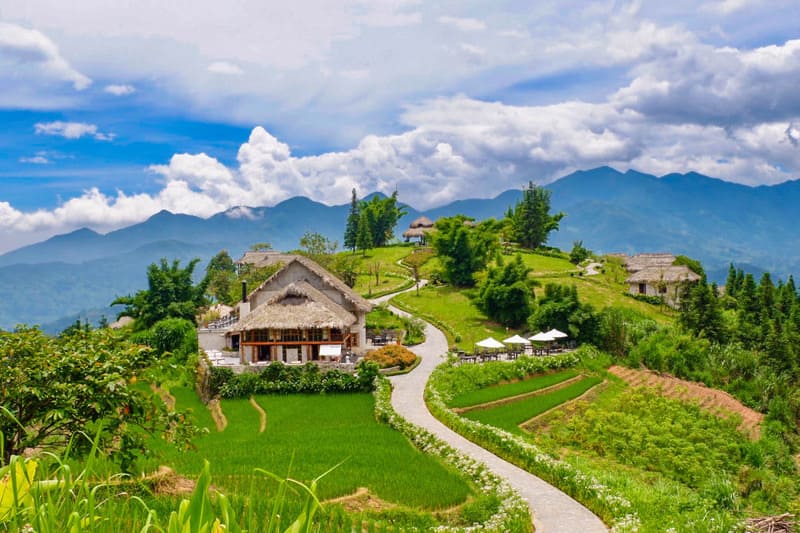
Getting to Ta Phin Village is easy, with scenic 11-17 km routes (Source: Collected)
The best time to visit Ta Phin Village is from March to May and September to November, when the weather is mild (around 15-25°C), visibility is clear, and conditions are ideal for trekking and outdoor exploration.
From March to May, the landscape is fresh and green, with rice planting season and blooming peach and plum flowers adding color to the valley. From September to October, rice terraces turn golden during harvest season, creating some of the most iconic scenery in Sapa.
May to June offers a unique “water season,” when rice paddies reflect the sky like mirrors, while June to August brings lush greenery but also frequent rain that can make trails slippery. From December to February, temperatures drop and fog becomes common, creating a quiet, atmospheric setting but with limited views.
For a broader look at weather, rice seasons, and trekking conditions across the region, read this best time to visit Sapa guide before finalizing your itinerary.
The Red Dao herbal bath is one of the most distinctive experiences in Ta Phin. Locals use a blend of 20+ medicinal plants collected from the Hoang Lien Son mountains, following traditional recipes passed down through generations.
A soak in a wooden tub helps relieve muscle tension, improve circulation, and restore energy, especially after trekking. Sessions usually last around 20-30 minutes and are widely available in local households across the village.
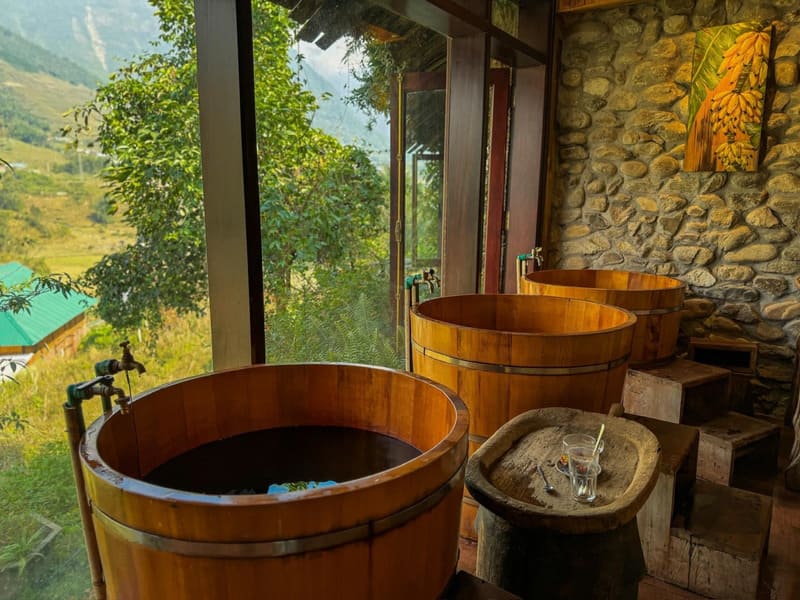
Relax with a Red Dao herbal bath to ease muscles and recharge (Source: Collected)
Located at the foot of the mountains, Ta Phin Cave adds an adventurous element to your visit. Inside, you will find limestone formations and natural stalactites shaped over time into unique figures.
The cave is relatively quiet compared to other attractions in Sapa, making it suitable for travelers looking for a less crowded, more exploratory experience. Dry conditions from May to October make access easier.
Ta Phin Monastery is a striking historical site built in the 1940s. Although abandoned for decades, its stone walls, arched windows, and ivy-covered ruins remain intact.
Set against a backdrop of hills and open fields, the monastery is a popular stop for photography and a reminder of the area’s layered history. The peaceful atmosphere makes it worth a short visit during your time in the village.
Trekking is one of the best ways to experience Ta Phin. Trails connect the village with surrounding areas, passing through terraced rice fields, bamboo forests, and small ethnic communities.
Along the way, you will see traditional houses, farmland, and daily rural life. Routes vary in difficulty, from short walks to longer treks that can be combined with nearby villages such as Ma Tra.
To better understand the surrounding landscapes, explore this Sapa rice terraces guide for the best viewpoints, rice seasons, and nearby villages worth visiting.

Trek rice terraces and ethnic villages around Ta Phin (Source: Collected)
Ta Phin is well known for its handmade brocade textiles, created by Red Dao women using traditional weaving and embroidery techniques.
Visitors can observe the full process, from spinning fibers and dyeing fabrics with natural indigo to intricate hand embroidery. These crafts reflect cultural identity and are a meaningful part of daily life in the village.
Beyond sightseeing, Ta Phin offers opportunities to understand local life more closely. Visiting family homes, sharing meals, or staying overnight allows you to see traditional cooking, herbal practices, and community routines.
Cultural experiences here feel more personal and less commercial compared to other villages near Sapa.
If you visit at the right time, you may witness traditional festivals such as the Gau Tao Festival, held in spring to pray for health, prosperity, and a good harvest.
Other important cultural events include ceremonies, traditional music, and community gatherings. These occasions offer rare insight into Red Dao beliefs and customs.
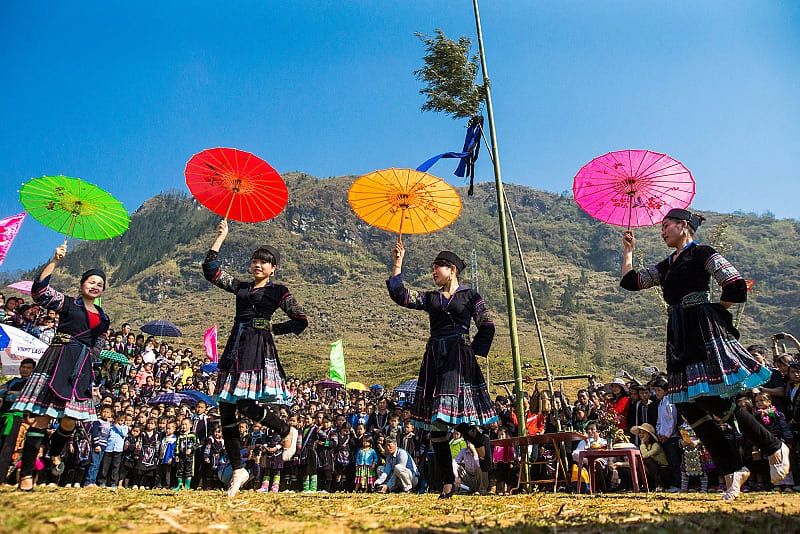
Experience Red Dao festivals and traditions for cultural insight (Source: Collected)
Ta Phin is a great place to buy authentic handmade products directly from local artisans. Popular items include embroidered textiles, scarves, bags, and herbal products.
Purchasing locally made goods supports the community and ensures you take home something meaningful rather than mass-produced souvenirs.
Staying overnight in Ta Phin Village allows you to experience a quieter side of Sapa, with more time to enjoy the landscape, local culture, and daily life of the Red Dao community. Accommodation here is generally simple, authentic, and nature-focused, making it ideal for travelers seeking a more immersive experience.
Homestays are the most popular option in Ta Phin. They offer a chance to stay with local families, enjoy home-cooked meals, and learn more about traditional customs.
Some well-known options include:
Most homestays provide basic but comfortable facilities, and some also offer services such as herbal baths, guided trekking, and cultural activities.
Keep your visit smooth, respectful, and enjoyable with these essential tips:
Yes, Ta Phin Village is worth visiting for travelers looking for authentic culture, peaceful landscapes, and fewer crowds. Compared with more popular villages near Sapa, Ta Phin offers a quieter and more local experience, while still featuring highlights such as herbal baths, trekking routes, and traditional handicrafts.
Ta Phin Village is located around 11 to 17 kilometers from Sapa town center, depending on the route. The journey takes approximately 30 to 45 minutes by motorbike or car, making it suitable for a half-day or full-day trip.
A half-day trip is enough to explore the main highlights. For a more complete experience, including trekking, herbal baths, and cultural interaction, plan a full day or overnight stay.
Yes, you can visit independently by motorbike, taxi, or private car. A local guide is recommended if you plan to trek or want deeper cultural understanding, especially when visiting ethnic minority communities.
Yes, Ta Phin is suitable for beginners, with many easy to moderate walking routes. For longer treks or during wet conditions, trails can be more challenging, so proper footwear and route planning are important.
Yes, Ta Phin offers homestays and small ecolodges that allow you to experience local life more closely. Staying overnight gives you more time to enjoy the scenery, try a herbal bath, and interact with local families.
Yes, Ta Phin is generally less crowded than villages such as Cat Cat or Ta Van. Its location and lower level of commercialization make it a better choice for travelers seeking a more relaxed atmosphere.
Morning is the best time to visit, when the weather is cooler and visibility is clearer. Early visits also help you avoid crowds and enjoy a more peaceful village atmosphere.
Some areas may require a small entrance or village fee. Fees are usually low and help support the local community. It is best to check current information before your visit.
Popular items include handmade brocade textiles, scarves, bags, and herbal products made by local Red Dao artisans. These products reflect traditional craftsmanship and are more meaningful than mass-produced souvenirs.
Basic English is spoken in some homestays and by local guides. However, many older residents mainly speak local dialects, so communication may require patience or assistance from a guide.
Yes, Ta Phin can be combined with nearby areas such as Ma Tra or other trekking routes. For travelers who want to compare different village experiences, Lao Chai Village is another good option, especially if you are interested in Muong Hoa Valley scenery and longer trekking routes.
Ta Phin Village presents a harmonious blend of unspoiled nature and local culture, making it suitable for both short visits and more in-depth trekking experiences in Sapa. Careful planning of your timing, transportation, and itinerary will help you make the most of your visit to one of the region’s most peaceful and culturally rich villages.
If you are looking for a tailor-made journey that combines local experiences with seamless service, contact Your Vietnam Travel for personalized itinerary advice tailored to your preferences.



 Vietnam Tours
 Cambodia Tours
 Laos Tours
 Thailand Tours
 Multi-Country Tours