Lao Chai Village in Sapa is a standout destination in Muong Hoa Valley, located near Sapa Town. It attracts visitors with its impressive terraced rice fields, dramatic mountain scenery, and the rich cultural life of the Hmong, Giay, and Red Dao communities. This guide provides essential information on how to get there, the best time to visit, top things to do, and important travel tips for exploring Lao Chai.
Lao Chai Village is located around 7-12 kilometers southeast of Sapa Town, set deep in the scenic Muong Hoa Valley in Lao Cai Province. Surrounded by the majestic Hoang Lien Son Mountain Range and lying near Ham Rong Mountain, the village offers a striking contrast to the busy atmosphere of central Sapa.
Covering an area of over 29 square kilometers, Lao Chai is one of the largest villages in the region. It sits next to Ta Van Village, forming part of the most popular trekking route in Sapa. The landscape here is defined by layered rice terraces, winding streams, and open valley views that stretch across the mountains.
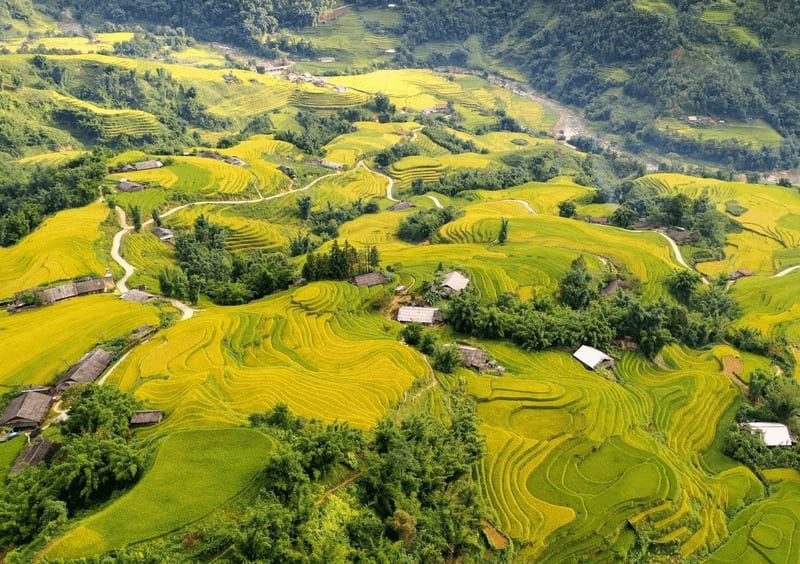
Lao Chai Village in Sapa (Source: Collected)
Lao Chai Village is home mainly to the Black Hmong community, along with smaller Giay and Red Dao groups. Scattered along the hillsides of Muong Hoa Valley, the village preserves a traditional way of life closely connected to farming, weaving, and mountain agriculture. Wooden houses, terraced rice fields, and narrow village paths together create one of the most recognizable cultural landscapes near Sapa Town.
Unlike the more commercialized areas in central Sapa Town, Lao Chai offers a slower and more peaceful atmosphere. Daily activities such as farming, livestock raising, embroidery, and local trading still remain an important part of village life, giving visitors a more authentic look into the culture of the northern highlands.
What makes Lao Chai especially memorable is the combination of cultural richness and dramatic natural scenery. Surrounded by the Hoang Lien Son mountains and overlooking the layered rice terraces of Muong Hoa Valley, the village is considered one of the best places in Sapa for trekking, photography, and experiencing ethnic minority culture in a more natural setting.
Start from the Stone Church in Sapa town center, then head toward Cau May Street and continue onto Muong Hoa Street. This road leads directly into Muong Hoa Valley, where you will begin to see terraced rice fields, mountain views, and traditional village houses. After a short distance, you will arrive in Lao Chai Village.
The journey itself is part of the experience, with panoramic views along the valley that make even a short trip visually rewarding.
Sapa does not have an airport, so most travelers arrive via Hanoi. From Hanoi, you can take a sleeper bus, limousine van, or train (to Lao Cai City, followed by a short transfer to Sapa). Once in Sapa Town, reaching Lao Chai is quick and easy by road or trekking. If you plan to travel by rail, this Hanoi Railway Station guide can help you understand ticket options, routes, and departure tips before the journey.
If you join a guided tour, transportation is usually arranged in advance. This is a convenient option for those who prefer a structured itinerary, especially when combining Lao Chai with nearby villages like Ta Van. For a short but scenic experience, consider a 2-day Sapa trekking tour that includes village walks, mountain views, and overnight stays.
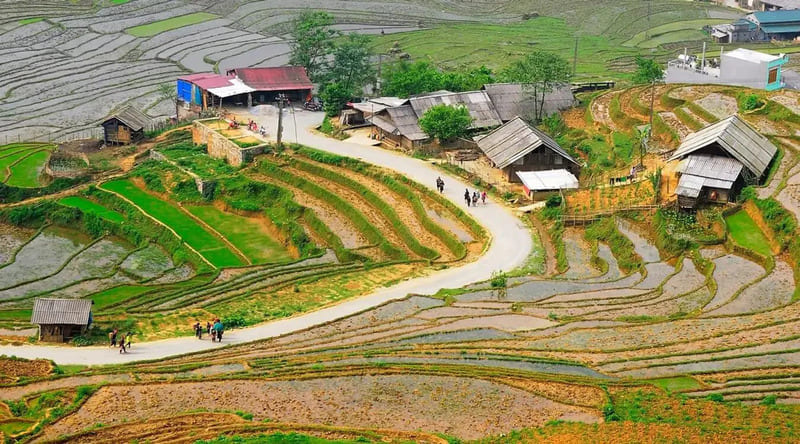
Easy access from Sapa via one of the region’s most scenic roads (Source: Collected)
The best time to visit Lao Chai Village is April to June and September to October, when the terraced rice fields are at their most beautiful.
February - April is also a good time for mild weather, blooming flowers, and local festivals. November - February is colder and misty, suitable for a quieter, less crowded experience.
To plan your trip more effectively, check this best time to visit Sapa guide for detailed weather insights by season.
Lao Chai Village offers a mix of scenic landscapes, cultural experiences, and local interactions. The following activities highlight what makes this destination one of the most rewarding places to explore in Sapa.
The terraced rice fields are the defining feature of Lao Chai Village. Stretching across the hillsides of Muong Hoa Valley, they create a layered landscape shaped by generations of farming.
Walking through these terraces allows you to fully appreciate their scale, beauty, and connection to local life.
For a deeper understanding of the landscape, explore this Sapa rice terraces guide to learn about the best viewpoints, planting season, and harvest time.
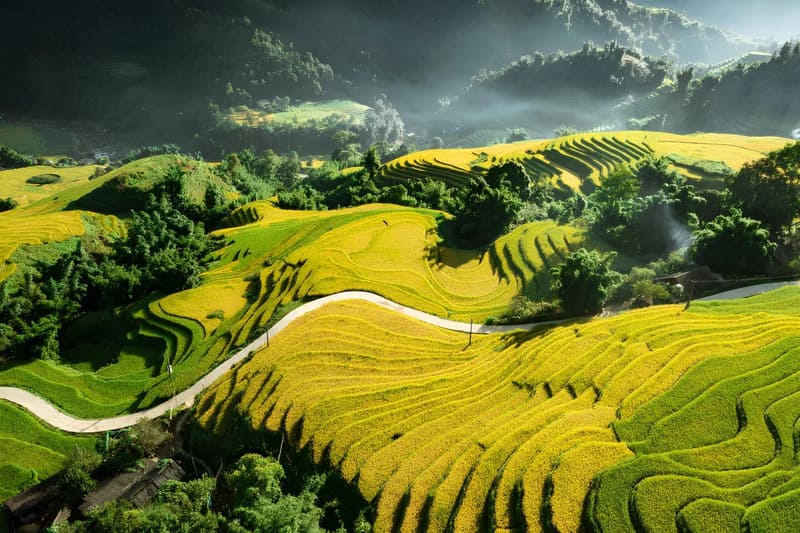
Admire Lao Chai’s terraced rice fields across Muong Hoa Valley (Source: Collected)
Trekking is the best way to explore Lao Chai and its surroundings. Trails wind through rice fields, streams, and small villages, offering continuous scenic views.
You can choose short walks or longer routes connecting Lao Chai with nearby villages like Ta Van. Along the way, expect changing landscapes, quiet countryside, and glimpses of daily farming activities.
Since Lao Chai sits in the heart of Muong Hoa Valley, you may also want to read this Muong Hoa Valley guide for nearby viewpoints, trekking routes, and village-hopping ideas.
A homestay experience adds depth to your visit. Staying overnight allows you to slow down and experience village life beyond daytime tourism.
You can enjoy home-cooked meals, interact with local families, and wake up to mountain views. This is one of the most authentic ways to understand the culture of Lao Chai.
Lao Chai is home mainly to the Black Hmong, along with Giay and Red Dao communities. Visiting the village offers insight into traditional clothing, farming practices, and community life.
Simple activities like observing daily routines or talking with locals can give you a better understanding of the region’s cultural diversity.
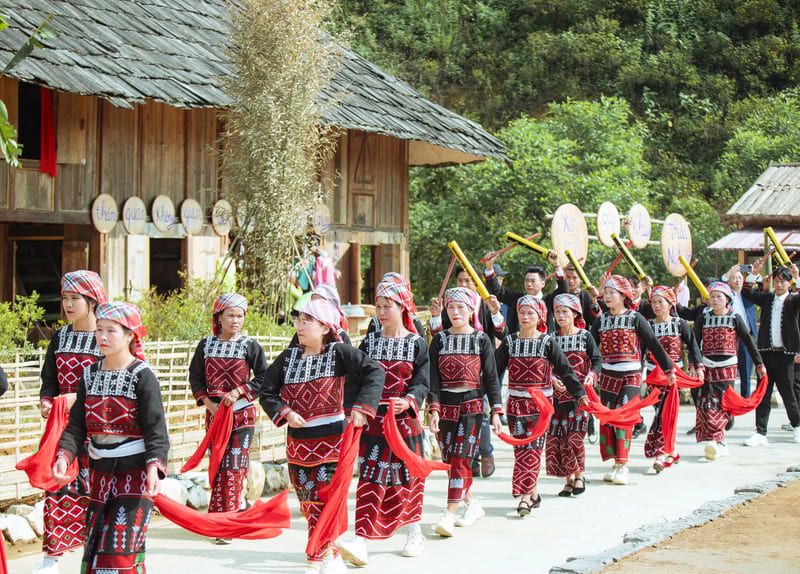
Explore ethnic culture and daily life in Lao Chai village (Source: Collected)
Local markets around Sapa are vibrant cultural spaces where ethnic groups gather to trade goods and socialize.
Here, you can find traditional textiles, handmade products, and local produce. Some markets also offer traditional costume rentals, creating a unique cultural experience and great photo opportunities.
Food in Lao Chai reflects the flavors of the northwest highlands. Many dishes are made from locally sourced ingredients and prepared using traditional methods.
Must-try specialties include:
Meals in a homestay setting are especially memorable, combining food with local hospitality. For more local specialties beyond Lao Chai, see this Sapa food guide for must-try dishes across the region.

Five-color sticky rice (Source: Collected)
If you visit during the right time, you may experience traditional festivals, especially in spring around the Lunar New Year.
These events often include folk games, music, dance, and communal gatherings around campfires. They offer a lively contrast to the village’s usual calm atmosphere and provide deeper cultural insight.
Handicrafts are an important part of life in Lao Chai. Local artisans produce brocade textiles, embroidery, and handmade items that reflect ethnic identity.
You may also see activities like weaving or even stone carving in some areas. Buying directly from locals helps support the community and gives you a meaningful souvenir from your trip.
A visit to Lao Chai Village is rewarding, but preparation and cultural awareness make a big difference. These practical tips help you travel smoothly while respecting local traditions.
Yes, visitors may need to pay a Muong Hoa Valley entrance fee. The fee usually ranges around 75,000-150,000 VND per person, depending on current regulations. Prices can change, so it is best to confirm in Sapa before your visit or check with your hotel or tour provider.
Yes, independent travel to Lao Chai Village is possible. You can reach the village by motorbike, taxi, or by following trekking routes from Sapa Town. However, hiring a local guide is recommended if you want better navigation on village trails and deeper insight into local culture and daily life.
Wear comfortable, practical clothing suitable for walking and changing weather conditions. Trekking shoes with good grip are essential, especially on muddy or uneven paths. In cooler months, bring a warm jacket, and in the rainy season, a waterproof layer is highly recommended. Modest clothing is also appreciated when visiting local homes and communities.
Yes, trekking to Lao Chai Village is generally safe, especially on well-known routes. However, trails can be slippery after rain and some sections may be steep. Wear proper footwear, check weather conditions in advance, and consider going with a guide if you are unfamiliar with the area or planning a longer trek.
Yes, staying overnight in a homestay is one of the best ways to experience Lao Chai Village. Many local families offer accommodation ranging from simple traditional houses to more comfortable setups with modern amenities. An overnight stay allows you to enjoy the peaceful atmosphere, local food, and daily life at a slower pace.
Lao Chai offers a variety of traditional northwest dishes made with fresh, local ingredients. Recommended foods include grilled pork (thit lon cap nach), five-color sticky rice, thang co, grilled stream fish, and local rice or corn wine. Meals at homestays are especially authentic and give you a chance to experience local flavors in a family setting.
Lao Chai Village offers a harmonious blend of natural beauty and local culture, making it suitable for both short visits and in-depth trekking experiences. Careful planning of your timing, transportation, and itinerary will help you make the most of your journey to one of the most beautiful villages in Sapa.
To experience Lao Chai in a more meaningful and seamless way, reach out to Your Vietnam Travel. Our team can help you craft a tailor-made Sapa journey, from village trekking and homestay experiences to a complete Northern Vietnam tour with Hanoi, Sapa, and Halong Bay.



 Vietnam Tours
 Cambodia Tours
 Laos Tours
 Thailand Tours
 Multi-Country Tours