Ba Chieu Market offers a real look at local life in Ho Chi Minh City. Unlike tourist-heavy markets in District 1, this market mainly serves residents of Binh Thanh District with fresh food, affordable clothing, household goods, street snacks, and secondhand fashion.
This guide from Your Vietnam Travel covers everything you need to know before visiting Ba Chieu Market, including its location, history, food highlights, shopping areas, nearby attractions, and practical travel tips.
Ba Chieu Market is located in Ward 1, Binh Thanh District, Ho Chi Minh City, near major local streets such as Bui Huu Nghia, Phan Dang Luu, Le Quang Dinh, Bach Dang, and Dien Hong. The market sits close to the old Gia Dinh area, a historic part of Saigon’s urban development.
From District 1, Ba Chieu Market is about 4 - 5 kilometers away and usually takes 10 - 25 minutes by taxi or ride-hailing app, depending on traffic. From Tan Son Nhat International Airport, the trip often takes around 25 - 40 minutes.
The market includes an indoor area for dry goods, clothing, fabrics, accessories, and household items, while the surrounding streets have wet market vendors, food stalls, small shops, and evening activities. There is no entrance fee, so visitors can walk in freely.
Ba Chieu Market is ideal for travelers who want to experience a real local market rather than a tourist-focused shopping place. It can also be combined with nearby attractions such as Lang Ong Ba Chieu, Landmark 81, and Van Thanh Tourist Area.
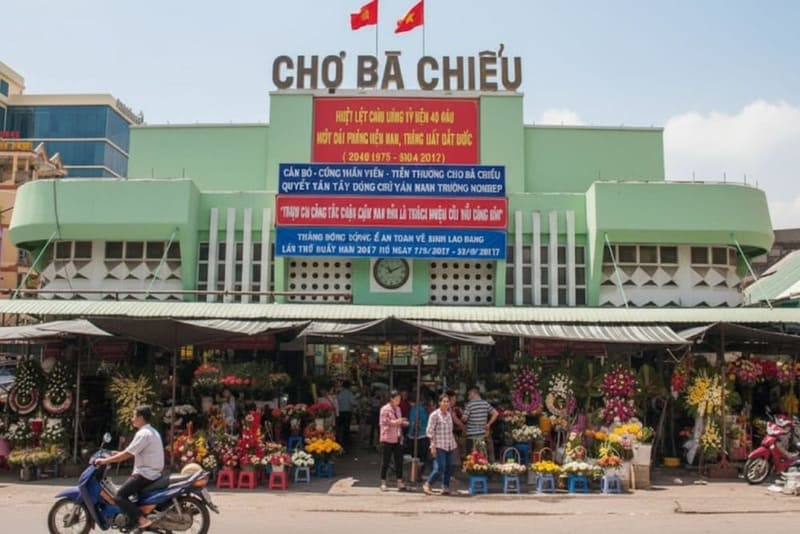
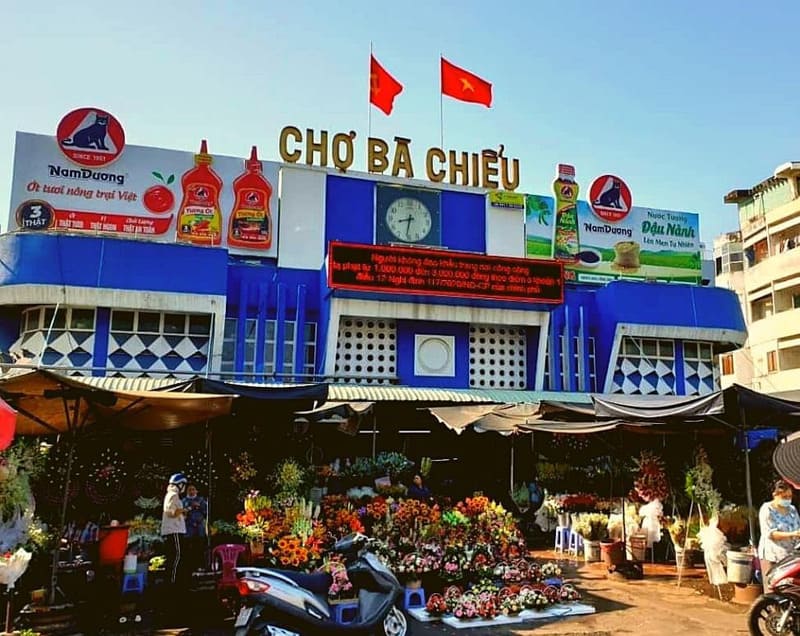
Ba Chieu Market sits in the heart of Binh Thanh (Source: Collected)
Ba Chieu Market is one of Ho Chi Minh City’s long-standing traditional markets, closely connected with the old Gia Dinh area, an important part of Saigon’s early development. The market became more formally organized around the early 1940s and has remained a familiar trading place for local families, small vendors, restaurant owners, and neighborhood shoppers.
Although the market has changed over time, it still keeps the atmosphere of an old Saigon market, with narrow aisles, dense stalls, street vendors, and a steady flow of daily buyers. The origin of the name “Ba Chieu” is not fully confirmed. Some local explanations connect it with an old water area and a female spirit once worshipped nearby, while others link it to folk stories, historic figures, and beliefs from the Gia Dinh period.
This mix of history and local memory gives Ba Chieu Market its character. For locals, it is a practical place to buy vegetables, meat, seafood, clothing, fabrics, cooked food, snacks, and daily essentials. For travelers, it offers a direct look at how Saigon residents shop, eat, bargain, and interact in everyday life.
Ba Chieu Market is easier to understand when you divide it into several main areas: the indoor dry market, the wet market, the food area, the outdoor vendor zone, and the evening/night market scene.
The indoor market is where many clothing, fabric, shoes, bags, accessories, cosmetics, bed sheets, and household goods are sold. This part is suitable for visitors who want to shop for affordable local products or browse budget fashion. The aisles can be narrow, and the stalls are placed close together, so walking slowly is important.
The dry goods section includes packaged food, dried seafood, dried fruits, rice, spices, sauces, snacks, and local ingredients. This area is useful for travelers interested in Vietnamese cooking products, although some dried seafood and strong-smelling ingredients may not be convenient to carry on international flights.
The wet market section is where locals buy fresh ingredients. You can find vegetables, herbs, fruits, pork, chicken, fish, shrimp, tofu, and other daily groceries. This part is busiest in the morning when produce is fresh and local shoppers come for their daily cooking needs. It is also one of the best areas to observe real market life, though visitors should be careful with slippery floors and crowded walkways.
The food area is one of the most attractive parts of Ba Chieu Market for travelers. Food stalls and small eateries sell sticky rice, noodles, sweet soups, snacks, grilled dishes, seafood, and local drinks. Prices are usually lower than in tourist-heavy areas, and the dining style is simple: plastic stools, small tables, quick service, and strong local flavors.
Outside the main building, street vendors and small shophouses extend the market atmosphere into the surrounding streets. This area becomes more active from late afternoon into the evening. At night, the market feels more relaxed and social, with more street food, budget clothing, accessories, and young local customers looking for snacks or affordable fashion.
Because Ba Chieu Market is a working local market, it may feel less organized than modern shopping malls or tourist markets. That is part of the experience. Visitors should expect noise, crowds, mixed smells, motorbike movement around the outer streets, and fast-paced trading between vendors and regular customers.
Ba Chieu Market is a practical place to shop for affordable everyday goods. Inside the market, visitors can find clothes, shoes, sandals, handbags, belts, hats, fabrics, bed sheets, towels, accessories, kitchen tools, plastic baskets, containers, cleaning items, and other household supplies.
Clothing is easy to browse, with casual T-shirts, dresses, trousers, sleepwear, children’s clothes, and simple fashion items often sold at lower prices than in tourist areas. Shoes and sandals are also common, but you should check the size, stitching, sole quality, and comfort before buying.
The fabric stalls are another local highlight. Ba Chieu Market has long been known for affordable textiles, making it useful for shoppers looking for cloth for tailoring, home use, or small personal projects. Even if you do not buy anything, this section shows how local residents choose materials for daily life.
Bargaining is common for clothes, fabrics, accessories, and some household goods. Ask the price first, compare a few stalls, negotiate politely, and consider buying multiple items from one vendor for a better deal.
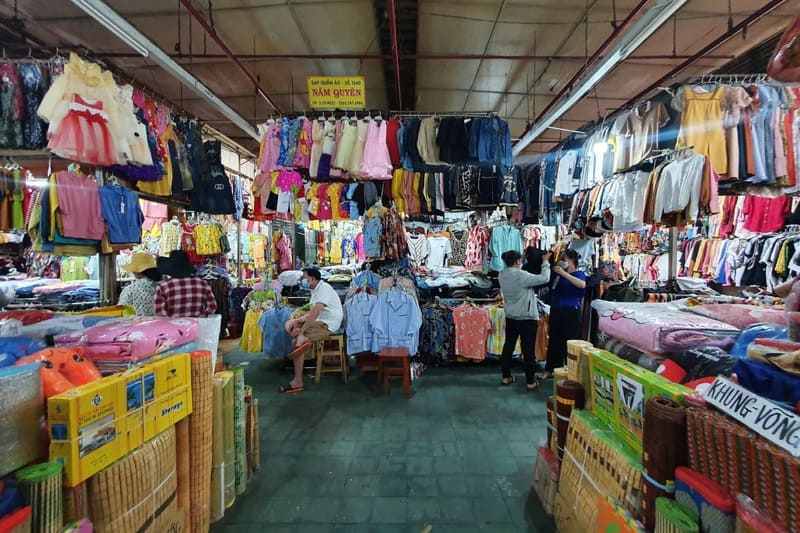
Affordable fashion and daily goods inside the market (Source: Collected)
Ba Chieu Market is also known for secondhand clothing, often called “do si” in Vietnamese. This area attracts students, young shoppers, bargain hunters, and visitors who enjoy searching for unique fashion items.
Stalls may sell shirts, jackets, jeans, skirts, dresses, bags, shoes, and accessories. Prices vary by condition, style, and vendor, so the experience requires patience. Before buying, check fabric quality, seams, zippers, buttons, stains, holes, shoe soles, straps, buckles, lining, and smell. Refunds or exchanges are usually not available, and changing rooms may be limited.
Late afternoon and evening are good times to browse because the atmosphere becomes livelier. This section is best for travelers who enjoy local-style shopping, bargaining, and unexpected finds rather than clean boutique-style browsing.
The fresh produce and dry goods areas show the daily rhythm of Ba Chieu Market. In the morning, vendors sell vegetables, herbs, tropical fruits, tofu, meat, seafood, and cooking ingredients to local families and small restaurants.
You may see Vietnamese herbs such as basil, coriander, perilla, mint, and green onions, along with fruits like mango, rambutan, dragon fruit, longan, banana, papaya, pineapple, and jackfruit, depending on the season. The dry goods section often includes dried shrimp, dried squid, dried fish, mushrooms, noodles, rice paper, beans, spices, sauces, pickled items, and packaged snacks.
If you buy fruit, ask the vendor to choose ripe pieces for eating the same day, or firmer fruit if you want to carry it back to your hotel. Bring small cash for quick payments. Foreign visitors should also check customs rules before bringing dried seafood or food products home.
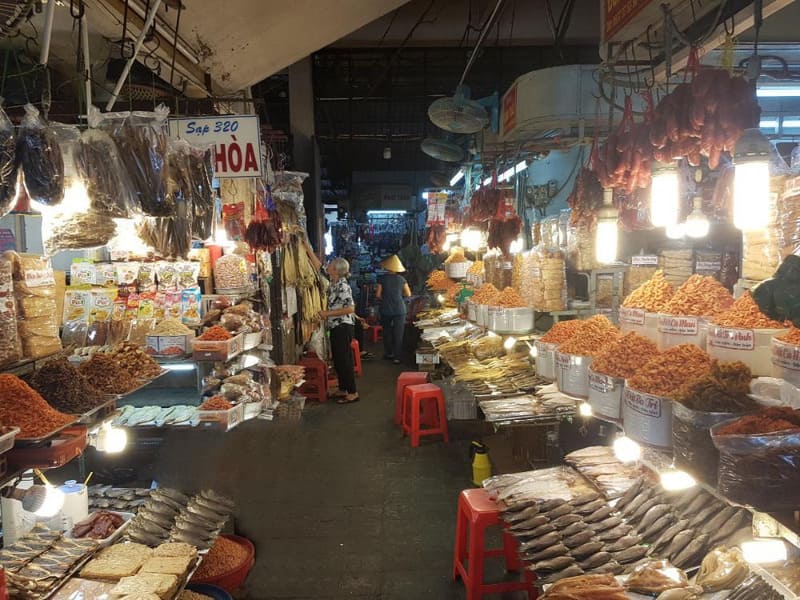
Dried goods and local ingredients at Ba Chieu Market (Source: Collected)
Ba Chieu Market is worth visiting because it shows real local life in Ho Chi Minh City. It is a working neighborhood market where people buy breakfast, shop for lunch ingredients, pick up snacks, and meet familiar vendors.
In the morning, the market is fast and practical, with vendors arranging produce, fishmongers cleaning seafood, meat sellers preparing orders, and regular shoppers moving quickly between stalls. In the afternoon, the focus shifts more toward clothing, household goods, snacks, and casual shopping. By evening, food stalls become busier with students, workers, and groups of friends.
Walk slowly, observe respectfully, and avoid blocking narrow paths. The market is not designed mainly for sightseeing, so visitors should give space to vendors and local shoppers.
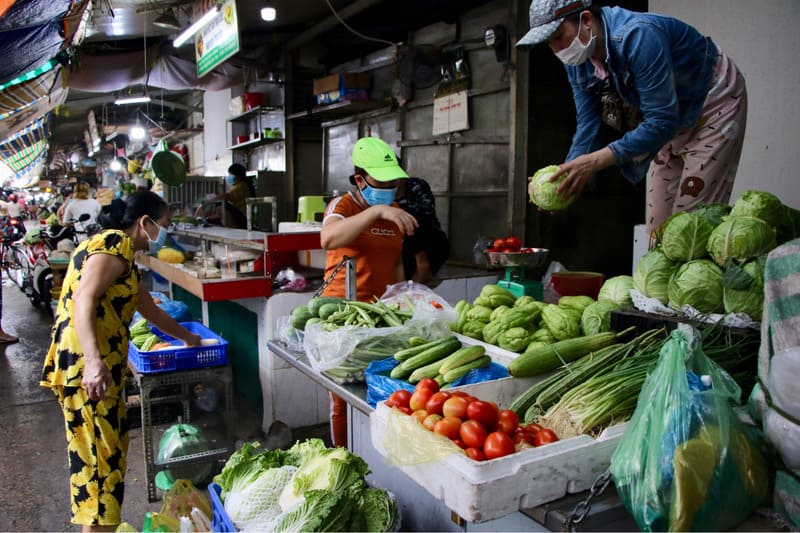
Daily shopping scenes at a traditional Saigon market (Source: Collected)
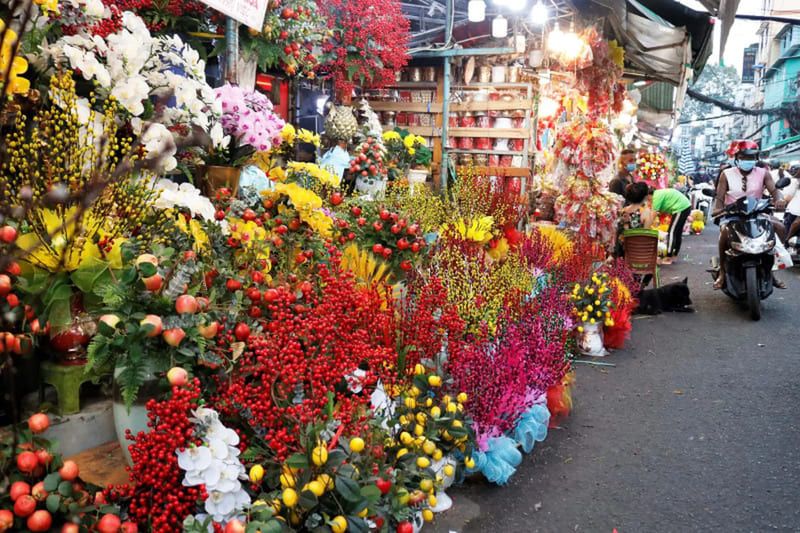
Ba Chieu Market offers many good photo opportunities, from fresh produce displays and colorful fabrics to food stalls, flower vendors, street carts, old market architecture, plastic stools, and busy local scenes.
Morning is best for wet market activity and fresh produce. Late afternoon gives softer light and more street movement. Evening is ideal for food stalls, local diners, lights, and a livelier atmosphere.
Always ask before taking close-up portraits of vendors, especially when they are working, eating, resting, or handling money. A simple smile and gesture toward your camera is often enough. If someone refuses or looks uncomfortable, move on politely. Avoid blocking customers or slowing down vendors, and focus on capturing the atmosphere without disturbing daily life.
Sticky rice is one of the most popular foods at Ba Chieu Market. Chicken sticky rice (xoi ga) combines glutinous rice with chicken, crispy shallots, herbs, and sometimes sausage or pâté, creating a filling meal for breakfast, lunch, or dinner.
Savory sticky rice may include mung bean, pork floss, quail eggs, braised meat, or sausage. Its soft, chewy texture and flavorful toppings make it an easy choice for first-time visitors. Portions are usually generous and affordable, so sharing is a good idea if you plan to try multiple dishes.
Durian sticky rice blends sticky rice, coconut milk, and ripe durian into a rich, sweet dessert. It is best enjoyed in small portions due to its strong flavor and creamy texture.
Ba Chieu Market also offers a variety of che (Vietnamese sweet soups) made with beans, jelly, lotus seeds, fruit, tapioca pearls, and coconut milk. Cold versions are especially refreshing in Ho Chi Minh City’s warm climate and make a popular afternoon or evening treat.
Banh xeo is a crispy Vietnamese pancake filled with pork, shrimp, and bean sprouts, typically wrapped with fresh herbs and dipped in fish sauce. Freshly cooked banh xeo is one of the market’s most satisfying street-food experiences.
You can also find popular snacks such as banh trang tron, banh trang nuong, fried fish balls, spring rolls, and other local bites. These are ideal for visitors who prefer sampling several dishes rather than eating one large meal.
Bun thit nuong combines rice vermicelli, grilled pork, fresh herbs, pickled vegetables, peanuts, and fish sauce. Its balance of smoky, savory, and slightly sweet flavors makes it one of the easiest Vietnamese dishes for international visitors to enjoy.
Other noodle options may include hu tieu, bun bo, pho, and bun mam. For first-time visitors, hu tieu is usually the safest choice, while bun mam offers a stronger flavor based on fermented fish broth.
Snails and seafood are an important part of Saigon’s street-food culture. Around Ba Chieu Market, you may find grilled squid, clams, shrimp, shellfish, and various seafood dishes flavored with garlic, butter, tamarind, lemongrass, or chili.
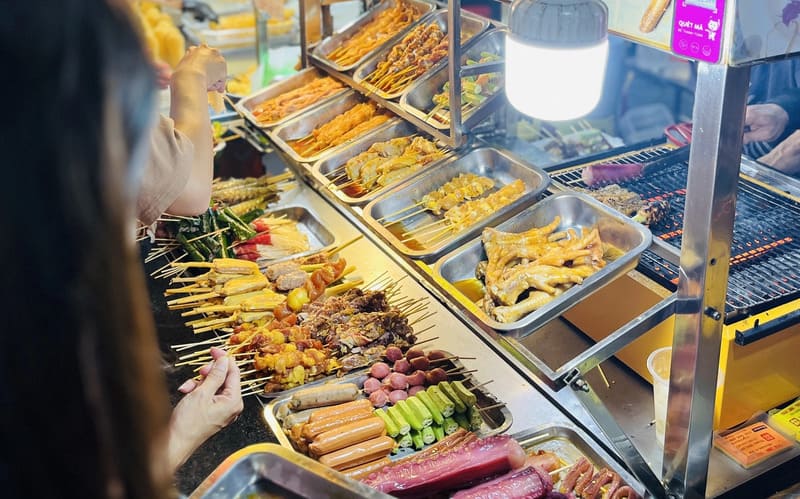
Grilled skewers are another popular option, including pork, chicken, meatballs, seafood, and vegetables cooked over charcoal. Choose busy stalls and check prices before ordering seafood sold by weight.
Fresh tropical fruits such as mango, pineapple, dragon fruit, rambutan, mangosteen, jackfruit, and guava are widely available. Vendors often sell whole fruit or ready-to-eat portions with chili salt.
Popular drinks include sugarcane juice, coconut water, soy milk, iced tea, and Vietnamese coffee. A glass of sugarcane juice or coconut water is perfect for cooling down, while ca phe sua da (Vietnamese iced coffee with condensed milk) offers a strong caffeine boost during your market visit.
If you're a food lover, don't miss our guide to Ho Chi Minh City street food for more must-try dishes, local favorites, and the best flavors to experience during your visit to Saigon.
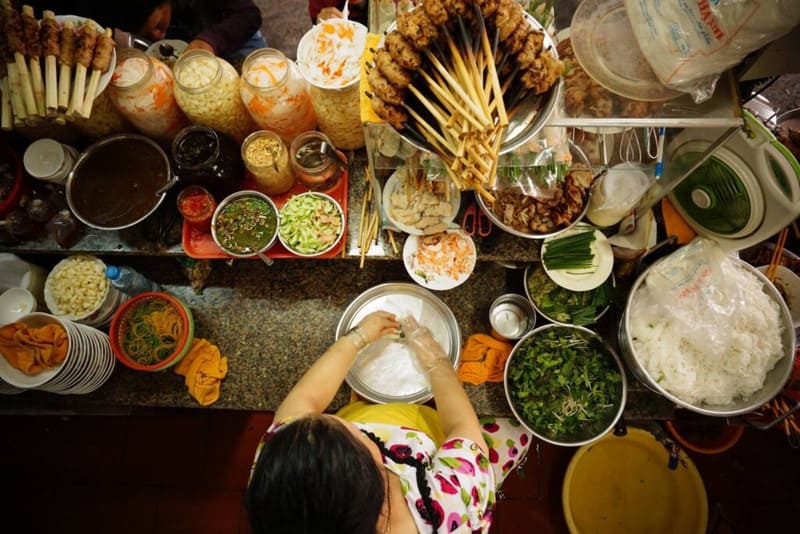
Street food is a highlight of Ba Chieu Market (Source: Collected)
Ba Chieu Market is located in Binh Thanh District and is easy to reach from central Ho Chi Minh City. Travelers can choose taxi, ride-hailing apps, motorbike taxi, public bus, or walking depending on their location and budget.
Traffic in Ho Chi Minh City is heaviest during morning and evening rush hours. For a smoother trip, visit outside peak commuting times or allow extra travel time.
Ba Chieu Market is easy to combine with nearby sights in Binh Thanh District and central Ho Chi Minh City, making it a good stop for a half-day local itinerary.
Ba Chieu Market is a busy local market, so a few simple tips can help you explore it more comfortably and confidently.
Yes. Ba Chieu Market is ideal for travelers who want to experience local life, authentic street food, budget shopping, and traditional market culture in Ho Chi Minh City. It is less polished than modern shopping centers but offers a more genuine Saigon atmosphere.
Yes. While the main market is busiest during the day, the surrounding streets become lively in the evening with food stalls, snack vendors, budget fashion, and secondhand clothing. The night scene is popular with local residents and students.
Early morning is best for fresh produce, breakfast stalls, and daily market activity. Late afternoon and evening are ideal for street food, shopping, and a more vibrant atmosphere. Midday can be hot and crowded.
Around 100,000 - 200,000 VND is enough for snacks or a casual meal. Bring 300,000 - 500,000 VND if you plan to eat and do some shopping. Small bills are recommended for easier transactions.
Yes. Bargaining is common for clothing, shoes, bags, fabrics, and household goods. Negotiate politely and agree on a price before purchasing. Bargaining is generally unnecessary for food and drinks.
They offer different experiences. Ba Chieu Market provides a more local, less touristy atmosphere with affordable prices, while Ben Thanh Market is more convenient for sightseeing, souvenirs, and first-time visitors. If possible, visit both to see different sides of Ho Chi Minh City.
Ba Chieu Market is a worthwhile stop for travelers who want to see a more local side of Ho Chi Minh City. From street food and budget shopping to fresh produce and everyday market scenes, it offers a lively, authentic experience away from the city’s more tourist-focused spots. Visit in the morning for local routines or in the evening for food and casual shopping.


 Vietnam Tours
 Cambodia Tours
 Laos Tours
 Thailand Tours
 Multi-Country Tours