Muong Hoa Valley is one of the most beautiful and well-known destinations in Sapa, famous for its spectacular terraced rice fields, the winding Muong Hoa Stream, and traditional ethnic minority villages. Located about 8-10 km from Sapa town, the valley is ideal for trekking, cultural exploration, and admiring the scenery of the Hoang Lien Son mountains.
In this guide, Your Vietnam Travel shares essential information for exploring Muong Hoa Valley, including its highlights, best activities, the ideal time to visit, and practical tips for your trip to Sapa.
Muong Hoa Valley is one of the most spectacular natural landscapes in Sapa, located in Lao Cai Province in northern Vietnam. The valley lies about 8-10 kilometers southeast of Sapa town and stretches roughly 15 kilometers toward Ban Ho Village. Surrounded by the majestic Hoang Lien Son mountain range and following the path of the Muong Hoa Stream, the valley forms a vast and scenic corridor of rice terraces, forests, and traditional villages.
Thanks to its convenient distance from Sapa, Muong Hoa Valley is one of the most accessible destinations for trekking and cultural exploration in the region. Many travelers visit the valley on a day trip from Sapa, while others choose multi-day treks to fully experience the landscapes and village life.
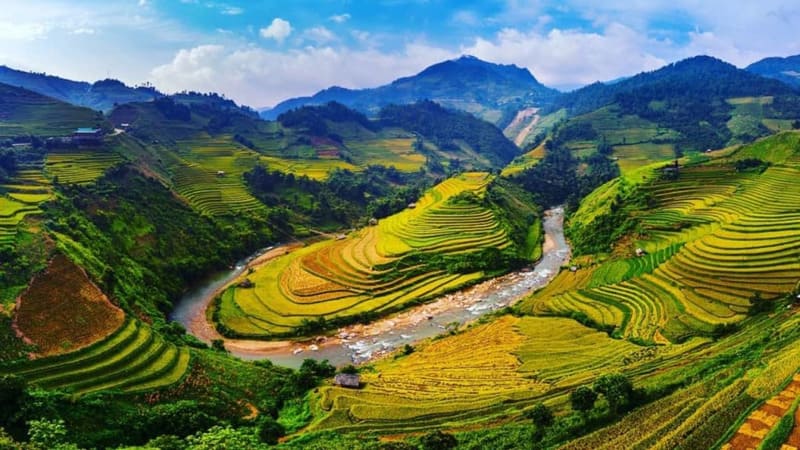
Muong Hoa Valley near Sapa is famous for terraces and villages (Source: Collected)
The valley is home to several ethnic minority communities who have lived here for generations, including the Black Hmong, Red Dao, Giay, and Tay people. Their traditional farming practices have shaped the mountainsides into extraordinary terraced rice fields that cascade down the slopes in layered patterns.
Several well-known villages are located along the valley route, including:
Each village preserves its own traditions, architecture, and way of life. Visiting these communities offers travelers a meaningful opportunity to learn about the cultures of northern Vietnam’s highland ethnic groups.
Muong Hoa Valley is widely regarded as one of the most beautiful valleys in Vietnam. Its reputation comes primarily from the magnificent terraced rice fields that transform throughout the year. During the growing season, the valley turns vibrant green, while harvest season brings sweeping layers of golden rice across the hillsides.
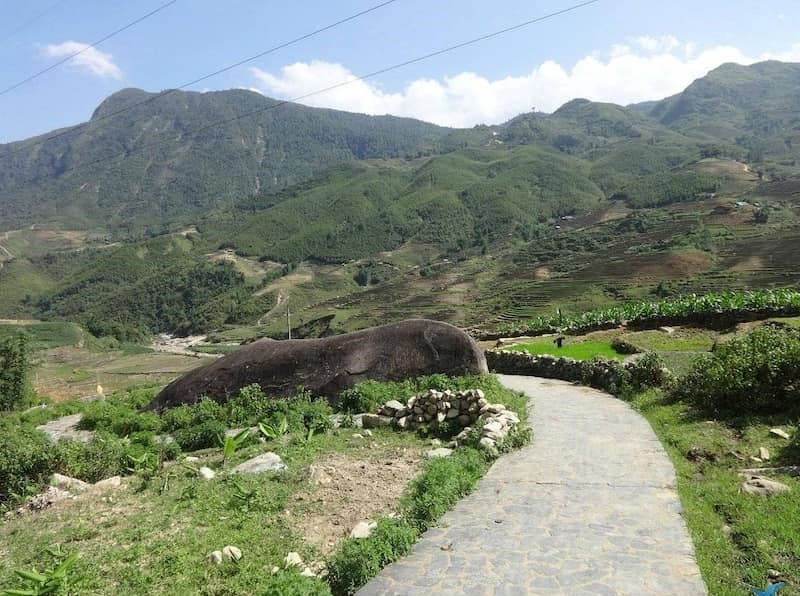
In addition to its agricultural landscapes, the valley also holds significant historical and cultural value. The Ancient Rock Field of Sapa, located within the valley, features hundreds of carved stones with mysterious symbols believed to date back hundreds or even thousands of years.
With dramatic mountain scenery, rich cultural heritage, and peaceful rural life, Muong Hoa Valley is one of the most unforgettable destinations in Sapa.
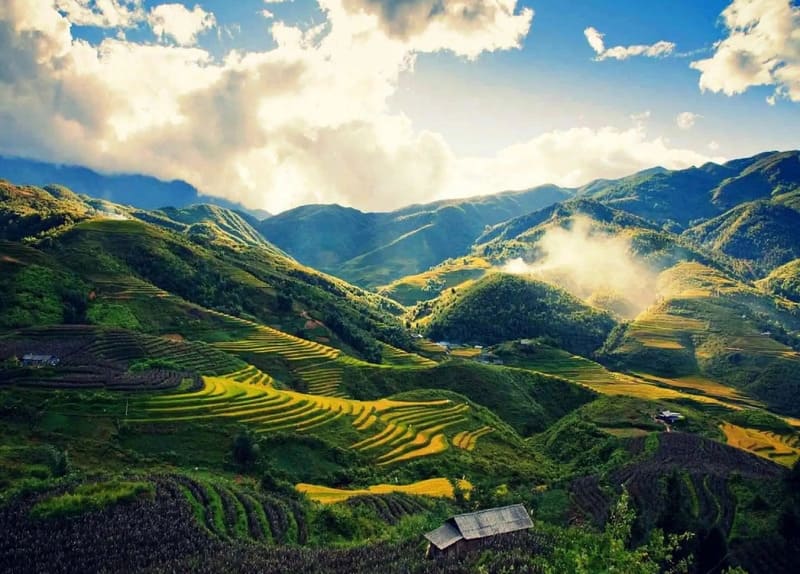
Muong Hoa Valley is famous for rice terraces and ancient stones (Source: Collected)
To help preserve the natural environment and maintain local infrastructure, visitors are required to pay a small entrance fee when entering the valley.
Tickets are typically collected at checkpoints along the main road leading into the valley.
Muong Hoa Valley is suitable for a wide range of travelers, including nature lovers, photographers, trekking enthusiasts, and families looking to explore the cultural richness of Sapa’s mountainous region.
The terraced rice fields are the most recognizable feature of Muong Hoa Valley. Over generations, local farmers have carefully carved these terraces into the mountainsides, transforming steep slopes into fertile farmland.
From a distance, the terraces appear like layered waves flowing across the valley. Their colors change with the seasons: reflective water-filled fields during the planting season, vibrant green landscapes in summer, and golden layers during the harvest months.
Many areas around Lao Chai and Ta Van villages offer some of the most spectacular viewpoints of these terraces, making them popular stops for trekking and photography.
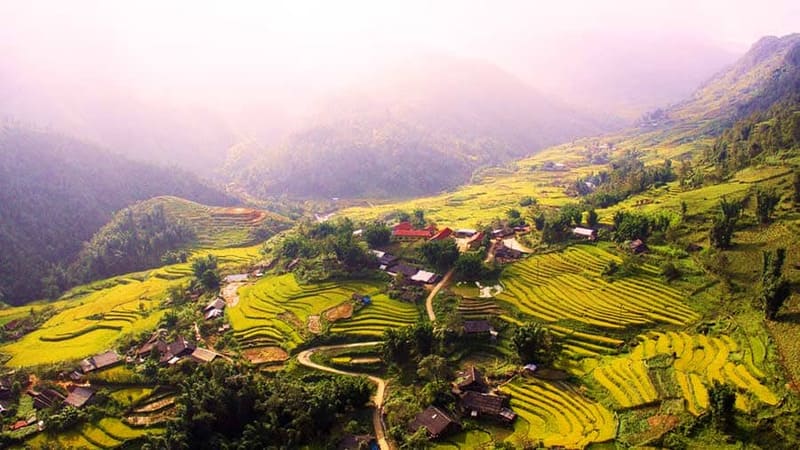
Sapa’s rice terraces create stunning views in Muong Hoa Valley (Source: Collected)
One of the most intriguing historical sites in Muong Hoa Valley is the Ancient Rock Field of Sapa, locally known as Bai Da Co. Spread across nearly 8 square kilometers, this archaeological site contains around 200 large stones engraved with mysterious carvings.
The carvings display geometric patterns, human figures, and symbolic markings believed to date back hundreds or even thousands of years. Despite decades of research, the exact meaning of these engravings remains uncertain.
Recognized as a national cultural heritage site, the ancient rock field provides a fascinating glimpse into the early civilizations that once inhabited the region.
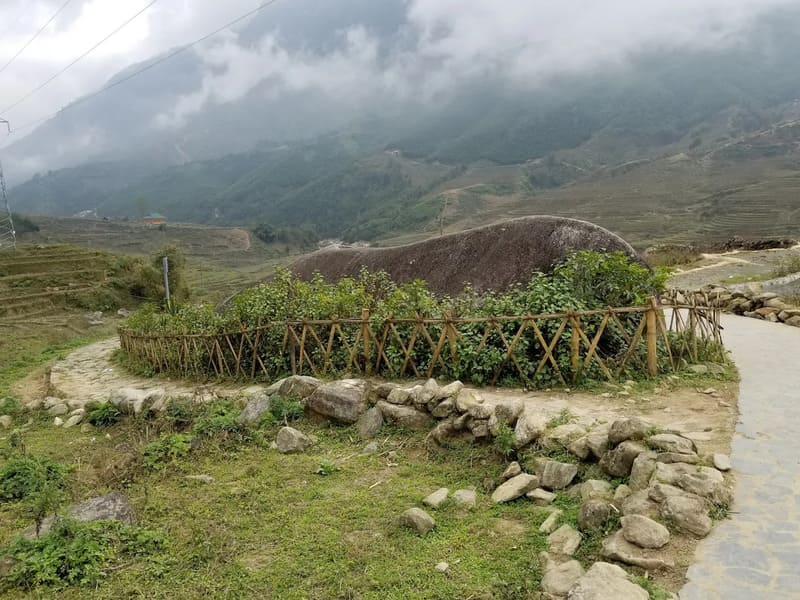
Sapa Ancient Rock Field features mysterious carvings on 200 stones (Source: Collected)
Muong Hoa Stream flows gently through the heart of the valley for about 15 kilometers, connecting several villages including Lao Chai, Ta Van, and Hau Thao before reaching the Ban Ho area.
The stream adds a peaceful charm to the landscape as it winds past terraced fields, wooden bridges, and traditional stilt houses. The combination of flowing water, layered rice terraces, and towering mountains creates one of the most picturesque scenes in northern Vietnam.
Walking along the stream allows visitors to experience the valley’s calm atmosphere while enjoying fresh mountain air and scenic viewpoints.
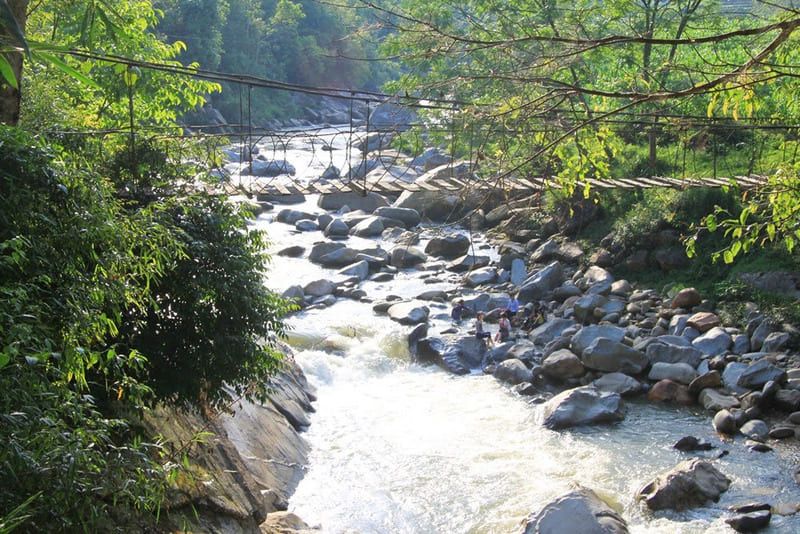
Muong Hoa Stream flows through Sapa’s valley and ethnic villages (Source: Collected)
Beyond its natural scenery, Muong Hoa Valley is also known for its vibrant cultural diversity. The valley is home to several ethnic groups such as the Hmong, Dao, Giay, and Tay, each maintaining distinct traditions, clothing, and customs.
Daily life in the villages reflects centuries of agricultural heritage. Visitors often see farmers working in the rice fields, women weaving colorful textiles, and families living in traditional wooden houses.
Festivals, handicrafts, and local cuisine all contribute to the cultural richness of the valley, making Muong Hoa not only a scenic destination but also an important center of ethnic heritage in northern Vietnam.
Trekking is the most rewarding way to experience Muong Hoa Valley. Trails wind through layered rice terraces, bamboo forests, and small villages where ethnic minority communities have lived for generations.
Popular trekking routes connect Sapa with villages such as Lao Chai, Ta Van, Hau Thao, and Y Linh Ho. Along the way, visitors can observe daily farming activities, meet local families, and enjoy panoramic views of the Hoang Lien Son mountains.
Many guided treks include homestay experiences, giving travelers the opportunity to stay overnight with local households and learn more about traditional mountain life.
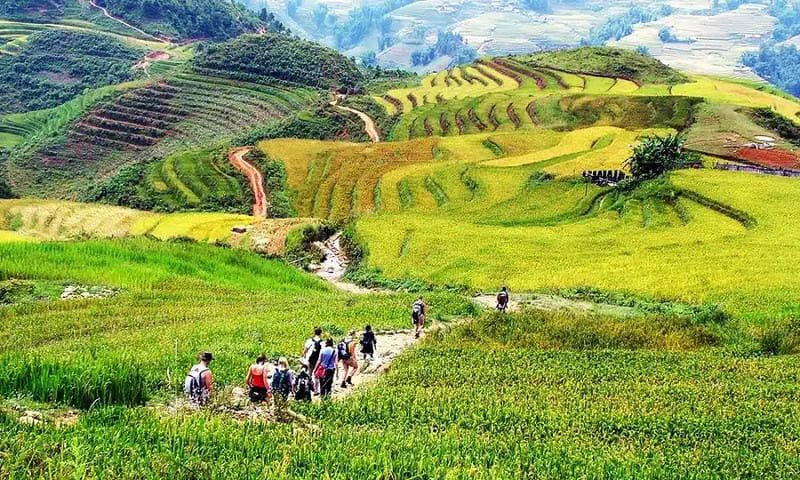
Trek through rice terraces and ethnic villages in Muong Hoa Valley (Source: Collected)
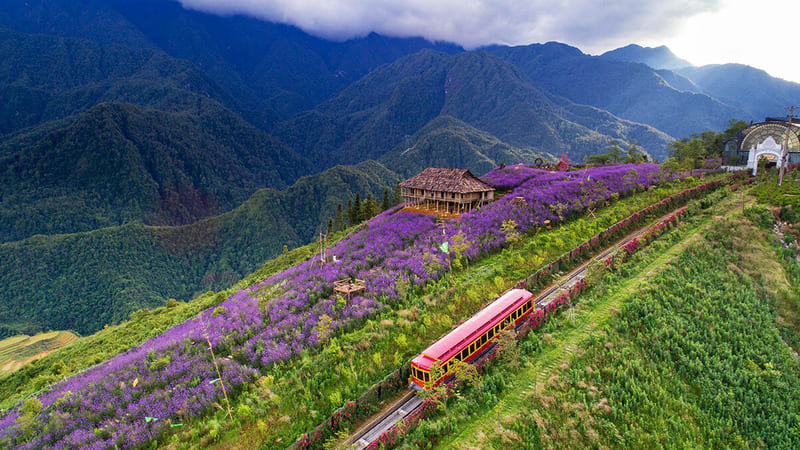
The Muong Hoa Mountain Railway offers one of the most scenic short train journeys in northern Vietnam. The railway connects Sapa town with the Fansipan cable car station, crossing bridges and tunnels above the valley.
Large panoramic windows allow travelers to admire sweeping views of terraced rice fields, deep valleys, and forest-covered mountains. The train interior is designed in a classic European style, creating a comfortable and unique sightseeing experience.
The journey takes only a few minutes, making it a convenient option for visitors who want to enjoy the landscape without trekking long distances.
Muong Hoa Valley is home to several ethnic groups, including the Hmong, Giay, Dao, and Tay communities. Visiting their villages offers a deeper understanding of local traditions and daily life in the mountains.
Many homestays and community tourism programs organize activities such as:
Spring is also a lively time to visit, as some villages celebrate traditional festivals featuring music, dance, and folk games.
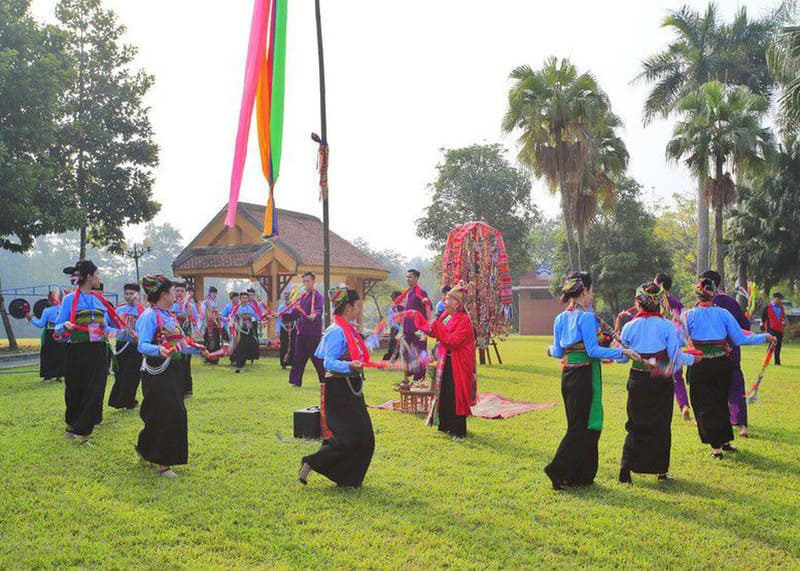
Discover ethnic minority culture in Muong Hoa Valley villages (Source: Collected)
Muong Hoa Stream runs gently through the valley for nearly 15 kilometers, connecting many villages along its path. The peaceful flow of water, combined with surrounding rice terraces and mountain scenery, creates a tranquil environment ideal for slow travel.
Visitors often take quiet walks along the stream, enjoy picnics in the countryside, or set up small camping trips near the riverbanks.
For photographers, early morning and late afternoon offer the best lighting conditions. The soft mist rising from the valley and the layered terraces create some of the most memorable images in Sapa.
Muong Hoa Valley is beautiful throughout the year, but certain seasons offer particularly impressive scenery and better conditions for trekking and sightseeing.
March to May - Fresh Green Landscapes. Spring brings mild temperatures and stable weather, making it a comfortable time to explore the valley. During this period, farmers begin transplanting rice, and the terraces gradually turn vibrant green. Flowers bloom across the hillsides, adding color to the mountain landscape.
September to October - Golden Harvest Season. This is widely considered the most spectacular time to visit Muong Hoa Valley. The terraced rice fields turn brilliant golden as the harvest season approaches. Clear skies and the fragrance of ripe rice create a memorable atmosphere across the valley.
December to February - Misty Winter Scenery. Winter in Sapa brings cool temperatures and frequent mist, giving Muong Hoa Valley a peaceful and atmospheric charm. On rare occasions, frost or light snowfall appears, creating a unique winter landscape in northern Vietnam.
For travelers interested in trekking, photography, and cultural experiences, the months from March to May and September to October offer the most favorable conditions.
Learn more: When Is the Best Time to Visit Sapa, Vietnam?
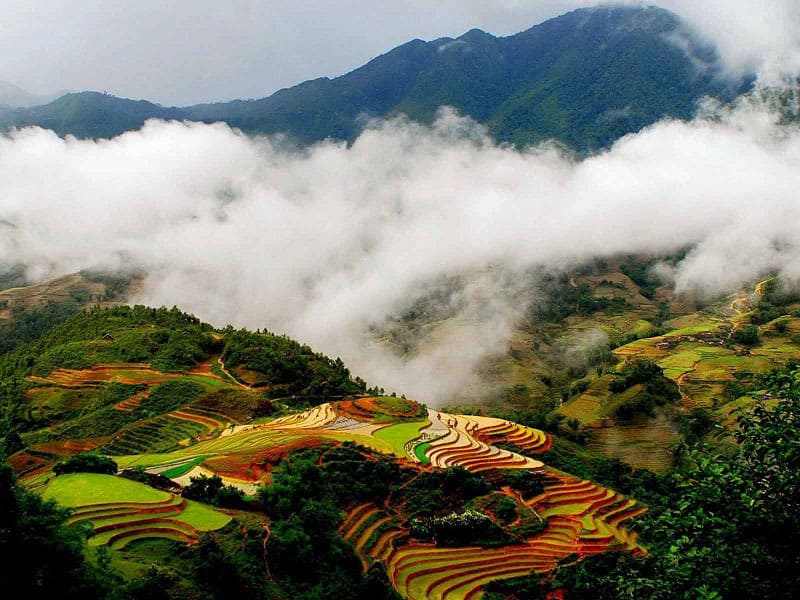
Best time to visit Muong Hoa Valley is Mar-May and Sep-Oct (Source: Collected)
Muong Hoa Valley is located about 8-10 kilometers southeast of Sapa town in Lao Cai Province. Reaching the valley usually involves two steps: traveling from Hanoi to Sapa, then continuing from Sapa to the valley.
Sapa is the main gateway to Muong Hoa Valley. Travelers typically start their journey in Hanoi, which offers several transportation options.
Once in Sapa, Muong Hoa Valley is easy to reach.
Most travelers combine transportation and trekking to fully enjoy the scenery and cultural experiences that Muong Hoa Valley offers.
After trekking through Muong Hoa Valley, enjoying local cuisine is a rewarding part of the experience. Many traditional dishes are prepared with fresh ingredients sourced from nearby mountains, streams, and farms. Visitors can easily try these specialties at local homestays or small village restaurants.
Some must-try dishes include:
These rustic yet flavorful dishes reflect the culinary traditions of northern Vietnam’s ethnic communities and offer travelers an authentic taste of life in the Sapa highlands.
See more: Sapa Food: 10 Must Try Dishes in Vietnam's Northwest
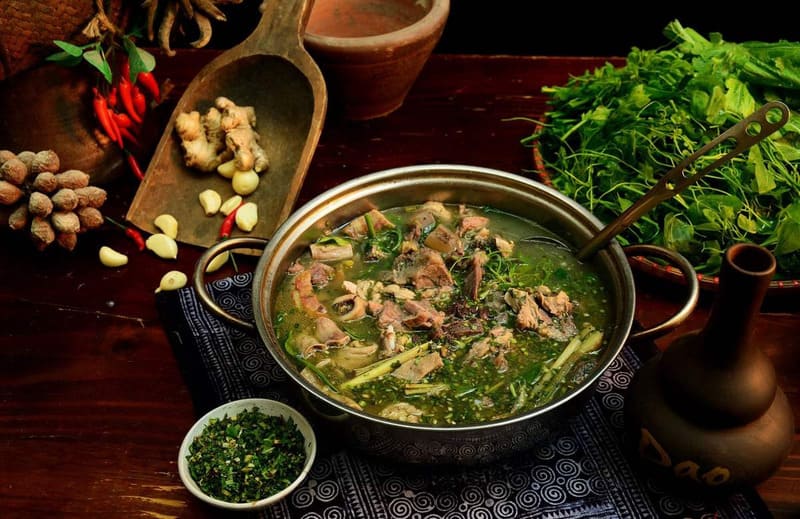
Thang Co: Traditional Hmong stew with meat and herbs (Source: Collected)
A visit to Muong Hoa Valley can be even more enjoyable with a little preparation. The following tips will help you make the most of your journey while respecting the local environment and communities.
Yes. Muong Hoa Valley is suitable for families, especially those interested in nature and cultural experiences. Short walks through villages such as Lao Chai or Ta Van are relatively easy and allow children to observe rice terraces, wooden houses, and local farming activities. Families with young children may prefer visiting by car or guided tour instead of long trekking routes.
Hiring a local guide is highly recommended. While some main trails are easy to follow, a guide can help navigate smaller paths between villages and explain local traditions, farming practices, and daily life of ethnic communities. Local guides also support community-based tourism and ensure a more meaningful travel experience.
Yes. Winter visits offer a quiet and atmospheric experience. From December to February, temperatures are cooler and mist often covers the valley, creating dramatic mountain scenery. Although rice terraces are less colorful during this period, the peaceful landscape and fewer crowds appeal to travelers seeking a slower pace.
Yes. Several villages in the valley offer authentic homestay experiences, especially in Ta Van, Lao Chai, and Giang Ta Chai. Staying in a homestay allows visitors to enjoy traditional meals, learn about local customs, and experience everyday life with ethnic minority families.
The valley becomes busier during the rice harvest season from September to early October, when the terraces turn golden and attract many photographers and trekkers. Visiting early in the morning or exploring less-visited villages deeper in the valley can help avoid the largest crowds.
Most visitors spend half a day to a full day exploring the valley. Travelers interested in trekking and village experiences often stay one or two nights in a local homestay to fully enjoy the scenery and cultural activities.
Most trekking routes are considered moderate and suitable for travelers with basic fitness. Some paths pass through rice terraces and uneven terrain, so proper walking shoes are recommended. Short village walks are also available for those who prefer a lighter experience.
Yes. Visitors are required to pay an entrance fee when entering the valley. The ticket helps support environmental protection and local infrastructure in the area.
Some of the most popular villages include Y Linh Ho, Lao Chai, Ta Van, and Giang Ta Chai. Each village offers beautiful rice terrace views and opportunities to learn about different ethnic minority cultures.
Yes. Muong Hoa Valley is located only 8-10 kilometers from Sapa town, making it easy to visit on a day trip. Many travelers combine a short trek with village visits before returning to Sapa in the afternoon.
Muong Hoa Valley is one of the most beautiful destinations in Sapa, where terraced rice fields, ethnic minority villages, and dramatic mountain landscapes create a truly impressive natural panorama. Trekking through the valley offers travelers a chance to experience the authentic beauty and cultural richness of northern Vietnam’s highland region.
To enjoy this experience in a more convenient and meaningful way, Your Vietnam Travel offers tailor-made journeys to explore Sapa and Muong Hoa Valley, combining scenic trekking routes, local cultural encounters, and the remarkable landscapes of Northwest Vietnam. Contact our team to start planning your personalized Sapa journey and discover the best of Muong Hoa Valley.

 Vietnam Tours
 Cambodia Tours
 Laos Tours
 Thailand Tours
 Multi-Country Tours