Planning a trip to Vietnam can be exciting, but also overwhelming for first-time visitors. From visa rules and regional weather differences to local customs and transportation, understanding the essentials before you go can make a huge difference.
In this guide, Your Vietnam Travel shares 20+ practical Vietnam travel tips to help you plan smarter, travel safely, and experience the country with confidence.
Vietnam has significantly improved its visa policy, making entry easier for international travelers. Since August 2023, the country has offered an e-visa for citizens of all countries, valid for up to 90 days with multiple entries.
In addition, travelers from selected countries (including the UK, France, Germany, Japan, and South Korea) can enter visa-free for up to 45 days.
Key tips for travelers:
Important note during Tet: Visa processing may be suspended during the Lunar New Year period. For example, in 2026, visa services paused for 9 days (Feb 14 - 22). Planning early is essential if your trip falls around this time.
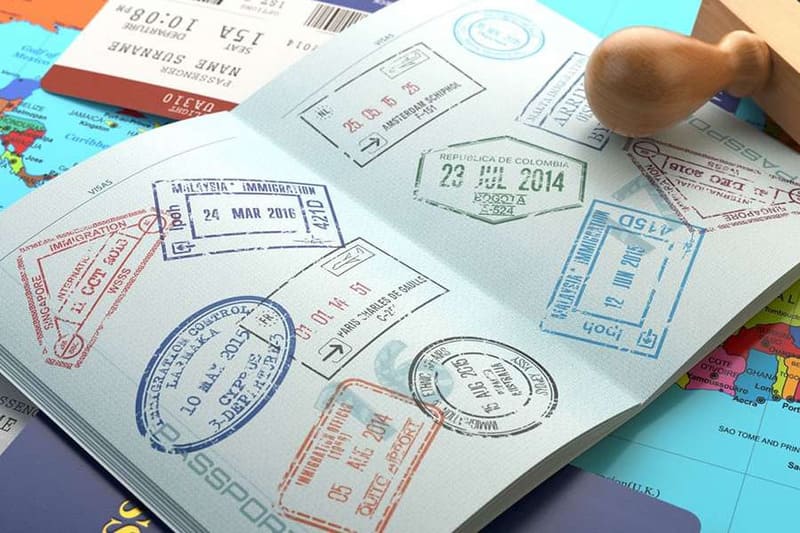
Check visa rules before traveling to Vietnam (Source: Collected)
Vietnam’s geography plays a major role in shaping travel experiences. The country stretches over 1,600 km from north to south, with a coastline of more than 3,400 km.
This elongated shape creates three distinct travel regions:
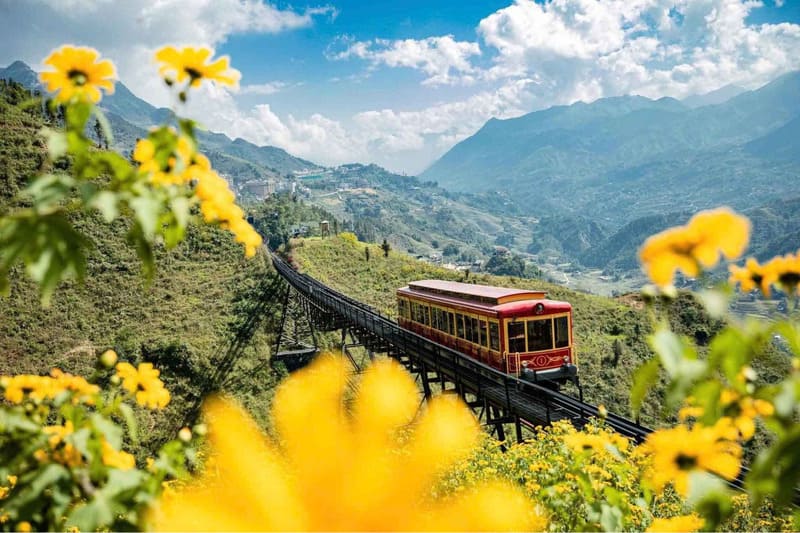
Northern Vietnam (Hanoi, Sapa, Ha Long Bay)
To explore the region in greater depth, read our Northern Vietnam travel guide for the best destinations, itineraries, and local experiences.
Central Vietnam (Hue, Da Nang, Hoi An)
For more destination ideas and travel planning advice, explore our Central Vietnam travel guide.
Southern Vietnam (Ho Chi Minh City, Mekong Delta, Phu Quoc)
Planning to head south? Our Southern Vietnam guide highlights the best places to visit, suggested itineraries, and essential travel tips.
Why this matters:
Distances between regions are significant. Travel experts recommend:
Trying to visit the entire country in a short trip often leads to rushed itineraries and travel fatigue.
There is no single “best time” for the whole country due to regional climate differences. Vietnam’s weather varies based on latitude and terrain, with both tropical and subtropical influences .
General seasonal guide:
High-value travel insight: Spring (March-April) and autumn (September-November) are often considered the most balanced periods for multi-region trips.
Common mistake to avoid: Many travelers ignore regional weather differences and plan based on one destination, which can lead to unexpected rain or heat in other parts of the country.
For a more detailed breakdown of regional weather and monthly travel conditions, check out our guide on best time to visit Vietnam.

Plan your trip based on regional climate (Source: Collected)
Tet Nguyen Dan is the most important holiday in Vietnam, typically occurring between late January and mid-February. In 2026, Tet falls on February 17, with celebrations lasting up to 7 - 9 days.
What makes Tet special:
What travelers should prepare for:
Strategic travel advice:
Pro tip: The days before Tet offer the most vibrant atmosphere, while the first days of the holiday provide a quieter, more reflective travel experience.
Vietnam is welcoming and easy to explore, but daily life can feel very different from what many travelers are used to. Understanding how locals move, communicate, and interact helps you navigate the country more confidently and respectfully from day one.
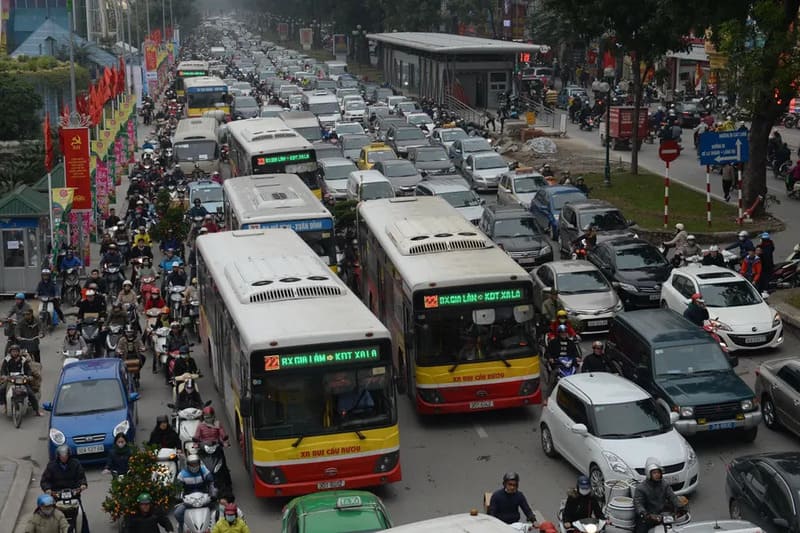
Traffic in cities like Hanoi and Ho Chi Minh City is dominated by motorbikes, with millions of vehicles moving in a continuous flow. At first glance, crossing the street can feel chaotic, but there is a predictable rhythm.
How locals do it:
Motorbike drivers are experienced at navigating around pedestrians. According to Vietnam’s Ministry of Transport, motorbikes account for over 85% of vehicles in major cities, which explains the unique traffic behavior.
Practical tip: Start by crossing smaller streets to build confidence before navigating larger intersections.
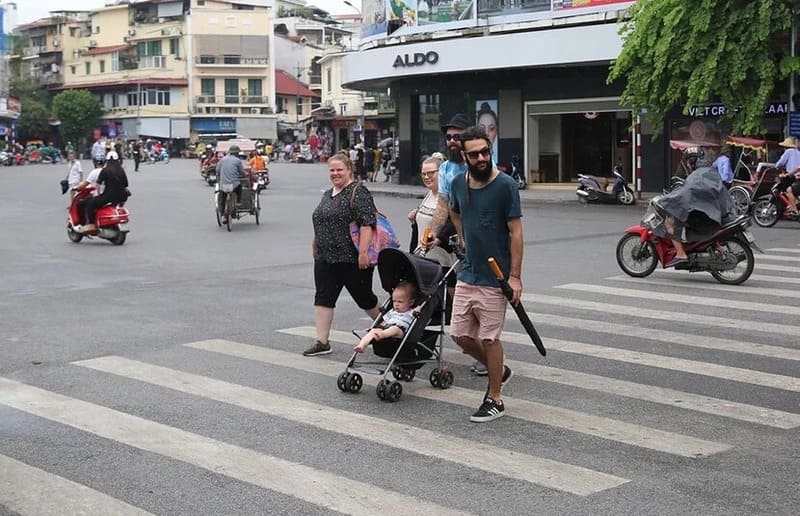
Crossing the street in busy Hanoi traffic (Source: Collected)
Vietnamese is the official language, and while English is common in tourist areas, basic phrases make interactions smoother and more meaningful.
Useful phrases to know:
Using even a few words shows respect and often leads to warmer service, especially in local markets or smaller towns.
Cultural insight: Vietnamese is a tonal language with 6 tones, meaning pronunciation matters. Even if your accent is not perfect, locals appreciate the effort.
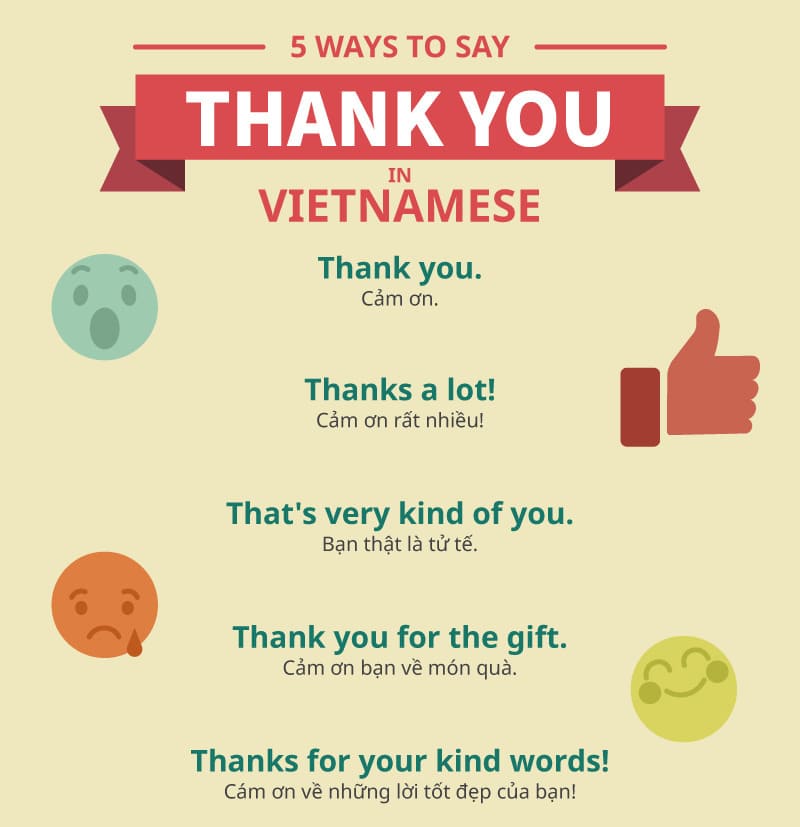
How to say thank you in Vietnamese (Source: Collected)
Vietnamese culture is influenced by Confucian values, emphasizing respect, humility, and social harmony. Understanding basic etiquette helps you avoid unintentional offense.
Important cultural norms:
When visiting homes or temples, you may be asked to remove your shoes. Observing how locals behave is often the best guide.
Local perspective: Politeness and subtlety are highly valued. A calm and respectful attitude is more important than strict adherence to rules.
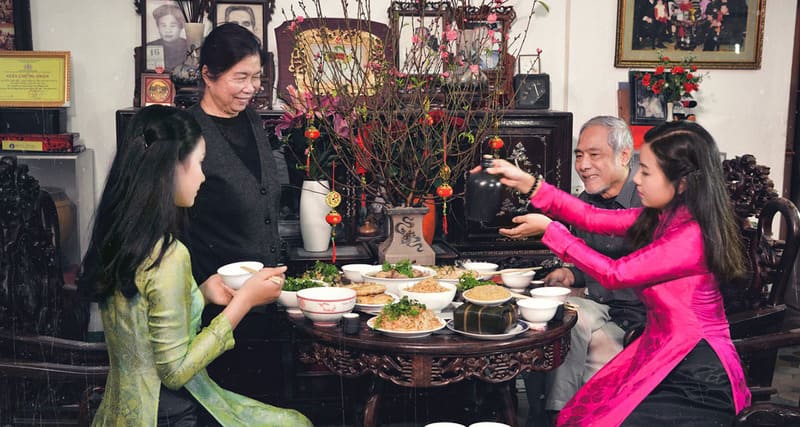
Always show respect in Vietnamese culture (Source: Collected)
Religious sites such as pagodas and temples are active places of worship, not just tourist attractions. Dressing appropriately shows respect for local beliefs.
Recommended dress code:
In destinations like Hue or Hoi An, many temples strictly enforce dress guidelines. Some sites may provide scarves or wraps, but it is best to prepare in advance.
Practical tip: Carry a lightweight scarf or shawl in your bag - it is useful for both temple visits and sun protection.
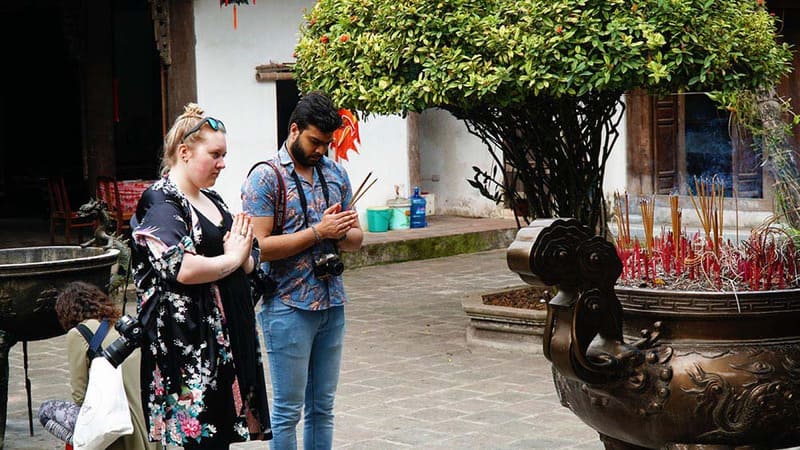
Dress modestly at temples in Vietnam (Source: Collected)
Getting around Vietnam efficiently requires understanding distance, infrastructure, and local travel habits. With the country stretching over 1,600 km, choosing the right transportation method can save both time and cost while improving your overall travel experience.
In major cities like Hanoi and Ho Chi Minh City, ride-hailing apps such as Grab, Be or Xanh SM are the most convenient way to get around.
Here's why tourists prefer ride-hailing apps:
Motorbike rides are often 30 - 50% cheaper than cars and faster during peak traffic hours.
Pro tip: Always check the license plate and driver details before starting your ride. Avoid accepting rides from drivers who approach you outside the app.
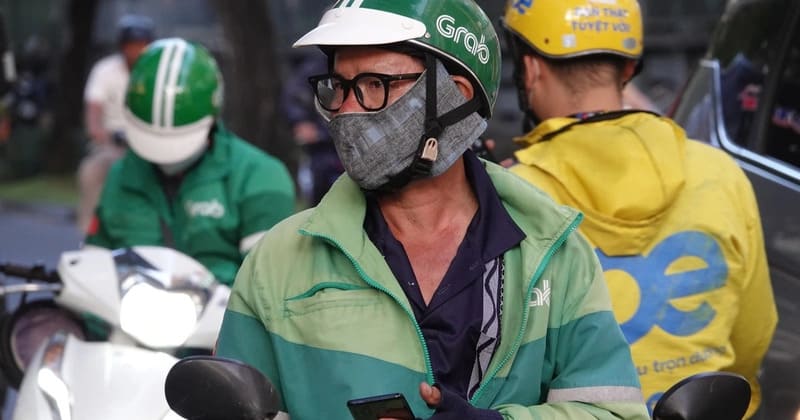
Ride-hailing services in Vietnam (Source: Collected)
Due to Vietnam’s long geography, domestic flights are the most efficient option for traveling between regions. For example:
Hanoi → Ho Chi Minh City: ~2 hours by air vs. 30+ hours by train
Major airlines:
Typical pricing insight:
When to choose flights:
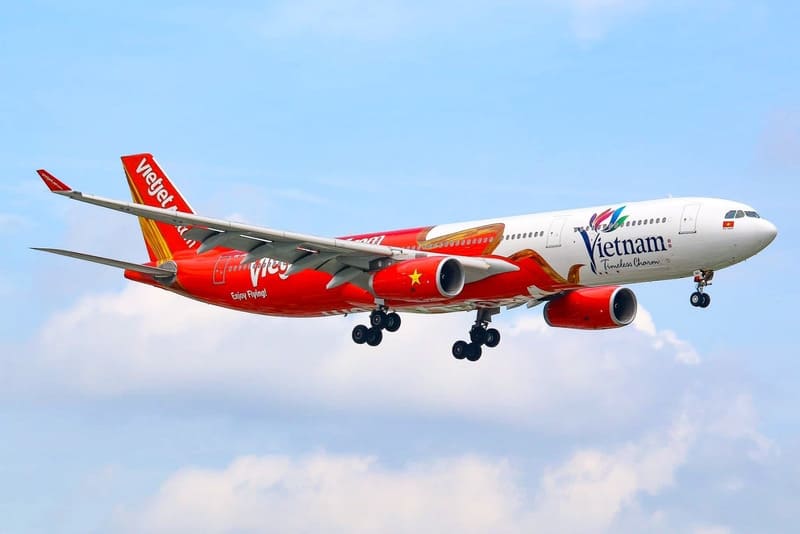
VietJet Air (Source: Collected)
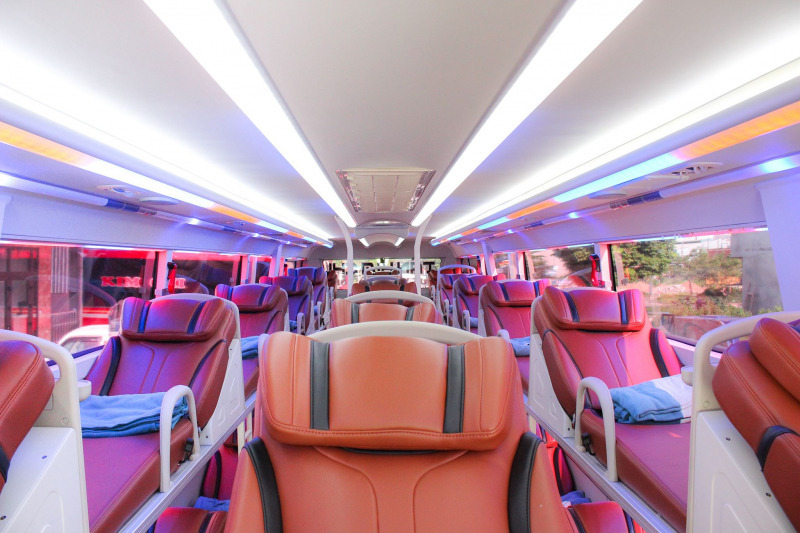
For budget-conscious travelers, sleeper buses and trains are widely used and connect most major destinations.
Sleeper buses:
Trains (Reunification Express):
Travel insight:
If you're planning an overnight journey, our guide to sleeper bus in Vietnam explains what to expect, how to choose a reputable operator, and tips for a more comfortable trip.
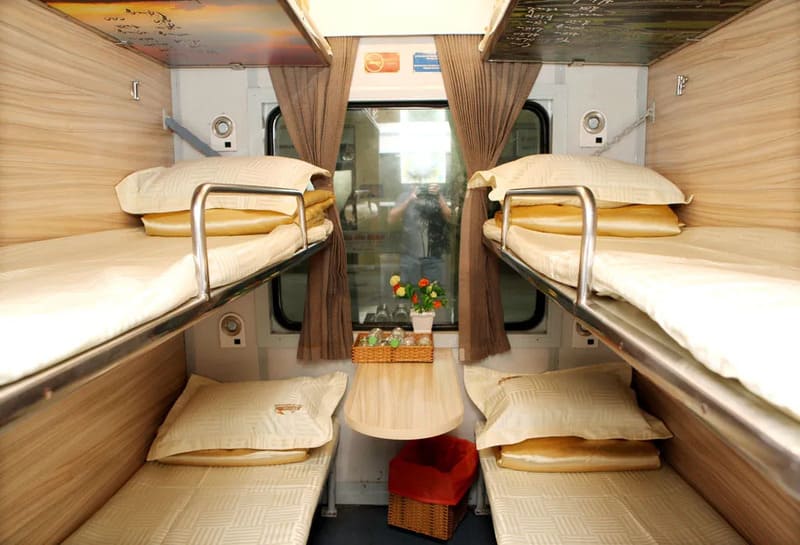
Sleeper train (Source: Collected)
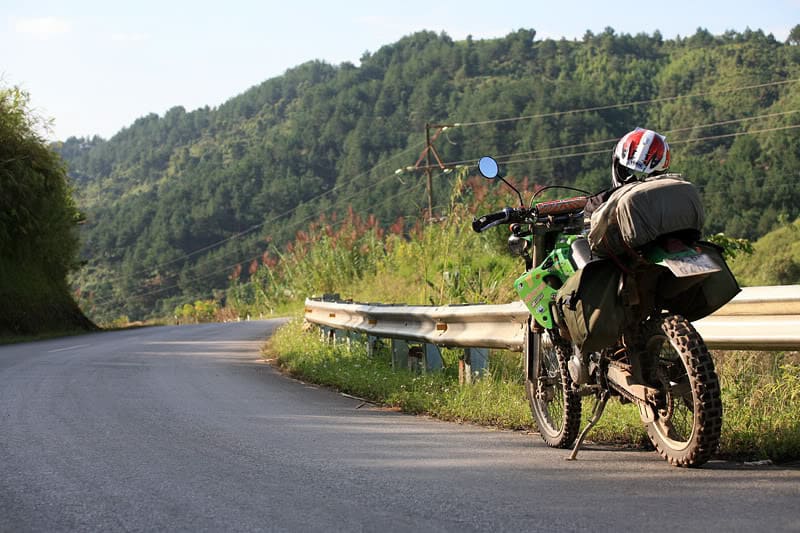
Motorbikes are the backbone of transportation in Vietnam, with over 65 million registered units nationwide. Renting one offers flexibility, especially in rural or coastal destinations.
Where it works best:
Important safety considerations:
Expert recommendation: Avoid renting motorbikes in large cities unless you are experienced. Instead, consider guided tours or private drivers for safety and convenience.
Managing money wisely in Vietnam helps you avoid unnecessary costs and enjoy a smoother travel experience. While the country is known for its affordability, understanding how payments, pricing, and local shopping culture work will make a noticeable difference in your trip.
The official currency is the Vietnamese Dong (VND), and cash remains the dominant payment method across the country.
What to expect:
Practical tips:
Where cards work best: Hotels, upscale restaurants, and shopping malls in cities like Ho Chi Minh City and Hanoi.
Bargaining is part of the shopping culture in many local markets, especially in places like Ben Thanh Market or night markets in Hoi An.
How to bargain effectively:
Important distinction:
Local insight: The goal is a fair deal for both sides, not the lowest possible price. Respectful negotiation often leads to better experiences and interactions.
For more practical advice on bargaining, payment methods, and the best places to shop, explore our guide to shopping in Vietnam.
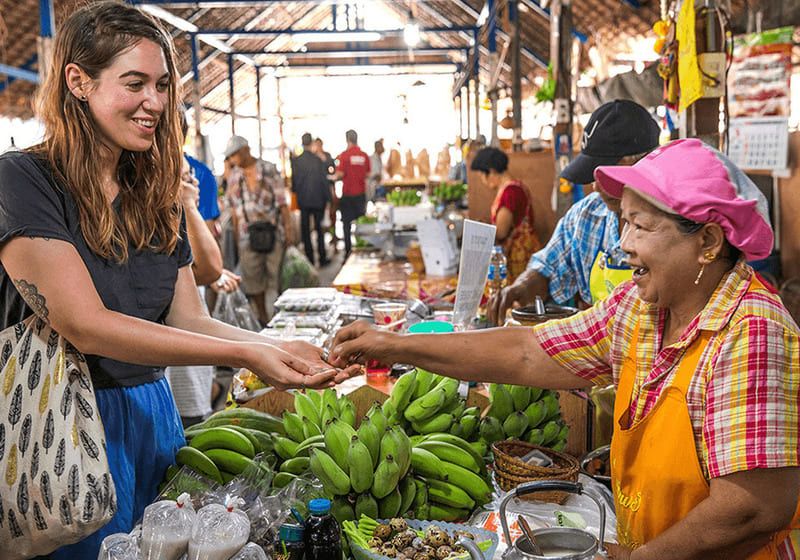
Friendly bargaining at a local market stall (Source: Collected)
Vietnam consistently ranks among the most affordable destinations in Southeast Asia, offering excellent value across all travel styles.
Average daily costs (reference range):
Typical prices:
According to Numbeo, Vietnam’s cost of living is significantly lower than most Western countries, making it ideal for longer stays or multi-destination trips.
Value tip: High-quality services such as private tours, spa treatments, and guided experiences are often much more affordable compared to other regions.
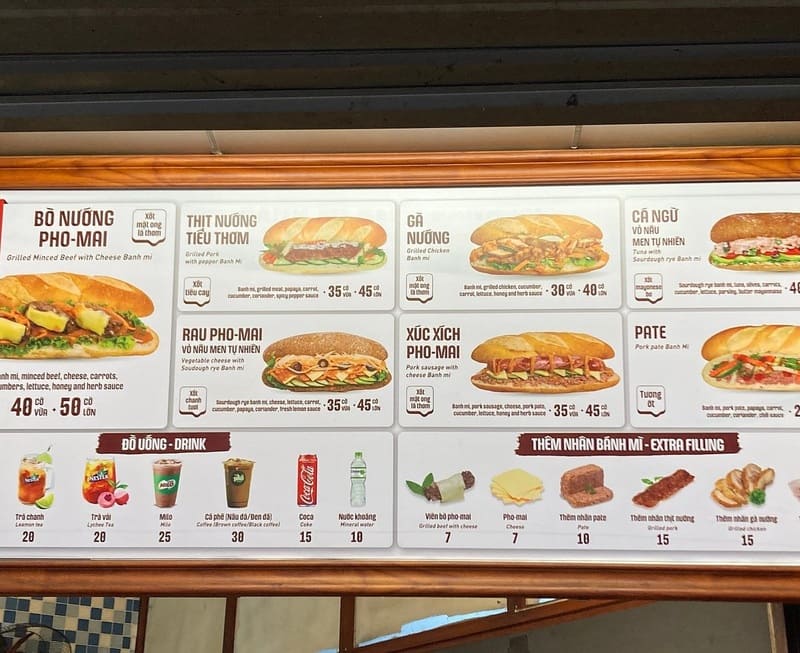
Enjoy local meals in Vietnam from just $1 (Source: Collected)
With a wide range of tour operators and services available, checking reviews is essential to ensure quality and reliability.
Trusted platforms to use:
What to look for:
Expert tip: Avoid choosing solely based on price. Extremely cheap offers may compromise safety, service standards, or overall experience.
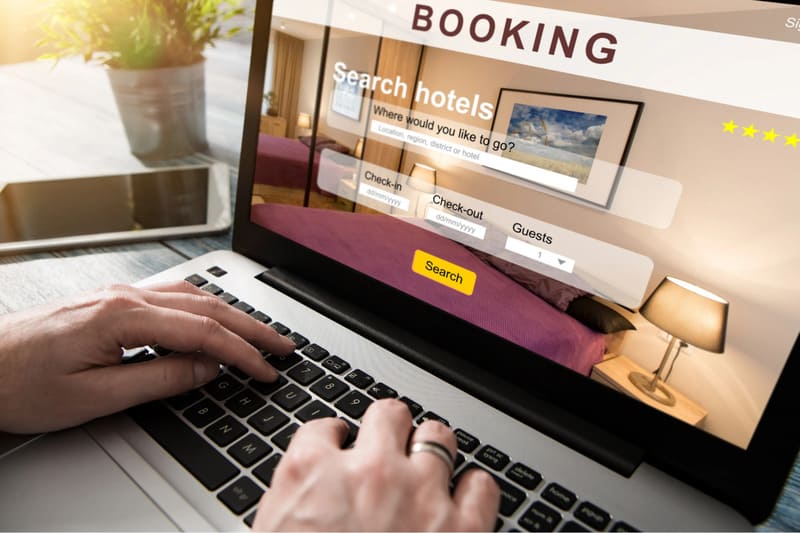
Check reviews before booking tours in Vietnam (Source: Collected)
Vietnam is widely recognized as one of the world’s top culinary destinations, ranked among the best for street food culture by organizations like CNN Travel. Food here is not just about taste - it reflects regional identity, daily life, and centuries of cultural influence. Understanding how to eat safely and what to try will elevate your entire travel experience.
Street food is at the heart of Vietnamese cuisine, offering authentic flavors at very affordable prices. Dishes like Pho, Banh Mi, and Bun Cha are best experienced at local stalls.
Why busy vendors matter:
Safety tips:
Local insight: In cities like Hanoi, some of the most famous street food spots have been operating for decades and attract both locals and international visitors daily.
To explore more local flavors, don’t miss our guide to street food in Vietnam.
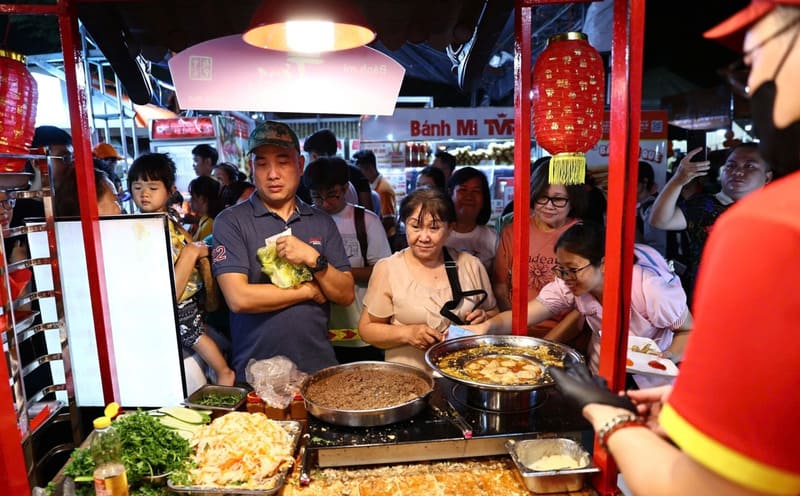
Authentic Vietnamese street food experience (Source: Collected)
Tap water in Vietnam is not considered safe for direct consumption. According to the World Health Organization, travelers in many developing regions should avoid untreated tap water due to potential bacteria and contaminants.
Best practices:
What about ice? Ice in reputable restaurants and cafes is generally safe, as it is produced from filtered water. However, caution is recommended in remote or less touristy areas.
Sustainable tip: Consider carrying a reusable bottle with a built-in filter to reduce plastic waste while staying safe.
Vietnam is the second-largest coffee exporter in the world, according to the International Coffee Organization, and its coffee culture is deeply rooted in daily life.
What makes Vietnamese coffee unique:
Must-try coffee experiences:
Where to try: From street-side stools to modern cafes in Ho Chi Minh City, coffee is everywhere and often costs just $1 - 3 USD.
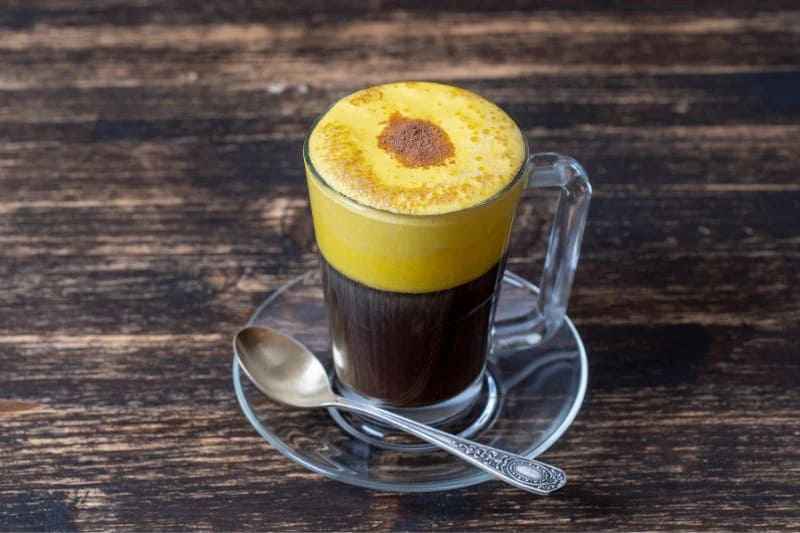
Vietnamese egg coffee (Source: Collected)
Vietnamese cuisine varies significantly by region, shaped by climate, history, and local ingredients. Exploring regional dishes gives you a deeper understanding of the country.
Northern Vietnam (e.g., Hanoi):
Central Vietnam (e.g., Hue, Hoi An):
Southern Vietnam (e.g., Mekong Delta, Ho Chi Minh City):
Expert insight: According to UNESCO, Vietnamese cuisine reflects intangible cultural heritage through its balance of flavors, fresh ingredients, and communal dining traditions.
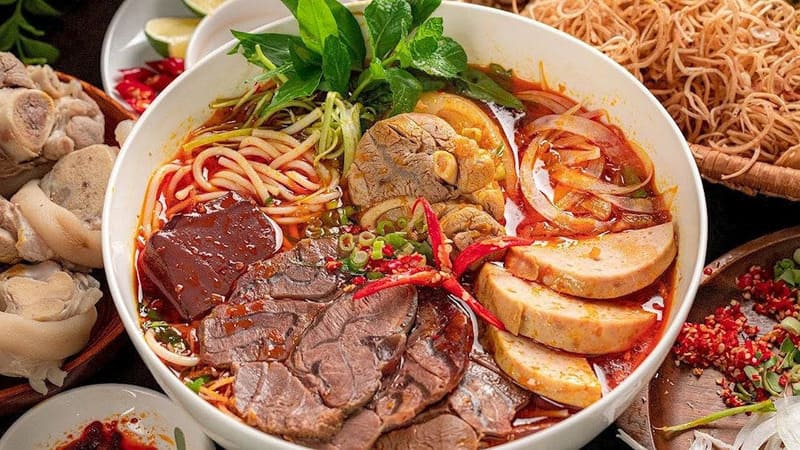
Bun Bo Hue (Source: Collected)
Vietnam is considered one of the safer and more accessible destinations in Southeast Asia. With the right precautions and awareness of local conditions, travelers can explore the country comfortably while minimizing risks. The following guidance combines official recommendations and real travel insights to help you stay safe and prepared.
Vietnam consistently ranks as a safe destination for international travelers. According to the Global Peace Index, Vietnam is among the more peaceful countries in the region, with low levels of violent crime.
What travelers can expect:
Common precautions:
Practical tip: Carry a crossbody bag and keep valuables secure, especially in busy markets and nightlife areas.
Vietnam’s tropical climate, especially in regions like the Mekong Delta and coastal areas, creates ideal conditions for mosquitoes.
According to the World Health Organization, mosquito-borne diseases such as dengue fever exist in many tropical countries, including Vietnam.
How to protect yourself:
When risk is higher:
Pro tip: Apply sunscreen first, then mosquito repellent for maximum effectiveness.
Learn more: Is It Safe to Travel to Vietnam? Tourist Safety Guide
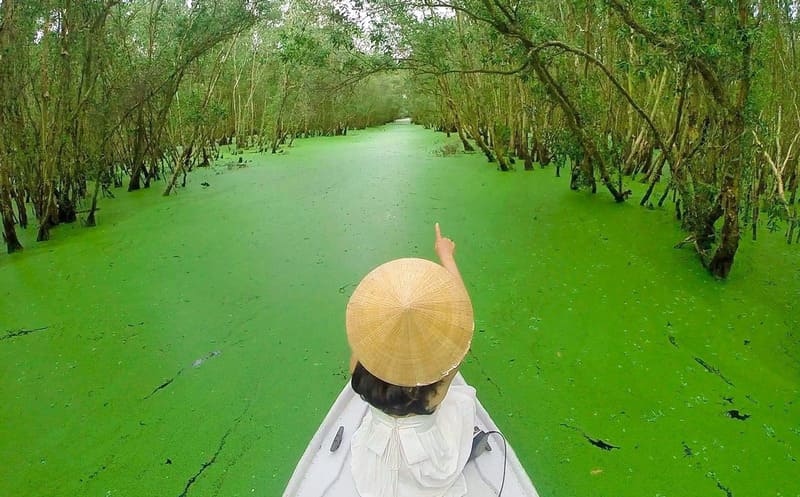
Use mosquito repellent in tropical Vietnam (Source: Collected)
Like many popular destinations, Vietnam has some common scams targeting tourists. Awareness is the best way to avoid them.
Typical scams to watch for:
How to avoid issues:
Expert insight: Most scams are non-violent and avoidable with basic awareness and preparation.
Travel insurance is strongly recommended for any trip to Vietnam. While healthcare is accessible in major cities, international-standard hospitals can be expensive without coverage.
Why travel insurance matters:
According to the Centers for Disease Control and Prevention, travelers should ensure they have insurance that includes overseas medical coverage before international trips.
What to check in your policy:
Practical tip: Keep a digital and printed copy of your insurance details, including emergency contact numbers.
Choosing the right accommodation and planning your logistics carefully can significantly improve your travel experience in Vietnam. From arrival convenience to local immersion, these practical tips help you stay comfortable, save time, and travel more efficiently across regions.
After a long international flight, having your first night pre-booked is essential. Major entry points like Noi Bai International Airport and Tan Son Nhat International Airport can be busy, and navigating transport late at night may be overwhelming.
Why it matters:
Best practice:
Pro tip: Even if you plan to be flexible later, secure at least the first 1 - 2 nights to adjust to the time zone and environment.
Location plays a critical role in your daily experience. Vietnam’s cities can be busy, and travel time between areas may be longer than expected due to traffic.
What to consider when choosing location:
Recommended areas:
According to Booking.com data, properties in central locations often receive higher guest ratings due to convenience and accessibility.
Expert tip: A slightly higher room rate in a central location often saves time and transportation costs.
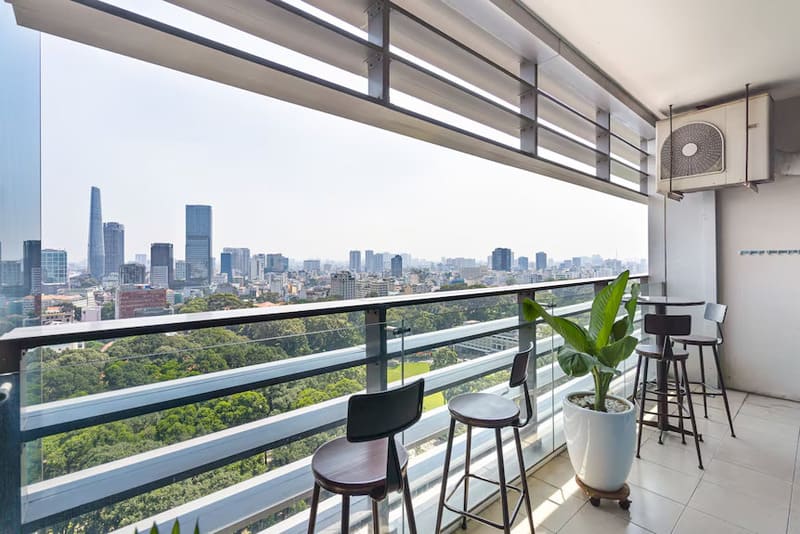
District 1 Ho Chi Minh City - central stay (Source: Collected)
Homestays are one of the best ways to experience authentic Vietnamese culture. They are especially popular in rural and scenic destinations.
Where homestays work best:
What to expect:
According to UNESCO, community-based tourism like homestays supports cultural preservation and sustainable development.
Travel insight: Facilities may be simpler than hotels, but the cultural value and personal connection are often much more rewarding.

Authentic homestay experience in rural Vietnam (Source: Collected)
Vietnam’s climate and travel style make light packing the most practical choice. Frequent transfers between cities, flights, and local transport can be challenging with heavy luggage.
Why traveling light matters:
What to pack smartly:
Helpful fact: Laundry services are widely available and inexpensive (often $1-2 USD per kg), making it easy to pack fewer clothes.
Pro tip: Use a carry-on suitcase or backpack if possible, especially for multi-city itineraries.
Vietnam is easy to travel, but first-time visitors should understand a few basics. Visa requirements, regional weather differences, and local traffic conditions can affect your trip. It is also helpful to learn basic cultural etiquette, carry Vietnamese Dong for daily expenses, and plan your itinerary based on travel distances between regions.
Yes, Vietnam is considered a safe destination for international travelers. Violent crime is rare, but petty theft such as pickpocketing can occur in crowded areas. Stay aware of your belongings, avoid displaying valuables, and use trusted transportation services like Grab for safer travel.
Most travelers need a visa to enter Vietnam, but the process is simple. Vietnam offers an e-visa valid for up to 90 days with multiple entries. Citizens from some countries can also enter visa-free for up to 45 days. Always check the latest requirements before traveling.
There is no single best time for the entire country. Northern Vietnam is best from October to April, Central Vietnam from February to August, and Southern Vietnam from November to April. Spring (March-April) and autumn (September-November) are ideal for multi-region trips.
For long distances, domestic flights are the fastest option. For shorter routes, trains and sleeper buses are popular. In cities, ride-hailing apps like Grab or Be are convenient and affordable.
Vietnam is one of the most affordable destinations in Southeast Asia. Budget travelers can spend around $25-40 per day, while mid-range travelers typically spend $50-100 per day. Food, transport, and accommodation offer excellent value compared to many other countries.
No, tap water in Vietnam is not safe for drinking. Travelers should use bottled or filtered water. In most restaurants and hotels, ice is safe as it is usually made from purified water.
Yes, street food is generally safe if you choose busy and reputable vendors. High turnover ensures fresh ingredients. Look for places where food is cooked in front of you and avoid stalls that appear empty or unhygienic.
English is widely spoken in tourist areas such as Hanoi, Ho Chi Minh City, and Hoi An. In rural areas, communication may be more limited, but basic phrases and translation apps can help.
Vietnam uses the Vietnamese Dong (VND). Cash is commonly used, especially in local markets and small shops. Credit cards are accepted in hotels, restaurants, and larger businesses in major cities.
It is recommended to book your first few nights and important tours in advance, especially during peak seasons or holidays like Tet. This helps avoid higher prices and limited availability.
Visitors should dress modestly when visiting temples and pagodas. Clothing should cover shoulders and knees. Avoid wearing revealing outfits, and remove hats before entering sacred areas.
Tipping is not mandatory in Vietnam, but it is appreciated. In restaurants and for tour guides or drivers, a small tip is considered a kind gesture for good service.
US dollars are not commonly used for daily transactions. Payments are usually made in Vietnamese Dong. However, some hotels or tour operators may accept USD.
A 10-12 day trip is enough to explore one or two regions, while 14-18 days allows you to travel from north to south. Trying to cover the entire country in a short time can feel rushed.
Traveling in Vietnam can be rewarding, exciting, and surprisingly easy when you understand the basics before you go. With the right preparation, from visa planning and weather research to transportation choices and local etiquette, you can travel more smoothly and enjoy the country with greater confidence.
We hope these Vietnam travel tips help you plan smarter and experience the country more fully. If you are ready to explore Vietnam with confidence, Your Vietnam Travel can help you design a tailor-made itinerary with local insight, practical support, and experiences that suit your travel style.


 Vietnam Tours
 Cambodia Tours
 Laos Tours
 Thailand Tours
 Multi-Country Tours