The Saigon River is one of the most important waterways in Ho Chi Minh City and a defining feature of the city’s landscape. Beyond its historical role in shaping the development of Saigon, the river today has become a popular destination for sightseeing, leisure activities, and waterfront dining.
In this guide, Your Vietnam Travel introduces the Saigon River, including its history, key attractions, and the most popular experiences along its banks. From scenic river cruises and water bus rides to vibrant riverside neighborhoods and historic landmarks, the Saigon River offers a refreshing way to discover a different side of Ho Chi Minh City.
The Saigon River is a major waterway in southern Vietnam and a key part of the Dong Nai river system. It rises in the upper reaches of the Southeast region, then flows through Binh Phuoc, Tay Ninh, Binh Duong, and into Ho Chi Minh City. Downstream, it meets the Dong Nai River near Nha Be, forming the Nha Be River before splitting into the Long Tau and Soai Rap channels on the way to the sea through Can Gio.
With a total length of around 256 km, the river runs for roughly 80 km through Ho Chi Minh City, shaping the city’s skyline and riverfront districts. In the urban section, the river is typically about 225 - 370 meters wide and can reach depths of up to 20 meters, which explains why it has long supported both commercial shipping and modern leisure boats.
Quick facts:
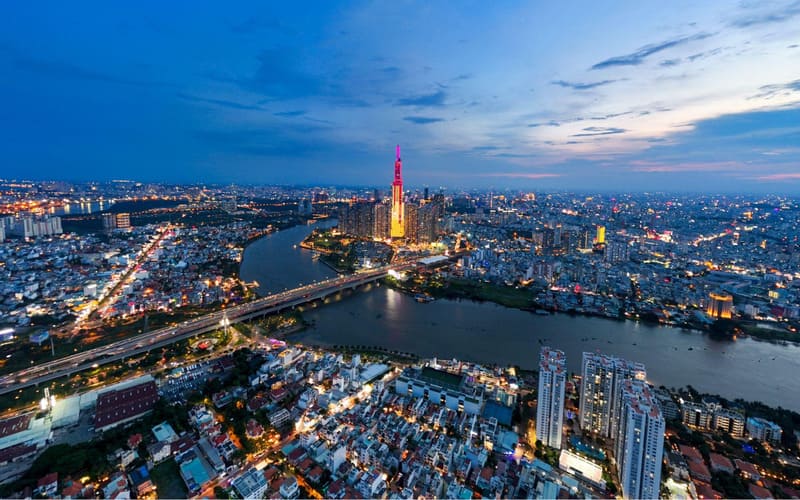
Saigon River flows 256 km, shaping Ho Chi Minh City’s skyline (Source: Collected)
The Saigon River has shaped the development of Ho Chi Minh City for centuries. Like many famous cities built along rivers, such as Paris on the Seine or London on the Thames, Saigon grew and prospered thanks to the strategic advantages provided by its river.
In the 17th century, when the region known as Gia Dinh began to develop under the Nguyen Lords, the Saigon River served as the main gateway to the area. At that time, land transportation was limited, and boats traveling through a network of rivers and canals were the most reliable way to reach the settlement.
Merchants and travelers typically entered the region through the Can Gio coastal area, then followed the Nha Be River before turning into the Ben Nghe River, the historical name for the Saigon River, to reach Gia Dinh. This waterway system helped transform the region into an important trading center in southern Vietnam.
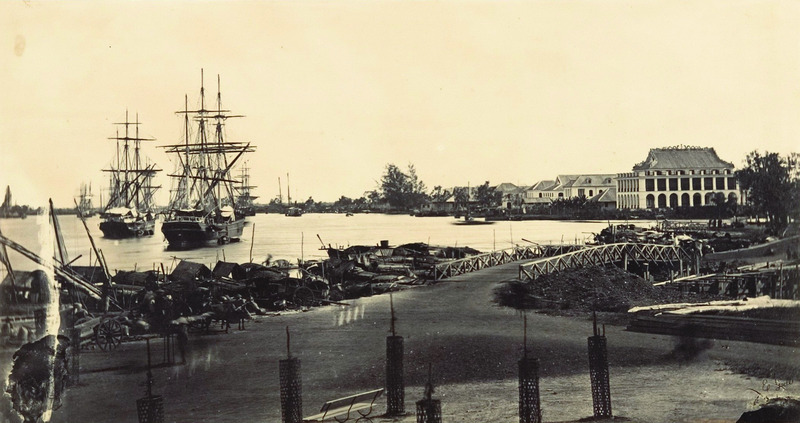
In the 17th century, the Saigon River was Gia Dinh’s main gateway (Source: Collected)
The significance of the Saigon River increased dramatically between the 18th century and the first half of the 20th century, especially during the French colonial period. The French administration expanded port infrastructure along the riverbanks and established Saigon Port, which soon became one of the busiest commercial ports in Southeast Asia.
International merchant ships from China, Southeast Asia, and Europe regularly arrived along the Saigon River carrying goods such as rice, rubber, textiles, and other resources from southern Vietnam. During this time, major riverfront structures were built, including Nha Rong Wharf, which played a key role in regional trade routes.
Thanks to its economic prosperity and modern urban development, Saigon gained the nickname “The Pearl of the Far East.” The Saigon River played a central role in this transformation by supporting trade, transportation, and the growth of the colonial city.
Today, the Saigon River remains closely tied to the identity of the city. While its role in heavy trade has gradually shifted toward modern port facilities outside the city center, the river continues to support transportation, tourism, and urban life.
Cruises, water buses, and riverside developments now allow visitors and locals to experience the river in new ways. At the same time, historic sites along its banks remind travelers of the important role the Saigon River has played in shaping one of Southeast Asia’s most dynamic cities.
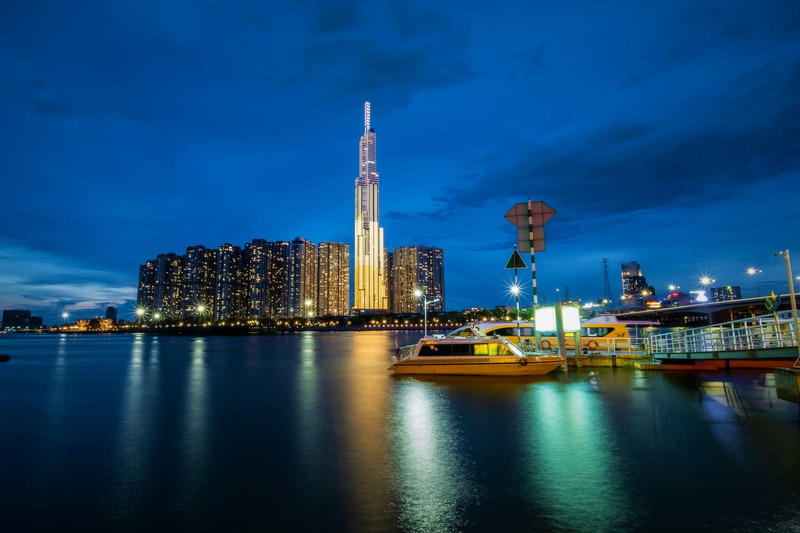
Saigon River remains vital to Ho Chi Minh City’s life and tourism (Source: Collected)
The Saigon River offers a refreshing contrast to the busy streets of Ho Chi Minh City. Beyond its historical importance, the river has become a vibrant destination for sightseeing, outdoor activities, and cultural experiences. Travelers can enjoy relaxing cruises, modern river transport, and scenic waterfront dining while discovering different perspectives of the city.
Here are some of the most rewarding experiences along the Saigon River.
A Saigon River cruise is one of the most popular ways to explore the city from the water. Cruises typically depart from Bach Dang Wharf in District 1 and travel along the river past key landmarks such as Saigon Bridge, Landmark 81, and several riverside neighborhoods.
Daytime cruises offer clear views of the urban landscape, while sunset cruises provide a more atmospheric experience as the sky changes colors over the skyline. Evening cruises reveal the illuminated city, creating memorable views of Ho Chi Minh City at night.
Many cruise operators also offer guided tours, live entertainment, or dining options during the journey.
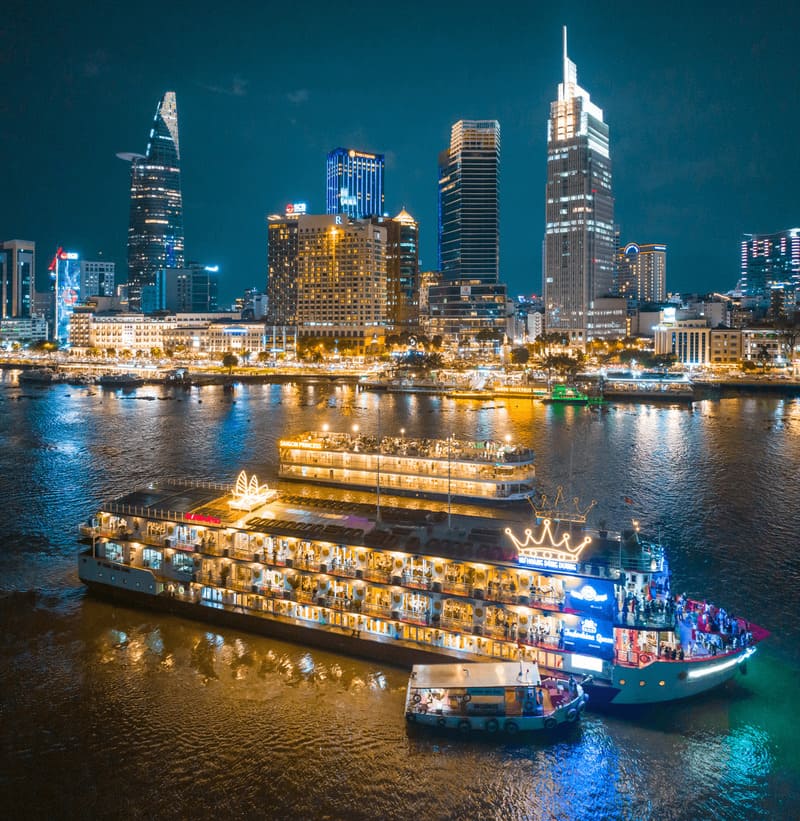
Saigon River cruises offer skyline views and scenic city tours (Source: Collected)
The Saigon Water Bus is a modern and affordable way to travel along the river while enjoying panoramic city views. Operating since 2017, the service connects Bach Dang Wharf with several stops including Binh An, Thanh Da, Hiep Binh Chanh, and Linh Dong.
Each water bus is equipped with comfortable seating and safety equipment, and many boats feature an open viewing area for sightseeing. The journey provides excellent views of the riverfront skyline, especially around Thu Duc City and Binh Thanh District.
Morning and late afternoon trips are usually the most pleasant times to ride, when temperatures are cooler and the lighting is ideal for photos.
Speedboat tours along the Saigon River offer a fast and scenic route to the Cu Chi Tunnels, one of Vietnam’s most famous historical sites. Departing from the city center, the boat journey takes approximately 1.5 hours, significantly shorter than traveling by road.
Along the way, passengers can observe daily life along the riverbanks, including fishing boats, small villages, and riverside markets. The trip provides a fascinating transition from the modern city center to the quieter rural landscapes outside Ho Chi Minh City.
For many travelers, this speedboat journey combines historical exploration with a unique river experience.
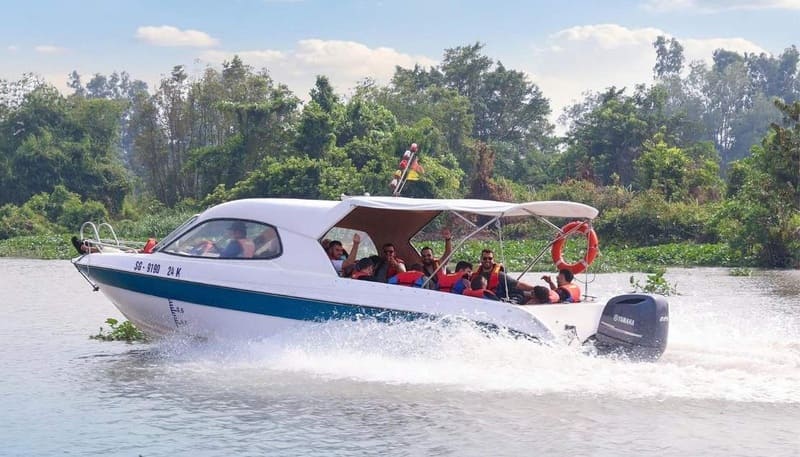
Speedboat trips to Cu Chi combine history and river views (Source: Collected)
Stand-up paddleboarding, often called SUP, has become an increasingly popular activity on the Saigon River. Local operators organize guided sessions in calmer sections of the river, particularly around Thanh Da Peninsula, Binh Quoi, and District 7.
Participants receive basic instructions and safety equipment before heading onto the water. Early morning and late afternoon sessions are the most suitable times, when river conditions are calmer and temperatures are more comfortable.
Paddleboarding offers a peaceful way to enjoy the river while staying active and experiencing a different side of the city.
A Saigon River dinner cruise is a memorable evening experience in Ho Chi Minh City. These cruises usually depart from the central pier and travel along the river while guests enjoy Vietnamese or international cuisine.
During the journey, passengers can admire the city skyline, including landmarks such as Landmark 81, Saigon Bridge, and the riverside skyline of District 1. Many dinner cruises also include traditional music performances or cultural shows.
The combination of city lights, gentle river breezes, and live entertainment creates a relaxed and romantic atmosphere.
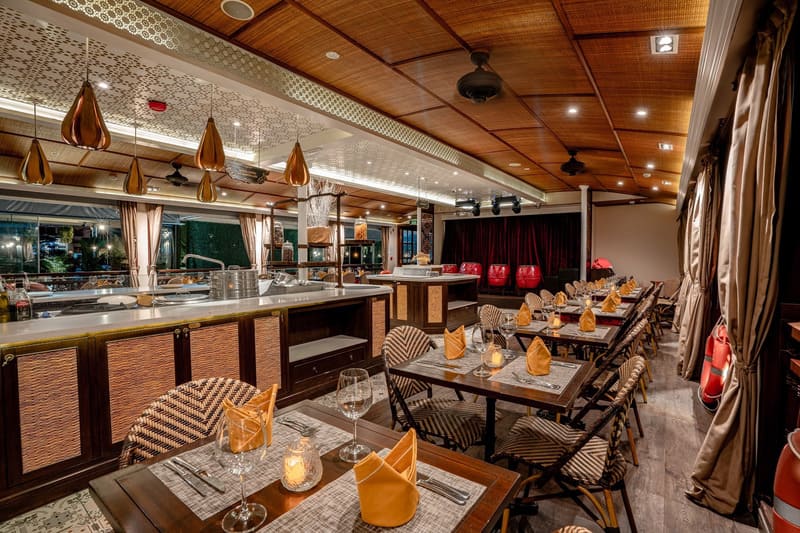
Enjoy skyline views and dining on a Saigon River cruise (Source: Collected)
Travelers who prefer staying on land can still enjoy the beauty of the Saigon River by visiting one of the many riverside restaurants and cafés. These venues are located along both banks of the river, particularly in Thu Duc City, District 2, and Binh Thanh District.
Many restaurants specialize in fresh seafood and Vietnamese cuisine, while others offer international dishes and cocktail bars. Dining by the river allows visitors to enjoy cool breezes and scenic views of passing boats and the city skyline.
The Saigon River also serves as a natural route toward the Mekong Delta, one of southern Vietnam’s most culturally rich regions. Some extended river tours travel downstream before connecting to smaller waterways that lead deeper into the delta.
These trips allow visitors to observe rural landscapes, floating markets, and traditional riverside communities. Although most Mekong tours start by road, river journeys provide a more immersive experience and reveal how important waterways remain in daily life across southern Vietnam.
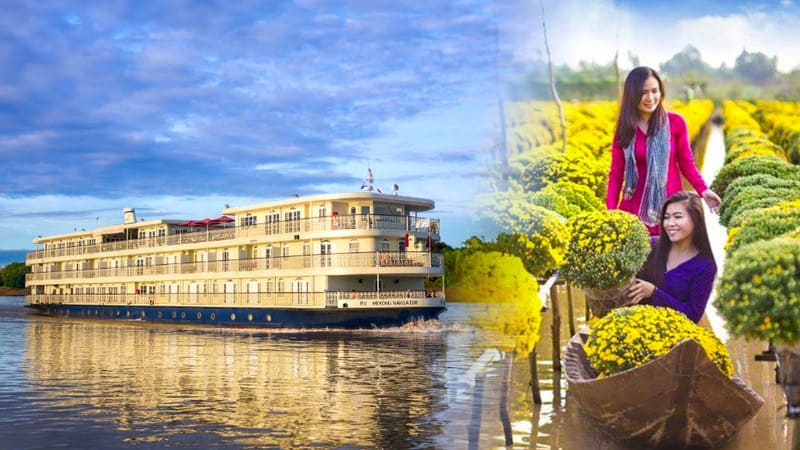
Saigon River journeys reveal life toward the Mekong Delta (Source: Collected)
Learn more: 25 Best Things to Do in Ho Chi Minh City (Saigon)
Nha Rong Wharf is one of the most historically significant sites along the Saigon River. Built in 1863 during the French colonial period, the building originally served as the headquarters of a French shipping company operating in Saigon Port.
The wharf is widely known as the place where President Ho Chi Minh departed Vietnam in 1911 to begin his journey abroad in search of a path for national independence. Because of its symbolic importance, the building was later converted into the Ho Chi Minh Museum, which displays photographs, documents, and artifacts related to his life and revolutionary career.
The name “Nha Rong,” meaning House of Dragons, comes from the two decorative dragon sculptures placed on the roof of the building. Today, the wharf remains an important historical landmark and a popular stop on Saigon River tours.
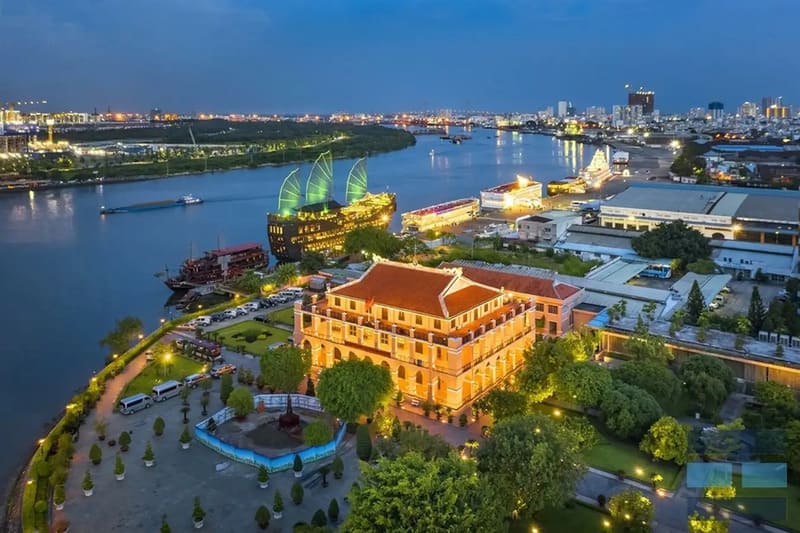
Nha Rong Wharf (Source: Collected)
Located on a small island in the Vam Thuat River, a tributary of the Saigon River, Phu Chau Floating Temple offers a peaceful spiritual retreat away from the busy city.
The temple is believed to be more than 300 years old and is dedicated to the Five Elements Goddess (Ngu Hanh). Visitors must take a short boat ride to reach the temple, which adds a unique charm to the experience.
One of the most striking features of the temple is its elaborate decoration. The structure is adorned with numerous dragon sculptures and colorful ceramic details that reflect traditional Vietnamese religious architecture. Many locals visit the temple to pray for luck, health, and prosperity.
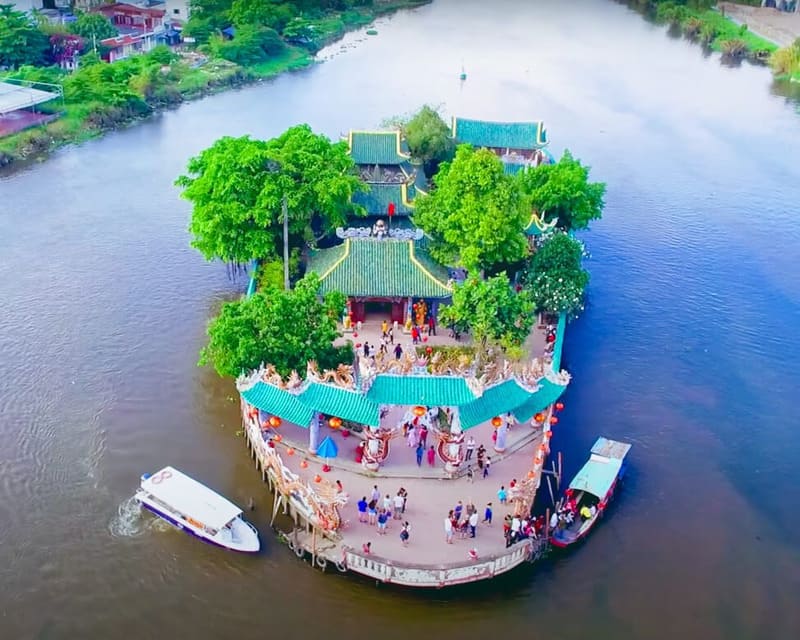
Phu Chau Floating Temple (Source: Collected)
Binh Dong Wharf provides an authentic glimpse into traditional river trade in Ho Chi Minh City. Located along the Tau Hu Canal, which connects to the Saigon River, the wharf has historically served as a key trading point between the Mekong Delta and the city.
Every morning, boats carrying fruits, vegetables, and flowers arrive at the wharf to supply local markets. The area becomes particularly lively during the Lunar New Year, when the famous Binh Dong floating flower market takes place. During this time, hundreds of boats filled with colorful flowers line the canal, creating a vibrant and photogenic scene.
Walking along the wharf offers visitors the chance to observe daily life along the waterways of southern Vietnam.
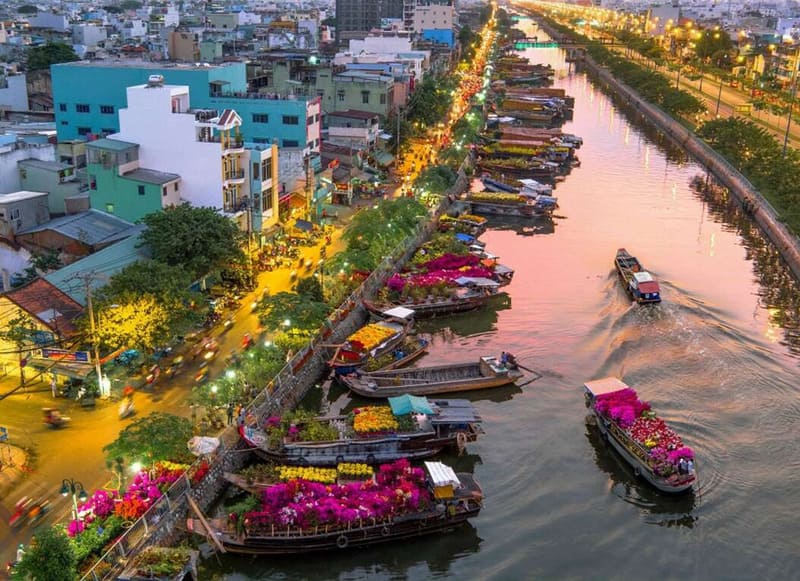
Binh Dong Wharf (Source: Collected)
Located on the Thanh Da Peninsula, Binh Quoi Tourist Village offers a peaceful escape from the busy city center. The area recreates the atmosphere of a traditional Mekong Delta village, with coconut trees, bamboo bridges, lotus ponds, and rustic cottages.
Visitors can enjoy a variety of cultural and leisure activities such as rowing small wooden boats, fishing, or relaxing in shaded gardens. The village is also known for its buffet-style restaurants serving Southern Vietnamese cuisine, including regional specialties and traditional dishes.
Thanks to its riverside setting and tranquil environment, Binh Quoi has become a favorite weekend destination for both locals and travelers.
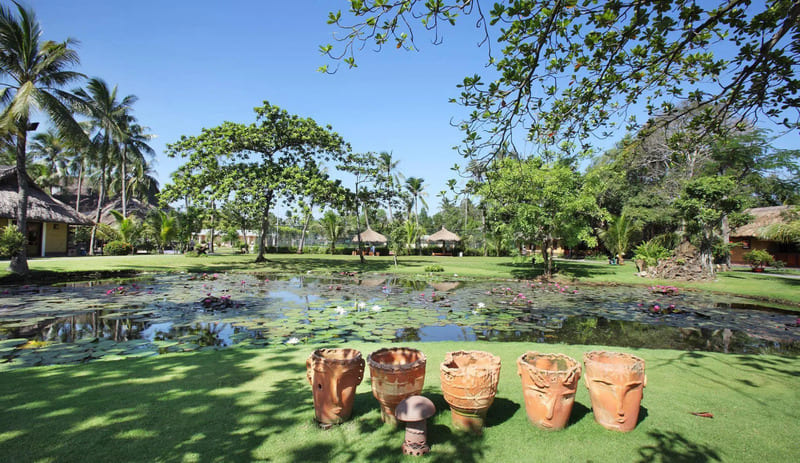
Binh Quoi Tourist Village (Source: Collected)
The Thanh Da Peninsula is one of the quietest areas along the Saigon River. Located in Binh Thanh District, this riverside neighborhood still preserves a slower pace of life compared with the city center.
The peninsula features narrow roads, riverside houses, small markets, and local seafood restaurants. Cycling or motorbike rides around Thanh Da provide scenic views of the river and a glimpse into everyday life along the waterfront.
Many visitors come here to enjoy the peaceful atmosphere and watch the sunset over the Saigon River.
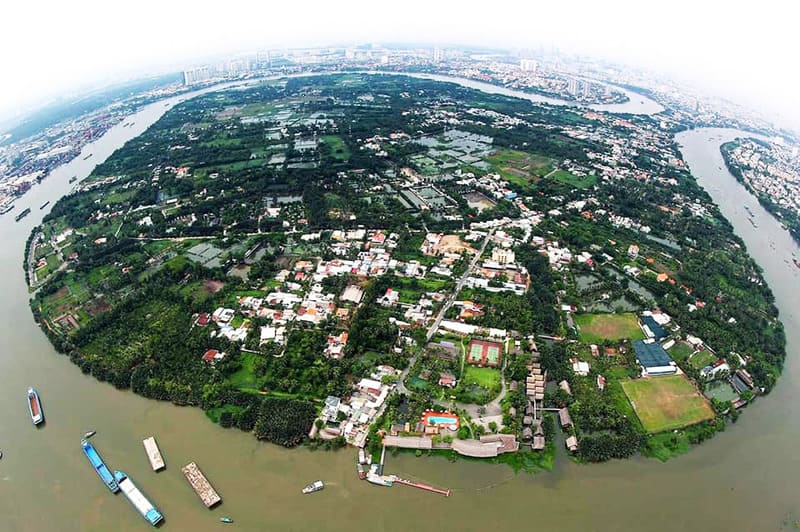
Thanh Da Peninsula (Source: Collected)
Modern Ho Chi Minh City is best represented by Landmark 81, the tallest building in Vietnam at 461 meters. Located along the Saigon River in Vinhomes Central Park, the skyscraper dominates the city’s skyline.
At the base of the tower lies Saigon Riverside Park, a spacious green area where locals gather for walking, jogging, and outdoor activities. The park also offers excellent views of the river and surrounding skyline.
In the evening, the area becomes lively as visitors come to enjoy the cooler weather, city lights, and beautiful reflections on the water. Landmark 81 and the surrounding park have quickly become one of the most recognizable riverfront destinations in Ho Chi Minh City.
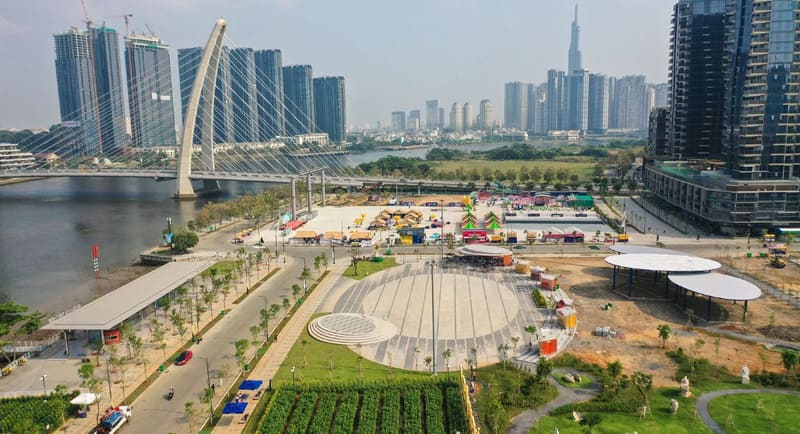
Saigon Riverside Park (Source: Collected)
A visit to the Saigon River can easily become one of the highlights of your time in Ho Chi Minh City. Keep these practical tips in mind to enjoy the experience comfortably and make the most of the riverfront views.
The most popular ways to explore the Saigon River include river cruises, the Saigon Water Bus, and speedboat tours. A river cruise provides a relaxing sightseeing experience with views of Ho Chi Minh City’s skyline and landmarks. The Saigon Water Bus offers a more affordable option for enjoying the river while traveling between different districts. Speedboat tours are ideal for travelers who want to combine river exploration with visits to nearby attractions such as the Cu Chi Tunnels.
Yes. Organized activities on the Saigon River, such as cruises, speedboat tours, and stand-up paddleboarding, are generally safe when operated by licensed providers. Tour companies follow safety regulations and provide equipment such as life jackets. Visitors should always choose reputable operators and follow the instructions given by guides to ensure a safe experience on the water.
The best time for a Saigon River cruise is late afternoon or early evening. Sunset cruises allow visitors to enjoy cooler temperatures and beautiful views as the sky changes colors over the city. Evening cruises are also popular because the illuminated skyline of Ho Chi Minh City reflects on the water, creating a vibrant nighttime atmosphere.
Yes. Many riverside restaurants, cafés, and bars are located along both banks of the Saigon River. Popular areas include Thu Duc City, District 2, and Binh Thanh District, where visitors can find seafood restaurants, Vietnamese dining spots, and modern cafés with river views. Dining by the river offers a relaxing setting with fresh breezes and scenic views of passing boats.
The Saigon River becomes especially attractive at night. As the city lights up, landmarks such as Landmark 81, Saigon Bridge, and the skyline of District 1 reflect on the water. Night cruises and riverside parks provide some of the best viewpoints to enjoy this atmosphere. The calm river surface and illuminated buildings create one of the most memorable nighttime scenes in Ho Chi Minh City.
The Saigon River is approximately 256 kilometers long. It originates in southeastern Cambodia and flows through several provinces, including Binh Phuoc, Tay Ninh, and Binh Duong, before reaching Ho Chi Minh City. Within the city itself, the river runs for about 80 kilometers, playing an important role in transportation, trade, and tourism.
Today, the Saigon River remains an essential part of Ho Chi Minh City, connecting its past with its modern urban life. Once a vital trade route, the river has evolved into a vibrant waterfront destination where visitors can enjoy cruises, riverside dining, outdoor activities, and impressive skyline views.
For travelers looking to explore Ho Chi Minh City beyond its busy streets, the Saigon River offers a unique perspective on the city’s culture, history, and daily life. Your Vietnam Travel offers tailor-made journeys and city tours that allow visitors to experience the best of Saigon and its surrounding regions. Contact our team to start planning your personalized Vietnam travel experience.


 Vietnam Tours
 Cambodia Tours
 Laos Tours
 Thailand Tours
 Multi-Country Tours