Planning a trip during Vietnam's dry season starts with understanding one important fact: there is no single dry season for the entire country. Weather varies significantly between the north, central coast, south, and Central Highlands. This guide helps you choose the best time and destinations based on regional weather patterns.
The dry season in Vietnam generally runs from November to April, especially in Northern Vietnam, Southern Vietnam, and the Central Highlands. This is when rainfall is lower, humidity is more comfortable, and outdoor travel is easier to plan.
However, the dry season is different in Central Vietnam. Coastal destinations such as Hue, Da Nang, Hoi An, Nha Trang, and Quy Nhon usually have their best weather from February to August, after the heavy rains and storm risks of autumn.
Here is a quick regional guide:
| Region | Typical Dry Season | What to Expect |
| Northern Vietnam | November to April | Cool to mild weather with lower rainfall. Misty mornings are possible, especially in mountainous areas. |
| Central Vietnam | February to August | Warm, sunny weather with relatively low rainfall, ideal for beaches and sightseeing. |
| Southern Vietnam | December to April | Hot, sunny conditions with low rainfall and lower humidity than the wet season. |
| Central Highlands | November to April | Dry, cooler weather, making it a great time for nature, waterfalls, and coffee-growing landscapes. |
The dry season does not mean every day is completely rain-free. Light showers, mist, or short tropical rains can still happen, but travel conditions are generally more stable than during the rainy season.
Northern Vietnam is generally dry from November to April, covering destinations such as Hanoi, Ha Long Bay, Ninh Binh, Sapa, Ha Giang, Mai Chau, and Pu Luong.
From November to February, the weather is cool, while mountain areas can be cold with frequent mist. Daytime temperatures typically range from 10 - 22°C, making cities comfortable for sightseeing and the highlands suitable for trekking if you prepare for colder mornings and evenings.
Conditions become warmer from March to April, bringing greener landscapes and better visibility for outdoor activities, although light drizzle may still occur around Hanoi and the Red River Delta.
To discover more destinations and experiences across the region, explore our Northern Vietnam travel guide.
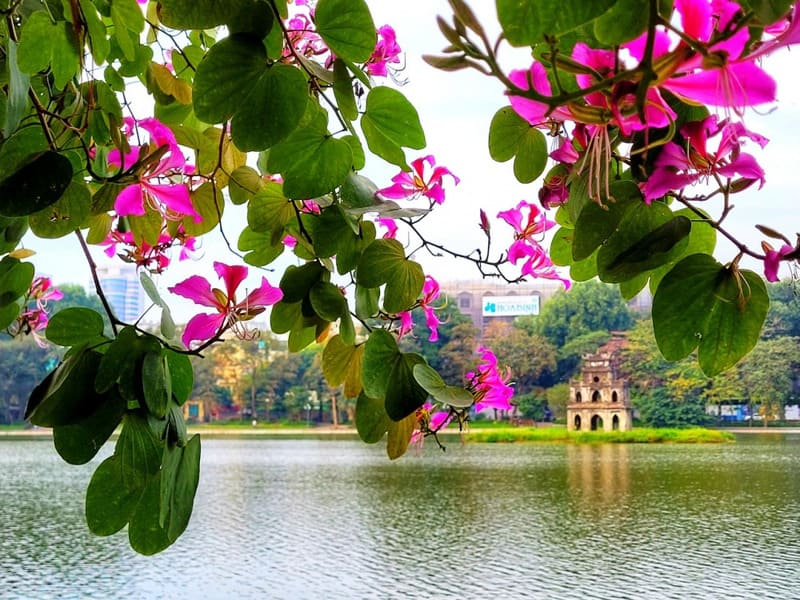
Cool, dry days make Northern Vietnam easier to explore (Source: Collected)
Along the central coast, the dry season generally lasts from February to August, with the most pleasant conditions between March and July. This is the ideal time to visit Hue, Da Nang, Hoi An, My Son Sanctuary, Quy Nhon, Nha Trang, and nearby attractions after the rainy months from September to December.
Expect temperatures of 24 - 35°C. Hue may remain cool early in the year, while Da Nang, Hoi An, and Nha Trang quickly become sunnier, offering excellent conditions for beaches, cultural sites, and outdoor activities.
If you're visiting Hue, Da Nang, Hoi An, or Nha Trang, our Central Vietnam travel guide has everything you need to plan your trip.
Southern Vietnam enjoys hot, sunny weather from December to April, making it one of the country's most reliable seasons for travel. Popular destinations include Ho Chi Minh City, the Mekong Delta, Phu Quoc, Con Dao, Mui Ne, Vung Tau, and Cat Tien National Park.
With little rainfall and temperatures around 25 - 35°C, the season is ideal for city sightseeing, river cruises, beach holidays, and island trips. March and April are typically the hottest months.
For a complete overview of cities, islands, and river experiences, check out our Southern Vietnam guide.
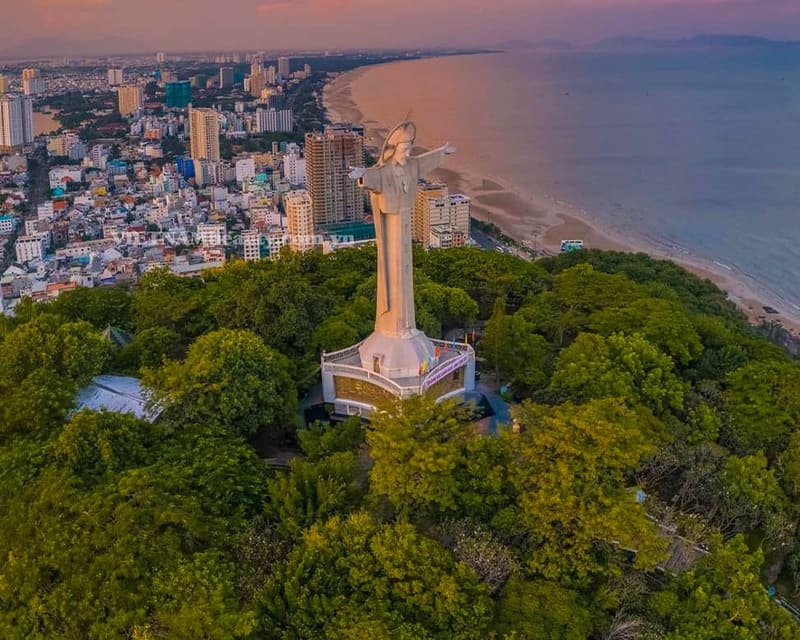
Southern Vietnam is bright and sunny in dry season (Source: Collected)
The Central Highlands are also dry from November to April, but higher elevations create a much cooler climate than southern Vietnam. Da Lat, Buon Ma Thuot, Pleiku, Kon Tum, and Dak Lak are especially pleasant during this period.
The season is ideal for exploring waterfalls, coffee plantations, mountain roads, and ethnic villages. Depending on the month, visitors may also see coffee blossoms, wild sunflowers, or harvest landscapes.
To explore more destinations and experiences, discover the Central Highlands of Vietnam.
The dry season is one of the most convenient times to visit Vietnam, especially for travelers planning multi-region itineraries, beach holidays, cultural trips, honeymoons, photography tours, or outdoor adventures.
There are also a few things to consider. Popular destinations can be crowded from December to February and around Tet, while flights and hotels may be more expensive. From March onward, southern and central coastal areas can become hot. In Northern Vietnam and mountain regions, dry season can still bring mist, cold weather, or cloudy views.
Hanoi is one of the best places to begin a dry season trip. Cooler, drier weather makes it comfortable to explore the Old Quarter, Hoan Kiem Lake, temples, museums, local markets, and the city's renowned street food scene. It also serves as a convenient gateway to Ninh Binh, Ha Long Bay, and Northern Vietnam.
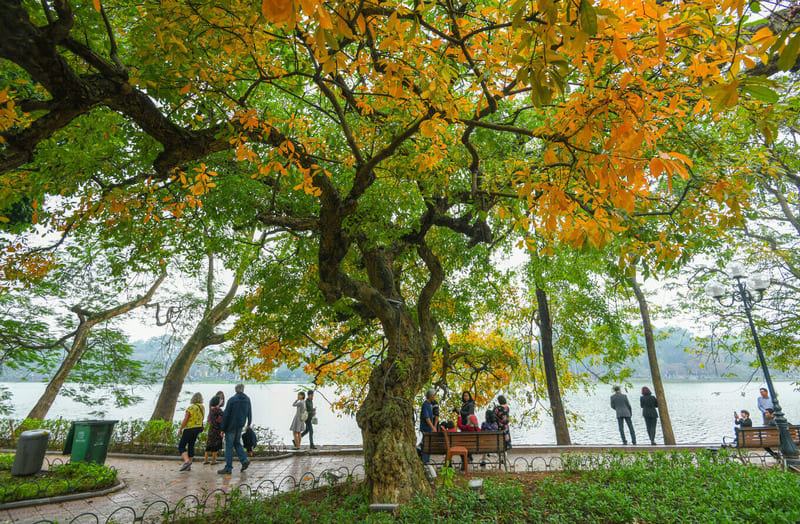
Hanoi is pleasant to explore in cooler dry months (Source: Collected)
Calm weather and lower rainfall create excellent conditions for cruising, kayaking, cave exploration, and overnight stays. Ha Long Bay is famous for its iconic limestone islands, while nearby Lan Ha Bay provides a quieter experience around Cat Ba Island with fewer crowds.
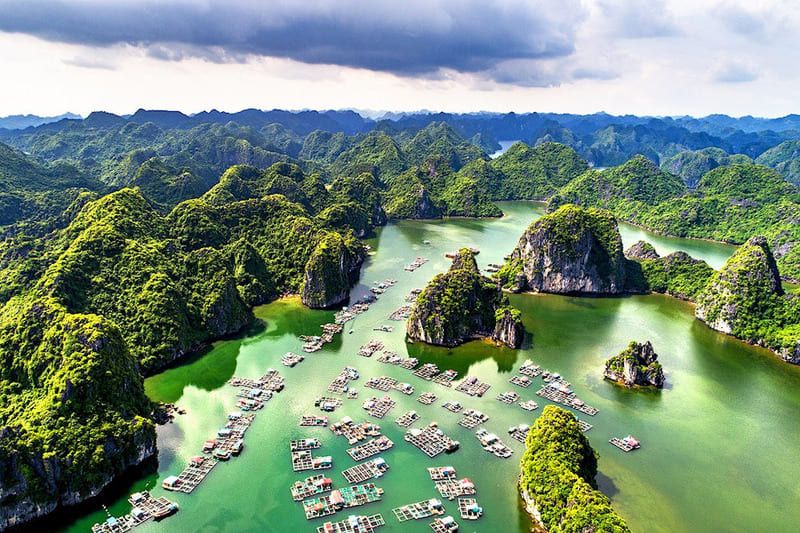
Calm dry-season weather is ideal for bay cruises (Source: Collected)
Often paired with Hanoi, Ninh Binh is perfect for boat trips through Trang An and Tam Coc, cycling between limestone mountains, and visiting Hoa Lu, Bai Dinh Pagoda, and Hang Mua Viewpoint. Dry weather also makes outdoor activities far more enjoyable.
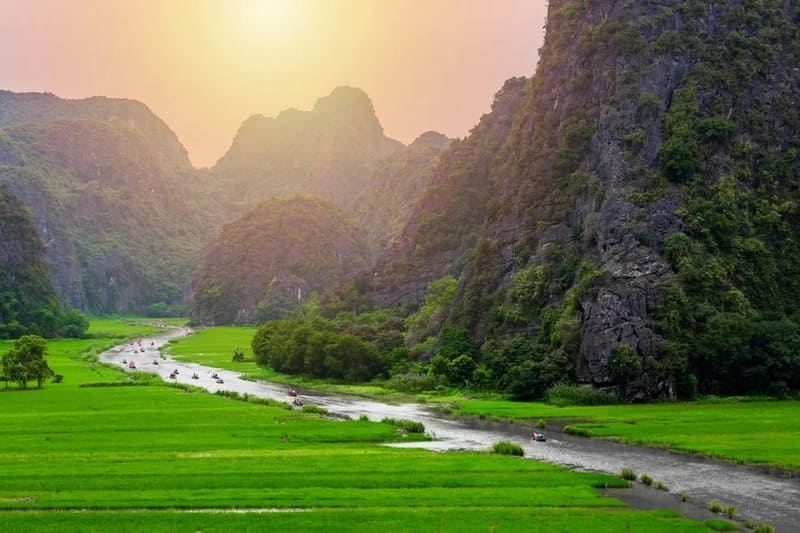
Ninh Binh’s limestone scenery shines in dry weather (Source: Collected)
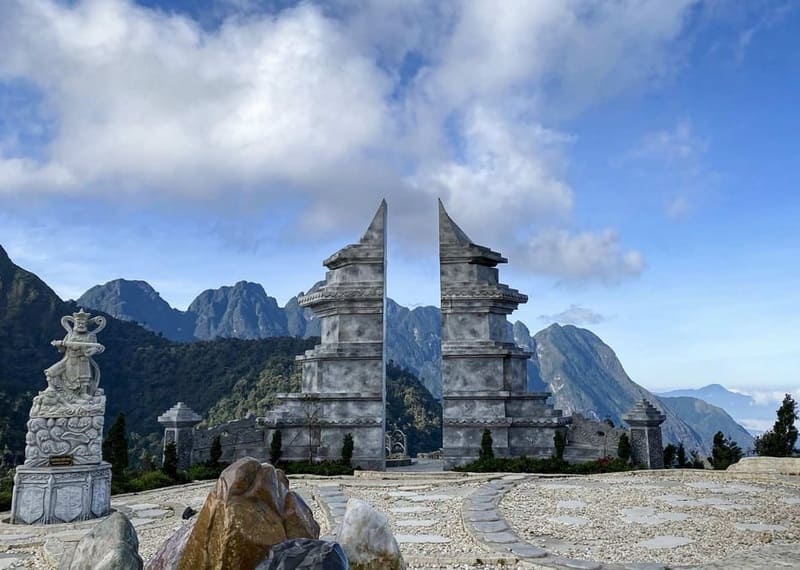
For mountain landscapes and ethnic culture, Sapa and Ha Giang are the standout choices. Sapa suits travelers looking for village trekking and terraced rice fields, while Ha Giang rewards adventurous visitors with dramatic mountain passes, the Dong Van Karst Plateau, and the Nho Que River. Roads and trails are generally easier to navigate during the dry season.
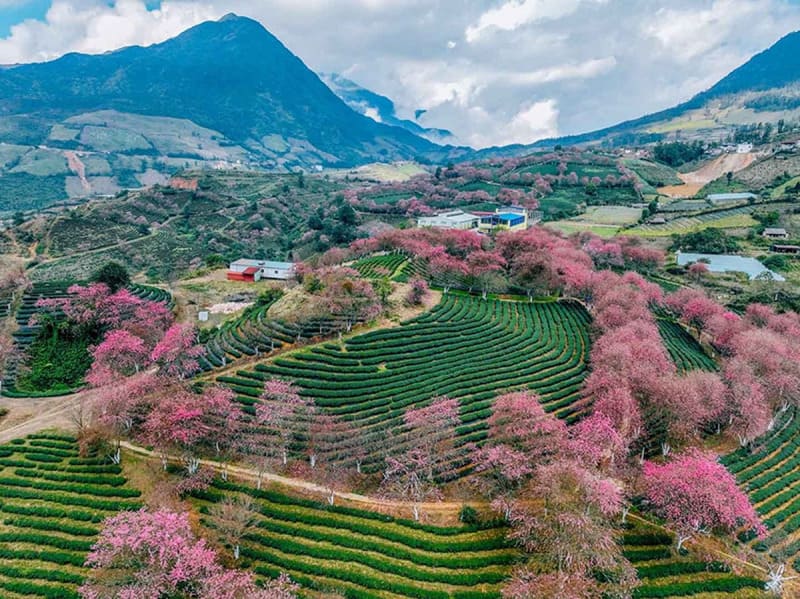
Spring colors brighten the mountains of Sapa and Ha Giang (Source: Collected)
These three destinations combine easily into one itinerary. Hue showcases Vietnam's imperial heritage, Da Nang blends beaches with modern attractions, and Hoi An charms visitors with its lantern-lit ancient town, riverside cafés, and local cuisine. Together, they offer a balanced mix of history, culture, food, and relaxation.
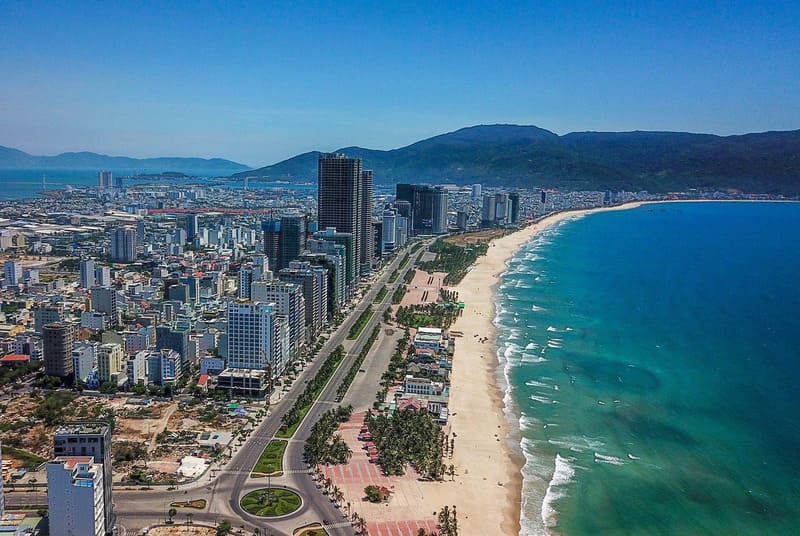
Central Vietnam is perfect for culture and coast (Source: Collected)
For a beach-focused holiday, Nha Trang and Quy Nhon are both excellent choices. Nha Trang has vibrant nightlife, island tours, snorkeling, and diving, while Quy Nhon offers quieter beaches, scenic coastal drives, fresh seafood, and a more laid-back atmosphere.
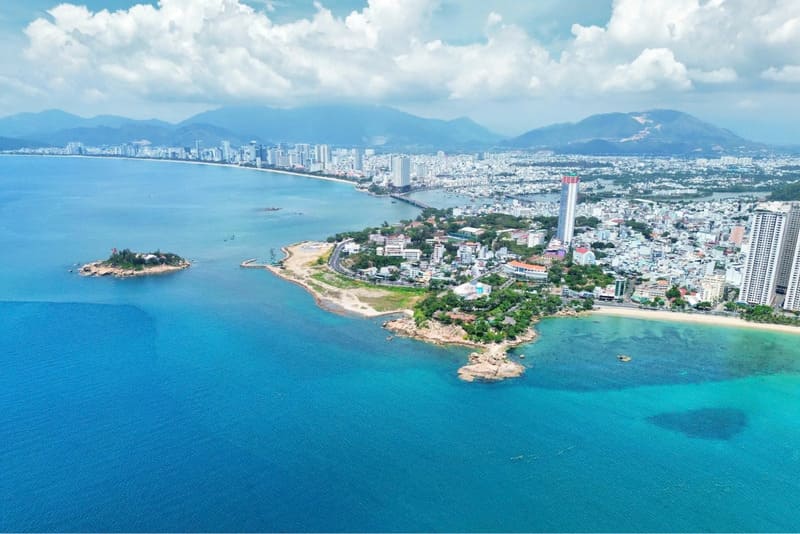
Sunny beaches make Nha Trang appealing (Source: Collected)
Vietnam's largest city is best explored during the dry season, when walking between landmarks is more comfortable. Popular attractions include the War Remnants Museum, Independence Palace, Ben Thanh Market, Nguyen Hue Walking Street, and Chinatown. It also makes a convenient base for day trips to the Cu Chi Tunnels and Mekong Delta.

Dry weather makes Ho Chi Minh City easier to enjoy (Source: Collected)
The dry season is ideal for exploring the Mekong Delta by boat or bicycle. Can Tho is famous for Cai Rang Floating Market, Ben Tre for coconut-lined canals, and Chau Doc for Tra Su Cajuput Forest. Spending a night in the region provides a more authentic experience than a quick day trip.
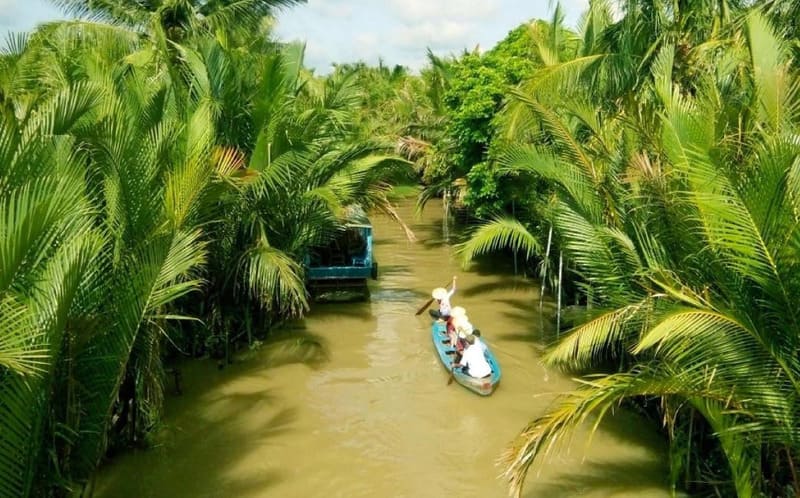
The Mekong Delta is ideal for boat trips in dry season (Source: Collected)
With calm seas and sunny weather, Phu Quoc is one of Vietnam's top beach destinations during the dry season. Relax on Long Beach or Sao Beach, explore the An Thoi Islands, visit Phu Quoc National Park, and enjoy fresh seafood before ending the day with a sunset by the coast.
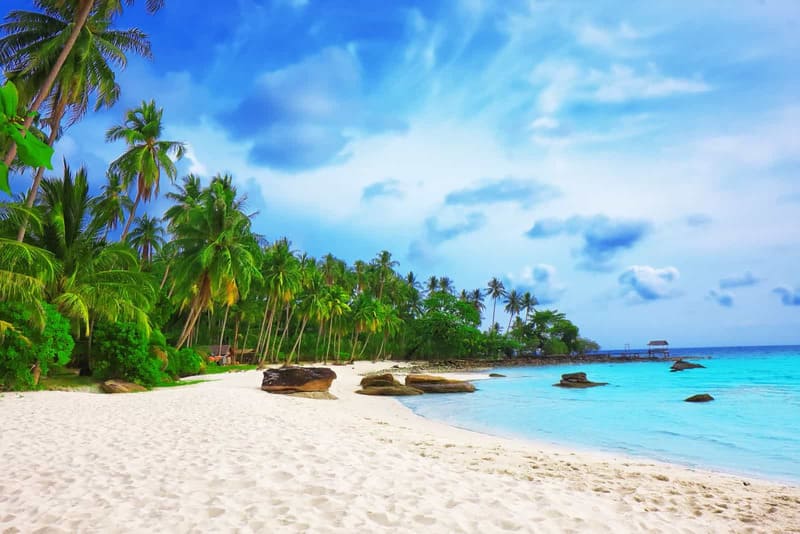
Phu Quoc is at its best with calm seas and sun (Source: Collected)
If you prefer cooler weather, head to Da Lat and the Central Highlands. Pine forests, waterfalls, coffee plantations, flower gardens, and ethnic villages create a refreshing contrast to Vietnam's beaches and busy cities, making the region a rewarding stop for nature lovers.
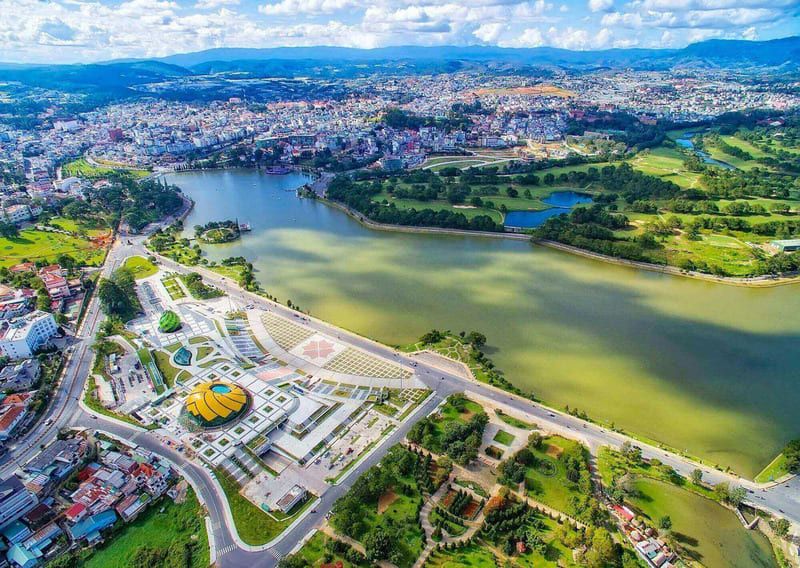
Da Lat offers cool air during Vietnam’s dry season (Source: Collected)
The dry season brings calmer water and more reliable weather, making it a great time for cruises. In the north, Ha Long Bay, Lan Ha Bay, Bai Tu Long Bay, and Ninh Binh offer limestone landscapes, caves, and kayaking. In the south, the Mekong Delta and Phu Quoc feature peaceful canals, floating markets, riverside villages, and island-hopping trips.
Best places for cruising:

Dry-season cruises reveal Vietnam’s best landscapes (Source: Collected)
Drier trails make trekking safer and more enjoyable across Northern Vietnam and the Central Highlands. Sapa, Ha Giang, Pu Luong, Mai Chau, and Mu Cang Chai are known for rice terraces, mountain scenery, and ethnic villages, while Da Lat and Bidoup Nui Ba National Park suit lighter outdoor adventures.
Best trekking areas:
Travel note: Mountain weather changes quickly, so pack sturdy shoes, light layers, and rain protection.
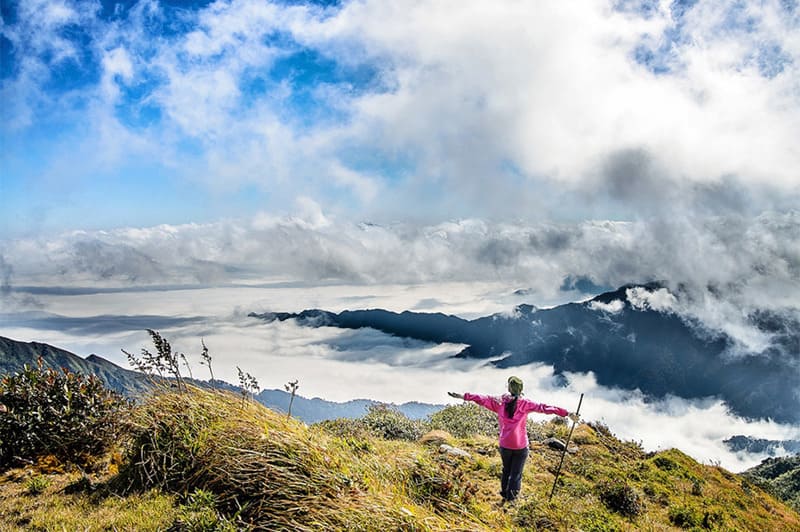
Drier trails make mountain trekking more rewarding (Source: Collected)
Dry weather is ideal for sightseeing on foot. Explore Hanoi's Old Quarter, Hue's imperial heritage, Hoi An's lantern-lit streets, My Son Sanctuary, Ninh Binh's temples, and Ho Chi Minh City's museums, markets, and colonial landmarks.
Best cultural experiences:
The dry season offers sunnier skies and calmer seas for beach holidays. Phu Quoc, Con Dao, Mui Ne, and Southern Vietnam are best from December to April, while Da Nang, An Bang Beach, Nha Trang, and Quy Nhon are generally at their best from around March.
Best beaches and coastal areas:
Travel note: Choose your beach based on the month, as dry-season conditions vary by region.
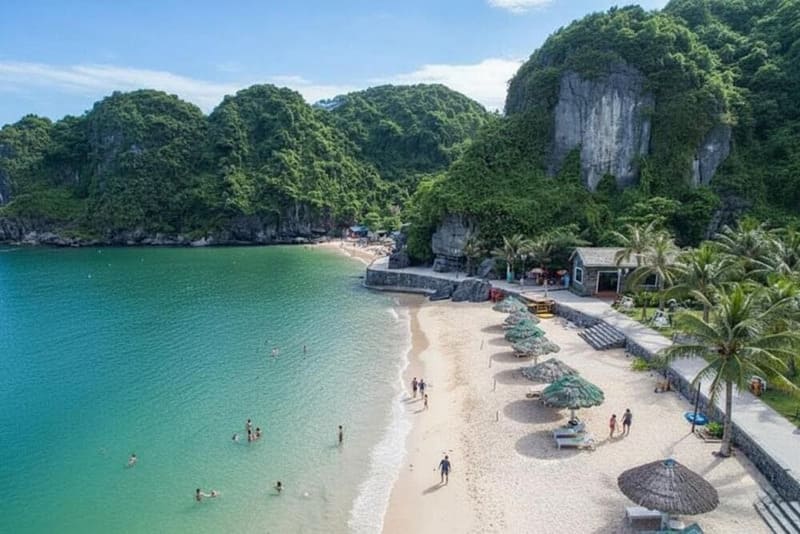
Vietnam’s beaches are brighter in the dry season (Source: Collected)
The Mekong Delta is easier to explore during the dry season, with comfortable conditions for boat trips, cycling, fruit orchards, and village visits. Cai Rang Floating Market is busiest in the early morning, while Ben Tre and Tra Su Cajuput Forest offer quieter countryside experiences.
Best Mekong Delta experiences:
If you visit in January or February, Tet offers a unique glimpse into Vietnamese culture through flower markets, festive decorations, traditional foods, and temple visits. After Tet, spring festivals continue at many temples and historic sites, especially in Northern Vietnam.
Travel note: Book transport and accommodation well in advance, as many services operate on reduced schedules during the main Tet holiday.
Before planning your route, keep these practical tips in mind to make the most of Vietnam’s dry season and avoid common travel issues.
Yes. The dry season offers more reliable weather and less rain, making it ideal for sightseeing, beaches, cruises, trekking, and other outdoor activities. The best months vary by region: Northern and Southern Vietnam are generally best from November to April, while the central coast is most favorable from February or March to August.
From December to April, Phu Quoc, Con Dao, and Mui Ne enjoy sunny weather and calmer seas. From February or March to August, Da Nang, An Bang Beach, Nha Trang, and Quy Nhon become excellent choices for swimming, island trips, and beach holidays.
Popular destinations are busiest from December to February and during Tet. Booking flights and hotels early, visiting attractions in the morning, and including quieter places like Pu Luong, Bai Tu Long Bay, Ben Tre, Quy Nhon, or Con Dao can help you avoid the largest crowds.
Lightweight clothing, sunscreen, sunglasses, a hat, and comfortable shoes are suitable for most destinations. If visiting Northern Vietnam, the Central Highlands, or mountain areas from December to February, bring a light jacket and extra layers. Trekking trips also require shoes with good grip.
Yes. The dry season is ideal for traveling across the country. March and April are especially suitable, offering pleasant weather in the north, improving conditions along the central coast, and the final months of the dry season in the south.
Daytime temperatures typically range from 30°C to 35°C, with March and April being the hottest months. Plan outdoor activities for the morning or late afternoon, stay hydrated, and use sun protection to stay comfortable.
The dry season in Vietnam is a great time to travel, but the best experience comes from choosing the right region for the right month. Northern Vietnam is ideal for culture, mountains, cruises, and cooler weather. Central Vietnam becomes excellent for beaches and heritage sites from spring onward. Southern Vietnam is perfect for sunshine, islands, cities, and river life from December to April.


 Vietnam Tours
 Cambodia Tours
 Laos Tours
 Thailand Tours
 Multi-Country Tours